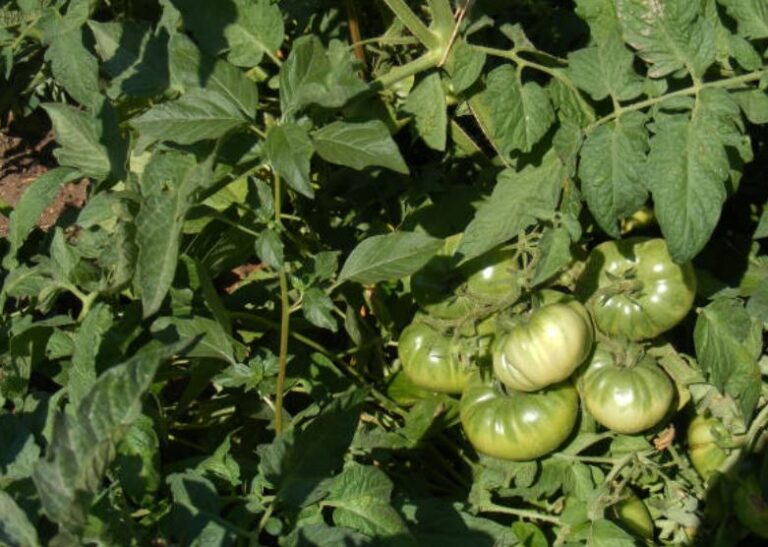
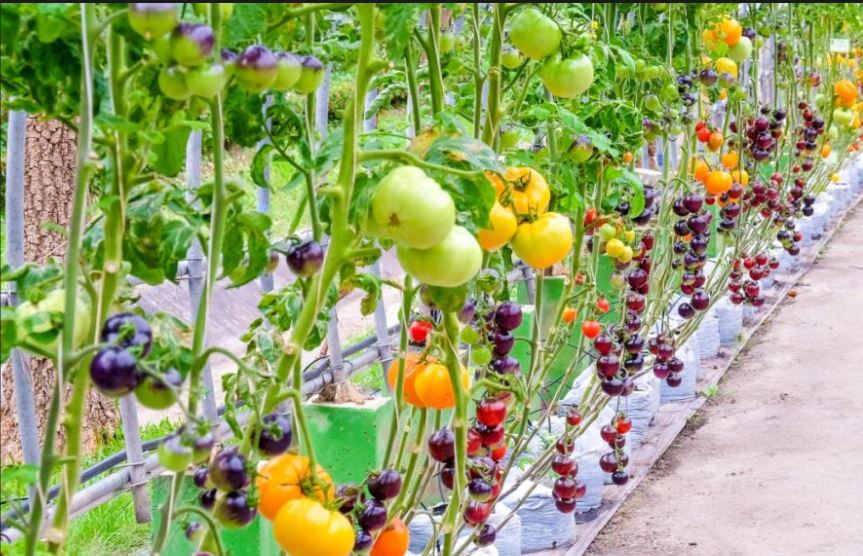
Heirloom tomatoes are open-pollinated varieties passed down through generations—typically over 50 years or more—treasured for their exceptional flavor, striking appearance, and rich history. Unlike hybrids bred for uniformity and shipping durability, heirlooms offer an explosion of taste that modern grocery store tomatoes simply cannot match. The short answer: If you want tomatoes with unforgettable flavor, unique colors, and fascinating stories, these 15 heirloom types will transform your garden and kitchen. From the legendary Brandywine to the smoky Cherokee Purple, each variety brings something special—whether it’s a citrusy tang, rich umami depth, or stunning striped appearance. Here is your definitive guide to the 15 best heirloom tomato varieties.
What Makes a Tomato an Heirloom?
Understanding the strict criteria behind the “heirloom” label helps you appreciate why these tomatoes are so special and valuable for home gardeners.
Open-Pollinated Genetics
Heirloom tomatoes are open-pollinated, meaning they are pollinated naturally by wind, insects, or birds without human intervention. This natural process results in seeds that produce plants with the same characteristics as the parent plant. Unlike hybrids (F1 varieties), heirlooms breed true from seed, allowing you to save seeds from your best-tasting fruits and grow identical plants year after year.
Age and Heritage
True heirlooms must be “old”—typically at least 50 years old, with many varieties dating back over a century. These tomatoes have been passed down through families, communities, and cultures, each carrying a unique story. Some trace origins to specific immigrant communities, while others were preserved by indigenous peoples. This historical connection adds depth to the growing experience—you are planting a living legacy.
Key criteria for heirloom status:
- Must be open-pollinated (not a hybrid)
- Must be at least 50 years old in cultivation
- Must have a documented history of being passed down
- Must grow true to type from saved seeds
- Cannot be genetically modified or commercially hybridized
Flavor Over Function
Heirloom tomatoes were bred for flavor, texture, and appearance—not for shipping durability, uniform ripening, or disease resistance. This focus on taste means heirlooms develop drastically higher sugar levels than conventional tomatoes, making them taste much sweeter and more complex. Their thinner skin and fragile cell walls make them incredibly flavorful but also prone to cracking and bruising, which is why they rarely appear in big-box grocery stores.
Heirloom vs. Hybrid Differences
Heirlooms offer superior juiciness, sweetness, and complex flavor profiles compared to hybrids. They display irregular shapes, varying sizes, and marbled or multi-colored skins rather than uniform appearance. Heirlooms are more delicate and bruise easily, with shorter shelf lives. Most importantly, heirlooms allow you to save seeds that will grow true to type, unlike hybrids where saved seeds produce unpredictable results.
Why Grow Heirloom Tomatoes?
Choosing heirlooms for your garden offers benefits that go far beyond just having tomatoes on your table. Here is why gardeners remain devoted to these historic varieties.
Superior Flavor
Heirlooms are universally acknowledged to have better flavor than modern hybrid tomatoes. The complex interplay of natural sugars and acids creates depth and character that hybrids simply cannot replicate. Each variety offers a distinct taste—from smoky and savory to bright and citrusy—providing an incredible range of culinary possibilities that transform simple dishes into memorable meals.
Genetic Diversity
Growing heirlooms helps preserve genetic diversity in our food system. Industrial agriculture relies on a limited number of hybrid varieties, leaving our food supply vulnerable to disease and climate change. By planting heirlooms, you become a steward of biodiversity, maintaining unique genetic traits that might otherwise be lost forever. This diversity also means better resilience and adaptability in changing garden conditions.
Benefits of genetic diversity:
- Greater resistance to region-specific pests and diseases
- Wider range of flavors, colors, and textures
- Adaptability to various climate conditions
- Preservation of cultural and culinary heritage
- Insurance against crop failure from monoculture vulnerabilities
Seed Saving Freedom
Heirloom varieties allow you to save seeds from your best-performing plants and use them again next season. This self-sufficiency reduces your gardening costs and lets you select for traits that perform well in your specific microclimate. Over time, your saved seeds will become uniquely adapted to your garden, producing better yields and flavor with each generation you grow.
Historical Connection
Every heirloom tomato has a story—whether it was carried across the ocean by immigrants, cultivated by Native American tribes, or preserved through generations of family gardeners. Growing these varieties connects you to history and the people who kept these seeds alive through wars, famines, and migrations. You become part of that ongoing story every time you plant an heirloom seed.
When and Where to Plant Heirloom Tomatoes
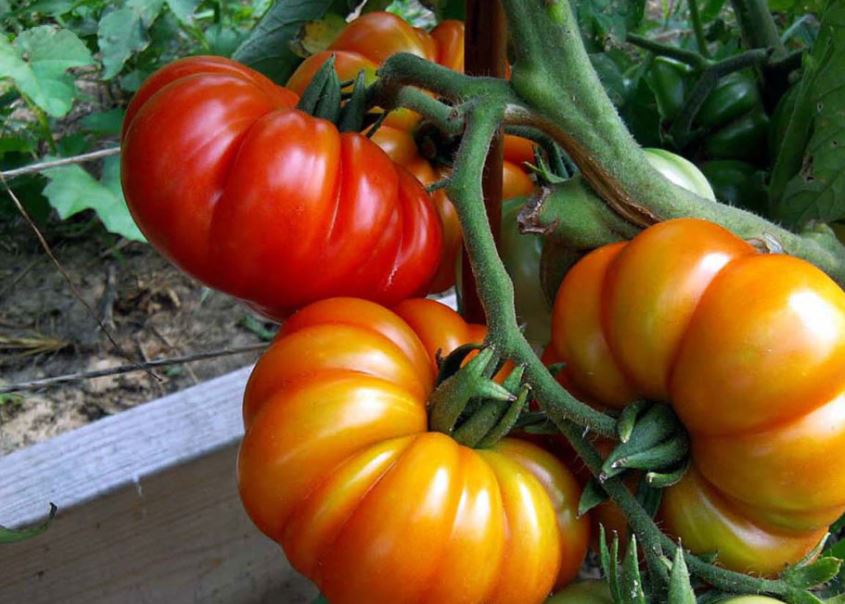
Timing and location are critical factors that determine the success of your heirloom tomato crop. Understanding these fundamentals ensures healthy plants and abundant harvests.
Best Planting Time
Heirloom tomatoes are warm-season crops that require soil temperatures above 60°F (15°C) for optimal growth. Start seeds indoors 6-8 weeks before your last expected frost date. Transplant seedlings outdoors only after all danger of frost has passed and nighttime temperatures consistently stay above 50°F (10°C). Planting too early stunts growth and invites disease.
Choosing the Right Location
Select a location that receives full sun—at least 6 to 8 hours of direct sunlight daily. Heirlooms thrive in this intense light, which develops their complex sugars and flavors. Ensure the site has good air circulation to prevent fungal diseases and avoid low-lying areas where cold air settles. Good airflow also helps the foliage dry quickly after rain.
Soil Preparation
Heirloom tomatoes require rich, well-draining soil with a pH between 6.0 and 6.8. Work generous amounts of compost or aged manure into the soil before planting to provide essential nutrients.
Soil preparation checklist:
- Test soil pH and amend with lime or sulfur as needed
- Mix in 2-3 inches of compost or well-rotted manure
- Add bone meal for phosphorus to support root and fruit development
- Ensure deep soil (at least 12 inches) for extensive root systems
- Avoid fresh manure, which can burn roots and promote disease
Climate Considerations
Different heirlooms perform better in different climates. Some varieties, like Arkansas Traveler, are bred for hot, humid Southern summers, while others, like Eva Purple Ball, thrive in cooler coastal or northern regions. Research varieties suited to your growing zone and consider your local disease pressures when selecting which heirlooms to plant.
15 Heirloom Tomato Types (Grouped by Category)
Here are 15 numbered heirloom varieties organized into categories based on their size, color, and best uses. Each entry provides essential details to help you choose the right tomato for your garden and kitchen.
Large Beefsteak Heirlooms (Varieties 1–4)
1. Brandywine
Brandywine is often considered the gold standard among heirloom tomatoes. This Amish variety dates back to the 1880s and produces massive pinkish-red beefsteak fruits weighing up to 1.5 pounds. The flavor is perfectly balanced between sweet and tangy with complex, wine-like undertones. The indeterminate plants have potato-leaf foliage and require a longer growing season of 80-100 days, making them best for regions with warm summers.
2. Cherokee Purple
This striking dusky purple-pink tomato with green shoulders originates from the Cherokee Nation. The medium to large beefsteak fruits weigh 10-12 ounces and offer an extraordinary sweet, smoky depth of flavor with rich umami notes. Dating back over 100 years, this variety matures in about 80 days on indeterminate plants. Despite modest yields, the unforgettable flavor makes Cherokee Purple a must-grow for serious tomato enthusiasts.
3. Mortgage Lifter
Developed by M.C. Byles in the 1930s during the Great Depression, Mortgage Lifter earned its name because Byles sold plants for $1 each and reportedly paid off his mortgage. These massive pink beefsteak tomatoes regularly weigh 1-2 pounds with meaty flesh and few seeds. The flavor is mild, sweet, and balanced. The indeterminate plants mature in 80-85 days and are known for vigorous growth and heavy production.
4. Kellogg’s Breakfast
This stunning orange beefsteak tomato was introduced by Darrell Kellogg from Michigan, who found the original seeds in his compost pile. The large fruits weigh up to 2 pounds with a bright, almost tropical orange color. The flavor is sweet and fruity with low acidity, making it exceptionally refreshing. The indeterminate plants produce generously throughout the season, maturing in approximately 80-85 days.
Dark, Smoky, and Russian Heirlooms (Varieties 5–8)
5. Black Krim
This dark, savory heirloom originated from the Crimean Peninsula in Ukraine. Black Krim produces medium to large fruits with a dark reddish-brown to purplish-black coloration and dark green shoulders. The flavor is rich, savory, and slightly salty with a complex smoky sweetness. The determinate plants mature in 75-80 days and are relatively productive. This variety performs well in cooler climates and is prized for its unique, bold taste.
6. Paul Robeson
Named after the famous African-American singer and activist, Paul Robeson is a Russian heirloom with dark mahogany-brown fruits. The medium-sized tomatoes weigh 8-12 ounces and offer an exceptionally rich, smoky, and sweet flavor with complex undertones. The indeterminate plants mature in 80 days and produce moderate yields. This variety is highly regarded for its disease resistance and outstanding taste, making it a favorite among connoisseurs.
7. Pruden’s Purple
Pruden’s Purple is a pink-purple beefsteak that resembles Brandywine but matures earlier and produces more fruit. The medium to large tomatoes weigh 12-16 ounces with a rich, sweet, and tangy flavor that rivals Brandywine. Originating from the Pruden family in Kentucky, this variety matures in 75-80 days on indeterminate plants. It is an excellent choice for gardeners who want Brandywine-style flavor with a shorter season.
8. German Johnson
This large pink beefsteak tomato was originally cultivated in North Carolina and is considered one of the best heirlooms for the Southern heat. German Johnson produces fruits weighing up to 1 pound with a sweet, mild flavor and meaty texture. The indeterminate plants are vigorous and disease-resistant, maturing in 80-85 days. It is an excellent alternative to Brandywine for gardeners in warm, humid climates.
Striped, Green, and Colorful Heirlooms (Varieties 9–12)
9. Green Zebra
Developed by tomato breeder Tom Wagner in the 1980s, Green Zebra is a modern heirloom with striking chartreuse green skin and dark green vertical stripes. The small 2-3 inch fruits offer a bright, zesty, citrusy flavor with perfect sweet-tart balance. The indeterminate plants are highly productive and mature in 75-80 days. Green Zebra is excellent for salads and salsas, adding both visual appeal and tangy brightness to dishes.
10. Big Rainbow
This visually stunning heirloom features vibrant yellow and red marbled stripes both outside and inside. The large beefsteak fruits weigh 1-2 pounds with a sweet, fruity, and mild flavor that is exceptionally low in acidity. Big Rainbow originates from the 1920s and matures in 80-90 days on indeterminate plants. The interior flesh displays beautiful red and yellow swirls, making it a showstopper for colorful salads and fresh platters.
11. Old German
Old German is a striped heirloom from Virginia that produces large, ribbed fruits with yellow and red marbling. The tomatoes weigh 1-2 pounds and offer a sweet, rich, and complex flavor with low acidity. The indeterminate plants mature in 80-85 days and are vigorous producers. The stunning bi-colored interior makes Old German a favorite for slicing and fresh eating, where its beauty and flavor can be fully appreciated.
12. Aunt Ruby’s German Green
This unusual green beefsteak tomato remains green even when fully ripe, developing a slight yellow blush at the blossom end. The large fruits weigh up to 1 pound with a spicy, tangy, and zesty flavor that is surprisingly sweet. Originating from Ruby Arnold of Tennessee, this variety matures in 80-85 days on indeterminate plants. It is perfect for those who want a unique color and bold, distinctive taste in their salads.
Paste, Round, and Heat-Tolerant Heirlooms (Varieties 13–15)
13. San Marzano
San Marzano is the gold standard for paste tomatoes, originating from the Campania region of Italy. These elongated plum-shaped fruits have thick flesh, few seeds, and intense, sweet flavor that is perfect for sauces and canning. The determinate plants mature in 75-80 days and produce heavy yields. This variety is protected by a DOP designation in Italy and is essential for authentic Neapolitan pizza sauce.
14. Arkansas Traveler
Developed by the University of Arkansas in the 1960s, this pink medium-sized round tomato is bred specifically for heat and humidity tolerance. Arkansas Traveler weighs 6-8 ounces with a well-balanced sweet-tangy flavor. The indeterminate plants are exceptionally disease-resistant and productive even in challenging Southern summers, maturing in 80-85 days. It remains a reliable choice for gardeners in the deep South.
15. Eva Purple Ball
This German heirloom produces perfectly round, 2-3 inch purple-pink fruits with a rich, sweet, and slightly smoky flavor. Eva Purple Ball is known for its excellent performance in cooler climates and its resistance to cracking. The indeterminate plants mature in 75 days and produce generous yields. This variety is ideal for salads, preserves, and fresh eating, offering reliable flavor even in less-than-ideal summers.
How to Grow Heirloom Tomatoes Successfully
Growing heirlooms requires attention to their specific needs, but the rewards are well worth the extra care and effort you invest in these special plants.
Starting from Seeds
Start seeds indoors 6-8 weeks before your last frost date using a high-quality seed-starting mix. Plant seeds ¼ inch deep and keep the soil consistently moist at 75-80°F (24-27°C). Provide 14-16 hours of bright light daily to prevent leggy seedlings. Harden off seedlings gradually over a week before transplanting outdoors.
Seed starting best practices:
- Use sterile seed-starting mix to prevent damping-off disease
- Provide bottom heat for faster, more uniform germination
- Thin seedlings to one per cell after true leaves appear
- Begin weak fertilizer applications after the second set of true leaves
- Transplant only after nighttime temperatures exceed 50°F (10°C)
Transplanting and Spacing
Choose a cloudy day or late afternoon for transplanting to minimize transplant shock. Bury the stem up to the first set of true leaves—tomatoes will develop roots along the buried stem for a stronger root system. Space indeterminate varieties 24-36 inches apart in rows 3-4 feet apart. Determinate varieties can be spaced 18-24 inches apart. Water deeply immediately after planting.
Watering and Feeding
Heirloom tomatoes require consistent moisture—about 1-2 inches of water per week. Water deeply at the base of the plant, avoiding wetting the foliage to prevent fungal diseases. Apply a balanced fertilizer at planting and side-dress with compost or a tomato-specific fertilizer when fruits begin to set. Too much nitrogen results in excessive foliage growth at the expense of fruit.
Pruning and Support
Stake or cage all heirloom varieties, especially heavy-fruiting indeterminates. Use sturdy stakes at least 6 feet tall or large tomato cages. Prune suckers (side shoots) from indeterminate plants to improve air circulation and direct energy into larger fruits. Determinate varieties require minimal pruning—just remove leaves touching the ground to prevent disease.
Frequently Asked Questions About Heirloom Tomatoes
1. Why are heirloom tomatoes so expensive in stores?
Heirloom tomatoes are delicate, bruise easily, and have shorter shelf lives than tough hybrid varieties. They require careful handling and cannot be shipped long distances without damage. Their lower yields per plant and limited commercial production also contribute to higher prices. Farmers spend more time and labor growing and handling these fragile fruits, which drives up retail costs significantly.
2. Are heirloom tomatoes more disease-prone than hybrids?
Heirlooms generally have less disease resistance built into their genetics compared to modern hybrids. However, many heirlooms have developed natural regional resistance over generations. Growing disease-resistant varieties like Arkansas Traveler, practicing crop rotation, providing good air circulation, and using drip irrigation can significantly reduce disease pressure. Regular monitoring and early intervention are key to managing problems.
3. Can I grow heirloom tomatoes in containers?
Yes, many heirloom tomatoes grow well in large containers. Choose determinate varieties like San Marzano or smaller-fruited heirlooms for easier container management. Use a container that holds at least 5 gallons of soil for determinate types and 10 gallons for indeterminate. Ensure excellent drainage, use quality potting mix, water frequently, and provide full sun exposure for the best results.
4. How do I save seeds from heirloom tomatoes?
Ferment seeds by squeezing them into a jar with water and letting the mixture sit for 3-5 days until mold forms on top. The viable seeds sink to the bottom. Rinse thoroughly, spread seeds on a coffee filter to dry completely, and store in a cool, dark, dry place in an airtight container. Properly saved heirloom seeds remain viable for 4-6 years when stored correctly.
5. What is the best heirloom tomato for beginners?
Cherokee Purple and San Marzano are excellent choices for beginners due to their reliability and forgiving nature. Brandywine offers iconic flavor but requires more patience. Arkansas Traveler is ideal for hot climates. For cooler regions, Eva Purple Ball performs exceptionally well. Start with disease-resistant varieties in your climate zone and gradually explore more challenging heirlooms as you gain experience.
Complete Comparison Table of All 15 Heirloom Tomatoes
| Variety | Color | Size | Days to Maturity | Plant Type | Best Use | Flavor Profile |
|---|---|---|---|---|---|---|
| 1. Brandywine | Pinkish-red | 1-1.5 lbs | 80-100 | Indeterminate | Slicing | Sweet, tangy, wine-like |
| 2. Cherokee Purple | Dusky purple-pink | 10-12 oz | 80 | Indeterminate | Slicing | Smoky, sweet, umami |
| 3. Mortgage Lifter | Pink | 1-2 lbs | 80-85 | Indeterminate | Slicing | Mild, sweet, balanced |
| 4. Kellogg’s Breakfast | Bright orange | Up to 2 lbs | 80-85 | Indeterminate | Slicing | Sweet, fruity, low acid |
| 5. Black Krim | Dark reddish-brown | 8-12 oz | 75-80 | Indeterminate | Slicing | Savory, smoky, salty |
| 6. Paul Robeson | Mahogany-brown | 8-12 oz | 80 | Indeterminate | Slicing | Rich, smoky, sweet |
| 7. Pruden’s Purple | Pink-purple | 12-16 oz | 75-80 | Indeterminate | Slicing | Sweet, tangy, Brandywine-like |
| 8. German Johnson | Large pink | Up to 1 lb | 80-85 | Indeterminate | Slicing | Sweet, mild, meaty |
| 9. Green Zebra | Chartreuse with stripes | 2-3 in | 75-80 | Indeterminate | Salads/Salsa | Zesty, citrusy, tangy |
| 10. Big Rainbow | Yellow/red marbled | 1-2 lbs | 80-90 | Indeterminate | Slicing | Sweet, fruity, mild |
| 11. Old German | Yellow/red marbled | 1-2 lbs | 80-85 | Indeterminate | Slicing | Sweet, complex, low acid |
| 12. Aunt Ruby’s German Green | Green (stays green) | Up to 1 lb | 80-85 | Indeterminate | Slicing | Spicy, tangy, sweet |
| 13. San Marzano | Deep red | 3-4 in (plum) | 75-80 | Determinate | Sauce/Paste | Sweet, intense, rich |
| 14. Arkansas Traveler | Pink | 6-8 oz | 80-85 | Indeterminate | All-purpose | Sweet-tangy, balanced |
| 15. Eva Purple Ball | Purple-pink | 2-3 in (round) | 75 | Indeterminate | Salads/Preserves | Sweet, slightly smoky |
Final Verdict: Choosing Your Perfect Heirloom
The 15 heirloom varieties covered here offer an extraordinary range of flavors, colors, and growing characteristics to suit every gardener and cook. For sandwiches and fresh eating, choose 1. Brandywine, 3. Mortgage Lifter, or 10. Big Rainbow for their massive size and exceptional flavor. For rich, savory sauces and pastes, 13. San Marzano is unbeatable. If you want striking presentation, 9. Green Zebra and 11. Old German will impress at any dinner table.
Start with two or three varieties that match your climate and culinary preferences. Learn their growth habits and flavors, and expand your collection each season. Growing heirloom tomatoes is a journey of discovery where every variety tells a story and delivers a taste you simply cannot find in any supermarket. Whether you are a first-time gardener or a seasoned grower, these 15 heirlooms promise to reward your efforts with unforgettable flavors and beautiful, bountiful harvests.

- How to Grow Microgreens Without Soil Indoors: Easy Home Method - October 5, 2026
- Microgreens vs. Sprouts: Key Differences, Nutrition, Safety, and Which One to Eat - October 5, 2026
- 10 Best Garden Tools For Weed Removal 2027 - October 3, 2026