Soil is the single most important factor in growing healthy, productive tomato plants. Unlike other vegetables, tomatoes are heavy feeders with deep root systems that demand specific soil conditions to thrive.
Most cooperative extension services agree: tomatoes grow best in deep, loamy, well-drained soils that are rich in organic matter, with a pH between 6.0 and 6.8. Whether you are growing in garden beds, raised beds, or containers, the right soil provides essential nutrients, proper aeration, and consistent moisture—all critical for strong roots, abundant flowering, and sweet, flavorful fruits. This comprehensive guide covers 10 of the best soil types and mixes for a healthy tomato garden, along with preparation tips, amendments, and expert recommendations to help you achieve a bountiful harvest.
Understanding Ideal Tomato Soil
Before selecting a soil, it is essential to understand what tomatoes need from their growing medium. The right soil characteristics directly impact plant health, fruit production, and even flavor.
Soil Texture: Loam vs. Sand vs. Clay
Tomatoes thrive in loose, loamy soil—a balanced mixture of clay, sand, and silt. Loamy soil provides the ideal texture: it retains enough moisture for plant roots while allowing excess water to drain away, which is why most extension guides recommend deep, loamy, well-drained soil as the benchmark for tomatoes. Sandy soil can also work if amended with compost to improve drainage and add nutrients. Clay soil, while fertile, tends to hold too much water and can become compacted, restricting root growth.
Key attributes of ideal tomato soil:
- Texture: Loose, crumbly, loamy (mix of clay, sand, and silt)
- Drainage: Well-draining; prevents waterlogging and root rot
- Organic matter: Rich in compost, aged manure, or other organic materials
- pH: Slightly acidic to neutral (6.0–6.8)
- Depth: At least 12 inches deep for root development
- Nutrient content: Balanced NPK with adequate calcium and magnesium
Soil pH Requirements
Tomatoes prefer slightly acidic soil with a pH between 6.0 and 6.8. Within this range, nutrients are most available for plant uptake. When pH drops below 5.5, tomatoes become prone to phosphorus, molybdenum, and calcium deficiencies. When pH rises above 7.5, deficiencies of boron, copper, iron, manganese, phosphorus, and zinc are likely. Testing soil pH before planting is essential for determining if adjustments are needed.
Organic Matter Content
Organic matter is the lifeblood of healthy tomato garden soil. It improves soil structure, increases nutrient content, enhances water retention, and encourages beneficial microorganisms. Adding compost, aged manure, or peat moss helps boost soil fertility. A soil well-endowed with organic matter that is evenly moist but drains well creates the perfect environment for tomato roots.
Drainage and Aeration
Tomato roots need both air and moisture. Soil that drains too slowly leads to waterlogged conditions and root rot. Soil that drains too quickly causes water stress and nutrient leaching. The ideal soil holds enough water to stay consistently moist but drains freely to prevent soggy conditions. Perlite, pumice, and coconut coir are excellent additions for improving drainage and aeration in potting mixes.
Does Soil Affect Tomato Flavor?
Many gardeners ask whether soil really changes how a tomato tastes—and the answer is yes. Just as wine grapes are shaped by “terroir,” tomato flavor is influenced by the mineral content, organic matter, and moisture balance of the soil they grow in. Soils rich in organic matter and micronutrients like potassium, calcium, and magnesium tend to produce sweeter, more complex-tasting fruit, while inconsistent watering or nutrient-poor soil often results in bland or watery tomatoes. Building fertile, well-balanced soil isn’t just about yield—it’s one of the best ways to grow tomatoes with real, vine-ripened flavor.
10 Best Soils for Tomatoes
Here are 10 of the best soil types and commercial mixes for growing tomatoes, categorized by garden setting and specific needs.
1. Well-Amended Garden Loam
For in-ground gardens, well-amended loam is the gold standard for tomato cultivation. Loam soil—a balanced mixture of sand, silt, and clay—provides the ideal texture for tomato roots. To prepare garden loam for tomatoes, work in 2–3 inches of compost or well-rotted manure and a balanced vegetable fertilizer into the top 6–8 inches of soil. This creates a nutrient-rich, well-draining growing medium that supports strong root development and abundant fruiting.
2. Premium Potting Mix for Containers
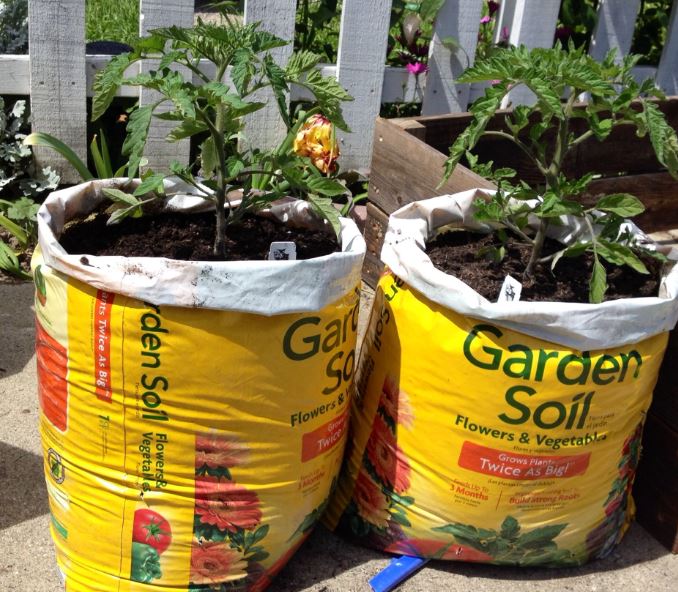
For container tomatoes, always use a premium potting mix formulated for vegetables or fruiting crops. Garden soil is too heavy and compacted for container use, preventing air, water, and nutrients from reaching the root zone. Premium potting mixes contain ingredients like perlite, vermiculite, peat moss, bark, or coconut coir that lighten the soil and promote drainage. These soilless mediums retain moisture well but dry out faster than garden soils, so adequate watering is essential.
3. Pro Grower Container Mix
For gardeners seeking maximum yields in containers, the pro grower mix is a proven recipe: 40% coconut coir or composted bark, 30% high-quality compost, 20% pumice or perlite, and 10% worm castings. This combination creates a balance of moisture retention, drainage, and fertility that holds steady through a full growing season. Coconut coir provides structure and holds moisture without compacting. Compost supplies slow-release nutrients and microbial life.
4. Organic Compost-Enriched Soil
Organic matter is essential for tomato health. A soil mix enriched with 30% compost or aged manure provides the nutrients tomatoes need while improving soil structure. Studies show that combined application of organic amendments like vermicompost can improve tomato yield per plant by 66% and soil organic matter content by 93%. For best results, work compost into the soil before planting and side-dress with additional compost midseason.
5. Sandy Loam with Compost Amendment
Sandy soil is suitable for tomatoes as long as it is amended with compost to improve water retention and add nutrients. Sandy loam—soil with a higher proportion of sand—warms up quickly in spring, allowing earlier planting. However, sandy soil drains quickly and can lead to water stress. Amending with 2–3 inches of compost or aged manure helps sandy soil retain moisture while maintaining its excellent drainage properties.
6. Raised Bed Soil Mix
Raised beds offer excellent drainage and soil control for tomatoes. The best raised bed soil mix combines topsoil, compost, and amendments for optimal structure. A recommended blend includes 40% garden soil for structure, 30% compost or aged manure for nutrients, 20% coconut coir or peat moss for moisture retention, and 10% perlite or vermiculite for drainage. This mix provides the depth, fertility, and drainage that tomato roots need to thrive.
7. Peat-Based Soilless Mix
Peat-based soilless mixes are excellent for tomato production, particularly in greenhouses and containers. Research shows that peat moss is one of the most effective individual substrates on tomato growth and fruit yield. Peat-lite mixes provide lightweight, well-aerated growing media that hold moisture while allowing excess water to drain. These mixes are typically pH-adjusted and can be used with liquid or water-soluble tomato food for precise nutrient management.
8. Coconut Coir-Based Mix
Coconut coir is a sustainable alternative to peat moss that performs exceptionally well for tomatoes. Coir holds moisture evenly, rehydrates easily, and stays consistent through the growing season. It is particularly useful in warm or windy locations where pots dry out quickly. A coir-based mix with added perlite for drainage and compost for fertility creates an ideal growing medium for container tomatoes.
9. Vermicompost-Enriched Soil
Vermicompost (worm castings) is one of the most effective organic amendments for tomato production. Research demonstrates that consistent application of vermicompost delivers competitive productivity and improves soil health. Adding 10% worm castings to your soil mix provides slow-release nutrients, beneficial microorganisms, and improved soil structure. Vermicompost-enriched soil supports strong plant growth, increased fruit number, and enhanced disease resistance.
10. pH-Adjusted Commercial Tomato Mix
Several commercial potting mixes are specifically formulated for tomatoes. Look for products that are pH-adjusted between 5.8 and 6.4—ideal for tomato nutrient uptake. Quality commercial mixes contain ingredients like low-salt coconut coir, pumice, compost, sphagnum peat moss, perlite, and organic fertilizers. These products are designed for heavy-feeding plants like tomatoes and provide balanced nutrition throughout the growing season.
Soil Amendments and Their Benefits
| Amendment | Primary Benefit | Application Rate |
|---|---|---|
| Compost | Adds nutrients and organic matter | 2–3 inches worked into topsoil |
| Aged Manure | Increases fertility and soil structure | 2–3 inches worked into topsoil |
| Perlite/Pumice | Improves drainage and aeration | 10–20% of potting mix volume |
| Coconut Coir | Enhances moisture retention | 20–40% of potting mix volume |
| Worm Castings | Provides slow-release nutrients and microbes | 10% of soil mix volume |
| Lime | Raises pH; adds calcium and magnesium | According to soil test |
| Gypsum | Adds calcium without changing pH | 1 lb per 100 square feet |
| Water-Soluble Tomato Food | Quick-absorbing nutrient boost between feedings | Every 1–2 weeks per label directions |
How to Prepare Soil for Tomatoes
Proper soil preparation sets the foundation for a successful tomato crop. Follow these steps to create the ideal growing environment.
Testing Your Soil
Before amending your soil, test it to understand its current condition. A soil test will indicate pH and nutrient levels, helping you determine what amendments are needed. Soil testing kits are available at garden centers, or you can send samples to a local cooperative extension office for professional analysis. Testing is the most reliable way to know exactly what your tomatoes need.
Adjusting Soil pH
If your soil test reveals pH issues, take corrective action. To raise pH (reduce acidity), add lime. Liming also adds calcium and magnesium to the soil. To lower pH (reduce alkalinity), incorporate sulfur or organic matter. The goal is to achieve a pH between 6.0 and 6.8, where tomatoes thrive and nutrients are most available.
Soil preparation checklist:
- Test soil pH and nutrient levels before planting
- Add lime to raise pH (if below 6.0)
- Add sulfur to lower pH (if above 6.8)
- Work in 2–3 inches of compost or aged manure
- Incorporate balanced fertilizer (10-10-10) at 2–3 pounds per 100 square feet
- Work soil to at least 8–12 inches deep
- Ensure good drainage; create raised beds if needed
Adding Organic Matter
Incorporate generous amounts of organic matter into the soil before planting. Compost, aged manure, and peat moss improve soil structure, increase nutrient content, and enhance water retention. Work organic matter into the top 6–8 inches of soil. For sandy soils, organic matter helps retain moisture. For clay soils, it improves drainage and prevents compaction.
Incorporating Fertilizer
Tomatoes require moderate fertility to maximize yields. Start with a complete fertilizer (like 10-10-10) incorporated into the beds before planting. At transplant time, use a starter solution high in phosphorus (like 5-10-5) to promote root growth without causing excessive vegetative growth above ground. Once fruits are about the size of a quarter, apply another fertilizer application. Many gardeners also like a water-soluble tomato food mixed into the watering can every 1–2 weeks for a quick, easy-to-absorb nutrient boost, especially in containers where nutrients leach out faster.
Soil for Garden Beds vs. Containers
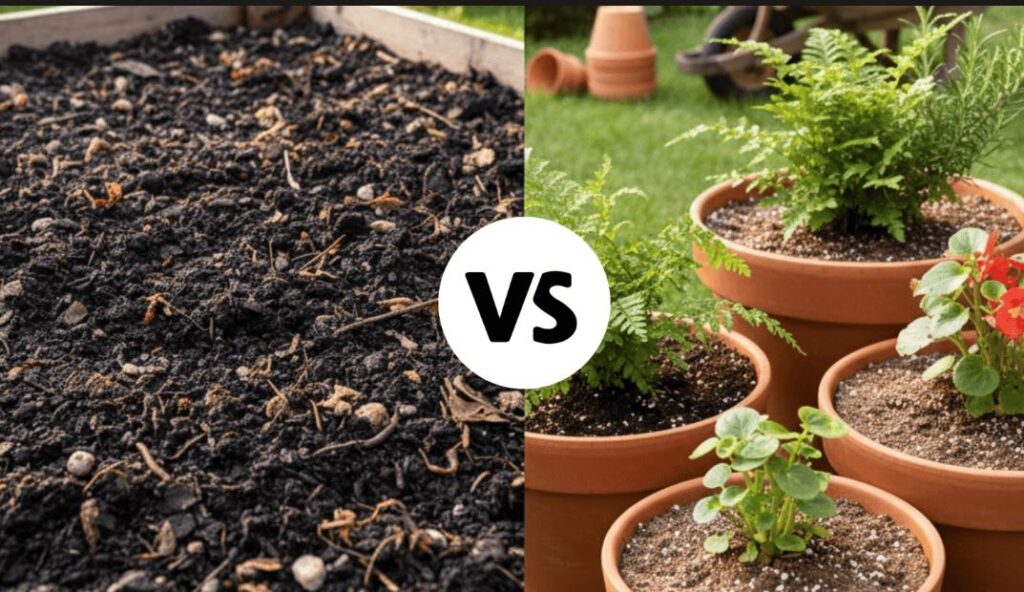
The soil needs of tomatoes differ significantly between garden beds and containers. Understanding these differences ensures you choose the right growing medium.
Garden Bed Soil Requirements
Tomatoes grown in garden beds benefit from the natural buffering capacity of soil. Garden soil provides structure, holds nutrients, and supports beneficial microorganisms. The ideal garden soil for tomatoes is deep, fertile, well-drained, and amply supplied with organic matter. Work the soil only when it is dry enough not to stick to tools. Medium-textured, soft, well-drained soil is recommended.
Container Soil Requirements
Container tomatoes rely completely on the soil you choose. Unlike in-ground plants, container tomatoes cannot access surrounding nutrients or moisture. Always use a premium potting mix formulated for vegetables or fruiting crops. Garden soil is unsuitable for containers—it becomes compacted and blocks air movement. Container soil should be lightweight, well-aerated, moisture-retentive, and free-draining.
Soil Depth and Volume
Tomatoes need deep soil for extensive root systems. In garden beds, work soil to a depth of at least 12 inches. For containers, choose pots that are at least 18–20 inches wide and 2 feet deep. Indeterminate varieties need containers of at least 10 gallons. Adequate soil volume prevents roots from becoming root-bound and ensures consistent moisture and nutrient availability.
Drainage Considerations
Good drainage is critical in both settings. In garden beds, avoid low-lying areas where water pools. In containers, ensure drainage holes are present and use a well-draining mix. Adding perlite or pumice to potting mixes improves drainage and prevents water from pooling around roots.
Soil Amendments for Tomatoes
Various amendments can improve soil quality and address specific nutrient deficiencies. Here are the most effective amendments for tomato soil.
Compost and Aged Manure
Compost is the single best amendment for tomato soil. It improves soil structure, adds nutrients, and supports beneficial microorganisms. Aged manure (cow, horse, or chicken) also provides excellent nutrition. Apply a 2–3 inch layer and work it into the top 6–8 inches of soil before planting. Avoid fresh manure, which can burn roots and introduce pathogens.
Perlite and Pumice
Perlite and pumice improve drainage and aeration in potting mixes. These lightweight materials prevent soil compaction and allow roots to access oxygen. Add 10–20% perlite or pumice to container mixes for optimal root health. In heavy clay garden soils, perlite can also improve drainage when worked into the top layer.
Coconut Coir
Coconut coir is an excellent amendment for moisture retention. It holds water evenly and rehydrates easily. Coir is particularly useful in containers and raised beds where moisture consistency is challenging. Add 20–40% coir to potting mixes for improved water retention without sacrificing drainage.
Worm Castings (Vermicompost)
Worm castings are one of the most effective organic amendments for tomatoes. They provide slow-release nutrients, beneficial microorganisms, and improved soil structure. Add 10% worm castings to your soil mix for enhanced plant growth and disease resistance. Vermicompost application has been shown to significantly improve tomato yield and soil organic matter content.
Lime and Gypsum
Lime raises soil pH and adds calcium and magnesium. If your soil is too acidic (below 6.0), add lime according to soil test recommendations. Gypsum (calcium sulfate) adds calcium without changing pH. Apply gypsum at 1 pound per 100 square feet if calcium is needed but pH is adequate. Calcium is essential for preventing blossom end rot.
Maintaining Soil Health Throughout the Season
Soil health requires ongoing attention throughout the growing season. These practices keep your tomato soil productive.
Mulching
Apply a 3–4 inch layer of mulch around tomato plants after the soil has warmed. Mulch retains soil moisture, suppresses weeds, and prevents soil from splashing onto leaves during rain or watering. Use straw, shredded leaves, grass clippings (herbicide-free), or compost. Mulch also moderates soil temperature, keeping roots cool in hot weather.
Side-Dressing with Compost
Midseason is a good time to side-dress tomatoes with compost to add nutrients. Apply a 1–2 inch layer of compost around the base of each plant, keeping it away from the stem. This provides slow-release nutrition during the critical fruiting stage. Side-dressing with compost also supports beneficial soil microorganisms that enhance plant health.
Crop Rotation
Avoid planting tomatoes in the same spot every year. Rotate tomatoes with unrelated crops (beans, corn, lettuce) to prevent nutrient depletion and disease buildup. A three-year rotation between nightshade crops (tomatoes, potatoes, peppers, eggplant) is recommended to reduce soil-borne diseases.
Preventing Soil Compaction
Compact soil restricts root growth and reduces oxygen availability. Avoid walking on planting beds. In containers, replace or refresh potting mix every 1–2 seasons to prevent compaction and nutrient exhaustion. Loosen soil gently around plants without disturbing roots.
Frequently Asked Questions About Tomato Soil
1. What soil do tomatoes like best?
Tomatoes like deep, loamy, well-drained soil that is rich in organic matter, with a pH between 6.0 and 6.8. This is the same standard recommended by most university extension services. Within this slightly acidic range, essential nutrients are most available for plant uptake. If pH drops below 5.5, tomatoes become prone to phosphorus, molybdenum, and calcium deficiencies. If pH rises above 7.5, deficiencies of boron, copper, iron, manganese, phosphorus, and zinc are likely. Test your soil and adjust pH as needed before planting.
2. Can I use garden soil in containers for tomatoes?
No, garden soil is not suitable for containers. Garden soil becomes compacted in pots, blocking air movement and preventing water and nutrients from reaching the root zone. Always use a premium potting mix formulated for vegetables or fruiting crops. Potting mixes contain lightweight ingredients like perlite, peat moss, or coconut coir that promote drainage and aeration.
3. How do I improve drainage in my tomato soil?
To improve drainage, add organic matter like compost, which helps break up clay soil. For containers, add perlite or pumice to the potting mix. In garden beds, avoid planting in low-lying areas where water pools. Creating raised beds is an excellent way to improve drainage in heavy clay soils. Work the soil to a depth of at least 12 inches to prevent compaction.
4. Does soil really affect tomato flavor?
Yes. Mineral content, organic matter, and consistent moisture all shape how sweet and flavorful a tomato tastes—similar to the idea of terroir in winemaking. Fertile, well-balanced soil with adequate potassium and calcium tends to produce tomatoes with richer, more complex flavor, while nutrient-poor or erratically watered soil often leads to bland or watery fruit.
5. How often should I fertilize tomato plants?
Start with a complete fertilizer incorporated into the soil before planting. At transplant time, use a starter solution high in phosphorus. Once fruits are about the size of a quarter, apply another fertilizer application. For container tomatoes, fertilize more often—lower doses applied regularly work better than large feedings spaced far apart. A water-soluble tomato food applied every two weeks during the growing season works well for both garden and container plants.
6. What causes blossom end rot and how do I prevent it?
Blossom end rot appears as dark spots on the bottom of tomatoes and is caused by calcium deficiency. However, it can occur in soils with plenty of calcium—the main problem is inconsistent watering. Drought stress followed by excessive soil moisture reduces uptake and movement of available calcium. To prevent blossom end rot, maintain uniform soil moisture and water regularly. Apply gypsum if soil calcium is low.
7. Can I reuse potting soil for tomatoes?
Potting soil can be reused for one to two seasons, but it requires refreshing. Remove old plant roots, add fresh compost or worm castings, and replenish with perlite or pumice to restore drainage. Reusing soil without refreshing leads to compaction, nutrient depletion, and potential disease buildup. For best results, use fresh potting mix each season or thoroughly refresh reused soil.
Soil Amendments and Their Benefits
Final Verdict: Choosing the Best Soil for Your Tomatoes
The best soil for tomatoes depends on your growing situation—in-ground garden, raised bed, or container. For in-ground gardens, well-amended loam with a pH of 6.0–6.8 and rich organic matter provides the ideal foundation, matching the deep, loamy, well-drained standard most extension guides recommend. For raised beds, a balanced mix of topsoil, compost, coconut coir, and perlite creates excellent growing conditions. For containers, always use a premium potting mix formulated for vegetables, never garden soil.
Regardless of your setting, start with a soil test to understand your starting point. Amend with compost, aged manure, or worm castings to boost organic matter and fertility. Add perlite or pumice for drainage, and coconut coir for moisture retention. Maintain soil health through mulching, side-dressing, and crop rotation.
The extra effort you invest in soil preparation pays dividends throughout the growing season—healthier plants, fewer disease problems, better flavor, and more abundant harvests of sweet, vine-ripened tomatoes. Whether you are a first-time gardener or a seasoned grower, choosing and preparing the right soil is the single most important step toward tomato success. Start with quality soil, and your tomatoes will reward you with the unmatched taste of homegrown, vine-ripened fruit.

- How to Grow Microgreens Without Soil Indoors: Easy Home Method - October 5, 2026
- Microgreens vs. Sprouts: Key Differences, Nutrition, Safety, and Which One to Eat - October 5, 2026
- 10 Best Garden Tools For Weed Removal 2027 - October 3, 2026