Tomato Wilt Diseases: Identification, Causes, and Treatment Guide
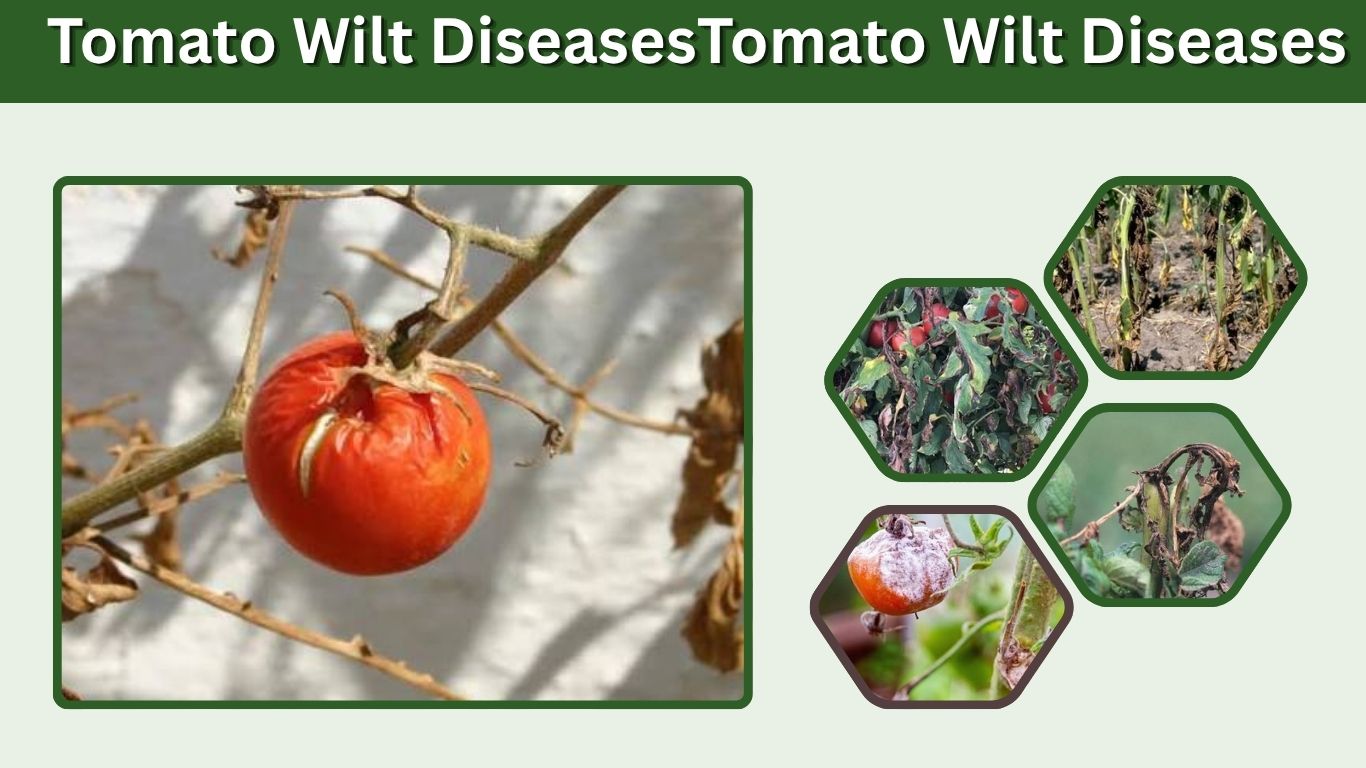
Tomato wilt diseases are among the most frustrating problems for gardeners because plants can appear healthy one day and severely wilted the next. Wilting occurs when a tomato plant loses its ability to transport water and nutrients efficiently. While some cases are caused by temporary stress, others result from fungal, bacterial, viral, or soil-borne pathogens that can persist in the garden for years.
The key to managing tomato wilt diseases is early identification. By recognizing symptoms such as yellowing leaves, stem discoloration, and sudden collapse, gardeners can take appropriate action to limit damage and protect neighboring plants. This guide covers the most common tomato wilt diseases, their causes, treatments, and prevention methods to help keep your tomato harvest healthy and productive.
Introduction to Tomato Wilt Diseases
Tomato wilt diseases affect the plant’s vascular system, roots, or stems, preventing the proper movement of water throughout the plant. These diseases can significantly reduce yields and, in severe cases, kill entire plants. Understanding the different types of wilt diseases helps gardeners make informed decisions regarding treatment, crop rotation, and disease-resistant varieties.
What Tomato Wilt Diseases Are
Tomato wilt diseases are conditions that cause plants to droop, lose vigor, and eventually die. They may result from fungi, bacteria, viruses, nematodes, or environmental stress. Most infectious wilt diseases spread through soil, water, insects, or contaminated gardening equipment.
Why Wilting Is a Serious Symptom
Wilting indicates that the plant is experiencing significant stress. Persistent wilting often signals damage to roots or vascular tissues, limiting the plant’s ability to transport moisture. Early intervention can sometimes prevent additional losses within the garden.
How Wilt Diseases Affect Tomato Production
Wilt diseases reduce photosynthesis, weaken plant growth, and interfere with flowering and fruit production. Severely affected plants may produce fewer tomatoes or fail to mature fruit entirely, leading to disappointing harvests.
Early Warning Signs to Watch For
Watch for yellowing lower leaves, one-sided wilting, stunted growth, and stem discoloration. Identifying these symptoms early improves the chances of preventing disease spread to nearby plants.
How to Identify Tomato Wilt Diseases
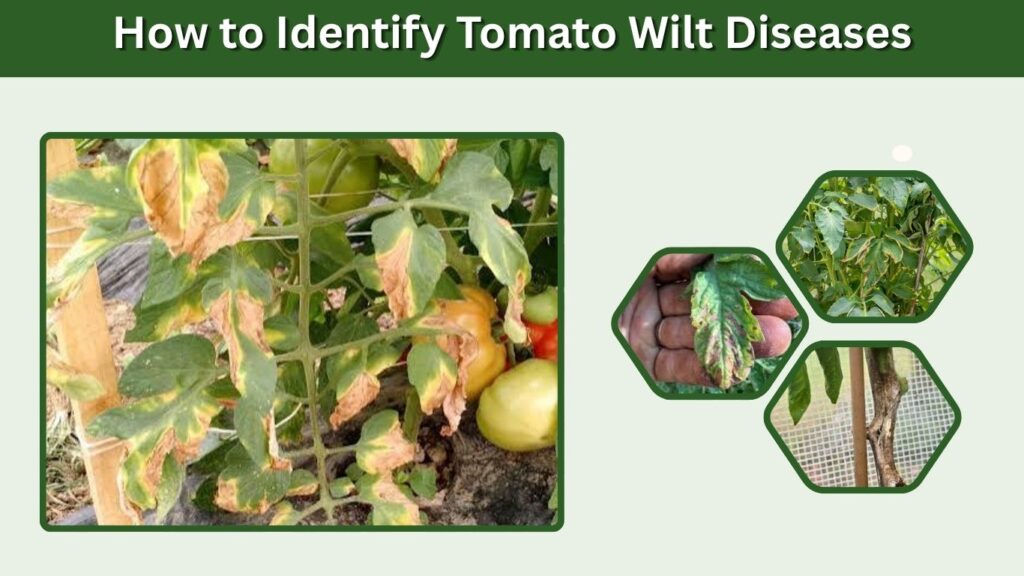
Proper identification is essential because many wilt diseases produce similar symptoms. Examining the leaves, stems, and roots closely can help determine whether the issue is caused by pathogens or environmental factors.
Temporary Wilt vs Permanent Wilt
Temporary wilting often occurs during hot afternoons and improves by evening. Permanent wilt persists regardless of watering or temperature changes and usually indicates a more serious underlying problem.
Examining Leaves, Stems, and Roots
Inspect plants for yellowing leaves, darkened stems, and damaged roots. Wilt diseases frequently affect multiple plant parts simultaneously, making comprehensive examinations particularly important.
Checking Vascular Discoloration
Cutting the stem lengthwise can reveal brown streaking within the vascular tissue. This discoloration is commonly associated with Fusarium Wilt and Verticillium Wilt.
Differentiating Wilt from Drought Stress
Drought stress generally improves after watering, whereas disease-related wilting continues despite adequate soil moisture. Consistent symptoms are often a strong indicator of infection.
Fusarium Wilt
Fusarium Wilt is one of the most common and destructive tomato diseases worldwide. It is caused by a soil-borne fungus that invades the plant’s vascular system, restricting water movement and eventually causing plant death.
Symptoms of Fusarium Wilt
Fusarium Wilt often begins with yellowing on one side of the plant or a single branch. As the disease progresses, leaves wilt, turn brown, and eventually fall from the plant.
Causes and Disease Lifecycle
The fungus Fusarium oxysporum enters through the roots and survives in soil for many years. Warm temperatures and susceptible varieties increase the likelihood of infection.
Treatment and Management
Unfortunately, there is no cure for infected plants. Remove affected specimens promptly and avoid planting tomatoes in the same area for several growing seasons.
Resistant Tomato Varieties
Many tomato varieties carry resistance markers such as “F” on seed packets. Planting resistant cultivars remains the most effective strategy for managing Fusarium Wilt in home gardens.
Verticillium Wilt
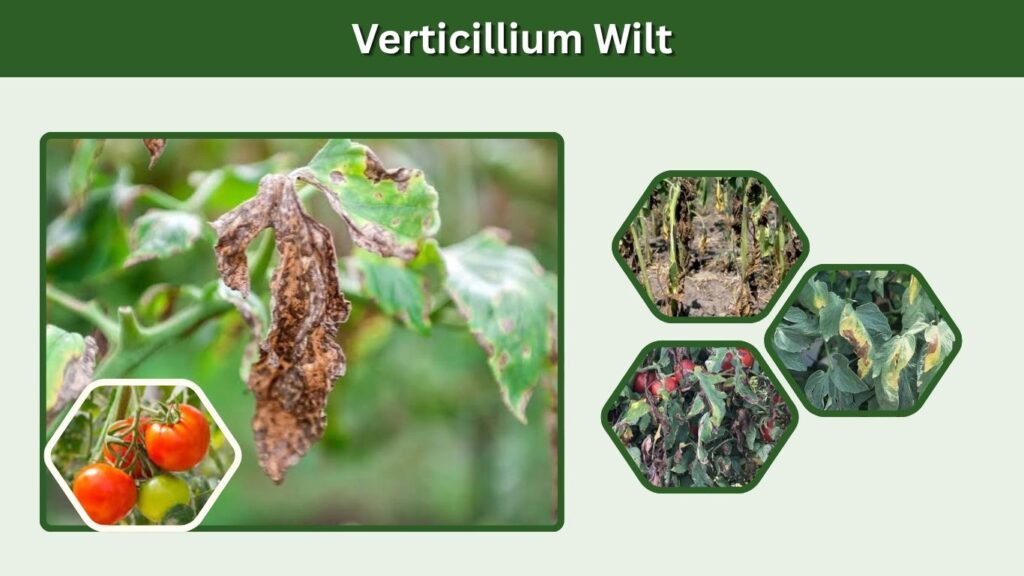
Verticillium Wilt is another fungal disease that attacks the vascular system. Although similar to Fusarium Wilt, it develops more gradually and is often associated with cooler growing conditions.
Identifying Verticillium Wilt
Symptoms include yellowing between leaf veins, wilting, and reduced plant vigor. Lower leaves are typically affected first before symptoms spread upward throughout the plant.
Differences from Fusarium Wilt
Verticillium Wilt progresses more slowly and prefers cooler temperatures. Fusarium Wilt, by contrast, develops more rapidly under warmer conditions and often causes one-sided symptoms.
Control Measures
Remove infected plants and maintain healthy soil conditions. There are currently no curative treatments once Verticillium becomes established within the plant’s vascular system.
Prevention Practices
Practice crop rotation and select resistant varieties whenever possible. Maintaining proper sanitation and removing infected debris can also help reduce disease pressure.
Bacterial Wilt
Bacterial Wilt is one of the most devastating tomato diseases because it can cause sudden plant collapse without significant warning. It is especially common in warm, humid climates.
Sudden Plant Collapse Symptoms
Plants infected with Bacterial Wilt often appear healthy before suddenly wilting during the heat of the day. Eventually, the entire plant collapses and fails to recover, even after watering.
How Bacterial Wilt Spreads
The bacterium enters through roots and spreads through contaminated soil, water, and infected transplants. It thrives in warm temperatures and can persist in garden environments.
Diagnostic Stem Test
A simple diagnostic method involves cutting a wilted stem and placing it in water. Milky strands emerging from the cut surface are a strong indicator of Bacterial Wilt.
Managing Infected Plants
Remove infected plants immediately and avoid composting them. Since no cure exists, prevention through crop rotation and disease-free transplants is essential.
Southern Blight
Southern Blight is a fast-moving fungal disease that attacks tomato plants near the soil line. It is particularly problematic in hot climates and can destroy plants within a matter of days.
Early Wilt Symptoms
Affected plants begin to wilt despite adequate moisture levels. Lower leaves yellow rapidly before the entire plant collapses as the infection progresses.
White Fungal Growth at the Stem Base
One of the most distinctive symptoms is the appearance of white, cotton-like fungal growth around the lower stem. Small tan or mustard-colored structures may also be visible.
Treatment Options
Remove infected plants and surrounding soil whenever possible. Fungicides may offer limited protection but are generally less effective once symptoms become severe.
Prevention Strategies
Improve garden sanitation, rotate crops regularly, and avoid excessive moisture around the base of plants. Mulching can also help reduce soil splashing that contributes to disease spread.
Tomato Spotted Wilt Virus (TSWV)
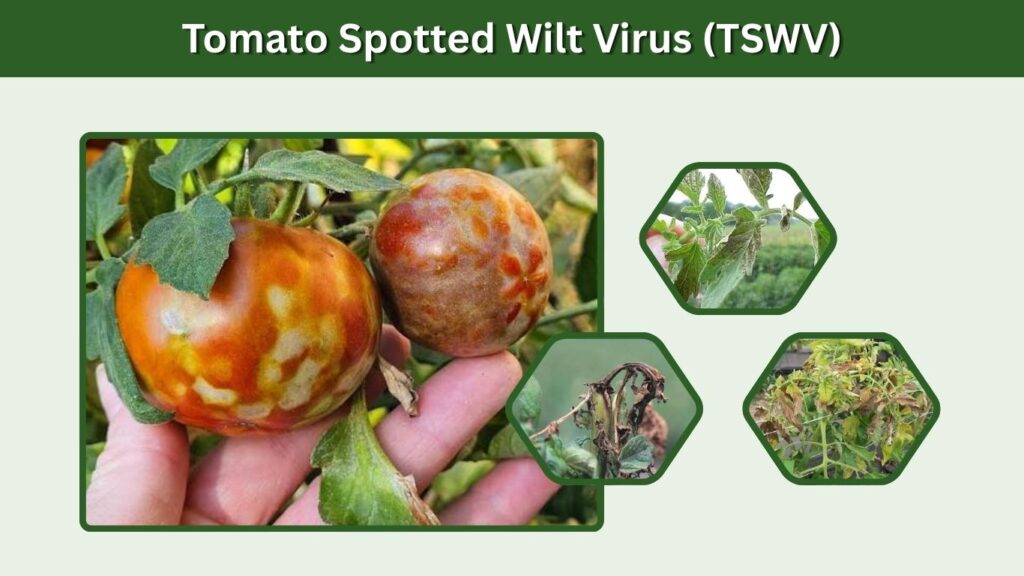
Tomato Spotted Wilt Virus is a viral disease transmitted primarily by thrips. It affects hundreds of plant species and can cause significant economic losses in both home gardens and commercial production.
Wilting Caused by Viral Infection
Infected plants often exhibit wilting, stunted growth, and unusual leaf discoloration. Symptoms may vary depending on the age of the plant and environmental conditions.
Role of Thrips in Transmission
Thrips acquire the virus while feeding on infected plants and then spread it to healthy tomatoes. Managing thrip populations is therefore an important aspect of disease prevention.
Disease Management Limitations
There is no cure for Tomato Spotted Wilt Virus. Once symptoms appear, affected plants should be removed to prevent further transmission throughout the garden.
Preventing Virus Spread
Reflective mulches, insect monitoring, and resistant varieties can help reduce the incidence of Tomato Spotted Wilt Virus and protect future tomato crops.
Curly Top Virus
Curly Top Virus is a serious disease that affects tomatoes in hot and dry regions. It is transmitted by beet leafhoppers and can cause severe stunting, leaf distortion, and wilting. Once a tomato plant becomes infected, recovery is extremely rare, making prevention the most effective management strategy for home gardeners.
Wilt and Leaf Curling Symptoms
Infected plants develop upward-curled leaves that become thick, brittle, and pale green. Wilting is often accompanied by reduced fruit production and an overall decline in plant health.
Beet Leafhopper Transmission
Beet leafhoppers acquire the virus from infected weeds and transmit it while feeding on tomato plants. Their movement increases significantly during warm, dry weather conditions.
Managing Affected Plants
There is no cure for Curly Top Virus. Remove infected plants immediately to minimize potential exposure to nearby healthy tomatoes and other susceptible crops.
Long-Term Prevention
Use floating row covers during peak insect activity and maintain weed-free garden areas. Selecting tolerant varieties may also reduce disease severity in affected regions.
Root Knot Nematodes
Root Knot Nematodes are microscopic soil-dwelling pests that damage tomato roots, reducing the plant’s ability to absorb water and nutrients. Severe infestations frequently result in stunted growth and persistent wilting throughout the growing season.
Root Damage and Wilting
Plants infested with nematodes often exhibit yellowing, poor growth, and wilting despite adequate irrigation. Symptoms are especially noticeable during periods of high temperatures and drought stress.
Identifying Nematode Galls
The most reliable way to diagnose Root Knot Nematodes is by examining the roots. Infected plants develop swollen, knot-like galls that interfere with normal root function.
Soil Treatment Options
Soil solarization, beneficial nematodes, and organic amendments may help reduce nematode populations. Severely infested areas should be managed carefully before replanting tomatoes.
Resistant Cultivars
Many tomato varieties are labeled with an “N” to indicate resistance to Root Knot Nematodes. Planting resistant cultivars is one of the best long-term management strategies.
Damping-Off in Young Tomato Plants
Damping-Off is a common problem affecting tomato seedlings. It is caused by several soil-borne fungi and typically occurs during the early stages of plant development under excessively moist conditions.
Symptoms in Seedlings
Young seedlings may suddenly collapse near the soil line. Stems often become thin, water-soaked, and unable to support the plant, leading to rapid death.
Common Fungal Pathogens
Several fungi, including Pythium, Rhizoctonia, and Fusarium, are associated with Damping-Off. These pathogens thrive in damp, poorly ventilated environments.
Prevention in Seed Trays
Use sterile seed-starting mixes and clean containers when growing tomato seedlings indoors. Proper airflow and moderate watering significantly reduce the likelihood of infection.
Best Growing Practices
Avoid overcrowding seedlings and provide adequate light throughout the germination process. Healthy growing conditions encourage stronger plants that are better able to resist disease.
Phytophthora Root Rot
Phytophthora Root Rot is a destructive disease caused by water molds that thrive in saturated soils. It affects the roots and lower stems of tomato plants, often leading to rapid wilting and decline.
Root Rot and Wilting Symptoms
Affected plants exhibit yellowing leaves, wilting, and poor growth. Root systems may appear dark, soft, and decayed when examined closely.
Wet Soil Conditions
Poor drainage and excessive watering create ideal conditions for Phytophthora development. Heavy soils are particularly susceptible to prolonged moisture retention.
Fungicide Recommendations
Certain fungicides may help suppress Phytophthora when applied early. However, improving drainage remains the most effective strategy for reducing disease occurrence.
Improving Drainage
Raised beds, organic matter additions, and proper irrigation practices help improve soil structure and minimize standing water around tomato roots.
Environmental Causes of Tomato Wilting
Not all cases of wilting are caused by pathogens. Environmental factors can produce symptoms similar to disease and should always be considered before implementing treatment measures.
Underwatering and Heat Stress
Tomato plants frequently wilt during extreme heat or periods of insufficient watering. Symptoms usually improve after temperatures decrease or moisture levels are restored.
Overwatering and Root Suffocation
Excessive watering limits oxygen availability within the soil, causing roots to weaken and function poorly. Persistent overwatering may eventually lead to secondary root diseases.
Transplant Shock
Newly transplanted tomatoes often wilt temporarily as they adjust to their environment. Proper watering and shading can help plants recover more quickly.
Nutrient Imbalances
Deficiencies in nutrients such as nitrogen and potassium may contribute to poor growth and wilting symptoms. Soil testing can help identify and correct underlying issues.
Tomato Wilt Disease Comparison Chart
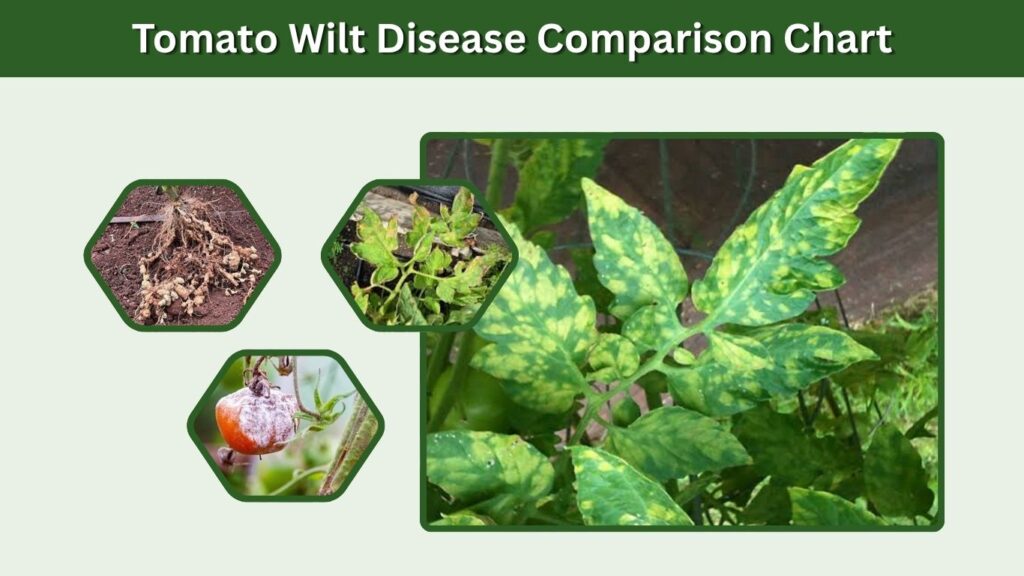
Comparing symptoms side by side helps gardeners distinguish between the most common causes of tomato wilting. Accurate identification remains the foundation of effective disease management.
Disease Names and Symptoms
Each wilt disease presents unique characteristics, including sudden collapse, one-sided yellowing, or root abnormalities. Understanding these differences improves diagnostic accuracy.
Pathogen Types
Tomato wilts may result from fungi, bacteria, viruses, nematodes, or environmental stress. Knowing the pathogen type helps determine whether treatment or plant removal is necessary.
Treatments Available
Some conditions can be managed through cultural practices, while others have no cure. Early diagnosis often provides the greatest opportunity for minimizing crop losses.
Prevention Methods
Crop rotation, resistant varieties, and proper sanitation remain the most reliable methods for preventing wilt diseases across multiple growing seasons.
| Disease | Cause | Key Symptom |
|---|---|---|
| Fusarium Wilt | Fungus | One-sided yellowing |
| Verticillium Wilt | Fungus | Slow wilting |
| Bacterial Wilt | Bacteria | Sudden collapse |
| Root Knot Nematodes | Pest | Root galls |
| Curly Top Virus | Virus | Curled leaves |
Diagnosing Tomato Wilt at Home
Many tomato wilt diseases can be identified using simple observations and tests. Careful monitoring allows gardeners to respond quickly and limit disease spread.
Performing the Stem Cut Test
Cutting a stem lengthwise may reveal brown vascular discoloration associated with Fusarium or Verticillium Wilt. This simple test can provide valuable diagnostic information.
Examining Root Systems
Inspect roots for signs of rot, discoloration, or galls. Healthy roots should appear firm and white rather than dark or swollen.
Monitoring Symptom Progression
Track when symptoms appear and whether they worsen over time. Recording observations can help distinguish between temporary stress and infectious diseases.
When to Seek Laboratory Testing
Laboratory testing may be necessary when symptoms remain unclear or multiple diseases are suspected. Accurate diagnosis can prevent unnecessary treatments and improve future prevention efforts.
Preventing Tomato Wilt Diseases
Preventive practices provide the best protection against wilt diseases. Consistent management helps maintain healthy plants and reduces the likelihood of recurring problems.
Crop Rotation Strategies
Avoid planting tomatoes, peppers, potatoes, or eggplants in the same location each year. Rotating crops helps interrupt the life cycles of many soil-borne pathogens.
Improving Soil Health
Healthy soils support stronger root systems and beneficial microorganisms. Adding compost and maintaining proper drainage contributes to long-term garden productivity.
Proper Watering Practices
Water deeply but infrequently to encourage strong root development. Consistent moisture levels help reduce stress and improve overall plant resilience.
Choosing Resistant Tomato Varieties
Many modern tomato cultivars include resistance to Fusarium, Verticillium, and nematodes. Selecting resistant varieties can significantly reduce disease-related losses.
Frequently Asked Questions About Tomato Wilt Diseases
1. Why is my tomato plant wilting but the soil is wet?
Wet soil combined with wilting often indicates root problems or vascular diseases such as Bacterial Wilt, Fusarium Wilt, or Phytophthora Root Rot rather than a lack of water.
2. Can tomato plants recover from wilt?
Recovery depends on the cause. Plants affected by heat stress or transplant shock may recover, while those infected with severe fungal, bacterial, or viral diseases usually do not.
3. What is the most common tomato wilt disease?
Fusarium Wilt is one of the most common tomato wilt diseases worldwide, particularly in warm climates with susceptible tomato varieties.
4. Is tomato wilt contagious?
Yes. Many wilt diseases spread through soil, water, insects, contaminated tools, or infected plant material. Proper sanitation helps reduce transmission.
5. How do I prevent wilt next season?
Practice crop rotation, improve soil health, use disease-resistant varieties, and remove infected plant debris at the end of each growing season to minimize future problems.

- 10 Best Garden Hose For Herb Gardens 2026 - October 21, 2026
- 10 Best Garden Hose For Perennial Gardens 2026 - October 21, 2026
- 10 Best Garden Hose For Flower Beds 2026 - October 21, 2026