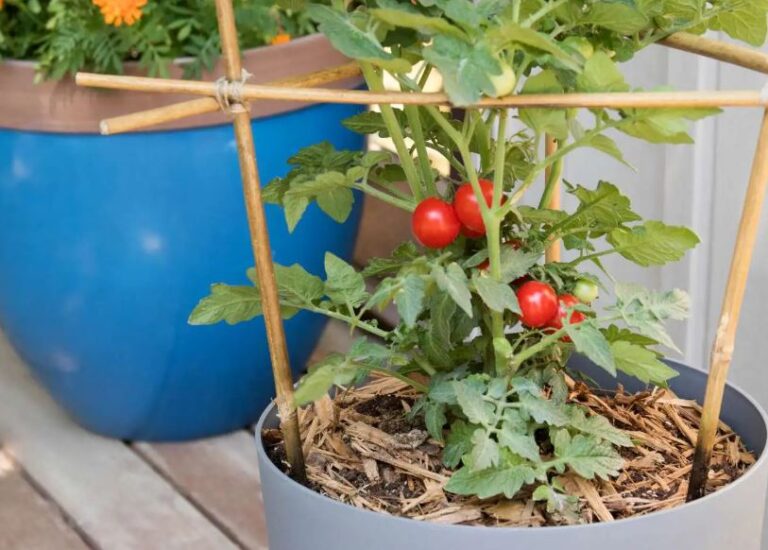
Not all tomatoes taste the same, even when the variety is identical. Two plants of the same heirloom tomato, grown just a few feet apart, can produce fruit with noticeably different sweetness, acidity, and depth of flavor. The difference usually comes down to soil. Just as terroir shapes the taste of wine, the mineral content, organic matter, and moisture balance of tomato soil directly influence how sweet, tangy, or complex a tomato tastes. If you have ever grown a tomato that tasted bland or watery despite doing everything “right” above ground, the soil is often the missing piece. This guide covers the 10 best soils and soil-building strategies for growing the most flavorful tomatoes possible, along with a quick-reference comparison table.
How Soil Shapes Tomato Flavor
Tomato flavor is a balance of sugars, acids, and aromatic compounds. Soil influences all three:
-
- Potassium drives sugar production and fruit sweetness
-
- Calcium and magnesium support even ripening and cell structure
-
- Organic matter and microbial life increase micronutrient uptake, which builds aromatic complexity
-
- Consistent moisture prevents flavor dilution from irregular watering
-
- Mineral-rich, well-drained soil concentrates flavor instead of producing watery, bland fruit
With that in mind, here are the 10 best soils and soil-building approaches for maximizing tomato flavor.
10 Best Soils for Tomato Flavor
1. Mineral-Rich Loam
Deep, well-draining loam with a healthy mineral profile is the foundation of flavorful tomatoes. Loam’s balanced texture allows roots to access oxygen and nutrients evenly, so the plant isn’t stressed by waterlogging or drought. This steady access to minerals like potassium and magnesium translates directly into sweeter, more balanced fruit.
2. Compost-Rich Soil
Compost does more than feed plants—it feeds the soil’s microbial community, which unlocks micronutrients that plain fertilizer can’t provide. Tomatoes grown in compost-amended soil often develop more complex, “old-fashioned” flavor because the plant has access to trace minerals like zinc, boron, and manganese that support aromatic compound production.
3. Potassium-Enriched Soil
Potassium is the single most important nutrient for tomato sweetness. Soil amended with kelp meal, wood ash (used sparingly), or a potassium-focused organic fertilizer helps the plant convert more energy into sugar rather than just foliage. Low-potassium soil is a common cause of bland, acidic-tasting tomatoes.
4. Vermicompost-Enriched Soil
Worm castings are prized by flavor-focused growers for good reason. Vermicompost delivers slow-release nutrients alongside beneficial microbes that improve nutrient uptake efficiency. Adding 10-15% worm castings to your soil mix has been shown to boost both yield and the sugar content of the fruit.
5. Sandy Loam (Dry-Farmed Style)
Many of the most intensely flavored tomatoes come from dry-farming techniques on sandy loam. Restricting water slightly during the ripening phase concentrates sugars and flavor compounds in the fruit instead of diluting them with excess water. This soil type drains quickly, which makes controlled, reduced watering easier to manage without root rot.
6. Well-Aged Manure Soil
Well-aged (never fresh) manure builds long-term soil fertility and adds a broad spectrum of micronutrients. Soil that has been enriched with aged manure over multiple seasons tends to produce consistently flavorful fruit because fertility builds up gradually rather than through fast-release synthetic fertilizer spikes.
7. Biochar-Amended Soil
Biochar improves soil’s ability to hold onto nutrients and water without becoming soggy, giving roots a steady, buffered supply of minerals. Growers who use biochar-amended soil often report deeper, more concentrated tomato flavor, likely due to the more stable nutrient and moisture environment it creates around the roots.
8. Coconut Coir with Mineral Amendments
For container growers chasing flavor, coconut coir blended with rock dust or a balanced mineral amendment offers even moisture retention without waterlogging. Because coir alone is low in nutrients, pairing it with a mineral-rich amendment ensures the plant still gets the potassium and trace elements needed for good flavor.
9. Calcium-Balanced Soil
Calcium doesn’t just prevent blossom end rot—it supports even ripening and firm, well-structured fruit, which affects how flavor is perceived. Soil amended with gypsum or crushed eggshells to maintain adequate calcium, paired with consistent watering, produces tomatoes with a cleaner, more balanced taste.
10. Living Soil with Mycorrhizal Fungi
Soil inoculated with mycorrhizal fungi allows tomato roots to access a much larger network of nutrients and water than roots alone can reach. This symbiotic relationship improves micronutrient uptake efficiency, which many growers and researchers link to more complex, “vine-ripened” flavor compared to sterile or heavily synthetic-fed soil.
10 Best Soils for Tomato Flavor
| # | Soil Type | Why It Boosts Flavor | Best For |
|---|---|---|---|
| 1 | Mineral-Rich Loam | Balanced texture; steady nutrient and oxygen access | In-ground gardens |
| 2 | Compost-Rich Soil | Unlocks trace minerals via microbial activity | All garden settings |
| 3 | Potassium-Enriched Soil | Drives sugar production directly | Sweetness-focused growers |
| 4 | Vermicompost-Enriched Soil | Slow-release nutrients + beneficial microbes | Organic gardens |
| 5 | Sandy Loam (Dry-Farmed) | Concentrates sugars via controlled watering | Intensely flavored heirlooms |
| 6 | Well-Aged Manure Soil | Broad micronutrient spectrum; gradual fertility | Long-term garden beds |
| 7 | Biochar-Amended Soil | Stable, buffered nutrient and moisture supply | Raised beds, containers |
| 8 | Coconut Coir + Minerals | Even moisture with added mineral content | Container tomatoes |
| 9 | Calcium-Balanced Soil | Even ripening; firmer, cleaner-tasting fruit | Preventing bland/uneven fruit |
| 10 | Living Soil with Mycorrhizae | Expanded root network for micronutrient uptake | Advanced, flavor-focused growers |
Tips to Maximize Flavor Regardless of Soil Type
-
- Water consistently — irregular watering dilutes flavor and causes cracking
-
- Ease off water slightly in the final 1-2 weeks before harvest to concentrate flavor
-
- Avoid over-fertilizing with nitrogen, which promotes leafy growth over flavor development
-
- Let tomatoes ripen on the vine as long as possible before picking
-
- Test your soil annually to keep potassium, calcium, and micronutrients in balance
Final Thoughts
Great tomato flavor starts well below the surface. Building mineral-rich, biologically active soil through compost, aged manure, worm castings, and thoughtful amendments gives your plants what they need to produce sweet, complex, vine-ripened fruit. Combine any of these 10 soil approaches with consistent watering and patience at harvest time, and you will notice the difference in every bite.

- How to Grow Microgreens Without Soil Indoors: Easy Home Method - October 5, 2026
- Microgreens vs. Sprouts: Key Differences, Nutrition, Safety, and Which One to Eat - October 5, 2026
- 10 Best Garden Tools For Weed Removal 2027 - October 3, 2026