Garden beds are defined growing areas where you cultivate plants, flowers, vegetables, or herbs in an organized and controlled environment. They matter because they provide structure, optimal growing conditions, and efficient use of space, transforming any outdoor area into a productive garden. Choosing the right garden bed type maximizes your success by matching your specific needs with the bed’s characteristics, whether you prioritize accessibility, water conservation, or maximum yield. Different garden beds suit different goals, from container gardens for small balconies to in-ground beds for sprawling vegetable patches. This comprehensive guide explores 21 distinct garden bed types, helping you make an informed decision for your unique situation.
- What garden beds are and why they matter for successful gardening
- Benefits of choosing the right garden bed type for your needs
- How different garden beds suit different gardening goals
- Quick comparison of common garden bed styles for beginners
1. Raised Garden Beds
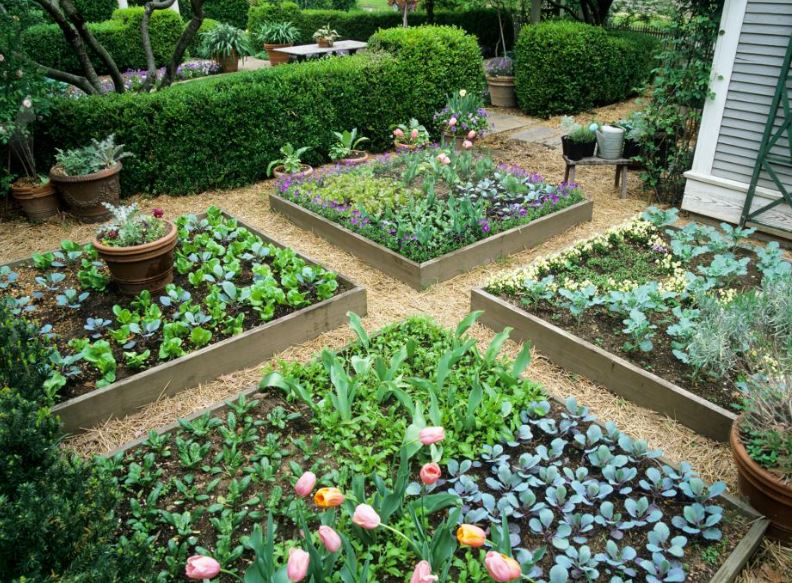
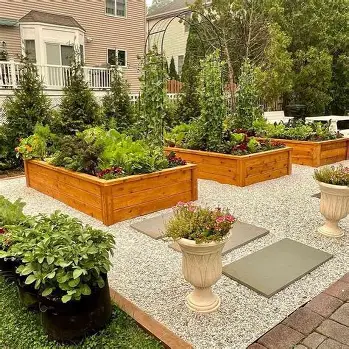
Raised garden beds are contained planting areas built above ground level, typically enclosed by a frame of wood, metal, or stone. These beds offer superior drainage, complete soil control, and reduced weed pressure, making them one of the most popular choices for home gardeners. The elevated design warms soil faster in spring, extends the growing season, and provides a comfortable working height. Raised beds work well in almost any setting, from small urban yards to large rural properties.
What Is a Raised Garden Bed?
A raised garden bed is a planting area enclosed by a frame that sits above the natural ground level, filled with high quality soil and compost. The frame creates a contained growing environment that separates your cultivated soil from the native ground below. This structure allows you to manage drainage, nutrients, and weed control more effectively. Gardeners can build raised beds in any shape or size, adapting them to fit their available space and aesthetic preferences.
- Built above ground level with a surrounding frame
- Filled with custom blended soil and compost
- Separates cultivated soil from native ground
- Available in various shapes and sizes
Benefits of Raised Gardening
Raised gardening provides excellent drainage, preventing waterlogged roots and soil compaction that commonly plague in-ground gardens. You have complete control over soil quality, allowing you to create the perfect growing medium for specific plants. The elevated height reduces strain on your back and knees, making gardening more comfortable and accessible. Raised beds also warm up faster in spring, giving you a head start on the growing season. Weeds are significantly reduced because the bed is separated from the surrounding soil.
- Superior drainage prevents root rot and compaction
- Complete control over soil composition and quality
- Ergonomic height reduces back and knee strain
- Warmer soil extends the growing season
- Fewer weeds than traditional in-ground beds
Best Materials for Raised Beds
Cedar and redwood are naturally rot resistant and can last for many years without chemical treatment, making them the preferred wood choices. Galvanized steel offers modern aesthetics with exceptional durability and rust resistance for a contemporary look. Concrete blocks provide an affordable, versatile option that can be stacked without mortar and even planted in the hollow cavities. Recycled plastic lumber is eco friendly, never rots, and requires zero maintenance, though it costs more initially. Brick and stone create permanent, elegant structures that can last a lifetime with proper construction.
- Cedar and redwood for natural rot resistance
- Galvanized steel for modern durability
- Concrete blocks for affordable versatility
- Recycled plastic for eco friendly longevity
- Brick and stone for permanent elegance
Ideal Plants for Raised Beds
Vegetables like tomatoes, peppers, lettuce, carrots, and onions thrive in the loose, fertile soil of raised beds. Herbs such as basil, rosemary, thyme, and mint appreciate the excellent drainage and warm conditions. Flowers including marigolds, zinnias, and petunias add vibrant color to any raised bed garden. Root vegetables benefit from the deep, stone free soil, producing straight, unblemished crops. Strawberries and bush beans also produce abundant harvests in these controlled growing conditions.
- Tomatoes, peppers, and lettuce for vegetables
- Basil, rosemary, and thyme for culinary herbs
- Marigolds and zinnias for colorful flowers
- Carrots and beets for root vegetables
- Strawberries and bush beans for abundant harvests
2. In-Ground Garden Beds
In-ground garden beds represent the most traditional and straightforward approach to gardening, using your existing yard space without any construction. This method requires no materials or building skills, making it accessible to every gardener regardless of budget. Plants have unlimited room to spread their roots, allowing for larger, more vigorous growth than contained beds. In-ground beds retain moisture better than raised beds, reducing watering frequency during dry periods.
What Is an In-Ground Garden Bed?
An in-ground garden bed is simply a section of your yard where you dig directly into the native soil to plant your crops. This traditional method requires no construction, frames, or purchased materials, making it the most affordable option available. You work with your existing soil, amending it with compost and organic matter to improve its structure and fertility. This approach allows plants unlimited root space and access to deep soil moisture reserves.
- Uses existing yard space without construction
- Requires no materials or building skills
- Plants have unlimited root space
- Works with native soil through amendment
Advantages of Traditional Gardening
In-ground gardening costs nothing to establish since you use your existing yard space without purchasing frames or materials. Plants develop extensive root systems that access deep soil moisture and nutrients, resulting in larger, more vigorous growth. The deep soil profile retains moisture better than shallow raised beds, reducing watering frequency during droughts. You can easily expand your garden area without building new structures, making it ideal for large scale production. The natural soil ecosystem supports beneficial organisms that improve plant health.
- Zero startup cost using existing yard space
- Plants develop extensive, vigorous root systems
- Deep soil retains moisture effectively
- Easy to expand garden areas without construction
- Natural soil ecosystem supports beneficial organisms
Soil Preparation Tips
Test your soil to understand its pH, nutrient levels, and texture before planting anything to determine what amendments you need. Add generous amounts of compost, aged manure, or leaf mold to improve soil structure and fertility. Double dig the area to break up compacted layers and incorporate organic matter throughout the root zone. Mulch heavily with straw, wood chips, or grass clippings to suppress weeds and retain moisture. Consider cover cropping in fall to protect soil and add nutrients over winter.
- Test soil pH and nutrient levels first
- Add compost and aged manure generously
- Double dig to break up compacted layers
- Mulch heavily for weed suppression
- Use cover crops for winter protection
Best Crops for In-Ground Beds
Large vegetables like pumpkins, winter squash, and watermelons need extensive root systems that only in-ground beds can accommodate. Corn grows tall and benefits from the stability of native soil for anchoring. Potatoes and sweet potatoes require space to develop underground tubers without container restrictions. Asparagus and rhubarb are permanent crops that thrive in well prepared in-ground beds, producing for many years. Sunflowers and other tall annuals also perform best with deep, undisturbed soil.
- Pumpkins and winter squash for large vines
- Corn for tall, stable growth
- Potatoes for underground tuber development
- Asparagus and rhubarb as permanent crops
- Sunflowers for tall, sturdy plants
3. Elevated Garden Beds
Elevated garden beds raise the planting surface to waist or counter height, typically 30 to 36 inches above the ground on legs or a frame. These beds are specifically designed for gardeners who cannot bend or kneel comfortably, providing accessible gardening for all abilities. The elevated design makes gardening possible on patios, decks, and hard surfaces where traditional beds cannot be built. These beds often include shelves for storing tools, keeping everything within easy reach during gardening sessions.
How Elevated Beds Differ From Raised Beds
Elevated garden beds stand on legs or a frame, raising the planting surface to waist or counter height, typically 30 to 36 inches above the ground. This differs from standard raised beds which sit directly on the soil surface with only a few inches of elevation. Elevated beds are essentially large containers with legs, designed specifically for gardeners who cannot bend or kneel. The height allows wheelchair users to roll right up and work comfortably from a seated position.
- Stand on legs at waist or counter height
- Typically 30 to 36 inches above ground
- Essentially large containers with legs
- Designed for accessibility and comfort
Accessibility Benefits for Gardeners
Elevated beds eliminate the need to bend, stoop, or kneel, making gardening accessible for elderly individuals and those with back problems or mobility issues. Gardeners in wheelchairs can roll right up to the bed and work comfortably from a seated position without assistance. The convenient height reduces fatigue and strain, allowing you to garden for longer periods without discomfort. Many elevated beds include shelves for storing tools, keeping everything within easy reach. This design enables people with physical limitations to continue enjoying the benefits of gardening.
- Eliminates bending, stooping, and kneeling
- Wheelchair accessible from a seated position
- Reduces fatigue and physical strain
- Often includes tool storage shelves
- Enables gardening with physical limitations
Suitable Locations for Elevated Beds
Place elevated beds on patios, decks, balconies, or any hard surface where in-ground gardening is impossible. They work wonderfully on apartment balconies, rooftop gardens, and small urban yards with limited outdoor space. Position them near your kitchen door for easy access to fresh herbs while cooking dinner. Ensure the location receives adequate sunlight for your chosen plants, typically six to eight hours daily for vegetables. The portability of many elevated beds allows seasonal relocation to follow sunlight patterns.
- Patios, decks, and balconies
- Apartment and rooftop gardens
- Near kitchen doors for herb access
- Sun exposed locations for vegetables
- Portable designs for seasonal relocation
Best Plants for Elevated Beds
Herbs like basil, chives, parsley, cilantro, and thyme are perfect for elevated beds due to their shallow root systems and frequent harvesting needs. Leafy greens including lettuce, spinach, kale, and arugula grow quickly and abundantly in the confined soil volume. Strawberries trail beautifully over the edges, making them both productive and decorative. Determinate tomatoes and peppers produce well in the limited soil volume of elevated beds. Compact flowers like pansies and violas add decorative color to your accessible garden.
- Herbs like basil, chives, and parsley
- Leafy greens including lettuce and spinach
- Strawberries for trailing production
- Determinate tomatoes and peppers
- Compact flowers for decorative color
4. Hugelkultur Garden Beds
Hugelkultur is a permaculture technique that builds raised beds on mounds of decaying wood, creating self sustaining ecosystems. The decomposing wood acts like a giant sponge, absorbing water and releasing it slowly to plants, significantly reducing irrigation needs. This method also generates heat as the wood breaks down, extending the growing season in cooler climates. Hugelkultur beds provide long term nutrients to plants as the wood decomposes over many years.
What Is Hugelkultur Gardening?
Hugelkultur is a permaculture gardening technique that builds raised beds on top of a mound of decaying wood and organic matter, with the word meaning “hill culture” in German. This method creates a self sustaining ecosystem where decomposing wood acts as a sponge, holding moisture and slowly releasing nutrients to plants. The buried wood attracts fungi and beneficial microorganisms that break down organic matter into plant available forms. This ancient technique mimics natural forest processes, creating incredibly fertile growing conditions.
- Permaculture technique using decaying wood
- Word means “hill culture” in German
- Creates self sustaining ecosystem
- Mimics natural forest processes
How Wood Decomposition Improves Soil
As the wood breaks down, it releases essential nutrients including nitrogen, phosphorus, and potassium into the surrounding soil over many years. The decomposing wood creates countless air pockets, improving soil aeration and drainage while retaining enormous amounts of water. This decomposition process generates heat, which warms the soil and extends the growing season by several weeks. The fungal and bacterial activity breaks down organic matter continuously, providing a steady supply of plant available nutrients. The decaying wood also improves soil structure, making it crumbly and easy for roots to penetrate.
- Releases nitrogen, phosphorus, and potassium
- Creates air pockets for aeration
- Generates heat to extend growing season
- Supports beneficial fungal and bacterial activity
- Improves soil structure for root growth
Building a Hugelkultur Bed
Start by digging a shallow trench and filling it with large logs, branches, and woody debris as the foundation layer. Add layers of smaller branches, leaves, grass clippings, and compost on top of the wood to build the mound. Cover everything with a thick layer of soil, creating a mound that is several feet high and gently sloping. Water thoroughly and allow the bed to settle before planting, ideally waiting a few weeks for the decomposition process to begin. The mound will gradually sink over time as the wood decomposes, which is a natural part of the process.
- Dig trench and add large logs and branches
- Layer smaller branches, leaves, and compost
- Cover with thick soil layer to create mound
- Water thoroughly and allow to settle
- Expect gradual sinking over time
Long-Term Benefits and Challenges
The main benefit is reduced watering, as the wood retains moisture like a giant sponge, often eliminating the need for irrigation after the first year. The bed feeds plants for years as the wood decomposes, reducing fertilizer requirements and maintenance costs. However, building a hugelkultur bed is labor intensive and requires large quantities of wood, which may be difficult to source. Nitrogen tie up can occur in the first year as the wood decomposes, requiring extra nitrogen fertilizer. The bed may sink significantly as the wood breaks down, requiring occasional topping up with soil and compost.
- Dramatically reduced watering needs
- Long term nutrient supply from decomposing wood
- Labor intensive construction process
- Possible nitrogen tie up in first year
- Gradual sinking requires occasional topping up
5. Keyhole Garden Beds
Keyhole gardens are circular raised beds with a wedge shaped notch cut into one side, allowing easy access to the center. This innovative design originated in Africa and is specifically created for dry, arid climates where water conservation is essential. The bed features a central composting basket that feeds nutrients continuously to the surrounding soil. This design is highly efficient for small scale food production in challenging environments.
What Is a Keyhole Garden Bed?
A keyhole garden is a circular raised bed with a wedge shaped notch cut into one side, allowing easy access to the center of the bed without stepping on the soil. The design originated in Africa and is specifically created for dry, arid climates where water conservation is essential for successful gardening. The bed is typically built with stone walls and features a central composting basket that feeds nutrients to the surrounding soil. This innovative design maximizes productivity in small spaces while minimizing water and resource use.
- Circular raised bed with wedge shaped access notch
- Originated in Africa for arid climates
- Features central composting basket
- Built with stone walls for durability
Composting Features and Benefits
The center of a keyhole garden contains a basket or cage where you add kitchen scraps, grass clippings, and other organic waste continuously. As these materials decompose, they release nutrients that leach into the surrounding soil, feeding your plants without additional fertilizer. This built in composting system eliminates the need for separate compost bins and reduces kitchen waste sent to landfill. The nutrients are delivered directly to plant roots through the soil, resulting in faster growth and higher yields. The composting process also generates some heat, which can slightly extend the growing season.
- Central basket for continuous composting
- Nutrients leach directly to surrounding soil
- Eliminates need for separate compost bin
- Reduces kitchen waste sent to landfill
- Generates gentle heat for plant growth
Water Conservation Advantages
Keyhole gardens are designed to maximize water efficiency through their circular shape and central composting system that retains moisture. The raised stone walls prevent water runoff, keeping every drop within the contained growing area. The organic matter in the center holds moisture like a sponge and releases it slowly to plant roots. Water applied to the bed stays within the contained area, with minimal evaporation from the protected surface. The deep, mulched growing area retains moisture effectively, making this design perfect for drought prone regions.
- Circular shape minimizes water runoff
- Raised walls keep water contained
- Organic matter holds moisture like a sponge
- Minimal evaporation from protected surface
- Perfect for drought prone regions
Ideal Plants for Keyhole Gardens
Vegetables such as tomatoes, peppers, eggplants, and okra thrive in the rich, fertile soil of keyhole gardens with consistent moisture. Leafy greens like kale, collards, and Swiss chard produce abundant harvests in the nutrient rich environment. Culinary herbs including basil, oregano, and thyme grow vigorously in the warm, protected conditions. Root vegetables like carrots and beets appreciate the deep, loose soil, producing straight roots. Beans and peas climb the central support structure, maximizing vertical growing space.
- Tomatoes, peppers, and eggplants
- Leafy greens like kale and collards
- Culinary herbs including basil and oregano
- Root vegetables like carrots and beets
- Climbing beans and peas for vertical growth
6. Square Foot Garden Beds
Square foot gardening divides a raised bed into a grid of one foot squares, each planted with a specific number of plants based on their size. This method maximizes yield in minimal space by promoting intensive planting and efficient use of soil. The grid system simplifies planning and makes gardening accessible for beginners who might be overwhelmed by traditional row gardens. Square foot beds produce the same harvest as traditional gardens in a fraction of the space.
Understanding Square Foot Gardening
Square foot gardening is a system that divides a raised bed into a grid of one foot squares, each planted with a specific number of plants based on their size and spacing needs. This method was developed by Mel Bartholomew and revolutionized small space gardening with its simple, efficient approach. The bed typically measures four feet by four feet, creating sixteen squares that can each hold different crops simultaneously. This intensive planting maximizes yield in minimal space while reducing weeding since plants shade the soil surface. The method also simplifies crop rotation and succession planting for continuous harvests.
- Bed divided into one foot squares
- Each square planted by plant size
- Developed by Mel Bartholomew
- Typically four feet by four feet
- Simplifies crop rotation and succession planting
Planning Plant Spacing Efficiently
Each square foot can hold one large plant like a tomato or pepper that requires significant space for growth. Medium plants like lettuce or basil can be planted four per square foot, providing abundant harvests. Small plants like onions or beets can be planted nine per square foot in a grid pattern. Tiny plants like carrots or radishes can be planted sixteen per square foot for maximum root crop production. This spacing ensures each plant has adequate room while eliminating wasted space between rows.
- One large plant per square for tomatoes
- Four medium plants per square for lettuce
- Nine small plants per square for onions
- Sixteen tiny plants per square for carrots
- Eliminates wasted row spacing
Advantages for Small Gardens
Square foot gardens produce the same harvest as a traditional row garden in a fraction of the space, making them ideal for urban settings. The raised bed design eliminates soil compaction and provides excellent drainage, promoting healthier root systems. The grid system simplifies planning and makes gardening accessible for beginners who might be overwhelmed. Watering is more efficient since every plant is within easy reach of the gardener. Weed growth is significantly reduced because plants are spaced closely together, shading the soil surface.
- Maximum yield in minimal space
- Eliminates soil compaction and improves drainage
- Simplifies planning for beginners
- Efficient watering with easy access
- Reduced weed growth from plant shading
Recommended Vegetables for Square Foot Beds
Tomatoes and peppers occupy one square each and produce abundantly in these compact, well managed beds. Lettuce and spinach can be planted four per square, providing cut and come again harvests throughout the season. Carrots and radishes can be planted sixteen per square, maximizing root crop production in limited space. Bush beans, peas, and herbs thrive in this intensive system, producing consistent yields. Dwarf varieties of vegetables perform particularly well in square foot gardens.
- Tomatoes and peppers for abundant production
- Lettuce and spinach for cut and come again
- Carrots and radishes for maximum root crops
- Bush beans, peas, and culinary herbs
- Dwarf vegetable varieties for best results
7. Lasagna Garden Beds
Lasagna gardening, also known as sheet mulching, builds beds by layering organic materials directly on top of the ground without digging. This no dig method creates rich, fertile soil using cardboard, compost, leaves, and straw layered like a lasagna dish. The layers break down over time, creating beautiful soil while eliminating the need for backbreaking tilling. This method is perfect for converting lawn areas into productive gardens with minimal effort.
What Is Lasagna Gardening?
Lasagna gardening, also known as sheet mulching, is a no dig method that builds garden beds by layering organic materials directly on top of the ground. The layers, much like a lasagna dish, include cardboard or newspaper, compost, leaves, grass clippings, and straw stacked in a specific order. This method creates rich, fertile soil without the backbreaking work of tilling or digging compacted ground. The organic materials break down over time, attracting earthworms and beneficial organisms that improve soil structure.
- No dig method using layered organic materials
- Also known as sheet mulching
- Layers include cardboard, compost, and straw
- Creates rich soil without tilling
- Attracts earthworms and beneficial organisms
Layering Organic Materials Correctly
Start with a layer of cardboard or several sheets of newspaper to smother existing grass and weeds completely. Add a layer of green materials like grass clippings, kitchen scraps, and fresh plant trimmings for nitrogen. Follow with brown materials such as dried leaves, straw, and shredded paper for carbon balance. Repeat these layers until your bed is 18 to 24 inches high, finishing with a top layer of high quality compost or soil. The layers will settle significantly over time as they decompose.
- Cardboard or newspaper as weed barrier
- Green materials for nitrogen source
- Brown materials for carbon balance
- Repeat layers to 18 to 24 inches high
- Top with high quality compost or soil
Benefits of No-Dig Gardening
No dig gardening preserves soil structure and protects the beneficial organisms living in the soil, maintaining a healthy ecosystem. Earthworms thrive in lasagna beds, aerating the soil and adding nutrients through their nutrient rich castings. Weeds are suppressed by the cardboard layer, reducing maintenance throughout the entire growing season. The organic layers break down slowly, providing nutrients to plants for months without requiring additional fertilizer. The soil becomes increasingly fertile over time as the organic matter continues to decompose.
- Preserves soil structure and organisms
- Earthworms thrive and aerate soil
- Cardboard suppresses weed growth
- Slow release nutrients for months
- Soil fertility improves over time
Plants That Thrive in Lasagna Beds
Vegetables like tomatoes, peppers, squash, and cucumbers grow vigorously in the rich, decomposed organic matter of lasagna beds. Root vegetables including carrots, potatoes, and beets push easily through the loose, fluffy soil structure. Herbs such as basil, dill, and parsley flourish in the nutrient rich conditions. Flowers like sunflowers, zinnias, and marigolds add beauty while attracting beneficial pollinators. These beds are suitable for almost any garden plant once the layers have partially decomposed.
- Tomatoes, peppers, and squash
- Root vegetables like carrots and potatoes
- Herbs including basil and dill
- Flowers like sunflowers and zinnias
- Suitable for almost any garden plant
8. Sunken Garden Beds
Sunken garden beds are dug below the surrounding ground level, creating depressions that capture and retain water effectively. This ancient technique, used in arid regions worldwide, is designed specifically for areas with low rainfall and high evaporation. The beds trap water within the depression, preventing runoff and allowing moisture to slowly percolate into the soil. Sunken beds create microclimates that protect plants from wind and dry conditions.
What Are Sunken Garden Beds?
A sunken garden bed is dug below the surrounding ground level, creating a depression where plants are grown below the surface. This ancient technique has been used in arid regions around the world for thousands of years to capture and retain precious water. The bed is typically dug 6 to 12 inches deep, with the excavated soil mounded around the edges to create a basin. This design catches rainfall and irrigation water, preventing runoff and allowing it to soak into the soil slowly. The sunken position also protects plants from wind and reduces evaporation.
- Dug below the surrounding ground level
- Creates a depression for water capture
- Ancient technique for arid regions
- Typically 6 to 12 inches deep
- Excavated soil mounded around edges
Water Retention Benefits
Sunken beds trap water within the depression, preventing runoff and allowing water to slowly percolate into the root zone. The surrounding berms of soil act as windbreaks, reducing evaporation from the surface by creating a protected microclimate. Organic matter added to the bed holds moisture like a sponge, releasing it gradually to plant roots. This design can reduce irrigation needs by up to 50 percent compared to flat ground planting. The concentrated water encourages deep root growth, making plants more drought tolerant over time.
- Traps water preventing runoff
- Berms reduce wind and evaporation
- Organic matter holds moisture like a sponge
- Reduces irrigation needs up to 50 percent
- Encourages deep, drought tolerant roots
Best Climates for Sunken Beds
Sunken beds excel in arid and semi arid regions with low rainfall, high evaporation rates, and hot summer temperatures. They work exceptionally well in desert climates where every drop of water is precious. Mediterranean regions with hot, dry summers and mild winters also benefit from sunken bed design. These beds perform well in windy locations where moisture loss from evaporation is a significant concern. They are less suitable for wet climates with heavy rainfall, where they can become waterlogged and cause root rot problems.
- Arid and semi arid regions
- Desert climates with low rainfall
- Mediterranean hot, dry summers
- Windy locations with high evaporation
- Not suitable for wet, rainy climates
Suitable Plant Choices
Drought tolerant vegetables like tomatoes, peppers, eggplants, and melons thrive in the concentrated moisture of sunken beds. Herbs such as rosemary, sage, and thyme appreciate the protected, slightly moist conditions. Native plants adapted to dry conditions perform exceptionally well in sunken beds. Fruit trees and shrubs planted at the bottom of sunken basins benefit from the concentrated water. Mediterranean plants like lavender and olives are particularly well suited to sunken bed conditions.
- Drought tolerant tomatoes and peppers
- Herbs like rosemary and sage
- Native plants adapted to dry conditions
- Fruit trees in deeper basins
- Mediterranean plants like lavender
9. Wicking Garden Beds
Wicking beds contain a water reservoir at the bottom that supplies moisture to plants through capillary action. This self watering system dramatically reduces water usage by storing water underground where it cannot evaporate. Plants draw water up through the soil as needed, maintaining consistent moisture levels without overwatering. Wicking beds are perfect for busy gardeners who cannot water daily and for regions with water restrictions.
How Wicking Beds Work
A wicking bed contains a water reservoir at the bottom that supplies moisture to plants through capillary action, drawing water upward into the soil. The reservoir is separated from the soil by a layer of geotextile fabric that allows water to pass while keeping soil from washing down. A pipe allows you to fill the reservoir from the surface without disturbing the plants or soil. Plants draw water up through the soil as needed, maintaining consistent moisture levels without overwatering or underwatering. This passive system requires minimal intervention once filled and established.
- Water reservoir at the bottom
- Capillary action draws water upward
- Geotextile fabric separates soil from water
- Fill pipe for easy reservoir filling
- Passive system requires minimal intervention
Water-Saving Advantages
Wicking beds use up to 50 percent less water than traditional garden beds by eliminating runoff and drastically reducing evaporation. Water is stored safely underground where it cannot evaporate in the hot sun or be wasted through surface runoff. The consistent moisture prevents plant stress from drought, improving growth and yields significantly. You can fill the reservoir and leave the bed for several days or even weeks without watering. This makes wicking beds perfect for vacation gardeners, busy professionals, and drought prone regions.
- Uses up to 50 percent less water
- Eliminates runoff and evaporation losses
- Consistent moisture prevents plant stress
- Can leave for days or weeks without watering
- Perfect for drought prone regions
Building a Basic Wicking Bed
Start with a waterproof container or line your bed with heavy plastic to create a watertight reservoir. Install a drainage pipe vertically in one corner to fill the reservoir from above the soil surface. Lay a layer of coarse gravel or scoria at the bottom for the water reservoir, about 4 to 6 inches deep. Cover with geotextile fabric to separate the soil from the gravel, preventing soil from washing down. Fill the rest with high quality potting mix and plant your crops through the fabric.
- Waterproof container or plastic liner
- Vertical fill pipe for reservoir access
- 4 to 6 inches of coarse gravel or scoria
- Geotextile fabric to separate soil
- High quality potting mix for plants
Best Crops for Wicking Systems
Tomatoes and peppers produce abundantly in wicking beds with their consistent moisture supply that prevents blossom end rot. Leafy greens like lettuce and spinach thrive without the moisture fluctuations that cause bolting and bitterness. Herbs such as basil and parsley grow vigorously in the stable moisture conditions. Cucumbers, squash, and melons appreciate the steady water supply, producing larger, juicier fruits. The system also works beautifully for strawberries and flowering annuals that need consistent moisture.
- Tomatoes and peppers prevent blossom end rot
- Leafy greens prevent bolting
- Herbs like basil and parsley
- Cucumbers, squash, and melons
- Strawberries and flowering annuals
10. Container Garden Beds
Container garden beds use pots, barrels, or any vessel with drainage holes as growing spaces, offering ultimate portability and flexibility. These beds are perfect for small spaces, renters, and gardeners who want to move their plants to follow sunlight. Containers give you complete control over soil quality and drainage, eliminating issues with poor native soil. Container gardening is an excellent entry point for beginners who want to try growing without a major commitment.
Container Beds vs Traditional Beds
Container beds use pots, barrels, tubs, or any vessel with drainage holes as growing spaces, unlike traditional beds that are fixed in the ground. Containers offer ultimate mobility, allowing you to rearrange your garden or move plants to follow sunlight patterns. Traditional beds provide more root space and require less frequent watering, but containers give you complete control over soil quality. Container gardening is ideal for small spaces, renters, and anyone who wants to garden on patios or balconies. The portability also allows you to protect plants from harsh weather by moving them indoors.
- Uses pots, barrels, or vessels with drainage
- Offers ultimate mobility and flexibility
- Complete control over soil quality
- Ideal for small spaces and renters
- Plants can be moved to protect from weather
Choosing the Right Containers
Select containers that are large enough for your plants’ root systems, with a minimum depth of 12 inches for most vegetables. Terracotta pots are attractive but dry out quickly, while plastic pots retain moisture better for less frequent watering. Fabric grow bags promote air pruning for healthier root systems and prevent root circling. Ensure every container has adequate drainage holes to prevent waterlogged soil, which can quickly kill plants. Consider the weight of filled containers, especially if you need to move them regularly.
- Minimum 12 inches deep for vegetables
- Terracotta dries quickly, plastic retains moisture
- Fabric grow bags for air pruning roots
- Adequate drainage holes are essential
- Consider weight for portability
Soil and Drainage Considerations
Use a high quality potting mix rather than garden soil, which compacts too heavily in containers and restricts root growth. Add perlite or vermiculite to improve drainage and aeration, preventing waterlogged conditions. Place a layer of gravel or broken pottery at the bottom of containers to ensure water flows freely. Water slowly and deeply, allowing excess to drain away completely before returning the container to its saucer. Containers may need more frequent fertilization because nutrients leach out with regular watering.
- Use potting mix, not garden soil
- Add perlite for drainage and aeration
- Gravel layer for free water flow
- Water slowly and allow complete drainage
- More frequent fertilization needed
Best Plants for Container Gardening
Determinate tomatoes and dwarf peppers produce well in large containers of 5 gallons or more with proper care. Herbs of all kinds thrive in pots, making them ideal for kitchen gardens placed near cooking areas. Leafy greens and salad mixes grow quickly in shallow containers, providing continuous harvests. Strawberries cascade beautifully over hanging baskets and window boxes, producing sweet fruits. Compact flowers like petunias and geraniums provide stunning seasonal color on patios and balconies.
- Determinate tomatoes and dwarf peppers
- All types of culinary herbs
- Leafy greens and salad mixes
- Strawberries in hanging baskets
- Compact flowers like petunias
11. Herb Spiral Garden Beds
Herb spirals are three dimensional garden beds built in a spiral shape using stones, bricks, or other materials. This design creates diverse microclimates in a small footprint, allowing different herbs with varying needs to grow together. The raised stone walls warm the soil quickly in spring, extending the growing season for culinary herbs. Herb spirals are both functional and beautiful, serving as garden focal points while providing fresh herbs.
What Is an Herb Spiral?
An herb spiral is a three dimensional garden bed built in a spiral shape using stones, bricks, or other materials that rise from base to peak. The structure creates a continuous planting area that winds upward, maximizing growing space in a small footprint. This design creates diverse microclimates for different herbs, with varying moisture and sun exposure throughout the spiral. The spiral shape is aesthetically pleasing and serves as an attractive garden focal point. This design makes it easy to harvest fresh herbs for cooking without walking far or bending down extensively.
- Three dimensional spiral shaped bed
- Built with stones or bricks
- Rises from base to peak
- Creates diverse microclimates
- Attractive garden focal point
Creating Different Microclimates
The top of the spiral is drier and sunnier, perfect for Mediterranean herbs like rosemary, lavender, and thyme that prefer hot, dry conditions. The bottom is cooler and more moisture retentive, ideal for moisture loving herbs like mint, lemon balm, and parsley. Different sides of the spiral receive varying amounts of sunlight throughout the day. You can place sun lovers on the southern face and shade tolerant plants on the northern side for optimal growth. The stone walls absorb heat during the day and release it at night, moderating temperature extremes.
- Top is dry and sunny for Mediterranean herbs
- Bottom is cool and moist for mint and parsley
- Sides receive different sun exposure
- Sun lovers on southern face
- Stone walls moderate temperature extremes
Benefits for Culinary Herbs
An herb spiral keeps all your favorite cooking herbs in one convenient, accessible location near your kitchen. The diverse microclimates allow you to grow a wide variety of herbs with different needs in a single small space. The raised stone walls warm the soil quickly in spring, extending the growing season for tender herbs. You can easily harvest herbs for cooking without walking far or bending down extensively. The spiral design also makes it easy to water and maintain each herb according to its specific needs.
- All cooking herbs in one convenient location
- Grow diverse herbs in small space
- Warm soil extends growing season
- Easy harvesting for cooking
- Individual care for each herb
Maintenance and Care Tips
Water the herb spiral carefully, applying more water to the moisture loving plants at the base and less to the drought tolerant plants at the top. Mulch around the herbs to conserve moisture and suppress weed growth between stones. Prune herbs regularly to encourage bushier growth and prevent flowering, which can reduce leaf production. Replenish soil nutrients annually with compost or organic fertilizer to maintain healthy growth. Replace herbs that have become woody or less productive with fresh plants.
- Water base more than top
- Mulch to conserve moisture
- Prune regularly for bushier growth
- Annual compost application
- Replace woody or unproductive plants
12. Vertical Garden Beds
Vertical garden beds grow plants upward rather than outward, using structures like trellises, walls, towers, or stacked containers. This approach transforms unused vertical space into productive growing areas, making gardening possible in the smallest spaces. Vertical gardens can be freestanding or attached to walls, fences, or buildings, offering incredible versatility. They also create living walls that provide insulation, reduce noise, and improve air quality.
What Are Vertical Garden Beds?
Vertical garden beds grow plants upward rather than outward, using structures like trellises, walls, towers, or stacked containers. This approach transforms unused vertical space into productive growing areas, making gardening possible in the smallest urban spaces. Vertical gardens can be freestanding or attached to walls, fences, or buildings, offering incredible versatility. They also create living walls that provide insulation, reduce noise, and improve air quality in urban environments. This method multiplies your growing area without expanding your garden’s footprint.
- Grow plants upward rather than outward
- Use trellises, walls, or towers
- Transform unused vertical space
- Freestanding or attached structures
- Multiply growing area without expanding footprint
Space-Saving Gardening Solutions
Vertical gardening is the ultimate solution for small patios, balconies, and tiny yards where floor space is extremely limited. By growing upward, you multiply your growing area without expanding your footprint, increasing productivity. This approach is perfect for apartment dwellers and city gardeners who have no ground space at all for traditional beds. Vertical gardens also create living walls that provide insulation, reduce noise, and improve air quality. You can grow significant amounts of food in a footprint of just a few square feet.
- Perfect for small patios and balconies
- Multiply growing area without expanding footprint
- Ideal for apartment and city gardeners
- Create insulating, noise reducing living walls
- Grow significant food in tiny footprints
Best Structures for Vertical Growing
Trellises made of wood, metal, or plastic provide excellent support for climbing vegetables and flowering vines with strong tendrils. Wall mounted pocket planters hold multiple small plants in a fabric or felt material, creating living walls. Stackable tower planters allow you to grow several layers of plants in a small vertical footprint. Hanging baskets and gutter gardens create cascading displays of trailing plants and herbs. Vertical pallet gardens offer an ultra budget friendly option using recycled materials.
- Trellises for climbing vegetables and vines
- Wall mounted pocket planters for living walls
- Stackable tower planters for layers
- Hanging baskets for trailing plants
- Pallet gardens for budget friendly options
Suitable Plants for Vertical Gardens
Climbing vegetables like pole beans, peas, cucumbers, and indeterminate tomatoes naturally grow upward with proper support. Trailing plants such as strawberries, nasturtiums, and trailing petunias cascade beautifully over edges and surfaces. Leafy greens like lettuce, spinach, and kale grow well in wall pockets and shallow containers. Herbs including basil, mint, and chives thrive in vertical systems, providing fresh flavors in minimal space. Small fruiting plants like dwarf tomatoes and peppers can also be grown in vertical systems with adequate support.
- Pole beans, peas, and cucumbers
- Strawberries and trailing petunias
- Leafy greens like lettuce and spinach
- Herbs including basil and mint
- Dwarf tomatoes and peppers
13. Terrace Garden Beds
Terrace gardens create stepped, level planting areas on sloped or hilly terrain, transforming unusable slopes into productive gardens. This ancient technique has been used for thousands of years in mountainous regions worldwide to prevent erosion and create growing space. Each terrace level holds soil and water, preventing runoff while creating flat growing surfaces. Terraces also create warm microclimates by capturing and reflecting sunlight.
Understanding Terrace Gardening
Terrace gardening creates stepped, level planting areas on sloped or hilly terrain, transforming unusable slopes into productive gardens. This ancient technique has been used for thousands of years in mountainous regions around the world, from the Andes to the Himalayas. Each terrace level holds soil and water, preventing erosion while creating flat growing spaces that make gardening possible on steep land. The stepped design creates beautiful, dramatic landscapes that add visual interest to hilly properties. Terraces also create warm microclimates by capturing and reflecting sunlight onto the planted areas.
- Stepped planting areas on slopes
- Ancient technique used for millennia
- Prevents erosion and retains water
- Creates flat growing surfaces on steep land
- Produces warm microclimates
Benefits on Sloped Landscapes
Terracing prevents soil erosion by slowing water runoff and capturing sediment on each level before it can wash away. The flat planting surfaces provide easy access for planting, watering, and harvesting without fighting gravity. Water can be distributed efficiently across each terrace, allowing for targeted irrigation of each level. The stepped design creates beautiful, dramatic landscapes that add significant visual interest to hilly properties. Terraces also extend the growing season by capturing and reflecting sunlight, creating warmer microclimates.
- Prevents soil erosion on slopes
- Provides easy access for gardening
- Efficient water distribution across levels
- Creates dramatic landscape design
- Extends growing season with warm microclimates
Construction Considerations
Build retaining walls using stone, concrete blocks, or treated timber to hold each terrace level in place securely. Ensure the walls are strong enough to withstand water pressure and soil weight, with proper drainage to prevent collapse. Provide proper drainage behind walls to prevent water pooling and structural damage over time. Plan the terrace dimensions based on your intended plants and gardening access for easy maintenance. Consider the slope angle and soil type when designing your terrace layout for maximum stability.
- Retaining walls of stone or concrete blocks
- Strong enough for water and soil pressure
- Proper drainage to prevent wall damage
- Dimensions based on plants and access
- Consider slope angle and soil type
Best Plants for Terraced Beds
Vegetables like tomatoes, peppers, and eggplants thrive on terraced beds with good drainage and excellent sun exposure. Grapevines and fruit trees can be grown on terraces with deep soil profiles and good drainage. Ornamental flowers create stunning displays on multilevel terraced gardens, cascading over edges. Herbs and perennial plants establish well and help stabilize the soil on gentle slopes. Mediterranean plants like lavender and rosemary are excellent choices for sun exposed terraces.
- Tomatoes, peppers, and eggplants
- Grapevines and fruit trees
- Ornamental flowers for cascading displays
- Herbs and stabilizing perennials
- Mediterranean plants for sun exposure
14. Rock Garden Beds
Rock garden beds combine rocks, stones, and specially selected plants to create naturalistic, low maintenance landscapes. These beds mimic the rocky environments of mountains and alpine regions, featuring drought tolerant plants. Rock gardens add texture, height, and year round interest to any garden space. They are exceptionally low maintenance, requiring minimal watering once established.
What Is a Rock Garden Bed?
A rock garden bed combines rocks, stones, and specially selected plants to create a naturalistic, low maintenance landscape that mimics natural rocky environments. These beds mimic the rocky environments of mountains and alpine regions, featuring drought tolerant plants that thrive in well drained soil. Rock gardens add texture, height, and year round interest to any garden space, particularly in dry areas. The design creates a microclimate that protects plants from extreme temperatures and wind. This approach is perfect for gardeners who want a beautiful garden with minimal ongoing maintenance.
- Combines rocks and plants naturally
- Mimics mountain and alpine environments
- Features drought tolerant plants
- Adds texture and year round interest
- Creates protected microclimates
Choosing Suitable Rocks and Soil
Select rocks of various sizes and colors for a natural, layered appearance, with larger rocks acting as focal points and smaller stones filling gaps. Use locally sourced stone to blend with your regional landscape and reduce costs. The soil should be sandy and well drained, mixing equal parts sand, gravel, and compost to provide excellent drainage. Avoid heavy clay soils which hold too much moisture and can kill rock garden plants. Create gentle slopes and pockets in the rock arrangement for planting.
- Various sizes for natural appearance
- Locally sourced stone for blending
- Sandy, well drained soil mix
- Avoid heavy clay soils
- Create planting pockets between rocks
Drought-Tolerant Plant Options
Alpine plants like saxifrage, sedum, and sempervivum thrive in rock gardens with their ability to store water in fleshy leaves. Creeping thyme and creeping phlox create colorful carpets that spread between rocks naturally. Dwarf conifers add permanent structure and winter interest to the garden. Miniature bulbs like crocus and miniature daffodils provide early spring color before summer plants emerge. Cacti and succulents are perfect for hot, dry rock gardens with intense sun exposure.
- Saxifrage, sedum, and sempervivum
- Creeping thyme and phlox for carpets
- Dwarf conifers for winter structure
- Miniature bulbs for early spring color
- Cacti and succulents for hot climates
Maintenance Requirements
Rock gardens are exceptionally low maintenance, requiring minimal watering once established with mature root systems. Remove weeds promptly before they can spread through the rocks and become established. Prune plants to maintain their shape and prevent overgrowth that can hide rocks. Replenish gravel mulch annually to suppress weeds and maintain the clean, natural appearance. Check the soil drainage occasionally, ensuring water doesn’t pool around plant roots and cause rot.
- Minimal watering once established
- Prompt weed removal
- Prune to maintain shape
- Annual gravel mulch replenishment
- Check drainage periodically
15. Flower Garden Beds
Flower garden beds are dedicated spaces for growing ornamental plants, creating beauty, color, and habitat for pollinators. These beds can feature annuals for nonstop bloom, perennials for reliable returns, or a combination of both. Flower beds add curb appeal, increase property value, and provide enjoyment throughout the seasons. They can be designed in any style, from formal to cottage garden, matching your home’s architecture.
Designing a Flower Garden Bed
Design your flower bed by considering height, color, and bloom time to create continuous seasonal interest and visual appeal. Place taller plants in the back of the bed and shorter plants at the front, allowing all varieties to be visible and appreciated. Choose a color palette that complements your home and existing landscape for cohesive design. Include plants with different foliage textures and forms to add visual depth and interest throughout the year. Plan for bloom succession so something is always flowering from spring through fall.
- Consider height, color, and bloom time
- Tall plants in back, short in front
- Choose complementary color palette
- Include varied foliage textures
- Plan for continuous seasonal bloom
Annuals vs Perennials
Annuals complete their life cycle in one season, providing nonstop bloom from spring to frost with maximum flower production. Perennials return year after year, often with shorter but reliable bloom periods that expand over time. A balanced flower garden combines both, using perennials for structure and annuals for continuous color throughout the season. Annuals like petunias and marigolds fill gaps and provide instant impact in the first season. Perennials like daylilies, peonies, and coneflowers provide reliable returns that increase in beauty over the years.
- Annuals provide nonstop seasonal bloom
- Perennials return reliably year after year
- Combine both for balance and continuity
- Annuals fill gaps with instant impact
- Perennials provide long term structure
Color and Bloom Planning
Plan for continuous color by selecting plants with staggered bloom times throughout the spring, summer, and fall seasons. Spring bulbs give way to summer perennials, which transition to fall asters and chrysanthemums for late color. Use color theory to create pleasing combinations, such as complementary colors for striking contrast. Analogous colors create harmonious, soothing blends that are easy on the eyes. Include white flowers to brighten shady areas and provide evening visibility in the garden.
- Stagger bloom times across seasons
- Spring bulbs to summer perennials to fall
- Complementary colors for striking contrast
- Analogous colors for harmonious blends
- White flowers for shade and evening visibility
Seasonal Maintenance Tips
Water deeply and infrequently to encourage deep root growth and drought tolerance. Deadhead spent flowers to promote continuous blooming and prevent self seeding that can become invasive. Mulch around plants to conserve moisture and suppress weed growth throughout the season. Divide overcrowded perennials in spring or fall to maintain vigor and increase your plant stock. Fertilize with a balanced, slow release fertilizer to support vigorous growth and abundant flowering.
- Deep watering for root growth
- Deadheading for continuous bloom
- Mulch for moisture and weed control
- Divide perennials for vigor
- Balanced fertilizer for abundant flowers
16. Vegetable Garden Beds
Vegetable garden beds are dedicated spaces for growing edible crops, providing fresh, healthy food for your family. These beds allow you to provide optimal soil conditions specifically for vegetables, resulting in higher yields and healthier plants. Dedicated beds make crop rotation simple, reducing pest and disease problems over time. Growing your own vegetables saves money, ensures food safety, and provides unmatched flavor and nutrition.
Benefits of Dedicated Vegetable Beds
Dedicated vegetable beds allow you to provide optimal soil conditions specifically for edible crops, resulting in higher yields and healthier plants. These beds make crop rotation simple, reducing pest and disease problems that build up in soil over time. You can focus water, fertilizer, and attention on your vegetables without competing with ornamental plants. Dedicated beds also simplify harvest, keeping your vegetables close at hand and in easy reach. Growing your own vegetables saves significant money on groceries while providing superior taste and nutrition.
- Optimal soil conditions for vegetables
- Simple crop rotation for pest control
- Focused water and fertilizer application
- Convenient harvest location
- Saves money with superior produce
Crop Rotation Basics
Rotate your vegetable crops by plant family each season to prevent soil borne diseases and nutrient depletion from repeated planting. Avoid planting the same family in the same spot for at least three years to break pest and disease cycles. Follow heavy feeders like tomatoes with light feeders like beans or root crops that need less nitrogen. Use a simple four year rotation plan dividing crops into legumes, brassicas, nightshades, and root vegetables. This practice significantly reduces the need for pesticides and chemical fertilizers.
- Rotate by plant family each season
- Avoid same family for three years
- Heavy feeders followed by light feeders
- Four year rotation plan
- Reduces pesticide and fertilizer needs
Soil Requirements for Vegetables
Vegetable beds require deep, fertile soil rich in organic matter with excellent drainage and good structure. Add 2 to 3 inches of compost annually to maintain soil fertility and structure in vegetable beds. Maintain a slightly acidic to neutral pH between 6.0 and 7.0 for most vegetables to ensure nutrient availability. Ensure your soil has adequate levels of nitrogen, phosphorus, and potassium for healthy plant growth. Test your soil annually and amend as needed for optimal vegetable production.
- Deep, fertile, well drained soil
- 2 to 3 inches compost annually
- pH between 6.0 and 7.0
- Adequate NPK nutrients
- Annual soil testing and amendment
Popular Vegetables to Grow
Tomatoes are the most popular garden vegetable, producing abundant fruits in a variety of sizes, colors, and flavors. Peppers, both sweet and hot, are easy to grow and produce heavily throughout the summer season. Leafy greens like lettuce, kale, and spinach provide quick harvests and continuous yields. Root vegetables including carrots, beets, and radishes offer excellent storage potential for winter use. Beans and peas fix nitrogen in the soil, improving conditions for future vegetable crops.
- Tomatoes in various colors and sizes
- Sweet and hot peppers
- Leafy greens for quick harvests
- Root vegetables for storage
- Beans and peas for nitrogen fixation
17. Pollinator Garden Beds
Pollinator garden beds provide crucial habitat for bees, butterflies, and other beneficial insects essential for food production. Pollinators are responsible for pollinating over 75 percent of flowering plants and nearly all fruit and vegetable crops. Creating pollinator beds supports declining populations and ensures our food supply remains secure. These beds bring life and movement to your garden while serving an essential ecological function.
Why Pollinator Beds Matter
Pollinator garden beds provide crucial habitat for bees, butterflies, and other beneficial insects that are essential for food production and ecosystem health. Pollinators are responsible for pollinating over 75 percent of flowering plants and nearly all fruit and vegetable crops worldwide. Creating pollinator beds helps support declining bee populations and ensures our food supply remains secure for future generations. These beds also bring life and movement to your garden with constant buzzing and fluttering activity. Supporting pollinators is one of the most important environmental actions a gardener can take.
- Crucial habitat for bees and butterflies
- Pollinate 75 percent of flowering plants
- Support declining pollinator populations
- Bring life and movement to gardens
- Important environmental action
Attracting Bees and Butterflies
Plant a diverse selection of flowering plants that provide nectar and pollen throughout the growing season from spring to fall. Choose native plants which are most attractive to local pollinator species for best results. Include plants of different colors, shapes, and sizes to attract a variety of pollinators with different preferences. Provide shallow water sources like birdbaths or muddy puddles for butterfly hydration. Avoid using pesticides which can harm beneficial insects and pollinator populations.
- Diverse flowers for continuous bloom
- Native plants for local pollinators
- Various colors, shapes, and sizes
- Shallow water sources provided
- Avoid pesticides
Best Pollinator-Friendly Plants
Milkweed is essential for monarch butterfly survival and also attracts many other pollinators with its abundant nectar. Coneflowers, black eyed Susans, and sunflowers provide abundant nectar from summer through fall for all pollinators. Lavender and catmint attract bees with their fragrant blooms and long flowering periods. Bee balm and butterfly bush are magnets for butterflies and hummingbirds with their tubular flowers. Native wildflowers are excellent choices that support local pollinator populations effectively and require less care.
- Milkweed essential for monarchs
- Coneflowers, black eyed Susans, sunflowers
- Lavender and catmint for bees
- Bee balm and butterfly bush
- Native wildflowers for local support
Seasonal Care and Management
Provide continuous bloom by planting species that flower at different times from early spring to late fall for consistent food sources. Leave some dead plant stems standing over winter for nesting sites and overwintering habitat for beneficial insects. Avoid fall cleanup in pollinator beds, allowing leaf litter and seed heads to remain for wildlife shelter. Add native grasses and shrubs for additional habitat structure and overwintering sites. Divide and replant as needed to maintain plant vigor and flower production.
- Continuous bloom across seasons
- Leave dead stems for nesting
- Avoid fall cleanup for wildlife shelter
- Add native grasses and shrubs
- Divide and replant for vigor
18. Native Plant Garden Beds
Native plant beds feature plants that naturally occur in your region and have adapted to the local climate, soil, and wildlife. These beds celebrate local biodiversity and create landscapes that reflect the natural character of your area. Native plants are remarkably resilient, requiring less water, fertilizer, and care than exotic species. They support local wildlife and help maintain genetic diversity.
What Are Native Plant Beds?
Native plant beds feature plants that naturally occur in your region and have adapted to the local climate, soil, and wildlife over thousands of years. These beds celebrate local biodiversity and create landscapes that reflect the natural character of your area and its ecology. Native plants are perfectly adapted to local conditions, making them remarkably resilient and easy to maintain. They support local wildlife by providing essential food and habitat that exotic species cannot provide. Native plant beds help preserve the natural heritage of your region.
- Plants that naturally occur in your region
- Adapted to local climate and soil
- Celebrate local biodiversity
- Support local wildlife
- Preserve natural heritage
Environmental Benefits
Native plants support local ecosystems by providing food and habitat for native insects, birds, and other wildlife species. They require less water, fertilizer, and pesticides than exotic species, reducing your environmental footprint significantly. Their deep root systems prevent erosion and improve soil health by adding organic matter. Native plants help maintain genetic diversity and protect rare or threatened species from extinction. They also reduce the spread of invasive species by displacing exotic plants with native alternatives.
- Support local ecosystems and wildlife
- Require less water and fertilizer
- Prevent erosion and improve soil
- Maintain genetic diversity
- Reduce invasive species spread
Selecting Native Species
Research the plants that are native to your specific region and choose species adapted to your local conditions, including soil type and moisture. Select plants for different seasons and wildlife needs, including host plants for butterflies and moths. Use the Native Plant Finder tool to identify plants that support local caterpillars and pollinators. Visit local nurseries that specialize in native plants for expert guidance and healthy specimens. Choose a mix of trees, shrubs, perennials, and grasses for diverse habitat structure.
- Research regional native plants
- Select for seasons and wildlife needs
- Use Native Plant Finder tool
- Visit native plant nurseries
- Mix of trees, shrubs, perennials, grasses
Low-Maintenance Gardening Tips
Once established, native plant beds require minimal water, fertilizer, and maintenance compared to exotic gardens. Water new plants regularly for the first year to help them establish deep, resilient root systems. Apply mulch to conserve moisture and suppress weeds while providing habitat for beneficial insects. Allow plants to go to seed to support wildlife and encourage natural reseeding for future generations. Cut back dead stems in late winter or early spring to provide overwintering habitat for beneficial insects.
- Minimal care once established
- Water regularly the first year
- Mulch for moisture and weed control
- Allow seed production for wildlife
- Cut back in late winter or spring
19. Rain Garden Beds
Rain gardens are shallow depressions planted with water tolerant plants that capture and filter stormwater runoff. These beds allow rainwater to slowly soak into the ground rather than flowing into storm drains and waterways. Rain gardens reduce flooding, filter pollutants, and replenish groundwater supplies. They are beautiful landscape features that solve environmental problems while adding visual interest.
What Is a Rain Garden?
A rain garden is a shallow depression planted with water tolerant plants that captures and filters stormwater runoff from roofs, driveways, and lawns. These beds allow rainwater to slowly soak into the ground rather than flowing into storm drains and waterways. Rain gardens reduce flooding, filter pollutants, and replenish groundwater supplies naturally. They are beautiful landscape features that solve environmental problems while adding visual interest. This approach mimics natural wetlands that historically managed water before urbanization.
- Shallow depression for stormwater
- Captures runoff from hard surfaces
- Allows water to soak into ground
- Reduces flooding and filters pollutants
- Replenishes groundwater supplies
Managing Stormwater Naturally
Rain gardens intercept runoff from impervious surfaces and allow it to percolate into the soil, reducing the burden on municipal stormwater systems. The plants and soil filter out pollutants including fertilizers, pesticides, heavy metals, and sediment naturally. This natural filtration protects streams, rivers, and lakes from pollution and nutrient overload. Rain gardens also slow down runoff, preventing erosion and flash flooding downstream during heavy rains. They recharge groundwater supplies, helping maintain water levels in wells and streams.
- Reduces burden on stormwater systems
- Filters fertilizers, pesticides, heavy metals
- Protects waterways from pollution
- Prevents erosion and flash flooding
- Recharges groundwater supplies
Best Plants for Rain Gardens
Moisture tolerant plants like iris, astilbe, and cardinal flower thrive in the wet conditions at the bottom of rain gardens. Ferns and hostas thrive in the shady, moist environment around rain garden edges. Native wetland plants like swamp milkweed and Joe Pye weed are excellent choices for rain gardens. Grasses like little bluestem and switchgrass provide structure and winter interest. Choose plants that tolerate both wet and dry conditions for the variable moisture levels of rain gardens.
- Iris, astilbe, and cardinal flower
- Ferns and hostas for shade
- Swamp milkweed and Joe Pye weed
- Little bluestem and switchgrass
- Plants that tolerate wet and dry conditions
Design and Maintenance Tips
Locate your rain garden at least 10 feet from your house and in a natural drainage path where water already flows. Size the bed to hold the water from your roof or driveway during a typical rainstorm for effective management. Ensure the bed drains within 24 hours to prevent mosquito breeding and plant drowning. Water new plants during drought until they establish deep, resilient root systems. Maintain the bed by removing debris, controlling weeds, and replacing plants as needed.
- At least 10 feet from house
- In natural drainage path
- Size for typical rainstorm
- Drain within 24 hours
- Water new plants during drought
20. Sensory Garden Beds
Sensory garden beds are designed to engage all five senses, creating immersive experiences for children and adults. These gardens incorporate plants with different textures, fragrances, colors, sounds, and even tastes. Sensory gardens are therapeutic spaces that promote relaxation, stimulation, and connection with nature. They are increasingly used in hospitals, schools, and community spaces for their health benefits.
Understanding Sensory Gardening
Sensory garden beds are designed to engage all five senses, creating immersive experiences for children, adults, and people with disabilities. These gardens incorporate plants with different textures, fragrances, colors, sounds, and even tastes for complete sensory engagement. Sensory gardens are therapeutic spaces that promote relaxation, stimulation, and connection with nature. They are increasingly used in hospitals, schools, and community spaces for their proven health benefits. Sensory gardening helps people of all abilities connect with the natural world in meaningful ways.
- Engage all five senses
- Incorporate textures, fragrances, colors
- Promote relaxation and stimulation
- Used in hospitals and schools
- Connect people with nature
Plants for Sight, Touch, and Fragrance
For sight, include a vibrant mix of colors, shapes, and sizes with contrasting foliage textures for visual interest. For touch, plant lamb’s ears for their soft, fuzzy leaves and ornamental grasses that sway gently. For fragrance, add lavender, roses, jasmine, and scented geraniums for aromatic experiences. For taste, include edible herbs like mint, lemon balm, and chocolate mint for safe tasting. For sound, plant rustling grasses and bamboo that move and make noise in the wind.
- Vibrant colors and shapes for sight
- Lamb’s ears and grasses for touch
- Lavender and roses for fragrance
- Mint and lemon balm for taste
- Rustling grasses for sound
Benefits for Children and Adults
Sensory gardens provide calming, therapeutic benefits for people with autism, dementia, and other developmental conditions. Children learn about nature through exploration and play in safe, engaging sensory spaces. Adults find stress relief and relaxation in the peaceful, stimulating garden environment. Sensory gardens are accessible to people with mobility challenges, with raised beds and wide pathways. They provide a valuable resource for therapy, education, and community engagement.
- Therapeutic for autism and dementia
- Children explore and learn through play
- Adults find relaxation and stress relief
- Accessible for mobility challenges
- Valuable for therapy and education
Designing an Engaging Sensory Space
Include a variety of textures including soft, rough, and crunchy plants within easy reach for touching. Create winding pathways that encourage exploration and discovery around the garden. Add seating areas where visitors can sit and enjoy the garden’s beauty and fragrances. Include water features for sound and visual interest that engage multiple senses. Group plants by sensory experience to create themed zones throughout the garden for organized exploration.
- Variety of textures within easy reach
- Winding pathways for exploration
- Seating areas for enjoyment
- Water features for sound and visual
- Themed sensory zones throughout
21. Cold Frame Garden Beds
Cold frames are unheated, transparent enclosures placed over garden beds to create protected microclimates for growing plants. Essentially mini greenhouses, cold frames have transparent lids that can be opened for ventilation. These structures capture solar energy to warm the soil and air, allowing earlier planting and extended harvests. Cold frames are invaluable for gardeners in cold climates who want to maximize their growing season.
What Is a Cold Frame Bed?
A cold frame is an unheated, transparent enclosure placed over a garden bed to create a protected microclimate for growing plants in cool weather. Essentially a mini greenhouse, cold frames have a transparent lid that can be opened for ventilation and temperature control. These structures capture solar energy during the day to warm the soil and air inside. The protection allows gardeners to start plants earlier and extend the growing season well into fall and winter. Cold frames are simple, affordable structures that dramatically increase gardening productivity.
- Unheated transparent enclosure
- Mini greenhouse for cool weather
- Transparent lid for solar heating
- Start plants earlier, extend season
- Simple and affordable structure
Extending the Growing Season
Cold frames can extend your growing season by 4 to 6 weeks in both spring and fall, doubling your productive gardening time. You can start seedlings in late winter, move them to the cold frame, and transplant them to the garden weeks before the last frost. In fall, cold frames protect plants from early frosts, allowing continued harvest of tender crops well into winter. They also allow winter growing of hardy greens in many regions, providing fresh produce year round. The protection helps plants survive temperature fluctuations that would otherwise kill them.
- Extend season 4 to 6 weeks
- Start seedlings before last frost
- Protect from early fall frosts
- Winter growing of hardy greens
- Survive temperature fluctuations
Best Crops for Cold Frames
Leafy greens like lettuce, spinach, kale, and Swiss chard are perfect for cold frame growing, thriving in the cool temperatures. Root vegetables like carrots and beets can be harvested through winter in protected cold frames. Hardy herbs such as parsley and chives continue producing in cold frames during winter months. Cabbage family crops including broccoli and cauliflower benefit from the extra warmth and protection. Microgreens and salad mixes produce quickly in cold frame conditions, providing fast harvests.
- Lettuce, spinach, and kale
- Carrots and beets for winter
- Parsley and chives for herbs
- Broccoli and cauliflower
- Microgreens and salad mixes
Cold Frame Maintenance Tips
Open the lid on sunny days to prevent overheating, as temperatures inside can climb quickly and damage or kill plants. Close the lid at night to trap heat and protect plants from cold temperatures and frost. Water carefully, as containers and soil dry out more slowly in cool, protected conditions. Maintain good air circulation by propping the lid open on mild days to prevent mold and disease. Clear snow from the lid to allow light penetration during winter months for continued growth.
- Open lid on sunny days
- Close lid at night for protection
- Water carefully in cool conditions
- Maintain good air circulation
- Clear snow for light penetration
How to Choose the Best Type of Garden Bed
Choosing the right garden bed requires careful evaluation of your specific situation, goals, and resources. Consider your available space, climate, budget, and physical capabilities before making a decision. Think about what you want to grow and how much maintenance you are willing to commit to. The best bed for you is one that matches your unique circumstances and gardening aspirations.
Consider Your Available Space
Evaluate the total area you have available for gardening, considering both ground space and vertical opportunities for expansion. Small spaces benefit from container gardens, square foot beds, and vertical systems that maximize productivity. Large yards can accommodate in-ground rows, sprawling hugelkultur mounds, or multiple raised beds for variety. Measure your space carefully and consider access pathways, sunlight patterns, and existing structures that might limit your options. Consider how much space you are willing to dedicate to gardening versus other outdoor activities.
- Evaluate total available area
- Small spaces benefit from containers and vertical
- Large yards can have multiple bed types
- Measure carefully and consider access
- Dedicate appropriate space for gardening
Match Beds to Your Climate
Your local climate significantly influences which garden bed types will work best for you throughout the year. Sunken beds excel in arid regions with low rainfall where water conservation is critical. Elevated beds work anywhere but are particularly useful in cold climates where raised soil warms faster. Rain gardens are ideal for wet climates with heavy runoff and drainage issues. Cold frames are essential for cold winter regions with short growing seasons. Wicking beds are perfect for drought prone areas with water restrictions.
- Sunken beds for arid regions
- Elevated beds for cold climates
- Rain gardens for wet climates
- Cold frames for cold winters
- Wicking beds for drought prone areas
Evaluate Budget and Materials
Determine how much you can spend on your garden bed project, including materials, soil, and plants for the first season. In-ground beds are free, while brick and stone beds are expensive but long lasting. Recycled materials like pallets and wine boxes offer budget friendly options with unique character. Consider long term value, as durable materials like cedar and metal cost more upfront but last longer. Plan your budget to include ongoing costs like soil amendments and replacement materials over time.
- Determine total project budget
- In-ground beds are free
- Recycled materials for budget options
- Durable materials for long term value
- Include ongoing maintenance costs
Choose Based on Gardening Goals
Define what you want to achieve with your garden to select the best bed type for your specific aspirations. If you want maximum vegetable production in limited space, consider square foot or raised beds for intensive planting. For a low maintenance garden, native plant beds and rock gardens require minimal care once established. If accessibility is important, elevated beds are essential for comfortable gardening. For sustainability, choose hugelkultur, keyhole, or rain gardens that work with natural systems. For family enjoyment, sensory gardens and pollinator beds provide beauty and learning opportunities.
- Maximum production with square foot beds
- Low maintenance with native plants
- Accessibility with elevated beds
- Sustainability with hugelkultur
- Family enjoyment with sensory gardens
Comparison Table of Garden Bed Types
Maintenance Level Comparison
| Bed Type | Maintenance Level | Weekly Time Needed | Expertise Required |
|---|---|---|---|
| In-Ground | Moderate | 3 to 5 hours | Beginner |
| Raised | Moderate | 2 to 4 hours | Beginner |
| Elevated | Moderate | 2 to 3 hours | Beginner |
| Container | High | 3 to 6 hours | Beginner |
| Square Foot | Low | 1 to 2 hours | Intermediate |
| Hugelkultur | Low | 1 to 2 hours | Intermediate |
| Keyhole | Low | 1 to 2 hours | Intermediate |
| Native Plant | Very Low | 1 hour or less | Beginner |
Cost Comparison
| Bed Type | Startup Cost | Long Term Cost | ROI Potential |
|---|---|---|---|
| In-Ground | Free | Low | High |
| Raised | Medium | Medium | High |
| Elevated | High | Medium | Medium |
| Container | Medium | High | Medium |
| Lasagna | Low | Low | High |
| Wicking | High | Low | Medium |
| Brick/Stone | Very High | Low | Medium |
| Pallet | Free | Very Low | High |
Water Needs Comparison
| Bed Type | Water Efficiency | Irrigation Frequency | Best for Dry Climates |
|---|---|---|---|
| Wicking | Excellent | Low | Yes |
| Hugelkultur | Excellent | Very Low | Yes |
| Sunken | Excellent | Low | Yes |
| Keyhole | Excellent | Low | Yes |
| Raised | Good | Moderate | Moderate |
| Container | Fair | High | No |
| In-Ground | Good | Moderate | Moderate |
Best Uses for Each Garden Bed Type
| Bed Type | Primary Use | Secondary Use | Best Plant Type |
|---|---|---|---|
| Raised | Vegetables | Flowers | All vegetables |
| Elevated | Accessible | Herbs | Herbs, small plants |
| Container | Small spaces | Mobility | Herbs, flowers |
| Square Foot | Maximizing yield | Beginners | Vegetables |
| Hugelkultur | Sustainability | Permaculture | Perennials |
| Keyhole | Arid climates | Composting | Vegetables |
| Flower Bed | Ornamental | Pollinators | Ornamental plants |
| Vegetable Bed | Food production | Crop rotation | Vegetables |
Frequently Asked Questions
Which Type of Garden Bed Is Best for Beginners?
For beginners, a simple raised bed or an in-ground bed is the best starting point for learning gardening basics. Raised beds provide excellent drainage, better soil control, and reduce weeding, making gardening much easier and more forgiving. In-ground beds require no construction and let you learn the basics of soil preparation and plant care without financial investment. Square foot gardens are also ideal for beginners because the grid system simplifies planning, prevents overplanting, and produces reliable harvests. Container gardens offer beginners complete control over soil and are highly portable, allowing you to start small.
What Is the Most Productive Garden Bed?
The most productive garden beds are square foot beds and raised beds when properly managed with intensive planting techniques. Square foot gardens produce the same harvest as traditional row gardens in a fraction of the space, maximizing every square inch. Wicking beds also boost productivity by providing consistent moisture, reducing plant stress and blossom end rot. Hugelkultur beds can be highly productive once established, with the decomposing wood providing nutrients for years. The key to productivity is proper soil preparation, regular watering, and choosing the right plants for your climate.
Are Raised Beds Better Than In-Ground Beds?
Raised beds are generally better than in-ground beds for most home gardeners because they provide superior drainage, warmer soil in spring, and reduced weed pressure. You also have complete control over soil quality, eliminating problems with poor native soil or contamination. In-ground beds are better for large scale gardening, sprawling crops like pumpkins, and gardeners on a tight budget. The choice depends on your specific situation, but raised beds are more versatile and beginner friendly overall. Many gardeners use a combination of both types for different purposes.
Which Garden Bed Requires the Least Maintenance?
Native plant beds and rock gardens require the least maintenance, needing minimal watering, weeding, and fertilizing once established with mature plants. Hugelkultur beds are also low maintenance, with the decomposing wood providing long term water and nutrients without intervention. Keyhole gardens reduce maintenance through their integrated composting system that feeds plants automatically. Square foot beds require less weeding than traditional rows due to intensive planting that shades the soil. All of these options minimize ongoing work while still producing beautiful, productive gardens.
What Garden Bed Saves the Most Water?
Wicking beds are the most water efficient garden beds, using up to 50 percent less water than traditional gardens by storing water underground. Hugelkultur beds are equally efficient, with rotting wood releasing moisture slowly to plants over time without evaporation. Sunken beds and keyhole gardens are also highly water efficient, capturing and retaining rainfall effectively in the soil. These beds are perfect for arid climates, drought prone areas, and gardeners who want to conserve water. They also reduce water bills and help gardeners comply with water restrictions.
Conclusion
Understanding the 21 different types of garden beds empowers you to make informed decisions for your unique gardening situation. Each bed type serves specific purposes, from maximizing space and conserving water to improving accessibility and supporting wildlife. No single bed is best for every situation, but there is always a perfect choice for your specific needs, space, and gardening goals.
Think about your long term gardening goals, physical capabilities, and available resources before making your final choice. Consider how much time you can dedicate to maintenance and how much produce you hope to harvest annually. Budget appropriately, balancing initial costs with long term value and durability of materials. Remember that you can always add more beds later, so start with one or two types and expand as your skills and confidence grow.
Prepare your soil thoroughly regardless of which bed type you choose, as healthy soil is the foundation of successful gardening. Water deeply and consistently, adjusting for your specific bed type and climate conditions. Rotate crops to prevent disease and maintain long term soil health. Enjoy the process of learning and experimenting, celebrating each success and learning from every challenge. With the right garden bed and proper care, you will enjoy a productive and beautiful garden for years to come.

- 10 Best Garden Hose For Rolling Up 2026 - October 16, 2026
- 10 Best Garden Hose For Patio 2026 - October 16, 2026
- 10 Best Garden Hose For Pressure Washing Business 2026 - October 16, 2026