Understanding the difference between determinate and indeterminate tomatoes is one of the most important decisions you will make as a gardener. This fundamental classification determines how your tomato plants grow, when they produce fruit, how much space they need, and what kind of support they require. The short answer: Determinate tomatoes are bush-type plants that grow to a fixed height and produce all their fruit within a short period (2-3 weeks), making them ideal for canning and small spaces. Indeterminate tomatoes are vining plants that continue growing and producing fruit until frost, offering a steady harvest throughout the season. Your choice between these two growth habits will shape your entire tomato-growing experience, from planting to harvest and preservation.
What Are Determinate Tomatoes?
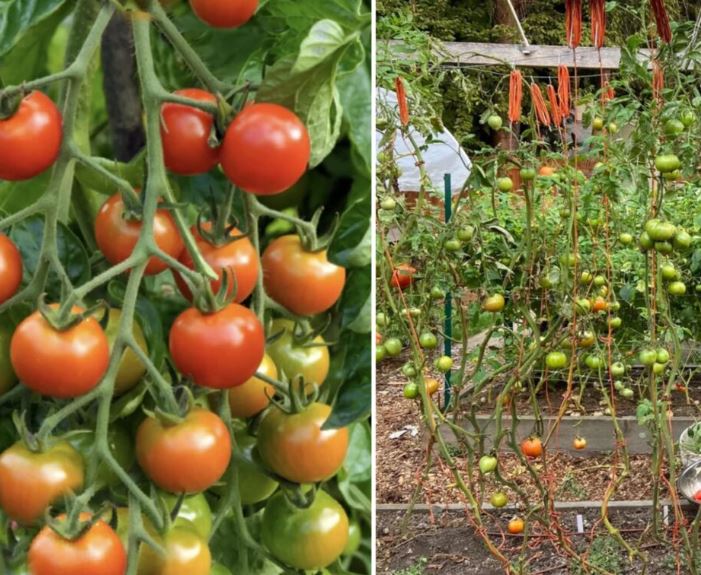
Determinate tomatoes are often called “bush” tomatoes because they grow to a predetermined height and stop growing when fruit sets on the terminal bud. Understanding their growth pattern is essential for proper garden planning.
Entity: Determinate Tomato (Growth Habit)
The determinate growth habit is a genetic trait that causes tomato plants to stop growing once flowers form at the top of the plant. These plants have a fixed, finite size and produce all their fruit within a concentrated window. This growth pattern is controlled by the self-pruning (sp) gene, which limits shoot elongation after a certain number of nodes. The compact, bushy shape makes these plants ideal for small gardens, containers, and mechanical harvesting.
Key attributes of determinate tomatoes:
- Growth pattern: Bushy, compact, fixed height (3-4 feet)
- Fruiting period: Concentrated, all fruit ripens within 2-3 weeks
- Support needs: Minimal; often require only light staking or caging
- Pruning: Not recommended; pruning reduces yield
- Best uses: Canning, preserving, sauce-making, small spaces
- Examples: Roma, San Marzano, Celebrity, Rutgers, Bush Early Girl
Plant Structure and Height
Determinate tomato plants have a distinct, self-limiting growth structure. The main stem grows to a specific height (typically 3-4 feet), then terminates with a flower cluster. Side shoots also terminate after producing flowers. This results in a compact, bushy plant that does not require extensive staking or caging. The uniform height makes determinate varieties particularly suitable for raised beds and container gardens where vertical space is limited.
Fruit Production and Harvest
The most significant characteristic of determinate tomatoes is their concentrated fruiting period. All fruits set and ripen within approximately 2-3 weeks, creating a single, abundant harvest. This makes determinate varieties perfect for gardeners who want a large quantity of tomatoes at once for canning, sauce-making, and preserving. The concentrated harvest also simplifies processing, as you can dedicate a weekend to transforming your entire crop into canned tomatoes, pasta sauce, or salsa.
Disease Resistance and Hardiness
Many determinate varieties were bred specifically for their disease resistance and hardiness. The compact growth habit allows better air circulation through the plant, reducing fungal disease pressure. Determinate tomatoes often mature earlier than indeterminate varieties, making them excellent choices for short growing seasons. Their concentrated fruiting also means that even if disease strikes later in the season, you have already harvested your crop.
What Are Indeterminate Tomatoes?
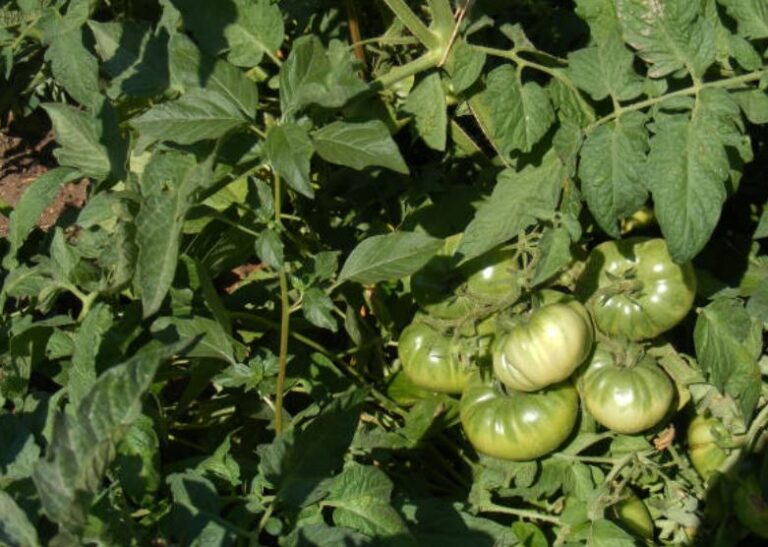
Indeterminate tomatoes are vining plants that continue growing throughout the entire growing season, producing fruit continuously until killed by frost. Their sprawling nature requires more space and support.
Entity: Indeterminate Tomato (Growth Habit)
Indeterminate tomatoes lack the self-pruning gene that limits growth in determinate varieties. Instead, they continue producing new stems, leaves, and flowers throughout the season. This results in tall, sprawling vines that can reach 6-12 feet or more in length. The continuous growth pattern provides a steady supply of ripe tomatoes from midsummer until the first fall frost. This growth habit mimics the wild ancestors of cultivated tomatoes, which grew as sprawling vines in their native South American habitats.
Key attributes of indeterminate tomatoes:
- Growth pattern: Vining, continuous growth, tall (6-12+ feet)
- Fruiting period: Continuous, extended harvest throughout season
- Support needs: Extensive; require staking, caging, or trellising
- Pruning: Recommended; improves airflow and fruit size
- Best uses: Fresh eating, slicing, salads, continuous harvest
- Examples: Brandywine, Cherokee Purple, Sungold, Early Girl, Big Beef
Plant Structure and Height
Indeterminate tomato plants have an open, vining structure that continues to elongate throughout the growing season. The main stem grows indefinitely, producing side shoots (suckers) at each leaf node. Without support, these plants sprawl along the ground, rooting at nodes where stems touch soil. With proper trellising, indeterminate tomatoes can reach heights of 10-15 feet or more in long-season regions. This continuous growth requires robust support systems and regular maintenance.
Fruit Production and Harvest
The hallmark of indeterminate tomatoes is their extended harvest period. Plants set flowers and fruits continuously from early summer until frost, providing a steady supply of ripe tomatoes over several months. This makes them ideal for home gardeners who want fresh tomatoes for daily use rather than a single large harvest. The continuous production also means you can enjoy tomatoes at their peak ripeness throughout the season, picking fruits as they mature individually.
Disease Resistance and Care Requirements
Indeterminate tomatoes require more intensive management than determinate varieties. Their dense foliage can create humid microclimates that promote fungal diseases, necessitating regular pruning for good air circulation. The sprawling vines are more vulnerable to wind damage and require sturdy support. However, many modern indeterminate hybrids combine the continuous harvest advantage with excellent disease resistance packages, making them easier to manage in home gardens.
Key Differences Between Determinate and Indeterminate
Understanding the specific differences between these two growth habits helps you choose the right varieties for your garden and culinary needs.
Growth Habit and Plant Size
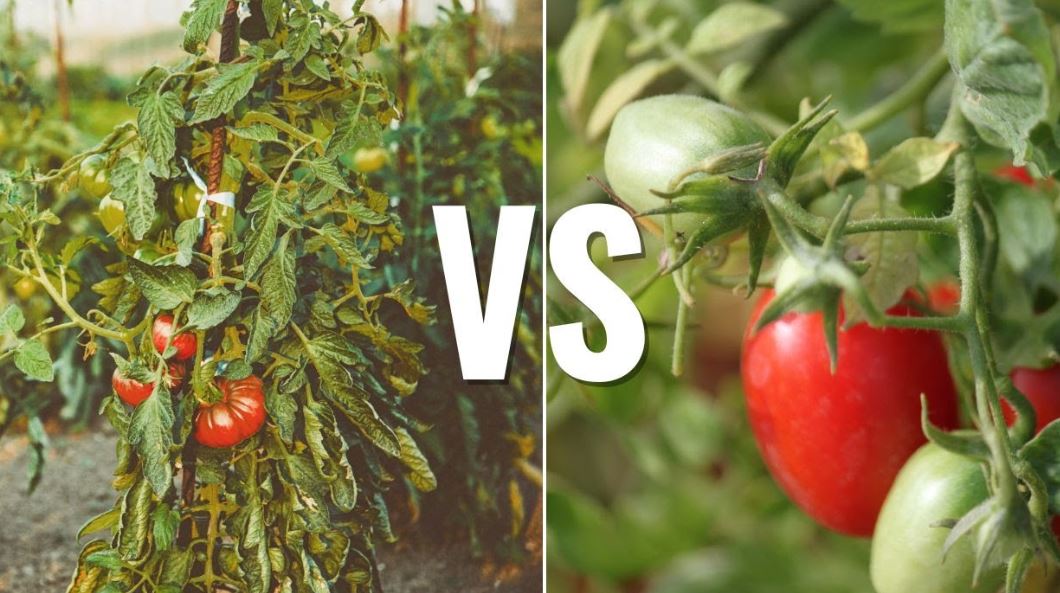
Determinate tomatoes grow as compact bushes reaching a fixed height of 3-4 feet. Their growth stops when fruit sets at the top of the plant. Indeterminate tomatoes grow as sprawling vines that continue elongating throughout the season, reaching heights of 6-12 feet or more. The determinate growth habit is controlled by the recessive sp gene, while indeterminate tomatoes have the dominant Sp gene that allows continuous growth.
Fruiting Pattern and Harvest Window
Determinate tomatoes produce all their flowers and fruit simultaneously, with all fruits ripening within a 2-3 week window. This concentrated harvest is ideal for processing large quantities at once. Indeterminate tomatoes produce flowers and fruits continuously, with ripe fruits available from early summer until frost. The extended harvest provides a steady supply of fresh tomatoes for daily use.
Comparison of key differences:
- Plant height: Determinate (3-4 feet) vs Indeterminate (6-12+ feet)
- Growth pattern: Determinate (bushy, self-limiting) vs Indeterminate (vining, continuous)
- Fruiting: Determinate (single, concentrated harvest) vs Indeterminate (extended, continuous)
- Support: Determinate (minimal) vs Indeterminate (extensive)
- Pruning: Determinate (not recommended) vs Indeterminate (recommended)
- Best for: Determinate (canning, preserving) vs Indeterminate (fresh eating, daily use)
Space Requirements
Determinate tomatoes are excellent for small gardens, raised beds, and containers due to their compact growth. Plants can be spaced closer together (18-24 inches) and require minimal support. Indeterminate tomatoes need more space to sprawl or climb. Allow 24-36 inches between plants in rows, and provide sturdy support systems. Container-grown indeterminate varieties need at least 10-gallon pots to accommodate their extensive root systems.
Pruning Requirements
Determinate tomatoes should not be pruned. Removing branches reduces the number of fruiting sites and diminishes overall yield. Only remove diseased or dead leaves. Indeterminate tomatoes benefit from regular pruning of suckers (side shoots) to direct energy into fewer, larger fruits and improve air circulation. Pruning also helps manage the rampant growth and makes the plants easier to support and harvest.
When to Choose Determinate Tomatoes
Determinate tomatoes excel in specific garden scenarios and culinary applications. Understanding when they are the best choice ensures successful harvests.
For Canning and Preserving
Determinate tomatoes are the undisputed champions for canning and preserving. Their concentrated harvest produces a large quantity of ripe fruits simultaneously, perfect for a weekend of sauce-making, canning, and freezing. The uniform ripening simplifies processing and ensures you have enough tomatoes to fill your canning jars in one session. Varieties like Roma, San Marzano, and Celebrity are famous for their sauce-making qualities.
Reasons to choose determinate tomatoes:
- You want a single, large harvest for canning and preserving
- You have limited garden space or grow in containers
- You prefer a compact, bush-type plant
- You want early-maturing tomatoes for short seasons
- You do not want to prune or stake extensively
- You need tomatoes that ripen uniformly for processing
For Small Gardens and Containers
Determinate tomatoes are ideal for small gardens, raised beds, and container gardening. Their compact size allows you to grow multiple varieties in limited space. The bushy growth habit does not require extensive staking or caging, making them low-maintenance options for patio and balcony gardens. Dwarf determinate varieties like Tiny Tim and Red Robin are specifically bred for windowsill and small container growing.
For Short Growing Seasons
Determinate varieties often mature earlier than indeterminate tomatoes, making them excellent choices for northern gardens with short summers. The entire crop ripens within a concentrated window, ensuring you can harvest mature fruits even if the season ends early. Early Girl and Celebrity are reliable choices for gardeners in regions with less than 100 frost-free days.
For Mechanical Harvesting
Commercial tomato production relies heavily on determinate varieties because their uniform growth and concentrated ripening allow mechanical harvesting. The compact, bush-type plants produce fruits at a consistent height, making machine harvesting efficient and economical. This is why most tomatoes used in processed products like canned tomatoes, sauce, and paste are determinate varieties.
When to Choose Indeterminate Tomatoes
Indeterminate tomatoes are the preferred choice for many home gardeners who want fresh tomatoes throughout the season and enjoy the classic vining tomato experience.
For Fresh Eating and Daily Harvest
Indeterminate tomatoes are ideal for gardeners who want a steady supply of fresh tomatoes for daily use. The continuous harvest provides ripe fruits from early summer through fall, ensuring you always have tomatoes for salads, sandwiches, and snacking. The extended season allows you to enjoy tomatoes at their peak ripeness, picking individual fruits as they mature rather than processing a large harvest all at once.
Reasons to choose indeterminate tomatoes:
- You want fresh tomatoes available throughout the season
- You have ample garden space for sprawling vines
- You enjoy staking and pruning your tomato plants
- You want larger beefsteak varieties for slicing
- You prefer cherry tomatoes for continuous snacking
- You want to stagger your harvest over several months
For Heirloom Variety Selection
Many of the most prized heirloom tomatoes are indeterminate varieties. Legendary tomatoes like Brandywine, Cherokee Purple, and Green Zebra grow as indeterminate vines. If you want to grow these exceptional varieties with their complex flavors and unique appearances, you are likely growing indeterminate tomatoes. The continuous harvest of heirlooms also allows you to enjoy their distinctive flavors throughout the season.
For Extended Growing Season
In regions with long growing seasons (150+ frost-free days), indeterminate tomatoes can produce impressive yields over several months. The plants continue growing and fruiting until cold weather arrives, maximizing your harvest from a single planting. In greenhouse production, indeterminate tomatoes can produce fruit for 9-12 months, making them essential for commercial greenhouse growers.
For Showpiece Plants
Indeterminate tomatoes create stunning visual displays when properly supported. The tall, productive vines laden with colorful fruits are garden showpieces. Many gardeners enjoy the process of training and pruning indeterminate tomatoes, creating living sculptures of fruit and foliage. The large beefsteak varieties particularly benefit from the indeterminate growth habit, producing massive fruits that require strong root systems and abundant foliage.
Pruning and Training Guidelines
Proper pruning and training are essential for maximizing yields and maintaining plant health. The approach differs significantly between determinate and indeterminate varieties.
Pruning Determinate Tomatoes
Determinate tomatoes should not be pruned. Removing branches reduces the number of fruiting sites and diminishes overall yield. The plant’s compact growth naturally limits its size, and all branches contribute to the concentrated fruit set. Only remove diseased, yellowing, or dead leaves. Remove leaves touching the ground to prevent soil-borne diseases. Do not remove the main stem or side shoots, as this reduces the number of flowers and fruits.
Pruning guidelines:
- Determinate: Remove only dead or diseased leaves; do not prune branches or suckers
- Indeterminate: Remove suckers regularly to direct energy into main stems and larger fruits
- Timing: Prune indeterminate tomatoes early and often throughout the season
- Tools: Use clean, sharp pruners to prevent disease transmission
- Goal: Improve air circulation, reduce disease, increase fruit size
Pruning Indeterminate Tomatoes
Indeterminate tomatoes benefit from regular pruning of suckers—side shoots that develop in leaf axils. Removing suckers directs the plant’s energy into the main stems and developing fruits. For single-stem pruning, remove all suckers. For double-stem pruning, allow one sucker below the first flower cluster to develop as a second stem. Regular pruning also improves air circulation, reducing fungal disease pressure.
Training and Staking Methods
Indeterminate tomatoes require robust support systems. Staking involves tying the main stem to a tall stake (6-8 feet) as it grows. Caging surrounds the plant with a wire cylinder for support. Trellising uses wires or netting for multiple plants. The string method is popular in greenhouses, with twine supporting the main stem. For determinate tomatoes, simple cages or short stakes provide adequate support for the compact plants.
Timing of Pruning and Training
Begin pruning indeterminate tomatoes when plants reach 18-24 inches tall. Remove suckers when small and easy to snap off. Prune regularly throughout the season—once a week is ideal. Train and tie plants as they grow to maintain support. Determinate tomatoes require no training or pruning beyond initial staking or caging to keep fruits off the ground.
Complete Comparison Table: Determinate vs Indeterminate Tomatoes
| Attribute | Determinate (Bush) | Indeterminate (Vining) |
|---|---|---|
| Growth Habit | Bushy, compact, fixed height | Vining, continuous growth |
| Plant Height | 3-4 feet | 6-12+ feet |
| Gene Type | sp (self-pruning) recessive | Sp (dominant) |
| Fruiting Pattern | Concentrated, all at once | Continuous throughout season |
| Harvest Duration | 2-3 weeks | Until frost (several months) |
| Best For | Canning, preserving, sauce | Fresh eating, daily harvest |
| Space Required | Minimal; 18-24 inches spacing | Extensive; 24-36 inches spacing |
| Support Needs | Minimal; light cage or stake | Extensive; staking, caging, trellising |
| Pruning | Not recommended | Recommended; remove suckers |
| Disease Resistance | Often good; compact growth helps | Varies; needs pruning for airflow |
| Maturity | Often earlier (70-80 days) | Varies; often later (75-100+ days) |
| Examples | Roma, San Marzano, Celebrity, Rutgers | Brandywine, Cherokee Purple, Sungold, Early Girl |
Frequently Asked Questions About Determinate and Indeterminate Tomatoes
1. Which type of tomato is better for beginners?
Determinate tomatoes are generally better for beginners due to their compact growth and minimal maintenance requirements. They do not require pruning, need less support, and produce a concentrated harvest that is easy to process. Celebrity and Roma are excellent beginner choices. However, cherry tomato indeterminate varieties like Sungold are also beginner-friendly and very forgiving. Start with determinate varieties to learn the basics, then expand to indeterminate tomatoes as you gain confidence.
2. Can I grow both determinate and indeterminate tomatoes in the same garden?
Yes, growing both types in the same garden is an excellent strategy. Plant determinate varieties for a concentrated harvest suitable for canning and preserving. Plant indeterminate varieties for a steady supply of fresh eating tomatoes throughout the season. This combination ensures you have tomatoes for all purposes—fresh eating daily and abundant fruits for processing. Just be mindful of spacing and support needs for each type.
3. Do determinate tomatoes taste different from indeterminate tomatoes?
Flavor is not determined by growth habit but by variety and genetics. Some determinate varieties like San Marzano have exceptional flavor, while some indeterminate varieties like Brandywine are legendary for their taste. However, commercial determinate varieties are often bred more for uniform ripening and processing qualities than for flavor. For the best flavors, choose varieties specifically selected for taste, regardless of their growth habit.
4. Can I convert determinate tomatoes into indeterminate plants?
No, you cannot change the genetic growth habit of a tomato plant. The determinate or indeterminate trait is genetically determined by the presence of the sp (self-pruning) gene. Determinate plants will always be determinate, and indeterminate plants will always be indeterminate. You must select the appropriate varieties for your garden based on your needs—you cannot alter their inherent growth patterns through pruning or training.
5. How do I know if my tomato plant is determinate or indeterminate?
Check the seed packet or plant label—varieties are clearly labeled as determinate (bush) or indeterminate (vining). If you have lost the label, observe the growth habit. Determinate plants grow as compact bushes and set fruit at the top before stopping growth. Indeterminate plants continue growing taller, producing new leaves and flowers throughout the season. Determinate tomatoes also tend to produce all their fruit within a short window, while indeterminate plants offer a steady harvest.
6. Which type is better for containers and small spaces?
Determinate tomatoes are generally better for containers and small spaces due to their compact, bushy growth. Choose varieties like Celebrity, Roma, or Tiny Tim for pots and raised beds. However, some indeterminate cherry tomato varieties can also be grown in large containers (at least 5-10 gallons) with appropriate staking. For the smallest spaces, look for “dwarf” or “patio” varieties that are specifically bred for container growing.
Final Verdict: Choosing Between Determinate and Indeterminate Tomatoes
The choice between determinate and indeterminate tomatoes ultimately depends on your garden space, culinary goals, and personal preferences. For gardeners who want to preserve tomatoes through canning, freezing, and sauce-making, determinate varieties offer the concentrated harvest that makes processing efficient and rewarding. Their compact growth suits small gardens and containers perfectly, and their minimal maintenance requirements make them excellent for busy gardeners and beginners.
For gardeners who want fresh tomatoes for daily eating, who enjoy the gardening process of training and pruning, and who have ample garden space, indeterminate varieties provide a continuous harvest and the largest selection of heirloom and specialty types. The extended harvest season ensures you can enjoy garden-fresh tomatoes from early summer until frost, picking fruits at their peak of flavor.
The best approach for most home gardeners is to grow both types. Plant determinate varieties like Roma or San Marzano for your canning and sauce-making needs. Plant indeterminate varieties like Brandywine, Cherokee Purple, or Sungold for fresh eating and daily enjoyment. This balanced strategy ensures you have the right tomato for every purpose, maximizing both your garden’s productivity and your culinary satisfaction. Start with a mix of both types, learn their characteristics, and adjust your planting plan each season to achieve the perfect tomato garden for your needs.

- How to Grow Microgreens Without Soil Indoors: Easy Home Method - October 5, 2026
- Microgreens vs. Sprouts: Key Differences, Nutrition, Safety, and Which One to Eat - October 5, 2026
- 10 Best Garden Tools For Weed Removal 2027 - October 3, 2026