Tomatoes are the most popular vegetable crop for home gardeners, and proper planting technique is the foundation of a successful harvest. The short answer: To plant tomatoes correctly, wait until after the last frost when soil temperatures reach 60°F, choose a sunny location with 6–8 hours of direct sunlight, prepare rich well-draining soil with pH 6.0–6.8, plant seedlings deeply—burying up to two-thirds of the stem—install supports at planting time, and water thoroughly to eliminate air pockets. This comprehensive guide walks you through every step of the planting process, from timing and site selection to soil preparation, transplanting techniques, and aftercare. Whether you are starting from seed or using nursery transplants, following these proven methods will give your tomato plants the strong start they need for a bountiful harvest.
Tomato Plants Before Planting
Before you dig a single hole, it is essential to understand what tomato plants need to thrive. This knowledge will guide every decision you make in the garden.
Plant Characteristics
The tomato (Solanum lycopersicum) is an herbaceous, sprawling plant in the nightshade family that is typically cultivated for its edible fruit. It is a tender, warm-season perennial that is usually grown outdoors in temperate climates as an annual. Tomato plants have a unique ability to develop roots along their stems, which is why deep planting is so effective. This characteristic is one of the most important factors to understand before planting.
Key plant attributes to know before planting:
- Hardiness: Very tender; killed by frost
- Light requirement: Full sun—6 hours minimum, 8–10 hours preferred
- Soil preference: Deep, fertile, well-drained, slightly acidic (pH 6.0–6.8)
- Growth habit: Determinate (bush) or indeterminate (vining)
- Root system: Extensive; benefits from deep planting
- Nutrient needs: Heavy feeder
Growth Habits and Their Planting Implications
Determinate (bush) varieties grow to a fixed height, produce fruit over a short period, and are ideal for small spaces and canning. Indeterminate (vining) varieties continue growing until frost and require taller supports. This distinction affects spacing, support needs, and pruning—all decisions made at planting time. Understanding your variety’s growth habit ensures you provide the right spacing and support from day one.
The Relationship Between Planting Depth and Root Development
Tomatoes are unique among garden vegetables because they can develop roots along their buried stems. When you plant a tomato deep, every node where a leaf was removed has the potential to produce roots. This creates a stronger, more extensive root system that can access more water and nutrients. This relationship explains why deep planting is the single most important technique for tomato success.
The Connection Between Sunlight and Flavor
Tomatoes require full sun to develop their full flavor potential. The relationship between sunlight exposure and sugar production is direct—more sunlight means more photosynthesis, which results in sweeter, more flavorful fruits. Planting in a location with insufficient sunlight leads to leggy growth, fewer flowers, and bland-tasting tomatoes. This relationship is why site selection is critical before you ever put a plant in the ground.
When to Plant Tomatoes
Timing is critical for tomato success. Planting too early or too late can significantly impact your harvest.
Determining the Right Time
Transplant tomatoes outdoors only after all danger of frost has passed and the soil has warmed. Nighttime temperatures should be consistently above 50°F (10°C), and soil temperatures should reach at least 60°F (15°C). In most regions, this means planting in late spring—typically the last week of May or early June. Check your local frost dates and count backward 6–8 weeks to determine when to start seeds indoors.
Soil Temperature Requirements
Soil temperature is more important than air temperature for tomato planting. Tomatoes prefer soil temperatures above 60°F for optimal root growth. Cold soil can stunt growth and delay flowering. To warm the soil earlier, lay down black plastic or landscape fabric 2–3 weeks before planting. In regions with short growing seasons, using black plastic mulch can make a significant difference in early plant development.
Avoiding Temperature Extremes
Tomatoes prefer daytime temperatures of 70–80°F. Blossom drop can occur if nighttime temperatures dip below 55°F or rise above 75°F. If a late frost is forecast, protect young plants with row covers, hot caps, or other protection. Remove covers whenever temperatures exceed 85°F. In hot climates, afternoon shade can prevent flower drop and sunscald on developing fruits.
Regional Planting Guides
In the UK and similar temperate climates, plant tomatoes outside from mid-to-late May to early June after the risk of frost has passed. In most USDA zones, transplant tomatoes about two weeks after the last expected frost date. Gardeners in cooler regions should choose early-maturing varieties and use protective measures like black plastic mulch and row covers to extend the growing season.
Where to Plant Tomatoes
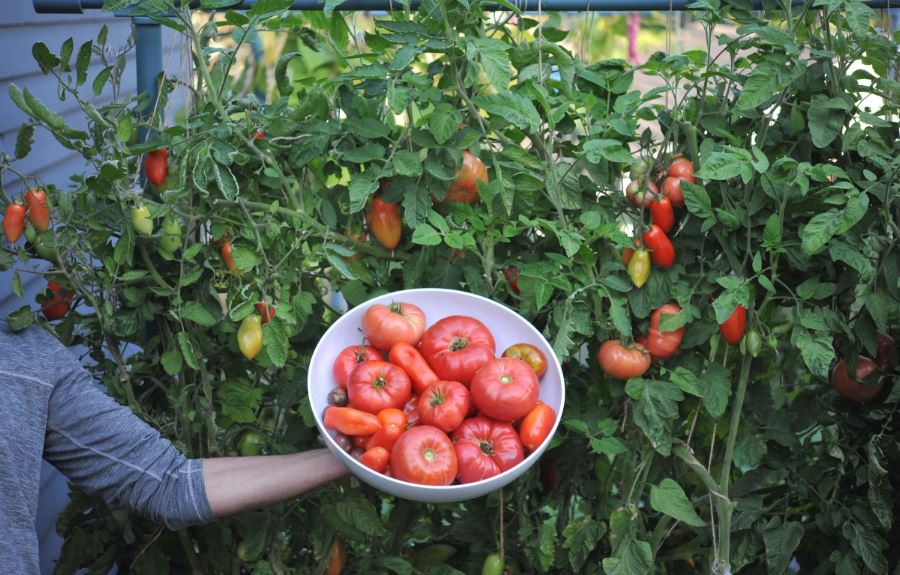
Choosing the right location is essential for healthy plants and abundant harvests.
Sunlight Requirements
Tomatoes need full sun—at least 6 hours of direct sunlight daily, with 8–10 hours preferred. This intense light is essential for photosynthesis, which fuels plant growth, flower production, and fruit development. Morning sun is particularly beneficial as it dries dew from leaves, reducing disease risk. South-facing locations typically provide the best sun exposure throughout the day. Avoid planting near trees or shrubs that will shade the plants.
Soil Drainage and Quality
Tomatoes require well-drained soil. Poor drainage promotes root loss and disease. If your landscape doesn’t drain well, consider raised beds or mounds that are 4–6 inches high. Tomatoes grow well in many soil types but prefer deep, fertile soil amply supplied with organic matter. The ideal soil pH is between 6.0 and 6.8.
Site selection checklist:
- Full sun: At least 6 hours daily, 8–10 hours preferred
- Well-drained soil; avoid low-lying areas
- Away from tree and shrub roots
- Close to a water source for easy irrigation
- Good air circulation to reduce disease
- Not previously planted with nightshades for 2–3 years
Crop Rotation
To minimize disease problems, do not plant tomatoes where tomatoes, peppers, eggplants, or potatoes have grown for at least two to three years. These plants are all in the nightshade family and share similar disease vulnerabilities. Crop rotation is one of the most effective disease prevention strategies available to home gardeners.
Container Considerations
If planting in containers, choose a pot that is 18–20 inches wide and at least 2 feet deep. Tomato plants have large root systems that need ample space. Containers for indeterminate varieties need to be at least 10 gallons and 18 inches deep. Ensure the container has drainage holes to prevent waterlogging. Place containers in a sunny, sheltered spot with at least 6–8 hours of sunshine daily.
How to Prepare Soil for Planting
Proper soil preparation is the most important step before planting tomatoes. This foundation determines the health and productivity of your plants.
Soil Testing
Begin with a soil test to determine pH and nutrient levels. Soil test reports indicate the pH, major nutrient levels, and recommend appropriate amendments. In the absence of a soil test, add about 3–4 pounds of a 5-10-5 fertilizer per 100 square feet or a 2-inch layer of well-rotted compost. Soil testing kits are available from local cooperative extension offices.
Adjusting Soil pH
Tomatoes prefer slightly acidic soil with a pH of 6.0 to 6.8. If you haven’t limed your soil in a few years, add 5–10 pounds of limestone per 100 square feet to keep pH in the optimum range of 6.0–6.5. Dolomite lime also increases magnesium levels. Incorporate lime and fertilizer into the top 4–6 inches of soil.
Adding Organic Matter
Adding organic matter such as compost or well-rotted manure improves the soil’s nutrient and water-holding capacity. Mix a generous application of compost well into the planting area. A mix of 50% compost and 50% cow manure, spread at least 5–7mm deep, provides excellent nutrition. Organic matter also improves soil structure and drainage, creating an ideal environment for root development.
Fertilizer Application
Incorporate a balanced vegetable fertilizer into the soil before planting. Tomatoes require high levels of phosphate but low nitrogen. A fertilizer low in nitrogen and high in phosphorus is ideal for root development. Work fertilizer into the top 6 inches of soil. If soil calcium is low, mix ¼ cup of gypsum into each planting hole to help prevent blossom end rot.
How to Plant Tomato Seedlings
Proper transplanting technique sets the foundation for healthy root development and vigorous growth.
Hardening Off Seedlings
Whether started from seed or purchased from a nursery, tomato transplants must be hardened off before planting outdoors. This process involves gradually acclimating plants to outdoor conditions for 4–7 days. Start with a few hours of filtered sunlight in a protected location, then increase exposure daily. Hardened-off plants are short, stocky, and better able to withstand sun, wind, and temperature fluctuations.
Hardening off schedule:
- Day 1–2: 2–3 hours in filtered sunlight, protected from wind
- Day 3–4: 4–6 hours with more direct sun exposure
- Day 5–6: Full day outdoors, bring in at night
- Day 7: Leave outdoors overnight if frost risk has passed
- Total duration: 7–14 days before transplanting
Preparing the Planting Hole
Dig a hole large enough to accommodate the rootball and allow for deep planting. The hole should be at least 4 inches deep. For leggy seedlings, dig a shallow trench rather than a deep hole—this technique, called trench planting, takes advantage of higher soil temperatures near the surface. Place the roots and lower stem horizontally in a trench a few inches deep, allowing only the top few inches of the plant to poke out.
Planting Depth: The Key to Success
Tomatoes are unique—they should be planted deeper than they were in their containers. Remove the lower leaves and plant 5–6 inches deep, burying the stem up to the point where the topmost leaves begin. A good rule is to bury half to two-thirds of the tomato plant underground. For example, bury a 12-inch tall plant six inches under the soil surface. Roots will form along the buried stem at leaf nodes, establishing a stronger root system.
Transplanting Step by Step
Gently remove the plant from its container, teasing the roots if they are root-bound. Place the plant in the hole or trench, burying the stem up to the lowest remaining leaves. Firm the soil around the plant to eliminate air pockets. Create a shallow well around the stem to hold water. Water thoroughly immediately after planting to settle the soil and ensure good root-to-soil contact. Apply a transplant starter solution to give plants a boost for quick establishment.
How to Space Tomato Plants
Proper spacing ensures good air circulation, reduces disease, and allows each plant to reach its full potential.
Spacing for Determinate Varieties
Determinate (bush) tomatoes are compact and can be planted closer together. Space determinate varieties 18–24 inches apart in rows. In square foot gardening, plan for 0.5–1 plant per square foot depending on cultivar vigor. The compact growth of determinate varieties makes them ideal for small gardens and raised beds.
Spacing for Indeterminate Varieties
Indeterminate (vining) tomatoes need more space. Space staked indeterminate varieties 14–20 inches apart. Space unstaked indeterminate varieties 24–36 inches apart. Allow 24–36 inches between plants in rows, with rows 48–60 inches apart. More space between plants means better air circulation and less disease.
Row Spacing
Leave approximately 45–75cm (18–30 inches) between each plant and around 75cm (30 inches) between each row. A space of about 3 feet between rows is good for staked or caged plants. You will need 3–5 feet between rows for non-staked plants to ensure plenty of room for maneuvering during harvest.
Container Spacing
In large containers, you can plant two small determinate plants spaced about 12–18 inches apart. Avoid crowding indeterminate types so airflow and light reach inner foliage. Dwarf varieties like Rosella Purple are excellent choices for containers, growing to only 3–4 feet on a stout central stem.
How to Install Supports at Planting Time
Tomatoes need support to remain upright. Installing supports at planting time avoids damaging roots later.
Staking
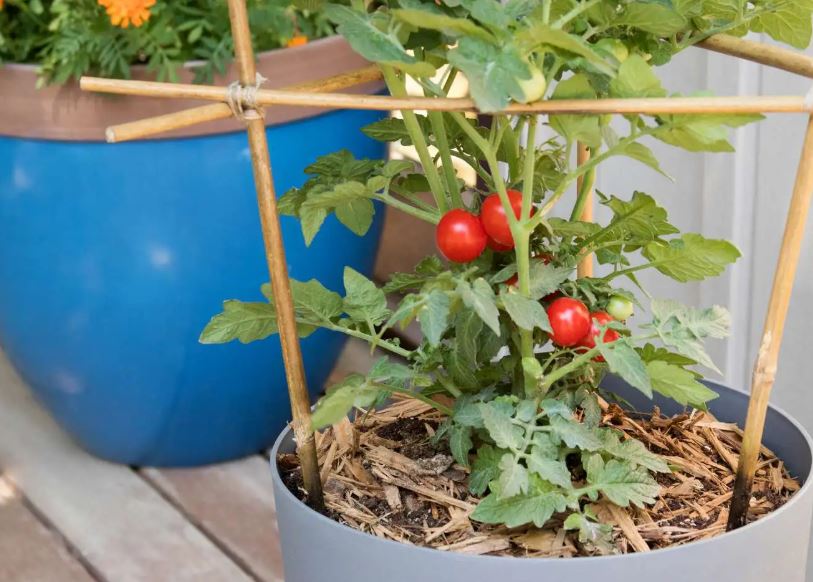
Staking involves fixing a sturdy stake near the plant and tying the main stem as it grows. Use stakes that are at least 6 feet long and 1½ inches square. Drive stakes at least 8–10 inches deep at or soon after planting. Use wooden stakes, bamboo poles, or metal T-stakes. Sisal twine or strips of cloth secure vines to stakes. Staked plants require regular tying throughout the season.
Caging
Cages are one of the most popular support methods. For indeterminate varieties, make a 5–6 foot tall cage out of concrete reinforcing wire. Be sure the mesh is large enough—6 inches square—so you can reach in and harvest ripe fruit. Bush or determinate types may need no support or just lightweight 3-foot tall cages. Semi-determinate types do well in medium-weight 4-foot tall cages. Put the cage on soon after planting so it is easy to get over the plant.
Support option comparison:
- Staking: Best for small spaces; needs regular tying; good air circulation
- Caging: Less maintenance; good for sprawling plants; larger footprint
- Trellising: Efficient for rows; good air flow; uses T-stakes and wire fencing
- String method: Used in greenhouses; allows lowering as plants grow
Trellising
The basketweave or stake-and-weave trellising system works well for rows. Pound in 7-foot metal T-stakes about 6 feet apart and stretch concrete reinforcing wire flat like a fence between the stakes. As tomatoes grow, weave the tomato foliage into the fence. This method provides excellent support and makes harvesting easy.
When to Install Supports
Install supports at planting time to avoid damaging roots later. Caged tomatoes produce smaller fruits than staked ones, and harvest may be later. However, cages require less maintenance and work well for gardeners who prefer a hands-off approach. Choose the support method that best fits your garden space and maintenance preferences.
How to Water After Planting
Proper watering immediately after planting and in the following weeks is critical for establishment.
First Watering
Water thoroughly immediately after planting to settle the soil and eliminate air pockets. Apply a transplant starter solution or water-soluble fertilizer to settle the soil and give the plant a boost. Create a shallow well around the stem to hold water during the first few weeks. This initial deep watering encourages roots to grow downward into the soil.
First Week Watering
During the first week after planting, water regularly as the plants adjust to their new homes. This could mean watering every day if the soil checks turn up dry. Young plants need consistent moisture as their roots establish. Keep the soil evenly moist but not soggy. Check soil moisture daily by feeling the soil 1–2 inches below the surface.
Establishing a Watering Schedule
After the first week, water deeply 2–3 times per week rather than giving light water daily. A general rule is to give tomato plants about 1–2 inches of water per week, distributed over 2–3 watering sessions. Water deeply to penetrate 12–18 inches into the soil. Deep watering encourages deep root growth, making plants more drought-tolerant.
Adjusting for Weather and Containers
Higher temperatures and intense sunlight mean more frequent watering. Sandy soil holds less water and may require more frequent watering than clay or organic-rich soil. Containers, especially in hot areas, may need watering up to twice a day at the height of summer. After fruit set, reduce watering slightly—this can help prevent cracking and may improve flavor.
How to Fertilize at Planting Time
Proper fertilization at planting gives tomatoes the nutrients they need for strong establishment and vigorous growth.
Starter Fertilizer
Use a starter fertilizer for transplants. Starter fertilizers are high in phosphorus to encourage root development without pushing excessive foliage growth. Apply according to package directions. A transplant starter solution or water-soluble fertilizer can be used to settle the soil and help give the plant a boost for quick establishment.
Incorporating Fertilizer Before Planting
Before planting, work fertilizer into the top 6 inches of soil. In the absence of a soil test, choose a fertilizer low in nitrogen, high in phosphorus, and medium to high in potassium. Tomatoes require high levels of phosphate but low nitrogen. Excess nitrogen can result in getting more foliage at the expense of fruit.
Organic Options
Incorporate compost or well-rotted manure before planting. A mix of 50% compost and 50% cow manure provides excellent nutrition. Water in with a weak seaweed solution to provide trace elements. Organic amendments improve soil structure and provide slow-release nutrition throughout the growing season.
What to Avoid
Do not add Epsom salts (magnesium sulfate) to the soil unless soil testing shows a magnesium deficiency. Excessive nitrogen promotes lush foliage at the expense of fruit. Avoid fresh manure, which can burn roots and promote disease. Follow fertilizer package directions carefully to avoid over-fertilization.
Planting Tomatoes in Containers
Container gardening is an excellent option for gardeners with limited space. Following specific guidelines ensures success.
Choosing the Right Container
Choose a container that is 18–20 inches wide and at least 2 feet deep. Tomato plants have large root systems that need ample space. Ensure the container has drainage holes to prevent waterlogging. For indeterminate varieties, containers need to be at least 10 gallons and 18 inches deep. Larger containers dry out less quickly and provide more room for root development.
Container Soil Mix
Use a high-quality, sterile potting mix designed for containers. A good mix recipe is 40–50% coir or peat, 20–30% compost, and 10–20% perlite or vermiculite. Add cow manure to a good-quality organic potting mix. Container soil should be well-draining yet moisture-retentive. Do not use garden soil in containers—it compacts and drains poorly.
Planting in Containers
Fill containers to within 2–3cm (about 1 inch) of the rim with moist compost. Plant as you would in the garden—down to the first laterals. Plant tomatoes deeper than they were in their original containers. Water thoroughly after planting. Place containers in a sunny, sheltered spot with at least 6–8 hours of sunshine daily.
Container Aftercare
Container-grown plants need more frequent watering and regular fertilization. Water when the top inch of soil feels dry—this may mean daily watering in hot weather. Apply a balanced liquid fertilizer every 2–3 weeks during the growing season. Move containers to a warm, sheltered spot if frost is forecast. Choose dwarf or compact varieties for the best container performance.
Frequently Asked Questions About Planting Tomatoes
1. How deep should I plant tomato seedlings?
Plant tomato seedlings deeper than they were in their containers—bury up to two-thirds of the stem. Remove the lower leaves and plant 5–6 inches deep, burying the stem up to the point where the topmost leaves begin. Roots will form along the buried stem, creating a stronger root system. For leggy seedlings, use the trench planting method—lay the plant horizontally in a shallow trench.
2. When is the best time to plant tomatoes outdoors?
Transplant tomatoes outdoors after all danger of frost has passed and when the soil has warmed. Soil temperature should be at least 60°F (15°C). Nighttime temperatures should be consistently above 50°F (10°C). In most regions, this means late spring—typically the last week of May to early June. Wait at least a week or two after the last frost.
3. How far apart should I space tomato plants?
Space determinate varieties 18–24 inches apart. Space staked indeterminate varieties 14–20 inches apart. Space unstaked indeterminate varieties 24–36 inches apart. Leave about 3 feet between rows for staked or caged plants. More space means better air circulation and less disease.
4. Should I fertilize when planting tomatoes?
Yes, use a starter fertilizer at planting time. Starter fertilizers high in phosphorus encourage root development. Incorporate a balanced fertilizer into the soil before planting. Tomatoes require high phosphate but low nitrogen. If soil calcium is low, mix ¼ cup of gypsum into each planting hole to help prevent blossom end rot.
5. Can I plant tomatoes in the same spot every year?
No, avoid planting tomatoes in the same spot for at least two to three years. Tomatoes, peppers, eggplants, and potatoes are all in the nightshade family and share similar disease vulnerabilities. Crop rotation is one of the most effective disease prevention strategies. If planting in containers that have been used before, clean the container and use new potting soil.
6. Do I need to harden off tomato seedlings before planting?
Yes, hardening off is essential. Gradually acclimate plants to outdoor conditions for 4–7 days before transplanting. This process prevents sunburn and transplant shock. Start with a few hours of filtered sunlight and increase exposure daily. Hardened-off plants are stockier and better able to withstand outdoor conditions.
Complete Planting Guide Table
| Stage | Action | Timing | Key Details |
|---|---|---|---|
| Seed Starting | Sow seeds indoors | 6–8 weeks before last frost | ¼ inch deep; 70–80°F; 6–12 days to emerge |
| Hardening Off | Gradual outdoor exposure | 4–7 days before transplanting | Increase sun and wind exposure daily |
| Soil Preparation | Amend soil with compost and fertilizer | Before planting | pH 6.0–6.8; work into top 4–6 inches |
| Transplanting | Move seedlings outdoors | After frost; soil above 60°F | Plant 5–6 inches deep; bury stem |
| Spacing | Determinate: 18–24 inches apart | At planting | Indeterminate: 24–36 inches apart |
| Support | Install stakes/cages | At planting | Stakes: 6 ft long; cages: 5–6 ft for indeterminates |
| First Watering | Water thoroughly | Immediately after planting | Settles soil; eliminates air pockets |
| First Week | Water regularly | Daily if needed | Keep soil evenly moist |
| Established | Deep watering | 2–3 times per week | 1–2 inches per week |
| Fertilizer | Starter fertilizer | At planting | High phosphorus for root development |
Final Verdict: Planting Tomatoes for Success
Planting tomatoes correctly is the most important step in your gardening journey. The techniques covered here—proper timing, deep planting, adequate spacing, sturdy support, and consistent watering—are the foundation of a successful tomato crop. Start by selecting varieties suited to your climate and culinary preferences. Prepare your soil thoroughly with compost and appropriate fertilizers. Harden off seedlings before transplanting to prevent shock. Plant deeply, burying up to two-thirds of the stem to encourage robust root development. Install supports at planting time to avoid damaging roots later. Water thoroughly after planting and maintain consistent moisture as plants establish.
Whether you have a sprawling garden or a small balcony container, these proven methods will give your tomato plants the strong start they need. The extra care you invest at planting time pays dividends throughout the growing season—healthier plants, fewer disease problems, and more abundant harvests of flavorful, homegrown tomatoes. Start with a few plants, learn from each season, and soon you will be enjoying the unmatched taste of vine-ripened tomatoes from your own garden.

- How to Grow Microgreens Without Soil Indoors: Easy Home Method - October 5, 2026
- Microgreens vs. Sprouts: Key Differences, Nutrition, Safety, and Which One to Eat - October 5, 2026
- 10 Best Garden Tools For Weed Removal 2027 - October 3, 2026