17 Tomato Types: Complete Growing Guide for Every Variety

Tomatoes are one of the most rewarding vegetables to grow, but not every variety grows the same way. From tiny cherry and currant tomatoes to giant beefsteak and flavorful heirloom varieties, each type has unique characteristics and care requirements. Understanding the different tomato types helps you choose the best variety for your garden, climate, and cooking needs. In this guide, you’ll discover 17 popular tomato types along with essential growing tips based on the four most important care priorities: sunlight, watering, support, and fertilizer, so you can enjoy healthier plants and bigger harvests all season long.

1. Cherry Tomatoes

Cherry tomatoes are among the easiest and most productive tomato types for home gardeners. They grow quickly, produce clusters of bite-sized fruits, and continue harvesting throughout the season. Although they’re forgiving, following the proper care hierarchy—sunlight first, watering second, support third, and fertilizer last—helps maximize sweetness and yield.

Best Sunlight Requirements for Cherry Tomatoes (Critical)

Sunlight is the single most important factor for growing flavorful cherry tomatoes. Without enough direct sun, plants become leggy, produce fewer flowers, and develop less sweetness in their fruit.

Cherry tomatoes perform best with 6–8 hours of direct sunlight daily, while 8–10 hours delivers the highest yields in most climates. Morning sunlight is especially valuable because it dries dew quickly, reducing fungal diseases.

If you’re growing in containers, place pots where they receive uninterrupted sunlight throughout the day. Avoid planting near fences, tall shrubs, or buildings that create afternoon shade.

Signs your cherry tomatoes need more sunlight include:

Adequate SunlightInsufficient Sunlight
Thick green stemsLong, weak stems
Numerous flower clustersFew flowers
Sweet fruitsBland flavor
Bright leaf colorPale foliage
Heavy harvestsLow production

Quick Tip: Never try to compensate for poor sunlight with extra fertilizer. More nutrients cannot replace the energy tomatoes receive from direct sunlight.

Watering Schedule for Healthy Cherry Tomato Plants (Vital)

Once sunlight is adequate, watering becomes the next priority. Cherry tomatoes prefer consistently moist soil rather than frequent shallow watering. Uneven moisture often causes cracked fruit and unnecessary plant stress.

Most garden-grown cherry tomatoes need about 1–2 inches of water per week, while container plants usually require watering more frequently because pots dry out faster.

Water deeply at the base of the plant during the morning instead of wetting the leaves. This encourages deeper roots and lowers the risk of fungal diseases.

A simple watering guide:

Growing ConditionWatering Frequency
Cool spring weatherEvery 3–4 days
Average summer temperaturesEvery 2–3 days
Hot weather above 90°F (32°C)Daily if needed
Container plantsCheck soil every day

Adding a 2–3 inch layer of organic mulch helps conserve moisture, regulate soil temperature, and reduce watering frequency.

Quick Tip: Consistent watering is more important than large amounts of water. Sudden cycles of drought followed by heavy watering commonly split ripening cherry tomatoes.

Support Options for Cherry Tomato Vines (Important)

Many gardeners assume cherry tomatoes don’t need support because the fruits are small. In reality, most cherry tomato varieties are vigorous growers that benefit greatly from cages, stakes, or trellises.

Supporting plants keeps foliage off the ground, improves air circulation, reduces disease pressure, and makes harvesting easier.

Common support choices include:

Support TypeBest ForBenefits
Tomato cageMost home gardensEasy installation and maintenance
Wooden stakeSmall spacesAffordable and compact
Spiral stakeContainersSimple vertical support
TrellisIndeterminate varietiesExcellent airflow and easy harvesting

Tie stems loosely using soft garden ties as the plant grows. Avoid tying too tightly, which can damage expanding stems.

Quick Tip: Install supports immediately after planting. Waiting until vines become large can disturb roots and make training more difficult.

Fertilizer Tips to Maximize Cherry Tomato Harvests (Bonus)

Fertilizer is the final step in the care hierarchy. Healthy plants growing in full sun with proper watering respond much better to fertilizer than stressed plants.

At planting time, mix compost or well-rotted organic matter into the soil to improve fertility and water retention. Once flowers begin forming, switch to a fertilizer formulated for tomatoes that contains moderate nitrogen with higher phosphorus and potassium.

General feeding schedule:

Plant StageRecommended Feeding
PlantingCompost or balanced fertilizer
First floweringTomato fertilizer
Fruit developmentFeed every 2–4 weeks
Peak harvestContinue light feedings if growth slows

Avoid excessive nitrogen because it encourages lush leafy growth while reducing flower and fruit production.

Quick Tip: Fertilizer enhances production, but it cannot overcome poor sunlight or inconsistent watering. Always prioritize the first three care factors before increasing plant nutrition.

2. Grape Tomatoes

Grape tomatoes are known for their firm texture, naturally sweet flavor, and exceptional productivity. Their small oval fruits resist cracking better than many other tomato varieties, making them excellent for snacking, salads, and fresh eating. Like all tomatoes, they thrive when you follow the proper care hierarchy: sunlight first, watering second, support third, and fertilizer last.

Ideal Sunlight for Sweet Grape Tomatoes (Critical)

Sunlight drives photosynthesis, flower production, and sugar development in grape tomatoes. Plants grown in full sun consistently produce sweeter fruits, stronger stems, and larger harvests.

Provide at least 6–8 hours of direct sunlight daily, with 8 or more hours producing the best flavor and highest yields. In hot climates, afternoon shade is generally unnecessary unless temperatures remain extremely high for extended periods.

Growing tips include:

  • Plant in an open area with excellent air circulation.
  • Avoid locations shaded by trees or buildings.
  • Rotate planting locations each year to reduce disease pressure.

When grape tomatoes receive sufficient sunlight, you’ll notice thicker stems, abundant blossoms, and continuous fruit production throughout the growing season.

3. Roma Tomatoes

Roma tomatoes are among the best tomato types for making sauces, salsa, paste, and canning. Their firm flesh, low moisture content, and rich flavor make them a favorite among home gardeners and cooks alike. Like every tomato variety, Roma tomatoes perform best when you prioritize the four essential care factors in the correct order: Sunlight first, Watering second, Support third, and Fertilizer last.

3.1 Sunlight Needs for Roma Tomato Plants (Critical)

Sunlight is the foundation of healthy Roma tomato production. It fuels plant growth, encourages flowering, and helps fruits develop their deep red color and concentrated flavor.

Roma tomatoes need at least 6–8 hours of direct sunlight daily, while 8–10 hours produces the highest yields. Choose an open planting site where nearby buildings, trees, or shrubs won’t cast shade during the growing season.

Plants receiving adequate sunlight typically produce:

  • Strong, thick stems
  • Dark green healthy foliage
  • Numerous flower clusters
  • Firm, flavorful fruits
  • Higher overall yields

Insufficient sunlight often results in leggy growth, delayed flowering, and reduced fruit production.

Quick Tip: Healthy Roma tomatoes begin with full sun. No fertilizer can compensate for inadequate light.

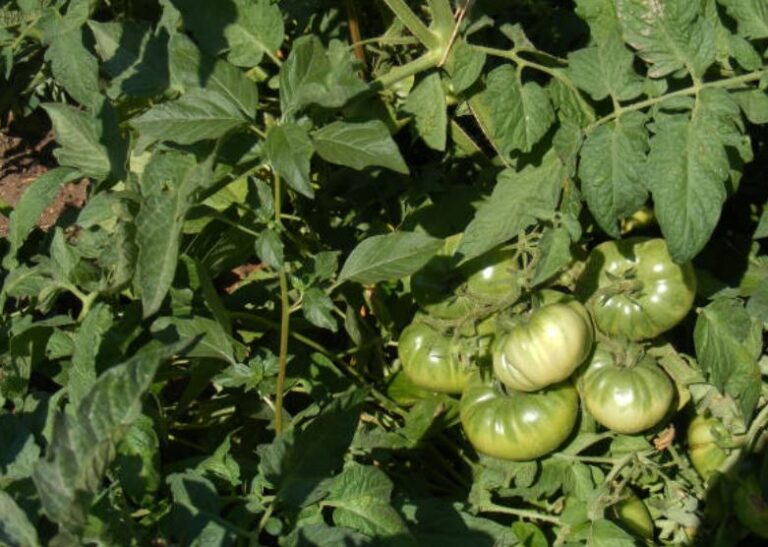
4. Beefsteak Tomatoes

Beefsteak tomatoes are famous for producing some of the largest fruits of any tomato variety. Their juicy texture and rich flavor make them ideal for sandwiches, burgers, and fresh slicing. Because these plants grow vigorously and carry extremely heavy fruit, following the proper care hierarchy is essential: Sunlight first, Watering second, Support third, and Fertilizer last.

4.1 Full Sun Requirements for Beefsteak Tomatoes (Critical)

Large tomatoes require plenty of energy to develop, making sunlight the foundation of successful beefsteak production.

Plant beefsteak tomatoes where they’ll receive 8 or more hours of direct sunlight daily. While they can survive with six hours, longer exposure generally produces larger fruits, stronger plants, and heavier harvests.

Choose an open location with good air circulation to reduce humidity around the foliage.

Signs of adequate sunlight include:

Healthy PlantsPlants Lacking Sunlight
Thick sturdy stemsThin, weak growth
Large flower clustersSparse flowering
Large fruitsSmall or misshapen fruits
Rich green foliagePale leaves

Quick Tip: Large-fruited tomatoes need more sunlight than almost any other vegetable in the garden.

Watering Large Beefsteak Tomato Plants Correctly (Vital)

Because beefsteak tomatoes contain large amounts of water, maintaining consistent soil moisture is critical. Irregular watering can cause fruit cracking, blossom end rot, and uneven ripening.

Provide approximately 1–2 inches of water each week, increasing the amount during periods of extreme heat.

Deep watering encourages stronger roots while reducing plant stress.

Helpful watering practices include:

  • Water deeply rather than lightly.
  • Water early in the morning.
  • Avoid wetting leaves whenever possible.
  • Mulch around plants to conserve moisture.
  • Check soil moisture before watering again.
WeatherWatering Recommendation
Cool weatherEvery 3–4 days
Moderate summerEvery 2–3 days
Hot weatherDaily if necessary
Container plantsMonitor daily

Quick Tip: Consistent moisture helps beefsteak tomatoes develop large, smooth fruits without splitting.

Strong Support Systems for Beefsteak Tomatoes (Important)

Beefsteak tomatoes produce exceptionally heavy fruits that easily snap unsupported branches. Strong support is essential from the beginning of the growing season.

Install heavy-duty cages, sturdy wooden stakes, or durable trellis systems immediately after planting.

Best support options include:

Support TypeAdvantages
Heavy-duty tomato cageSupports multiple heavy fruit clusters
Wooden stakeEasy pruning and maintenance
Metal T-post trellisExcellent long-term durability
String trellisIdeal for greenhouse growing

Tie stems every few weeks as the plant grows, ensuring fruit clusters remain well supported.

Quick Tip: Strong support prevents broken stems and allows sunlight and airflow to reach the entire plant.

Fertilizer Strategy for Giant Beefsteak Fruits (Bonus)

Large-fruited tomatoes consume significant nutrients throughout the season, but fertilizer should always complement—not replace—proper sunlight and watering.

Begin with nutrient-rich soil containing compost. After flowering begins, feed plants every 2–3 weeks using a tomato fertilizer formulated to encourage flowering and fruit development.

A balanced feeding plan includes:

Growth StageRecommended Feeding
PlantingCompost and balanced fertilizer
FloweringTomato fertilizer
Fruit enlargementFeed every 2–3 weeks
Heavy harvestContinue moderate feeding

Avoid excessive nitrogen because it encourages vigorous foliage instead of producing large tomatoes.

Quick Tip: The biggest beefsteak tomatoes are grown by combining full sun, steady watering, strong support, and moderate fertilization—not by simply adding more fertilizer.

5. Heirloom Tomatoes

Heirloom tomatoes are treasured for their exceptional flavor, unique colors, and fascinating history. Unlike many modern hybrids, heirloom varieties often produce fruits in unusual shapes, sizes, and colors. Their superior taste comes with slightly higher maintenance requirements, making the care hierarchy even more important: Sunlight (Critical) → Watering (Vital) → Support (Important) → Fertilizer (Bonus).

Best Sun Exposure for Heirloom Tomatoes (Critical)

Heirloom tomatoes need abundant direct sunlight to develop their rich flavors and vibrant colors. Aim for 8 hours or more of full sun each day to maximize flowering, fruit production, and sugar development.

Plants grown in bright, open locations produce healthier foliage, stronger stems, and more flavorful harvests.

Quick Tip: Rich heirloom flavor begins with full sun—not extra fertilizer.

6. Plum Tomatoes

Plum tomatoes are versatile fruits valued for fresh cooking, roasting, sauces, and preserving. Their balanced moisture content and firm flesh make them ideal for many recipes. To grow healthy, productive plants, follow the care hierarchy: Sunlight (Critical) → Watering (Vital) → Support (Important) → Fertilizer (Bonus).

6.1 Sunlight Conditions for Productive Plum Tomatoes (Critical)

Plum tomatoes require 6–8 hours of direct sunlight daily, with 8 or more hours producing the highest yields and richest flavor. Full sun encourages vigorous growth, abundant blossoms, and evenly ripened fruit.

Plant in an open location away from trees or buildings that create afternoon shade.

SunlightPlant Performance
8–10 hoursMaximum flowering and fruit production
6–8 hoursHealthy growth and reliable harvest
4–6 hoursFewer flowers and smaller harvests
Under 4 hoursWeak plants and poor fruit quality

Quick Tip: Strong sunlight develops sweeter, firmer plum tomatoes perfect for sauces.

Watering Plum Tomatoes for Consistent Growth (Vital)

Consistent moisture helps plum tomatoes produce firm fruits without cracking or blossom end rot.

Water deeply 1–2 times per week, adjusting for rainfall and temperature. Raised beds and containers may require more frequent watering.

Growing SituationWatering Guide
Garden bedsEvery 2–3 days
Hot weatherDaily if needed
Raised bedsCheck moisture daily
ContainersWater whenever the top inch becomes dry

Mulching helps retain moisture and keeps roots cool during summer.

Quick Tip: Avoid alternating between very dry and very wet soil.


6.3 Support Methods for Plum Tomato Plants (Important)

Many plum tomato varieties produce heavy fruit clusters that benefit from support.

Suitable options include:

  • Tomato cages
  • Wooden stakes
  • Wire trellises
  • Florida weave systems
SupportBest For
CageHome gardens
StakeCompact spaces
TrellisIndeterminate plants
Florida weaveGarden rows

Quick Tip: Supporting plants improves airflow and reduces disease.


6.4 Fertilizer Practices for Better Plum Tomato Yields (Bonus)

Begin with compost-rich soil and apply tomato fertilizer once flowering starts.

Plant StageFeeding
PlantingCompost
FloweringTomato fertilizer
FruitingEvery 2–4 weeks

Avoid excessive nitrogen to prevent leafy plants with fewer tomatoes.

Quick Tip: Healthy roots and sunlight make fertilizer more effective.

7. Campari Tomatoes

Campari tomatoes are famous for their exceptionally sweet flavor, juicy texture, and medium-sized fruits. They are popular for salads, sandwiches, and fresh eating. Their care priorities remain the same: Sunlight → Watering → Support → Fertilizer.

Sunlight Requirements for Campari Tomatoes (Critical)

Campari tomatoes thrive with 8 hours of direct sunlight daily. Plenty of sunshine develops their signature sweetness and encourages continuous flowering.

SunlightResults
8+ hoursSweetest fruits and highest yields
6–8 hoursGood production
Less than 6 hoursReduced sweetness

Quick Tip: More sunlight equals sweeter Campari tomatoes.

Watering Campari Tomatoes Without Overwatering (Vital)

Campari tomatoes appreciate consistently moist soil but dislike standing water.

Water deeply whenever the top inch of soil begins drying.

WeatherWatering
MildEvery 2–3 days
HotDaily if necessary
ContainersCheck daily

Morning watering keeps foliage healthier.

Quick Tip: Overwatering reduces flavor and encourages root diseases.

Supporting Campari Tomato Plants Effectively (Important)

Most Campari tomatoes grow vigorously and require reliable support.

Good options include:

  • Tomato cages
  • Bamboo stakes
  • Vertical trellises
  • Garden twine systems

Supporting vines keeps fruit clean and simplifies harvesting.

Quick Tip: Install supports before plants begin rapid growth.

Fertilizing Campari Tomatoes for Rich Flavor (Bonus)

Feed with compost at planting and tomato fertilizer every 2–4 weeks after flowering begins.

StageFertilizer
PlantingCompost
FloweringTomato fertilizer
FruitingLight feeding

Avoid high-nitrogen fertilizers.

Quick Tip: Balanced feeding maintains sweetness throughout the season.

8. San Marzano Tomatoes

San Marzano tomatoes are among the world’s finest paste tomatoes. Their elongated fruits, low seed count, and rich flavor make them the preferred choice for homemade sauces. Proper care follows the same hierarchy: Sunlight, Watering, Support, Fertilizer.

Best Sunlight for San Marzano Tomatoes (Critical)

Provide 8 hours or more of direct sunlight every day.

Full sunlight encourages:

  • Heavy flowering
  • Thick stems
  • Concentrated flavor
  • Uniform ripening
SunlightHarvest Quality
8+ hoursPremium sauce tomatoes
6–8 hoursGood production
Under 6 hoursReduced yields

Quick Tip: Sauce tomatoes develop richer flavor in full sun.

Watering Schedule for San Marzano Plants (Vital)

Water deeply and consistently throughout fruit development.

ConditionFrequency
Moderate weatherEvery 2–3 days
Hot weatherDaily if needed
ContainersDaily monitoring

Mulch helps reduce moisture loss.

Quick Tip: Consistent watering improves fruit quality for canning.

Trellising and Supporting San Marzano Tomatoes (Important)

San Marzano vines become tall and productive.

Recommended supports include:

  • Heavy-duty cages
  • Wooden stakes
  • Wire trellises
  • Vertical strings

Tie stems every few weeks as plants grow.

Quick Tip: Proper support reduces broken branches during heavy harvests.

Fertilizer Tips for Premium Sauce Tomatoes (Bonus)

Use compost first, then feed regularly after flowering.

Growth StageFeeding Schedule
PlantingCompost
FloweringTomato fertilizer
FruitingEvery 2–3 weeks

Quick Tip: Healthy soil produces richer-flavored sauce tomatoes.

9. Green Tomatoes

Green tomato varieties stay green even when ripe and offer a tangy, slightly sweet flavor. They require the same fundamental growing priorities as other tomatoes.

Sunlight Requirements for Green Tomato Varieties (Critical)

Green tomatoes perform best with 6–8 hours of full sun, while longer exposure improves productivity.

SunlightPerformance
8+ hoursMaximum harvest
6–8 hoursHealthy growth
Under 6 hoursLower yields

Quick Tip: Even green-ripe tomatoes need abundant sunlight.

Watering Green Tomatoes Throughout the Season (Vital)

Maintain evenly moist soil throughout the growing season.

Deep watering encourages healthy root systems.

WeatherFrequency
MildEvery 2–3 days
HotDaily if needed

Quick Tip: Avoid letting soil dry completely between watering.

Best Plant Support for Green Tomatoes (Important)

Use cages or trellises to support heavy vines and improve airflow.

Good choices include:

  • Tomato cages
  • Stakes
  • Trellises

Quick Tip: Better airflow means fewer disease problems.

Fertilizer Needs for Healthy Green Tomatoes (Bonus)

Feed after flowering with a balanced tomato fertilizer every 2–4 weeks.

Avoid excessive nitrogen.

Quick Tip: Feed consistently but don’t overfertilize.

10. Yellow Tomatoes

Yellow tomatoes offer mild, sweet flavor and lower acidity than many red varieties. They’re excellent for fresh eating and colorful salads.

Sunlight for Vibrant Yellow Tomato Production (Critical)

Yellow tomatoes need 8 hours of sunlight daily for vibrant color and sweet flavor.

SunlightResults
8+ hoursBright color and sweetness
6–8 hoursGood harvest
Under 6 hoursReduced production

Quick Tip: Full sun produces brighter yellow fruits.

Watering Yellow Tomatoes for Juicy Fruits (Vital)

Water consistently throughout flowering and fruit development.

Use mulch to reduce evaporation.

ConditionWatering
GardenEvery 2–3 days
ContainersDaily checks

Quick Tip: Even moisture produces juicier tomatoes.

Supporting Yellow Tomato Plants Properly (Important)

Support prevents stems from bending under heavy fruit loads.

Options include cages, stakes, and trellises.

Quick Tip: Install supports at planting time.

Fertilizer Guide for Yellow Tomato Growth (Bonus)

Apply tomato fertilizer after flowering every 2–4 weeks.

Compost remains the best foundation.

Quick Tip: Fertilizer enhances color and production when sunlight is sufficient.

11. Orange Tomatoes

Orange tomatoes are rich in beta-carotene and known for their balanced sweetness and beautiful color. Healthy plants depend on following the same care priority system.

11.1 Full Sun Benefits for Orange Tomatoes (Critical)

Provide 6–8 hours of direct sunlight, ideally more than eight hours.

Full sun encourages:

  • Rich orange color
  • Better sweetness
  • Higher yields
  • Strong stems
SunlightResults
8+ hoursExcellent harvest
6–8 hoursReliable production
Under 6 hoursSlower growth

Quick Tip: Sunlight is the biggest contributor to fruit quality.


11.2 Watering Orange Tomatoes for Even Ripening (Vital)

Maintain steady soil moisture throughout the season.

Deep watering produces stronger root systems and evenly ripened fruit.

WeatherWatering
MildEvery 2–3 days
HotDaily if required

Quick Tip: Consistent watering prevents cracking and uneven ripening.


11.3 Best Support Structures for Orange Tomatoes (Important)

Use strong cages or trellises to support vigorous vines and heavy fruit clusters.

Tie stems loosely as plants grow taller.

Quick Tip: Well-supported plants receive better airflow and sunlight.

Fertilizer Tips for High-Yield Orange Tomatoes (Bonus)

Feed with compost before planting and tomato fertilizer throughout fruit production every 2–4 weeks.

Avoid excess nitrogen.

Quick Tip: Healthy soil and balanced nutrition keep orange tomatoes producing until frost.

12. Black Tomatoes

Black tomatoes are prized for their rich, smoky flavor and striking deep purple, brown, or mahogany-colored fruits. Popular varieties like Black Krim, Cherokee Purple, and Paul Robeson are favorites among gardeners who value exceptional taste over appearance. These tomatoes are typically indeterminate, meaning they continue producing fruit until frost. To achieve their famous flavor and color, follow the care hierarchy: Sunlight (Critical) → Watering (Vital) → Support (Important) → Fertilizer (Bonus).

Sunlight Needs for Dark-Colored Tomato Varieties (Critical)

Sunlight is the most important factor for growing flavorful black tomatoes. Their dark pigments and rich, complex taste develop best when plants receive plenty of direct sunlight. Without enough light, fruits may remain smaller, less sweet, and slower to ripen.

Plant black tomatoes in a location that receives 8–10 hours of direct sunlight each day. Morning sun is especially beneficial because it dries moisture from the leaves, reducing fungal diseases while providing the energy needed for continuous flowering.

If you’re growing black tomatoes in containers, place them in the sunniest part of your patio or garden and rotate the container every week for even growth.

Daily SunlightExpected Results
8–10 hoursExcellent color, rich flavor, heavy harvest
6–8 hoursHealthy plants with good production
4–6 hoursReduced flowering and slower ripening
Less than 4 hoursWeak plants and poor fruit quality

Quick Tip: The famous smoky flavor of black tomatoes develops only when plants receive abundant direct sunlight.


Watering Black Tomatoes Without Causing Cracks (Vital)

After sunlight, watering becomes the second priority. Black tomatoes often have thinner skins than many hybrid varieties, making them more susceptible to cracking when soil moisture changes suddenly.

Provide approximately 1–2 inches of water each week, adjusting for rainfall and summer temperatures. Instead of watering lightly every day, water deeply so moisture reaches the root zone. Deep watering encourages stronger roots and healthier plants.

Water early in the morning and avoid wetting the foliage whenever possible. A 2–3 inch layer of mulch around the base helps conserve moisture and keeps soil temperatures consistent.

Growing ConditionWatering Frequency
Cool weatherEvery 3–4 days
Average summerEvery 2–3 days
Hot weatherDaily if necessary
Container plantsCheck soil every day

Quick Tip: Sudden heavy watering after dry soil is the most common reason black tomatoes split before harvest.


Supporting Black Tomato Plants Successfully (Important)

Most black tomato varieties are vigorous indeterminate plants that can grow 6–8 feet tall and produce heavy fruit clusters. Without proper support, branches may bend or break under the weight of ripening tomatoes.

Install supports immediately after planting to avoid damaging established roots later in the season.

Popular support systems include:

Support TypeBest ForBenefits
Heavy-duty tomato cageHome gardensSupports multiple fruit clusters
Wooden stakeSmall gardensEasy pruning and maintenance
Wire trellisLarge gardensExcellent airflow
Vertical stringGreenhousesMaximizes growing space

Tie stems loosely using soft garden ties and continue securing new growth throughout the season. Remove lower leaves touching the soil to improve airflow and reduce disease.

Quick Tip: Strong support keeps fruit off the ground, improves sunlight penetration, and makes harvesting easier.


Fertilizing Black Tomatoes for Superior Flavor (Bonus)

Fertilizer is the final step in the care hierarchy. Healthy black tomatoes respond best to fertilizer only after receiving enough sunlight, consistent watering, and proper support.

Before planting, mix compost or aged manure into the soil to improve fertility and drainage. Once flowers begin forming, switch to a tomato fertilizer that contains moderate nitrogen and higher phosphorus and potassium.

Plant StageFertilizer Recommendation
PlantingCompost or balanced fertilizer
FloweringTomato fertilizer
Fruit developmentFeed every 2–4 weeks
Peak harvestContinue light feedings

Avoid fertilizers high in nitrogen because they produce excessive leafy growth while reducing flower and fruit production.

Quick Tip: Fertilizer enhances production, but it cannot replace full sunlight or consistent watering.

13. Determinate Tomatoes

Determinate tomatoes, often called bush tomatoes, grow to a predetermined size before setting most of their fruit over a short period. Their compact habit makes them ideal for small gardens, raised beds, and containers. Since they produce a concentrated harvest, they are excellent for canning and preserving.

Sunlight Requirements for Determinate Tomato Plants (Critical)

Determinate tomatoes need 6–8 hours of direct sunlight daily, with eight hours producing the highest yields. Adequate sunlight encourages strong stems, healthy foliage, and heavy flowering before fruit develops.

Choose an open planting site with good air circulation to reduce disease problems.

SunlightPlant Performance
8+ hoursMaximum harvest
6–8 hoursHealthy production
4–6 hoursReduced flowering
Under 4 hoursWeak growth

Quick Tip: Compact plants still require full sun for productive harvests.


Watering Determinate Tomatoes During Fruiting (Vital)

Because determinate tomatoes produce most of their crop within a few weeks, maintaining consistent soil moisture during fruit development is essential.

Water deeply whenever the top 1–2 inches of soil begin drying. Raised beds and containers may require more frequent watering during summer.

WeatherWatering Frequency
CoolEvery 3–4 days
ModerateEvery 2–3 days
HotDaily if necessary
ContainersCheck every day

Adding mulch reduces evaporation and helps prevent blossom end rot.

Quick Tip: Even moisture produces larger, healthier tomatoes with fewer defects.


Support Options for Compact Tomato Plants (Important)

Although determinate tomatoes stay relatively short, heavy fruit clusters can still cause branches to bend toward the ground.

Simple support methods include:

Support TypeAdvantages
Tomato cageSupports the entire plant
Short wooden stakeSaves garden space
Wire supportEasy installation

Support improves airflow, keeps fruit clean, and simplifies harvesting.

Quick Tip: Even bush tomatoes produce better harvests with light support.


Fertilizer Schedule for Determinate Tomatoes (Bonus)

Mix compost into the soil before planting, then apply tomato fertilizer after flowering begins.

Growth StageFeeding Schedule
PlantingCompost
FloweringTomato fertilizer
FruitingFeed every 2–3 weeks

Reduce fertilizer once most fruits begin ripening.

Quick Tip: Moderate feeding supports one large, productive harvest without excessive leafy growth.

14. Indeterminate Tomatoes

Indeterminate tomatoes are the longest-producing tomato type, continuing to grow, flower, and set fruit until frost ends the season. Unlike determinate varieties, these plants never stop growing during the season and often reach 6–10 feet tall. Popular varieties include Beefsteak, Sungold, Black Krim, and many heirloom tomatoes. Because of their vigorous growth, following the care hierarchy—Sunlight (Critical) → Watering (Vital) → Support (Important) → Fertilizer (Bonus)—is essential for maintaining healthy plants and continuous harvests.

Sunlight Requirements for Indeterminate Tomato Plants (Critical)

Sunlight is the foundation of continuous fruit production. Since indeterminate tomatoes keep producing flowers and fruit for several months, they require plenty of energy from direct sunlight.

Plant them where they’ll receive 8–10 hours of full sun every day. While they can grow with six hours of sunlight, longer exposure results in stronger vines, more flower clusters, sweeter tomatoes, and larger harvests.

Avoid planting near trees, fences, or buildings that cast afternoon shade. Good air circulation is equally important because these large plants produce dense foliage.

Daily SunlightPlant Performance
8–10 hoursContinuous flowering and maximum harvest
6–8 hoursHealthy plants with good yields
4–6 hoursFewer flowers and slower growth
Less than 4 hoursWeak vines and poor fruit production

Quick Tip: The more sunlight indeterminate tomatoes receive, the longer and more productive their harvest season becomes.


Watering Indeterminate Tomatoes Consistently (Vital)

Because indeterminate tomatoes continue growing throughout the season, they require steady moisture for months rather than weeks. Inconsistent watering can cause blossom end rot, cracked fruit, leaf curl, and reduced production.

Provide approximately 1–2 inches of water per week, increasing the amount during hot, dry weather. Deep watering encourages roots to grow downward, helping plants withstand summer heat.

Water at the base of the plant early in the morning whenever possible. Adding mulch around the root zone helps maintain even soil moisture and suppress weeds.

Growing ConditionWatering Frequency
Cool weatherEvery 3–4 days
Average summerEvery 2–3 days
Hot weatherDaily if necessary
Container plantsCheck moisture every day

Quick Tip: Consistent watering keeps indeterminate tomatoes producing healthy flowers and fruit throughout the growing season.


Trellises and Stakes for Indeterminate Tomato Vines (Important)

Unlike bush tomatoes, indeterminate varieties must be supported throughout the growing season. Their long vines become heavy with fruit and can easily collapse without proper support.

Install supports immediately after planting to avoid damaging the root system later.

Common support options include:

Support TypeBest ForBenefits
Tall tomato cageHome gardensSupports multiple branches
Heavy wooden stakeSmall spacesEasy pruning and harvesting
Wire trellisLarge gardensExcellent airflow and sunlight
String trellisGreenhousesMaximizes vertical growing space

Tie stems loosely using soft garden ties every few weeks as the vines continue climbing. Regularly remove damaged lower leaves and prune suckers if growing vertically.

Quick Tip: Strong support improves airflow, reduces disease, and makes harvesting much easier throughout the season.


Fertilizing Indeterminate Tomatoes All Season (Bonus)

Because these plants continue producing fruit until frost, they require ongoing nutrition. However, fertilizer should only supplement proper sunlight, watering, and support—not replace them.

Before planting, work compost or aged manure into the soil. Once flowering begins, apply a tomato fertilizer every 2–3 weeks throughout the growing season.

Growth StageFertilizer Recommendation
PlantingCompost or balanced fertilizer
FloweringTomato fertilizer
Continuous fruitingFeed every 2–3 weeks
Late seasonContinue light feeding while plants remain productive

Avoid fertilizers high in nitrogen, as they encourage excessive leaf growth instead of flowers and fruit.

Quick Tip: Small, regular feedings throughout the season produce better results than one heavy fertilizer application.


15. Patio Tomatoes

Patio tomatoes are compact varieties specially developed for growing in containers, balconies, decks, patios, and other small spaces. Although they stay much smaller than standard tomatoes, they can still produce an impressive harvest when properly cared for. Since container plants depend entirely on the gardener for water and nutrients, following the hierarchy—Sunlight (Critical) → Watering (Vital) → Support (Important) → Fertilizer (Bonus)—is especially important.

Sunlight Requirements for Patio Tomato Containers (Critical)

Patio tomatoes require 6–8 hours of direct sunlight daily, while 8 or more hours will produce the highest yields. One advantage of container gardening is that pots can be moved to follow the sun throughout the season.

Place containers in the brightest location available, such as a sunny patio, balcony, driveway, or deck. Rotate containers every week so all sides of the plant receive equal sunlight.

Daily SunlightExpected Results
8+ hoursMaximum flowering and fruit production
6–8 hoursHealthy plants with reliable harvests
4–6 hoursSlower growth and fewer tomatoes
Less than 4 hoursPoor flowering and weak plants

Quick Tip: If your patio tomatoes aren’t producing well, relocating the container to a sunnier location often solves the problem.


Watering Container-Grown Patio Tomatoes (Vital)

Watering is more important for patio tomatoes than for garden-grown plants because containers dry out much faster, especially during hot summer weather.

Check soil moisture every day by inserting your finger about one inch into the potting mix. Water thoroughly whenever the top inch begins to dry.

Use containers with drainage holes to prevent waterlogging, and always empty saucers after watering.

Weather ConditionsWatering Frequency
Cool weatherEvery 2–3 days
Moderate summerDaily check
Hot weatherOnce or twice daily if needed
Windy conditionsCheck moisture more frequently

Adding mulch on top of the potting mix helps reduce evaporation and keeps roots cooler.

Quick Tip: Consistent watering prevents blossom end rot and helps container tomatoes produce sweeter fruit.


Support Solutions for Patio Tomato Plants (Important)

Although patio tomatoes remain compact, many varieties become top-heavy once fruit begins developing. Simple support prevents stems from bending or breaking.

Recommended support systems include:

Support TypeBest ForBenefits
Small tomato cageMost patio varietiesSupports entire plant
Bamboo stakeSmall containersInexpensive and easy to install
Decorative trellisPatios and balconiesAttractive appearance and good support
Spiral stakeCompact varietiesSaves space

Install supports immediately after planting while the root system is still small.

Quick Tip: Even dwarf tomato varieties benefit from support once fruits begin ripening.


Fertilizer Tips for Potted Patio Tomatoes (Bonus)

Container-grown tomatoes lose nutrients more quickly because frequent watering washes fertilizer from the potting mix. Regular feeding is therefore more important than for tomatoes growing in garden soil.

Start with high-quality potting mix enriched with compost or slow-release fertilizer. After flowering begins, feed every 2 weeks with a balanced tomato fertilizer according to the manufacturer’s directions.

Growth StageFertilizer Recommendation
PlantingCompost or slow-release fertilizer
FloweringTomato fertilizer
FruitingFeed every 2 weeks
Peak harvestContinue regular feeding

Avoid overfertilizing, especially with high-nitrogen products, as this encourages leafy growth instead of fruit.

Quick Tip: Regular light feedings keep patio tomatoes productive throughout the entire growing season without overstimulating foliage growth.

16. Pear Tomatoes

Pear tomatoes are small, pear-shaped tomatoes known for their mild sweetness, colorful appearance, and excellent snacking quality. Available in yellow, red, and orange varieties, they are highly productive and continue producing fruit throughout the growing season. Like most small-fruited tomatoes, they perform best when you follow the care hierarchy: Sunlight (Critical) → Watering (Vital) → Support (Important) → Fertilizer (Bonus).

Sunlight Requirements for Pear Tomatoes (Critical)

Pear tomatoes need 6–8 hours of direct sunlight daily, while 8–10 hours produces the sweetest fruits and the highest yields. Full sun promotes vigorous growth, abundant flowering, and uniform fruit ripening.

Choose a planting site with excellent air circulation and avoid locations shaded by buildings or large trees. If growing in containers, place them where they receive uninterrupted sunlight throughout the day.

Daily SunlightPlant Performance
8–10 hoursMaximum flowering, sweetest fruit, highest yield
6–8 hoursHealthy plants with reliable production
4–6 hoursReduced flowering and slower growth
Less than 4 hoursWeak plants and poor harvest

Quick Tip: Pear tomatoes develop their best sweetness and vibrant color only under full sunlight.

Watering Pear Tomato Plants Correctly (Vital)

Consistent watering keeps pear tomatoes healthy and helps prevent fruit cracking. Because these plants produce numerous small fruits over a long season, they require steady soil moisture rather than occasional heavy watering.

Provide approximately 1–2 inches of water per week, increasing the frequency during periods of hot or windy weather.

Water early in the morning at the base of the plant, avoiding wet leaves whenever possible. Mulching helps conserve moisture and reduces weed growth.

Growing ConditionWatering Frequency
Cool weatherEvery 3–4 days
Average summerEvery 2–3 days
Hot weatherDaily if necessary
Container plantsCheck moisture every day

Quick Tip: Deep, consistent watering produces healthier plants and sweeter pear tomatoes.


Supporting Pear Tomato Plants During Fruiting (Important)

Most pear tomato varieties are indeterminate growers that produce long vines filled with fruit clusters. Proper support prevents stems from bending and keeps tomatoes off the ground.

Install supports immediately after planting.

Recommended support systems include:

Support TypeBest ForBenefits
Tomato cageHome gardensSupports multiple fruit clusters
Wooden stakeSmall spacesEasy maintenance
Wire trellisLarge gardensExcellent airflow
Vertical stringGreenhousesMaximizes vertical space

Tie growing stems loosely every few weeks and remove damaged lower leaves to improve airflow.

Quick Tip: Supporting vines improves sunlight exposure and reduces the risk of fungal diseases.


Fertilizer Guide for Sweet Pear Tomatoes (Bonus)

Healthy pear tomatoes benefit from balanced nutrition after sunlight, watering, and support have been properly managed.

Mix compost into the soil before planting, then apply a tomato fertilizer every 2–4 weeks after flowering begins.

Growth StageFertilizer Recommendation
PlantingCompost or balanced fertilizer
FloweringTomato fertilizer
FruitingFeed every 2–4 weeks
Peak productionContinue light feeding

Avoid excessive nitrogen because it encourages leafy growth instead of continuous fruit production.

Quick Tip: Balanced feeding supports a long harvest season filled with sweet, colorful tomatoes.

17. Currant Tomatoes

Currant tomatoes are the smallest cultivated tomato type, producing tiny fruits about the size of peas. Despite their size, these vigorous plants produce hundreds of sweet tomatoes over an extended growing season. Their sprawling vines require proper care to remain productive. Follow the care hierarchy: Sunlight (Critical) → Watering (Vital) → Support (Important) → Fertilizer (Bonus).

Full Sun Needs for Currant Tomatoes (Critical)

Currant tomatoes thrive with 8 or more hours of direct sunlight each day. Full sun encourages rapid vine growth, abundant flowers, and exceptionally sweet fruit.

Plant them in an open location with good airflow to reduce humidity and minimize fungal diseases.

Daily SunlightExpected Results
8–10 hoursContinuous harvest and sweetest fruit
6–8 hoursHealthy plants with good production
4–6 hoursReduced flowering and slower growth
Less than 4 hoursWeak vines and limited harvest

Quick Tip: Plenty of sunlight helps currant tomatoes produce hundreds of tiny fruits throughout the season.

Watering Tiny Currant Tomato Plants (Vital)

Although the fruits are small, currant tomatoes are vigorous growers that require consistent soil moisture for continuous production.

Provide about 1–2 inches of water each week, watering deeply rather than frequently.

Water at the base of the plant during the morning and mulch around the roots to conserve moisture.

Growing ConditionWatering Frequency
Cool weatherEvery 3–4 days
Moderate summerEvery 2–3 days
Hot weatherDaily if necessary
ContainersCheck moisture daily

Quick Tip: Consistent watering encourages continuous flowering and prevents unnecessary plant stress.


Best Supports for Vigorous Currant Tomato Vines (Important)

Currant tomato vines grow rapidly and often spread several feet if left unsupported. Strong support improves airflow, simplifies harvesting, and prevents fruit from touching the soil.

Recommended options include:

Support TypeBest ForBenefits
Tall tomato cageHome gardensSupports vigorous vines
Wire trellisLarge gardensMaximizes airflow
Heavy wooden stakesCompact spacesEasy pruning
String trellisGreenhousesExcellent vertical growth

Tie stems loosely as they grow and remove overcrowded foliage if necessary.

Quick Tip: Supporting vigorous vines keeps the tiny fruits clean and much easier to harvest.

Fertilizing Currant Tomatoes for Continuous Harvest (Bonus)

Currant tomatoes naturally produce abundant fruit, but regular feeding helps maintain production until frost.

Improve the soil with compost before planting and apply a tomato fertilizer every 2–4 weeks once flowering begins.

Growth StageFertilizer Recommendation
PlantingCompost or balanced fertilizer
FloweringTomato fertilizer
FruitingFeed every 2–4 weeks
Late seasonContinue light feeding while productive

Avoid overfeeding with nitrogen-rich fertilizers because excessive foliage can reduce flowering.

Quick Tip: Regular light feedings combined with full sun and consistent watering keep currant tomatoes producing hundreds of fruits throughout the growing season.

Frequently Asked Questions

Which tomato type is easiest to grow for beginners?

Cherry tomatoes are generally the easiest for beginners. They grow quickly, produce abundant fruit, resist many common problems, and continue harvesting throughout the season with minimal maintenance.

What are the main types of tomatoes?

The four main categories are:

  • Cherry tomatoes
  • Paste (Roma and San Marzano) tomatoes
  • Slicing tomatoes (Beefsteak and Heirloom)
  • Grape and specialty tomatoes

Each category is suited for different cooking and gardening purposes.

Which tomato variety produces the biggest fruits?

Beefsteak tomatoes produce the largest fruits, with many varieties weighing between 1 and 2 pounds under ideal growing conditions.

Which tomatoes are best for making sauce?

Roma, San Marzano, and Plum tomatoes are considered the best sauce tomatoes because they have thick flesh, fewer seeds, and lower water content.

What tomato type is best for containers?

Patio tomatoes, determinate tomatoes, cherry tomatoes, and dwarf varieties are excellent choices for containers because they remain compact while producing generous harvests.


How many hours of sunlight do tomato plants need?

Most tomato varieties require 6–8 hours of direct sunlight daily, while 8–10 hours generally produces sweeter fruit and higher yields.

How often should tomato plants be watered?

Tomatoes typically need 1–2 inches of water per week. During hot weather or when grown in containers, they may require watering every day. The goal is to keep the soil consistently moist but not waterlogged.

Do all tomato plants need support?

Most tomato plants benefit from support. Indeterminate varieties require sturdy cages, stakes, or trellises, while many determinate and patio tomatoes grow better with light support to keep fruit off the ground.

What is the difference between determinate and indeterminate tomatoes?

Determinate tomatoes grow to a fixed height and produce most of their fruit over a short period. Indeterminate tomatoes continue growing, flowering, and producing fruit until frost, providing a much longer harvest season.

Which tomato type is the sweetest?

Cherry tomatoes, grape tomatoes, Sun Gold-type tomatoes, and currant tomatoes are among the sweetest varieties due to their naturally high sugar content.

Can different tomato varieties be grown together?

Yes. Different tomato types can be planted in the same garden as long as each plant receives full sun, proper spacing, consistent watering, and appropriate support based on its growth habit.

What is the most important factor for growing healthy tomatoes?

Sunlight is the most important factor. Healthy tomato plants depend on the care hierarchy:

  1. Sunlight (Critical) – Drives growth, flowering, and fruit sweetness.
  2. Watering (Vital) – Prevents stress, blossom end rot, and fruit cracking.
  3. Support (Important) – Improves airflow, keeps fruit clean, and reduces disease.
  4. Fertilizer (Bonus) – Boosts production but cannot compensate for poor sunlight or inconsistent watering.

daviddoswaner@gmail.com

Similar Posts