Standing in the garden center holding two bags — one labeled “raised bed mix” and one labeled “potting soil” — it’s easy to assume they’re interchangeable. Both are bagged, both are lightweight, and both claim to grow healthy plants. But they’re built for fundamentally different environments. Using the wrong one in the wrong place costs you yield, money, and a full growing season of frustration.
What Is Raised Garden Bed Soil?
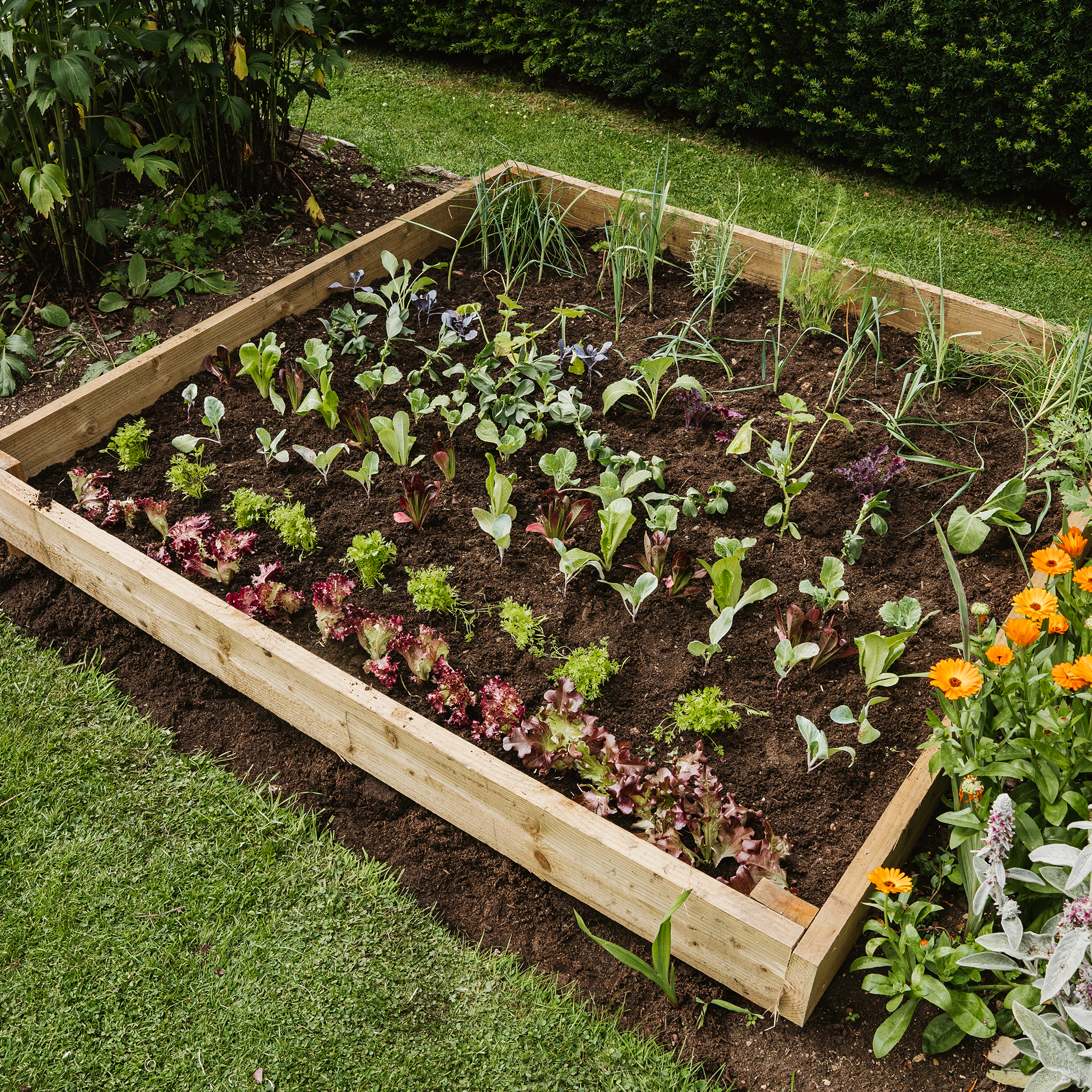
Raised garden bed soil is a growing medium specifically blended for beds that sit above the native ground — wooden frames, galvanized metal beds, fabric boxes, and any enclosed growing structure that is physically separated from the earth below. Unlike in-ground soil, a raised bed has no subsoil to fall back on, no natural drainage gradient, and no existing microbial ecosystem. The mix must be nutritionally complete, structurally stable, and biologically active entirely on its own.
What Goes Into a Quality Raised Bed Mix
A well-formulated raised bed mix draws from three categories of ingredients, each playing a specific functional role:
- Compost (25–50%): The nutritional and biological engine of the mix. Aged compost feeds soil microorganisms, releases nutrients slowly over the season, and simultaneously improves both drainage and moisture retention — a balance no synthetic amendment can replicate.
- Structural material (15–25%): Perlite, coarse vermiculite, or aged bark chips that physically prop the growing medium open, maintaining air pockets as organic matter breaks down over time.
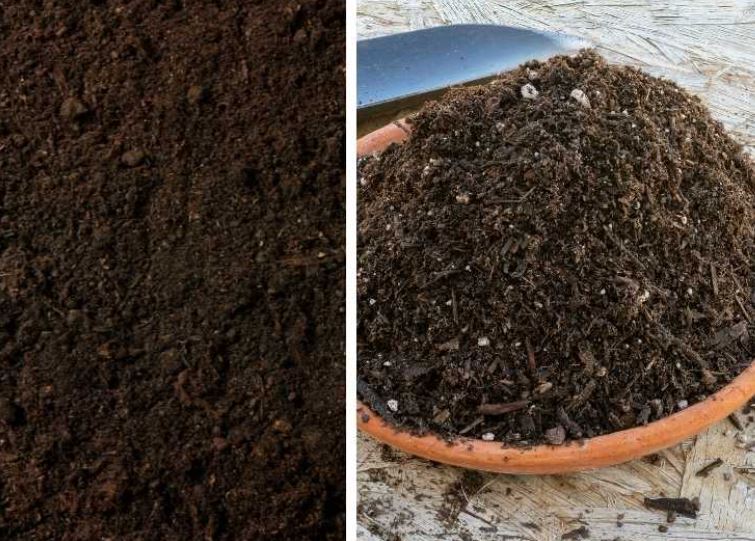
- Base material (25–35%): Screened topsoil, coconut coir, or a peat-based foundation that gives the mix body, mineral content, and enough density to anchor root systems without compacting.
The combined result is a medium that is lighter than in-ground soil, more nutrient-dense than potting mix, and designed to improve with each passing season rather than degrade.
How Raised Bed Mix Performs Across a Season
In early spring, a good raised bed mix warms up faster than in-ground soil — sometimes by two to three weeks — because the elevated structure captures heat more efficiently and the lighter medium conducts it readily. Seeds germinate earlier, transplants establish faster, and the growing season effectively lengthens without any additional effort from the gardener.
Through the main growing season, the open pore structure maintains drainage even under daily irrigation. Roots push through it with minimal resistance, spreading broadly and deeply in ways that compact or clay-heavy media simply do not allow. Plants in well-built raised bed mixes consistently show stronger stem development, deeper root systems, and higher yields per square foot than the same varieties grown in inferior media.
How Raised Bed Mix Matures Over Multiple Years
One of the most underappreciated qualities of raised bed mix is its long-term trajectory. Unlike potting mix, which degrades and becomes depleted within a single season, a properly maintained raised bed mix gets richer and more productive over time. Each fall, a top-dressing of two inches of finished compost adds organic matter that slowly integrates downward. Earthworms colonize the bed from the ground below, aerating as they move. Fungal networks establish between plant root systems. By year three or four, a well-tended raised bed often outperforms its original formulation significantly.
Signs a Raised Bed Mix Is Working Correctly
A healthy, well-functioning raised bed mix displays several observable characteristics:
- Water drains visibly within 30 to 60 seconds after heavy watering, with no pooling on the surface
- The medium feels moist but crumbly between your fingers — never sticky, never bone dry
- Plants maintain consistent, dark green foliage without mid-season yellowing that signals nutrient depletion
- At season’s end, roots are visible throughout the full depth of the bed, not just the top few inches
What Is Potting Soil?
Potting soil — more accurately called potting mix — is a growing medium engineered for container gardening: pots, window boxes, hanging baskets, and any small, enclosed vessel with limited volume. Despite the word “soil” in its name, most potting mixes contain no actual soil whatsoever. They are entirely soilless blends designed around the specific challenges of container growing, where drainage, aeration, and weight are managed in a fundamentally different way than in any larger growing environment.
The Ingredients That Make Up Potting Mix
Most commercial potting mixes are built from a fairly consistent set of lightweight materials:
- Peat moss or coconut coir: The primary bulk material, providing moisture retention and a light, airy texture. Coconut coir is increasingly preferred for its sustainability and resistance to hydrophobicity.
- Perlite or vermiculite: Adds drainage and prevents the mix from compacting under repeated watering in a confined pot.
- Bark fines: Improve aeration and give the mix physical structure.
- Starter fertilizer: Most commercial potting mixes include a small charge of synthetic or slow-release fertilizer, typically formulated to last four to six weeks before the gardener must begin supplemental feeding.
What potting mix notably lacks is the mineral soil fraction, the biological richness of finished compost, and any long-term nutritional reserve. It is designed to be a temporary, managed environment — not a self-sustaining ecosystem.
How Potting Mix Is Designed to Behave
In a 12-inch pot or a window box, potting mix excels. The lightweight blend drains quickly, preventing the root rot that would occur with a heavier medium in a container with limited drainage. The airy texture allows oxygen to reach roots even in a confined space. And because the volume is small, the gardener controls moisture and nutrients manually — watering frequently and fertilizing regularly to compensate for what the medium itself cannot provide.
This managed, hands-on relationship between gardener and container is baked into potting mix’s design. It assumes you will intervene regularly. It does not assume the medium will sustain plants on its own for an extended period.
Why Potting Mix Struggles at Scale
The very properties that make potting mix excellent in a container become liabilities at the scale of a raised bed. Peat moss, when it dries out completely in a large volume, becomes hydrophobic — repelling water rather than absorbing it. The surface may accept irrigation while the deeper layers remain completely dry, leading to moisture-stressed plants despite regular watering. In a 12-inch pot, you’d notice this immediately and correct it by soaking the container. In a raised bed, the problem hides below the surface and is far harder to detect.
The starter fertilizer charge depletes within weeks, leaving the remaining medium effectively inert. Potting mix has no mineral soil fraction, no long-term compost reserve, and no biological activity to replenish nutrients through natural cycling. You can fertilize aggressively to compensate, but the underlying medium still lacks the structural stability to improve with age.
The Cost Reality of Using Potting Mix in a Raised Bed
A standard 4 x 8 foot raised bed that is 12 inches deep holds approximately 32 cubic feet of growing medium. Filling that volume with bagged potting mix — at typical retail prices for a quality product — can cost two to three times more than filling the same bed with a proper raised bed mix or a DIY blend of compost, topsoil, and perlite. For one small bed, the premium might be manageable. For anyone building multiple beds or working with larger dimensions, the cost of potting mix becomes genuinely prohibitive, especially for a medium that will underperform the alternatives.
Key Differences Between Raised Bed Soil and Potting Soil
Understanding the two products side by side makes the performance gap concrete rather than theoretical.
Drainage, Aeration, and Structural Stability
Both products drain well initially — but their long-term behavior diverges significantly. Raised bed mix maintains its open pore structure over seasons because the mineral soil component and coarse amendments provide a stable physical scaffold. Potting mix, built almost entirely from organic materials, breaks down progressively. Peat and bark decompose, perlite floats to the surface or migrates to the edges, and the mix compacts into a denser, less aerated medium within a single growing season. A raised bed filled with potting mix in April can be measurably more compact and poorly draining by August.
Nutritional Self-Sufficiency
Raised bed mix is designed to feed plants over a full season and beyond through the slow release of nutrients from its compost fraction and through the biological cycling of organic matter by soil microorganisms. Potting mix is designed to support plants only until its starter fertilizer charge runs out — typically four to six weeks — after which regular supplemental feeding becomes mandatory. In a container, this is a standard and manageable part of the routine. In a raised bed, where gardeners reasonably expect the soil itself to carry more of the nutritional load, the rapid depletion of potting mix leads to deficiencies that are often misdiagnosed as pest or disease problems.
Biological Activity and Soil Ecosystem
A well-composed raised bed mix supports genuine soil biology: bacteria that fix nitrogen, fungi that extend root systems through hyphal networks, predatory nematodes that control pest populations, and earthworms that continuously aerate and fertilize as they move. Potting mix is essentially sterile — a managed, inert medium that relies entirely on the gardener rather than natural processes. In a small container that you’re refreshing every season, sterility is actually an advantage (no lingering diseases, no weed seeds). In a raised bed that you intend to cultivate for years, sterility is a missed opportunity.
Long-Term Value and Seasonal Improvement
This is perhaps the most practically significant difference for anyone planning to garden in the same raised bed for more than one season. Raised bed mix, properly maintained with annual compost additions, improves predictably and compoundingly over time. It becomes more fertile, more biologically active, and better draining as the organic fraction matures. Potting mix degrades over the same period — it compacts, depletes, and eventually requires complete replacement to restore adequate performance. The long-term economics strongly favor raised bed mix in any bed you intend to run for more than one growing season.
Which One Belongs in Your Raised Bed?
The answer is clear-cut for most gardeners, but understanding the nuance helps when resources are limited or circumstances are unusual.
Raised Bed Mix Is the Right Choice When
You’re building or filling any raised bed intended for more than one season of use. This covers the vast majority of raised bed gardening situations:
- Permanent wooden or metal raised beds for vegetables, herbs, or flowers
- Deep fabric grow bags used season after season
- Rooftop or balcony beds where you’re investing in a long-term setup
- Any bed deeper than 8 inches, where volume makes potting mix cost-prohibitive
Potting Mix Has a Place in Raised Beds When
There are genuine situations where potting mix makes sense, even in a raised bed context:
- Topping off settled beds: A layer of potting mix blended with compost works well to restore the level of a bed that has settled by a few inches.
- Germination stations: Potting mix’s fine, consistent texture makes it ideal for direct seeding rows or starting transplants in a dedicated section of the bed.
- Blending to lighten heavy mixes: If your existing raised bed mix is too dense, incorporating 15 to 20 percent potting mix can improve aeration without a full replacement.
How to Blend for the Best of Both
If cost is a real constraint, a practical and proven blend is two parts raised bed mix, one part quality compost, and one part potting mix. This ratio gives you the structural stability and biological potential of a proper raised bed medium while the potting mix component contributes lightness and drainage. It outperforms straight potting mix significantly and costs considerably less than premium raised bed mix alone. Improve it each season with a compost top-dressing and the gap narrows further every year.
What to Do If Your Raised Bed Is Already Filled with Potting Mix
If you’ve already committed potting mix to a raised bed, the correction is straightforward rather than catastrophic. Work in as much finished compost as practical — at least 30 percent of the bed’s volume if possible. Add a slow-release organic fertilizer to compensate for the depleted starter charge. Top-dress with two inches of compost at the end of the season and allow it to integrate naturally over winter. By the second growing season, the amended bed will perform meaningfully better, and by the third, it should behave like a properly blended raised bed mix.
The Bottom Line
Raised bed mix and potting mix are both excellent products — in the environments they were designed for. Potting mix in a 12-inch container is hard to beat. Raised bed mix in a 4 x 8 foot elevated bed is equally well-matched. The problems arise when the products are transplanted into each other’s territory. Give each one its proper context, and both perform exactly as advertised. Match your soil to your structure, and your garden will reward you for it.

- 10 Best Garden Hose For Patio 2026 - October 16, 2026
- 10 Best Garden Hose For Pressure Washing Business 2026 - October 16, 2026
- 10 Best Garden Hose For Power Washing 2026 - October 16, 2026