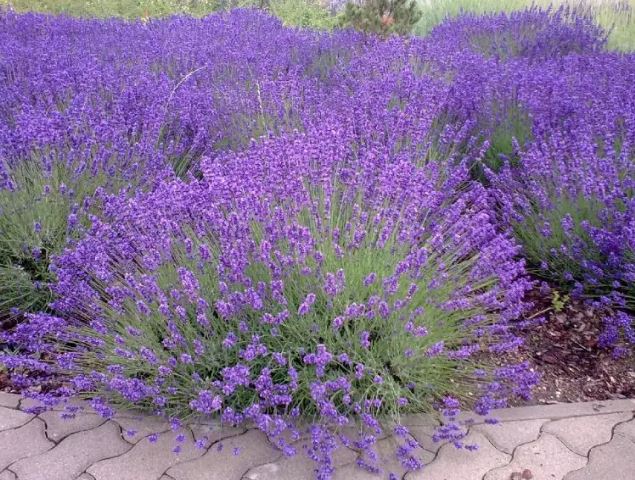
Lavender is a beautiful and fragrant plant that many gardeners want to grow in cold Canadian climates. Although Canada Zone 3 has freezing winters and short growing seasons, hardy lavender varieties can still survive and return every year with proper care. Choosing the right type of lavender, improving soil drainage, and protecting plants during winter are the most important steps for success. English lavender varieties such as Munstead and Hidcote are popular because they tolerate colder temperatures better than tender lavender types.
Growing lavender in Zone 3 requires full sunlight, dry soil, and careful watering practices. Wet soil during winter is one of the main reasons lavender plants fail in northern regions. Many gardeners use raised beds, gravel mulch, and containers to improve drainage and increase winter survival. Proper planting techniques help lavender develop stronger roots before freezing temperatures arrive.
This guide explains the best lavender varieties, planting tips, winter protection methods, and common mistakes to avoid when growing lavender successfully in Canada Zone 3.
Canada Zone 3 for Lavender Growing
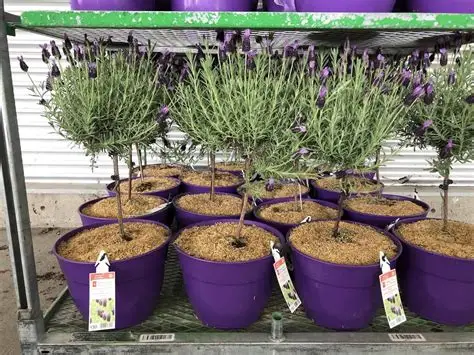
Canada Zone 3 is known for its very cold winters and shorter growing season, which can make growing lavender more challenging than in warmer regions. However, many gardeners successfully grow hardy lavender varieties by choosing the right planting methods and providing proper winter care. Lavender prefers dry soil, full sunlight, and good airflow, which are all important in northern climates. Understanding how Zone 3 weather affects lavender helps gardeners improve plant survival and enjoy healthy blooms year after year.
What Is a Zone 3 Climate?
Zone 3 is one of the colder gardening zones in Canada. Winter temperatures can drop below -35°C, and frost may last for several months. These extreme conditions can damage plants that are not adapted to cold weather. Gardeners in Zone 3 must choose hardy plants that can survive freezing winters and shorter summers. Lavender can grow in this climate, but only certain varieties are strong enough to tolerate the cold.
The growing season in Zone 3 is also shorter compared to warmer areas. Plants have less time to establish roots before winter arrives. This is why spring planting is usually recommended for lavender. Giving the plant enough time to grow during summer improves its chances of surviving the first winter successfully.
Winter Temperatures in Zone 3 Areas
Winter weather in Canada Zone 3 can be harsh and unpredictable. Freezing temperatures, strong winds, snow, and ice all affect lavender plants during the colder months. Lavender naturally grows in Mediterranean climates, so wet frozen soil often becomes a bigger problem than cold temperatures alone.
Common winter challenges for lavender include:
- Frozen roots from poor insulation
- Wet soil causing root rot
- Damage from strong winter winds
- Ice buildup around the plant crown
- Sudden temperature changes during spring
Gardeners often use raised beds, gravel mulch, and wind protection to help lavender survive severe winters. Choosing hardy English lavender varieties also improves success in cold regions.
Why Lavender Struggles in Cold Regions
Lavender struggles in cold climates mainly because it dislikes excessive moisture and frozen soil. Heavy clay soil traps water around the roots, which may cause root rot during winter and early spring. Plants growing in shaded or wet locations are more likely to die before warmer weather returns.
Another problem is the short growing season in Zone 3. Lavender needs time to build strong roots before freezing temperatures begin. If planted too late in the season, young plants may not survive winter conditions. Tender lavender varieties such as French and Spanish lavender usually perform poorly in cold climates because they cannot tolerate severe frost.
Hardy English lavender types are much better suited for northern gardens. Proper sunlight, drainage, and winter preparation can greatly improve lavender growth in Canada Zone 3.
Best Lavender Varieties for Canada Zone 3
Choosing the right lavender variety is one of the most important steps for successful Canada Zone 3 planting of lavender. Some lavender types can survive freezing temperatures better than others. Hardy English lavender varieties are usually the best option because they tolerate cold winters and return each year with proper care. Selecting strong, cold-resistant plants improves survival rates and helps gardeners enjoy beautiful flowers, fragrance, and healthy growth even in northern climates with long winters and shorter growing seasons.
English Lavender for Extreme Cold
English lavender is considered the best lavender type for cold Canadian climates. It is more winter hardy than French or Spanish lavender and survives freezing temperatures better. This variety produces fragrant purple flowers and compact silver-green foliage that looks attractive in gardens and borders.
English lavender prefers dry, well-drained soil and full sunlight. When planted in raised beds or sandy soil, it usually survives Zone 3 winters more successfully. Good airflow around the plant also helps reduce moisture problems during spring snowmelt.
Many gardeners choose English lavender because it is low maintenance and drought tolerant once established. It blooms during summer and attracts bees, butterflies, and other pollinators to the garden.
Munstead Lavender Growing Benefits
Munstead lavender is one of the most popular English lavender varieties for Canada Zone 3 gardens. It is known for its strong cold tolerance, early blooming flowers, and compact growth habit. This variety is often recommended for beginners because it adapts well to colder climates and requires less maintenance than tender lavender types.
Benefits of Munstead lavender include:
- Excellent winter hardiness
- Compact size for small gardens
- Fragrant purple-blue flowers
- Attracts bees and butterflies
- Performs well in containers and raised beds
Munstead lavender grows best in sunny locations with fast-draining soil. Once established, it tolerates dry conditions very well and needs little watering. Proper pruning after flowering also helps maintain healthy growth and improves blooming the following season.
Hidcote Lavender for Northern Gardens
Hidcote lavender is another excellent choice for northern Canadian gardens. It is famous for its dark purple flowers, strong fragrance, and neat compact shape. This hardy English lavender variety survives cold weather better than many other lavender types when planted correctly.
Hidcote grows best in full sunlight and dry soil conditions. Gardeners often plant it along pathways, borders, and rock gardens because of its attractive appearance and long-lasting blooms. The plant also works well in containers where drainage can be controlled more easily.
Like other lavender varieties, Hidcote dislikes wet soil during winter. Adding gravel or sand to heavy clay soil improves drainage and increases the plant’s chances of surviving harsh Zone 3 winters successfully.
When to Plant Lavender in Canada Zone 3
Timing is very important when planting lavender in cold climates. Canada Zone 3 has a short growing season, so lavender needs enough time to establish roots before winter arrives. Spring planting is usually the safest option because it allows plants to grow stronger during the warmer months. Proper timing, healthy soil, and good weather conditions help lavender adapt better to northern climates and improve long-term survival during freezing winters.
Best Planting Time in Spring
Spring is the best time to plant lavender in Canada Zone 3. Gardeners should wait until the danger of heavy frost has passed and the soil begins to warm naturally. Planting during late spring gives lavender enough time to establish healthy roots before winter returns.
Young lavender plants grow better when temperatures remain mild and stable. Warm sunlight and longer days encourage stronger root development and healthy leaf growth. Spring-planted lavender usually survives winter more successfully than plants added late in the season.
Why Fall Planting Can Be Risky
Fall planting is often risky in Zone 3 because lavender may not have enough time to develop strong roots before freezing temperatures arrive. Weak root systems are more likely to suffer damage during winter and early spring snowmelt.
Problems with fall planting include:
- Roots freezing before establishment
- Higher risk of winter dieback
- Wet soil during freezing weather
- Reduced growth before dormancy
- Greater chance of plant loss
Gardeners who plant lavender in fall should provide extra winter protection and ensure excellent soil drainage to reduce damage from moisture and severe cold.
Soil Temperature for Healthy Roots
Lavender roots grow best when soil temperatures are warm enough to support healthy development. Cold soil slows root growth and makes it harder for plants to establish before winter. Well-drained soil also warms faster in spring, helping lavender adapt more quickly.
Raised beds and sandy soil are useful because they improve drainage and prevent water from collecting around the roots. Healthy roots are the key to strong lavender plants that can survive harsh Canadian winters.
Preparing Lavender Before Winter
Proper winter preparation greatly improves lavender survival in Canada Zone 3. Gardeners should stop heavy watering in late summer to help plants prepare for dormancy. Removing weeds and improving airflow around the plant also helps reduce moisture problems during winter.
A light gravel mulch around the base can protect roots while keeping the soil dry. Avoid thick organic mulch because it may trap moisture and increase the risk of root rot during freezing weather.
Choosing the Best Location for Lavender
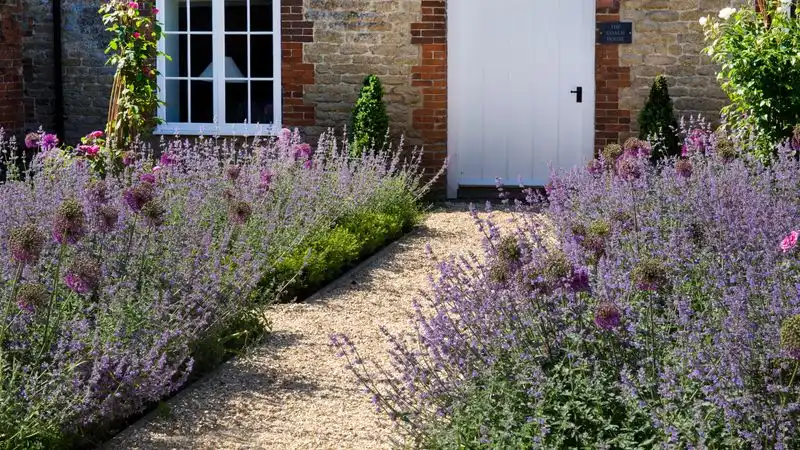
The right planting location is very important for successful Canada Zone 3 planting of lavender. Lavender grows best in warm, sunny, and dry areas where water drains quickly after rain or snow. Poor locations with shade, wet soil, or strong cold winds can weaken the plant and reduce winter survival. Choosing a protected area with good sunlight helps lavender produce healthy roots, fragrant flowers, and stronger growth during the short northern growing season.
Importance of Full Sunlight
Lavender needs full sunlight every day to grow properly and produce colorful flowers. Most lavender varieties require at least 6 to 8 hours of direct sunlight daily. Sunlight keeps the plant healthy, improves blooming, and helps soil dry faster after watering or rain.
Plants growing in shaded areas often become weak and may develop fewer flowers. Too much shade also increases moisture around the roots, which may lead to disease or winter damage. South-facing garden locations are usually the best choice in Zone 3 climates because they receive more warmth and sunlight.
Protecting Lavender From Strong Winds
Strong winter winds can damage lavender stems and dry out the plant during freezing weather. Wind protection is especially important in open northern gardens where cold air moves freely across the landscape.
Ways to protect lavender from wind include:
- Planting near fences or walls
- Using shrubs as natural windbreaks
- Growing lavender in raised beds
- Avoiding exposed open areas
- Covering plants with breathable fabric in winter
Reducing strong wind exposure helps lavender maintain healthier foliage and improves winter survival rates in cold climates.
Raised Beds for Better Drainage
Raised beds are one of the best ways to grow lavender successfully in Canada Zone 3. They improve drainage by allowing excess water to move away from the roots more easily. Since lavender dislikes wet soil, raised beds greatly reduce the risk of root rot during winter and spring snowmelt.
Raised beds also warm faster in spring, helping lavender start growing earlier in the season. Gardeners often mix gravel, sand, and loose soil into raised beds to create ideal growing conditions for healthy lavender plants.
Avoiding Low Wet Garden Areas
Low garden areas often collect water from rain and melting snow, making them poor locations for lavender. Wet soil can freeze during winter and damage the roots, especially in cold climates like Zone 3.
Lavender grows much better in elevated areas where water drains quickly. Avoid planting near downspouts, puddles, or heavy clay soil that stays damp for long periods. Dry conditions are essential for strong root growth and long-term lavender survival.
Best Soil for Lavender in Zone 3
Soil quality plays a major role in successful lavender growth in cold climates. Lavender naturally grows in dry Mediterranean regions with sandy and rocky soil. In Canada Zone 3, heavy clay soil and poor drainage are common problems that may damage lavender roots during winter. Creating loose, fast-draining soil helps plants stay healthier, survive freezing temperatures, and bloom more successfully during summer.
Why Well-Drained Soil Is Essential
Lavender roots need air circulation and dry conditions to stay healthy. Soil that remains wet for long periods can cause root rot and fungal diseases. In cold climates, frozen wet soil is especially dangerous because it weakens the roots during winter dormancy.
Well-drained soil allows extra water to move away quickly after rain or snowmelt. Sandy or rocky soil works best because it prevents moisture buildup around the roots. Healthy drainage is one of the most important factors for long-lasting lavender plants.
Improving Heavy Clay Soil
Many Canadian gardens contain heavy clay soil that holds too much moisture for lavender. Clay soil becomes compacted easily and drains slowly, especially after rain or during spring thaw.
Ways to improve heavy clay soil include:
- Mixing coarse sand into the soil
- Adding small gravel or crushed stone
- Using raised garden beds
- Avoiding overwatering
- Loosening compacted soil regularly
Improving soil structure creates healthier growing conditions and helps lavender survive harsh winters more successfully.
Using Sand and Gravel for Drainage
Sand and gravel are commonly added to lavender soil mixes because they improve drainage and airflow. These materials prevent water from collecting around the roots and help soil dry faster after watering.
Many gardeners mix equal parts garden soil, coarse sand, and gravel to create a fast-draining planting area. Gravel mulch around the base of the plant also reduces excess moisture and protects the crown during winter.
Ideal Soil pH for Lavender Plants
Lavender grows best in slightly alkaline soil with a pH between 6.5 and 7.5. Soil that is too acidic may slow growth and reduce flower production. Testing soil before planting helps gardeners understand whether improvements are needed.
Adding lime to acidic soil can help raise the pH and create better growing conditions for lavender. Healthy soil balance supports stronger roots, better flowering, and improved winter survival in Zone 3 gardens.
How to Plant Lavender Successfully
Proper planting techniques are essential for healthy lavender growth in Canada Zone 3. Lavender plants need enough space, sunlight, and drainage to establish strong roots before winter arrives. Planting carefully during spring helps improve survival rates and reduces stress on young plants. Good preparation and proper watering practices also help lavender adapt better to colder climates and shorter growing seasons.
Step-by-Step Lavender Planting Guide
Planting lavender correctly helps the roots establish faster and improves long-term growth. Start by selecting a sunny location with well-drained soil. Dig a hole slightly larger than the root ball and loosen the surrounding soil to improve airflow.
Place the lavender plant at the same depth as it was growing in its container. Fill the hole with loose soil mixed with sand or gravel for better drainage. Water lightly after planting to help settle the soil around the roots.
Proper Spacing Between Plants
Lavender plants need enough space for healthy airflow and sunlight exposure. Crowded plants trap moisture, increasing the risk of disease and winter damage.
Benefits of proper plant spacing include:
- Better air circulation
- Reduced risk of fungal disease
- Easier pruning and maintenance
- Improved sunlight exposure
- Stronger root development
Most lavender varieties should be spaced about 18 to 24 inches apart depending on their mature size.
Watering After Planting
New lavender plants need regular watering until the roots become established. However, the soil should never stay constantly wet. Water deeply but allow the soil to dry slightly between watering sessions.
Once mature, lavender becomes drought tolerant and usually needs less watering than many garden flowers. Overwatering is one of the most common reasons lavender plants fail in cold climates.
Mulching Tips for Cold Climates
Mulching can help protect lavender roots during winter, but the wrong mulch may trap too much moisture. Gravel or small stones work better than heavy organic mulch because they keep the soil drier.
A thin layer of gravel mulch around the base of the plant helps reduce temperature changes and protects the crown during freezing weather. Proper mulching also improves drainage and supports healthier lavender growth in Zone 3 gardens.
Watering and Feeding Lavender Plants
Lavender is a drought-tolerant plant that prefers dry growing conditions instead of constantly wet soil. In Canada Zone 3, proper watering is important because excess moisture can damage roots during cold weather. Lavender does not require heavy feeding or frequent fertilizer applications to grow successfully. Simple care practices, well-drained soil, and careful watering help plants stay healthy and produce fragrant blooms throughout the growing season. Understanding how much water and nutrients lavender needs can improve plant growth and winter survival.
How Often to Water Lavender
Newly planted lavender needs moderate watering until the roots become established. During the first growing season, gardeners should water deeply but allow the soil to dry slightly between watering sessions. Mature lavender plants usually require less water because they tolerate dry conditions very well.
Hot summer weather may increase watering needs slightly, especially for container-grown lavender. However, overwatering should always be avoided because lavender roots dislike soggy soil. Early morning watering is usually best because it gives the soil time to dry before cooler evening temperatures arrive.
Signs of Overwatering Problems
Overwatering is one of the most common causes of lavender problems in cold climates. Too much moisture weakens the roots and increases the risk of fungal disease and root rot.
Common signs of overwatering include:
- Yellow or drooping leaves
- Soft blackened stems
- Slow or weak growth
- Root rot near the base
- Fewer flowers during blooming season
Reducing watering frequency and improving drainage usually helps prevent serious moisture problems.
Does Lavender Need Fertilizer?
Lavender does not need large amounts of fertilizer to grow successfully. Too much fertilizer may actually reduce flower production and create weak leafy growth. Lavender naturally grows well in low-nutrient soil conditions.
In most gardens, adding compost or light organic matter before planting is enough to support healthy growth. If fertilizer is needed, gardeners should use a low-nitrogen product sparingly during spring. Healthy sunlight and proper drainage are usually more important than extra feeding.
Best Low-Maintenance Care Tips
Lavender is considered a low-maintenance perennial because it requires little care once established. Regular pruning after flowering helps maintain shape and encourages healthy new growth. Removing weeds around the plant also improves airflow and reduces moisture buildup.
Gardeners should focus on keeping the soil dry, sunny, and well-drained rather than giving too much water or fertilizer. Simple maintenance practices help lavender remain healthy and productive for many years in Zone 3 gardens.
Winter Protection for Lavender in Zone 3
Winter protection is essential for successful Canada Zone 3 planting of lavender because freezing temperatures can damage roots and stems. Lavender plants are sensitive to wet frozen soil and harsh winter winds. Proper preparation before winter arrives helps reduce stress on the plant and improves survival during extreme cold. Gardeners who provide drainage, airflow, and light insulation usually achieve better results with hardy lavender varieties in northern climates.
Protecting Roots From Freezing Temperatures
Lavender roots are vulnerable to freezing damage when temperatures drop very low during winter. Plants growing in poorly drained soil often suffer more damage because frozen moisture weakens the roots.
Raised beds and elevated planting areas help protect roots by improving drainage. Dry soil freezes less aggressively than wet compacted soil. Healthy root systems are important for strong spring growth and successful long-term survival.
Best Mulch for Winter Survival
Choosing the right mulch is important for winter lavender care. Gravel or small stones work better than heavy organic mulch because they keep moisture away from the crown of the plant.
Benefits of gravel mulch include:
- Better drainage during snowmelt
- Reduced risk of root rot
- Protection from sudden temperature changes
- Improved airflow around the crown
- Less moisture buildup during winter
A light layer of gravel mulch helps protect the roots without trapping excessive moisture around the plant.
Should Lavender Be Covered in Winter?
Some gardeners protect lavender with breathable garden fabric during extremely cold weather. Covers help reduce wind damage and sudden temperature changes that may stress the plant during winter.
Plastic covers should be avoided because they trap moisture and reduce airflow. Breathable materials such as burlap allow air circulation while still offering light protection from snow, ice, and freezing winds.
Preventing Snow and Ice Damage
Heavy snow and ice can bend or break lavender stems during winter storms. Ice buildup around the base of the plant may also increase moisture problems during freezing conditions.
Good drainage and proper spacing help reduce snow and ice damage. Some gardeners gently remove heavy snow from lavender plants to prevent branch breakage. Healthy plants growing in dry soil usually recover better after winter weather passes.
Growing Lavender in Pots in Cold Climates
Growing lavender in containers is a popular option in Canada Zone 3 because pots provide better control over soil drainage and winter protection. Container gardening allows gardeners to move lavender into sheltered areas during harsh weather conditions. Potted lavender can grow successfully both outdoors during summer and indoors during severe winter periods. Choosing the right container, soil mix, and watering routine helps improve plant health and long-term survival.
Benefits of Container Gardening
Container gardening offers several advantages for lavender growers in cold climates. Pots warm faster in spring and drain excess water more easily than heavy garden soil. Containers can also be moved to sunny locations during the growing season.
Advantages of growing lavender in pots include:
- Better drainage control
- Easier winter protection
- Improved soil management
- Flexible plant placement
- Reduced risk of root rot
Many gardeners successfully grow lavender in containers when outdoor garden conditions are too wet or cold.
Choosing Frost-Resistant Pots
Frost-resistant containers are important because freezing temperatures may crack weak pots during winter. Clay, terracotta, and thick resin containers are commonly used for lavender growing.
Containers should always have drainage holes at the bottom to prevent water buildup around the roots. Larger pots also provide better insulation for the root system during cold weather conditions.
Moving Containers Indoors for Winter
Potted lavender can often survive winter more easily when moved into protected indoor spaces before severe freezing temperatures arrive. Bright sunny windows or cool indoor rooms with good airflow work best during dormancy.
Watering should be reduced during winter because lavender needs less moisture while resting. Proper indoor care helps prevent stress and supports healthy spring growth once warmer weather returns.
Best Potting Soil for Lavender
Lavender grows best in loose potting soil that drains quickly after watering. Standard potting soil may hold too much moisture, especially during cold weather.
Many gardeners create a lavender soil mix using potting soil combined with coarse sand and gravel. This mixture improves drainage and helps keep the roots healthy throughout the growing season.
Common Lavender Growing Problems in Zone 3
Lavender plants can face several growing problems in Canada Zone 3 because of cold winters, wet soil, and short growing seasons. Many issues happen when plants receive too much moisture or not enough sunlight. Poor drainage and harsh winter weather may also weaken lavender roots and stems. Understanding common lavender problems helps gardeners take quick action before serious damage occurs. With proper care, healthy soil, and winter protection, lavender can grow successfully and remain healthy for many years in northern gardens.
Root Rot and Poor Drainage
Root rot is one of the biggest problems for lavender plants in cold climates. Wet soil around the roots encourages fungal diseases and causes the plant to weaken over time. Lavender naturally prefers dry conditions, so heavy clay soil and standing water can quickly damage the roots.
Signs of root rot include yellow leaves, soft stems, and slow growth. Improving soil drainage with sand, gravel, or raised beds helps prevent moisture buildup and protects lavender roots from damage.
Lavender Not Blooming Properly
Lavender may produce fewer flowers when it does not receive enough sunlight or proper growing conditions. Plants growing in shade often become weak and develop thin stems with limited blooms.
Common reasons for poor blooming include:
- Too much shade
- Overwatering the plant
- Excess fertilizer use
- Poor airflow around plants
- Lack of pruning after flowering
Providing full sunlight and dry soil usually improves flower production and overall plant health.
Winter Dieback Causes
Winter dieback happens when freezing temperatures damage lavender stems and roots during severe weather. Wet frozen soil and strong winter winds often increase the risk of damage in Zone 3 climates.
Hardy English lavender varieties survive winter better than tender types, but winter preparation is still important. Gravel mulch, raised beds, and wind protection help reduce winter stress and improve plant recovery during spring.
Pest and Disease Problems
Lavender is generally resistant to many pests and diseases, but unhealthy growing conditions can still create problems. Excess moisture may encourage fungal infections, especially in crowded garden spaces with poor airflow.
Aphids and small insects sometimes appear on lavender during warm weather, but serious pest damage is uncommon. Keeping plants healthy, properly spaced, and well-drained helps prevent most disease and pest issues naturally.
Benefits of Growing Lavender in Northern Gardens
Lavender is a valuable plant for northern gardens because it provides beauty, fragrance, and practical benefits throughout the growing season. Hardy lavender varieties tolerate dry conditions well and require less maintenance once established. Many gardeners enjoy lavender for its colorful flowers, relaxing scent, and ability to attract pollinators. Growing lavender in Canada Zone 3 also adds texture and long-lasting color to outdoor spaces while supporting healthy garden ecosystems.
Attracting Bees and Butterflies
Lavender flowers attract bees, butterflies, and other beneficial pollinators during summer. Pollinators help improve the health of nearby flowers, fruits, and vegetable plants.
Benefits of pollinator-friendly lavender include:
- Supports healthy garden ecosystems
- Encourages bee activity
- Attracts colorful butterflies
- Improves nearby plant pollination
- Adds movement and life to gardens
Lavender blooms provide a reliable nectar source during the growing season.
Drought-Tolerant Garden Benefits
Lavender is highly drought tolerant once the roots become established. It survives dry weather better than many flowering plants and usually requires less watering during summer.
This makes lavender a useful choice for low-maintenance landscapes and water-saving gardens. Its ability to tolerate dry conditions also reduces gardening work during hot weather periods.
Using Lavender for Crafts and Drying
Many gardeners harvest lavender flowers for crafts, decorations, and dried arrangements. The flowers keep their fragrance for a long time after drying and are commonly used in sachets, soaps, and homemade gifts.
Cutting lavender flowers during peak bloom helps encourage fresh growth and provides fragrant stems for indoor use. Dried lavender also adds natural beauty to home décor projects.
Adding Color and Fragrance to Landscapes
Lavender adds soft purple color and pleasant fragrance to garden spaces throughout summer. It works well in borders, pathways, rock gardens, and container displays.
The relaxing scent of lavender creates a peaceful outdoor environment, while the bright flowers improve the appearance of both large and small landscapes. Many gardeners plant lavender near patios and seating areas where the fragrance can be enjoyed easily.
Frequently Asked Questions About Zone 3 Lavender
Many gardeners have questions about growing lavender in cold climates because winter survival can be challenging in Canada Zone 3. Proper variety selection, planting methods, and winter care greatly improve success rates. Understanding the needs of lavender plants helps gardeners avoid common mistakes and grow healthier, longer-lasting plants in northern regions.
Can Lavender Survive Canadian Winters?
Yes, some lavender varieties can survive Canadian winters when planted in well-drained soil with proper sunlight and winter protection. Hardy English lavender types such as Munstead and Hidcote are usually the best choices for Zone 3 gardens.
Good drainage is especially important because wet frozen soil often causes more damage than cold temperatures alone. Raised beds and gravel mulch help improve winter survival.
What Is the Hardiest Lavender Variety?
English lavender varieties are considered the hardiest options for cold climates. Munstead lavender is especially popular because it tolerates freezing temperatures and adapts well to northern gardens.
Hardy lavender benefits include:
- Better winter survival
- Strong cold tolerance
- Reliable summer blooms
- Compact plant growth
- Easier long-term maintenance
Choosing hardy varieties increases the chances of successful lavender growth in Zone 3 climates.
How Long Does Lavender Live in Zone 3?
Lavender can live for many years in Canada Zone 3 when grown under proper conditions. Healthy plants often survive between 5 and 15 years depending on the variety, soil drainage, and winter care provided.
Regular pruning, full sunlight, and avoiding overwatering help extend the lifespan of lavender plants. Mature plants usually become stronger and more drought tolerant over time.
Can Lavender Grow Indoors During Winter?
Yes, lavender can grow indoors during winter, especially when planted in containers. Potted lavender can be moved inside before severe freezing temperatures arrive.
Indoor lavender needs bright sunlight, good airflow, and limited watering during winter dormancy. Placing the plant near a sunny window helps maintain healthy growth until outdoor temperatures become warmer again.
Conclusion
Canada Zone 3 planting of lavender can be successful when gardeners choose hardy varieties and provide the right growing conditions. English lavender types such as Munstead and Hidcote are the best options because they tolerate freezing winters better than tender lavender varieties. Full sunlight, dry well-drained soil, and proper winter protection are the key factors for healthy lavender growth in cold climates.
Raised beds, gravel mulch, and careful watering practices greatly improve winter survival and reduce root problems. Gardeners who avoid heavy wet soil and protect plants from harsh winter weather often enjoy beautiful lavender blooms year after year. With proper care and preparation, lavender can become a long-lasting, fragrant, and low-maintenance addition to northern Canadian gardens.

- 10 Best Garden Hose For High Flow Rate 2026 - October 15, 2026
- 10 Best Garden Hose For Full Sun 2026 - October 15, 2026
- 10 Best Garden Hose For Farm 2026 - October 15, 2026