30 Types of Jade Plants With Pictures and Names: Identification & Growing Guide
Jade plants are among the most popular succulent houseplants grown around the world for their beauty, low-maintenance care, and long lifespan. Scientifically known as Crassula ovata, jade plants are native to South Africa and Mozambique and belong to the Crassulaceae family. These evergreen succulents are admired for their thick woody stems, glossy fleshy leaves, and miniature tree-like appearance.
Many gardeners also call jade plants “money plants,” “lucky plants,” or “friendship trees” because they symbolize prosperity, wealth, and good fortune in Feng Shui traditions. With proper care, jade plants can live for decades and are often passed down through generations as cherished indoor plants.
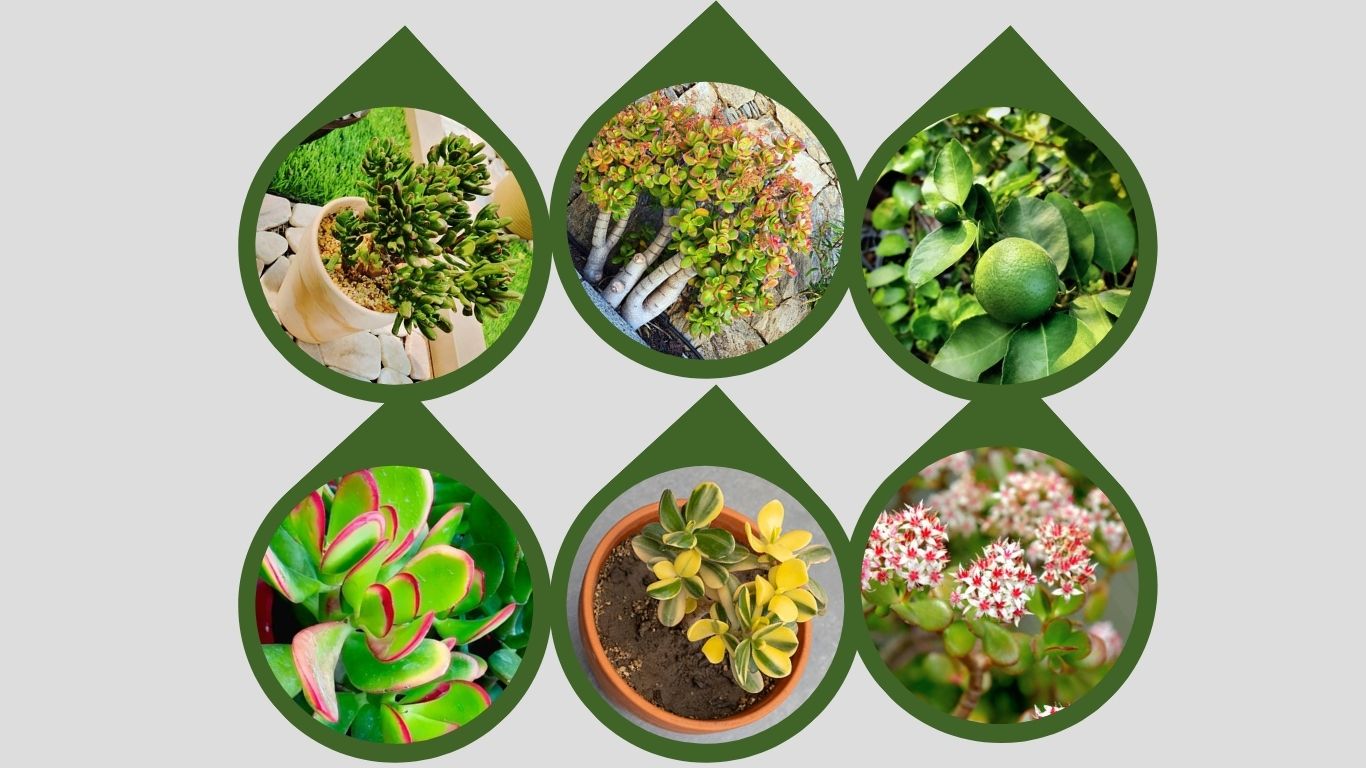
Today, there are many different types of jade plants available, ranging from classic green varieties to rare colorful cultivars with tubular leaves, variegated foliage, trailing stems, and bonsai-like trunks. Each variety has unique leaf shapes, colors, growth habits, and care requirements that make them attractive for indoor décor, container gardening, and succulent collections.
In this guide, you will discover 30 types of jade plants with pictures and names, along with detailed information about:
- Plant structure and appearance
- Watering needs
- Best soil and compost mix
- Sunlight requirements
- Growth habits and propagation tips
- Indoor and outdoor care recommendations
Whether you are a beginner succulent grower or an experienced plant collector, this guide will help you identify, grow, and care for different jade plant varieties successfully.
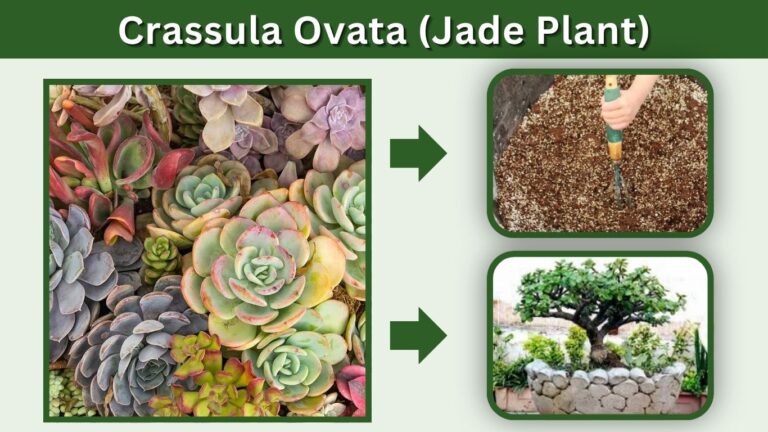
1. Crassula Ovata (Classic Jade Plant)
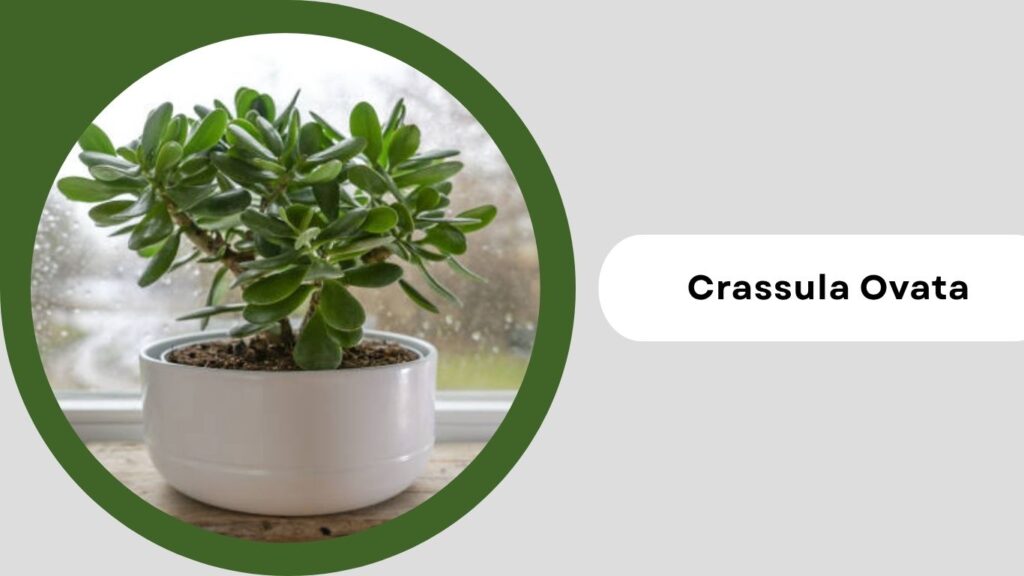
The Classic Jade Plant is one of the most widely grown succulents because of its thick glossy leaves, easy maintenance, and long lifespan. It is commonly associated with prosperity and good fortune and works beautifully as both an indoor and outdoor ornamental plant.
Plant Overview
- Scientific name: Crassula ovata
- Native to South Africa
- Thick oval-shaped green leaves
- Woody stems develop with age
- Popular low-maintenance houseplant
- Long-living succulent variety
Water Requirements
The Classic Jade Plant prefers minimal watering. Allow the soil to dry fully before watering again because constantly wet soil can cause root rot. During warmer months, watering every two to three weeks is usually enough, while winter watering should be reduced.
Best Soil and Compost Mix
This plant grows best in fast-draining succulent soil. A mixture of cactus soil, coarse sand, and perlite helps improve drainage and prevents excess moisture around the roots.
Light and Sun Exposure
Bright indirect sunlight is ideal for healthy growth. The plant can tolerate a few hours of direct morning sunlight, but harsh afternoon heat may damage the leaves in very hot climates.
Growth Size and Shape
Classic Jade Plants develop into small tree-like succulents with thick trunks and branching stems. Indoors, they can grow between 3 and 6 feet tall with a rounded, bushy appearance.
Propagation Tips
Propagation is simple through stem or leaf cuttings. Let the cutting dry for a day or two before placing it in dry succulent soil to encourage healthy root development.
2. Silver Dollar Jade Plant
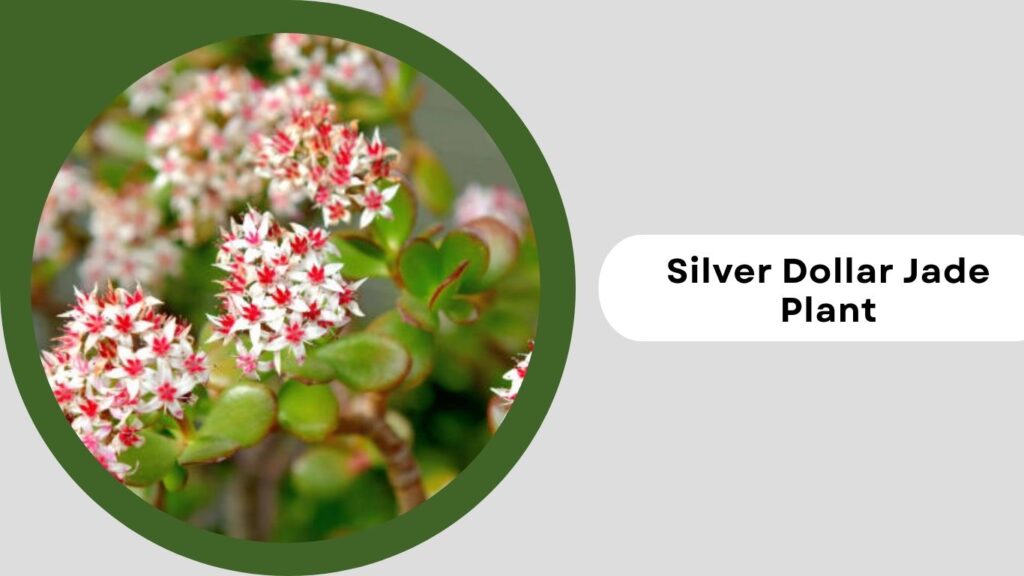
The Silver Dollar Jade Plant is a compact succulent admired for its attractive silver-green leaves and low-maintenance nature. Its drought tolerance and decorative appearance make it a popular choice for indoor gardens and container planting.
Silver Dollar Jade Plant
- Features thick round silver-green leaves
- Compact and slow-growing succulent
- Requires minimal watering
- Prefers fast-draining cactus soil
- Thrives in bright indirect sunlight
- Can grow up to 3 feet tall indoors
- Sensitive to overwatering
- Suitable for containers and tabletops
- Easily propagated from cuttings
Water Requirements
The Silver Dollar Jade Plant prefers dry soil conditions and should only be watered when the soil becomes completely dry. Overwatering can lead to root rot, especially during colder months when the plant requires less moisture.
Best Soil and Compost Mix
A fast-draining cactus or succulent soil mix is ideal for healthy growth. Adding perlite, coarse sand, or pumice improves drainage and helps prevent excess moisture around the roots.
Light and Sun Exposure
This succulent thrives in bright indirect sunlight and can tolerate mild direct morning sun. Adequate lighting helps maintain its compact shape and attractive leaf color.
Growth Size and Shape
The Silver Dollar Jade Plant develops into a compact bushy succulent with thick branching stems. Indoors, it usually grows up to 3 feet tall with a rounded appearance.
Propagation Tips
Propagation is commonly done through stem or leaf cuttings. Allow the cuttings to dry and callus before planting them in dry succulent soil to encourage successful rooting.
3. Blue Bird Jade Plant
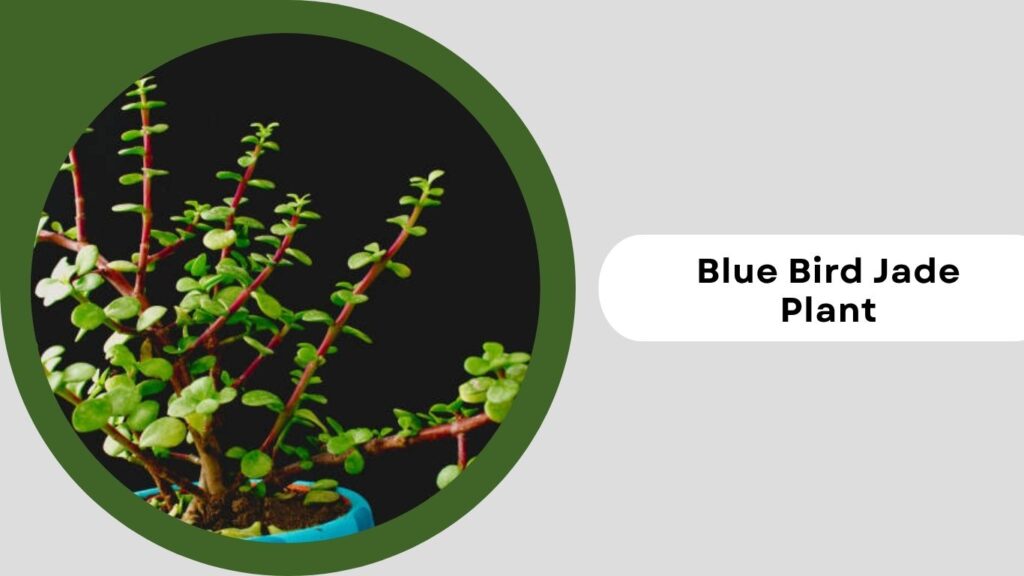
The Blue Bird Jade Plant is a striking succulent variety known for its blue-gray foliage and reddish leaf edges. Its colorful appearance and easy-care nature make it an excellent addition to indoor succulent collections.
Blue Bird Jade Plant
- Features blue-gray fleshy leaves
- Reddish edges appear under bright light
- Compact and decorative succulent
- Requires infrequent watering
- Prefers well-draining succulent soil
- Thrives in bright indirect sunlight
- Grows between 2 and 4 feet indoors
- Easily propagated through stem cuttings
- Suitable for indoor containers and displays
Water Requirements
Blue Bird Jade Plants should only be watered when the soil has dried completely. Excess moisture can damage the roots and reduce the plant’s overall health.
Best Soil and Compost Mix
A light and fast-draining succulent soil mix works best for this variety. Perlite, pumice, or coarse sand can be added to improve drainage and airflow.
Light and Sun Exposure
This plant grows best in bright indirect sunlight and can tolerate gentle direct morning sun. Proper light exposure enhances the blue-gray coloration of the leaves.
Growth Size and Shape
The Blue Bird Jade Plant grows in a rounded bushy form with thick branching stems and dense foliage. Indoors, it typically reaches between 2 and 4 feet in height.
Propagation Tips
Stem cuttings are the easiest method for propagation. Allow the cuttings to dry before placing them in dry succulent soil to reduce the risk of rot.
4. Harbor Lights Jade Plant
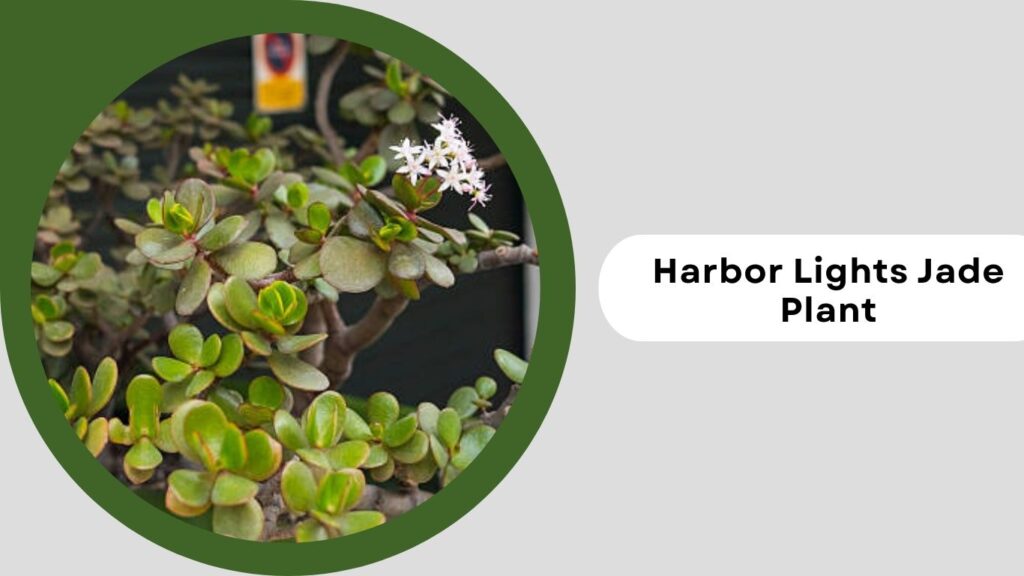
The Harbor Lights Jade Plant is admired for its bright green leaves with red edges that become more vibrant under strong sunlight and cooler temperatures. Its colorful foliage makes it a beautiful ornamental succulent.
Harbor Lights Jade Plant
- Features green leaves with red margins
- Decorative and easy-care succulent
- Thick woody stems support dense foliage
- Requires minimal watering
- Prefers well-draining cactus soil
- Thrives in bright sunlight
- Can grow between 3 and 5 feet indoors
- Suitable for indoor and outdoor planting
- Easily propagated from stem or leaf cuttings
Water Requirements
This plant prefers dry soil and should only be watered after the soil becomes fully dry. Overwatering may cause root rot and fungal issues.
Best Soil and Compost Mix
A porous cactus or succulent mix with added perlite or coarse sand provides the best growing conditions and prevents waterlogging.
Light and Sun Exposure
Harbor Lights Jade Plants thrive in bright indirect light or direct sunlight. Strong sunlight enhances the red coloration along the leaf edges.
Growth Size and Shape
This succulent develops into a dense shrub-like plant with thick branches and rounded foliage. Indoors, it can grow between 3 and 5 feet tall.
Propagation Tips
Propagation is simple using stem or leaf cuttings. Allow the cuttings to callus before planting them into dry succulent soil for healthy root growth.
5. Tricolor Jade Plant
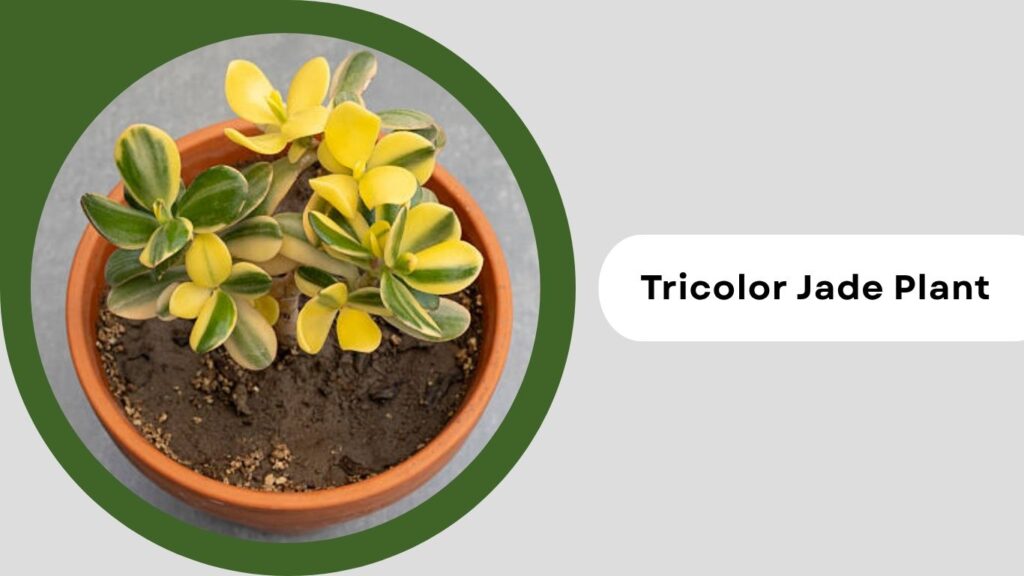
The Tricolor Jade Plant is a highly decorative variegated succulent that stands out for its blend of green, creamy white, and soft pink tones. It is a cultivated form of jade plant that becomes more colorful as it receives better light exposure. Because of its striking foliage and compact growth habit, it is often used as an ornamental indoor plant or a focal point in succulent arrangements.
Tricolor Jade Plant
- Variegated leaves with green, cream, and pink shades
- Slow-growing ornamental succulent
- Develops woody stems over time
- Best color display under bright light
- Suitable for indoor decorative pots
- Compact shrub-like growth habit
- Sensitive to overwatering
- Easy propagation from cuttings
- Long-living succulent with proper care
Plant Overview
The Tricolor Jade Plant (Crassula ovata ‘Tricolor’) is a variegated mutation of the classic jade plant. It grows slowly into a small shrub with thick, fleshy leaves that display multiple colors on a single plant. Its variegation makes it highly prized among succulent collectors. Over time, older stems become woody, giving the plant a miniature tree-like appearance.
Water Requirements
This plant prefers dry conditions and should only be watered when the soil has fully dried out. It stores water in its leaves, making it drought-tolerant. Overwatering is one of the biggest risks, often leading to root rot and leaf drop. During cooler months, watering should be reduced significantly.
Best Soil and Compost Mix
A well-aerated, fast-draining soil is essential. A cactus or succulent mix works best, ideally enhanced with perlite, pumice, or coarse sand. This ensures proper drainage and prevents moisture from lingering around the roots, which can cause fungal issues.
Light and Sun Exposure
Bright indirect sunlight is essential for maintaining the plant’s vibrant colors. A few hours of gentle morning sun helps intensify the pink and cream tones. However, harsh afternoon sunlight can scorch the leaves, especially in hot climates.
Leaf Color and Variegation
The leaves show a beautiful mix of green, creamy white, and pink shades. The intensity of variegation depends heavily on light exposure—brighter light results in stronger pink and cream coloration, while low light can cause the plant to revert to mostly green.
Propagation Tips
Propagation is commonly done through stem cuttings. Healthy cuttings should be left to dry for a day or two until a callus forms. After that, they can be planted in dry succulent soil. Light watering can begin only after roots start developing.
6. Variegated Crassula Ovata
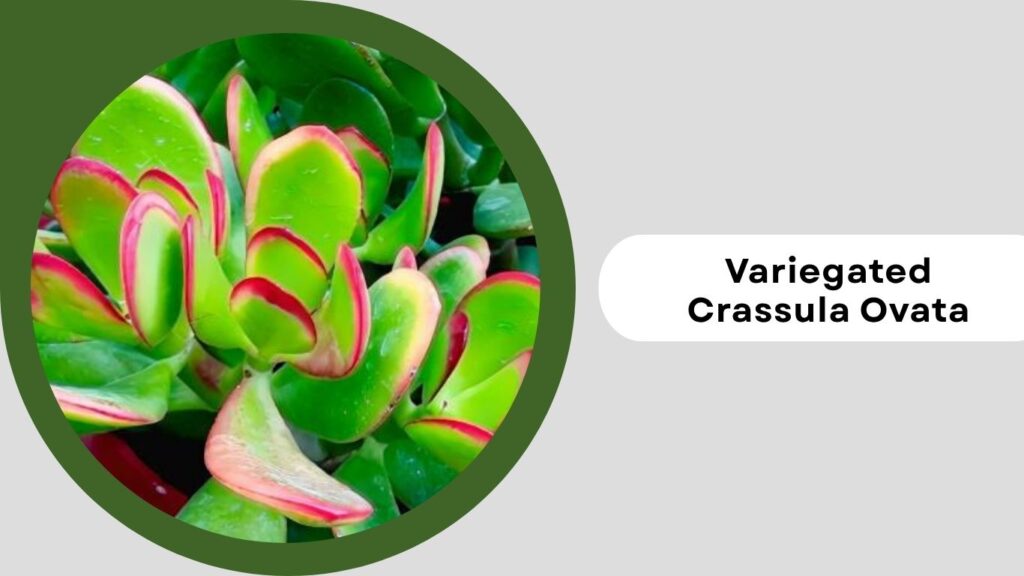
The Variegated Crassula Ovata is a striking ornamental jade plant variety known for its patterned foliage and slow-growing nature. It is widely appreciated for its elegant green-and-cream leaf patterns, often highlighted with pink hues under strong sunlight. This plant is commonly used in decorative pots, bonsai-style arrangements, and indoor plant displays due to its sculptural appearance.
Variegated Crassula Ovata
- Green leaves with creamy white variegation
- May develop pink edges in strong sunlight
- Slow-growing succulent shrub
- Woody stems with age
- Highly decorative indoor plant
- Ideal for bonsai styling
- Long-living succulent
- Sensitive to overwatering
- Easy to propagate from cuttings
Plant Overview
This plant is a variegated form of Crassula ovata, developed for its unique leaf patterns. It grows into a compact shrub with thick stems that gradually harden into woody branches. Its ornamental appeal increases as the plant matures, especially when shaped or pruned into a bonsai-like form.
Water Requirements
It requires infrequent watering and prefers soil to dry out completely between watering sessions. Excess moisture is harmful and can lead to root rot. During winter, watering should be minimal as the plant enters a slower growth phase.
Best Soil and Compost Mix
A fast-draining succulent mix is essential. Combining cactus soil with perlite or coarse sand ensures proper drainage and prevents water retention around the root system.
Light and Sun Exposure
Bright indirect light is ideal, with some gentle morning sun enhancing leaf coloration. In low light conditions, variegation may fade, and the plant may produce more green leaves.
Leaf Color and Variegation
Leaves typically show green and creamy white patterns, sometimes accented with pink under strong light. The variegation becomes more vivid when the plant receives consistent bright sunlight.
Propagation Tips
Stem cuttings are the most reliable propagation method. After cutting, allow the stems to dry and form a callus before planting them in dry soil. Rooting usually begins within a few weeks under warm conditions.
7. Lemon and Lime Jade
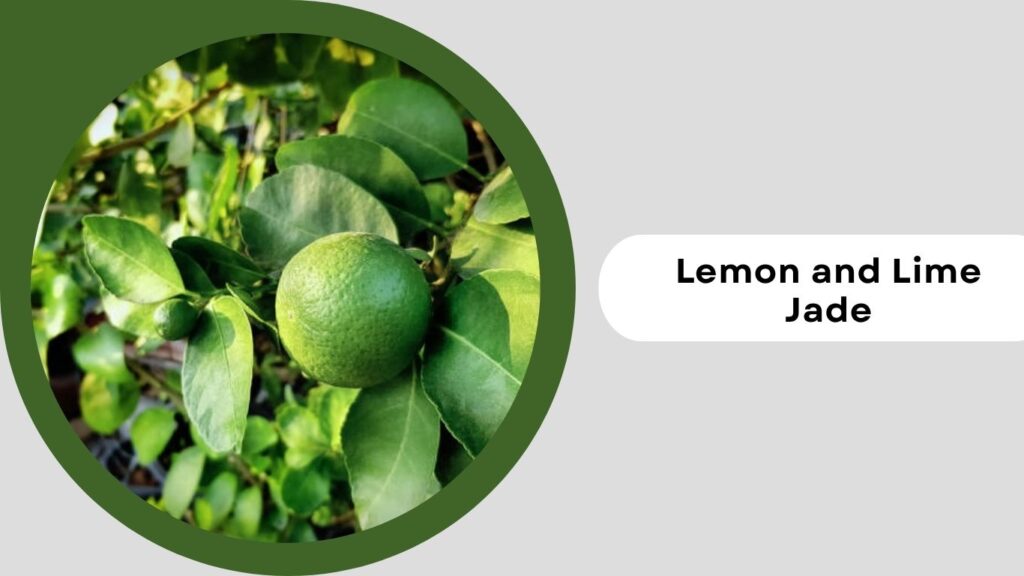
The Lemon and Lime Jade Plant is a vibrant and refreshing succulent variety known for its bright green and yellow variegated foliage. It is often chosen for its cheerful color contrast and compact growth, making it a popular decorative indoor plant. Its glowing appearance makes it especially attractive in well-lit interiors and modern plant arrangements.
Lemon and Lime Jade
- Bright green and yellow variegated leaves
- Compact ornamental succulent
- Slow-growing shrub form
- Prefers warm environments
- Excellent indoor decorative plant
- Low maintenance requirements
- Sensitive to overwatering
- Color intensifies in bright light
- Easily propagated from cuttings
Plant Overview
The Lemon and Lime Jade Plant is a variegated cultivar of jade plant selected for its vivid coloration. It grows into a compact shrub with thick stems and fleshy leaves that display a bright lemon-lime pattern. Its colorful foliage makes it stand out even in small indoor spaces.
Water Requirements
This plant requires minimal watering and should only be watered when the soil is completely dry. It is highly sensitive to excess moisture, so careful watering habits are essential for long-term health.
Best Soil and Compost Mix
A well-draining cactus or succulent soil mix is ideal. Adding perlite, pumice, or sand helps improve aeration and ensures that water does not stay trapped in the soil.
Light and Sun Exposure
Bright indirect sunlight is necessary to maintain its vibrant yellow and green coloration. Without adequate light, the plant may lose its variegation and appear more uniformly green.
Leaf Color and Variegation
The leaves feature a mix of bright green and lemon-yellow tones. The intensity of the yellow coloring increases with stronger sunlight exposure, giving the plant its signature “lime” appearance.
Propagation Tips
Propagation is done through stem cuttings. Cuttings should be allowed to dry and callus before planting in dry soil. Root development typically begins within a few weeks under proper warmth and light.
8. Sunset Jade Plant
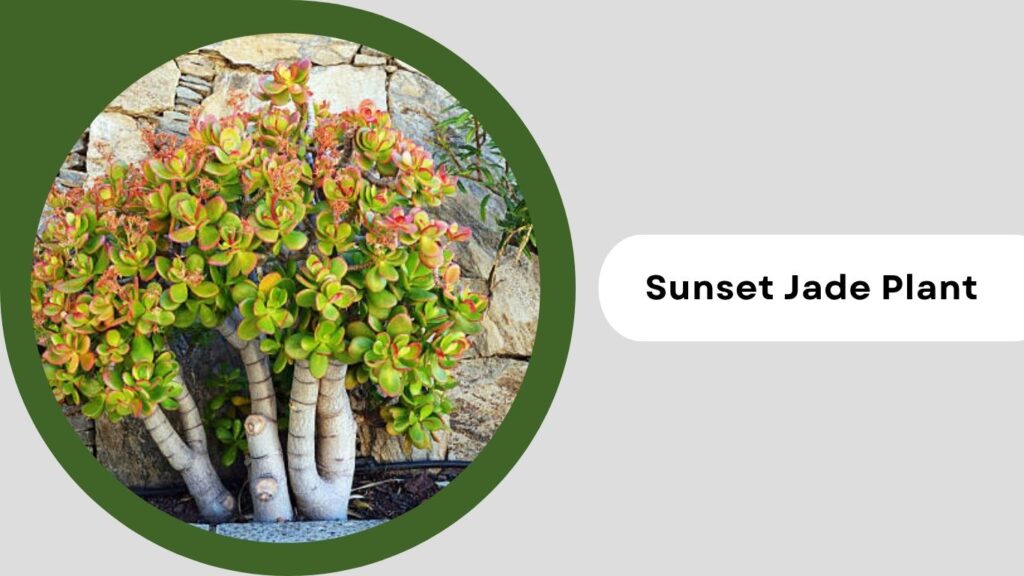
The Sunset Jade Plant is one of the most visually striking jade varieties, known for its warm gradient colors that resemble a sunset. Its leaves may display shades of green, yellow, orange, and red depending on sunlight exposure. This dramatic coloration makes it a highly desirable ornamental succulent for collectors and decorative plant setups.
Sunset Jade Plant
- Multi-colored leaves (green, yellow, orange, red)
- Highly decorative succulent variety
- Compact shrub-like growth
- Color intensifies in bright sunlight
- Slow-growing but long-living
- Ideal for ornamental pots
- Sensitive to overwatering
- Thrives in warm environments
- Easy to propagate
Plant Overview
The Sunset Jade Plant is a cultivated variety of jade plant selected for its warm-toned foliage. It develops into a compact woody shrub with thick stems and fleshy leaves that change color depending on light exposure. Under strong sunlight, the plant produces its most vibrant sunset-like hues.
Water Requirements
This plant requires very little water and prefers completely dry soil between watering sessions. Overwatering is one of the main causes of damage, often leading to root rot and weakened stems.
Best Soil and Compost Mix
A well-draining succulent soil mix is essential. Adding coarse sand or perlite improves drainage and keeps the roots healthy by preventing water buildup.
Light and Sun Exposure
Bright sunlight is crucial for developing its signature warm colors. The more sunlight it receives, the more intense the red, orange, and yellow tones become. Low light conditions reduce color vibrancy.
Leaf Color and Variegation
Leaves display a gradient of colors ranging from green at the base to yellow, orange, and red at the edges. This natural color transition gives the plant its “sunset” appearance.
Propagation Tips
Propagation is done using stem cuttings. Cuttings should be dried until callused before planting in dry succulent soil. With proper conditions, roots form within a few weeks.
9. Gollum Jade Plant
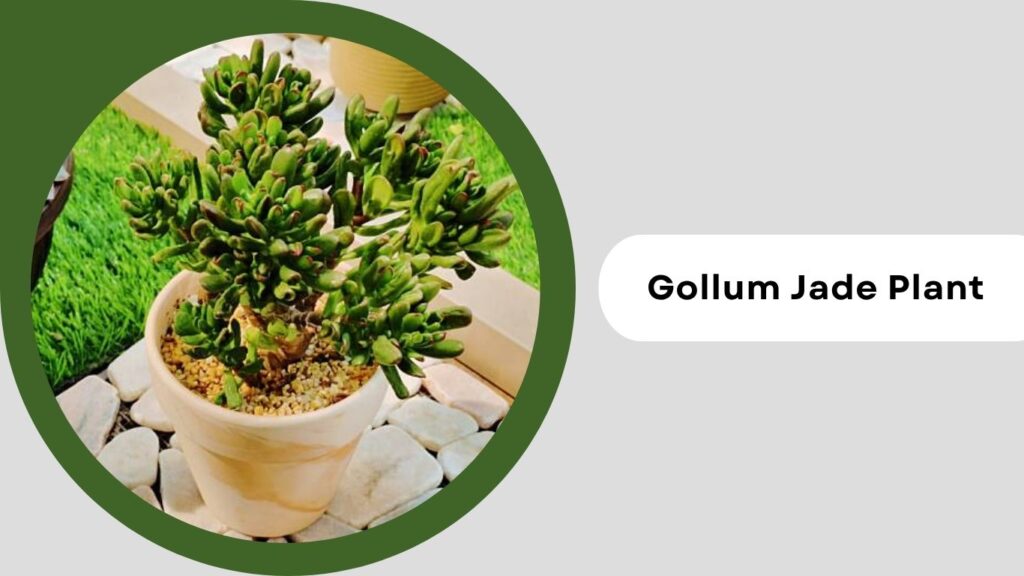
The Gollum Jade Plant is a fascinating and unusual succulent known for its tubular, finger-like leaves that resemble small green trumpets. It is a cultivar of jade plant that grows slowly but forms a striking sculptural appearance over time. Because of its unique shape, it is often used as a statement plant in succulent collections and decorative pots.
Gollum Jade Plant
- Tubular, finger-shaped green leaves
- Slow-growing succulent shrub
- Woody stems develop with age
- Highly decorative and sculptural appearance
- Drought-tolerant plant
- Ideal for indoor containers
- Can reach small shrub size over time
- Sensitive to overwatering
- Easy to propagate from cuttings
Plant Overview
The Gollum Jade Plant (Crassula ovata ‘Gollum’) is a mutated form of the classic jade plant. It develops thick, tubular leaves with reddish tips, especially when exposed to bright sunlight. Over time, it grows into a small woody shrub, making it a unique ornamental succulent for indoor spaces and succulent arrangements.
Water Requirements
This plant prefers dry conditions and should only be watered when the soil is completely dry. It stores moisture in its thick leaves, making it drought-resistant. Overwatering should be strictly avoided, as it can quickly lead to root rot.
Best Soil and Compost Mix
A well-draining cactus or succulent soil mix is ideal. Adding perlite, pumice, or coarse sand improves drainage and ensures that excess water does not remain around the roots.
Light and Sun Exposure
Bright indirect sunlight is best for healthy growth. Some direct morning sun helps enhance the reddish tips of the leaves. Low light conditions can cause weak, stretched growth.
Unique Tube-Shaped Leaves
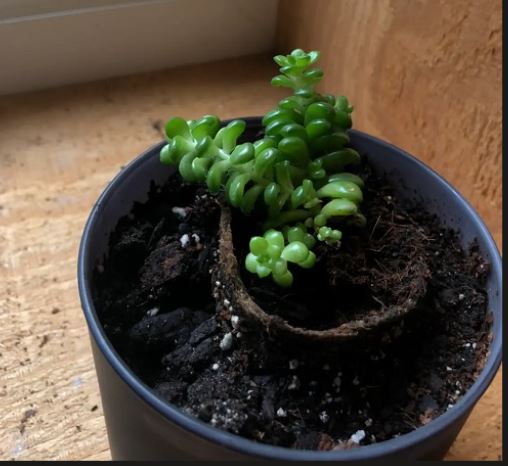
The most distinctive feature of the Gollum Jade is its tubular leaves, which look like small green fingers or trumpets. These leaves often develop red edges under strong sunlight, adding to its ornamental appeal.
Propagation Tips
Propagation is usually done through stem or leaf cuttings. Allow cuttings to dry and form a callus before planting them in dry succulent soil. Rooting typically begins within a few weeks.
10. Hobbit Jade Plant
The Hobbit Jade Plant is a compact and charming succulent variety closely related to the Gollum Jade. It is known for its curled, spoon-like tubular leaves and slow-growing nature. Its compact size makes it ideal for indoor decoration and bonsai-style succulent arrangements.
Hobbit Jade Plant
- Curled tubular green leaves
- Compact dwarf jade variety
- Slow-growing succulent shrub
- Ideal for small pots and containers
- Develops woody stems over time
- Easy-care indoor plant
- Drought-tolerant species
- Sensitive to overwatering
- Propagates easily from cuttings
Plant Overview
The Hobbit Jade Plant (Crassula ovata ‘Hobbit’) is a dwarf cultivar of jade plant with uniquely curled leaves that resemble small green tubes. It grows slowly into a compact shrub and is often used in miniature gardens and bonsai-style displays due to its manageable size.
Water Requirements
It requires infrequent watering and prefers soil to dry out completely between waterings. Overwatering is harmful and can lead to root decay. During winter, watering should be reduced further.
Best Soil and Compost Mix
A fast-draining succulent soil mix is essential. Adding sand or perlite helps maintain good airflow and prevents water retention around the roots.
Light and Sun Exposure
Bright indirect light is ideal, with some gentle morning sunlight enhancing leaf shape and compact growth. Low light may cause leggy and weak stems.
Unique Tube-Shaped Leaves
The Hobbit Jade features curled, tubular leaves that resemble small green funnels or spoons. The leaf tips may develop a slight red tint under strong sunlight, increasing its decorative appeal.
Propagation Tips
Propagation is done using stem cuttings. Cuttings should be dried and allowed to callus before planting in dry succulent soil. Root formation usually begins within a few weeks.
11. ET’s Fingers Jade
The ET’s Fingers Jade Plant is an eye-catching succulent variety named for its unusual finger-like tubular leaves. It is a compact, slow-growing plant that becomes highly decorative as it matures. Its quirky appearance makes it a favorite among collectors of rare and unusual succulents.
ET’s Fingers Jade
- Thick tubular finger-like leaves
- Compact succulent shrub
- Slow-growing ornamental plant
- Unique sculptural appearance
- Ideal for indoor pots
- Drought-tolerant species
- Woody stems develop over time
- Sensitive to excess watering
- Easy propagation through cuttings
Plant Overview
ET’s Fingers Jade (Crassula ovata ‘ET’s Fingers’) is a jade plant cultivar known for its elongated, finger-like leaves that grow in clusters. It forms a small woody shrub over time and is often used as a conversation piece in succulent collections due to its unusual structure.
Water Requirements
This plant requires very little water and should only be watered once the soil is completely dry. Excess moisture can quickly damage the roots and affect growth.
Best Soil and Compost Mix
A well-draining cactus or succulent soil mix is recommended. Adding perlite or coarse sand improves drainage and prevents soil compaction.
Light and Sun Exposure
Bright indirect sunlight is best, while some direct morning sun can enhance leaf shape and coloration. Insufficient light may lead to weak and stretched growth.
Unique Tube-Shaped Leaves
The leaves resemble elongated fingers or tubes, often with slightly rounded ends. Under strong sunlight, the tips may develop a reddish tint, adding to the plant’s visual interest.
Propagation Tips
Propagation is typically done through stem cuttings. Allow cuttings to dry and callus before planting in dry succulent soil for successful rooting.
12. Trumpet Jade Succulent
The Trumpet Jade Succulent is a unique jade plant variety known for its thick trumpet-shaped leaves that create a bold and sculptural appearance. It is a slow-growing succulent that adds a dramatic and exotic touch to indoor plant collections.
Trumpet Jade Succulent
- Trumpet-shaped tubular leaves
- Slow-growing jade variety
- Compact ornamental shrub
- Unique sculptural appearance
- Ideal for indoor decorative pots
- Drought-tolerant plant
- Woody stems develop with age
- Sensitive to overwatering
- Easy propagation from cuttings
Plant Overview
The Trumpet Jade Succulent is a cultivated jade variety characterized by its thick, curved tubular leaves that resemble small trumpets. It grows into a compact shrub over time and is highly valued for its unusual leaf structure and ornamental appeal.
Water Requirements
This plant prefers dry soil conditions and should only be watered when completely dry. Overwatering can lead to root rot and weak growth.
Best Soil and Compost Mix
A fast-draining succulent soil mix is ideal. Adding sand, perlite, or pumice improves aeration and ensures healthy root development.
Light and Sun Exposure
Bright indirect sunlight is best for healthy growth. Some direct morning sunlight enhances the compact shape and leaf color. Low light can reduce its structural strength.
Unique Tube-Shaped Leaves
The plant’s most distinctive feature is its trumpet-shaped leaves that curve outward, giving it a sculptural and exotic appearance. Strong sunlight may enhance subtle reddish tones at the leaf tips.
Propagation Tips
Propagation is done using stem cuttings. Allow cuttings to dry and form a callus before planting them in dry succulent soil. Roots usually develop within a few weeks under warm conditions.
13. Ripple Jade Plant
The Ripple Jade Plant is a rare ornamental succulent admired for its naturally wavy and crinkled leaf edges. Unlike the standard smooth-leaf jade plant, this variety develops a textured, sculptural look that makes it highly desirable for collectors. Over time, it forms a compact shrub with thick stems and layered foliage, giving it a dramatic and decorative presence in any plant collection.
Ripple Jade Plant
- Wavy, rippled leaf margins
- Thick fleshy water-storing leaves
- Slow-growing ornamental jade variety
- Compact shrub-like structure
- Strong decorative foliage texture
- Ideal for bonsai-style shaping
- Sensitive to overwatering
- Long-living succulent
- Easy propagation from cuttings
Plant Overview
The Ripple Jade Plant is a cultivated jade variety selected for its unusual leaf edges that naturally form soft waves. It grows slowly into a dense, woody shrub with age, and its sculptural leaf structure becomes more noticeable as the plant matures. This makes it a popular choice for decorative indoor plant arrangements and succulent displays.
Water Requirements
This plant prefers dry conditions and should only be watered when the soil is fully dry. It stores water in its thick leaves, making it drought-tolerant. Overwatering is harmful and can quickly lead to root rot, especially in humid environments.
Best Soil and Compost Mix
A well-draining cactus or succulent mix is essential for healthy growth. Adding perlite, pumice, or coarse sand improves aeration and prevents water from sitting around the roots, reducing the risk of fungal issues.
Light and Sun Exposure
Bright indirect sunlight is ideal for maintaining strong leaf structure and compact growth. A few hours of gentle morning sunlight can enhance leaf texture, while excessive harsh afternoon sun may cause stress.
Rare Leaf Texture and Shape
The defining feature is its rippled leaf margin, where edges naturally curl and undulate. This creates a textured, almost sculpted appearance that becomes more pronounced with age and proper lighting conditions.
Propagation Tips
Propagation is commonly done using stem cuttings. Cuttings should be allowed to dry and form a callus before planting in dry succulent soil. Rooting usually begins within a few weeks under warm conditions.
14. Blue Waves Jade
The Blue Waves Jade is a rare and elegant succulent known for its soft blue-green coloration and gently wavy leaf structure. It stands out among jade plants due to its calming color tone combined with flowing leaf shapes that resemble small waves. This variety grows slowly but develops into a highly decorative compact shrub that enhances any indoor plant collection.
Blue Waves Jade
- Soft blue-green wavy leaves
- Compact ornamental jade variety
- Slow-growing succulent shrub
- Thick fleshy water-storing foliage
- Unique flowing leaf structure
- Highly decorative indoor plant
- Sensitive to overwatering
- Suitable for containers and displays
- Easily propagated from cuttings
Plant Overview
Blue Waves Jade is a specialty jade plant cultivar selected for its rare combination of color and leaf shape. It forms a compact shrub with thick stems and gently undulating leaves. As it matures, the plant becomes more structured and visually appealing, often resembling a miniature ornamental tree.
Water Requirements
This plant requires minimal watering and should only be watered once the soil is completely dry. It is highly sensitive to excess moisture, which can quickly damage its root system. In cooler months, watering should be reduced even further.
Best Soil and Compost Mix
A fast-draining succulent soil mix is necessary to prevent water retention. Mixing cactus soil with perlite or coarse sand ensures proper drainage and supports strong root development.
Light and Sun Exposure
Bright indirect light is ideal for maintaining its blue tone and compact growth. Some mild morning sunlight enhances leaf color and structure, but strong direct afternoon sun should be avoided.
Rare Leaf Texture and Shape
The leaves have a soft wave-like pattern that gives them a flowing appearance, almost like ripples in water. This texture becomes more defined when the plant receives consistent bright light.
Propagation Tips
Propagation is done using healthy stem cuttings. Cuttings should be dried and allowed to callus before planting in dry succulent soil. Roots typically form within a few weeks under warm conditions.
15. Undulata Jade Plant
The Undulata Jade Plant is a rare and highly decorative succulent known for its deeply undulating, wave-like leaves. Its name “Undulata” refers to its naturally rippled foliage structure. This plant is especially valued by collectors because of its unusual leaf form and slow, sculptural growth habit, which gives it a bonsai-like appearance over time.
Undulata Jade Plant
- Deeply wavy, undulated leaves
- Rare ornamental jade variety
- Compact woody shrub form
- Slow-growing succulent plant
- Highly sculptural appearance
- Thick water-storing leaves
- Ideal for decorative pots
- Sensitive to overwatering
- Easy propagation from cuttings
Plant Overview
The Undulata Jade Plant is a unique jade cultivar characterized by strong wave-like folds along its leaves. It grows slowly into a compact shrub with thick stems that gradually become woody. Because of its rare leaf structure, it is often used as a collector’s plant and a focal point in succulent arrangements.
Water Requirements
It requires very little water and should only be watered when the soil is completely dry. Overwatering can quickly lead to root rot and weaken the plant’s structure. During dormancy or cooler seasons, watering should be minimal.
Best Soil and Compost Mix
A well-draining cactus or succulent soil mix is essential. Adding materials like pumice, perlite, or coarse sand improves airflow and prevents moisture buildup around the roots.
Light and Sun Exposure
Bright indirect sunlight helps maintain strong leaf structure and healthy growth. Some gentle morning sun can enhance compactness, but excessive harsh sunlight may damage the leaves.
Rare Leaf Texture and Shape
The leaves have deeply defined waves and folds, creating a dramatic undulating pattern. This gives the plant a sculptural, almost artistic appearance that becomes more pronounced as it matures.
Propagation Tips
Propagation is typically done through stem cuttings. After cutting, allow the stem to dry and form a callus before planting it in dry succulent soil. Root development usually begins within a few weeks.
16. Curly Jade Succulent
The Curly Jade Succulent is an unusual and attractive jade variety known for its tightly curled and twisted leaves. Its playful, spiral-like foliage makes it stand out from traditional jade plants. This slow-growing succulent forms a compact shrub over time and is often used as a decorative indoor plant due to its unique sculptural appearance.
Curly Jade Succulent
- Tightly curled and twisted leaves
- Compact ornamental jade variety
- Slow-growing succulent shrub
- Thick fleshy water-storing foliage
- Unique sculptural plant form
- Ideal for indoor decoration
- Sensitive to excess watering
- Drought-tolerant species
- Easily propagated from cuttings
Plant Overview
The Curly Jade Succulent is a jade plant cultivar selected for its naturally twisted and spiraling leaves. It grows into a compact shrub with thick stems that gradually become woody. Its unusual leaf shape makes it a popular choice for decorative pots and indoor plant collections.
Water Requirements
This plant prefers dry conditions and should only be watered when the soil is fully dry. It is highly drought-tolerant, and overwatering can cause serious root damage.
Best Soil and Compost Mix
A fast-draining succulent soil mix is essential for healthy growth. Adding perlite, pumice, or sand improves drainage and prevents soil from retaining excess moisture.
Light and Sun Exposure
Bright indirect light is ideal for maintaining compact growth and strong leaf curling. Some gentle morning sun can enhance leaf structure, while low light may cause weaker and stretched growth.
Rare Leaf Texture and Shape
The leaves are tightly curled and spiral-like, creating a dramatic twisting effect. This unique texture becomes more defined when the plant receives adequate sunlight and proper care.
Propagation Tips
Propagation is done through stem cuttings. Cuttings should be allowed to dry and form a callus before planting in dry succulent soil. Rooting usually begins within a few weeks under warm conditions.
17. Giant Jade Plant
The Giant Jade Plant is a mature, large-growing form of Crassula ovata that develops into a substantial succulent “tree” over time. Unlike smaller ornamental jade varieties, this type is valued for its impressive size, thick woody trunk, and long-living structure. In ideal conditions, it can become a dramatic focal point in gardens or large indoor spaces.
Giant Jade Plant
- Large-growing jade plant variety
- Develops thick woody trunk over time
- Can grow into a small tree form
- Long-living and highly durable succulent
- Suitable for outdoor warm climates
- Needs strong light for best growth
- Drought-tolerant once established
- Responds well to pruning and shaping
- Can be grown in large containers
Plant Overview
The Giant Jade Plant is a mature growth form of jade plants that develops over many years. It gradually transforms from a small succulent into a tree-like structure with thick branches and a strong trunk. In warm climates, it can grow quite large and become a striking landscape plant.
Water Requirements
This plant requires infrequent watering and prefers soil to dry completely between watering sessions. Mature plants are highly drought-tolerant, but overwatering should be avoided to prevent root rot.
Best Soil and Compost Mix
A well-draining succulent or cactus soil mix is essential. Adding sand, pumice, or perlite improves drainage and supports the heavy root system of larger plants.
Light and Sun Exposure
Bright sunlight is crucial for strong, upright growth. Outdoor plants thrive in full sun, while indoor plants should be placed near the brightest available window.
Thick Trunk and Tree Growth
Over time, the plant develops a thick, woody trunk that supports heavy branches. This trunk becomes stronger and more tree-like as the plant ages, giving it a miniature tree appearance.
Pruning and Care Tips
Regular pruning helps control size and encourages branching. Removing weak or leggy growth improves shape and stability. It is best to prune during active growing seasons for faster recovery.
18. Bonsai Jade Tree
The Bonsai Jade Tree is a carefully trained form of jade plant that is shaped to resemble a miniature tree. It is highly popular in bonsai art due to its thick trunk, slow growth, and ability to respond well to pruning. This plant combines natural jade plant resilience with artistic shaping techniques.
Bonsai Jade Tree
- Miniature tree-shaped jade plant
- Thick trunk with artistic form
- Ideal for bonsai styling
- Slow-growing and long-lived
- Highly decorative indoor plant
- Responds well to pruning
- Can be shaped over time
- Suitable for shallow bonsai pots
- Drought-tolerant succulent
Plant Overview
The Bonsai Jade Tree is created by training Crassula ovata into a miniature tree form. Through careful pruning and shaping, it develops a thick trunk and structured branches. It is widely used in bonsai gardening due to its flexibility and strong survival ability.
Water Requirements
It prefers minimal watering and should only be watered when the soil is fully dry. Overwatering can weaken roots and damage the carefully shaped structure.
Best Soil and Compost Mix
A bonsai-friendly succulent mix is ideal, typically combining cactus soil with coarse sand or pumice. Good drainage is essential to maintain healthy roots in shallow pots.
Light and Sun Exposure
Bright indirect sunlight or partial direct sun is best. Adequate light ensures compact growth and helps maintain the bonsai shape.
Thick Trunk and Tree Growth
The plant naturally thickens its trunk over time, especially when pruned correctly. This gives it a mature tree-like appearance even at a smaller scale.
Pruning and Care Tips
Frequent light pruning helps maintain shape and encourages branching. Wiring may be used in bonsai training to guide branch direction. Always allow recovery time after shaping.
19. Thick Stem Jade Plant
The Thick Stem Jade Plant is a robust form of jade plant known for its strong, swollen stems that store large amounts of water. This gives the plant a sturdy, tree-like appearance even at a relatively young age. It is highly resilient and ideal for both indoor and outdoor cultivation.
Thick Stem Jade Plant
- Thick water-storing stems
- Strong, upright growth habit
- Hardy succulent variety
- Develops woody trunk over time
- Drought-resistant plant
- Suitable for containers and gardens
- Easy-care succulent
- Responds well to pruning
- Long-living plant species
Plant Overview
The Thick Stem Jade Plant is characterized by its naturally thickened stems that help it store water and survive long dry periods. As it matures, these stems harden into woody branches, giving the plant a strong structural form.
Water Requirements
It requires infrequent watering and prefers soil to dry out completely before watering again. Overwatering is the main risk and can cause root rot or stem damage.
Best Soil and Compost Mix
A well-draining cactus or succulent soil mix is recommended. Adding sand or perlite helps maintain airflow and prevents excess moisture buildup.
Light and Sun Exposure
Bright sunlight is ideal for strong stem development. Outdoor full sun or bright indoor locations help maintain compact and healthy growth.
Thick Trunk and Tree Growth
As the plant matures, its thick stems gradually develop into a woody trunk. This provides stability and allows it to grow into a small tree-like succulent.
Pruning and Care Tips
Pruning helps maintain shape and encourages branching. Removing weak stems improves airflow and overall plant strength.
20. Woody Trunk Jade Varieties
Woody Trunk Jade Varieties refer to mature jade plants that naturally develop hardened, tree-like trunks over time. These plants are prized for their long lifespan, sculptural appearance, and ability to be shaped into bonsai-like forms or ornamental small trees.
Woody Trunk Jade Varieties
- Mature jade plants with woody trunks
- Tree-like succulent structure
- Long-living and durable plants
- Thick branching stems
- Highly ornamental appearance
- Suitable for bonsai styling
- Thrives in warm climates
- Drought-resistant once mature
- Responds well to shaping and pruning
Plant Overview
Woody trunk jade varieties develop as jade plants age and their stems gradually harden into wood-like structures. These mature plants often resemble miniature trees and are highly valued in landscaping and decorative plant design.
Water Requirements
They require very little water once established. Soil should always be allowed to dry fully between watering sessions to prevent root problems.
Best Soil and Compost Mix
A fast-draining succulent soil mix is essential. Combining cactus soil with pumice, sand, or perlite supports the heavy structure of mature plants.
Light and Sun Exposure
Bright sunlight is necessary for strong trunk development and healthy branching. Outdoor sun exposure is ideal, while indoor plants need very bright conditions.
Thick Trunk and Tree Growth
The trunk gradually thickens and hardens over time, forming a strong tree-like base. This gives the plant its iconic bonsai or miniature tree appearance.
Pruning and Care Tips
Regular pruning encourages balanced growth and prevents overcrowding. Removing excess branches helps maintain structure and improves airflow around the plant.
21. String of Buttons
The String of Buttons is a fast-growing trailing succulent prized for its tightly stacked triangular leaves that spiral around the stem. This unique leaf arrangement creates a “buttoned” or geometric look, making it a standout plant for hanging baskets, balcony gardens, and succulent displays. As it matures, the stems elongate and cascade, forming dense curtains of foliage.
String of Buttons
- Triangular leaves stacked in opposite pairs
- Spiral “button-like” leaf arrangement
- Trailing succulent ideal for hanging pots
- Fast-growing in bright conditions
- Can form dense cascading mats
- Drought-tolerant and hardy
- Easy propagation from cuttings
- Sensitive to overwatering
- Great for mixed succulent arrangements
Plant Overview
The String of Buttons (Crassula perforata) is a South African succulent that grows in vertical columns of stacked leaves. Young plants stay upright, but mature stems naturally trail and sprawl. The geometric leaf pattern becomes more pronounced with strong light exposure, making it highly decorative.
Water Requirements
It prefers dry conditions and should be watered only when the soil is completely dry. Like most succulents, it stores water in its leaves and stems, making it highly drought-tolerant. Overwatering quickly leads to mushy stems and root rot.
Best Soil and Compost Mix
A well-draining cactus mix is essential. Adding perlite, pumice, or coarse sand improves airflow and prevents moisture from staying around the roots. Good drainage is critical for healthy trailing growth.
Light and Sun Exposure
Bright indirect light is ideal, with a few hours of gentle morning sun helping to keep the plant compact. Low light causes stretching and weak, sparse growth, while strong light enhances leaf color and structure.
Trailing Growth Habit
As the plant matures, stems elongate and begin to cascade over pot edges. This trailing habit makes it ideal for hanging baskets or elevated planters where its cascading form can be fully appreciated.
Propagation Tips
Propagation is simple using stem cuttings. Cut healthy stems, allow them to dry for a day or two, then plant them in dry succulent soil. Roots develop quickly under warm and bright conditions.
22. Watch Chain Plant
The Watch Chain Plant is a unique miniature succulent known for its tightly packed, overlapping leaves that resemble a metal chain. It has a fine, delicate structure but forms dense trailing mats when mature. Its unusual texture makes it a favorite for bonsai trays, terrariums, and hanging planters.
Watch Chain Plant
- Tiny overlapping chain-like leaves
- Dense trailing succulent growth
- Fine, delicate stem structure
- Compact ornamental appearance
- Ideal for small pots and terrariums
- Slow to moderate growth rate
- Highly decorative texture
- Easy propagation
- Sensitive to excess moisture
Plant Overview
The Watch Chain Plant (Crassula muscosa) grows in tightly packed rows of tiny leaves arranged around thin stems. The stems branch and trail over time, forming dense mats that resemble chains or braided threads. It is often used in miniature gardens due to its fine texture.
Water Requirements
This plant requires very little water and should only be watered once the soil is completely dry. Overwatering is a major risk, as its small stems are highly prone to rot.
Best Soil and Compost Mix
A light, airy succulent mix is ideal. Adding sand or perlite ensures fast drainage and prevents soil from holding too much moisture.
Light and Sun Exposure
Bright indirect light is best for maintaining compact growth. In lower light, the plant becomes loose and loses its tight chain-like structure.
Trailing Growth Habit
As it grows, stems branch and spill outward, forming dense trailing clusters. This makes it suitable for hanging containers or decorative edges of plant arrangements.
Propagation Tips
Propagation is done through stem cuttings. Cuttings should be allowed to dry slightly before planting in dry soil. They root easily in warm, bright conditions.
23. Pagoda Village Crassula
The Pagoda Village Crassula is a rare architectural succulent admired for its stacked, geometric leaf formations that resemble miniature pagoda towers. Its structured, almost sculptural growth makes it one of the most visually complex trailing Crassula varieties, often used as a collector’s plant.
Pagoda Village Crassula
- Stacked geometric leaf towers
- Architectural succulent appearance
- Trailing and upright growth habit
- Slow-growing ornamental plant
- Highly structured leaf arrangement
- Ideal for collectors
- Drought-tolerant species
- Easy propagation from cuttings
- Sensitive to overwatering
Plant Overview
This Crassula variety develops tightly stacked leaf clusters along its stems, forming tower-like shapes. As it matures, it may grow upright initially before beginning to trail, creating a mix of vertical and cascading structure. Its geometric form makes it highly decorative.
Water Requirements
It prefers dry conditions and should only be watered when the soil is fully dry. Excess moisture can distort its structure and lead to root rot.
Best Soil and Compost Mix
A well-draining cactus mix with added pumice or perlite is ideal. This ensures airflow around roots and prevents water retention in the soil.
Light and Sun Exposure
Bright indirect light supports compact stacking of leaves. Some morning sun enhances structure, but harsh direct sunlight may cause stress.
Trailing Growth Habit
Over time, stems extend outward and begin to trail, allowing the plant to form cascading “village-like” clusters when mature.
Propagation Tips
Stem cuttings are the easiest propagation method. After drying the cuttings, plant them in dry succulent soil and keep them lightly moist until roots form.
24. Necklace Vine Jade
The Necklace Vine Jade is an elegant trailing succulent known for its bead-like leaves arranged along thin stems, resembling a natural necklace. It grows quickly under the right conditions and creates long cascading vines that are ideal for hanging baskets and vertical displays.
Necklace Vine Jade
- Bead-like leaves arranged in chains
- Long trailing vine growth
- Fast-growing succulent variety
- Decorative hanging plant
- Soft cascading structure
- Drought-tolerant species
- Easy propagation
- Sensitive to overwatering
- Ideal for indoor decoration
Plant Overview
The Necklace Vine Jade grows thin stems lined with small rounded leaves, giving it a beaded or necklace-like appearance. As it matures, it produces long trailing vines that spill elegantly from containers, making it a popular decorative plant.
Water Requirements
It requires infrequent watering and should only be watered when the soil is completely dry. Overwatering can quickly damage its delicate stems and roots.
Best Soil and Compost Mix
A fast-draining succulent soil mix is essential. Adding perlite or coarse sand improves drainage and helps maintain healthy root conditions.
Light and Sun Exposure
Bright indirect light is ideal. Some gentle morning sun helps maintain compact growth and improves the density of foliage along the vines.
Trailing Growth Habit
The plant naturally produces long, cascading stems that hang beautifully from pots. This makes it perfect for shelves, hanging baskets, and vertical garden displays.
Propagation Tips
Propagation is done using stem cuttings. After drying the cuttings for a short period, they can be planted in dry succulent soil where they root quickly under warm conditions.
25. Red Edge Jade Plant
The Red Edge Jade Plant is a vibrant succulent variety known for its striking green leaves outlined with deep red margins. This colorful contrast becomes more intense under strong sunlight, making it a popular ornamental plant for indoor pots and outdoor succulent gardens. It grows slowly into a compact shrub with thick, fleshy leaves and woody stems over time.
Red Edge Jade Plant
- Green leaves with bright red margins
- Compact shrub-like succulent growth
- Slow-growing ornamental plant
- Thick water-storing leaves
- Highly decorative foliage edges
- Drought-tolerant species
- Suitable for containers
- Sensitive to overwatering
- Easy propagation from cuttings
Plant Overview
The Red Edge Jade Plant is a cultivated jade variety selected for its naturally red-tinted leaf edges. It forms a small woody shrub with age and becomes more colorful as it receives adequate sunlight. Its contrasting leaf edges make it visually striking even in simple plant arrangements.
Water Requirements
This plant requires minimal watering and should only be watered when the soil is completely dry. Overwatering can cause root rot and dull the leaf coloration. During cooler months, watering should be reduced further.
Best Soil and Compost Mix
A fast-draining cactus or succulent soil mix is ideal. Adding perlite, pumice, or sand improves drainage and prevents excess moisture retention.
Light and Sun Exposure
Bright sunlight enhances the red coloring along the leaf edges. While it can tolerate partial shade, insufficient light reduces color intensity and compact growth.
Seasonal Leaf Colors
Leaf edges become more intensely red during cooler seasons or when exposed to strong sunlight. In lower light, the red margin may fade and appear more green.
Propagation Tips
Propagation is done through stem cuttings. Cuttings should be dried and callused before planting in dry succulent soil for best rooting success.
26. Pink Jade Succulent
The Pink Jade Succulent is a decorative jade variety admired for its soft pink blush that appears on leaf tips and edges under the right conditions. It is a slow-growing succulent that develops into a compact ornamental shrub, making it ideal for indoor decoration and collector plant displays.
Pink Jade Succulent
- Soft pink-tinted leaf edges
- Compact ornamental succulent
- Slow-growing shrub form
- Thick fleshy leaves
- Highly decorative coloration
- Ideal for indoor pots
- Sensitive to overwatering
- Best color in bright light
- Easy propagation from cuttings
Plant Overview
The Pink Jade Succulent is a color-enhanced jade plant variety that develops pink hues in its leaves when exposed to bright light and mild stress conditions. It grows slowly into a woody shrub with dense foliage and becomes more colorful as it matures.
Water Requirements
It prefers dry conditions and should only be watered when the soil is completely dry. Overwatering can reduce pink coloration and damage the roots.
Best Soil and Compost Mix
A well-draining succulent mix is essential. Adding sand or perlite ensures proper aeration and prevents moisture buildup.
Light and Sun Exposure
Bright indirect sunlight is necessary for maintaining pink coloration. Some morning sun helps enhance leaf color, while low light causes fading.
Seasonal Leaf Colors
Pink tones become stronger in cooler months or under strong light conditions. In low light, the plant may appear mostly green.
Propagation Tips
Stem cuttings are the easiest propagation method. Allow cuttings to dry before planting in dry succulent soil for successful rooting.
27. Campfire Crassula
The Campfire Crassula is a dramatic succulent known for its fiery red, orange, and green leaf colors that resemble glowing embers. It is one of the most colorful jade-type plants, especially when exposed to strong sunlight or cooler temperatures. Its bold appearance makes it a standout ornamental plant in succulent gardens.
Campfire Crassula
- Vibrant red, orange, and green leaves
- Compact upright succulent form
- Highly colorful ornamental plant
- Slow to moderate growth rate
- Thick fleshy foliage
- Drought-tolerant species
- Ideal for decorative pots
- Color intensifies in sunlight
- Easy propagation
Plant Overview
Campfire Crassula is a colorful cultivar of jade-like succulents that develops fiery tones in its leaves. It grows in a compact upright form and becomes more intensely colored under stress from sunlight and temperature changes.
Water Requirements
It requires infrequent watering and should only be watered when the soil is completely dry. Overwatering can weaken the plant and reduce its vibrant coloration.
Best Soil and Compost Mix
A fast-draining cactus soil mix is essential. Adding perlite or coarse sand improves drainage and supports healthy root development.
Light and Sun Exposure
Bright sunlight is crucial for achieving its intense red and orange tones. Without enough light, the plant will appear more green and less vibrant.
Seasonal Leaf Colors
Leaf colors shift dramatically with seasons. Cooler temperatures and strong sunlight enhance red and orange tones, while warmer low-light conditions produce greener foliage.
Propagation Tips
Propagation is done through stem cuttings. Cuttings should be dried before planting in dry succulent soil for best rooting results.
28. Ruby Jade Plant
The Ruby Jade Plant is a rich-colored succulent variety known for its deep red and ruby-toned leaves that develop under strong sunlight. It is a slow-growing ornamental plant that adds dramatic color contrast to succulent arrangements and indoor plant collections.
Ruby Jade Plant
- Deep ruby-red leaf coloration
- Compact succulent shrub
- Slow-growing ornamental variety
- Thick fleshy leaves
- Highly decorative plant
- Best color in full sun
- Suitable for containers
- Sensitive to overwatering
- Easy propagation from cuttings
Plant Overview
The Ruby Jade Plant is a jade cultivar selected for its rich red pigmentation. It grows into a compact shrub with woody stems and develops deeper coloration as it matures under bright conditions.
Water Requirements
It requires minimal watering and should only be watered when the soil is completely dry. Excess moisture can reduce leaf color intensity and damage roots.
Best Soil and Compost Mix
A well-draining succulent mix is ideal. Adding perlite or sand ensures proper drainage and prevents water retention.
Light and Sun Exposure
Full sun or very bright indirect light is needed to develop deep ruby coloration. Low light conditions result in greener, less vibrant leaves.
Seasonal Leaf Colors
Leaf color becomes more intense in cooler seasons and under strong sunlight. In low light, ruby tones may fade to greenish-red.
Propagation Tips
Stem cuttings are the preferred method. Allow cuttings to dry and callus before planting in dry succulent soil for healthy root development.
29. Jelly Bean Jade Plant
The Jelly Bean Jade Plant is a playful and colorful succulent known for its plump, bean-shaped leaves that resemble candy jelly beans. It is a compact, branching jade variety that becomes more vibrant under strong sunlight, often showing shades of green, yellow, pink, and red on the same plant. Its unique leaf shape and color changes make it a favorite among succulent collectors.
Jelly Bean Jade Plant
- Plump, bean-shaped fleshy leaves
- Multi-colored foliage (green, yellow, pink, red)
- Compact branching succulent
- Slow to moderate growth rate
- Highly decorative ornamental plant
- Drought-tolerant species
- Ideal for indoor pots and arrangements
- Sensitive to overwatering
- Easy propagation from cuttings
Plant Overview
The Jelly Bean Jade Plant is a colorful jade hybrid often associated with Sedum and Crassula-type succulents. It forms compact clusters of short stems covered in swollen, jelly bean-like leaves. As it matures, the plant becomes bushier and develops stronger color variations depending on sunlight exposure and temperature changes.
Water Requirements
It prefers dry conditions and should only be watered when the soil is completely dry. Overwatering can cause leaf drop and root rot. During cooler months, watering should be reduced significantly.
Best Soil and Compost Mix
A fast-draining cactus or succulent soil mix is essential. Adding perlite or coarse sand helps maintain airflow and prevents excess moisture retention around the roots.
Light and Sun Exposure
Bright sunlight enhances its vibrant colors. In strong light, leaves may turn pink, red, or yellow, while low light conditions keep them mostly green and reduce compact growth.
Seasonal Leaf Colors
Leaf colors change throughout the year depending on sunlight and temperature. Cooler weather and brighter light intensify red and pink tones, while warmer shade conditions produce greener foliage.
Propagation Tips
Propagation is done through stem cuttings. Cuttings should be allowed to dry and form a callus before planting in dry succulent soil for best rooting success.
30. Hummel’s Sunset Jade / Golden Jade Types
Hummel’s Sunset Jade, often grouped with Golden Jade types, is a striking ornamental succulent known for its golden-yellow, red, and green foliage. It is one of the most visually dramatic jade varieties, especially when grown in full sunlight, where its warm colors become highly intense and glowing.
Hummel’s Sunset Jade / Golden Jade Types
- Golden-yellow leaves with red edges
- Highly colorful succulent variety
- Compact shrub-like growth habit
- Strong seasonal color changes
- Thick fleshy water-storing leaves
- Ideal ornamental indoor/outdoor plant
- Drought-tolerant species
- Sensitive to overwatering
- Easy propagation from cuttings
Plant Overview
Hummel’s Sunset Jade is a popular variegated jade cultivar known for its glowing golden foliage with red accents. It grows into a compact shrub with woody stems and becomes more colorful as it receives stronger sunlight. It is often used as a centerpiece succulent due to its bright, warm-toned appearance.
Water Requirements
This plant requires infrequent watering and should only be watered when the soil is completely dry. Excess moisture can reduce color intensity and cause root rot.
Best Soil and Compost Mix
A well-draining succulent mix is ideal. Adding sand, perlite, or pumice improves drainage and ensures healthy root development.
Light and Sun Exposure
Full sun or very bright light is essential for achieving its signature golden and red coloration. Low light results in greener leaves and reduced vibrancy.
Seasonal Leaf Colors
Leaf colors shift dramatically with sunlight exposure and seasons. Cooler temperatures and strong sunlight produce deep red edges and golden tones, while warmer shade conditions produce more green foliage.
Propagation Tips
Propagation is typically done using stem cuttings. Allow cuttings to dry and callus before planting in dry succulent soil. Roots usually form within a few weeks under warm conditions.
Frequently Asked Questions About Jade Plants
What Is the Most Common Type of Jade Plant?
The most common jade plant is Crassula ovata, also known as the classic jade plant. It features thick green oval leaves and woody stems that resemble a miniature tree.
How Often Should You Water Jade Plants?
Jade plants should only be watered when the soil becomes completely dry. During summer, watering every 2–3 weeks is usually enough, while winter watering may only be needed once a month.
Do Jade Plants Need Direct Sunlight
Jade plants prefer bright indirect light with a few hours of direct morning sunlight. Too much harsh afternoon sun can scorch the leaves, especially in hot climates.
What Is the Best Soil for Jade Plants?
A well-draining cactus or succulent mix works best for jade plants. The soil should contain sand, perlite, or pumice to prevent root rot caused by excess moisture.
Can Jade Plants Grow Indoors?
Yes, jade plants grow very well indoors when placed near a sunny window with adequate airflow and proper drainage.
Why Are My Jade Plant Leaves Falling Off
Leaf drop is commonly caused by overwatering, poor drainage, sudden temperature changes, or lack of sunlight.
Are Jade Plants Toxic to Pets
Yes, jade plants are toxic to cats and dogs if ingested. Keep them away from pets and small children.
How Long Do Jade Plants Live?
With proper care, jade plants can live for 50 to 100 years or even longer, making them one of the longest-living houseplants.
Can Jade Plants Bloom?
Yes, mature jade plants may produce small white or pale pink star-shaped flowers during winter under the right growing conditions.
How Do You Propagate Jade Plants?
Jade plants are easily propagated from stem or leaf cuttings. Simply allow the cut end to dry for a few days before planting it in well-draining succulent soil.
Conclusion
Jade plants are timeless succulents that combine beauty, durability, and easy care, making them perfect for both beginner and experienced plant lovers. From classic green jade plants to rare variegated, tubular, and trailing varieties, there is a jade plant suitable for every indoor space and garden style.
Understanding the different types of jade plants helps you choose the best variety based on leaf shape, color, growth habit, and maintenance needs. By providing proper sunlight, well-draining soil, careful watering, and occasional pruning, these resilient succulents can thrive for decades.
Whether you want a compact tabletop succulent, a bonsai-style indoor tree, or a colorful statement plant, jade plants offer endless decorative and symbolic value. Their reputation as lucky plants and symbols of prosperity makes them even more appealing for homes, offices, and gifts.
With the right care and growing conditions, your jade plant collection can continue to grow beautifully year after year.

- 10 Best Vinyl Garden Hose For Small Gardens 2026 - October 18, 2026
- 10 Best Hybrid Polymer Garden Hose For Heavy Duty Use 2026 - October 18, 2026
- 10 Best Hybrid Polymer Garden Hose For Flexibility 2026 - October 18, 2026