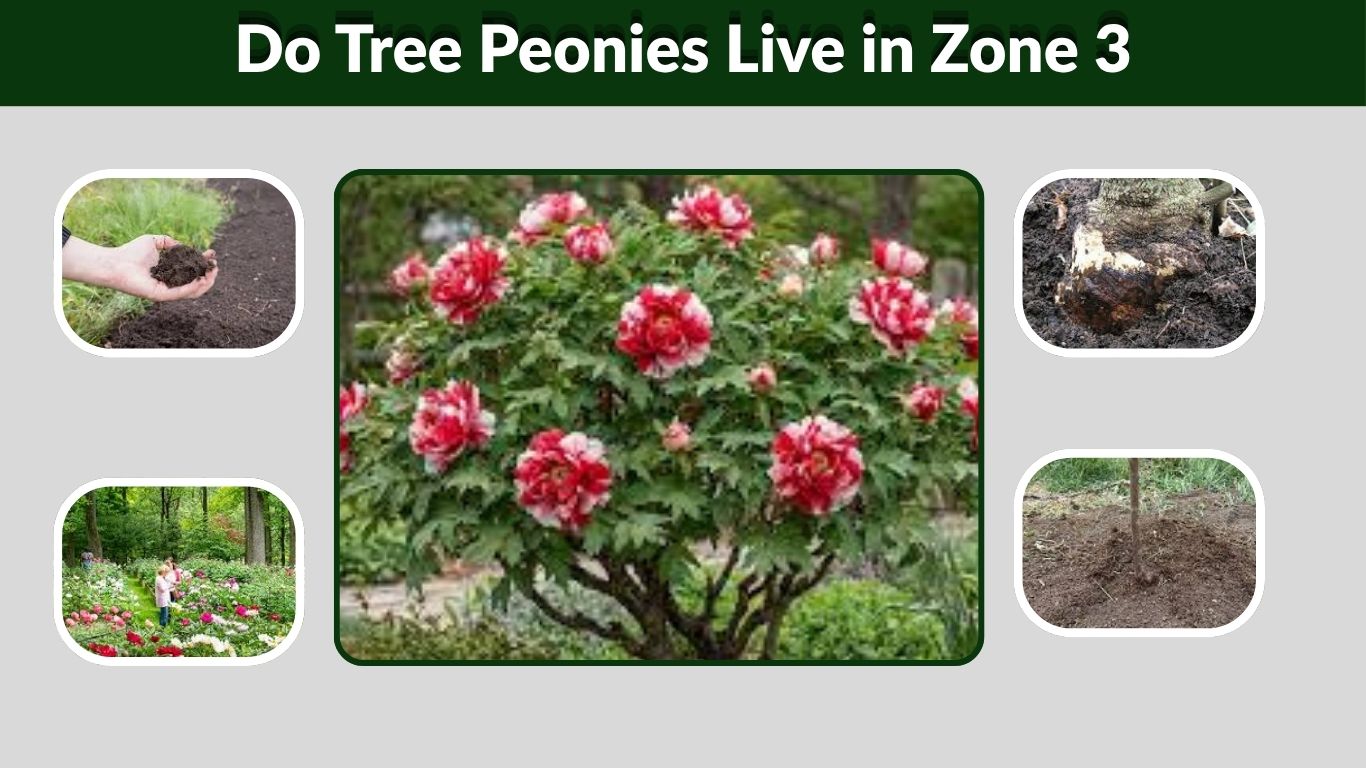
Many gardeners wonder if tree peonies can survive in Zone 3 because winters in these regions are extremely cold and long. Tree peonies are woody perennial shrubs known for their large, colorful flowers and elegant appearance. While some varieties struggle in severe winter conditions, many cold-hardy tree peonies can successfully grow in Zone 3 when planted in the right location and given proper winter care. Choosing hardy varieties and protecting the plants from harsh weather are important for long-term survival.
Tree peonies are different from herbaceous peonies because their woody stems remain above ground during winter. This makes winter protection more important in colder climates. Good soil drainage, full sunlight, and shelter from strong winter winds help improve plant health and blooming performance.
This guide explains whether tree peonies can live in Zone 3, the best varieties for cold climates, planting tips, winter care methods, and common growing problems to avoid.
Do Tree Peonies Live in Zone 3?
Tree peonies can live in Zone 3, but success depends on choosing cold-hardy varieties and providing proper winter protection. These beautiful flowering shrubs are known for their large blooms and woody stems that remain above ground during winter. In very cold climates, harsh temperatures, strong winds, and wet frozen soil can damage the plant if conditions are poor. However, many gardeners successfully grow tree peonies in Zone 3 by selecting protected planting locations and improving soil drainage. With the right care, tree peonies can survive for decades and produce stunning blooms each spring.
Understanding Tree Peony Hardiness
Tree peonies are more cold hardy than many gardeners expect. Some varieties tolerate temperatures below -30°C when planted in suitable conditions. Unlike herbaceous peonies, tree peonies keep their woody stems year-round, which makes them more vulnerable to winter damage in extremely cold climates.
Hardiness also depends on the age and health of the plant. Mature tree peonies usually survive winter better because they develop stronger roots and thicker stems over time. Good sunlight, proper soil drainage, and winter preparation all improve cold-weather survival.
Minimum Temperatures Tree Peonies Can Survive
Many cold-hardy tree peonies can survive very low winter temperatures when properly established. Some hardy varieties tolerate temperatures found in Canadian Zone 3 gardens, especially when protected from strong winter winds and excessive moisture.
Factors that affect winter survival include:
- Soil drainage quality
- Snow cover during winter
- Wind exposure in the garden
- Plant age and health
- Winter mulch protection
Healthy plants growing in protected areas generally recover better after severe winters.
Why Some Tree Peonies Struggle in Zone 3
Tree peonies often struggle in Zone 3 because freezing temperatures and repeated freeze-thaw cycles can damage stems and roots. Wet soil during winter is one of the biggest problems because frozen moisture may weaken the root system.
Plants growing in exposed windy locations are also more likely to suffer winter burn and stem dieback. Tender tree peony varieties from warmer climates may fail to survive in harsh northern conditions. Choosing hardy cultivars greatly improves long-term success.
Best Growing Conditions for Survival
Tree peonies grow best in sunny or lightly shaded areas with rich well-drained soil. Good airflow and protection from strong winter winds help reduce stress during cold weather.
Raised beds and slightly elevated planting areas improve drainage and prevent water from collecting around the roots. Healthy growing conditions allow tree peonies to establish stronger root systems and bloom more reliably each spring.
Best Tree Peony Varieties for Zone 3
Choosing the right tree peony variety is one of the most important steps for successful growing in Zone 3 climates. Some tree peonies handle freezing winters much better than others. Hardy varieties can survive cold temperatures, recover after winter damage, and continue blooming for many years. Gardeners in northern regions should focus on strong cold-tolerant cultivars that adapt well to harsh weather conditions and shorter growing seasons.
Cold-Hardy Tree Peony Types
Cold-hardy tree peonies are specially valued in northern gardens because they tolerate severe winters better than delicate varieties. Many hardy cultivars produce large colorful flowers while surviving freezing temperatures successfully.
These tree peonies often develop stronger woody stems and root systems that help protect the plant during winter dormancy. Good drainage and winter mulch further improve survival rates in cold climates.
Japanese Tree Peonies for Cold Regions
Japanese tree peonies are popular because of their elegant flowers and strong adaptability to cooler climates. Many Japanese varieties produce large blooms in shades of pink, red, white, and purple.
Benefits of Japanese tree peonies include:
- Large colorful blooms
- Strong woody stems
- Better cold tolerance
- Long garden lifespan
- Attractive landscape appearance
These varieties often perform well when planted in protected garden spaces with healthy soil drainage.
Hybrid Tree Peonies With Better Hardiness
Hybrid tree peonies are developed by crossing different peony species to improve flower quality, plant strength, and winter hardiness. Many hybrids are more resilient in colder climates compared to older delicate varieties.
Hybrid tree peonies also come in a wide range of flower colors and shapes. Some varieties bloom earlier or longer than traditional tree peonies, adding extra beauty to spring gardens in Zone 3 regions.
Varieties to Avoid in Extreme Cold
Some tree peony varieties are not suitable for harsh Zone 3 winters because they were bred for warmer climates. Tender cultivars may suffer stem damage, poor blooming, or complete winter loss after severe cold exposure.
Gardeners should avoid planting varieties with low cold tolerance unless they can provide strong winter protection. Choosing hardy cultivars from trusted northern nurseries is usually the safest option for long-term success.
Choosing the Right Planting Location
The planting location greatly affects how well tree peonies survive in Zone 3 climates. Tree peonies need enough sunlight, healthy soil, and protection from harsh winter weather to remain strong and productive. Poor locations with wet soil or strong wind exposure often lead to winter damage and weak growth. Careful site selection helps improve root development, flower production, and overall plant health in cold northern gardens.
Importance of Full Sun and Partial Shade
Tree peonies grow best in locations that receive morning sunlight and light afternoon shade. Full sunlight encourages strong flowering, while partial shade helps protect delicate blooms from extreme summer heat.
Most tree peonies need at least 5 to 6 hours of sunlight daily for healthy growth. Too much shade may reduce flowering and weaken the stems over time.
Protecting Tree Peonies From Winter Wind
Strong winter winds can dry out tree peony stems and cause winter burn during freezing temperatures. Wind protection is especially important in open northern landscapes.
Ways to protect tree peonies include:
- Planting near fences or walls
- Using shrubs as windbreaks
- Avoiding exposed open areas
- Applying winter coverings carefully
- Choosing sheltered garden locations
Reducing winter wind exposure helps improve stem survival and spring recovery.
Best Soil Drainage Conditions
Tree peonies prefer rich well-drained soil that does not stay wet during winter. Poor drainage increases the risk of root rot and frozen root damage in cold climates.
Adding compost, sand, or gravel to heavy clay soil improves drainage and airflow around the roots. Healthy soil conditions are essential for long-lasting peony growth and reliable flowering.
Raised Beds for Cold Climate Gardening
Raised beds are helpful for growing tree peonies in Zone 3 because they improve drainage and warm faster in spring. Elevated soil prevents excess moisture from collecting around the roots during snowmelt and rainy weather.
Many gardeners use raised beds to create better growing conditions in colder climates. Strong root systems established in well-drained raised beds usually survive winter more successfully.
How to Plant Tree Peonies in Zone 3
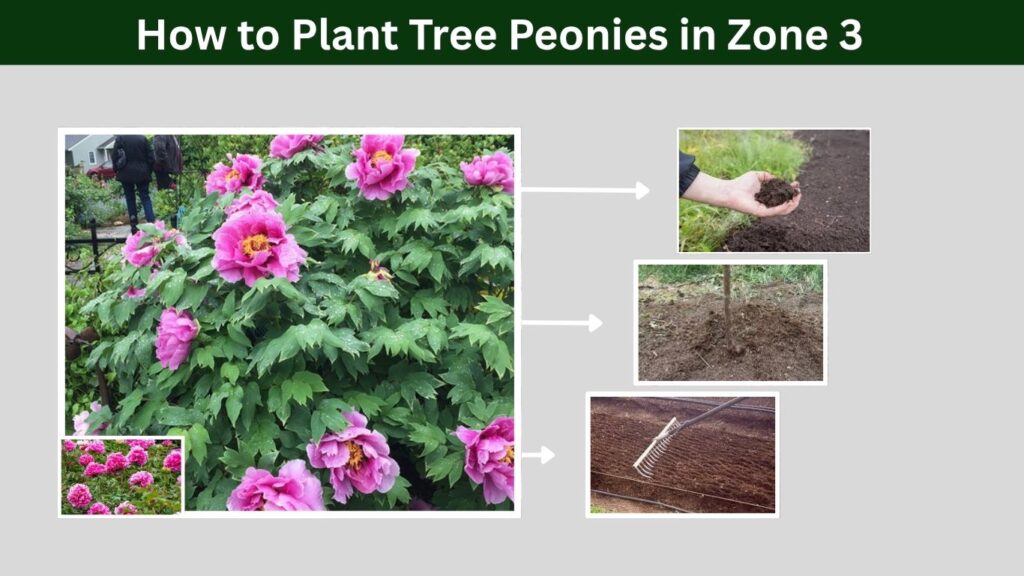
Planting tree peonies correctly is very important for healthy growth and winter survival in Zone 3 climates. These plants need enough time to establish strong roots before harsh winter weather arrives. Proper planting depth, spacing, and watering practices help reduce stress and improve long-term blooming performance. Tree peonies are long-living shrubs, so careful preparation during planting can support healthy growth and beautiful flowers for many years in cold northern gardens.
Best Time to Plant Tree Peonies
Fall is usually considered the best time to plant tree peonies because cooler temperatures allow roots to establish before winter dormancy. Early fall planting gives the roots time to settle into the soil while avoiding extreme summer heat.
Spring planting is also possible in colder regions, especially when winters are severe. However, spring-planted tree peonies may require more watering during the first growing season while they establish roots.
Proper Planting Depth Explained
Tree peonies should be planted deeper than herbaceous peonies, especially grafted varieties. The graft union is usually placed several inches below the soil surface to encourage stronger root development and better winter protection.
Important planting tips include:
- Place graft union below soil level
- Avoid shallow planting depths
- Use loose well-drained soil
- Water lightly after planting
- Add mulch carefully around roots
Proper planting depth improves stability and helps protect the plant during freezing weather.
Spacing Requirements for Healthy Growth
Tree peonies need enough space for airflow and healthy branch development. Crowded plants may experience poor air circulation, fungal problems, and weaker flowering.
Most tree peonies should be spaced about 3 to 5 feet apart depending on the mature size of the variety. Proper spacing also allows sunlight to reach all sides of the plant and improves overall garden appearance.
Watering After Planting
Newly planted tree peonies need regular watering until the roots become established. The soil should remain lightly moist but never soggy because excess water may damage the roots.
Deep watering encourages stronger root growth and helps the plant adapt to its new environment. Once mature, tree peonies generally require less frequent watering and tolerate short dry periods better.
Winter Care for Tree Peonies in Zone 3
Winter care is one of the most important parts of growing tree peonies successfully in Zone 3 climates. Harsh freezing temperatures, strong winds, and repeated freeze-thaw cycles can damage stems and roots if plants are not protected properly. Good winter preparation helps tree peonies survive cold conditions and recover strongly during spring. Hardy varieties with proper care often continue blooming beautifully for decades in northern gardens.
Mulching Tips for Root Protection
Mulching helps protect tree peony roots from sudden temperature changes during winter. A light layer of mulch placed around the base of the plant provides insulation while reducing moisture loss.
Good mulch materials include shredded bark, straw, or dry leaves. However, mulch should not touch the stems directly because trapped moisture may encourage disease and rot during winter.
Should Tree Peonies Be Covered in Winter?
Some gardeners cover tree peonies during severe winters to protect stems from wind and extreme cold. Breathable coverings such as burlap are often used because they allow airflow while reducing winter damage.
Benefits of winter covering include:
- Reduces wind burn on stems
- Protects flower buds from freezing
- Helps prevent sudden temperature shock
- Reduces snow and ice damage
- Improves winter survival in exposed areas
Plastic coverings should be avoided because they trap moisture around the plant.
Preventing Freeze and Thaw Damage
Repeated freezing and thawing can stress tree peonies during late winter and early spring. Sudden temperature changes may crack stems or weaken roots in poorly drained soil.
Good drainage, winter mulch, and sheltered planting locations help reduce freeze-thaw damage. Stable soil temperatures improve root protection and support healthier spring growth.
Spring Recovery After Harsh Winters
Some tree peonies may show minor winter damage after severe cold weather, especially on exposed branches. Dead or damaged stems should be pruned carefully in spring once new growth begins to appear.
Healthy roots often allow tree peonies to recover even after difficult winters. Proper spring care, watering, and sunlight help encourage fresh growth and blooming for the new season.
Common Problems Growing Tree Peonies in Cold Climates
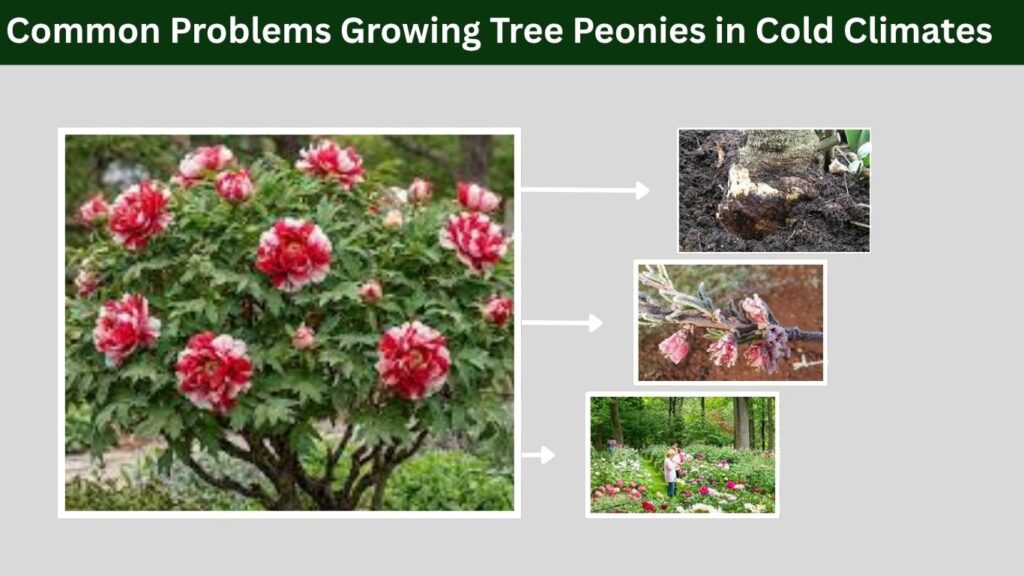
Tree peonies are hardy plants, but cold climates can still create growing challenges. Severe winter weather, wet soil, and poor planting conditions may weaken plants and reduce flowering. Understanding common tree peony problems helps gardeners prevent serious damage and maintain healthier plants throughout the growing season. Good drainage, winter protection, and proper sunlight greatly improve plant performance in Zone 3 gardens.
Winter Dieback and Stem Damage
Winter dieback happens when freezing temperatures damage exposed stems and flower buds. Strong winds and sudden temperature changes often increase the risk of stem injury in colder climates.
Dead branches should be removed during spring pruning to encourage healthy new growth. Hardy tree peony varieties usually recover better after winter damage than tender cultivars.
Root Rot From Wet Soil
Root rot is a serious problem caused by soil that stays too wet for long periods. Tree peonies dislike soggy conditions, especially during winter when frozen moisture may weaken the roots.
Signs of root rot include yellow leaves, weak stems, and slow growth. Improving drainage with raised beds, compost, and gravel helps reduce moisture problems and protect the root system.
Poor Blooming Problems
Tree peonies sometimes produce fewer flowers when growing conditions are not ideal. Too much shade, excessive fertilizer, or winter bud damage may reduce blooming performance.
Common causes of poor blooming include:
- Lack of sunlight
- Excess nitrogen fertilizer
- Winter damage to flower buds
- Poor soil drainage
- Young immature plants
Healthy sunlight and balanced care usually improve flowering over time.
Pest and Disease Issues
Tree peonies are generally resistant to serious pests, but fungal diseases may appear in damp conditions with poor airflow. Aphids and ants sometimes gather around flower buds, although they rarely cause major damage.
Keeping plants properly spaced and avoiding overwatering helps reduce disease risks naturally. Healthy growing conditions are the best defense against most pest and fungal problems.
Tree Peonies vs Herbaceous Peonies in Zone 3
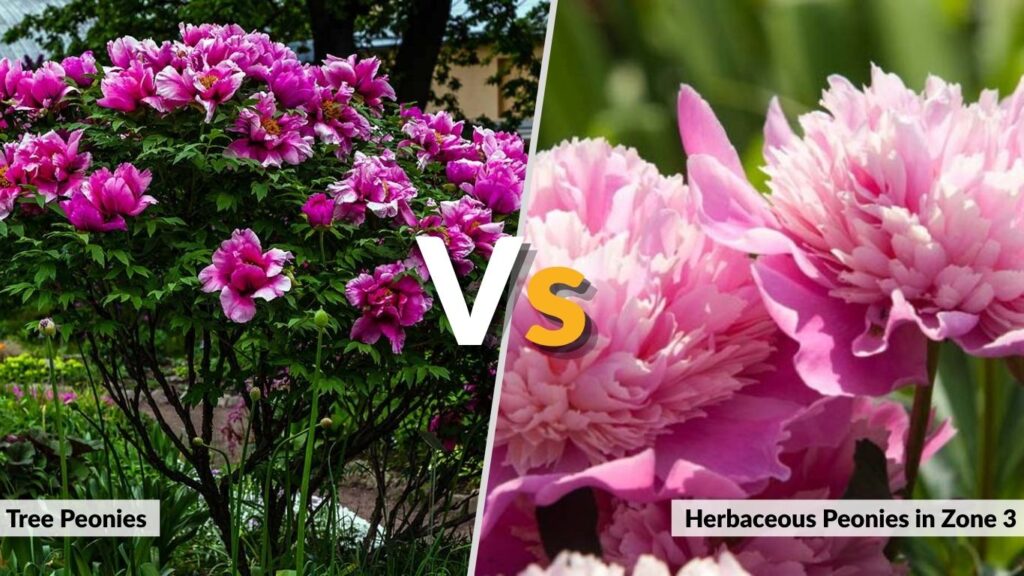
Tree peonies and herbaceous peonies are both popular flowering plants, but they grow differently and respond to cold climates in unique ways. Gardeners in Zone 3 often compare these plants to determine which type survives winter better and requires less maintenance. Tree peonies develop woody stems that remain above ground year-round, while herbaceous peonies die back completely during winter. Understanding these differences helps gardeners choose the best peony type for their climate, garden style, and care preferences.
Main Differences Between Peony Types
The biggest difference between tree peonies and herbaceous peonies is how they grow during winter. Tree peonies keep their woody stems above ground, while herbaceous peonies disappear completely and regrow from the roots each spring.
Tree peonies often grow taller and produce larger flowers than herbaceous varieties. Herbaceous peonies usually bloom earlier in life and may require less winter protection in very cold climates.
Which Peony Is Easier to Grow?
Herbaceous peonies are generally easier for beginners because they tolerate extreme winter conditions better and require less protection. Tree peonies may need more careful site selection and winter care in colder climates like Zone 3.
Benefits of herbaceous peonies include:
- Easier winter survival
- Less stem damage during cold weather
- Simple seasonal maintenance
- Faster establishment in gardens
- Reliable blooming each year
Tree peonies, however, reward gardeners with larger blooms and elegant woody structure.
Bloom Size and Growth Habit Comparison
Tree peonies are famous for their massive flowers that can reach over 10 inches wide in some varieties. Their blooms often appear in shades of pink, red, white, yellow, and purple.
Herbaceous peonies usually have smaller flowers but still produce impressive spring displays. Tree peonies also grow more like shrubs, while herbaceous peonies form rounded leafy clumps close to the ground.
Winter Survival Differences
Herbaceous peonies often survive severe winters more easily because their stems die back naturally before freezing temperatures arrive. Tree peonies may experience stem dieback if winter conditions become too harsh.
Proper winter protection, good drainage, and sheltered planting locations greatly improve tree peony survival in Zone 3 gardens. Hardy cultivars can still thrive for many years with proper care.
Growing Tree Peonies in Containers
Growing tree peonies in containers is possible, especially for gardeners with limited space or difficult soil conditions. Containers provide better control over drainage and allow plants to be moved into protected areas during severe winter weather. Tree peonies can grow successfully in large pots when given proper sunlight, healthy soil, and winter care. Container gardening also allows gardeners to enjoy these beautiful flowering shrubs on patios, balconies, and small outdoor spaces.
Can Tree Peonies Grow in Pots?
Yes, tree peonies can grow in pots when planted in large deep containers with good drainage. Smaller containers may restrict root growth and reduce blooming performance over time.
Container-grown tree peonies need enough space for healthy root development. Large pots also provide better insulation during winter and help reduce freezing damage to the roots.
Best Container Size and Soil Mix
Choosing the right container and soil mix is important for healthy tree peony growth. Pots should have drainage holes to prevent excess moisture buildup around the roots.
Good container growing materials include:
- Large frost-resistant pots
- Rich well-drained soil mix
- Compost for nutrients
- Sand or gravel for drainage
- Mulch for root insulation
Healthy soil structure improves airflow and supports stronger root growth.
Winter Protection for Potted Peonies
Potted tree peonies are more vulnerable to freezing temperatures because roots freeze faster in containers than in garden soil. Extra winter protection is usually necessary in Zone 3 climates.
Many gardeners move containers into garages, sheds, or sheltered outdoor areas before severe freezing weather begins. Wrapping pots with insulation materials can also help protect roots during winter.
Watering and Fertilizing Container Plants
Container-grown tree peonies usually need more frequent watering than garden plants because pots dry out faster during warm weather. However, overwatering should still be avoided because soggy soil may cause root rot.
Light fertilizing during spring can support healthy growth and flowering. Balanced slow-release fertilizers are often preferred for container peonies because they provide nutrients gradually throughout the growing season.
Benefits of Growing Tree Peonies
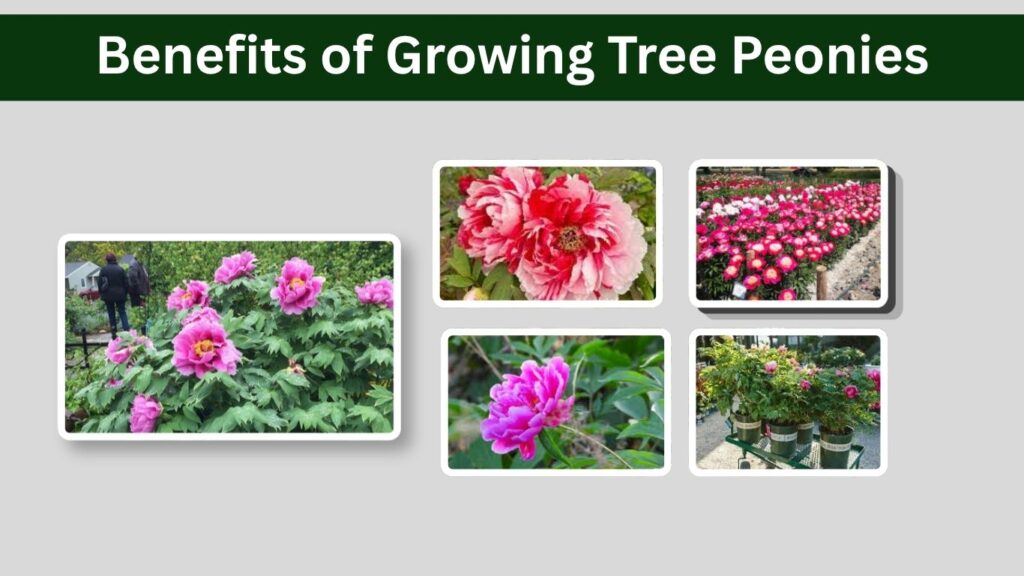
Tree peonies are valued for their stunning flowers, long lifespan, and elegant appearance in garden landscapes. These plants can become long-term garden features that bloom beautifully every spring for decades. Tree peonies also require relatively little maintenance once established properly. Their large colorful blooms and woody shrub form make them popular focal plants in both traditional and modern garden designs.
Large and Colorful Flowers
Tree peonies produce some of the largest flowers found on perennial garden plants. Their blooms come in many beautiful colors, including white, pink, red, yellow, and purple.
Benefits of tree peony flowers include:
- Large decorative blooms
- Strong visual impact in gardens
- Wide range of flower colors
- Elegant layered petals
- Excellent cut flowers for arrangements
These flowers often become the centerpiece of spring garden displays.
Long Lifespan in the Garden
Tree peonies are extremely long-living plants when grown under good conditions. Some mature plants survive and bloom for several decades with very little disturbance.
Their woody stems become stronger with age, and older plants often produce more flowers each year. Long lifespan makes tree peonies valuable investments for permanent garden landscapes.
Low-Maintenance Perennial Benefits
Once established, tree peonies are relatively low-maintenance plants. They usually require only occasional watering, pruning, and seasonal care.
Unlike many delicate flowering shrubs, tree peonies are fairly resistant to pests and diseases when planted in healthy soil with good airflow. Proper placement and drainage greatly reduce maintenance needs over time.
Adding Beauty to Landscape Designs
Tree peonies add elegance and structure to many types of landscape designs. Their large blooms and attractive foliage create beautiful focal points in flower beds, borders, and mixed perennial gardens.
These plants pair well with spring bulbs, hostas, and other perennial flowers. Many gardeners use tree peonies to create colorful layered landscapes filled with seasonal interest and long-lasting beauty.
Frequently Asked Questions About Tree Peonies in Zone 3
Many gardeners have questions about growing tree peonies in cold climates because winter survival can vary depending on the variety and growing conditions. Proper planting methods, winter care, and healthy soil all improve success rates in Zone 3 gardens. Understanding the needs of tree peonies helps gardeners avoid common mistakes and enjoy beautiful blooms for many years.
Are Tree Peonies Hardy Enough for Zone 3?
Yes, some tree peonies are hardy enough to survive in Zone 3 when planted in protected locations with good drainage and winter care. Cold-hardy varieties adapted to northern climates usually perform best.
Using mulch, wind protection, and raised beds helps improve winter survival during severe freezing conditions.
How Long Do Tree Peonies Live?
Tree peonies are extremely long-lived plants and may survive for several decades when grown properly. Mature plants often become healthier and more productive as they age.
Long-lived benefits include:
- More blooms each year
- Stronger woody stems
- Better cold tolerance over time
- Less maintenance after establishment
- Permanent garden beauty
Many gardeners consider tree peonies lifetime landscape plants.
Do Tree Peonies Bloom Every Year?
Healthy mature tree peonies usually bloom every spring once fully established. Young plants may take several years before producing large numbers of flowers.
Blooming performance depends on sunlight, winter bud protection, soil quality, and overall plant health. Proper care encourages more reliable flowering each season.
Can Tree Peonies Survive Heavy Snow?
Yes, many tree peonies survive heavy snow, especially when branches are supported and plants are healthy. Snow sometimes acts as natural insulation that protects roots and lower stems from extreme cold.
However, wet heavy snow may occasionally bend or break branches. Gentle snow removal can help prevent damage during severe winter storms.
Conclusion
Tree peonies can live successfully in Zone 3 when gardeners choose hardy varieties and provide proper winter care. Although these plants are more sensitive to harsh weather than herbaceous peonies, many cold-tolerant cultivars survive freezing winters and bloom beautifully for decades. Good drainage, protected planting locations, and winter mulch are essential for healthy growth and reliable flowering.
Tree peonies reward gardeners with stunning oversized blooms, elegant woody stems, and long-lasting beauty in the landscape. While they may require more care during harsh winters, their impressive flowers and long lifespan make them valuable additions to cold-climate gardens. With proper planting and seasonal protection, tree peonies can thrive and become breathtaking focal plants in Zone 3 landscapes.

- 10 Best Garden Hose Without Kinks 2026 - October 15, 2026
- 10 Best Garden Hose For Kids 2026 - October 15, 2026
- 10 Best Garden Hose For High Pressure 2026 - October 15, 2026