Lavender can grow as a perennial in Edmonton, but success depends on the variety and winter care. Edmonton has very cold winters, so not every lavender type can survive outdoors. Hardy English lavender varieties are the best choice because they tolerate freezing temperatures better than French or Spanish lavender. With full sunlight, dry soil, and proper winter protection, lavender can return year after year in Alberta gardens. Many gardeners in Edmonton grow lavender successfully by choosing cold-hardy plants and avoiding overly wet soil during winter.
What Perennial Means for Lavender Plants
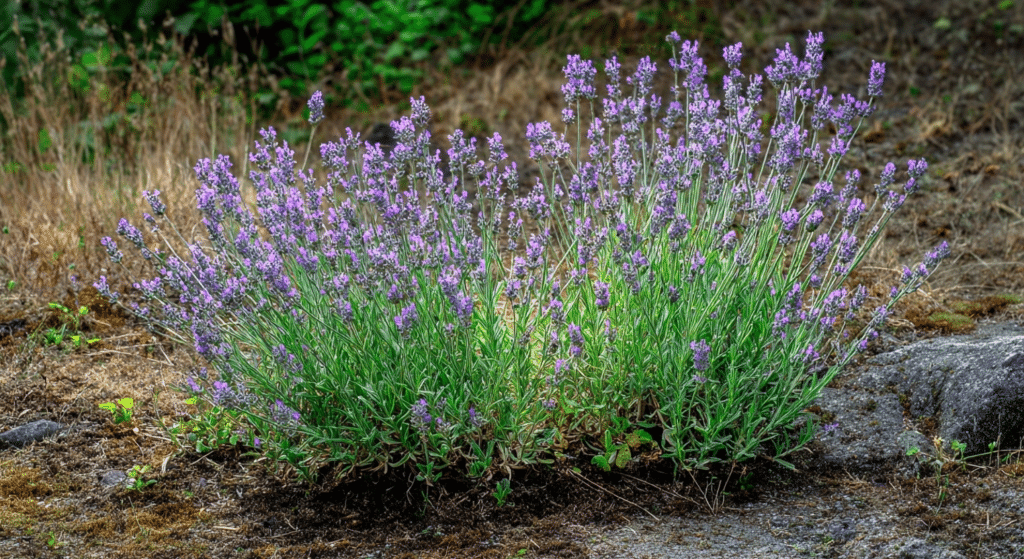
A perennial plant comes back every year without needing replanting. Lavender is considered a perennial herb because it can live for several years when grown in the right conditions. In Edmonton, hardy lavender varieties may survive winter and regrow in spring. However, weak or tender varieties may die from extreme cold. Proper care helps lavender live longer and bloom each summer.
Edmonton’s Hardiness Zone Explained
Edmonton is mainly in Canadian hardiness zones 3 and 4. Winters can become extremely cold, sometimes below -30°C. These low temperatures make gardening more challenging for plants like lavender. Gardeners need to select cold-tolerant varieties that are suitable for northern climates. English lavender types such as Munstead and Hidcote are popular because they survive better in Alberta weather.
How Cold Winters Affect Lavender Growth
Cold winters can damage lavender roots and stems, especially when soil stays wet or frozen for long periods. Too much moisture during winter is often more harmful than the cold itself. Heavy snow, ice, and poor drainage may cause root rot and plant death. Lavender grows best in dry, well-drained soil with plenty of sun. Protecting plants with light mulch and avoiding overwatering helps improve winter survival.
Best Lavender Varieties for Edmonton Gardens
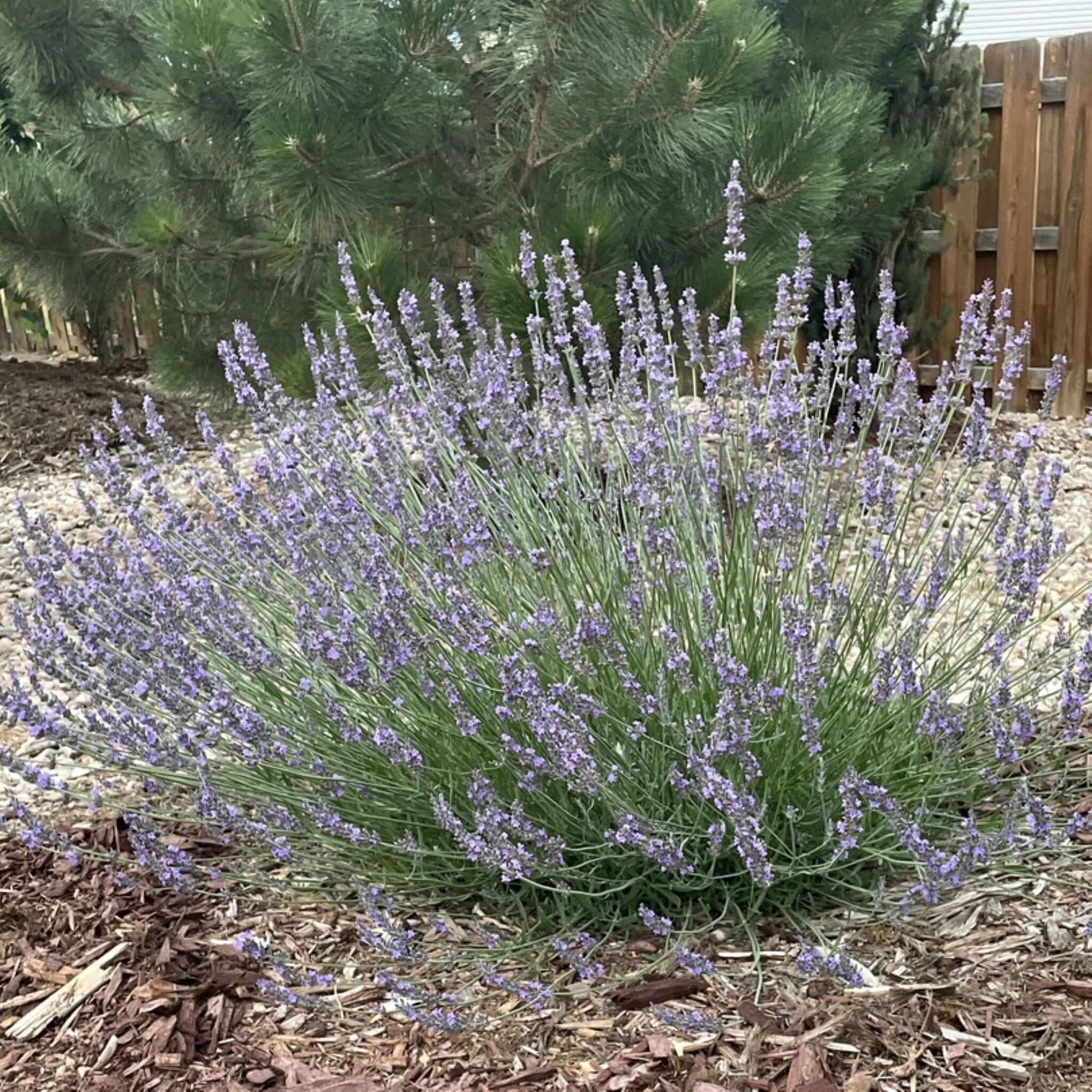
Choosing the right lavender variety is the most important step for Edmonton gardeners. Some lavender plants handle freezing temperatures much better than others. English lavender is usually the safest choice because it survives cold winters and blooms beautifully during summer. Hardy varieties produce fragrant flowers, attract pollinators, and require little maintenance once established. Avoid tender lavender types that prefer warm Mediterranean climates because they often struggle in Alberta’s harsh weather conditions.
English Lavender for Cold Weather Survival
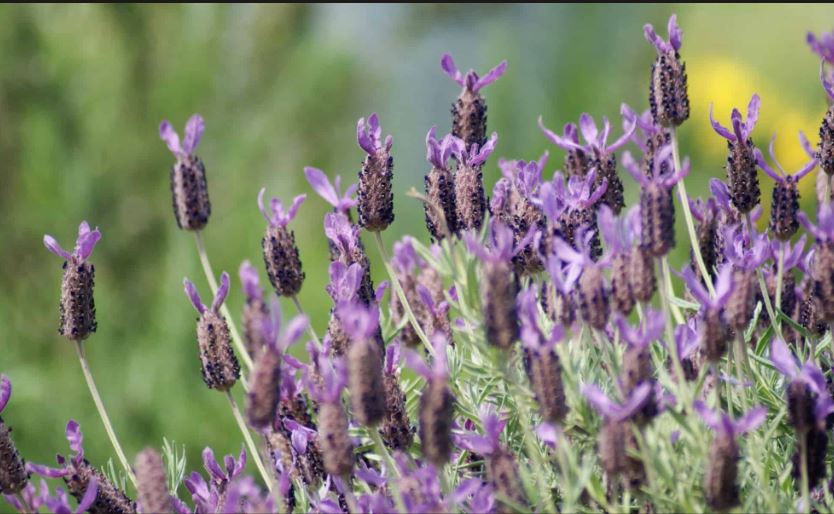
English lavender is the best option for Edmonton gardens because it handles cold temperatures very well. It has compact growth, fragrant purple flowers, and strong winter hardiness. This variety can survive snowy winters when planted in sunny, well-drained locations. English lavender is also low maintenance and drought tolerant once mature.
Hidcote Lavender Benefits for Alberta
Hidcote lavender is a popular English lavender variety known for its dark purple flowers and strong fragrance. It grows well in colder climates and stays compact, making it perfect for small gardens and borders. Many Alberta gardeners choose Hidcote because it survives winter better than tender lavender types.
Munstead Lavender for Beginners
Munstead lavender is one of the easiest lavender varieties for beginners. It blooms early, tolerates cold weather, and adapts well to Edmonton gardens. The plant stays smaller than some other types, making it ideal for containers and pathways. Munstead also produces fragrant flowers that attract bees and butterflies.
How to Grow Lavender Successfully in Edmonton
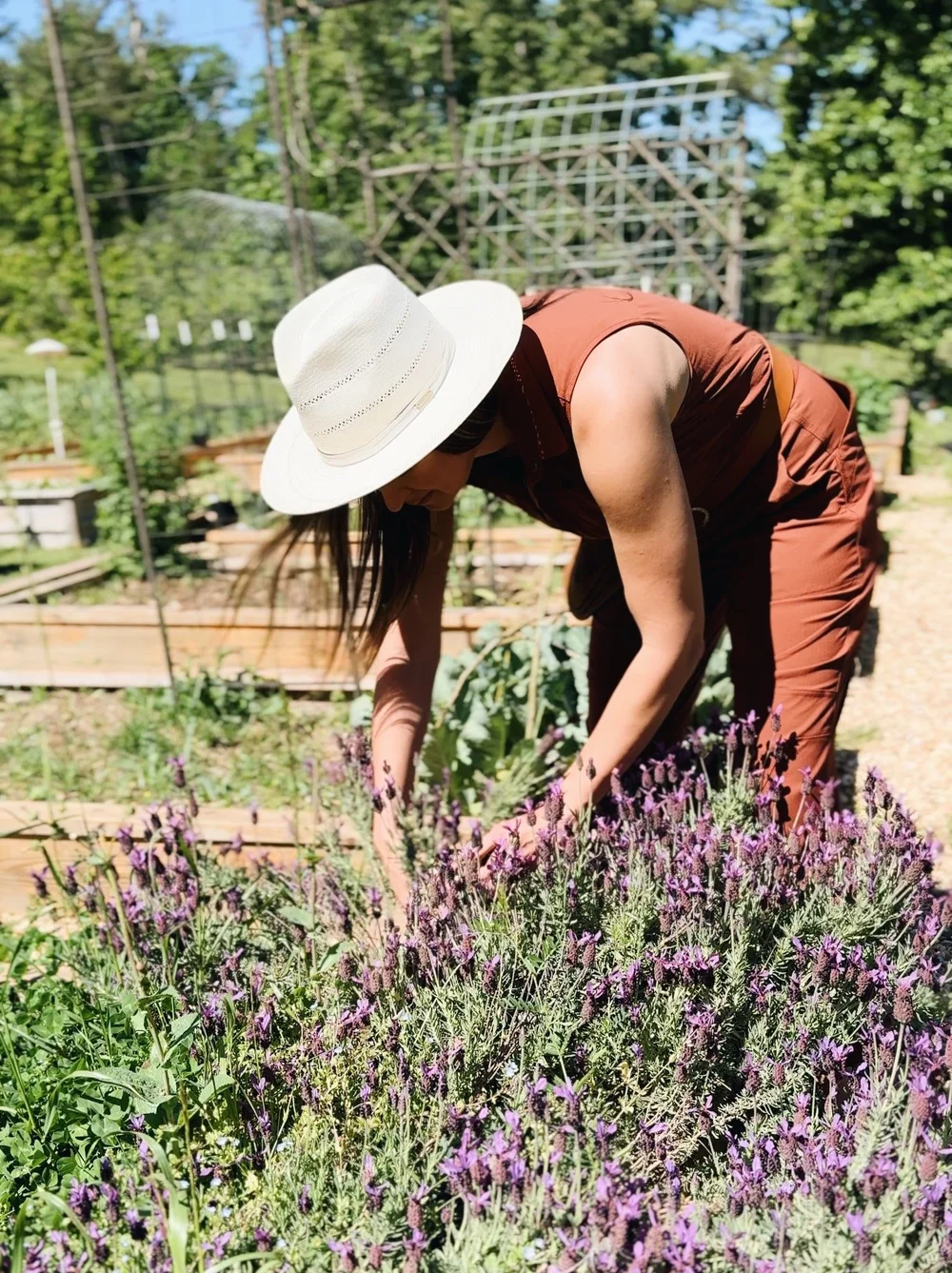
Growing lavender successfully in Edmonton requires the right balance of sunlight, soil, and watering. Lavender naturally prefers dry Mediterranean conditions, so gardeners should avoid heavy or wet soil. Planting lavender in a bright sunny location helps it stay healthy and produce more flowers. Good drainage is extremely important because soggy roots often cause plants to die during winter. With proper care, lavender can become a long-lasting and beautiful perennial in Alberta gardens.
Choosing the Sunniest Garden Location
Lavender needs at least 6 to 8 hours of direct sunlight every day. A sunny location helps the plant stay strong and bloom heavily during summer. South-facing garden spots usually work best in Edmonton because they receive the most warmth and light.
Best Soil Conditions for Healthy Lavender
Lavender grows best in sandy or rocky soil that drains quickly. Heavy clay soil holds too much moisture and may cause root rot. Mixing sand or gravel into garden soil improves drainage and helps lavender survive cold winters more easily.
Proper Watering Tips for Alberta Weather
Lavender does not need frequent watering once established. Overwatering is one of the most common mistakes gardeners make. Water deeply but allow the soil to dry between watering sessions. During rainy periods, lavender may not need extra water at all.
Winter Care Tips for Lavender in Edmonton
Lavender needs extra care during Edmonton’s harsh winters to survive as a perennial. Freezing temperatures, wet soil, and strong winter winds can damage roots and stems. Many lavender plants die because of excess moisture rather than cold weather alone. Proper winter preparation helps protect the plant and improves survival rates in spring. Gardeners should focus on keeping the soil dry, improving drainage, and giving light protection during extreme cold periods. Hardy English lavender varieties usually survive best with simple winter care techniques.
How to Protect Lavender From Snow and Ice
Heavy snow and ice can place stress on lavender branches and trap too much moisture around the roots. Good drainage is important because frozen wet soil may cause root rot. Planting lavender in raised beds or slightly elevated areas helps water drain away more easily. Avoid locations where melting snow collects during winter.
Mulching Tips for Harsh Winters
A light layer of mulch can help protect lavender roots from sudden temperature changes. Gravel or small stones work better than thick organic mulch because they keep the soil drier. Heavy mulch holds moisture and may damage the plant during freezing weather. Apply mulch carefully around the base without covering the crown completely.
Should You Cover Lavender Plants?
Some gardeners cover lavender during extremely cold periods using burlap or breathable garden fabric. This protection reduces damage from strong winds and sudden freezing temperatures. Avoid plastic covers because they trap moisture and may cause rot. Covers should allow airflow while still protecting the plant from harsh winter conditions.
Can Lavender Grow in Pots in Edmonton?
Lavender can grow very well in pots in Edmonton, especially when winters are too harsh for garden planting. Container gardening allows better control of soil drainage and makes it easier to protect plants during freezing weather. Potted lavender can be moved indoors or into sheltered areas before extreme winter temperatures arrive. Choosing the right container and proper soil mix helps lavender stay healthy and bloom beautifully throughout the growing season.
Benefits of Container Gardening for Lavender
Growing lavender in containers gives gardeners more flexibility and control. Pots dry faster than garden soil, which helps prevent root rot. Containers can also be moved to sunny areas during summer and protected places during winter. This makes potted lavender a good option for Edmonton’s changing weather.
Best Pot Types for Cold Climates
Terracotta and clay pots are popular choices because they allow extra moisture to escape. Containers should have drainage holes at the bottom to prevent water buildup. Large pots usually protect roots better during cold weather because they provide more insulation than small containers.
Bringing Potted Lavender Indoors for Winter
Many Edmonton gardeners move potted lavender indoors before severe winter temperatures arrive. Place the plant near a bright sunny window where it can receive several hours of sunlight daily. Water lightly during winter because lavender needs less moisture while dormant. Good airflow indoors also helps keep the plant healthy.
Common Problems Growing Lavender in Edmonton
Growing lavender in Edmonton can sometimes be difficult because of the region’s cold winters and changing weather conditions. Many problems happen when plants receive too much moisture or not enough sunlight. Choosing the wrong lavender variety may also reduce survival rates. Understanding the most common lavender problems helps gardeners protect their plants and improve long-term growth. With proper care, healthy soil, and winter preparation, lavender can thrive as a beautiful perennial in Alberta gardens.
Why Lavender Dies After Winter
Many lavender plants die after winter because the roots stay too wet for long periods. Frozen soil combined with excess moisture often causes root damage and rot. Poor drainage is one of the biggest reasons lavender fails in cold climates. Planting hardy English lavender and improving soil drainage greatly increases winter survival.
Root Rot From Wet Soil
Lavender dislikes heavy soil that holds water around the roots. Wet conditions may cause fungal diseases and root rot, especially during spring snowmelt. Signs of root rot include yellow leaves, soft stems, and dying branches. Adding sand or gravel to the soil helps water drain more quickly and keeps roots healthier.
Lack of Sunlight and Poor Flowering
Lavender needs full sunlight to produce strong growth and colorful flowers. Plants grown in shady areas often become weak and bloom less during summer. At least 6 to 8 hours of direct sunlight each day is recommended for healthy lavender growth in Edmonton gardens.
Overwatering Mistakes to Avoid
Overwatering is one of the most common mistakes beginners make with lavender plants. Lavender naturally grows in dry conditions and does not need constantly moist soil. Watering too often may weaken the roots and reduce flowering. Allowing the soil to dry between watering sessions helps keep the plant strong and healthy.
Benefits of Growing Lavender in Alberta Gardens
Lavender is a popular garden plant because it offers beauty, fragrance, and many practical benefits. In Alberta gardens, lavender adds bright color and attracts important pollinators during the summer months. Once established, it requires little maintenance and tolerates dry conditions well. Many gardeners also enjoy using lavender flowers for crafts, home decoration, and relaxing scents. Hardy lavender varieties can become long-lasting perennials that improve both small and large garden spaces.
Attracting Bees and Pollinators
Lavender flowers attract bees, butterflies, and other helpful pollinators to the garden. Pollinators support healthy plant growth and improve flower and vegetable production nearby. Lavender’s fragrant blooms provide a valuable food source during the growing season.
Low-Maintenance Perennial Benefits
Lavender is considered a low-maintenance perennial because it needs little watering and care once established. It tolerates dry weather better than many flowering plants and grows well in sunny garden areas. Regular pruning and proper drainage are usually enough to keep lavender healthy for years.
Beautiful Fragrance for Outdoor Spaces
Lavender is famous for its relaxing fragrance and colorful purple flowers. The pleasant scent makes patios, pathways, and garden borders more enjoyable during summer. Many homeowners plant lavender near seating areas where the fragrance can be appreciated easily.
Using Lavender for Drying and Crafts
Dried lavender flowers are commonly used in crafts, sachets, and home decorations. The flowers keep their fragrance for a long time after drying. Many people also use dried lavender in homemade gifts, soaps, and floral arrangements because of its pleasant scent and appearance.
Frequently Asked Questions About Lavender in Edmonton
Lavender is becoming more popular in Edmonton gardens, but many gardeners still have questions about winter survival and plant care. Understanding the best planting methods and proper maintenance helps improve success with lavender in cold climates. Hardy varieties, good drainage, and winter protection are the most important factors for growing healthy perennial lavender in Alberta.
Does Lavender Come Back Every Year in Edmonton?
Yes, hardy lavender varieties such as English lavender can return every year in Edmonton when planted in well-drained soil with full sunlight. Winter survival depends on proper care and choosing cold-tolerant types.
Can Lavender Survive -30°C Winters?
Some English lavender varieties can survive temperatures near -30°C with good drainage and winter protection. Plants growing in wet or poorly drained soil are less likely to survive extreme cold conditions.
When Should Lavender Be Planted in Alberta?
The best time to plant lavender in Alberta is during spring after the danger of heavy frost has passed. Spring planting gives the roots enough time to establish before winter arrives.
How Long Does Lavender Live in Cold Climates?
Lavender can live for many years in cold climates when grown properly. Healthy plants often survive between 5 and 15 years depending on the variety, soil conditions, and winter care provided.
Conclusion
Lavender can grow as a perennial in the Edmonton area when gardeners choose hardy varieties and provide the right care. English lavender types like Munstead and Hidcote are the best choices for Alberta’s cold climate because they tolerate freezing winters better than tender varieties. Full sunlight, dry soil, and proper drainage are essential for healthy growth and winter survival. With simple maintenance and winter protection, lavender can return year after year and bring lasting beauty, fragrance, and pollinator benefits to Edmonton gardens.

- 10 Best Garden Hose For Freezing Weather 2026 - October 15, 2026
- 10 Best Garden Hose For Sun Exposure 2026 - October 15, 2026
- 10 Best Lightweight Garden Hose For Elderly 2026 - October 15, 2026