The Burro’s Tail Plant is a beautiful trailing succulent that grows best in light, airy, and well-draining soil. Choosing the correct soil mix is essential because this plant is highly sensitive to excess moisture and poor drainage. Heavy or compact soil can quickly lead to root rot, yellow leaves, and weak growth. A proper succulent soil blend helps improve airflow around the roots, prevents water buildup, and supports healthier trailing stems. Whether you grow burro’s tail indoors or outdoors, understanding the right soil ingredients, drainage methods, and pot choices can make a big difference in the plant’s long-term health. With the ideal soil setup, your burro’s tail plant can grow fuller, stronger, and more vibrant throughout the year.
Why Well-Draining Soil Is Important for Burro’s Tail
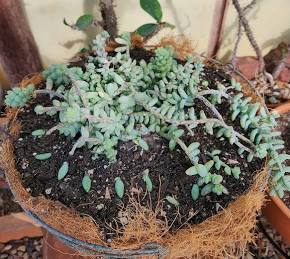
Using well-draining soil is one of the most important parts of caring for a Burro’s Tail Plant. Since this succulent stores water inside its thick leaves and stems, the roots do not tolerate soggy soil for long periods. Proper drainage helps prevent excess moisture buildup, improves airflow around the roots, and supports healthy growth. Choosing the right soil mix can also reduce the risk of root rot, fungal problems, and weak stem development while helping the plant stay fuller and healthier indoors.
How Burro’s Tail Roots Store Water
Burro’s tail plants naturally store water inside their leaves and roots to survive dry conditions. Because of this ability, they do not require constantly moist soil like tropical houseplants.
Why Water Storage Matters
- Helps the plant survive drought
- Reduces frequent watering needs
- Protects the plant during dry weather
- Makes overwatering more dangerous
Allowing the soil to dry between waterings helps keep the roots healthy.
Problems Caused by Poor Soil Drainage
Heavy soil that holds moisture for too long can quickly damage succulent roots. Poor drainage is one of the main reasons burro’s tail plants struggle indoors.
Common Drainage Problems
- Root rot
- Yellow or mushy leaves
- Weak trailing stems
- Fungal growth in soil
Healthy roots need both moisture control and proper airflow.
Signs Your Soil Is Holding Too Much Moisture
Recognizing wet soil problems early can help prevent severe plant damage. Wet soil often creates unhealthy conditions around the roots.
Warning Signs of Excess Moisture
- Soil staying wet for many days
- Mushy stems or leaves
- Mold growth on the soil surface
- Foul smell from the pot
Reducing watering and improving drainage usually helps solve these issues.
Benefits of Fast-Draining Succulent Soil
Fast-draining succulent soil helps maintain the right balance between moisture and airflow. This type of soil dries faster and protects the roots from water damage.
Main Benefits of Succulent Soil
- Better root airflow
- Lower risk of root rot
- Faster drying after watering
- Stronger and healthier growth
Proper succulent soil is especially important for indoor burro’s tail plants.
Best Potting Mix for Burro’s Tail Succulent

Choosing the correct potting mix helps burro’s tail plants grow stronger, healthier, and more successfully. A light and airy soil blend allows water to drain quickly while still providing enough support for the roots. Succulent-specific soil mixes are usually the best option because they contain ingredients that improve drainage and airflow. Using the right combination of soil materials can help prevent common problems like root rot, compacted soil, and slow growth.
Recommended Soil Mix for Healthy Growth
Burro’s tail plants grow best in soil that feels loose, gritty, and fast draining. The right texture helps protect the roots from excess moisture.
Ideal Soil Components
- Cactus potting mix
- Succulent soil blend
- Perlite for drainage
- Coarse sand for airflow
These ingredients help create a balanced growing environment.
Best Store-Bought Succulent Soil Options
Many commercial succulent soils work well for burro’s tail plants because they are designed for fast drainage and root protection.
Features of Good Succulent Soil
- Lightweight texture
- Fast water drainage
- Good airflow around roots
- Low moisture retention
Avoid heavy indoor potting mixes that stay wet for long periods.
DIY Burro’s Tail Soil Recipe
Making your own succulent soil mix is simple and allows you to control drainage quality. Homemade soil blends are often more affordable and customizable.
Easy DIY Soil Recipe
- 2 parts cactus soil
- 1 part perlite
- 1 part coarse sand
Mixing these ingredients creates a well-draining soil suitable for indoor succulents.
How to Improve Soil Drainage Naturally
Improving drainage helps the soil dry faster and keeps the roots healthier. Small adjustments can make a big difference in succulent care.
Natural Drainage Improvement Tips
- Add extra perlite or pumice
- Use terracotta pots
- Avoid compacted soil
- Ensure drainage holes remain open
Good drainage is essential for maintaining healthy burro’s tail plants indoors.
Essential Soil Ingredients for Burro’s Tail Plants

The right soil ingredients help create a healthy growing environment for your Burro’s Tail Plant. Since this succulent is sensitive to excess moisture, the soil must provide excellent drainage and airflow around the roots. Mixing the correct materials into the potting soil helps prevent root rot, compacted soil, and poor growth. Understanding how each ingredient works can help you create the perfect soil blend for stronger roots, healthier leaves, and long-lasting indoor growth.
Why Perlite Helps Prevent Root Rot
Perlite is a lightweight material commonly used in succulent soil mixes. It improves drainage and allows excess water to move through the soil more easily.
Benefits of Using Perlite
- Prevents soggy soil
- Improves root airflow
- Reduces soil compaction
- Helps soil dry faster
Perlite is especially useful for indoor succulents that are prone to overwatering.
Benefits of Using Coarse Sand in Succulent Soil
Coarse sand helps create a gritty soil texture that improves water movement and root health. It also prevents the soil from becoming too dense.
Why Coarse Sand Is Helpful
- Increases drainage speed
- Keeps soil loose and airy
- Prevents water buildup
- Supports healthy root growth
Always use coarse horticultural sand instead of fine beach sand.
How Pumice Improves Airflow Around Roots
Pumice is a natural volcanic material that helps keep succulent soil light and breathable. It absorbs small amounts of moisture without making the soil soggy.
Advantages of Using Pumice
- Improves soil aeration
- Helps roots breathe properly
- Prevents compacted soil
- Supports even moisture balance
Pumice is commonly used in premium succulent soil mixes.
Organic Materials to Add Carefully
Organic materials can provide nutrients, but too much organic matter may hold excess moisture around the roots.
Organic Materials to Use in Moderation
- Coconut coir
- Bark fines
- Compost
- Peat moss
Using small amounts helps maintain balance without making the soil overly wet.
Best Soil pH and Moisture Levels for Burro’s Tail
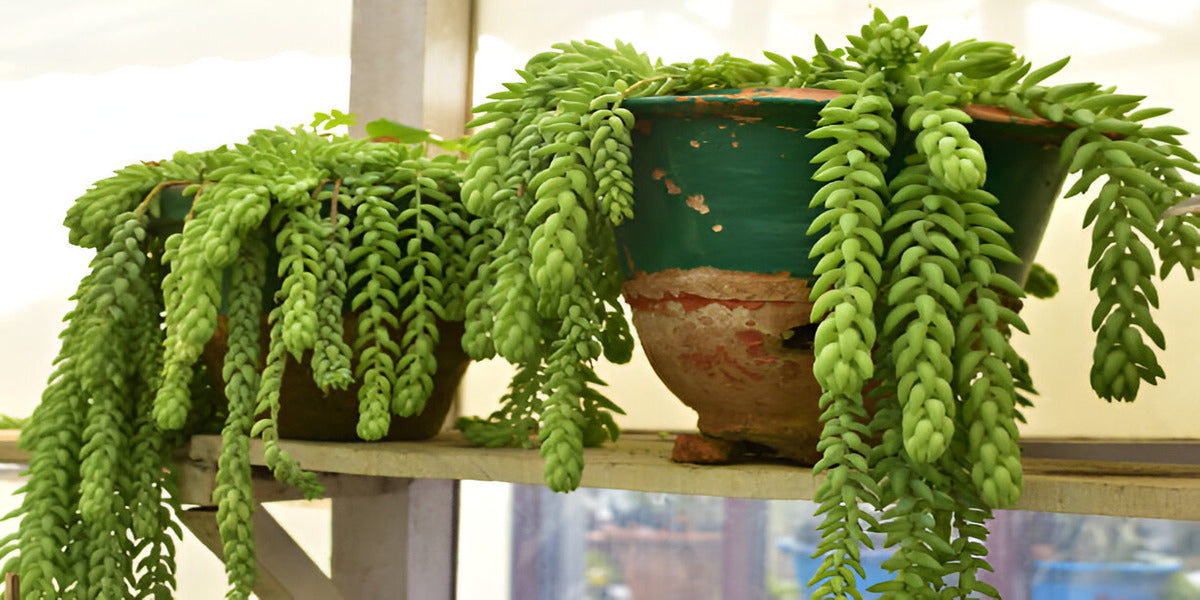
Maintaining proper soil pH and moisture levels is important for healthy succulent growth. Burro’s tail plants grow best in slightly acidic to neutral soil with balanced moisture control. Soil that stays too wet or becomes too compact can damage the roots and slow growth. Proper moisture management and good aeration help the plant absorb nutrients more efficiently while reducing the risk of fungal diseases and root rot.
Ideal Soil pH for Succulent Plants
Burro’s tail plants prefer soil with a balanced pH that supports healthy nutrient absorption and root development.
Recommended Soil pH Range
- Slightly acidic to neutral soil
- pH range between 6.0 and 7.0
- Balanced nutrient availability
- Healthy root activity
Most commercial succulent soils already fall within this ideal range.
How Moisture Affects Root Health
Proper moisture control helps protect the roots from stress and disease. Excess moisture is one of the biggest threats to succulent health.
Effects of Too Much Moisture
- Root rot development
- Fungal growth
- Weak stems and leaves
- Poor oxygen flow to roots
Allowing the soil to dry properly helps maintain healthy roots.
Preventing Soil Compaction Indoors
Compacted soil reduces airflow and slows drainage, making it harder for roots to grow properly. Indoor succulents are especially sensitive to dense soil conditions.
Ways to Prevent Soil Compaction
- Use gritty soil ingredients
- Avoid overwatering
- Loosen old soil carefully
- Repot when soil becomes dense
Healthy soil should remain loose and airy around the roots.
Tips for Maintaining Proper Soil Aeration
Good aeration improves airflow inside the soil and helps roots absorb oxygen more efficiently. Well-aerated soil also dries faster after watering.
Best Soil Aeration Tips
- Add perlite or pumice regularly
- Use pots with drainage holes
- Avoid tightly packed soil
- Use breathable terracotta containers
Proper aeration supports healthier and faster succulent growth.
Best Pots and Drainage Tips for Burro’s Tail
The Burro’s Tail grows best in containers with excellent drainage and breathable soil. Since this trailing succulent is highly sensitive to excess moisture, the right pot and soil setup are essential for healthy roots and long-lasting growth. Proper drainage also helps prevent common issues like root rot, mushy stems, and leaf loss.
Choosing the Best Pot for Burro’s Tail Plant
Selecting the right pot helps control soil moisture and supports healthy root growth indoors. Burro’s tail prefers containers that dry out quickly and provide enough airflow around the roots.
Why Terracotta Pots Work Best
Terracotta pots are one of the best choices for succulents because the porous material absorbs extra moisture from the soil. This helps the soil dry faster after watering and reduces the risk of overwatering.
These pots also improve airflow around the roots, creating a healthier growing environment for indoor succulents.
Importance of Drainage Holes
Drainage holes are extremely important because they allow excess water to escape from the bottom of the pot. Without proper drainage, water collects in the soil and may lead to root rot.
Even the best succulent soil can become dangerous if the container traps too much moisture indoors.
Best Pot Size for Indoor Succulents
Choose a pot that is slightly larger than the root system of the plant. Oversized pots hold extra soil, which stays wet longer and increases the chance of root problems.
Smaller containers usually dry faster and provide better moisture control for indoor succulents.
Hanging Basket Benefits for Trailing Growth
Hanging baskets are ideal for burro’s tail because they beautifully display the plant’s long cascading stems. Elevated containers also reduce accidental touching since the leaves break off easily.
Hanging pots improve airflow around the plant and create an attractive decorative display indoors.
How to Improve Drainage in Burro’s Tail Soil
Fast-draining soil is one of the most important requirements for growing healthy burro’s tail plants. Succulents naturally prefer loose, airy soil that dries quickly after watering.
Adding Perlite and Sand for Better Drainage
Perlite and coarse sand improve soil drainage by creating air pockets that prevent excess moisture buildup. These materials help water flow through the soil more easily.
Mixing perlite into cactus soil also keeps the soil loose and prevents compaction over time.
Why Heavy Garden Soil Should Be Avoided
Heavy garden soil holds too much moisture for indoor succulents. Dense soil may suffocate the roots and create conditions that encourage fungal diseases and root rot.
Burro’s tail grows much better in light, gritty soil designed specifically for cacti and succulents.
Using Pebbles and Gravel Correctly
Pebbles and gravel can help improve surface drainage and keep the plant stable in lightweight pots. Decorative gravel may also reduce excess moisture around the stem base.
However, drainage holes and proper soil are still more important than adding rocks alone.
How to Prevent Waterlogged Soil
Allow the soil to dry completely between watering sessions. Using pots with drainage holes and well-draining succulent soil helps prevent standing water around the roots.
Avoid leaving water sitting in saucers beneath the pot because trapped moisture can quickly damage succulent roots indoors.
Common Soil Problems in Burro’s Tail Plants
The Burro’s Tail depends on healthy, well-draining soil to grow properly indoors. Soil problems can quickly affect the roots, leaves, and overall appearance of the plant. Too much moisture or extremely dry soil may both lead to stress and unhealthy growth.
Understanding the warning signs early helps prevent serious damage and keeps the succulent healthy for a long time.
Signs Your Burro’s Tail Soil Is Too Wet
Overly wet soil is one of the biggest dangers for burro’s tail plants. Succulent roots cannot tolerate standing moisture for long periods because wet soil blocks airflow around the roots.
Yellow or Mushy Leaves
Yellow, soft, or mushy leaves are common signs of excessive moisture. The leaves may lose firmness and begin falling off more easily than normal.
Overwatered plants often appear weak because the roots are struggling to absorb oxygen properly.
Root Rot Warning Signs
Root rot develops when roots stay wet for too long. Rotting roots usually turn dark brown or black and may produce a foul smell in the soil.
If untreated, root rot can spread into the stems and eventually kill the plant.
Mold and Fungus Growth in Soil
White mold or fungal growth on the soil surface often appears when the soil remains damp for long periods. Poor airflow and excessive watering usually make the problem worse.
Improving drainage and reducing watering can help stop fungal growth indoors.
How to Fix Overwatered Succulent Soil
Allow the soil to dry completely before watering again. Replace heavy or soggy soil with fresh cactus or succulent mix if necessary.
Using a terracotta pot with drainage holes can also help excess moisture evaporate more quickly.
Signs Your Burro’s Tail Soil Is Too Dry
Although burro’s tail tolerates dry conditions well, extremely dry soil for long periods can still cause stress and dehydration. Dry soil may prevent the roots from absorbing enough moisture and nutrients.
Wrinkled or Shriveled Leaves
Wrinkled leaves are one of the clearest signs of dehydration. The leaves lose stored moisture and begin looking thin or slightly deflated.
Severely dry plants may also develop brittle stems and slower growth.
Dry and Compacted Soil Problems
Very dry soil can become hard and compacted over time. Compacted soil may repel water instead of absorbing it properly during watering.
This makes it difficult for moisture to reach the roots evenly.
Slow Growth Caused by Dry Soil
A lack of moisture can slow the plant’s natural growth process. New stems and leaves may appear smaller or develop very slowly indoors.
Long-term dryness may also weaken the plant and reduce overall leaf health.
Best Ways to Rehydrate Succulent Soil
Water the soil thoroughly until excess water drains from the bottom of the pot. If the soil is extremely compacted, soaking the pot briefly can help rehydrate the root zone evenly.
After watering, allow the soil to dry completely before watering again.
Repotting Burro’s Tail With Fresh Soil
Repotting helps refresh the soil, improve drainage, and provide more space for healthy root growth. Burro’s tail usually does not need frequent repotting, but replacing old soil occasionally keeps the plant healthier indoors.
When to Repot Burro’s Tail Plant
Repotting is best when the plant outgrows its container or when the soil no longer drains properly. Plants with crowded roots may struggle to absorb water and nutrients efficiently.
Repotting also helps remove unhealthy or compacted soil.
Signs the Plant Is Root Bound
Roots growing through drainage holes or circling tightly inside the pot are common signs of a root-bound plant. The soil may also dry out extremely quickly after watering.
A slightly larger pot usually gives the roots more room to grow comfortably.
Problems Caused by Old Soil
Old succulent soil gradually loses its structure and drainage ability over time. Compacted soil may trap too much moisture and reduce airflow around the roots.
Nutrient levels in old soil also decrease, which may slow healthy growth.
Best Season for Repotting Succulents
Spring and early summer are the best times for repotting because burro’s tail actively grows during warmer months. The plant usually recovers faster from repotting stress during this period.
Avoid repotting during winter dormancy unless absolutely necessary.
How Often to Replace Succulent Soil
Most indoor succulents benefit from fresh soil every two to three years. Replacing the soil regularly improves drainage, airflow, and nutrient availability for healthy long-term growth.
How to Repot Burro’s Tail Without Damaging Leaves

The Burro’s Tail has delicate leaves that fall off easily during repotting. Careful handling and proper preparation help reduce stress and keep the trailing stems healthy. Repotting should be done gently to avoid excessive leaf drop and root damage.
Preparing Fresh Succulent Soil Properly
Use fresh cactus or succulent soil that drains quickly after watering. Mixing perlite, coarse sand, or pumice into the soil improves airflow and prevents excess moisture buildup.
Light and airy soil helps the roots adjust more easily after repotting indoors.
Removing the Plant Carefully From the Pot
Hold the base of the plant gently while loosening the soil around the edges of the pot. Tilting the container sideways often helps slide the plant out more safely.
Avoid pulling directly on the stems because the leaves detach very easily.
Preventing Leaf Drop During Repotting
Handle the stems as little as possible during the process. Moving slowly and supporting the trailing stems carefully helps reduce leaf loss.
Repotting on a soft surface can also protect fallen leaves from damage and allow them to be reused for propagation.
Best Aftercare Tips for Recovery
After repotting, place the plant in bright indirect light and avoid watering immediately. Waiting a few days before watering helps damaged roots heal properly.
Keep the plant in a stable location with good airflow while it adjusts to the new soil and pot.
Frequently Asked Questions About Burro’s Tail Soil
Healthy soil is one of the most important parts of indoor burro’s tail care. Using the wrong soil type can quickly lead to root problems, poor drainage, and weak growth.
Can I Use Regular Potting Soil for Burro’s Tail?
Regular potting soil is usually too heavy for succulents because it retains moisture for long periods. Burro’s tail prefers light, fast-draining soil that dries quickly after watering.
Using the correct soil helps protect the roots from rot and improves healthy growth indoors.
Problems With Heavy Potting Soil
Heavy soil traps water around the roots and reduces airflow. Constant moisture may lead to yellow leaves, mushy stems, and fungal problems.
Dense soil can also compact over time, making it harder for roots to grow properly.
Better Alternatives for Succulents
Cactus soil and succulent mixes are much better choices because they are designed for fast drainage. These mixes usually contain coarse materials that improve airflow and prevent soggy conditions.
Adding perlite or pumice can improve drainage even further.
How to Improve Regular Potting Mix
If regular potting soil is the only option available, mix it with coarse sand, perlite, or small gravel to create a lighter texture.
This helps excess water drain more quickly and reduces the risk of root rot.
Best Indoor Soil Options
Commercial cactus mixes, gritty succulent soil, and homemade sandy blends all work well indoors. The best soil should feel loose, airy, and quick-draining after watering.
Avoid soils that remain wet for long periods.
What Is the Best Soil Mix for Indoor Burro’s Tail Plants?
The best indoor soil mix for burro’s tail combines fast drainage with enough airflow to keep the roots healthy. A proper succulent mix supports strong growth while reducing common watering problems.
Ideal Soil Texture for Indoor Growth
Good succulent soil should feel loose and gritty instead of dense or compact. Water should flow through the soil quickly without remaining soggy.
Air pockets in the soil help the roots stay healthy and prevent moisture buildup.
Best Soil Ingredients for Drainage
Perlite, pumice, coarse sand, and small gravel are excellent ingredients for improving drainage. These materials prevent the soil from becoming overly compacted indoors.
Combining them with cactus soil creates a healthier growing environment for succulents.
Recommended Succulent Soil Brands
Many cactus and succulent soil brands are suitable for burro’s tail plants. Look for mixes specifically labeled for cacti or succulents because they are designed for quick drainage.
Choosing high-quality soil reduces the risk of root problems and overwatering issues.
Common Indoor Soil Mistakes to Avoid
One common mistake is using heavy garden soil indoors. Overwatering and pots without drainage holes can also create unhealthy soil conditions.
Allowing the soil to dry fully between watering sessions is one of the best ways to maintain healthy succulent roots.

- How to Grow Microgreens Without Soil Indoors: Easy Home Method - October 5, 2026
- Microgreens vs. Sprouts: Key Differences, Nutrition, Safety, and Which One to Eat - October 5, 2026
- 10 Best Garden Tools For Weed Removal 2027 - October 3, 2026