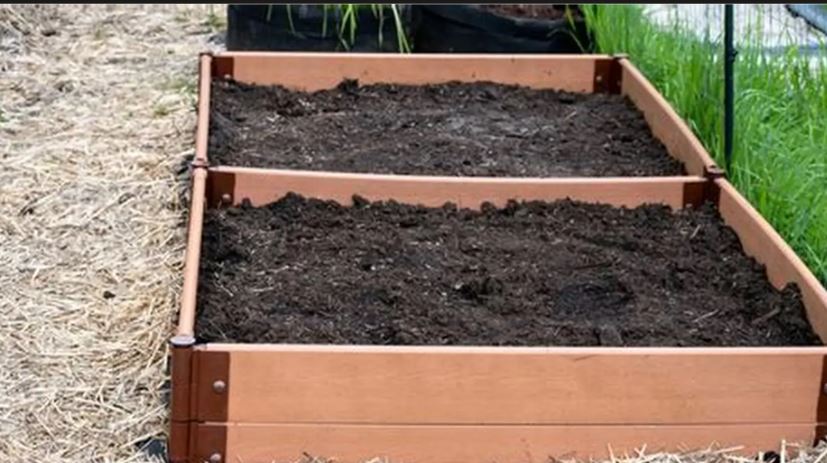
Growing vegetables in raised beds gives gardeners greater control over soil quality, drainage, fertility, and plant health. Unlike traditional in-ground gardens, raised beds allow you to create the perfect growing environment from day one. The secret to success is choosing a high-quality soil that provides nutrients, moisture retention, aeration, and strong root support.
The best raised bed soil for vegetables should contain organic matter, beneficial microbes, proper drainage materials, and enough nutrients to support vigorous growth throughout the season. Whether you’re growing tomatoes, peppers, lettuce, cucumbers, carrots, or herbs, the right soil can significantly improve yields and reduce common gardening problems.
In this guide, we’ll review the five best raised bed soil products and soil amendments for vegetable gardens and explain how to choose the right option for your needs.
1. Espoma Organic Potting Soil Mix – Best Overall Raised Bed Soil for Vegetables
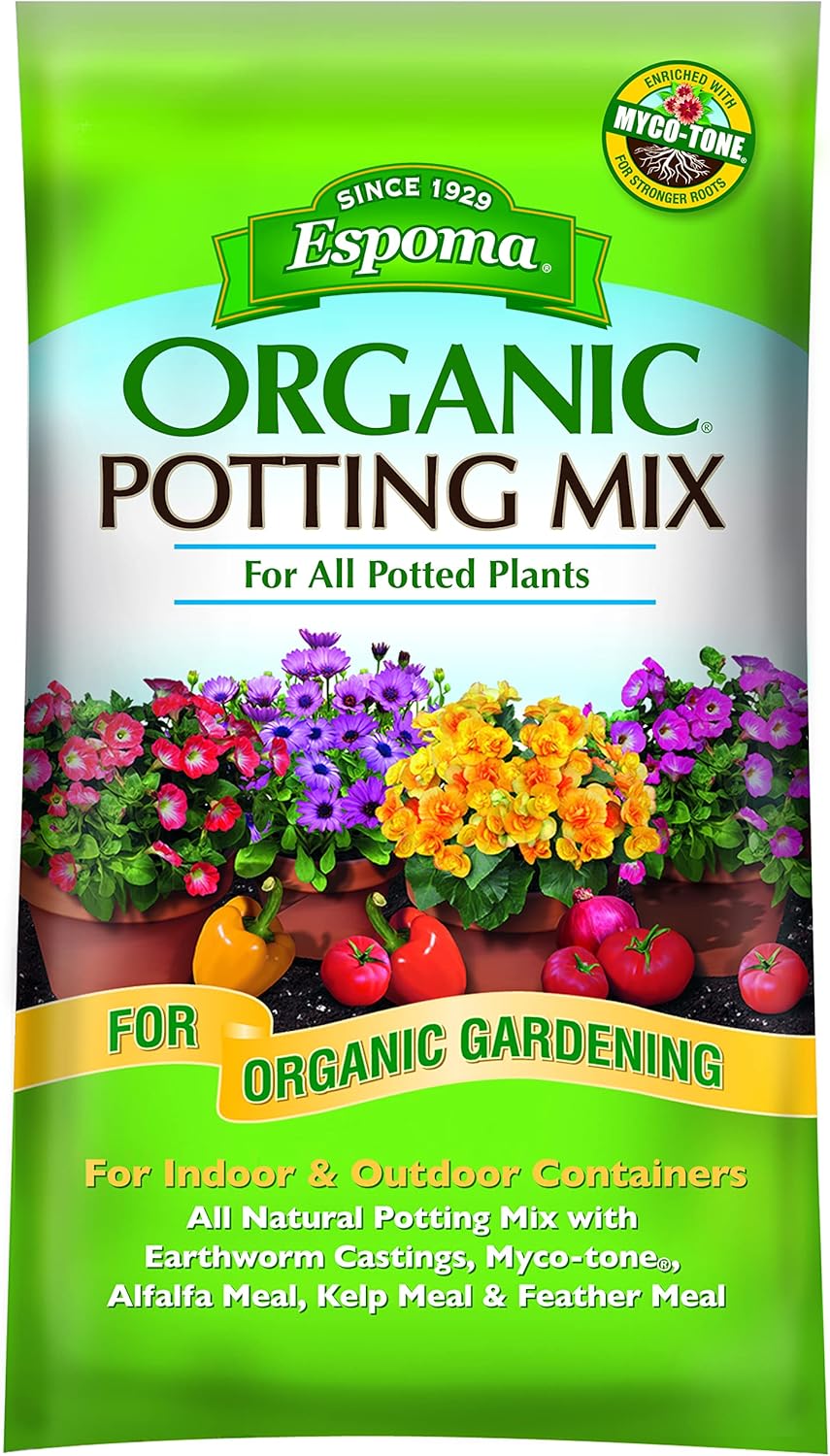
Espoma Organic Potting Soil Mix earns the top spot because it combines high-quality organic ingredients with excellent drainage, moisture retention, and microbial support. While originally designed for containers, many gardeners successfully use it in raised beds because of its balanced composition and nutrient-rich formula.
This soil mix works well for beginners and experienced gardeners alike. It creates an environment where vegetables can establish strong roots and access nutrients efficiently throughout the growing season.
Overview of Espoma Organic Potting Soil Mix
Espoma has been a trusted name in organic gardening for decades. Their potting soil is made using natural ingredients without synthetic fertilizers or harsh chemicals.
The mix is suitable for:
- Raised vegetable beds
- Herb gardens
- Container vegetables
- Flower gardens
- Indoor and outdoor growing
Because it contains both organic matter and beneficial microorganisms, it helps improve soil health while supporting plant growth.
Key Ingredients and Organic Benefits
The strength of Espoma’s formula comes from its carefully selected ingredients.
Sphagnum Peat Moss
Peat moss plays an important role in moisture retention.
Benefits include:
- Holds water efficiently
- Reduces drought stress
- Improves soil texture
- Supports root development
Vegetables grown in raised beds often dry out faster than in-ground gardens, making moisture retention especially important.
Humus and Organic Matter
Humus improves overall soil fertility and structure.
Key benefits include:
- Better nutrient retention
- Improved microbial activity
- Enhanced soil structure
- Increased water-holding capacity
Organic matter also helps create a healthier environment for beneficial soil organisms.
Perlite for Drainage
Perlite is a lightweight volcanic material commonly used in gardening.
Its primary functions include:
- Improving aeration
- Preventing soil compaction
- Enhancing drainage
- Supporting root growth
Good drainage is essential because vegetable roots need oxygen as much as they need water.
Earthworm Castings and Myco-Tone
Espoma enriches this mix with earthworm castings and its proprietary Myco-Tone blend.
Earthworm castings provide:
- Natural nutrients
- Beneficial microbes
- Improved soil fertility
Myco-Tone contains endomycorrhizae and ectomycorrhizae that form partnerships with plant roots.
Benefits include:
- Increased nutrient absorption
- Better drought tolerance
- Faster root establishment
- Stronger overall plant growth
These biological components help vegetables become healthier and more productive.
Performance in Raised Vegetable Beds
Raised bed gardeners often praise Espoma because it offers a balance between moisture retention and drainage.
Many vegetables perform exceptionally well in this mix, including:
- Tomatoes
- Peppers
- Lettuce
- Spinach
- Cucumbers
- Beans
- Basil
- Parsley
The loose texture allows roots to spread easily while retaining enough moisture to support steady growth.
Moisture Retention
One common challenge with raised beds is rapid drying during hot weather.
Espoma helps solve this issue by:
- Retaining water effectively
- Reducing watering frequency
- Supporting consistent plant growth
Vegetables benefit from a more stable moisture supply, especially during fruit production.
Root Development
Healthy roots are the foundation of productive vegetable plants.
The combination of perlite, peat moss, and mycorrhizae helps roots:
- Expand rapidly
- Access nutrients efficiently
- Tolerate environmental stress
- Support larger harvests
Stronger roots often translate into healthier foliage and increased yields.
Nutrient Availability
The organic ingredients gradually release nutrients over time.
This slow-release approach helps:
- Reduce nutrient loss
- Support long-term growth
- Improve plant health
- Encourage beneficial microbial activity
Vegetables receive a steady supply of nutrients rather than experiencing sudden spikes and deficiencies.
Soil Structure Improvement
Good soil structure helps maintain ideal growing conditions.
Espoma improves structure by:
- Preventing compaction
- Increasing pore space
- Enhancing aeration
- Supporting water movement
These characteristics are especially valuable in raised beds where soil performance directly impacts harvest quality.
Pros
- Fully organic formula
- Contains earthworm castings
- Includes beneficial mycorrhizae
- Excellent drainage and aeration
- Suitable for vegetables and herbs
- Improves soil biology
Cons
- Premium price compared to basic soils
- Large raised beds may require multiple bags
Best Vegetables to Grow in Espoma Soil
Espoma Organic Potting Soil Mix is particularly effective for:
- Tomatoes
- Bell peppers
- Chili peppers
- Cucumbers
- Zucchini
- Lettuce
- Kale
- Spinach
- Basil
- Cilantro
Its combination of organic nutrients and biological activity makes it one of the best all-around soil choices for raised vegetable beds.
2. Mother Earth Terracraft Potting Soil – Best Premium Raised Bed Soil
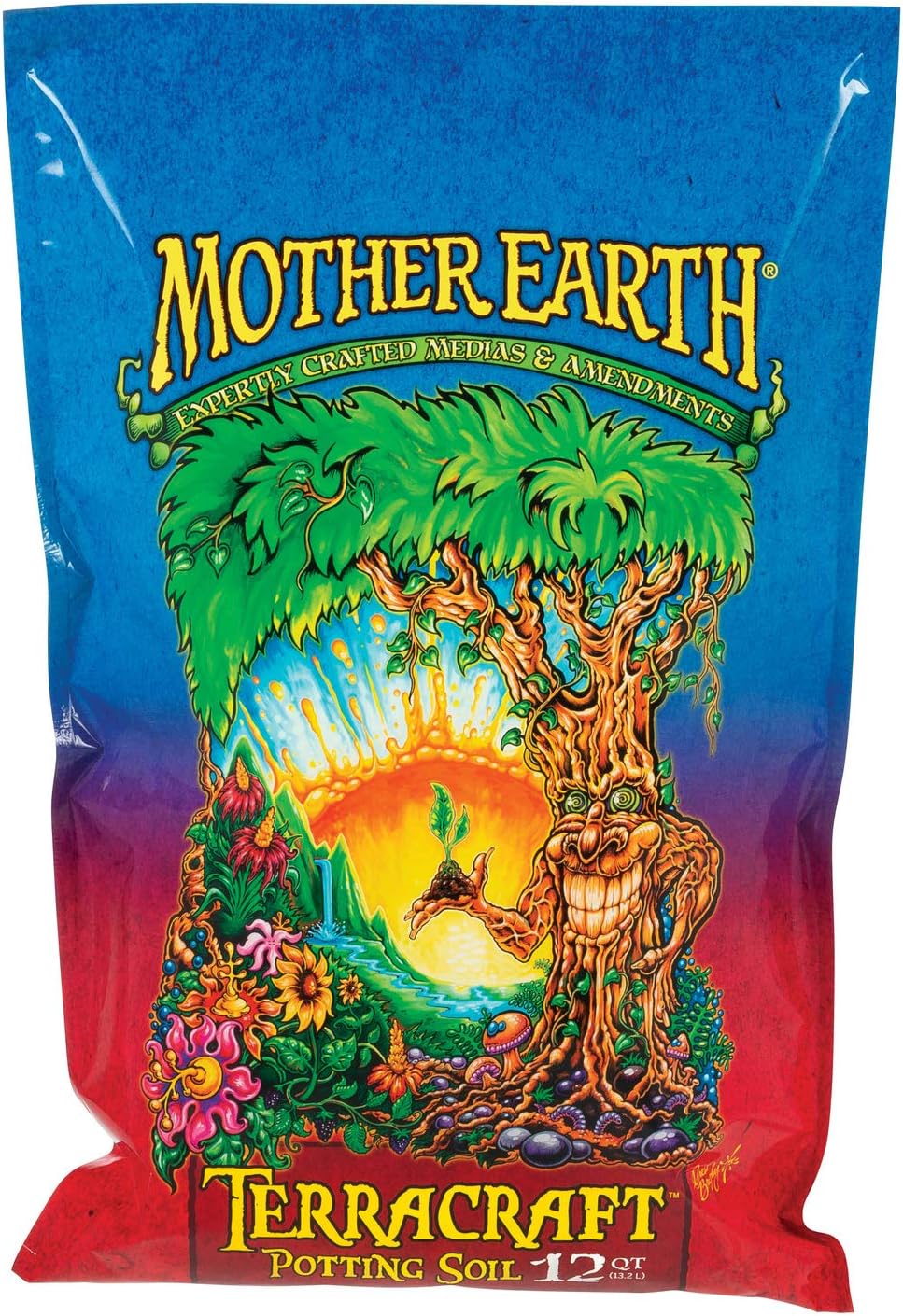
Mother Earth Terracraft Potting Soil is a premium growing medium designed to provide vegetables with excellent drainage, moisture retention, and root support. Its blend of peat moss, perlite, forest products, and earthworm castings creates a fertile environment that works exceptionally well in raised beds.
Many gardeners choose Mother Earth Terracraft when they want a soil that is ready to use straight from the bag while still providing long-term benefits for plant health.
What Makes Mother Earth Terracraft Different?
Unlike many standard garden soils, Mother Earth Terracraft focuses heavily on creating a balanced soil structure.
The mix offers:
- Excellent aeration
- Good water retention
- Strong root support
- Added organic matter
- Starter nutrients for new plants
This combination helps vegetables establish quickly and continue growing vigorously throughout the season.
Key Ingredients Explained
The performance of Mother Earth Terracraft comes from its carefully selected ingredients.
Peat Moss
Peat moss serves as the primary moisture-retention component.
Benefits include:
- Holds water efficiently
- Reduces moisture stress
- Improves soil texture
- Supports healthy roots
Vegetable crops such as tomatoes and peppers benefit greatly from consistent moisture levels.
Perlite
Perlite improves drainage and prevents soil compaction.
Its benefits include:
- Increased oxygen around roots
- Better drainage
- Reduced risk of root rot
- Improved root expansion
Raised beds need proper drainage to prevent excess moisture from damaging roots.
Forest Products
Composted forest products help create a loose and fertile soil structure.
Benefits include:
- Improved organic matter content
- Better nutrient retention
- Enhanced microbial activity
- Long-term soil improvement
These materials slowly break down and continue enriching the soil over time.
Earthworm Castings
Earthworm castings are among the most valuable organic soil amendments.
Benefits include:
- Natural nutrients
- Improved microbial populations
- Better nutrient uptake
- Enhanced plant vigor
Many gardeners consider worm castings one of the best ingredients for vegetable production.
Benefits for Vegetable Gardening
Mother Earth Terracraft provides several advantages that directly improve vegetable growth.
Excellent Aeration
Vegetable roots require oxygen to function properly.
The combination of perlite and organic matter creates air pockets that:
- Improve root respiration
- Encourage healthy growth
- Reduce soil compaction
Healthy Root Growth
Strong roots help vegetables access nutrients and water more effectively.
The loose soil structure supports:
- Rapid root expansion
- Better nutrient absorption
- Improved drought tolerance
Consistent Moisture Levels
Raised beds often dry out faster than traditional gardens.
Mother Earth Terracraft helps by:
- Retaining moisture
- Reducing watering frequency
- Supporting stable growth
Strong Early Plant Establishment
New transplants often experience stress when moved into the garden.
The nutrient charge included in this soil helps seedlings establish quickly and begin growing immediately.
Pros
- Premium-quality ingredients
- Excellent drainage
- Contains earthworm castings
- Suitable for raised beds and containers
- Supports strong root growth
Cons
- Higher cost than basic potting soils
- May require additional compost for long-term fertility
Ideal Vegetables for Mother Earth Terracraft
This soil performs particularly well for:
- Tomatoes
- Peppers
- Cucumbers
- Squash
- Eggplants
- Beans
- Herbs
Gardeners seeking premium soil performance often find Mother Earth Terracraft worth the investment.
3. Coast of Maine Sprout Island Blend – Best Soil for Starting Vegetables

Coast of Maine Sprout Island Blend is specifically formulated for seed germination and young plant development. While it is technically a seed-starting mix, many gardeners use it to establish seedlings that will later be transplanted into raised beds.
Its nutrient-rich organic ingredients help create strong roots and healthy young plants, which often leads to better harvests later in the season.
Overview of Sprout Island Blend
Sprout Island Blend is an OMRI-listed organic mix made from natural ingredients that support early plant growth.
The formula is designed to provide:
- Excellent drainage
- Strong root development
- Healthy seed germination
- Beneficial microbial activity
It is particularly useful for gardeners who start vegetables indoors before transplanting them outdoors.
Premium Ingredients for Seedlings
Several high-quality ingredients make this blend stand out from standard seed-starting mixes.
Compost-Based Formula
The foundation of the mix is fully cured compost.
Benefits include:
- Natural nutrients
- Improved soil biology
- Better moisture retention
- Enhanced root development
Compost also supports beneficial microorganisms that help young plants thrive.
Worm Castings
Worm castings provide gentle nutrition for developing seedlings.
Benefits include:
- Slow-release nutrients
- Improved microbial activity
- Better seedling vigor
- Enhanced root growth
Because the nutrients are mild, seedlings can access them without the risk of fertilizer burn.
Kelp Meal
Kelp is rich in trace minerals and plant growth compounds.
Benefits include:
- Improved root development
- Better stress tolerance
- Enhanced plant vigor
- Increased nutrient availability
Many organic gardeners consider kelp meal one of the most valuable natural soil amendments.
Mycorrhizae Benefits
Mycorrhizae form beneficial relationships with plant roots.
These fungal organisms help:
- Increase nutrient uptake
- Improve water absorption
- Encourage stronger roots
- Support healthier plants
Young seedlings often establish more quickly when mycorrhizae are present.
How It Helps Young Vegetable Plants
Strong seedlings often produce stronger mature plants.
Sprout Island Blend supports:
- Faster germination
- Improved root development
- Better transplant success
- Reduced seedling stress
Vegetables started in healthy growing media often outperform those started in poor-quality soil.
Enhanced Germination Rates
The fine texture of the mix creates excellent seed-to-soil contact.
This helps:
- Improve moisture retention
- Encourage uniform germination
- Support healthy early growth
Better Root Development
Young roots can easily move through the loose structure of the soil.
This promotes:
- Faster establishment
- Improved nutrient uptake
- Stronger future growth
Reduced Transplant Shock
Vegetables often experience stress after transplanting.
The biological activity in Sprout Island Blend helps plants adapt more quickly to new growing conditions.
Pros
- OMRI-listed organic
- Contains compost and worm castings
- Includes beneficial mycorrhizae
- Excellent for seedlings
- Promotes strong roots
Cons
- Not designed to fill entire raised beds
- More expensive than basic seed-starting mixes
Best Uses in Raised Bed Gardening
Coast of Maine Sprout Island Blend works best for:
- Starting tomato seedlings
- Growing peppers from seed
- Germinating cucumbers
- Starting lettuce indoors
- Producing healthy vegetable transplants
Many gardeners combine it with a premium raised bed soil later in the season for maximum results.
4. Osmocote Smart-Release Plant Food – Best Fertility Enhancer for Raised Beds

Even the best soil eventually loses nutrients as vegetables grow and produce harvests. Osmocote Smart-Release Plant Food helps replenish those nutrients through a controlled-release feeding system.
Its 14-14-14 NPK formula delivers balanced nutrition that supports root growth, foliage development, flowering, and fruit production.
Why Fertility Matters in Raised Bed Soil
Vegetables are heavy feeders.
Throughout the growing season, they consume large amounts of:
- Nitrogen
- Phosphorus
- Potassium
- Secondary nutrients
- Trace minerals
Without replenishment, soil fertility gradually declines and harvests become smaller.
Osmocote helps maintain nutrient levels by providing a steady supply of essential plant food over an extended period.
Understanding the 14-14-14 NPK Formula
One of the biggest advantages of Osmocote Smart-Release Plant Food is its balanced 14-14-14 NPK formula.
The three numbers represent:
| Nutrient | Purpose |
|---|---|
| Nitrogen (14) | Supports leafy growth and healthy stems |
| Phosphorus (14) | Encourages root development and flowering |
| Potassium (14) | Improves overall plant health and fruit production |
Because all three nutrients are present in equal amounts, vegetables receive balanced nutrition throughout the growing season.
This makes Osmocote especially useful for raised beds where nutrients can be depleted quickly by heavy-feeding crops.
Benefits of Slow-Release Feeding
Unlike water-soluble fertilizers that provide a quick nutrient boost, Osmocote releases nutrients gradually.
This controlled-release system offers several important benefits.
Continuous Nutrient Supply
Vegetables receive nutrients over an extended period rather than all at once.
Benefits include:
- Consistent plant growth
- Reduced nutrient fluctuations
- Better overall health
- Less maintenance for gardeners
Many growers appreciate not having to fertilize every few weeks.
Strong Root Development
Healthy roots are essential for productive vegetable gardens.
The phosphorus component supports:
- Root expansion
- Improved transplant establishment
- Better nutrient uptake
- Increased drought tolerance
Stronger roots often lead to healthier plants and larger harvests.
Better Vegetable Production
When nutrients are consistently available, vegetables can focus on producing flowers and fruits.
Gardeners often notice improvements in:
- Tomato production
- Pepper yields
- Cucumber growth
- Bean harvests
- Squash production
Balanced nutrition helps plants maintain vigorous growth throughout the season.
Reduced Risk of Fertilizer Burn
One reason Osmocote remains popular is its safety.
The slow-release coating helps prevent:
- Nutrient overload
- Root damage
- Fertilizer burn
- Excessive growth spurts
Even inexperienced gardeners can use it confidently.
Pros
- Balanced 14-14-14 nutrient formula
- Slow-release feeding
- Supports root development
- Easy application
- Long-lasting performance
- Low risk of fertilizer burn
Cons
- Not a complete soil replacement
- Synthetic rather than fully organic
Best Vegetables for Osmocote Supplementation
Osmocote works especially well with nutrient-demanding vegetables such as:
- Tomatoes
- Peppers
- Cucumbers
- Squash
- Melons
- Eggplants
- Corn
It can be mixed into raised bed soil at planting time or applied later during the growing season to maintain fertility.
5. Jobe’s Organics Vegetable Fertilizer – Best Organic Soil Amendment

Jobe’s Organics Vegetable Fertilizer is an excellent companion product for raised bed soil. While it is not a standalone soil mix, it significantly improves soil fertility and supports healthy vegetable production using organic ingredients.
Many organic gardeners choose Jobe’s because it delivers nutrients without synthetic chemicals while helping maintain long-term soil health.
Overview of Jobe’s Organic Formula
Jobe’s Organics is specifically formulated for vegetables and tomatoes.
Key features include:
- OMRI-listed organic ingredients
- Easy-to-apply granules
- Safe nutrient release
- Supports beneficial soil organisms
- Suitable for organic gardening
The fertilizer is designed to work naturally with soil biology rather than relying on synthetic nutrient sources.
Understanding the 2-5-3 NPK Blend
Jobe’s uses a 2-5-3 nutrient ratio.
This formulation focuses on:
- Root development
- Flower production
- Fruit formation
The moderate nutrient levels help reduce the risk of overfertilizing while still supporting productive vegetable growth.
For many home gardeners, this balance provides exactly what vegetable crops need throughout the season.
Organic Benefits for Raised Beds
One of the biggest advantages of Jobe’s Organics Vegetable Fertilizer is that it works with nature rather than against it. The organic ingredients help improve soil health while feeding vegetable plants throughout the growing season.
Improved Soil Biology
Healthy soil contains billions of beneficial organisms.
Jobe’s supports:
- Beneficial bacteria
- Soil fungi
- Earthworms
- Microbial activity
These organisms help break down organic matter and make nutrients available to plants naturally.
Better Flowering and Fruiting
Vegetable plants require adequate phosphorus and potassium to produce flowers and fruits.
Jobe’s helps support:
- More blossoms
- Better fruit set
- Increased harvests
- Improved crop quality
This is especially beneficial for tomatoes, peppers, cucumbers, and squash.
Sustainable Gardening
Organic fertilizers contribute to long-term soil improvement.
Benefits include:
- Reduced chemical exposure
- Better soil structure
- Improved water retention
- Environmentally friendly gardening
Many gardeners choose organic fertilizers because they support both plant health and soil health.
Safe Nutrient Release
Unlike some synthetic fertilizers, organic nutrients become available gradually.
Benefits include:
- Lower risk of fertilizer burn
- More consistent growth
- Improved nutrient efficiency
- Better root development
This slow-release approach is ideal for raised bed vegetable gardens.
Pros
- OMRI-listed for organic gardening
- Improves soil biology
- Easy-to-apply granules
- Supports flowering and fruiting
- Safe for regular use
Cons
- Requires reapplication during the season
- Slower results than synthetic fertilizers
When to Use Jobe’s in Vegetable Gardens
Jobe’s works best when applied:
- Before planting
- During active growth
- Before flowering
- Mid-season for heavy feeders
Regular applications help maintain strong growth and productive harvests.
What Makes the Best Raised Bed Soil for Vegetables?
Not all soils perform equally in raised beds. The best raised bed soil combines fertility, drainage, aeration, and moisture retention in a balanced formula.
Organic Matter Content
Organic matter is the foundation of healthy soil.
Benefits include:
- Improved fertility
- Better water retention
- Enhanced microbial activity
- Healthier root systems
Excellent sources include:
- Compost
- Worm castings
- Aged manure
- Leaf mold
Proper Drainage and Aeration
Vegetable roots require oxygen to survive.
Good raised bed soil should:
- Drain excess water
- Maintain air pockets
- Prevent compaction
- Support root expansion
Ingredients such as perlite and coarse organic matter help improve aeration.
Water Retention Balance
The ideal soil retains moisture without becoming waterlogged.
Important moisture-retaining ingredients include:
- Peat moss
- Coconut coir
- Compost
- Vermiculite
This balance helps vegetables remain healthy during hot weather.
Nutrient Availability
Vegetables consume large amounts of nutrients throughout the growing season.
A quality soil should provide:
- Nitrogen
- Phosphorus
- Potassium
- Calcium
- Magnesium
- Trace minerals
Organic ingredients often release nutrients gradually for sustained growth.
Soil Microbiology and Beneficial Organisms
Healthy soil is alive.
Beneficial organisms help:
- Break down organic matter
- Improve nutrient availability
- Enhance root growth
- Reduce disease pressure
Products containing mycorrhizae and compost often support stronger soil ecosystems.
Best Soil Ingredients for Vegetable Gardens
Understanding soil ingredients helps gardeners choose better products and build custom soil blends.
Compost
Compost is often considered the most important ingredient in vegetable gardening.
Benefits include:
- Nutrient supply
- Improved soil structure
- Better water retention
- Enhanced microbial activity
Most raised beds benefit from annual compost additions.
Peat Moss
Peat moss helps improve moisture retention and soil texture.
Advantages include:
- Consistent moisture
- Lightweight structure
- Improved root environment
It is commonly found in premium potting soils.
Coconut Coir
Coconut coir is a sustainable alternative to peat moss.
Benefits include:
- Excellent water retention
- Improved aeration
- Renewable resource
- Long-lasting structure
Many gardeners use coir in raised bed mixes.
Perlite
Perlite is a lightweight volcanic material that improves drainage.
Benefits include:
- Better aeration
- Reduced compaction
- Improved root growth
- Faster drainage
It is especially useful in heavy soils.
Vermiculite
Vermiculite helps retain both water and nutrients.
Advantages include:
- Increased moisture retention
- Improved seed germination
- Better nutrient holding capacity
It is often used alongside perlite.
Biochar
Biochar is a carbon-rich soil amendment that improves soil health.
Benefits include:
- Enhanced nutrient retention
- Improved microbial activity
- Long-term soil improvement
- Better water management
Many premium soil blends now include biochar.
Earthworm Castings
Earthworm castings are among the most valuable organic soil amendments.
Benefits include:
- Natural nutrients
- Beneficial microbes
- Improved root development
- Enhanced plant vigor
Even small amounts can significantly i
| Product | Best For | Organic | Main Ingredients | Rating |
|---|---|---|---|---|
| Espoma Organic Potting Soil Mix | Best Overall | Yes | Peat Moss, Humus, Perlite, Worm Castings | 4.5/5 |
| Mother Earth Terracraft Potting Soil | Best Premium Choice | Yes | Peat Moss, Perlite, Earthworm Castings | 4.6/5 |
| Coast of Maine Sprout Island Blend | Best for Seedlings | Yes | Compost, Kelp, Worm Castings, Mycorrhizae | 4.5/5 |
| Osmocote Smart-Release Plant Food | Best Fertility Booster | No | 14-14-14 Slow Release Fertilizer | 4.8/5 |
| Jobe’s Organics Vegetable Fertilizer | Best Organic Amendment | Yes | Organic 2-5-3 Formula | 4.6/5 |
mprove soil quality.
How to Build the Perfect Raised Bed Soil Mix
Many gardeners save money and improve results by creating their own raised bed soil.
The 60-30-10 Formula
A simple and effective recipe includes:
| Ingredient | Percentage |
|---|---|
| Topsoil | 60% |
| Compost | 30% |
| Perlite or Other Amendments | 10% |
This blend provides an excellent balance of fertility, drainage, and moisture retention.
Using Compost Correctly
Compost should be thoroughly mixed throughout the bed rather than placed in layers.
Benefits include:
- Even nutrient distribution
- Better root access
- Improved microbial activity
Fresh compost additions each year help maintain productivity.
Adding Perlite for Better Drainage
Perlite improves soil structure by creating air spaces.
Benefits include:
- Reduced compaction
- Improved drainage
- Better oxygen availability
This is especially important for heavy soils.
Improving Soil With Worm Castings
Adding worm castings can boost soil fertility naturally.
They help:
- Improve nutrient availability
- Support beneficial microbes
- Enhance root growth
Many gardeners mix castings into planting holes for extra benefits.
Using Organic Fertilizers Effectively
Organic fertilizers such as Jobe’s can help maintain nutrient levels throughout the growing season.
Apply according to product instructions and supplement with compost as needed for best results.
Best Raised Bed Soil for Different Vegetables
Different vegetables have different soil preferences. Choosing the right soil blend can significantly improve yields.
Tomatoes
Tomatoes thrive in fertile, well-drained soil rich in organic matter.
Recommended soil features:
- High compost content
- Good drainage
- Consistent moisture retention
- Calcium-rich amendments
Best products:
- Espoma Organic Potting Soil Mix
- Mother Earth Terracraft Potting Soil
- Osmocote Smart-Release Plant Food
Peppers
Peppers prefer loose soil that warms quickly and drains well.
Ideal soil characteristics:
- Moderate fertility
- Excellent drainage
- Balanced moisture levels
Best products:
- Espoma Organic Potting Soil Mix
- Jobe’s Organics Vegetable Fertilizer
Cucumbers
Cucumbers are heavy feeders and require moisture-retentive soil.
Recommended features:
- High organic matter
- Good water retention
- Consistent fertility
Best products:
- Mother Earth Terracraft Potting Soil
- Osmocote Smart-Release Plant Food
Lettuce and Leafy Greens
Leafy vegetables need nutrient-rich soil that remains evenly moist.
Best ingredients:
- Compost
- Worm castings
- Organic fertilizers
Best products:
- Espoma Organic Potting Soil Mix
- Coast of Maine Sprout Island Blend
Root Vegetables
Carrots, beets, and radishes prefer loose soil free from large debris.
Ideal characteristics:
- Fine texture
- Excellent drainage
- Deep rooting zone
Best products:
- Mother Earth Terracraft Potting Soil
- Espoma Organic Potting Soil Mix
Herbs
Most herbs prefer slightly leaner soil with excellent drainage.
Recommended products:
- Espoma Organic Potting Soil Mix
- Mother Earth Terracraft Potting Soil
Common Raised Bed Soil Problems and Solutions
Poor Drainage
Symptoms
- Yellow leaves
- Slow growth
- Root rot
Solution
Add:
- Perlite
- Compost
- Coarse organic matter
Avoid overwatering and ensure proper bed drainage.
Soil Compaction
Symptoms
- Hard soil surface
- Stunted growth
- Poor root development
Solution
Mix in:
- Compost
- Perlite
- Worm castings
Avoid walking directly on raised beds.
Nutrient Deficiencies
Symptoms
- Pale leaves
- Weak growth
- Poor harvests
Solution
Apply:
- Osmocote Smart-Release Plant Food
- Jobe’s Organics Fertilizer
- Finished compost
Soil Drying Out Too Quickly
Symptoms
- Wilting plants
- Frequent watering needs
Solution
Add:
- Compost
- Coconut coir
- Mulch
These materials improve water retention.
Weak Seedling Growth
Symptoms
- Slow development
- Thin stems
- Small leaves
Solution
Use:
- Coast of Maine Sprout Island Blend
- Compost-rich soil
- Organic starter fertilizer
How to Maintain Raised Bed Soil Every Year
Healthy raised bed soil becomes more productive when maintained regularly.
Annual Compost Additions
Add 1–2 inches of compost each spring.
Benefits include:
- Replacing lost nutrients
- Improving soil structure
- Supporting soil biology
Seasonal Fertilizing Schedule
| Growth Stage | Recommended Action |
|---|---|
| Planting Time | Add compost and fertilizer |
| Early Growth | Light feeding if needed |
| Flowering Stage | Apply organic fertilizer |
| Fruit Production | Maintain moisture and nutrients |
Mulching Benefits
Mulch helps:
- Reduce water loss
- Prevent weeds
- Moderate soil temperatures
- Improve soil over time
Organic mulches such as straw and shredded leaves work well.
Crop Rotation Strategies
Rotating crops helps:
- Reduce disease buildup
- Prevent nutrient depletion
- Improve long-term soil health
Avoid planting the same vegetable family in the same bed year after year.
Soil Testing Recommendations
Test soil every 1–2 years to monitor:
- pH levels
- Nutrient levels
- Organic matter content
This helps gardeners make informed amendments.
Buying Guide: How to Choose the Best Raised Bed Soil for Vegetables
Organic vs Conventional Soil
Organic Soil
Benefits:
- Improves soil health
- Supports beneficial microbes
- Sustainable gardening
Conventional Soil
Benefits:
- Often less expensive
- Faster nutrient availability
Many vegetable gardeners prefer organic options for long-term soil improvement.
Soil Texture Considerations
Good raised bed soil should feel:
- Loose
- Crumbly
- Well-drained
- Easy to work
Avoid soils that become compacted or muddy.
Drainage Requirements
Vegetables need soil that drains excess water while retaining moisture.
Look for ingredients such as:
- Perlite
- Compost
- Peat moss
- Coconut coir
Moisture Retention Needs
Raised beds dry faster than traditional gardens.
Good soil should retain moisture without becoming soggy.
Bag Size and Coverage
Always calculate how much soil you need before purchasing.
A standard raised bed may require several cubic feet of soil.
Budget Considerations
Premium soils cost more initially but often produce:
- Better harvests
- Healthier plants
- Improved long-term soil quality
Frequently Asked Questions
What is the best raised bed soil for vegetables?
Espoma Organic Potting Soil Mix is the best overall choice because it combines organic matter, drainage, beneficial microbes, and balanced fertility.
Can I use potting soil in raised beds?
Yes. High-quality potting soils such as Espoma and Mother Earth Terracraft work very well in raised beds when combined with compost.
How often should I replace raised bed soil?
Complete replacement is rarely necessary. Most gardeners simply add compost and organic amendments each year.
What is the ideal pH for vegetable gardens?
Most vegetables grow best in soil with a pH between 6.0 and 7.0.
Should I add fertilizer to raised bed soil?
Yes. Heavy-feeding vegetables often benefit from supplemental fertilizers such as Osmocote or Jobe’s Organics.
How deep should raised bed soil be?
Most vegetables grow well in 10–18 inches of soil. Root crops may benefit from deeper beds.
Can I mix compost directly into raised beds?
Absolutely. Compost is one of the best soil amendments for improving fertility and soil structure.
What vegetables grow best in raised beds?
Popular choices include:
- Tomatoes
- Peppers
- Cucumbers
- Lettuce
- Spinach
- Carrots
- Beans
- Herbs
Final Verdict
Best Overall
#1 Espoma Organic Potting Soil Mix
The best balance of organic matter, drainage, moisture retention, and beneficial microbes.
Best Premium Choice
#2 Mother Earth Terracraft Potting Soil
Excellent soil structure and long-term performance for serious gardeners.
Best for Seed Starting
#3 Coast of Maine Sprout Island Blend
Outstanding root development and seedling success.
Best Fertility Booster
#4 Osmocote Smart-Release Plant Food
Provides months of balanced nutrition with minimal maintenance.
Best Organic Amendment
#5 Jobe’s Organics Vegetable Fertilizer
A great option for maintaining fertility in organic vegetable gardens.
Conclusion
Choosing the best raised bed soil for vegetables is one of the most important decisions a gardener can make. High-quality soil provides the foundation for healthy roots, vigorous growth, and abundant harvests.
For most gardeners, Product #1 Espoma Organic Potting Soil Mix offers the best overall performance. Those seeking premium quality should consider Product #2 Mother Earth Terracraft Potting Soil, while gardeners starting vegetables from seed will appreciate Product #3 Coast of Maine Sprout Island Blend.
Combining quality soil with regular compost additions, proper fertilization, and annual maintenance will help your raised beds remain productive for years. With the right soil foundation, vegetables can grow faster, produce larger harvests, and stay healthier throughout the growing season.

- 10 Best Garden Hose For Rv 2026 - October 16, 2026
- 10 Best Garden Hose For Rain Barrel 2026 - October 16, 2026
- 10 Best Garden Hose For Rolling Up 2026 - October 16, 2026