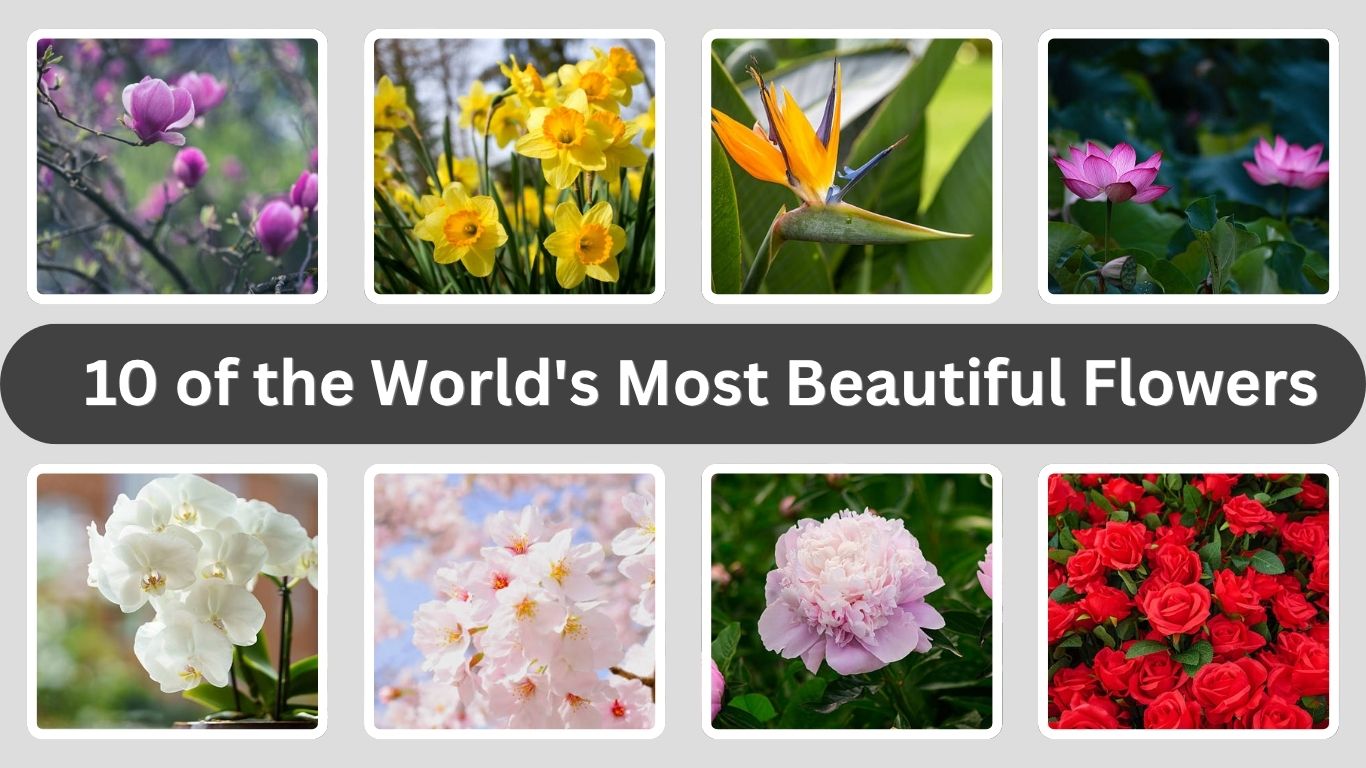
Beauty in flowers is not random. It is the result of millions of years of evolution, centuries of human cultivation, and the specific combination of color, form, and fragrance that triggers something deep in human perception. These 10 flowers represent the peak of that process. Each one stops people in their tracks. Each one has earned its place on this list through sheer visual impact.
1. Rose
At a Glance
The rose needs no introduction, but the numbers behind it tell the real story of its dominance.
- Over 300 wild species and 30,000 cultivated varieties exist worldwide
- Fossil evidence dates roses back 35 million years
- Over 3 billion roses are sold every Valentine’s Day in the United States alone
- Ecuador, Kenya, Colombia, and the Netherlands are the largest commercial producers
- A single Ecuador-grown hybrid tea rose stem can reach 90 centimeters with a bloom over 10 centimeters across
- The most expensive rose ever sold was the Juliet rose, developed by David Austin after 15 years of breeding. It debuted at the Chelsea Flower Show in 2006 and cost approximately £3 million to develop
Why the Rose Stands Alone
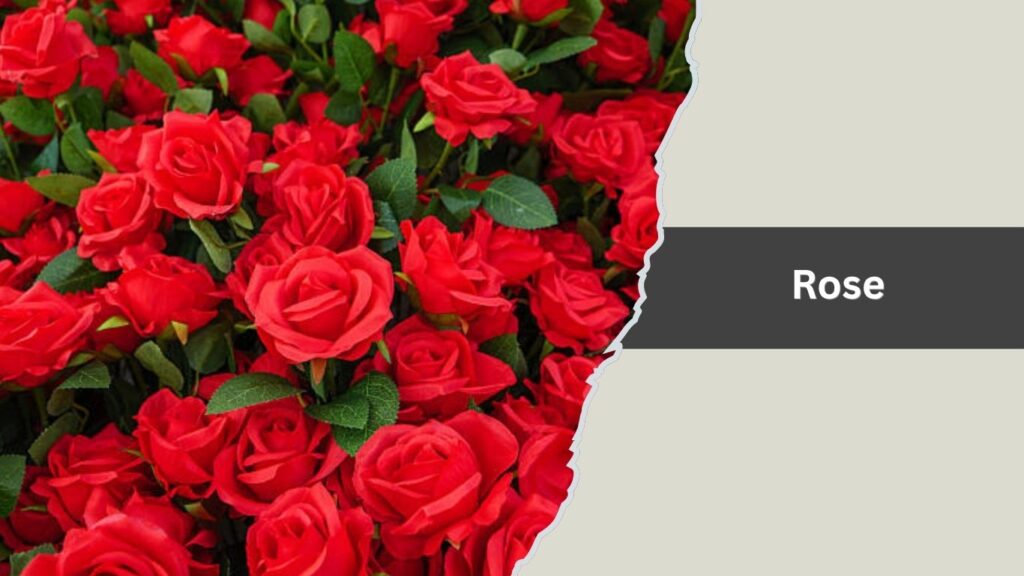
No flower has penetrated human culture as deeply as the rose. It appears in the oldest love poetry ever written. It shaped the political identity of 15th-century England during the Wars of the Roses. It sits at the center of the world’s most valuable perfume industry, with a single kilogram of Bulgarian rose otto oil selling for over £4,000.
The rose’s beauty comes from its spiral structure. The petals of a hybrid tea rose arrange themselves in a mathematically precise Fibonacci sequence, the same pattern found in nautilus shells and galaxy arms. This is not coincidence. It is the most efficient packing structure in nature, and human eyes are wired to recognize and respond to it as beautiful.
The Rose in Full Bloom
What separates the rose from every other flower is its range. It is the only flower that can be formal or wild, simple or complex, romantic or funereal, all while remaining unmistakably itself. A single red hybrid tea rose in a crystal vase communicates something entirely different from a loose garden rose tumbling over a stone wall, yet both are instantly recognized as beautiful by every person who sees them.
The David Austin English rose, developed since the 1960s, brought the full-petaled, quartered blooms of old garden roses together with the repeat-flowering habit and wide color range of modern varieties. The result changed the floral industry permanently. Varieties like Juliet, Miranda, and Keira now define the aesthetic of luxury weddings worldwide, their blush pink petals densely packed into blooms that look more like sculpture than flower.
2. Peony
At a Glance
The peony is the rose’s closest rival for the title of world’s most beautiful flower, and many florists give it the edge for sheer drama.
- Native to China, where it has been cultivated for over 2,000 years
- Called the “king of flowers” in Chinese culture
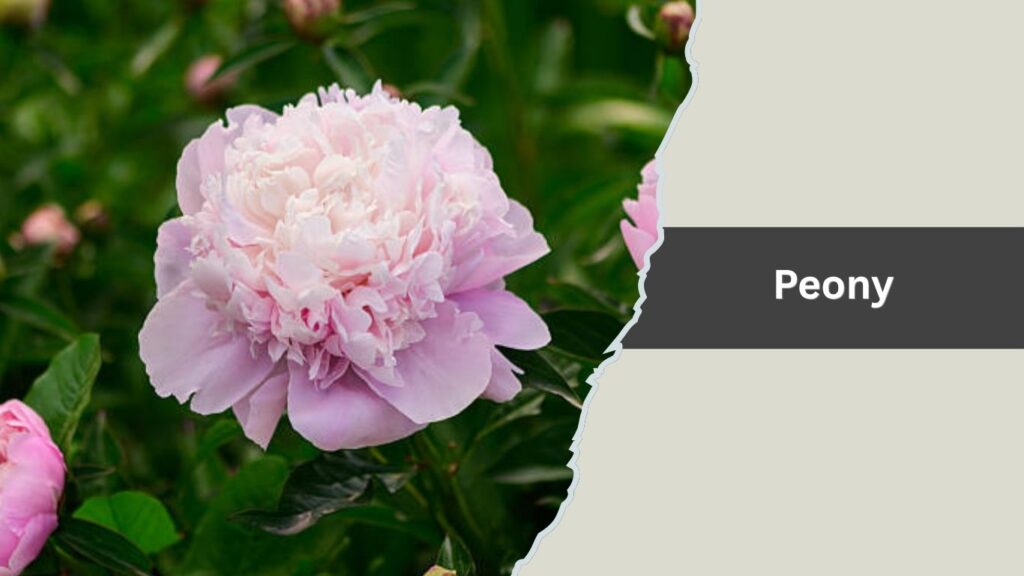
- A single double peony bloom can contain over 100 petals
- Blooming season lasts only 4 to 6 weeks per year, making it one of the most seasonal flowers on this list
- The most sought-after varieties include Coral Charm, Sarah Bernhardt, and Bowl of Beauty
- Peony season runs from May through June in the Northern Hemisphere, with New Zealand supplying the Northern Hemisphere winter market from November through January
The Brief Window of Perfection
The peony’s beauty is inseparable from its scarcity. It blooms for a few weeks each year and disappears. This brevity drives demand to levels that no other flower quite matches. Brides plan wedding dates around peony season. Florists charge premium prices during peak weeks. Gardeners wait eleven months for a single display that lasts less than four weeks.
That display, when it arrives, is extraordinary. A fully opened double peony is the most densely structured bloom in nature. The outer guard petals open first, creating a bowl that holds hundreds of inner petals as they unfurl over several days. The color moves from deep at the outer edges to pale at the center, creating a gradient that catches light differently at every hour of the day.
Coral Charm and the Color that Changed Floristry
No single peony variety has influenced modern floristry more than Coral Charm. Its color, a saturated coral orange that deepens to peach and cream as the flower opens, is unlike anything else in the flower world. It photographs in a way that no other flower does. Interior designers, wedding stylists, and florists consider it one of the most beautiful things nature has ever produced. A single stem of Coral Charm in the right light is enough to make a room.
3. Cherry Blosso
At a Glance
Cherry blossom is not just a flower. It is a cultural event, a philosophical concept, and for the two weeks it blooms each year, the most photographed natural phenomenon on earth.
- The Japanese term for cherry blossom viewing is hanami, a tradition dating back over 1,000 years
- Japan has approximately 600 varieties of cherry blossom tree
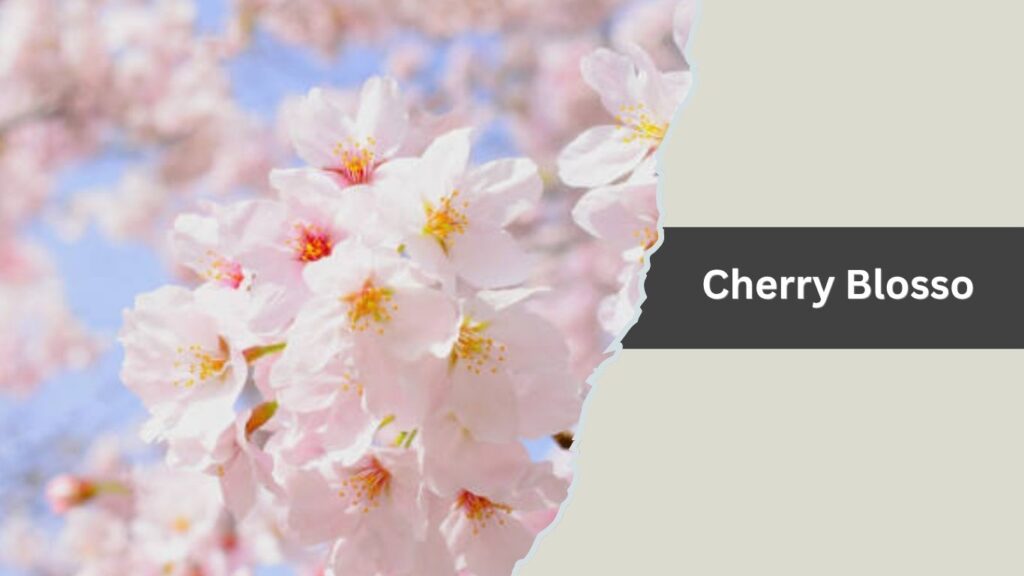
- The most famous variety, Somei Yoshino, produces pale pink to white flowers before its leaves emerge
- Japan’s Meteorological Corporation issues an annual cherry blossom forecast map tracking the bloom front as it moves north from Kyushu to Hokkaido
- Washington DC receives 3,000 cherry blossom trees as a gift from Japan in 1912. The original trees still bloom today.
- A single Somei Yoshino tree produces thousands of individual flowers, creating a cloud-like effect when in full bloom
Mono no Aware and the Beauty of Impermanence
Cherry blossom beauty is philosophically embedded in Japanese culture through the concept of mono no aware, which translates roughly as the pathos of things or the bittersweet awareness of impermanence. Cherry blossoms bloom for approximately two weeks. A single rainfall or strong wind can strip every petal from a tree within hours. This fragility is not a flaw. It is the entire point.
Japanese aesthetics place enormous value on things that are beautiful precisely because they do not last. The cherry blossom is the supreme expression of this idea. Millions of Japanese people gather under blossoming trees each spring not simply to look at flowers, but to consciously experience the passage of time and the value of the present moment. No other flower in the world carries this level of philosophical weight.
The Visual Impact of Mass Bloom
What makes cherry blossom visually extraordinary is scale. Individual cherry blossoms are small and simple, five pale pink petals around a cluster of stamens. The beauty lies in the multiplication of this simple form across thousands of branches on a single tree, and across thousands of trees lining river banks, parks, and castle grounds. The effect from a distance is of pink and white clouds settled on bare branches. The effect from underneath, looking up through layers of blossom against a blue spring sky, is one of the most overwhelming natural visual experiences available anywhere on earth.
4. Orchi
At a Glance
With over 28,000 species, orchids represent roughly 10 percent of all flowering plant species on earth. Yet despite this abundance, the orchid maintains an aura of rarity and refinement that no other flower family matches.
- Orchids are found on every continent except Antarctica
- The vanilla bean comes from Vanilla planifolia, an orchid native to Mexico
- The most expensive orchid ever sold was a Shenzhen Nongke orchid, which took scientists 8 years to cultivate and sold at auction in 2005 for approximately £160,000
- Some orchid species mimic female insects so precisely that male insects attempt to mate with them, achieving pollination in the process
- Phalaenopsis (moth orchid) blooms last 2 to 4 months on a single spike
- There are more registered orchid hybrids than any other flowering plant genus
The Engineering of Orchid Beauty
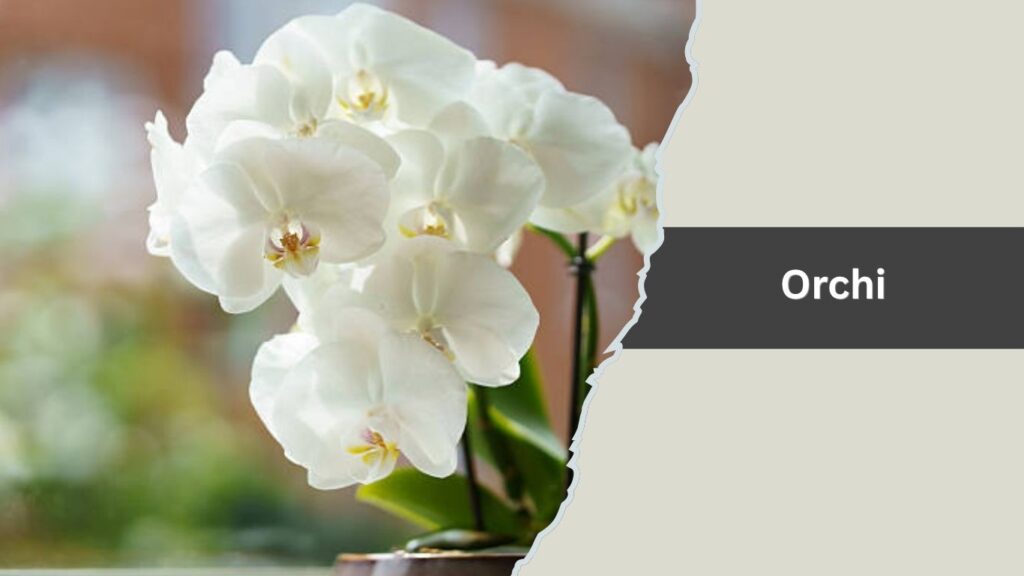
Orchid flowers are architecturally precise in a way that other flowers are not. Each bloom is bilaterally symmetrical, meaning one half mirrors the other exactly. The lip, the enlarged lower petal called the labellum, acts as a landing platform for specific pollinators and is often dramatically different in color, shape, and texture from the other petals. This creates a flower that looks designed rather than grown.
The range of form across orchid species is staggering. Dracula simia, the monkey face orchid of Ecuador, has a center that resembles a monkey’s face with unsettling precision. Ophrys apifera, the bee orchid of Europe, mimics a female bee so accurately that male bees attempt to mate with it. Bulbophyllum rothschildianum, native to India, produces drooping red and white striped petals up to 30 centimeters long. No other plant family produces this level of visual diversity.
The Phalaenopsis Standard
In florist shops and domestic spaces worldwide, the Phalaenopsis moth orchid has become the standard against which all houseplant flowers are measured. Its arching sprays of large, flat blooms in white, pink, purple, and yellow represent the most accessible form of orchid beauty. A well-grown Phalaenopsis in full bloom, its roots visible through a clear pot and its flowers arranged precisely along curving stems, is considered by many interior designers to be the single most elegant living object available for a domestic space. Nothing else at a similar price point comes close to matching its combination of longevity, simplicity, and visual refinement.
5. Lotus
At a Glance
The lotus grows in conditions that would destroy most plants and produces what many consider the most spiritually significant bloom in the world.
- The sacred lotus, Nelumbo nucifera, is the national flower of both India and Vietnam
- Lotus seeds found in dry lake beds have germinated successfully after over 1,000 years of dormancy
- The lotus effect, the property of the leaf surface that causes water droplets to roll off carrying dirt with them, has been replicated in waterproof fabrics and self-cleaning surfaces used in modern engineering
- A fully open lotus bloom can measure up to 30 centimeters across
- The lotus blooms for only three days. On the first day petals open pink. On the second they are fully white. On the third they fall.
- Every part of the lotus plant is edible. Roots, seeds, leaves, and flowers are all used in Asian cuisine
Three Days of Perfect Existence
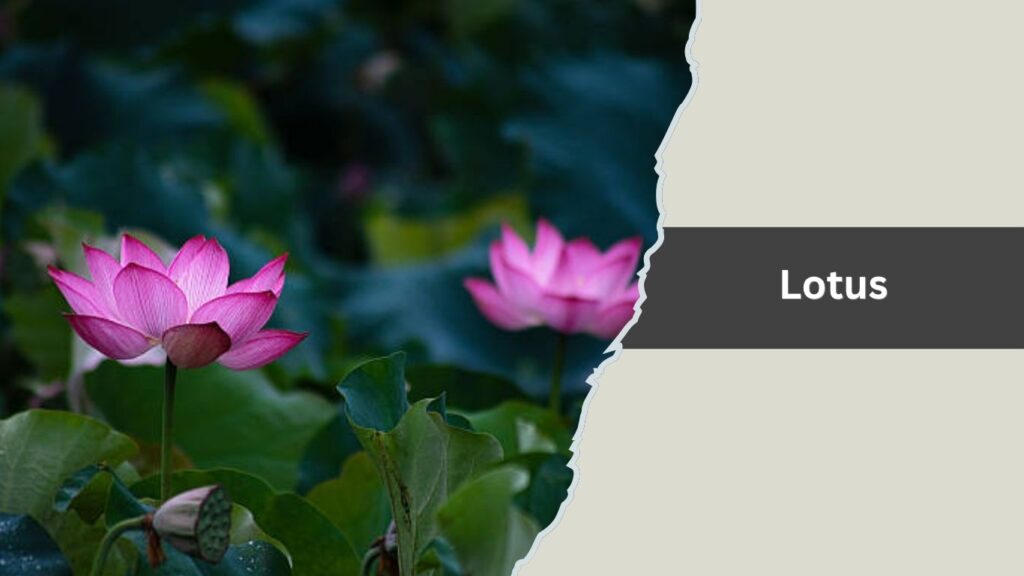
The lotus three-day life cycle is central to its symbolism and its beauty. Each morning the flower opens from a tight bud to a full bloom, closing again each evening. On the third day it opens for the last time and the petals fall. This precise cycle, observed in the same plant rooted in mud at the bottom of a pond, rising through murky water to produce a flower that remains completely clean throughout its short existence, is what made the lotus the supreme symbol of spiritual perfection across Buddhism, Hinduism, and ancient Egyptian religion simultaneously and independently.
The visual impact of a lotus in full bloom is best understood in person, in a pond surrounded by the plant’s enormous circular leaves. The flower rises on a stem that can exceed 150 centimeters, placing the bloom well above the water surface and above the leaves. The pale pink petals, darker at the tips and paling toward the base, surround a flat-topped receptacle that will become the distinctive seed pod. The overall effect is of something that has no business existing in the environment it grows in. Which is precisely the point.
The Lotus in Modern Design
The lotus has moved beyond its spiritual origins to become one of the most widely referenced forms in architecture and design. The Lotus Temple in New Delhi, completed in 1986, is built in the form of an opening lotus bloom and uses 27 white marble petals arranged in groups of three. It is considered one of the most beautiful buildings constructed in the 20th century and receives more visitors annually than the Taj Mahal. The lotus form appears in the capitals of ancient Egyptian columns, in Thai Buddhist architecture, in Chinese decorative arts, and in contemporary jewelry design. No other flower has contributed its physical form to so many fields of human creativity.
6. Bird of Paradise
At a Glance
Bird of paradise does not look like something that grew in a garden. It looks like something an industrial designer created to demonstrate what a flower could theoretically look like if optimized purely for visual impact.
- Native to South Africa, introduced to Europe by botanist Sir Joseph Banks in 1773
- Named Strelitzia reginae after Queen Charlotte of Mecklenburg-Strelitz
- Individual flowers open sequentially from the spathe, meaning a single stem produces new blooms over several weeks
- Vase life reaches 2 to 3 weeks, one of the longest of any cut flower
- The giant white bird of paradise, Strelitzia nicolai, grows up to 10 meters tall
- Los Angeles adopted the bird of paradise as its official city flower in 1952
Structure as Beauty
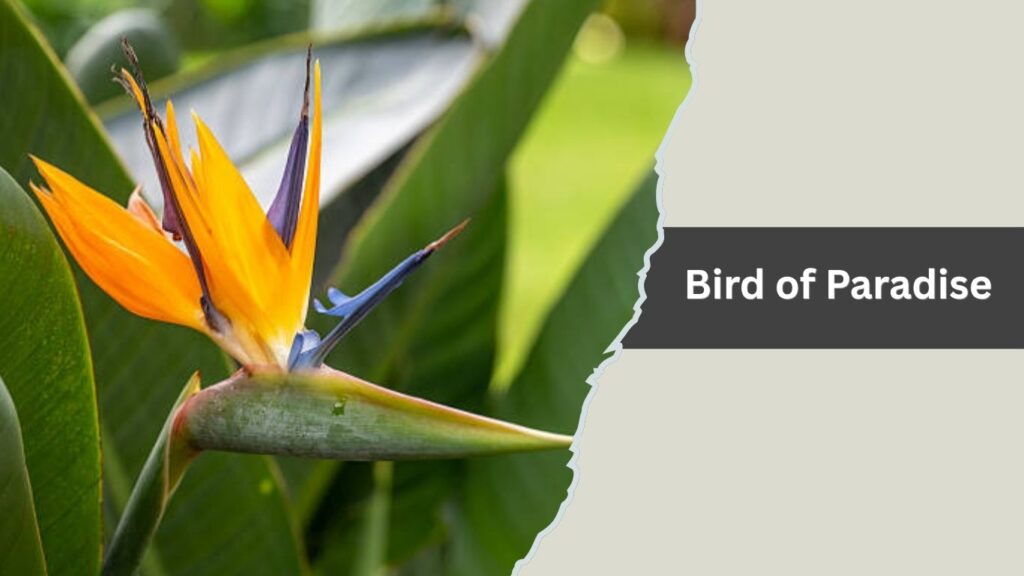
Most flowers are beautiful because of their color, their fragrance, or their form in isolation. Bird of paradise is beautiful because of its structure in space. The horizontal green spathe acts as a rigid platform from which the orange sepals and vivid blue petals emerge at a precise angle. The whole assembly is held on a stem that can reach 150 centimeters. The result is a flower that occupies three-dimensional space in a way that other flowers do not. It has presence.
Interior designers and architects prize bird of paradise for this reason. A single stem in a tall, narrow vase transforms a space. It does not blend into an arrangement. It anchors one. The contrast between the rigid, almost architectural form of the spathe and the vivid color of the emerging petals is a combination that the human eye finds impossible to ignore. It is the most structurally dramatic flower on this list.
The Tropical Aesthetic
Bird of paradise became the defining flower of mid-century California design. Its appearance as the Los Angeles city flower was not coincidental. The combination of orange and vivid blue, the clean lines, and the tropical exuberance matched the aesthetic of California modernism precisely. It appeared in architecture, in textiles, in wallpaper, and in the gardens of every modernist home designed in the postwar decades. Today it anchors the tropical maximalist interior design trend that dominated the 2010s and continues to influence contemporary home design. No other flower is so closely identified with a specific design movement and place.
7. Dahlia
At a Glance
The dahlia produces more variety in form and color than any other flower on this list. From a compact pompom the size of a golf ball to a dinner plate bloom over 30 centimeters across, the dahlia’s range is extraordinary.
- Native to Mexico, where Aztecs cultivated it as a food source before European contact
- Mexico declared the dahlia its national flower in 1963
- Over 57,000 registered cultivars exist worldwide across 42 species
- The dinner plate dahlia Cafe au Lait, a blush and cream variety, became the most searched flower on Pinterest in 2017 and has dominated the wedding flower market since
- Dahlias bloom from midsummer until the first hard frost, one of the longest seasons of any garden flower
- The American Dahlia Society maintains a classification system with 20 distinct flower forms
The Geometry of the Dahlia
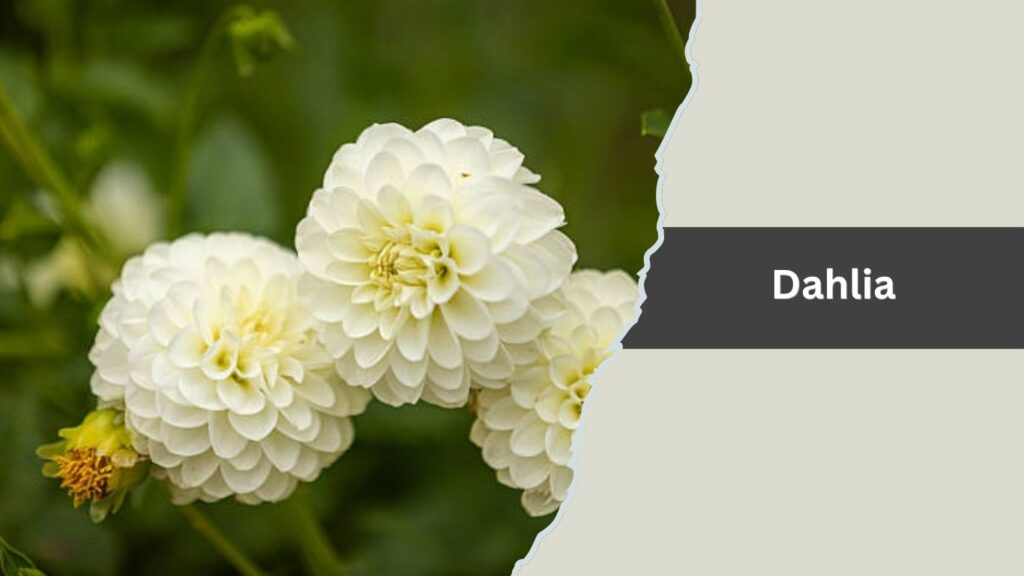
The dahlia’s beauty is mathematical. The petals of a cactus dahlia spiral outward from the center in precise Fibonacci sequences. The perfectly spherical ball dahlia achieves its form through hundreds of identical florets arranged in a globe with no visible center. The dinner plate dahlia produces petals of diminishing size from the outer edge to the center in concentric rings, creating a visual depth that makes the flower appear to recede into itself. Looking directly into the center of a large dahlia in full bloom is one of the most hypnotic experiences the flower world offers.
The color range adds another dimension to this mathematical beauty. Dahlias produce colors that other flowers cannot. Deep burgundy that borders on black. Orange so saturated it appears to glow. The bi-color varieties split petals precisely between two contrasting colors with a clean line at the center. Cafe au Lait, the variety that changed wedding floristry, produces a color that does not match anything else in nature, a mix of blush, cream, peach, and coffee that shifts with the light throughout the day.
Why Dahlias Dominate Modern Weddings
The wedding floristry industry of the past decade has been defined by the dahlia more than any other flower. The reasons are practical as well as aesthetic. Dahlias come in more colors than roses. They produce larger individual blooms than peonies. They last a reasonable time in a vase. They photograph exceptionally well. And they are available in a form to suit every style, from the clean, modern ball dahlia to the wild, spiky cactus dahlia to the romantic, ruffled double dahlia. A florist who knows dahlias well can create any look a client requests using only dahlias. No other flower offers this versatility.
8. Wisteria
At a Glance
Wisteria produces one of the most dramatic flowering displays in the plant world for a window of approximately two to four weeks each spring, and then disappears entirely until the following year.
- Native to China, Japan, Korea, and the eastern United States
- Japanese wisteria, Wisteria floribunda, produces flower racemes up to 1.5 meters long
- The oldest known wisteria in the world grows in Sierra Madre, California. Planted in 1894, it covers approximately 4,000 square meters and produces over 1.5 million blooms annually.
- The Ashikaga Flower Park in Japan contains a wisteria tree estimated to be over 150 years old whose canopy covers an area of 1,990 square meters
- Wisteria can exert enough force to crack masonry and pull guttering from buildings
- Grafted plants flower within three to five years. Seed-grown plants can take twenty years.
The Architecture of Abundance
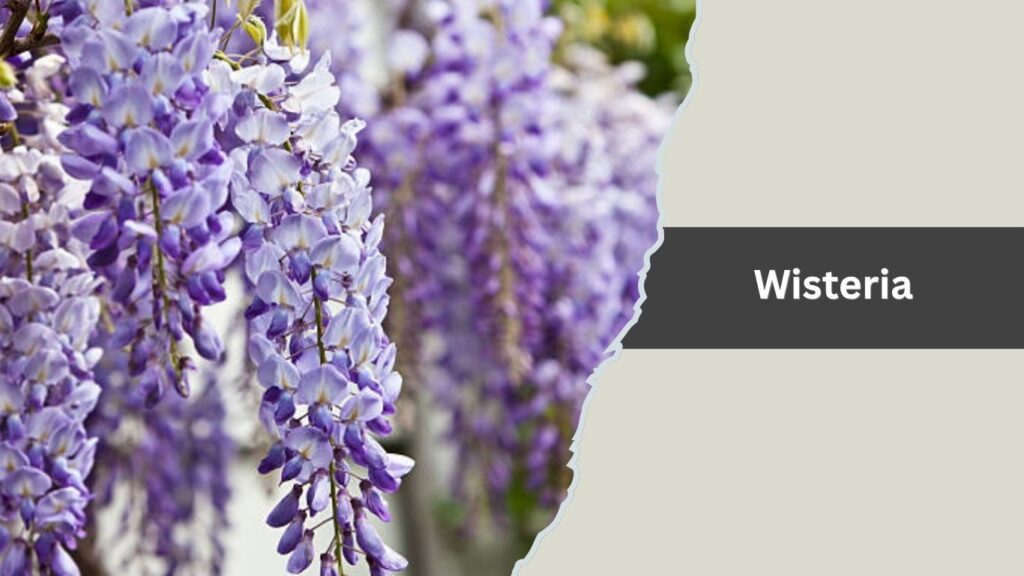
Wisteria beauty operates at a scale that few other flowers match. A single mature wisteria covering the facade of a building produces tens of thousands of flower racemes simultaneously. Each raceme contains dozens of individual flowers. The visual effect of this multiplication is overwhelming in the literal sense. The brain struggles to process the quantity and complexity of what it is seeing. This is why photographs of wisteria in full bloom, whether covering a Japanese tunnel, draping over a stone bridge, or flowing from the eaves of a Cotswold cottage, consistently produce the strongest emotional responses of any flower photography.
The fragrance adds another layer. Wisteria produces a sweet, grape-like scent that is powerful enough to carry across an entire garden and strong enough to enter a building through open windows. The combination of visual abundance and pervasive fragrance creates a sensory experience that no single-stem flower arrangement can replicate.
Two Weeks That Define a Garden
For gardeners who grow wisteria, everything else is preparation for those two weeks. The plant spends the other fifty weeks of the year as a tangle of woody stems. Then, before the leaves emerge, the bare stems erupt simultaneously in cascading racemes of lavender blue. The contrast between the hard, leafless wood and the soft, hanging flowers is part of the beauty. It looks impossible. A dead plant flowering. An act of pure biological extravagance with no apparent purpose beyond the spectacular.
The Japanese understand this perfectly. The practice of viewing wisteria in bloom, fuji-mi, carries the same cultural weight as cherry blossom viewing. Families plan spring visits to famous wisteria gardens years in advance. Photographs of the Ashikaga Flower Park’s ancient purple wisteria tree, illuminated at night and reflected in still water, circulate globally every spring and rank among the most widely shared natural beauty images on the internet.
9. Magnolia
At a Glance
Magnolias are among the oldest flowering plants on earth. They existed before bees evolved, which is why their blooms are large, tough, and designed to be pollinated by beetles rather than insects.
- Magnolia fossil records date back 95 million years, to the Cretaceous period
- There are approximately 300 species within the Magnolia genus
- The southern magnolia, Magnolia grandiflora, is the state flower of both Mississippi and Louisiana
- Magnolia × soulangeana, the saucer magnolia, was developed in France in the 1820s and remains the most widely planted magnolia worldwide
- Individual blooms on large tree magnolias can reach 30 centimeters across
- Magnolias are dioecious, meaning individual trees produce either male or female flowers but not both
Ancient Beauty
The magnolia’s age shapes how it looks. Because it evolved before bees existed, it had no need to develop the nectar guides, narrow tubes, or landing platforms that bee-pollinated flowers require. Instead it developed large, simple, structurally robust blooms that beetles could crawl across without damaging. This means the magnolia flower is, by evolutionary standards, a prototype. The simplest possible version of what a flower can be. And it is this simplicity, this absence of the complexity that later-evolved flowers developed, that gives the magnolia its particular beauty.
A magnolia bloom in full sun is a study in pure form. The tepals (magnolias technically have tepals rather than distinct petals and sepals) are broad, smooth, and slightly waxy, catching light differently as the day progresses. The center is a tight spiral of stamens and pistils. There is nothing unnecessary. Nothing added for effect. The beauty comes entirely from proportion and light.
The Magnolia in Bloom
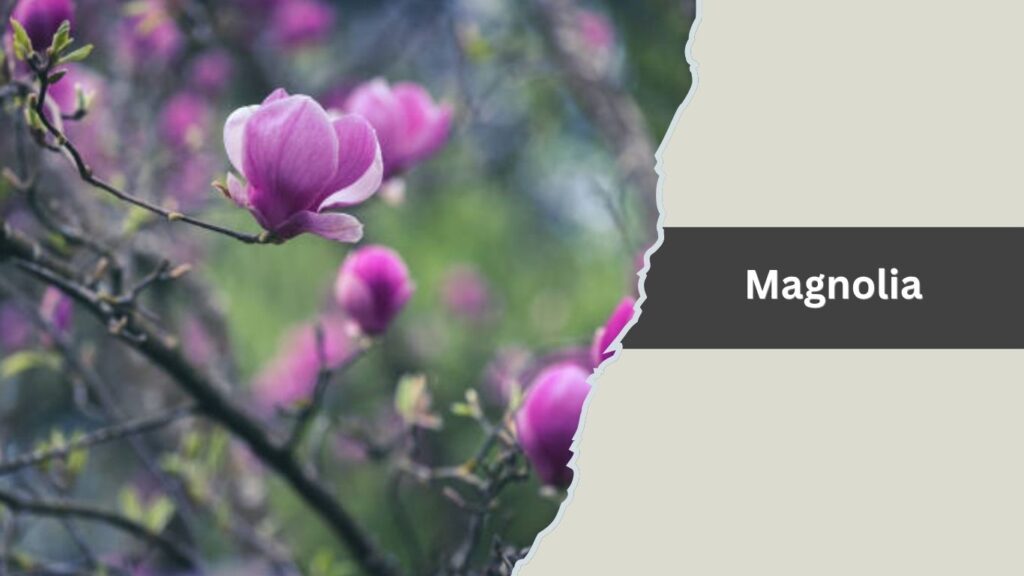
What makes the magnolia visually extraordinary is the context of its blooming. Like cherry blossom and wisteria, the most widely grown magnolias produce their flowers before or during the emergence of leaves. The blooms appear directly on bare, dark branches. In the case of Magnolia stellata, the star magnolia, dozens of narrow white petals radiate from the bare wood like starbursts, creating a display of impossible delicacy from a plant that looks completely dead in winter.
The saucer magnolia, with its large pink and white goblet-shaped blooms on leafless branches, produces one of the most photographed spring displays in any temperate garden. A large specimen in full bloom against a clear blue sky is a sight that stops pedestrians in the street. No other spring-flowering tree produces blooms of this size on bare wood. The combination of scale, simplicity, and the contrast with the bare structure of the tree makes it one of the most compelling flowering events in the Northern Hemisphere spring.
10. Lily of the Valley
At a Glance
Lily of the valley is the smallest flower on this list by a significant margin. A single bell measures less than a centimeter across. Yet it has appeared in more royal wedding bouquets than any other flower and commands prices that reflect its status as one of the most desired blooms in the world.
- Scientific name Convallaria majalis, meaning “of the valley” and “of May”
- National flower of Finland
- Used in the bridal bouquets of Princess Diana, Kate Middleton, Princess Grace of Monaco, and Queen Victoria
- In France, it is given as a gift on May 1st every year, a tradition begun by King Charles IX in 1561
- Lily of the valley is almost impossible to cultivate commercially at scale, keeping supply perpetually below demand
- Every part of the plant is extremely toxic, containing cardiac glycosides that affect heart function
Small Scale, Absolute Perfection
The beauty of lily of the valley operates on a different principle from every other flower on this list. Where bird of paradise commands attention through scale and drama, where wisteria overwhelms through abundance, lily of the valley achieves its effect through the perfection of the miniature. Each tiny bell is identical to every other tiny bell on the same stem. The spacing between bells is mathematically even. The curve of the arching stem places each flower at precisely the right angle to display its form. The whole assembly, six to twelve perfect white bells on a single graceful stem framed by broad green leaves, is a composition that looks arranged rather than grown.
This quality of seeming precision is what makes lily of the valley the most requested bridal flower among those who know flowers well. Roses are beautiful. Peonies are dramatic. But lily of the valley is perfect. Every element is in exactly the right place. No petal is too large or too small. No stem too straight or too curved. It is the jeweler’s flower, the one that rewards close examination more than any other.
The Scent That Perfumers Cannot Replicate
The fragrance of lily of the valley is considered by perfumers to be one of the most beautiful scents in nature and one of the most technically challenging to work with. The aromatic compounds responsible for the scent, primarily bourgeonal and related aldehydes, cannot be extracted from the plant in commercially viable quantities. The flowers produce too little material per bloom for conventional extraction. Every major lily of the valley perfume, including the iconic Dior Diorissimo created in 1956, uses synthetic reconstruction of the scent rather than any plant-derived material.
This impossibility adds to the flower’s mystique. You cannot bottle it in any pure sense. You can only approximate it. The real thing, smelled from a fresh stem in May, remains unreproduced. This is the final element of lily of the valley’s beauty. It is fully present only in its moment. Like the cherry blossom, like the wisteria in its two-week window, it belongs entirely to the season that produces it and cannot be held beyond its time.
Final Word
These 10 flowers are beautiful for different reasons. The rose through mathematical precision. The cherry blossom through impermanence. The lotus through the impossible contrast of its origins and its perfection. The lily of the valley through a scale of miniature detail that rewards the closest attention.
Beauty in flowers is not a single thing. It is structure, color, fragrance, context, cultural history, and the particular quality of light on a particular petal at a particular moment. These 10 flowers represent ten different answers to the same question. All of them are correct.

- 10 Best Garden Hose For Farm 2026 - October 15, 2026
- 10 Best Garden Hose For Filling Pool 2026 - October 15, 2026
- 10 Best Garden Hose For Flexibility 2026 - October 15, 2026