The Crassula ovata, commonly known as the jade plant, is one of the most popular and easy-to-grow succulent houseplants in the world. Native to South Africa and Mozambique, this evergreen succulent is widely appreciated for its thick, glossy green leaves, woody stems, and natural tree-like shape that makes it look like a miniature bonsai.
Often called the “money plant” or “lucky plant,” Crassula ovata is associated with prosperity, good fortune, and positive energy in Feng Shui traditions. Because of its symbolic meaning and low-maintenance nature, it is commonly grown in homes, offices, and gardens across the globe.
One of the main reasons gardeners love jade plants is their ability to store water in their leaves and stems, making them highly drought-tolerant and perfect for beginners. With the right balance of sunlight, well-draining soil, and minimal watering, Crassula ovata can thrive for decades and even be passed down as a living heirloom plant.
In this guide, you will learn everything about Crassula ovata, including its plant structure, varieties, watering needs, soil requirements, propagation methods, and common care problems. Whether you are a beginner or an experienced plant lover, this complete guide will help you grow a healthy and beautiful jade plant successfully.
Botanical Description of Crassula Ovata
The Crassula ovata, commonly known as the Jade Plant, is a long-living succulent shrub native to South Africa. It is widely grown as an ornamental plant due to its thick water-storing leaves, woody stems, and tree-like growth habit. Over time, it develops a miniature tree appearance, making it popular for bonsai styling and indoor decoration.
Leaf Shape, Color, and Texture
The leaves of Crassula ovata are thick, oval-shaped, and fleshy, designed to store water efficiently. They are typically glossy green, though some varieties may show red edges or variegation under strong sunlight. The texture is smooth but firm, giving the plant a healthy, succulent appearance.
Stem Structure and Tree-Like Growth Habit
The stems are thick and woody, especially in older plants. As the plant matures, the lower stems harden and resemble a tree trunk, while upper branches remain flexible and leafy. This natural transformation gives the jade plant its iconic miniature tree form.
Size and Growth Rate
Crassula ovata is a slow to moderate-growing plant. Indoors, it typically reaches 3–6 feet in height, while outdoor specimens in warm climates can grow larger. Its growth rate depends heavily on light, temperature, and care conditions.
Lifespan and Longevity
This plant is extremely long-lived and can survive for several decades with proper care. Some jade plants are known to live for over 50–100 years, making them heirloom plants passed through generations.
Types of Crassula Ovata Varieties
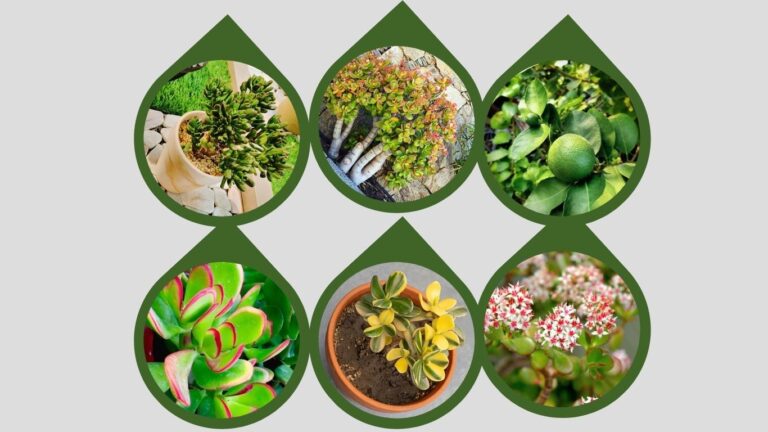
Crassula ovata has many cultivated varieties that differ in leaf shape, color, and growth habit. These variations make the species highly diverse and popular among succulent collectors.
Classic Green Jade Plant
The Classic Green Jade is the most common form, featuring smooth, oval green leaves and a sturdy tree-like structure. It is highly resilient and ideal for beginners.
Variegated Crassula Ovata
This variety has green leaves with cream, yellow, or pink variegation. It is more decorative and often requires brighter light to maintain its colorful patterns.
Hobbit and Gollum Jade
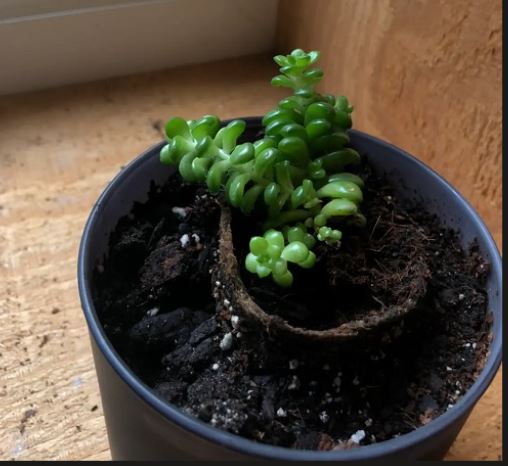
These are unusual cultivars with tubular, finger-like leaves. The Hobbit Jade has curled leaves, while the Gollum Jade has more elongated, trumpet-like structures.
Dwarf Crassula Ovata Types
Dwarf varieties remain compact and smaller in size, making them ideal for bonsai, indoor pots, and small spaces. They maintain the same jade characteristics but grow at a slower rate.
Light Requirements for Crassula Ovata
Crassula ovata requires proper lighting to maintain healthy growth, compact shape, and vibrant leaf color. Light levels directly affect leaf thickness, stem strength, and even coloration in variegated types.
Best Indoor Lighting Conditions
Indoors, jade plants grow best near bright windows that receive plenty of indirect sunlight. A south or east-facing window is ideal. Insufficient light can lead to weak, stretched growth.
Outdoor Sunlight Needs
Outdoors, jade plants thrive in full sun to partial shade. Morning sunlight is especially beneficial, while intense afternoon heat should be monitored in very hot climates to prevent leaf scorch.
Signs of Too Much or Too Little Light
Too much light can cause leaf scorching, reddening, or shriveling, while too little light leads to leggy growth, pale leaves, and weak stems. A healthy jade plant maintains compact growth with firm, well-colored leaves.
Watering Crassula Ovata Properly
Proper watering is one of the most important factors in keeping Crassula ovata healthy. As a succulent, it stores water in its leaves and stems, so it prefers dry soil conditions rather than frequent watering. Overwatering is the most common reason jade plants fail, so understanding timing and signs is essential.
How Often to Water Jade Plants
Jade plants should only be watered when the soil is completely dry. This usually means every 2–3 weeks in warm seasons and even less frequently in cooler months. Instead of following a strict schedule, it is better to check soil dryness before watering.
Overwatering vs Underwatering Symptoms
Overwatered jade plants show yellowing leaves, soft or mushy stems, and leaf drop. Underwatered plants develop wrinkled, shriveled leaves and a slightly drooping appearance. Healthy jade leaves remain firm and plump.
Seasonal Watering Schedule (Summer & Winter)
In summer, jade plants may need more frequent watering due to higher evaporation, usually every 10–20 days depending on conditions. In winter, growth slows down, so watering should be reduced significantly, sometimes once a month or less.
Soil and Potting Mix for Crassula Ovata
The right soil is essential for preventing root rot and supporting healthy growth. Jade plants need a loose, fast-draining medium that allows water to pass quickly while still providing enough nutrients for slow, steady growth.
Best Well-Draining Soil Composition
A good soil mix includes cactus or succulent soil combined with materials like perlite, pumice, or coarse sand. This improves drainage and prevents moisture from staying around the roots for too long.
DIY Succulent Soil Recipe
A simple homemade mix can be made using 2 parts potting soil, 1 part coarse sand, and 1 part perlite or pumice. This combination creates the airy structure jade plants need for strong root development.
Choosing the Right Pot With Drainage
Always use pots with drainage holes to prevent water buildup. Terracotta pots are especially good because they allow excess moisture to evaporate quickly, keeping the roots dry and healthy.
Temperature and Climate Requirements
Crassula ovata prefers warm, dry climates and does best in stable indoor environments or mild outdoor conditions. It is not frost-tolerant, so temperature control is important for long-term health.
Ideal Temperature Range
The ideal temperature range for jade plants is between 18°C and 26°C. They can tolerate slightly higher temperatures if kept dry but may struggle in prolonged heat without proper airflow.
Frost and Cold Protection
Jade plants are sensitive to frost and can suffer damage when temperatures drop below 5°C. In cold climates, they should be moved indoors or protected from freezing conditions to prevent leaf and stem damage.
Indoor vs Outdoor Growing Conditions
Indoors, jade plants thrive in bright, indirect light with stable temperatures. Outdoors, they grow best in warm, sunny locations with well-draining soil. In cooler regions, they are best kept as indoor or seasonal patio plants.
Fertilizing Crassula Ovata
Fertilizing Crassula ovata helps support steady growth, strong stems, and healthy leaf development. Since jade plants are slow-growing succulents, they do not require heavy feeding. Light, occasional fertilization during active growth is enough to keep the plant healthy without overstimulating it.
Best Fertilizers for Jade Plants
- Balanced liquid fertilizer (low nitrogen, e.g., 10-10-10 or 5-10-10)
- Diluted cactus or succulent fertilizer
- Organic options like worm castings (light use)
- Slow-release fertilizer pellets (used sparingly)
- Weak liquid feed is preferred over strong doses
Feeding Schedule During Growing Season
Fertilize jade plants only during spring and summer when growth is active. Feeding once every 4–6 weeks is usually enough. Avoid fertilizing in autumn and winter, as the plant enters a slower growth phase and does not need extra nutrients.
Mistakes to Avoid While Fertilizing
Avoid over-fertilizing, as it can cause weak, stretched growth and salt buildup in the soil. Never apply fertilizer to dry soil, and always dilute liquid fertilizers to half strength or less. Do not fertilize during dormancy periods.
Propagation of Crassula Ovata
Crassula ovata is one of the easiest succulents to propagate, making it very popular among gardeners. New plants can be grown from leaves or stem cuttings, and they usually root quickly under warm, dry conditions.
Leaf Cutting Method
Leaf propagation involves gently removing a healthy leaf and allowing it to dry for a few days until a callus forms. The leaf is then placed on top of dry succulent soil. With time, small roots and baby plants begin to grow from the base of the leaf.
Stem Cutting Method
Stem cuttings are the most reliable method. A healthy branch is cut and left to dry for 1–3 days. Once callused, it is planted in dry soil. Roots develop faster from stems than leaves, making this method more successful.
Rooting in Soil vs Water
Jade plants root best directly in soil rather than water. Soil propagation reduces the risk of rot and produces stronger roots adapted to dry conditions. Water propagation is possible but less reliable for succulents.
Common Propagation Problems
Common issues include rot from planting cuttings too early, overwatering during rooting, and insufficient light. Cuttings may also fail if not properly callused before planting.
Pruning and Shaping Jade Plants
Pruning is essential for maintaining the shape, health, and structure of Crassula ovata. Regular trimming helps control size, encourages branching, and can even transform the plant into a bonsai-style miniature tree.
How to Shape a Jade Bonsai
To shape a jade bonsai, selective pruning is used to guide growth into a tree-like structure. Cutting back long branches encourages side shoots, while careful trimming helps create a balanced canopy and thick trunk appearance over time.
Removing Dead or Weak Branches
Dead, damaged, or weak branches should be removed regularly to improve airflow and prevent disease. Clean cuts also help the plant redirect energy toward healthy growth.
Encouraging Bushy Growth
To encourage a fuller appearance, trim the tips of stems. This stimulates branching from nodes below the cut, resulting in a denser and more compact plant.
Common Problems in Crassula Ovata
Although jade plants are hardy, they can still face issues caused by improper care, pests, or environmental stress. Early identification and correction are key to keeping the plant healthy.
Yellow Leaves and Leaf Drop
Yellowing leaves are often caused by overwatering, poor drainage, or sudden temperature changes. Leaf drop may also occur when the plant is stressed or relocated frequently.
Root Rot Causes and Treatment
Root rot is usually caused by excess moisture and poor drainage. Affected plants may show soft stems and foul-smelling roots. Treatment involves removing damaged roots, letting the plant dry, and repotting in fresh dry soil.
Pests Affecting Jade Plants
Common pests include mealybugs, scale insects, and spider mites. These pests suck plant sap and weaken growth. They can be treated using neem oil or insecticidal soap.
Leggy Growth Fix
Leggy growth occurs due to insufficient light. The plant stretches toward light sources, resulting in weak stems. Fixing this involves moving the plant to brighter light and pruning elongated branches to encourage compact growth.
| Category | Key Points |
|---|---|
| Watering | Water only when soil is completely dry; avoid overwatering |
| Soil | Fast-draining cactus/succulent mix with sand or perlite |
| Light | Bright indirect light; some morning sun is ideal |
| Fertilizing | Light feed in spring/summer every 4–6 weeks |
| Propagation | Stem cuttings are most reliable; leaf cuttings also work |
| Pruning | Trim to encourage bushy growth and bonsai shape |
| Common Problems | Overwatering, root rot, yellow leaves, pests, leggy growth |
Crassula Ovata Flowers
The jade plant is mainly grown for its attractive fleshy leaves and tree-like structure, but mature plants can also produce small seasonal flowers under the right conditions. Although flowering is not very common indoors, it is a rewarding sight when it happens.
What Jade Flowers Look Like
Jade plant flowers are small, star-shaped, and grow in clusters at the ends of branches. They are usually white or light pink and appear delicate against the thick green leaves, adding a soft contrast to the plant’s bold structure.
When Jade Plants Bloom
Jade plants typically bloom in late fall or winter. Flowering is more likely in mature plants that are several years old and have experienced cooler nighttime temperatures along with shorter daylight hours.
How to Encourage Flowering
To increase the chance of blooming, the plant should receive plenty of bright light during the growing season and slightly cooler conditions in winter. Reducing watering during colder months and allowing the plant to mature naturally also encourages flowering.
Symbolism and Benefits of Crassula Ovata
The jade plant is not only valued for its appearance but also for its symbolic meaning and practical benefits in indoor spaces.
Feng Shui and Money Plant Meaning
In Feng Shui traditions, the jade plant is believed to attract wealth, prosperity, and positive energy. It is often placed near entrances, offices, or living rooms to symbolize financial growth and good fortune.
Air Purification Benefits
Jade plants contribute to improving indoor air quality by absorbing carbon dioxide and releasing oxygen. While not a major air-purifying plant, they still help create a fresher and healthier indoor environment.
Indoor Decorative Value
With its thick trunk and glossy green leaves, the jade plant resembles a miniature tree, making it a popular choice for home and office decoration. It fits well in modern interiors, tabletops, and bonsai-style arrangements.
FAQs About Crassula Ovata Jade Plant
Is Crassula Ovata Easy to Grow?
Yes, it is one of the easiest succulents to grow, requiring minimal care, little watering, and basic sunlight.
How Fast Does Jade Plant Grow?
Jade plants grow slowly to moderately depending on light, soil, and care conditions. They take several years to reach full size.
Can Jade Plant Grow Indoors?
Yes, jade plants grow very well indoors as long as they receive bright indirect sunlight and are planted in well-draining soil.
Is It Toxic to Pets?
Yes, jade plants can be toxic to cats and dogs if eaten, potentially causing vomiting or digestive upset, so they should be kept out of reach.
Conclusion
The jade plant is a long-living, low-maintenance succulent that adds beauty, structure, and symbolic value to any space. Its thick leaves, strong woody stems, and ability to thrive with minimal care make it a favorite among plant lovers worldwide.
Why Crassula Ovata Is a Perfect Houseplant
It is ideal for beginners because it is hardy, drought-tolerant, and adaptable to indoor environments. With proper care, it can live for many years and grow into a beautiful indoor tree-like plant.
Final Care Tips for Long Life and Healthy Growth
For best results, place the plant in bright light, use well-draining soil, avoid overwatering, and prune occasionally to maintain shape. With these simple steps, it will stay healthy and attractive for decades.

- How to Grow a Peach Tree from Seed Without Cold Stratification: My Personal Masterclass - August 14, 2026
- Can You Grow a Peach Tree From a Pit in Water? - August 14, 2026
- How to Grow a Peach Tree from a Pit: A Step-by-Step Guide from Seed to Harvest - August 14, 2026