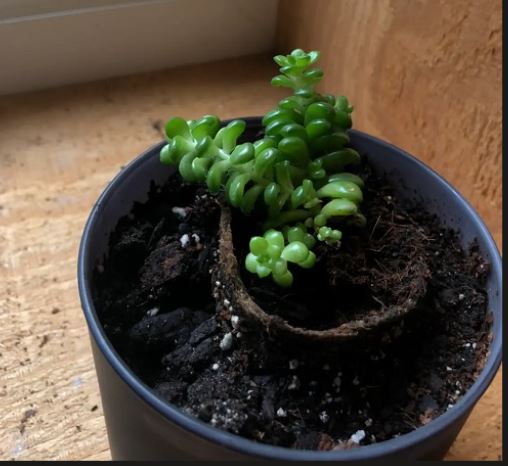
The Donkey Tail Plant, also known as Burro’s Tail, is a beautiful trailing succulent admired for its long cascading stems and plump blue-green leaves. This low-maintenance houseplant is perfect for beginners because it thrives with minimal care when grown in the right conditions. Native to Mexico and Honduras, donkey tail plants prefer bright indirect light, well-draining soil, and occasional watering. Their delicate leaves create a stunning waterfall effect in hanging baskets, shelves, and indoor gardens. Although the plant is easy to grow, overwatering and rough handling can quickly damage it. Learning the proper watering schedule, sunlight needs, and propagation methods will help your succulent stay healthy and vibrant for years. With the right care routine, donkey tail plants can become one of the most eye-catching additions to any indoor or outdoor plant collection.
Quick Care Overview
| Care Factor | Best Practice |
|---|---|
| Light | Bright indirect light or gentle morning sun |
| Water | Water only when soil is fully dry |
| Soil | Fast-draining cactus or succulent mix |
| Temperature | 65–80°F (18–27°C) |
| Humidity | Low humidity preferred |
| Fertilizer | Light feeding during spring and summer |
| Toxicity | Mildly toxic to pets if eaten |
How to Care for a Donkey Tail Plant
The Donkey Tail Plant is a beautiful trailing succulent known for its long stems covered with plump, bead-like leaves. It is popular as a hanging plant because of its cascading appearance and low-maintenance nature. Although it is fairly easy to grow, proper care is important to keep the leaves healthy, full, and vibrant green.
This succulent thrives when it receives the right balance of sunlight, water, temperature, and soil conditions. Because its leaves are delicate and fall off easily, gentle handling and a stable environment help the plant stay attractive for years. Below are the most important care tips to help your donkey tail plant grow successfully indoors or outdoors.
1. Give Bright Light

Light plays a major role in the healthy growth of a donkey tail plant. Like most succulents, it loves bright conditions and grows best when placed near a sunny window. Adequate light helps the stems remain compact and prevents the plant from becoming stretched or weak.
Morning sunlight is ideal because it is gentle and less likely to damage the leaves. However, strong afternoon sunlight can sometimes scorch the plant, especially during hot summer months. Rotating the pot every few weeks also helps all sides of the plant receive equal light, promoting balanced growth.
Best Indoor Placement
- East-facing windows
- Bright south-facing rooms with filtered light
2. Water Carefully
Watering correctly is one of the most important parts of donkey tail plant care. Overwatering is the most common reason these plants struggle because their roots are highly sensitive to excess moisture. Too much water can quickly lead to root rot and falling leaves.
The plant stores water inside its thick leaves, which allows it to survive dry conditions for long periods. For this reason, it is always better to underwater slightly rather than keep the soil constantly wet. Allowing the soil to dry fully between watering keeps the roots healthy and prevents fungal problems.
Watering Tips
- Check the soil before watering
- Water deeply, then let excess water drain out
- Wait until the soil becomes completely dry before watering again
Seasonal Watering
| Season | Watering Frequency |
|---|---|
| Spring/Summer | Every 2–3 weeks |
| Fall/Winter | Every 3–5 weeks |
3. Use Well-Draining Soil

The donkey tail plant requires fast-draining soil to grow properly. Since succulents naturally grow in dry environments, they do not tolerate soggy or compact soil. Poor drainage traps moisture around the roots, increasing the risk of root rot.
Using the right soil mix allows air to circulate around the roots while helping excess water escape quickly. A loose and gritty growing medium keeps the plant healthy and supports stronger root development. Choosing the correct pot is equally important because drainage holes prevent water from collecting at the bottom.
Ideal Soil Mix
- Cactus mix
- Succulent potting soil
- Add perlite or sand for extra drainage
Best Pot Choice
- Terracotta pots
- Pots with drainage holes
4. Maintain Warm Temperatures
Donkey tail plants prefer warm temperatures and stable conditions throughout the year. They grow best in temperatures between 65–80°F (18–27°C), making them excellent indoor plants for most homes. Cold weather and sudden temperature changes can stress the plant and damage the leaves.
It is important to keep the plant away from frost, cold drafts, and air conditioners during winter. If grown outdoors, the plant performs best in warm climates where temperatures remain mild. Providing indirect sunlight outdoors helps protect the leaves from heat damage while still encouraging healthy growth.
Outdoor Growing
The plant grows well outdoors in warm climates with indirect sun.
5. Fertilize Lightly
Although donkey tail plants do not require heavy feeding, light fertilization can encourage faster and healthier growth during the active growing season. Too much fertilizer may harm the roots or cause weak growth, so feeding should always be done carefully.
A diluted succulent fertilizer works best because it provides nutrients gently without overwhelming the plant. Fertilizing once a month during spring and summer is usually enough to support healthy stems and fuller foliage. During winter, the plant becomes dormant and does not need additional feeding.
Fertilizing Tips
- Feed once a month during spring and summer
- Use diluted succulent fertilizer
- Avoid fertilizing in winter
Common Donkey Tail Plant Problems
The Donkey Tail Plant is generally easy to care for, but it can still develop problems when growing conditions are not ideal. Most issues are related to watering mistakes, rough handling, or sudden environmental changes. Learning to recognize these common signs early can help you fix the problem before the plant becomes severely damaged.
Because this succulent has delicate leaves and moisture-sensitive roots, even small care mistakes may affect its appearance. Below are the most common donkey tail plant problems along with their causes and simple solutions.
Leaves Falling Off
One of the most common issues with donkey tail plants is leaves dropping from the stems. The plant is naturally delicate, and its plump leaves detach very easily when touched or disturbed. Even healthy plants may lose some leaves occasionally, especially during handling.
Frequent movement, bumping the stems, or sudden temperature changes can increase leaf drop. Stress from cold drafts or rough handling weakens the connection between the leaves and stems. While a few fallen leaves are normal, excessive dropping usually means the plant is stressed.
Causes
- Frequent touching
- Moving the plant too often
- Sudden temperature changes
Solution
- Keep it in one location
- Handle gently
Yellow or Mushy Stems
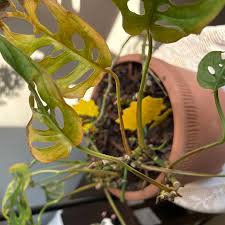
Yellow, soft, or mushy stems are usually a sign of overwatering. When the soil stays wet for too long, the roots begin to rot, and the excess moisture spreads into the stems. This is one of the most serious problems for donkey tail plants because root rot can quickly kill the plant if ignored.
Overwatered plants may also develop black spots, weak stems, or a foul smell near the soil. Fast action is important to save the healthy parts of the plant. Reducing moisture and improving drainage often helps stop the damage from spreading further.
Fix
- Reduce watering immediately
- Remove rotten sections
- Repot in dry succulent soil if needed
Wrinkled Leaves
Wrinkled or shriveled leaves usually indicate that the plant is not receiving enough water. Since donkey tail plants store water inside their thick leaves, dehydration causes the leaves to lose firmness and appear thin or wrinkled.
This problem commonly happens when the plant goes too long without watering, especially during warm weather. In most cases, the leaves recover after proper watering. However, extremely dry conditions for extended periods may cause permanent leaf damage.
Fix
- Water thoroughly
- Resume a consistent watering routine
How to Propagate a Donkey Tail Plant
The Donkey Tail Plant is very easy to propagate, making it a great choice for beginners who want to grow new succulents at home. Propagation allows you to create new plants from healthy leaves or stems without needing to buy another plant. With proper care and patience, new roots and tiny leaves will eventually begin to grow.
This succulent propagates best during the active growing season in spring or summer. Since the leaves are naturally delicate and fall off easily, those fallen leaves can often be reused for propagation instead of being thrown away. The two most common methods are leaf propagation and stem cuttings.
Leaf Propagation Steps
Leaf propagation is one of the easiest ways to grow a new donkey tail plant. Healthy leaves contain stored moisture and nutrients that help support new root growth. Choosing plump and undamaged leaves improves the chances of successful propagation.
After removing the leaves, allowing them to dry is important because it prevents rot when placed on soil. The leaves slowly develop roots and tiny baby plants over time. Keeping the soil slightly moist, but not wet, encourages healthy root formation.
Steps
- Gently remove healthy leaves
- Let them dry for 1–2 days
- Place on dry succulent soil
- Mist lightly until roots appear
Stem Cutting Method
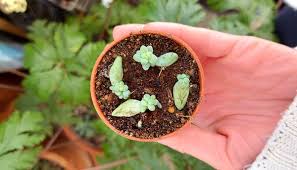
Stem cuttings are another fast and reliable way to propagate donkey tail plants. This method usually produces larger plants more quickly because the cutting already contains part of an established stem. Healthy, mature stems work best for successful growth.
Before planting, the cut end should dry and form a protective layer called a callous. This helps prevent fungal problems and stem rot after planting. Once placed in dry cactus soil, the stem gradually develops new roots and begins growing again.
Steps
- Cut a healthy stem
- Let it callous for a few days
- Plant in dry cactus soil
Frequently Asked Questions
Is donkey tail plant easy to care for?
Yes. The Donkey Tail Plant is considered a low-maintenance succulent once you understand its watering needs. It grows well with bright light, well-draining soil, and occasional watering.
This plant is ideal for beginners because it does not require constant attention. Avoiding overwatering is the most important part of keeping it healthy.
How fast does donkey tail grow?
Donkey tail plants usually grow slowly to moderately, especially when kept indoors. Growth becomes more active during spring and summer when the plant receives enough warmth and sunlight.
Healthy plants may develop long trailing stems over time, but patience is needed because succulents naturally grow at a slower pace than many houseplants.
Can donkey tail survive indoors?
Yes. This succulent thrives indoors when placed in a bright location with proper airflow. A sunny window with indirect or gentle morning sunlight works best.
Indoor conditions also help protect the plant from heavy rain, frost, and sudden outdoor temperature changes that may damage the leaves.
Why are the leaves falling off my donkey tail?
The leaves are naturally delicate and can easily fall off when the plant is touched or moved too often. Sudden temperature changes and stress may also cause leaf drop.
Keeping the plant in a stable location and handling it gently can greatly reduce this problem and help the stems stay full.
Does donkey tail need direct sunlight?
A few hours of gentle morning sunlight is ideal for healthy growth and vibrant leaf color. Bright indirect light also works very well indoors.
However, harsh afternoon sun can burn the leaves, especially during hot weather. Filtered light is often the safest option for indoor plants.
Final Care Tips
The Donkey Tail Plant is a low-maintenance succulent that grows beautifully with simple care. To keep it healthy, avoid overwatering and always let the soil dry completely between watering sessions. Use fast-draining cactus or succulent soil to protect the roots from excess moisture. Place the plant in bright light or gentle morning sun for the best growth. Since the leaves are delicate and fall off easily, handle the plant carefully and avoid moving it too often. Hanging pots are perfect for displaying its long, trailing stems and creating an attractive indoor display.

- How to Grow Microgreens Without Soil Indoors: Easy Home Method - October 5, 2026
- Microgreens vs. Sprouts: Key Differences, Nutrition, Safety, and Which One to Eat - October 5, 2026
- 10 Best Garden Tools For Weed Removal 2027 - October 3, 2026