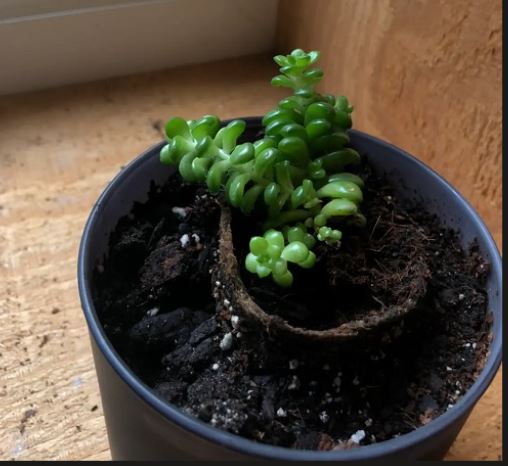
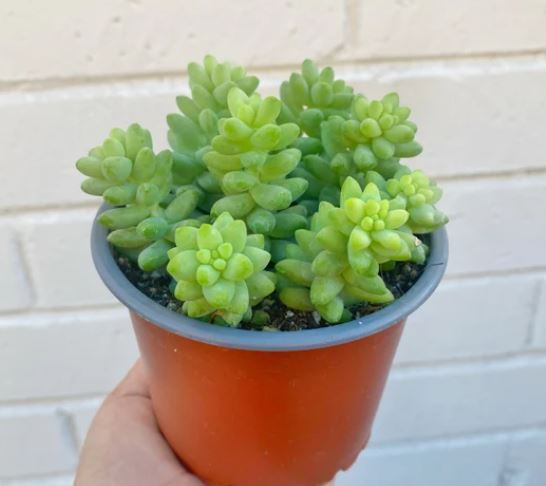
The Burro’s Tail Plant is a beautiful trailing succulent known for its long hanging stems and thick blue-green leaves. This low-maintenance houseplant is popular for indoor gardens because it grows well in bright rooms and requires minimal care compared to many other indoor plants. Burro’s tail plants thrive when given proper sunlight, well-draining soil, and careful watering. Although the plant is easy to maintain, overwatering, poor lighting, and rough handling can quickly damage its delicate leaves. Learning the right indoor care routine can help your succulent stay healthy, fuller, and more attractive throughout the year. With the correct environment and regular maintenance, a burro’s tail plant can become one of the most eye-catching trailing succulents in your indoor plant collection.
1. Best Light for Burro’s Tail Indoors
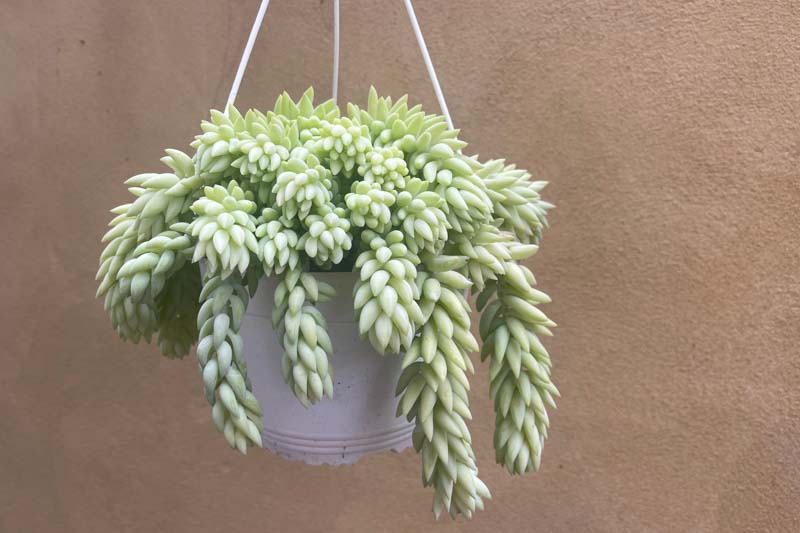
The Burro’s Tail needs the right amount of indoor light to stay healthy and attractive. Proper lighting helps the stems grow thick and full while keeping the leaves compact and colorful. Since this succulent naturally grows in bright environments, placing it in a well-lit indoor spot is very important for long-term growth.
Bright Indirect Light Needs
Burro’s tail grows best in bright indirect light for most of the day. Strong natural light helps the plant maintain its trailing shape and prevents weak or stretched stems. Gentle morning sunlight is usually safe and beneficial because it is less intense than afternoon sun.
Indoor plants kept in dark corners often grow slowly and lose their compact appearance. If natural light is limited, a grow light can also help support healthy growth indoors.
Best Window Placement
East-facing windows are ideal because they provide soft morning sunlight without exposing the plant to harsh afternoon heat. South-facing windows can also work well when filtered light is used through a curtain or blind.
Keeping the plant near a bright window improves leaf color and encourages fuller stem growth. Rotating the pot occasionally also helps all sides of the plant receive equal sunlight.
Signs of Too Much Sunlight
Excessive direct sunlight can damage the delicate leaves of burro’s tail. Leaves exposed to harsh afternoon sun may become pale, scorched, or shriveled from heat stress.
In very hot conditions, the plant may lose moisture too quickly, causing the leaves to wrinkle or fall off. Moving the plant to filtered light can help prevent further damage.
Signs of Low Light
Low light is another common indoor problem for succulents. When burro’s tail does not receive enough light, the stems may stretch toward the nearest light source.
The leaves can become spaced farther apart, making the plant appear thin and weak. Growth may also slow significantly in dark indoor conditions.
2. How Often to Water Burro’s Tail
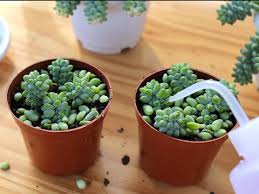
Proper watering is one of the most important parts of burro’s tail care. Like other succulents, this plant stores water inside its thick leaves, allowing it to survive dry conditions. Because of this, overwatering is usually more harmful than underwatering.
Proper Indoor Watering Routine
Water the plant deeply only after the soil has completely dried out. During spring and summer, watering every two to three weeks is usually enough for indoor plants.
In cooler months, the plant requires less moisture because growth slows down. Reducing watering during fall and winter helps prevent root rot and soggy soil problems.
How to Check if Soil Is Dry
Before watering, always check the soil moisture level carefully. Insert your finger one to two inches into the soil to see if it still feels damp.
If the soil is completely dry, the plant is ready for watering. Moist soil means the roots still have enough water and should not be watered again yet.
Signs of Overwatering
Overwatering often causes yellow, mushy stems and soft leaves. Wet soil can lead to root rot, which may spread quickly if ignored.
A strong unpleasant smell near the soil may also indicate rotting roots. Improving drainage and reducing watering immediately can help save the plant.
Signs of Underwatering
Underwatered plants usually develop wrinkled, thin, or shriveled leaves. The stems may appear dry because the plant is using stored moisture to survive.
Although burro’s tail tolerates dry conditions well, extremely long dry periods can weaken the plant and slow growth.
3. Best Soil and Pot for Indoor Growth
The right soil and container help burro’s tail grow successfully indoors. Since succulent roots dislike sitting in wet conditions, proper drainage is essential for healthy root development.
Choosing Well-Draining Soil
Fast-draining soil prevents excess moisture from remaining around the roots. Cactus and succulent potting mixes are ideal because they are designed to dry quickly after watering.
Adding materials like perlite, pumice, or coarse sand improves drainage even more and helps maintain healthy airflow in the soil.
Best Pot Types for Succulents
Terracotta pots are one of the best choices for burro’s tail because they absorb excess moisture naturally. This helps the soil dry faster and reduces the risk of overwatering.
Ceramic pots with drainage holes can also work well indoors. Lightweight hanging containers are especially popular for displaying trailing stems.
Importance of Drainage Holes
Drainage holes are necessary because they allow extra water to escape from the pot. Without drainage holes, water collects at the bottom and keeps the roots constantly wet.
Poor drainage is one of the main causes of root rot in indoor succulents. Choosing the right pot can greatly improve plant health.
Why Hanging Pots Work Best
Hanging pots beautifully showcase the long cascading stems of burro’s tail. The trailing growth creates an elegant waterfall-like appearance that looks attractive in homes and balconies.
Hanging containers also keep the plant safer from accidental touching since the delicate leaves break off very easily.
4. Indoor Temperature and Humidity Needs
The Burro’s Tail grows best in stable indoor conditions with warm temperatures and proper airflow. Since this succulent naturally comes from dry and warm environments, it prefers moderate indoor temperatures and low humidity. Keeping the environment comfortable helps prevent stress, leaf drop, and slow growth.
Ideal Indoor Temperature Range
Burro’s tail grows healthiest in temperatures between 65–80°F (18–27°C). Warm indoor conditions encourage steady growth and help the leaves remain plump and firm.
The plant can tolerate slightly cooler temperatures for short periods, but extreme cold may damage the stems and roots. Maintaining stable indoor warmth is best for long-term growth.
Protecting From Cold Drafts
Cold drafts from windows, doors, air conditioners, or fans can stress the plant and cause leaves to fall off. Sudden temperature changes are especially harmful during winter months.
Keep the plant away from freezing windows and direct cold air. Placing it in a stable indoor location helps protect the delicate foliage from temperature shock.
Best Humidity Levels
Burro’s tail prefers low to moderate humidity levels because succulents naturally thrive in dry environments. High humidity may keep the soil wet for too long and increase the risk of fungal problems.
Normal indoor humidity is usually perfect for this plant. Bathrooms or overly humid rooms are generally not the best locations for healthy succulent growth.
Airflow Tips for Healthy Growth
Good airflow helps the soil dry properly and reduces moisture buildup around the plant. Proper air circulation also lowers the chance of fungal diseases and root problems.
Avoid overcrowding the plant between large furniture or other plants. Keeping it in a bright, airy space encourages stronger and healthier indoor growth.
5. Fertilizing Burro’s Tail Indoors
The Burro’s Tail does not require heavy feeding to grow well indoors. However, light fertilizing during the active growing season can help encourage healthier stems, fuller growth, and vibrant leaf color. Using too much fertilizer can damage the roots, so gentle feeding works best for succulents.
Best Fertilizer for Succulents
A balanced liquid succulent fertilizer or cactus fertilizer is ideal for burro’s tail. Diluted fertilizer provides nutrients slowly without overwhelming the plant.
Low-strength fertilizers are usually safer because succulents are sensitive to excess salts and chemicals in strong plant food.
How Often to Fertilize
Indoor burro’s tail plants usually only need fertilizer once a month during active growth. Light feeding supports healthy stem development without causing stress.
Over-fertilizing may lead to weak growth, burnt roots, or unhealthy leaves, so less fertilizer is often better for succulents.
Best Seasons for Feeding
Spring and summer are the best seasons for fertilizing because the plant grows more actively during warmer months. Nutrients help support new stems and healthy foliage growth.
During fall and winter, growth slows down naturally, so fertilizing should be reduced or stopped completely.
Mistakes to Avoid When Fertilizing
Applying fertilizer too often is one of the most common mistakes. Excess nutrients can damage the roots and weaken the plant over time.
Never fertilize dry soil because it may burn the roots. Water the plant lightly before feeding to reduce stress on the root system.
Common Indoor Burro’s Tail Problems
Indoor burro’s tail plants are generally easy to care for, but they can still develop problems when growing conditions are not ideal. Most issues are related to rough handling, watering mistakes, or environmental stress.
6. Why Are the Leaves Falling Off?
Leaf drop is one of the most common concerns for burro’s tail owners. The plant naturally has delicate leaves that detach easily from the stems, even with small movements or accidental touching.
Although occasional leaf loss is normal, excessive dropping may indicate stress or poor growing conditions indoors.
Natural Leaf Shedding
Some leaves naturally fall off as the plant grows and ages. Older leaves near the base of the stems may eventually dry out and detach on their own.
A small amount of leaf shedding is completely normal and usually not a serious problem.
Stress From Moving the Plant
Burro’s tail plants dislike being moved frequently. Shifting the pot often can shake the stems and loosen the delicate leaves.
Sudden environmental changes, such as moving the plant to a different light or temperature condition, may also increase leaf drop.
Handling Delicate Leaves
The leaves are extremely fragile and can break off easily when touched. Rough handling during watering, cleaning, or repotting may cause the stems to lose many leaves.
Handling the plant gently and only when necessary helps maintain its full trailing appearance.
Prevention Tips
Keep the plant in a stable location with bright indirect light and minimal disturbance. Avoid touching the stems frequently or moving the pot unnecessarily.
Providing consistent care, proper watering, and stable temperatures can greatly reduce excessive leaf loss indoors.
7. Yellow, Mushy, or Wrinkled Leaves

The Burro’s Tail can develop leaf problems when watering, lighting, or soil conditions are not balanced properly. Yellow, mushy, or wrinkled leaves are usually signs that the plant is stressed. Identifying the cause early helps prevent further damage and keeps the succulent healthy indoors.
Causes of Yellow Leaves
Yellow leaves are commonly caused by overwatering or poor drainage. When the soil stays wet for too long, the roots cannot breathe properly, causing the leaves to lose their healthy green color.
Low light, cold temperatures, or nutrient stress may also contribute to yellowing leaves. Checking the soil moisture level is the first step in finding the cause.
Root Rot Problems
Root rot is one of the most serious issues for indoor succulents. It usually happens when excess water remains trapped in the soil for long periods.
Rotting roots become weak and unable to absorb nutrients, causing mushy stems and soft leaves. A foul smell or blackened roots are common signs of severe root rot.
Signs of Dehydration
Wrinkled or shriveled leaves usually indicate underwatering. Since burro’s tail stores water in its thick leaves, dehydration causes the leaves to lose firmness and appear thin.
The plant may also look dull or dry during long periods without water, especially in warm indoor conditions.
How to Fix Watering Issues
Allow the soil to dry completely before watering again. If overwatering is the problem, reduce watering immediately and improve drainage using succulent soil and a pot with drainage holes.
For underwatered plants, water thoroughly until excess water drains out from the bottom of the pot. A consistent watering schedule helps restore healthy growth.
How to Propagate Burro’s Tail Indoors
Burro’s tail is one of the easiest succulents to propagate indoors. New plants can grow from healthy leaves or stem cuttings with very little effort. Propagation is a simple way to create more plants while reusing fallen leaves from the parent plant.
8. Leaf Propagation Method
Leaf propagation is popular because it is beginner-friendly and requires minimal equipment. Healthy leaves contain stored nutrients that help support new root and baby plant growth.
With patience and proper conditions, tiny roots and new leaves will slowly appear from the base of the leaf.
Choosing Healthy Leaves
Select plump, healthy leaves without damage or discoloration. Gently twist the leaf from the stem to remove it cleanly without tearing.
Healthy leaves have a better chance of rooting successfully and producing strong new growth.
Rooting Leaves Successfully
Allow the leaves to dry for one to two days before placing them on dry succulent soil. This drying period helps prevent rot during propagation.
Mist lightly when the soil becomes very dry, but avoid soaking the leaves. Overwatering may cause the leaves to rot before roots develop.
Best Indoor Conditions
Warm temperatures, bright indirect light, and good airflow create the best indoor conditions for propagation. Avoid harsh direct sunlight because young roots are sensitive to heat.
A shallow propagation tray or small pot works well for rooting succulent leaves indoors.
How Long Propagation Takes
Root growth usually begins within a few weeks, although some leaves may take longer. Tiny baby plants gradually appear after roots become established.
Propagation is slow but rewarding, and healthy new plants often continue growing steadily over time.
9. Stem Cutting Propagation
The Burro’s Tail can also be propagated through stem cuttings, which is often faster than leaf propagation. This method helps produce fuller plants more quickly because the cutting already contains an established stem. With proper care, new roots usually develop within a few weeks indoors.
Taking Healthy Cuttings
Choose a healthy stem with firm leaves and no signs of damage or rot. Using clean scissors helps create a smooth cut and reduces the risk of infection.
Longer cuttings often root more successfully because they store more moisture and energy for new growth.
Drying and Planting the Stem
After cutting the stem, allow the cut end to dry for a few days until a protective callous forms. This step helps prevent rot when the cutting is planted.
Place the cutting into dry cactus or succulent soil and keep it in bright indirect light while roots develop.
Caring for New Cuttings
New cuttings need warm temperatures, light airflow, and minimal watering during early growth. Water lightly only after the soil becomes fully dry.
Avoid touching or moving the cutting too often because young roots are delicate and can be disturbed easily.
Common Propagation Mistakes
Overwatering is the most common propagation mistake and may cause the stem to rot before roots form. Planting cuttings before they callous can also increase the risk of fungal problems.
Keeping cuttings in dark indoor spaces may slow root growth and weaken the new plant.
Seasonal Indoor Care Tips
Indoor care needs can change slightly throughout the year because burro’s tail responds differently to warm and cool seasons. Adjusting watering, sunlight, and feeding routines helps the plant stay healthy year-round.
10. Spring and Summer Care
Spring and summer are the active growing seasons for burro’s tail. During this time, the plant produces new stems and leaves more quickly because of warmer temperatures and longer daylight hours.
Active Growing Season Tips
Place the plant in bright indirect light and maintain warm indoor temperatures for steady growth. Good airflow also helps prevent excess moisture around the leaves and soil.
Regular observation during the growing season helps identify watering or lighting problems early.
Watering and Feeding Routine
The plant usually needs more water during active growth because warmer temperatures dry the soil faster. Water deeply when the soil becomes fully dry.
Light fertilizing once a month with diluted succulent fertilizer can support healthy stem and leaf development.
Increasing Sunlight Safely
Burro’s tail benefits from brighter light during spring and summer, but sudden exposure to harsh sun can burn the leaves.
Increase sunlight gradually to help the plant adjust safely without stress or leaf damage.
Encouraging Fuller Growth
Rotating the pot every few weeks encourages balanced growth on all sides. Proper lighting and occasional feeding also help create thicker trailing stems.
Healthy stems can eventually produce a lush cascading appearance in hanging pots.
11. Fall and Winter Indoor Care
During fall and winter, burro’s tail growth slows naturally as temperatures and daylight decrease. The plant requires less water and fertilizer during this resting period.
Reducing Watering Frequency
Water less often during cooler months because the soil stays moist longer indoors. Overwatering during winter is one of the main causes of root rot.
Always allow the soil to dry completely before watering again.
Protecting From Cold Temperatures
Cold drafts from windows, doors, or air conditioners can stress the plant and damage the leaves. Keeping indoor temperatures stable helps protect the succulent during winter.
Avoid placing the plant near freezing windows or cold airflow.
Winter Dormancy Care
Burro’s tail may enter a light dormant period during winter, which means growth slows significantly. This is normal and does not usually indicate a problem.
The plant needs less attention during dormancy and should not be heavily fertilized.
Preventing Root Rot in Winter
Cool temperatures and wet soil create ideal conditions for root rot. Using fast-draining succulent soil and reducing watering helps keep the roots healthy.
Good airflow and proper drainage are especially important during winter months indoors.
Frequently Asked Questions
Is Burro’s Tail Easy to Grow Indoors?
Yes. The Burro’s Tail is considered an easy indoor succulent when given proper light and careful watering. It thrives in bright spaces and does not require constant maintenance.
This plant is especially popular with beginners because it can tolerate dry conditions well. Avoiding overwatering is the most important part of indoor care.
How Fast Does Burro’s Tail Grow?
Burro’s tail usually grows slowly to moderately indoors. Growth becomes more active during spring and summer when the plant receives warmth, bright light, and proper watering.
Healthy plants gradually develop long trailing stems over time. With consistent care, the plant becomes fuller and more attractive each year.
Can Burro’s Tail Live in Low Light?
Burro’s tail can survive in low light for short periods, but it does not grow well in dark indoor spaces. Insufficient light may cause weak, stretched stems and sparse leaves.
Bright indirect light is best for maintaining compact growth and healthy foliage indoors.
Why Is My Burro’s Tail Shriveling?
Shriveled or wrinkled leaves usually mean the plant is dehydrated. This often happens when the soil stays dry for too long or indoor temperatures become too warm.
Watering deeply after the soil dries completely can help restore healthy, plump leaves.
Does Burro’s Tail Need Direct Sunlight?
A small amount of gentle morning sunlight is beneficial for healthy growth. Bright indirect light is usually the safest option for indoor plants.
Strong afternoon sunlight may scorch the delicate leaves, especially during hot weather.
Conclusion
The Burro’s Tail is a beautiful trailing succulent that grows well indoors with simple care. Providing bright indirect light, fast-draining soil, and careful watering helps the plant stay healthy and vibrant throughout the year.
The most important care tips include avoiding overwatering, protecting the plant from cold drafts, and handling the delicate leaves gently. Proper drainage and stable indoor conditions greatly reduce common problems like root rot and leaf drop.
With regular attention and seasonal care adjustments, burro’s tail can develop long cascading stems that create a stunning indoor display. Hanging pots, balanced sunlight, and consistent watering routines will help maintain strong and healthy growth for many years.

- How to Grow Microgreens Without Soil Indoors: Easy Home Method - October 5, 2026
- Microgreens vs. Sprouts: Key Differences, Nutrition, Safety, and Which One to Eat - October 5, 2026
- 10 Best Garden Tools For Weed Removal 2027 - October 3, 2026