Yes, But Choose Wisely
If you’re an Ontario gardener gazing longingly at those massive blue mophead hydrangeas in garden magazines, you’ve probably asked yourself one question: Can hydrangeas really survive our winter?
The honest answer is more nuanced than a simple yes or no. Ontario spans an enormous range of winter conditions—from the relatively mild shores of Lake Erie (Zone 7 in some microclimates) to the brutal cold of Thunder Bay (Zone 3a) and the frozen expanses of Moosonee (Zone 2). A hydrangea that sails through a Toronto winter (Zone 6b) may be dead by Christmas in Sudbury (Zone 4b).
Here’s what you need to know upfront: Many hydrangeas ARE winter hardy in Ontario—but not all hydrangeas, and not everywhere in Ontario.
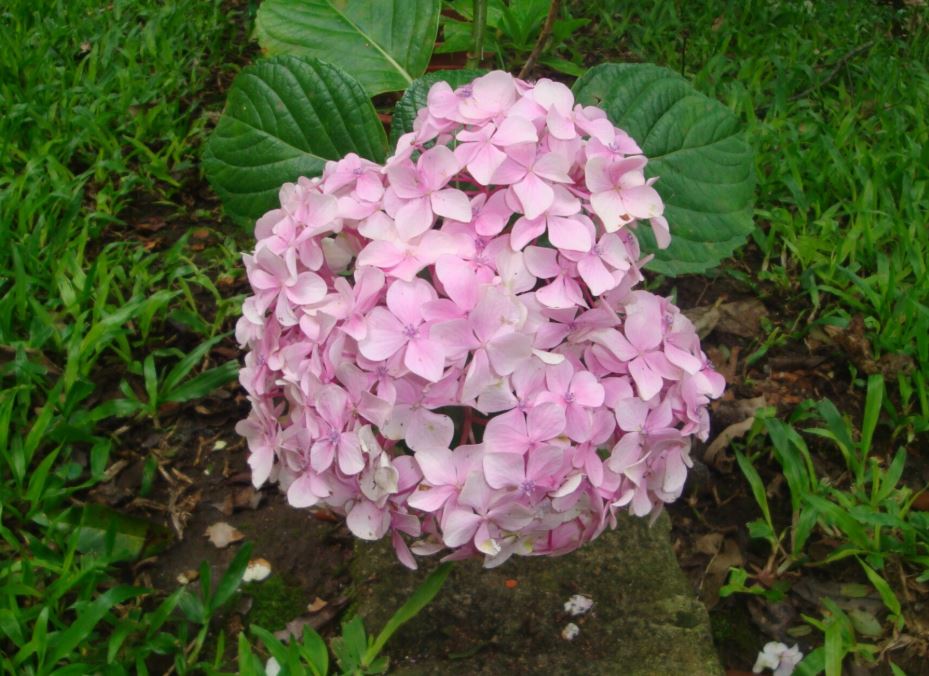
The good news is that plant breeders have developed incredible cold-hardy hydrangeas that laugh at -35°C. The bad news is that the classic bigleaf hydrangea (the one with blue or pink mophead flowers) is the least hardy and will break your heart (and your gardening budget) if you try to grow it without serious protection in most of the province.
This guide will walk you through exactly which hydrangeas work in every Ontario region, how to protect them through our notorious winters, and how to troubleshoot the most common cold-climate problems. By the time you finish reading, you’ll know whether hydrangeas belong in YOUR Ontario garden and exactly which varieties will give you reliable, spectacular blooms year after year.
Where Do You Garden?
Before we talk about specific hydrangeas, you need to know your Canadian hardiness zone. Ontario’s zones range from 2b in the far north to 7a in the warmest parts of Windsor and the Niagara Peninsula. Here’s the breakdown by region:
Zone 2b to 3a (Northern Ontario): Thunder Bay, Timmins, Kenora, Moosonee, Red Lake. Winter lows of -40°C to -45°C. Only the toughest hydrangeas survive here.
Zone 3b to 4a (Central and Northwestern Ontario): Sudbury, North Bay, Sault Ste. Marie, Dryden. Winter lows of -34°C to -40°C. Cold-hardy varieties do well with protection.
Zone 4b to 5a (Eastern and parts of Central Ontario): Ottawa, Peterborough, Kingston, Barrie, Muskoka region. Winter lows of -29°C to -34°C. Many hydrangeas thrive here with basic winter care.
Zone 5b to 6a (Southern Ontario, excluding the warmest pockets): Toronto (most of the GTA), Hamilton, London, Kitchener-Waterloo, Cornwall. Winter lows of -23°C to -29°C. Wide selection of hydrangeas performs reliably.
Zone 6b to 7a (Southwestern Ontario and mild lake-effect areas): Windsor, Leamington, Niagara-on-the-Lake, parts of the Niagara Peninsula, Toronto’s downtown core and islands. Winter lows of -15°C to -23°C. The widest range of hydrangeas—including tender types—can survive here with occasional protection.
Critical note: Canadian hardiness zones are different from USDA zones. A Canadian Zone 6 is roughly equivalent to USDA Zone 5. Always check Canadian ratings on plant tags, not American ones. A hydrangea rated for USDA Zone 5 may only be hardy to Canadian Zone 4 or 5 with protection.
The Four Main Types of Hydrangeas for Ontario Gardens
Not all hydrangeas are created equal when it comes to cold hardiness. Understanding the differences between the four main species will save you money, time, and gardening heartbreak.
Panicle Hydrangeas: The Ontario Superstars
Botanical name: Hydrangea paniculata
Hardiness in Ontario: Zone 3 reliably (survives -40°C)
Bloom time: Mid-summer to fall (July through October)
Blooms on: New wood (current year’s growth)
If you only grow one type of hydrangea in Ontario, make it a panicle hydrangea. These are the undisputed champions of cold-climate hydrangea gardening. Native to cold regions of Japan, China, and Sakhalin Island (where winters rival northern Ontario’s), they’re genetically programmed to handle extreme cold.
Here’s why panicle hydrangeas work so well for Ontario gardeners:
They bloom on new wood. This is the most important advantage. Because flower buds form on the current year’s growth, you never lose blooms to winter kill. Even if the top of the plant dies back to the ground in an exceptionally harsh winter, the roots will send up new shoots that bloom that same summer. Compare this to bigleaf hydrangeas (which bloom on old wood)—a single bad winter wipes out an entire year’s flowers.
They’re incredibly forgiving. Panicle hydrangeas tolerate everything Ontario throws at them: late spring frosts, drought, clay soil, salt, pollution, and urban heat islands. They’re just as happy in a downtown Toronto garden as they are on a windy farm in Huron County.
They offer months of color. Flowers start white or lime-green in July, age to pink or blush by August, and deepen to rose, burgundy, or bronze by September and October. Some varieties hold their dried flower heads all winter, providing exceptional winter interest.
Popular panicle varieties for Ontario:
| Variety | Mature Size | Flower Color Progression | Best For |
|---|---|---|---|
| ‘Limelight’ | 6-8 ft tall & wide | Lime green → white → pink | Statement shrub, hedging |
| ‘Bobo’ | 3-4 ft tall & wide | White → soft pink | Small gardens, containers |
| ‘Little Lime’ | 3-5 ft tall & wide | Lime green → pink | Compact version of Limelight |
| ‘Quick Fire’ | 6-8 ft tall & wide | White → deep pink (earliest bloomer) | Early color, cold spots |
| ‘Fire Light’ | 5-6 ft tall & wide | White → fiery red-pink | Dramatic fall color |
| ‘Vanilla Strawberry’ | 6-7 ft tall & wide | White → strawberry pink → deep rose | Two-toned effect |
| ‘Pinky Winky’ | 6-8 ft tall & wide | White → hot pink (two-toned blooms) | Unique bicolor flowers |
| ‘Little Quick Fire’ | 3-5 ft tall & wide | White → pink | Early bloomer for small spaces |
Pro tip for panicles in Ontario: While they’re hardy to Zone 3, deep planting (with the root ball 1-2 inches below soil surface) provides extra root protection in the coldest regions. In Zone 3 and 4, a light winter mulch (2-3 inches of shredded leaves or straw applied after ground freezes) is beneficial but not strictly necessary.
Smooth Hydrangeas: Annabelle and Beyond
Botanical name: Hydrangea arborescens
Hardiness in Ontario: Zone 3 (survives -40°C)
Bloom time: Early to mid-summer (June through August)
Blooms on: New wood
Smooth hydrangeas are native to North America—specifically, the eastern United States. They’re so cold-hardy because they evolved in climates with freezing winters. Like panicle hydrangeas, they bloom on new wood, so winter dieback doesn’t impact flowering.
The classic ‘Annabelle’ has been an Ontario garden staple for over 50 years, producing massive 8-12 inch diameter snowball blooms that start green, turn pure white, and age back to green. However, ‘Annabelle’ has one notorious weakness: its heavy blooms flop to the ground after rain, creating a messy “drunken” appearance.
Thankfully, plant breeders have solved this problem. Newer varieties offer stronger stems, improved flower colors, and better disease resistance.
Top smooth hydrangeas for Ontario:
‘Incrediball’ is the improved version of ‘Annabelle’ with stems so thick they rarely flop, even after heavy rain. The blooms are even larger—up to 12 inches across—and just as white. Fully hardy to Zone 3, this is the superior choice for most Ontario gardens.
‘Invincibelle Spirit’ and ‘Invincibelle Ruby’ break the white-flower pattern with pink blooms. ‘Invincibelle Spirit’ produces soft pink flowers that darken as they age, while ‘Invincibelle Ruby’ offers deep raspberry-pink that holds its color exceptionally well. Both are Zone 3 hardy and bloom continuously from June through September.
‘White Dome’ offers a different look entirely—lacecap-style blooms with a ring of white sterile flowers surrounding tiny fertile flowers. It’s more subtle than ‘Annabelle’ but equally tough and attractive to pollinators.
‘Haas’ Halo’ is a newer introduction with massive, overlapping white sepals that create a full, rounded bloom. The stems are exceptionally strong, and the plant has excellent disease resistance.
Smooth hydrangeas in northern Ontario: These are some of your best options for Zone 3 gardens in places like Thunder Bay, Timmins, and North Bay. They’re consistently hardy, bloom reliably, and require minimal winter protection. A 2-3 inch mulch of shredded leaves applied after the ground freezes is plenty of protection.
Bigleaf Hydrangeas: The Beauty and the Beast
Botanical name: Hydrangea macrophylla
Hardiness in Ontario: Zone 5 or 6 (survives -23°C to -29°C)
Bloom time: Early to mid-summer (June to July)
Blooms on: Old wood (previous year’s growth)
Here’s where Ontario gardeners get into trouble. Bigleaf hydrangeas—the mopheads and lacecaps with blue or pink flowers—are the least cold-hardy of the group. They’re rated for Zones 5 or 6, which means they survive only in Ontario’s warmest regions: Windsor, Leamington, Niagara, and sheltered parts of Toronto’s downtown core and waterfront.
Even in these protected areas, winter damage is common. Flower buds form in late summer and fall on old wood—the stems that grew the previous year. When winter temperatures drop below -23°C, those buds freeze and die. The plant itself may survive (the roots are hardier), but you’ll get leaves and no flowers the following summer.
CAN you grow bigleaf hydrangeas in Ontario? Yes, but with significant caveats:
In Zone 6b and 7a (Windsor, Niagara, Leamington, downtown Toronto): Success is possible with winter protection. Choose remontant (reblooming) varieties that also bloom on new wood as a backup. ‘Endless Summer’ was the first reblooming bigleaf hydrangea, followed by improved varieties like ‘BloomStruck’, ‘Let’s Dance’ series, and ‘Tuff Stuff’ series. Even with these, mulch heavily and consider burlap wrapping.
In Zone 5 and below (Ottawa, Peterborough, Barrie, Kingston, most of the GTA outside the downtown core): Bigleaf hydrangeas are high-risk. You may get flowers in mild winters, but expect complete bloom loss every 2-3 years. Many Ontario gardeners eventually give up and replace them with panicle or smooth hydrangeas.
In Zone 4 and colder (Sudbury, North Bay, Thunder Bay): Do not plant standard bigleaf hydrangeas. They will not survive. Even reblooming varieties will die back to the ground most winters and may not bloom even on new growth.
If you insist on trying bigleaf hydrangeas in southern Ontario: Plant them in the warmest microclimate you can find—south or west-facing, against a foundation wall that radiates heat, protected from north and northwest winter winds. Apply 4-6 inches of mulch (straw or shredded leaves) after ground freezes. Wrap the entire plant in burlap filled with dry leaves or straw. Remove wraps gradually in spring. And manage your expectations—you’ll have great years and terrible years.
Oakleaf Hydrangeas and Mountain Hydrangeas
Botanical names: Hydrangea quercifolia and Hydrangea serrata
Hardiness in Ontario: Zone 5 or 5b at best (marginal in most of province)
Bloom time: Early to mid-summer
Blooms on: Old wood
Oakleaf hydrangeas are prized for their gorgeous lobed leaves (which resemble oak leaves and turn brilliant red-purple in fall) and their exfoliating cinnamon-colored bark. Mountain hydrangeas are similar to bigleaf hydrangeas but smaller and slightly hardier.
The reality for Ontario gardeners: oakleaf hydrangeas are rated for Zone 5, which means they survive only in the warmest parts of southwestern Ontario. Even there, branch dieback is common, and flower buds are frequently lost to winter cold. In Ottawa, Toronto’s outer suburbs, or anywhere north of the 401, consider them annuals or grow them in containers that you overwinter in an unheated garage.
Mountain hydrangeas (like ‘Tuff Stuff’ and ‘Tiny Tuff Stuff’) are hardier than bigleaf hydrangeas—rated to Zone 5—but still struggle in most of Ontario outside Zone 6b and 7a. They bloom on both old and new wood, which improves reliability, but winter dieback is still a significant issue.
The bottom line: Unless you’re in Windsor, Niagara, or Lake Ontario’s immediate shoreline, stick with panicle and smooth hydrangeas. Oakleaf and mountain hydrangeas are beautiful but will frustrate you in all but the mildest Ontario microclimates.
Winter Protection Strategies for Every Ontario Region
Even cold-hardy hydrangeas benefit from winter protection in Ontario. Our winters aren’t just cold—they’re also windy, variable, and prone to freeze-thaw cycles that damage plants more than consistent cold.
The Three Principles of Winter Protection
1. Keep the roots insulated. Soil temperature is much warmer than air temperature when properly mulched. A 2-4 inch layer of mulch applied AFTER the ground freezes prevents soil from heaving and thawing, which tears roots.
2. Protect stems from wind drying. Ontario’s winter winds desiccate (dry out) branches, killing buds and stems. This is called “winter burn” and is worse than cold alone.
3. Prevent late frost damage. As days warm in March and April, plants naturally break dormancy. A sudden return to -20°C can kill emerging buds. Delaying mulching removal helps.
Region-Specific Protection Plans
For Zone 3 and 4 (Northern and Central Ontario: Thunder Bay, Timmins, Sudbury, North Bay)
Panicle and smooth hydrangeas are your only reliable options. Follow this protection plan:
- Late September: Stop fertilizing. Don’t prune. Let plants naturally harden off.
- Late October to early November: After several hard frosts but before ground freezes solid, water deeply (this is called “deep watering” and prevents winter desiccation).
- November to early December: After ground freezes (test with a trowel), apply 4-6 inches of mulch—shredded leaves, straw, or wood chips—in a 2-foot radius around the plant base.
- December: For young plants (first two winters), wrap burlap around a wire cage surrounding the plant. Fill the cage with dry leaves. This prevents wind damage.
- March to April: Remove mulch gradually as temperatures moderate—pull half back in early April, the rest by late April. Do NOT remove everything at once or a late freeze will damage emerging shoots.
For Zone 5 (Eastern and Central Ontario: Ottawa, Peterborough, Barrie, Kingston)
Most panicle, smooth, and reblooming bigleaf hydrangeas (Zone 5-rated) can survive here with moderate protection:
- Late October: Deep water before ground freeze.
- November: Apply 3-4 inches of mulch after ground freezes.
- December (optional but recommended): For bigleaf or marginal varieties, wrap with burlap or use a ready-made hydrangea winter cover.
- April: Remove wraps early in the month. Remove mulch in two stages—half in early April, remainder in late April.
For Zone 6 and 7 (Southern Ontario: Toronto, Hamilton, London, Windsor, Niagara)
Wide range of hydrangeas possible, but still protect:
- November: Apply 2-3 inches of mulch after ground freeze.
- January to February: Check that snow cover remains—snow is excellent insulation. In snow-free periods, additional mulch helps.
- March to April: Remove mulch progressively. Bigleaf hydrangea owners may want to leave a thin layer (1 inch) through mid-April to delay emergence and avoid late frosts.
The Most Common Winter Protection Mistake
Ontario gardeners frequently apply mulch too early—in September or October when the ground is still warm. This traps heat, delays dormancy, and actually makes plants LESS cold-hardy when winter arrives. Always wait until the ground has frozen before mulching. In most of Ontario, that’s mid-November to early December.
Why Your Hydrangea Didn’t Bloom (Even Though It Survived)
This is the #1 complaint among Ontario hydrangea growers. The plant looks healthy in spring, produces lush green leaves, but by August there’s not a single flower in sight.
Here are the five most common reasons—and exactly how to fix each one:
1. You’re Growing a Bigleaf Hydrangea in a Zone That’s Too Cold
If you planted ‘Endless Summer’ or another mophead hydrangea in Ottawa (Zone 5a) or Sudbury (Zone 4b), the plant likely survives because the roots are hardy, but the flower buds freeze every winter. You’ll get beautiful leaves and absolutely no blooms.
The fix: Replace with a panicle or smooth hydrangea. Or accept that your bigleaf hydrangea is now a foliage plant and enjoy the green leaves.
2. You Pruned at the Wrong Time
This is incredibly common. If you’re growing a hydrangea that blooms on old wood (bigleaf, oakleaf, mountain) and you pruned it in fall, winter, or early spring, you literally cut off all the flower buds. The plant will leaf out but won’t bloom until next year.
The fix: For old wood bloomers, never prune in fall, winter, or spring. Prune immediately after flowering in summer. For new wood bloomers (panicle, smooth), prune in late winter or early spring—they bloom on current season’s growth.
Quick reference:
- Panicle and smooth hydrangeas → Prune late winter/early spring
- Bigleaf, oakleaf, mountain hydrangeas → Prune immediately after flowering
3. Winter Killed the Flower Buds (Even on Hardy Varieties)
In an exceptionally harsh Ontario winter (-35°C or colder with no snow cover), even hardy panicle hydrangeas can lose their top growth. The good news: they bloom on new wood, so you’ll still get flowers—just later in summer.
The fix: Nothing. Wait until July; flowers will appear on new growth. Add more winter protection next year (extra mulch, burlap wrap).
4. Too Much Nitrogen Fertilizer
You’re feeding your hydrangea with lawn fertilizer (high in nitrogen) or too much compost/manure. Nitrogen promotes lush leaf growth at the expense of flowers.
The fix: Stop all nitrogen fertilizer. Use a low-nitrogen, high-phosphorus fertilizer (like bone meal) in spring only. Or better yet, don’t fertilize hydrangeas at all unless your soil is extremely poor.
5. Not Enough Sun
Hydrangeas need sun to bloom—even the shade-tolerant ones. Six hours of direct sun daily is the minimum for good flowering in Ontario. In deep shade, you’ll get foliage only.
The fix: Transplant to a sunnier location in early spring or fall. Morning sun with afternoon shade is ideal for bigleaf hydrangeas; full sun all day is perfect for panicle and smooth hydrangeas.
Planting Hydrangeas in Ontario: Location, Soil, and Timing
Proper planting is the foundation of winter hardiness. A stressed, improperly planted hydrangea is much more vulnerable to cold damage than a healthy one.
When to Plant
Best time: Spring (May to early June) after danger of hard frost has passed. Spring planting gives the entire growing season for roots to establish before winter.
Second best: Early fall (September). Plant at least 6 weeks before the ground freezes (typically mid-October to early November in most of Ontario). Fall-planted hydrangeas need extra mulch for their first winter.
Avoid: Late fall planting (October or later) and summer planting during heat waves.
Where to Plant
Sun requirements:
- Panicle hydrangeas: Full sun (6+ hours daily)
- Smooth hydrangeas: Full sun to partial shade (4-6 hours)
- Bigleaf hydrangeas: Morning sun, afternoon shade (protects from scorch and retains moisture)
Wind protection: Plant near a fence, hedge, building, or evergreen screen to block north and northwest winter winds, which cause desiccation damage.
Avoid: Low spots where cold air pools (frost pockets), rain shadows under eaves, and locations near downspouts where ice builds up.
Soil Preparation
Well-draining soil is essential. Ontario’s heavy clay soil is problematic for hydrangeas because it stays wet, freezes, and damages roots. Fix clay soil before planting:
- Dig a hole 2 feet wide and 1.5 feet deep
- Mix excavated soil 50/50 with compost, leaf mold, or fine pine bark
- Add coarse sand or small gravel to improve drainage
- Plant at the same depth as the nursery pot (NEVER deeper)
- Backfill with amended soil
Soil pH (for bigleaf hydrangea color): Blue flowers require acidic soil (pH 5.5 or lower). Pink flowers require alkaline soil (pH 6.5 or higher). Most Ontario soil is naturally acidic, especially in northern and central regions. To turn pink flowers blue, add aluminum sulfate. To turn blue flowers pink, add garden lime. Panicle and smooth hydrangeas produce white or white-to-pink flowers regardless of soil pH.
Pruning Guide for Ontario Hydrangeas
Pruning is the single most misunderstood aspect of hydrangea care in Ontario. Prune the wrong way at the wrong time, and you’ll spend the entire summer explaining to your neighbours why your “hydrangea won’t bloom.” Prune correctly, and you’ll be rewarded with larger flowers, stronger stems, and healthier plants.
The golden rule of hydrangea pruning in Ontario is simple: know whether your hydrangea blooms on old wood or new wood. Once you understand this, everything else falls into place.
Hydrangeas That Bloom on New Wood (Prune in Late Winter or Early Spring)
Which types: Panicle hydrangeas (Hydrangea paniculata) and smooth hydrangeas (Hydrangea arborescens)
When to prune in Ontario: Late March to early April, while the plant is still dormant but before new growth emerges. In colder regions (Zones 3 and 4), wait until early to mid-April. In warmer regions (Zones 6 and 7), late March is safe.
How to prune:
Start by removing the “three D’s”: dead, diseased, and damaged wood. Cut these branches back to healthy wood or all the way to the ground.
Next, remove any crossing or rubbing branches. These create wounds that invite disease and reduce air circulation.
Finally, shape the plant. For panicle hydrangeas, you have two pruning philosophies:
Light pruning: Remove no more than one-third of the previous year’s growth. Cut just above a pair of healthy buds. This produces many medium-sized blooms and a naturally shaped shrub.
Hard pruning (also called “stooling”): Cut the entire plant back to 6-12 inches above ground level. This produces fewer but dramatically larger blooms (like the massive flowers you see in garden photos). The trade-off is that the plant will look bare in early spring and may need staking for heavy blooms. Hard pruning works beautifully on ‘Limelight’, ‘Quick Fire’, and ‘Pinky Winky’.
For smooth hydrangeas like ‘Annabelle’ and ‘Incrediball’, cut the entire plant back to 4-6 inches above ground level every spring. This is non-negotiable for best performance. Smooth hydrangeas that aren’t cut back produce smaller blooms, floppy stems, and an unattractive “leggy” appearance.
The Ontario-specific tip: In Zones 3 and 4, delay pruning panicle hydrangeas until mid-April. The leftover stems from winter provide some protection to the crown. In Zones 5 through 7, March pruning is safe and preferred.
Hydrangeas That Bloom on Old Wood (Prune Immediately After Flowering)
Which types: Bigleaf hydrangeas (Hydrangea macrophylla), oakleaf hydrangeas (Hydrangea quercifolia), and mountain hydrangeas (Hydrangea serrata)
When to prune in Ontario: Late July to mid-August, immediately after the flowers fade. This gives the plant time to produce new stems and form flower buds for the following year before winter arrives. Never prune these hydrangeas in fall, winter, or spring—you will cut off every flower bud for the coming summer.
How to prune:
Remove spent blooms by cutting just above the first set of healthy leaves below the flower head. Do not cut lower than that unless you’re removing dead wood.
Remove dead, damaged, or diseased branches anytime you see them.
Remove no more than one-third of the plant’s total growth in any single year. If your bigleaf hydrangea has become overgrown, spread the renovation pruning over three years.
The Ontario-specific challenge: In cold winters, bigleaf hydrangeas often experience significant dieback. Wait until late May to assess winter damage. Dead wood will be brown and brittle; live wood will be green and flexible. Cut dead wood back to live wood, but be aware that you may be removing flower buds in the process. This is why reblooming varieties like ‘Endless Summer’ are so valuable in Ontario—they produce a second set of blooms on new growth.
Rejuvenation Pruning (For Overgrown or Neglected Hydrangeas)
If you’ve inherited an old, overgrown hydrangea that hasn’t been pruned in years, you have options.
For panicle and smooth hydrangeas: Cut the entire plant back to 6-12 inches above ground level in early spring. The plant will regrow completely in one season and bloom normally. This is the easiest and most effective approach.
For bigleaf hydrangeas: Rejuvenation is trickier because these plants bloom on old wood. Cut back one-third of the oldest stems to ground level each year for three years. This gradually renews the plant without eliminating all flowers in a single season. If the plant is truly beyond saving, cut it to 12 inches in spring and accept that you’ll lose blooms for one year.
What About Fall Pruning?
The short answer for Ontario gardeners: don’t do it.
Fall pruning stimulates new growth that won’t harden off before winter, leading to cold damage. It also removes buds (for old wood bloomers) and exposes plants to winter desiccation. The only exception is removing dead or diseased wood, which can be done anytime.
Some Ontario gardeners cut back smooth hydrangeas (‘Annabelle’, ‘Incrediball’) in fall because the dead flower heads look unattractive through winter. This is acceptable but not ideal. The dead flower heads actually provide some winter protection to the crown. If you prefer a tidier winter garden, leave 6-8 inches of stems when you cut in fall, then perform the main pruning in spring.
Complete Troubleshooting Guide for Ontario Hydrangeas
Even with perfect care, hydrangeas in Ontario encounter problems. Here’s how to diagnose and solve every common issue.
Yellow Leaves (Chlorosis)
Symptoms: Leaves turn pale yellow while veins remain green. This is most common on bigleaf hydrangeas in Ontario’s alkaline or heavy clay soils.
Cause: Iron deficiency caused by high soil pH or poor drainage. The plant can’t absorb iron even when it’s present in the soil.
The Ontario fix: Apply a liquid iron chelate (chelated iron) according to package directions. For long-term correction, lower soil pH by applying elemental sulfur or aluminum sulfate. Improve drainage by amending soil with compost and coarse sand. Avoid overwatering, which worsens chlorosis.
Drooping Blooms (The Afternoon Collapse)
Symptoms: Gorgeous flowers at 9 AM, sad droopy flowers at 3 PM on hot summer days.
Cause: Hydrangeas are heavy drinkers with large leaves that lose water rapidly. In Ontario’s July and August heat, transpiration exceeds water uptake.
The Ontario fix: Water deeply (so a hose trickles at the base for 15-20 minutes) every 2-3 days during heat waves. Add a 2-3 inch layer of organic mulch to retain soil moisture. Choose panicle hydrangeas like ‘Bobo’ or ‘Little Lime’ for hot, exposed sites—they’re more drought-tolerant than bigleaf types.
Powdery Mildew
Symptoms: White or gray powder coating leaves, usually appearing in late summer. Leaves may distort, curl, and drop prematurely.
Cause: High humidity, poor air circulation, and overcrowding. Ontario’s August humidity is the perfect breeding ground.
The Ontario fix: Water at soil level (never overhead). Space plants at least 4-6 feet apart for mature width. Prune annually to open the centre of the plant. Remove and dispose of fallen leaves in autumn. For severe cases, spray with a mixture of 1 tablespoon baking soda, 1 teaspoon vegetable oil, and 1 gallon of water weekly.
Which varieties resist powdery mildew in Ontario: ‘Limelight’, ‘Incrediball’, ‘Quick Fire’, ‘Invincibelle Ruby’.
Leaf Spots (Cercospora and Anthracnose)
Symptoms: Brown, purple, or black spots with distinct edges on leaves. Spots may enlarge and merge. Leaves may turn yellow and drop.
Cause: Fungal diseases spread by water splash. Ontario’s summer rainfall pattern encourages these diseases.
The Ontario fix: Remove and destroy affected leaves. Clean up all fallen leaves in autumn (fungus overwinters in debris). Improve air circulation. Water at soil level. If the problem is severe year after year, apply a copper-based fungicide in early summer as a preventive.
No Blooms (The Most Frustrating Problem)
Symptoms: Healthy, lush plant with zero flowers by August.
The seven Ontario-specific causes and solutions:
- Wrong type for your zone (bigleaf in Zone 4) → Replace with panicle or smooth
- Pruned at wrong time (bigleaf pruned in spring) → Wait for next year; never prune that type again in spring
- Winter killed flower buds (even hardy types in harsh winters) → Add winter protection; be patient for late summer blooms
- Too much nitrogen fertilizer → Stop fertilizing; use bone meal instead
- Not enough sun → Transplant to sunnier location (6+ hours daily)
- Late spring frost killed emerging buds → Cover plants when frost threatens; choose later-blooming varieties
- Young plant (first year in ground) → Be patient; some hydrangeas take 2-3 years to bloom
Winter Dieback (Stems Are Brown and Dead in Spring)
Symptoms: In spring, stems are brittle, brown, and snap easily. Live stems are flexible and green under the bark.
Cause: Winter temperatures below the plant’s hardiness rating, or wind desiccation without snow cover.
The Ontario fix: Prune dead wood back to live wood in late May (wait until leaves emerge to see what’s truly dead). Add winter protection next fall: multi, burlap wrap, and snow fencing. In Zones 3 and 4, plant only panicle and smooth hydrangeas.
Pests (Japanese Beetles)
Symptoms: Skeletonized leaves with only veins remaining. Beetles are metallic green and bronze, visible on leaves in July and August.
Cause: Japanese beetles are invasive and widespread in southern Ontario.
The Ontario fix: Hand-pick beetles into soapy water every morning (they’re sluggish in early morning). Use pheromone traps with extreme caution—they attract more beetles than they catch. Apply neem oil to deter feeding. Encourage natural predators like birds and parasitic wasps.
Which hydrangeas do Japanese beetles avoid in Ontario: Panicle hydrangeas are less attractive than bigleaf and smooth types. ‘Limelight’ and ‘Little Lime’ are consistently reported as least damaged.
Month-by-Month Ontario Hydrangea Maintenance Calendar
Here is your complete year-round guide to hydrangea care, tailored specifically to Ontario’s climate.
January and February (Deep Winter)
Nothing to do. Your hydrangeas are safely dormant under snow and mulch. Do not walk on frozen garden beds—you can break roots. In snow-free periods, check that mulch remains in place. Order new hydrangeas from Ontario nurseries for spring planting.
March (Late Winter)
For Zones 6 and 7 (southern Ontario): Begin planning spring pruning. Clean up any winter debris blown onto beds. Check for frost heaving (plants pushed out of ground by freeze-thaw cycles); gently press them back in.
For Zones 3 through 5 (central and northern Ontario): Wait. Your ground is still frozen or just beginning to thaw. Patience is essential—protect plants from premature awakening.
April (Early Spring)
All zones: This is pruning month for new-wood bloomers. Prune panicle hydrangeas and smooth hydrangeas in early to mid-April. Remove winter mulch gradually—pull half back in early April, the remainder by late April.
For bigleaf hydrangea owners: Assess winter dieback now. Wait until late April or early May to prune dead wood so you can clearly see what’s alive.
Fertilizing: Apply a slow-release, low-nitrogen fertilizer (like 5-10-10 or bone meal) to all hydrangeas after pruning. Do NOT fertilize newly planted hydrangeas for their first year.
May (Late Spring)
Watch for late frosts. Ontario’s May long weekend is infamous for killing emerging hydrangea growth. Keep floating row cover or old bedsheets handy. Cover plants when frost threatens; remove by mid-morning.
New plantings: Plant new hydrangeas in early to mid-May after danger of hard frost. Water deeply at planting time and maintain consistent moisture through June.
Mulching: Apply a fresh 2-3 inch layer of organic mulch (shredded leaves, pine bark, or compost) around all hydrangeas, keeping mulch 2-3 inches away from stems.
June (Early Summer)
Watering is critical. Ontario often experiences June dry spells. Water deeply (1-2 inches per week) rather than frequent shallow watering. Bigleaf hydrangeas are especially thirsty.
First blooms appear: Smooth hydrangeas like ‘Incrediball’ begin blooming in mid to late June. Panicle hydrangeas start blooming in late June in southern Ontario, early July in the north.
Do NOT prune any hydrangeas in June unless you’re removing dead wood.
July (Mid-Summer)
Peak bloom season. Panicle hydrangeas hit their stride. Bigleaf hydrangeas (if you have them) are finishing their first flush.
Pruning window for old-wood bloomers: Immediately after bigleaf and oakleaf hydrangeas finish flowering, prune spent blooms. Cut just above the first set of healthy leaves. This is your only chance to prune these types without losing next year’s flowers.
Watering: Continue deep watering during heat waves. Drooping leaves in afternoon heat are normal; drooping leaves in morning mean the plant is drought-stressed.
August (Late Summer)
Color change begins. Panicle hydrangeas start transitioning from white to pink, then to rose or burgundy. Enjoy the show.
Stop fertilizing completely. Any fertilizer applied now will promote tender new growth that won’t harden off before winter.
Deadheading: Continue removing spent blooms on bigleaf hydrangeas to encourage reblooming on remontant varieties.
September (Early Fall)
Ontario’s second planting window. Plant new hydrangeas in early September, at least 6 weeks before the ground freezes. Water new plantings deeply and regularly.
Do NOT prune any hydrangeas in September. Fall pruning is a mistake in Ontario.
Reduce watering slightly as temperatures cool, but don’t let plants dry out completely.
October (Mid-Fall)
Prepare for winter. After the first hard frost (typically mid to late October in most of Ontario), stop deadheading. Let spent flowers remain on the plant.
Deep watering: Before the ground freezes, give all hydrangeas a deep watering. This prevents winter desiccation.
Do NOT mulch yet. Wait until the ground is frozen. Premature mulching delays dormancy and reduces cold hardiness.
November (Late Fall)
Winter protection begins. After the ground has frozen solid (test with a trowel—you shouldn’t be able to dig), apply winter mulch.
How much mulch for your zone:
- Zones 3 and 4: 4-6 inches of shredded leaves or straw
- Zone 5: 3-4 inches
- Zones 6 and 7: 2-3 inches
For bigleaf hydrangeas in marginal zones: Build a burlap cage around the plant and fill with dry leaves. Remove in April.
December (Early Winter)
Final checks. Ensure mulch hasn’t blown away. In snow-free periods, add more if needed. For young plants in exposed locations, install a snow fence to trap drifts. Then relax—your hydrangeas are sleeping safely.
Frequently Asked Questions from Ontario Gardeners
Can I change the colour of my hydrangea flowers in Ontario?
Yes, but only for bigleaf hydrangeas (Hydrangea macrophylla). Panicle and smooth hydrangeas produce white or white-to-pink flowers regardless of soil chemistry.
For blue flowers: Lower soil pH to 5.5 or below. Apply aluminum sulfate (1 tablespoon per gallon of water) every 2-3 weeks in spring and early summer. Most Ontario soil is naturally acidic, so blue flowers are easier to achieve than pink.
For pink flowers: Raise soil pH to 6.5 or above. Apply garden lime according to package directions. In Ontario’s acidic regions (the Canadian Shield, northern and central Ontario), you may need to apply lime annually.
Important: Colour change takes months. Don’t expect immediate results, and don’t overapply amendments—you can kill your plant.
Will deer eat my hydrangeas in Ontario?
Yes, absolutely. Ontario’s deer populations are exploding, and hydrangeas are deer candy. They will eat flower buds, leaves, and tender stems. The only truly deer-resistant hydrangeas are oakleaf types (uncommon in Ontario due to hardiness issues). All others are vulnerable.
Protection strategies:
- Physical barriers (8-foot fencing is the only guaranteed solution)
- Deer repellent sprays (apply rotationally every 2-3 weeks)
- Planting deer-resistant companions (lavender, Russian sage, boxwood)
- Motion-activated sprinklers or lights
The hard truth: In areas with heavy deer pressure (southern Ontario’s rural-urban fringe, Muskoka, the Niagara Escarpment), unprotected hydrangeas will be eaten to the ground. Choose your location carefully.
Can I grow hydrangeas in containers on my Ontario balcony or patio?
Yes, with significant winter preparation. Container hydrangeas are much less cold-hardy than in-ground plants because roots freeze solid.
Summer success: Use a large container (minimum 18 inches deep and wide). Choose a compact variety: ‘Bobo’, ‘Little Lime’, ‘Tiny Tuff Stuff’, or ‘Invincibelle Spirit’. Water daily in hot weather; container soil dries quickly.
Winter survival strategies for Ontario:
- Option 1 (easiest): Treat as annuals. Enjoy for one season, then compost. This is what most Ontario balcony gardeners do.
- Option 2 (overwintering): Move container to an unheated garage, shed, or cold cellar (temperatures between -5°C and 5°C). Water sparingly once monthly. Return outdoors in spring after last frost.
- Option 3 (in-ground transplant): Plant container hydrangea in the ground in September, then mulch heavily. Dig up in spring and return to container.
- Option 4 (buried pot): Sink the entire container into the ground in a protected location. The earth insulates the roots. Mark the location so you can find it in spring.
What does NOT work in Ontario: Leaving containers outdoors on an exposed balcony or patio. They will freeze solid and die.
How do I winterize hydrangeas in Ontario if I already cut them back in fall?
If you’ve already cut back a bigleaf or oakleaf hydrangea in fall (removing all the flower buds), there’s nothing you can do to recover next year’s blooms. Focus on root protection instead: add 4-6 inches of mulch after ground freeze, wrap with burlap, and learn from the experience. Never prune older wood bloomers in fall again.
For panicle and smooth hydrangeas, fall cutting is harmless—they bloom on new wood. Just add standard mulch protection and they’ll bloom normally.
Why are my hydrangea leaves turning red or purple in fall?
This is completely normal and desirable. Many panicle hydrangeas (‘Fire Light’, ‘Vanilla Strawberry’, ‘Quick Fire’) develop stunning red, burgundy, or purple foliage in autumn. Smooth hydrangea leaves turn golden yellow. It’s not a problem; it’s a feature.
The only exception: Red leaves in summer indicate phosphorus deficiency (rare in Ontario), or more commonly, cold stress from a late spring frost. Summer reddening usually resolves on its own.
When is the best time to buy hydrangeas in Ontario?
For the best selection: April through June. Ontario garden centres receive their largest shipments in spring.
For the best prices: Late August through September. Nurseries discount remaining stock before winter.
Where to buy hardy hydrangeas in Ontario:
- Sheridan Nurseries (locations across southern Ontario) — Excellent selection of Zone 3-4 panicle varieties
- Connon Nurseries (Hamilton area) — Specializes in cold-hardy shrubs
- William Dam Seeds (Dundas) — Limited hydrangea selection but exceptional quality
- Local independent garden centres — Often carry varieties proven in your specific region
- Big-box stores (Home Depot, Lowe’s, Canadian Tire) — Acceptable for panicle hydrangeas; avoid their bigleaf hydrangeas unless you’re in Zone 6b or 7a
What to avoid: Imported hydrangeas from US growers with only USDA hardiness ratings. Always look for Canadian Zone ratings on the tag.
Companion Plants for Ontario Hydrangea Gardens
Hydrangeas shine brightest when paired with complementary plants that share their growing requirements (partial sun, consistent moisture, well-drained soil) and cold hardiness.
Early Spring Companions (Bloom Before Hydrangeas)
Daffodils (Narcissus) — Zone 3-8. Plant bulbs around hydrangea bases in fall. Their yellow, white, or orange blooms appear in April and May, before hydrangeas leaf out. When daffodil foliage fades, hydrangea foliage covers it.
Tulips — Many varieties are Zone 3-8. Choose Darwin Hybrid or Species tulips for reliable perennial performance in Ontario.
Bleeding Heart (Dicentra spectabilis) — Zone 3-9. Pink or white heart-shaped flowers on arching stems in May and June. Thrives in the same partial shade conditions as bigleaf hydrangeas.
Mid-Summer Companions (Bloom WITH Hydrangeas)
Hostas — Zone 3-9. The ultimate shade-tolerant foliage plant. Hundreds of varieties from tiny (6 inches) to massive (4 feet). Provide textural contrast to hydrangea blooms.
Astilbe — Zone 3-8. Feathery plumes in pink, red, white, or purple. Blooms in June and July. Requires consistent moisture—perfect for hydrangea beds.
Ferns (Ostrich, Lady, Cinnamon) — Zone 3-8. Lacy, arching fronds add movement and texture. Deer-resistant in most Ontario gardens.
Coral Bells (Heuchera) — Zone 3-8. Coloured foliage in purple, lime, amber, or silver. Flowers are secondary; leaves provide season-long interest under hydrangeas.
Late Summer and Fall Companions (Bloom AFTER Hydrangeas)
Black-eyed Susan (Rudbeckia fulgida) — Zone 3-9. Golden yellow daisies from July to frost. Thrives in sun or partial shade. A Ontario native.
Autumn Joy Sedum (Hylotelephium ‘Herbstfreude’) — Zone 3-9. Pink to copper-red flower heads from August through October. Extremely drought-tolerant once established.
Japanese Anemone (Anemone hupehensis) — Zone 4-8. White or pink saucer-shaped flowers on tall stems in September. Elegant and long-blooming.
Ornamental Grasses (Panicum, Calamagrostis) — Zone 3-8. Provide movement, texture, and winter interest. ‘Northwind’ Switchgrass and ‘Karl Foerster’ Feather Reed Grass are Ontario-tested standouts.
Design Tips for Ontario Hydrangea Gardens
Layer for season-long interest. Plant spring bulbs (daffodils, tulips) at hydrangea bases. Surround with summer-blooming perennials (hostas, astilbe, coral bells). Underplant with fall-blooming sedums and ornamental grasses.
Consider winter appearance. Hydrangea flower heads (especially panicle types) remain attractive through winter, especially when dusted with snow. Combine with evergreens (boxwood, yew, cedar) for winter structure.
Match height to your space. Dwarf hydrangeas (‘Bobo’, ‘Little Lime’, ‘Little Quick Fire’) work beautifully in foundation plantings and small gardens. Standard hydrangeas need room—’Limelight’ reaches 8 feet tall and wide at maturity.
Respect the root zone. Hydrangea roots are shallow and compete aggressively. Plant companions at least 18 inches from hydrangea bases. Use groundcovers (creeping jenny, sweet woodruff) rather than digging annually in the root zone.
Summary: Matching Hydrangeas to Your Ontario Zone
| Your Zone | Hydrangeas That Will Thrive | Hydrangeas That Will Struggle | Winter Protection Needed |
|---|---|---|---|
| Zone 3 (Thunder Bay, Timmins) | Panicle (all varieties), Smooth (‘Incrediball’, ‘Invincibelle Spirit’) | Bigleaf, Oakleaf, Mountain | Heavy: 4-6″ mulch, burlap wrap for young plants |
| Zone 4 (Sudbury, North Bay, Sault Ste. Marie) | Panicle, Smooth, Reblooming bigleaf (marginal) | Standard bigleaf, Oakleaf | Moderate: 4″ mulch, wind protection |
| Zone 5 (Ottawa, Peterborough, Barrie, Kingston) | Panicle, Smooth, Reblooming bigleaf (‘Endless Summer’ series) | Standard bigleaf, Oakleaf (struggle) | Light to moderate: 3-4″ mulch |
| Zone 6 (Toronto, Hamilton, London, most GTA) | Panicle, Smooth, Most bigleaf (with protection), Mountain (‘Tuff Stuff’) | Oakleaf (marginal) | Light: 2-3″ mulch, occasional burlap |
| Zone 7 (Windsor, Niagara, Leamington) | All hydrangeas, including Oakleaf (with protection) | None (all types possible) | Minimal: 2″ mulch optional |
Final Thoughts for Ontario Hydrangea Gardeners
Growing hydrangeas in Ontario is not difficult once you understand the rules. The province offers everything from Zone 7 warmth in Windsor to Zone 3 challenges in Thunder Bay. Within that range, there is a hydrangea that will work for your garden.
Choose panicle hydrangeas if you want effortless success, reliable blooms, and minimal winter worry. They’re the perfect Ontario hydrangea.
Choose smooth hydrangeas if you love the classic ‘Annabelle’ look but want stronger stems and improved disease resistance. ‘Incrediball’ and ‘Invincibelle Ruby’ are Ontario standouts.
Choose bigleaf hydrangeas only if you garden in Zone 6 or 7, are willing to provide winter protection, and can accept that some years you’ll have few or no flowers. The blue and pink blooms are stunning—but they come with strings attached.
Choose oakleaf and mountain hydrangeas only if you’re in Windsor, Niagara, or the warmest lake-effect pockets of southern Ontario. Elsewhere, they’re a gamble.
Protect your hydrangeas from Ontario’s harsh winter winds, freeze-thaw cycles, and late spring frosts. Mulch after the ground freezes, not before. Prune according to bloom type—new wood bloomers in spring, old wood bloomers in summer. Water deeply during Ontario’s summer dry spells. And most importantly, be patient. Hydrangeas take 2-3 years to fully establish in Ontario gardens.
The first time you see a ‘Limelight’ panicle hydrangea with 12-inch flower heads in August, fading from lime green through pink to burgundy by October, you’ll understand why Ontario gardeners have fallen in love with these incredible shrubs. They survive our winters. They thrive in our summers. And they reward us with months of spectacular colour.
Yes, hydrangeas are winter hardy in Ontario—if you choose the right ones and treat them right. Now get out there and plant something beautiful.

- 10 Best Garden Hose For Farm 2026 - October 15, 2026
- 10 Best Garden Hose For Filling Pool 2026 - October 15, 2026
- 10 Best Garden Hose For Flexibility 2026 - October 15, 2026