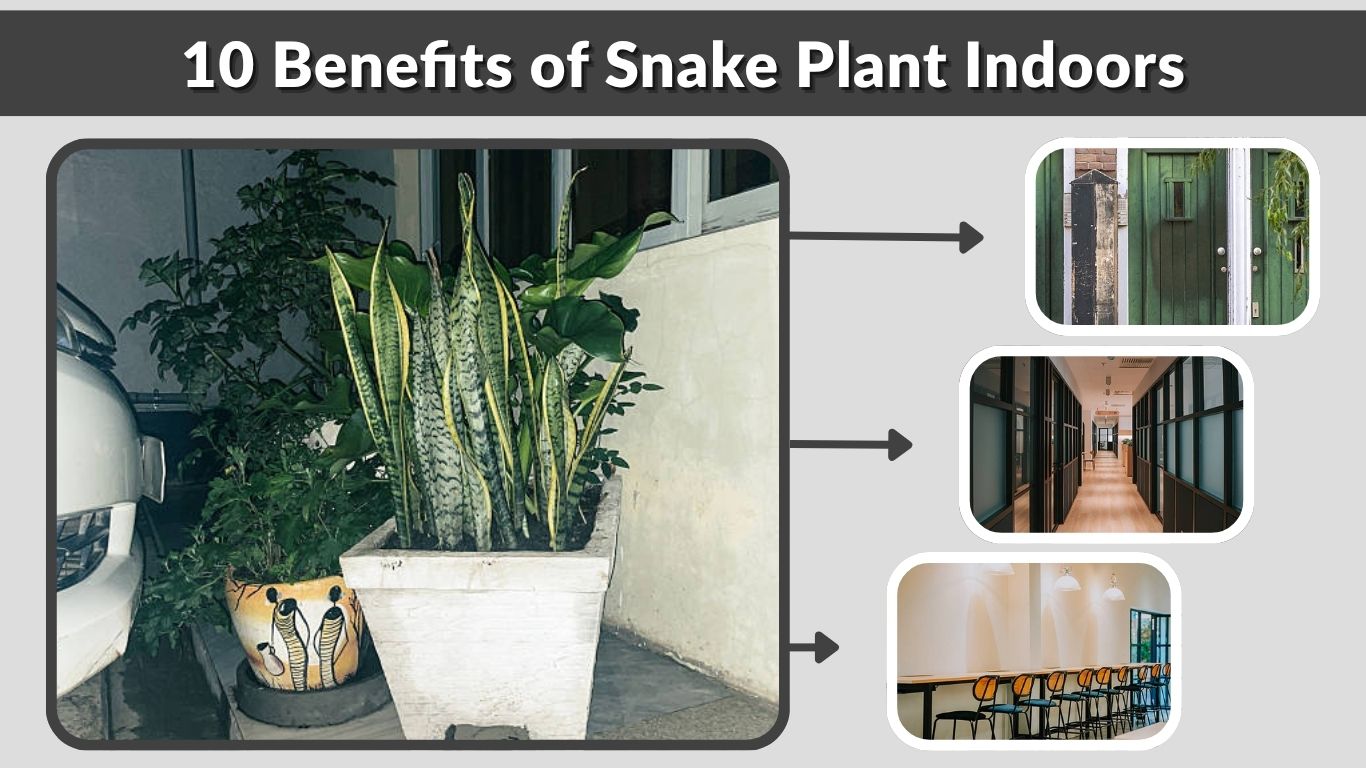
The Snake Plant is one of the best indoor plants for both beginners and experienced plant lovers. Known for its tall green leaves and stylish appearance, the snake plant fits beautifully into almost any home décor while providing several practical health and lifestyle benefits.
Over the years, snake plants have become incredibly popular because they are easy to grow, survive in different lighting conditions, and require very little maintenance. Unlike many delicate houseplants, snake plants can tolerate occasional neglect and still continue growing well indoors.
Beyond their decorative value, snake plants are also known for improving indoor air quality, producing oxygen at night, and creating a fresher indoor environment. Whether you live in a small apartment, a modern office, or a family home, adding a snake plant indoors can make your space healthier, calmer, and more attractive.
1. Snake Plants Improve Indoor Air Quality
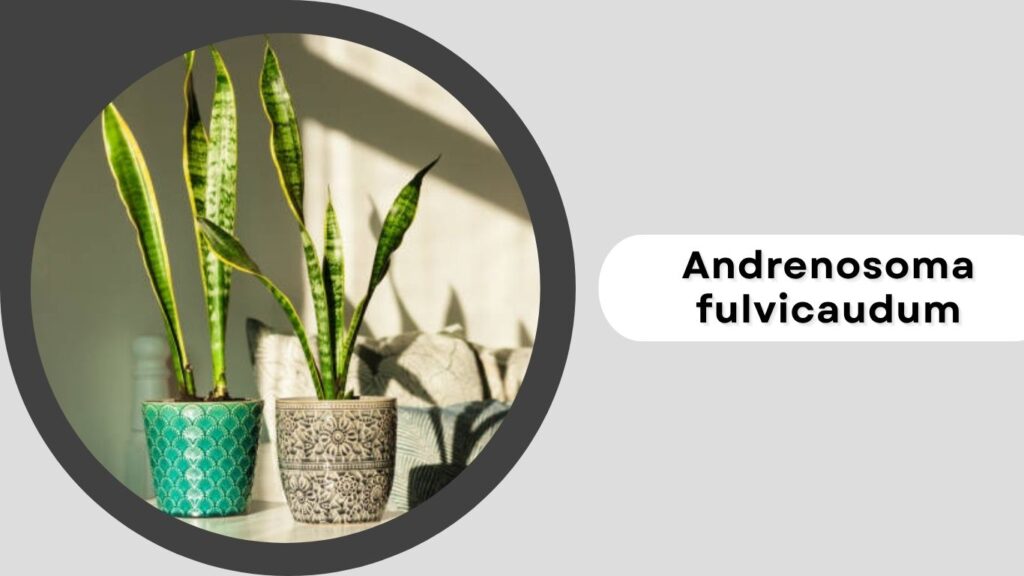
Indoor air can contain harmful chemicals released from furniture, paints, carpets, and cleaning products. Snake plants naturally help purify the air by absorbing toxins and improving indoor freshness.
How Snake Plants Filter Harmful Toxins
Formaldehyde is a common chemical found in household materials such as plywood, curtains, adhesives, and cleaning supplies. Long-term exposure may cause irritation to the eyes, throat, and nose. Snake plants absorb formaldehyde through their leaves, helping reduce indoor pollution naturally.
Absorbs Benzene
Benzene is another harmful toxin often present in plastics, detergents, cigarette smoke, and synthetic materials. Snake plants help filter benzene from the air, making indoor spaces healthier for daily living.
Helps Reduce Indoor Pollutants
Snake plants can also absorb other airborne pollutants like xylene and toluene. This makes them a great choice for apartments, offices, and homes with limited ventilation.
NASA Clean Air Study and Snake Plants
The famous NASA Clean Air Study identified snake plants as one of the top air-purifying indoor plants. Researchers found that certain houseplants can help remove harmful toxins from enclosed indoor spaces.
Why It Matters Indoors
Modern homes are often tightly sealed to improve energy efficiency, but this can trap pollutants indoors. Snake plants help improve air circulation quality naturally without needing expensive equipment.
Air-Purifying Benefits of Snake Plants
Cleaner indoor air may help reduce irritation caused by dust, chemicals, and household pollutants.
Better Indoor Freshness
Snake plants make indoor spaces feel fresher and more comfortable naturally.
Ideal for Apartments and Offices
Because snake plants grow well in low light and require little care, they are perfect for apartments, bedrooms, and office desks.
2. Snake Plants Produce Oxygen at Night
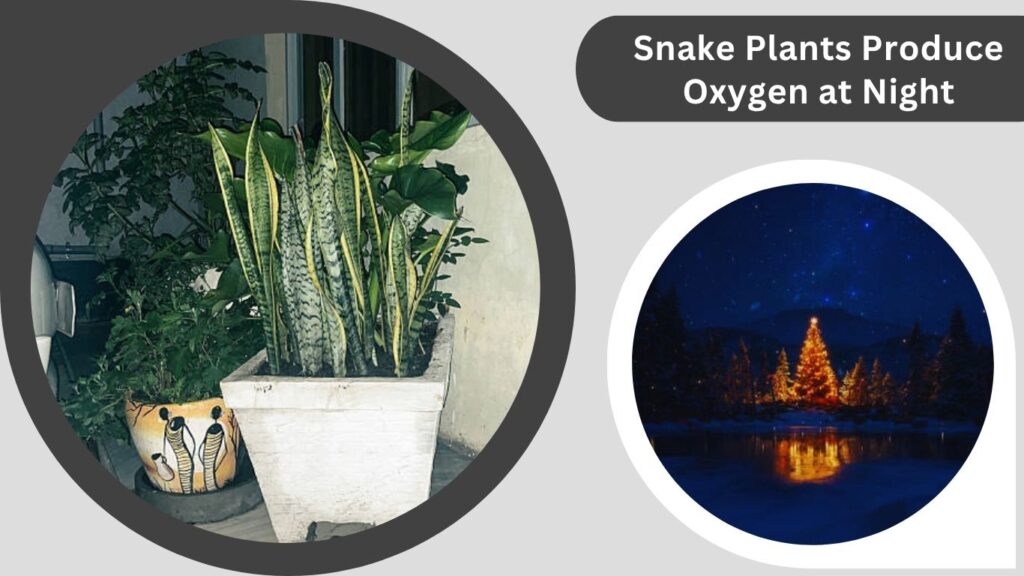
One unique benefit of snake plants is their ability to release oxygen during the night, unlike many other common houseplants.
Why Nighttime Oxygen Production Matters
Most indoor plants release oxygen during the daytime and slow down at night. Snake plants are different because they continue gas exchange overnight.
CAM Photosynthesis Explanation
Snake plants use a process called Crassulacean Acid Metabolism (CAM), which allows them to absorb carbon dioxide at night and conserve water efficiently.
CO2+H2O→O2+C6H12O6
This special process helps the plant release oxygen while most plants are less active during nighttime hours.
Best Rooms for Snake Plants
Bedrooms
Snake plants are ideal for bedrooms because they may help create fresher nighttime air while you sleep.
Living Rooms
Their upright modern leaves add beauty and freshness to living spaces.
Study Areas
Keeping a snake plant near your desk or study corner can create a calmer and more relaxing indoor environment.
Benefits of Better Oxygen Indoors
Improved Sleep Quality
Fresh indoor air may support better relaxation and a more comfortable sleeping atmosphere.
Fresher Nighttime Air
Many homeowners notice rooms feel less stuffy when indoor plants are present.
Relaxing Indoor Atmosphere
Snake plants help create a peaceful and natural indoor setting that promotes comfort and relaxation.
3. Snake Plants Are Extremely Low Maintenance
One of the main reasons snake plants are loved worldwide is their ability to survive with very little care.
Easy Care Requirements
Minimal Watering
Snake plants store moisture inside their thick leaves, allowing them to survive for weeks without watering. In most homes, watering every two to three weeks is enough.
Tolerates Neglect
Even if you occasionally forget to care for your plant, snake plants usually continue growing without major problems.
Grows in Low Light
Snake plants adapt well to indirect sunlight, low-light corners, and even artificial indoor lighting.
Perfect Plant for Beginners
Great Starter Houseplant
If you are new to indoor gardening, snake plants are one of the easiest plants to start with.
Hard to Kill
Compared to many tropical houseplants, snake plants are highly durable and forgiving.
Low-Cost Maintenance
They require minimal fertilizer, little water, and infrequent repotting, making them budget-friendly indoor plants.
Simple Snake Plant Care Tips
Water Only When Soil Dries
Always allow the soil to dry completely before watering again. Wet soil for long periods can damage the roots.
Avoid Overwatering
Overwatering is the most common problem with snake plants. Too much moisture can lead to root rot and yellow leaves.
Use Well-Draining Soil
A cactus or succulent soil mix works best because it drains excess water quickly and keeps the roots healthy.
4. Snake Plants Help Reduce Indoor Allergens
Indoor air can become dry and filled with dust particles, especially in homes that use air conditioning or heating systems regularly. Snake plants may help create a healthier indoor environment by adding slight humidity and trapping airborne particles.
How Snake Plants Add Humidity
Releases Moisture Slowly
Like many indoor plants, the Snake Plant releases small amounts of moisture into the air through a natural process called transpiration. This gradual moisture release can make indoor air feel less dry.
Helps Dry Indoor Environments
Dry indoor air can cause discomfort, especially during hot summers or winter months when air conditioners and heaters run frequently. Snake plants help balance indoor moisture levels naturally.
Allergy-Friendly Indoor Plant Benefits
Traps Dust Particles
The broad upright leaves of snake plants can collect dust particles from the air, helping reduce airborne debris inside the home.
Reduces Airborne Irritants
By helping improve indoor air quality, snake plants may reduce minor airborne irritants that can contribute to indoor discomfort.
Who Benefits Most From Snake Plants
Allergy Sufferers
People sensitive to indoor dust and dry air may enjoy a fresher indoor environment with snake plants.
People With Dry Skin
Extra indoor moisture may help reduce dryness caused by constant exposure to air conditioning.
Homes With Air Conditioning
Snake plants are especially useful in air-conditioned apartments and offices where indoor air often becomes very dry.
5. Snake Plants Improve Home Decor
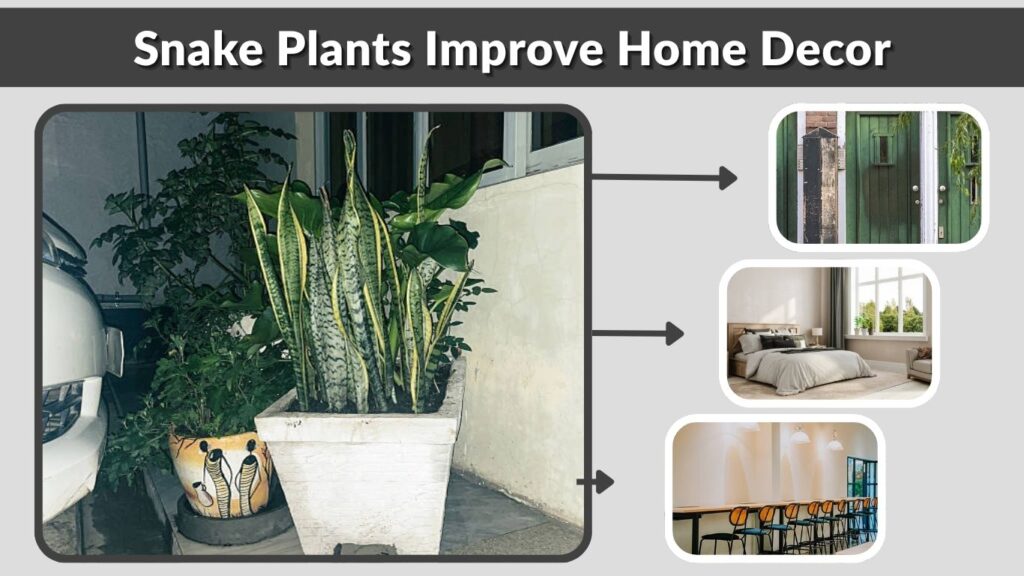
Snake plants are not only practical indoor plants but also beautiful decorative elements that enhance modern interiors.
Modern and Stylish Appearance
Tall Architectural Leaves
Snake plants feature upright sword-shaped leaves that create a bold architectural look indoors. Their vertical growth adds structure and elegance to any room.
Fits Minimalist Interiors
Because of their clean lines and simple appearance, snake plants work perfectly in minimalist, Scandinavian, and modern home designs.
Best Places to Display Snake Plants
Entryways
A tall snake plant near the entrance creates a fresh and welcoming first impression.
Bedroom Corners
Snake plants fit beautifully in unused bedroom corners where they add color without taking much space.
Office Desks
Smaller snake plant varieties are ideal for office desks because they require little maintenance and brighten workspaces naturally.
Popular Snake Plant Varieties for Decor
Laurentii
Sansevieria Laurentii is one of the most popular varieties, known for its green leaves with yellow edges.
Moonshine
Moonshine Snake Plant has elegant silvery-green leaves that create a modern indoor look.
Cylindrica
Sansevieria Cylindrica features rounded spear-like leaves often styled in decorative braided arrangements.
6. Snake Plants Can Boost Mental Well-Being
Indoor plants do more than decorate a room. They can also create a calmer and more relaxing atmosphere that supports emotional wellness.
Psychological Benefits of Indoor Plants
Creates Calming Spaces
Adding greenery indoors often makes rooms feel more peaceful and inviting. Snake plants bring a natural touch that softens indoor spaces.
Reduces Stress Levels
Many people feel calmer around plants because greenery creates a more comfortable and relaxing environment.
How Greenery Improves Mood
Natural Indoor Beauty
The vibrant green leaves of snake plants add life and freshness to indoor spaces, helping rooms feel brighter and more welcoming.
Connection With Nature
Indoor plants help people feel more connected to nature, especially in apartments or urban homes with limited outdoor access.
Ways Snake Plants Support Wellness
Relaxing Environment
Snake plants contribute to a quiet and comfortable atmosphere ideal for relaxing after a long day.
Better Focus
Many people find that plants near work or study areas help create a more focused and refreshing environment.
Positive Indoor Energy
A healthy indoor plant often makes a room feel more alive, balanced, and visually appealing.
7. Snake Plants Thrive in Low Light Condition
One reason snake plants are so popular is their ability to survive in areas where many houseplants struggle.
Ideal Lighting for Snake Plants
Bright Indirect Light
Snake plants grow fastest in bright indirect sunlight where they receive filtered natural light.
Tolerates Shade
Unlike many indoor plants, snake plants can also survive in low-light conditions and shaded corners.
Best Low-Light Spaces for Snake Plants
Bathrooms
Bathrooms with small windows are excellent places for snake plants because they tolerate humidity and low light well.
Hallways
Snake plants add greenery to dark hallways and narrow indoor spaces where other plants may not survive.
Offices
Because they adapt to fluorescent lighting, snake plants are ideal for office environments.
Benefits of Low-Light Indoor Plants
Flexible Placement
Snake plants can be placed almost anywhere indoors without needing constant sunlight.
Easy Indoor Growing
Their adaptability makes them one of the easiest indoor plants to maintain successfully.
Great for Small Homes
For apartments and compact homes with limited natural light, snake plants provide greenery without requiring sunny windows.
8. Snake Plants Are Drought Tolerant
One of the biggest advantages of keeping a Snake Plant indoors is its ability to survive with very little water. This makes it one of the easiest houseplants to care for in busy households.
Why Snake Plants Need Less Water
Thick Moisture-Storing Leaves
Snake plants have thick fleshy leaves that store water for long periods. These leaves act like natural reservoirs, helping the plant survive dry conditions indoors.
Slow-Growing Nature
Snake plants grow slowly compared to many tropical houseplants. Because of their slower growth, they use less water and nutrients over time.
Common Watering Mistakes to Avoid
Overwatering
Overwatering is the most common mistake people make with snake plants. Too much water can quickly damage the roots and cause the leaves to turn yellow or soft.
Poor Drainage
Using pots without drainage holes can trap excess water inside the soil. Proper drainage is essential for keeping the roots healthy.
Waterlogged Soil
Snake plants dislike constantly wet soil. Waterlogged roots may develop root rot, which can eventually kill the plant.
Benefits of Drought-Tolerant Houseplants
Saves Time
Snake plants do not require constant watering, making them ideal for people with busy schedules.
Conserves Water
Because they need very little moisture, snake plants are environmentally friendly indoor plants that help reduce water usage.
Ideal for Busy People
Whether you travel frequently or simply forget to water plants sometimes, snake plants can continue thriving with minimal care.
9. Snake Plants May Increase Productivity
Indoor plants can positively influence workspaces by making them feel cleaner, calmer, and more inviting. Snake plants are especially useful because they require little maintenance while improving the overall atmosphere.
Indoor Plants and Workplace Focus
Cleaner Workspace
Snake plants help create a fresher indoor environment, which may make offices and study spaces feel more comfortable.
Reduced Mental Fatigue
Natural greenery often helps reduce feelings of mental exhaustion during long working hours.
Why Snake Plants Are Great for Offices
Compact Size
Many snake plant varieties fit easily on desks, shelves, and small office corners without taking up much space.
Low Maintenance
Snake plants are perfect for offices because they survive well under artificial lighting and require very little attention.
Productivity Benefits of Snake Plants
Better Concentration
A comfortable and organized environment may help improve focus and concentration while working or studying.
Improved Mood
Adding greenery to workspaces often makes the area feel more positive and refreshing.
Attractive Workspace
Snake plants enhance office décor with their clean, upright appearance and modern style.
Quick Productivity Benefits
- Creates a calming work environment
- Adds natural beauty to desks
- Requires very little attention
- Helps reduce visual stress
- Fits small office spaces easily
10. Snake Plants Are Long-Lasting Indoor Plants
Snake plants are known for their durability and impressive lifespan. With proper care, they can remain healthy indoors for many years.
Lifespan of Snake Plants Indoors
Can Survive for Years
A healthy snake plant can live for many years indoors, making it one of the most reliable long-term houseplants.
Slow and Steady Growth
Snake plants grow gradually over time, allowing them to maintain their attractive appearance without becoming difficult to manage.
How to Keep Snake Plants Healthy Long-Term
Proper Watering
Allow the soil to dry before watering again to prevent root problems and maintain healthy growth.
Occasional Repotting
Snake plants benefit from repotting every few years when their roots outgrow the container.
Good Drainage
Using well-draining soil and pots with drainage holes helps protect the roots from excess moisture.
Why Long-Lasting Plants Save Money
Fewer Replacements Needed
Because snake plants are highly durable, homeowners rarely need to replace them compared to delicate indoor plants.
Budget-Friendly Indoor Decor
Snake plants provide long-lasting greenery and stylish decoration without requiring expensive maintenance or frequent purchases.
Snake Plant Benefits at a Glance
| Benefit | Why It Matters Indoors |
|---|---|
| Air purification | Helps improve indoor air quality |
| Night oxygen production | Supports fresher nighttime air |
| Low maintenance | Easy for beginners |
| Allergy support | Reduces dust and dryness |
| Stylish appearance | Enhances home decor |
| Mental wellness | Creates a calming atmosphere |
| Low-light tolerance | Grows almost anywhere indoors |
| Drought tolerant | Needs less watering |
| Productivity support | Great for offices and desks |
| Long lifespan | Cost-effective houseplant |
Common Problems With Snake Plants Indoors
Although Snake Plant is one of the easiest houseplants to maintain, a few common problems can still occur if the plant is not cared for properly. Understanding these issues helps keep your snake plant healthy for many years.
Overwatering Issues
Overwatering is the number one reason snake plants struggle indoors. Since snake plants store moisture inside their thick leaves, they do not need frequent watering.
When the soil stays wet for too long, the roots cannot breathe properly. This often causes soft leaves, drooping stems, unpleasant odors, and root damage. During colder months, the plant needs even less water because growth slows down significantly.
To avoid overwatering:
- Water only when the soil feels completely dry
- Use pots with drainage holes
- Empty excess water from trays
- Reduce watering during winter
Yellowing Leaves
Yellow leaves are usually a sign that something is wrong with the plant’s environment or watering schedule.
Common causes include:
- Too much water
- Poor drainage
- Sudden temperature changes
- Excess direct sunlight
- Root stress
If only older leaves turn yellow occasionally, it may simply be natural aging. However, widespread yellowing usually means the plant needs adjustments in care.
Removing damaged leaves and correcting watering habits often helps the plant recover.
Root Rot Prevention
Root rot is one of the most serious problems for indoor snake plants. It happens when roots remain wet for long periods and begin decaying.
Signs of root rot include:
- Mushy roots
- Soft or collapsing leaves
- Foul-smelling soil
- Brown or black root sections
Preventing root rot is much easier than treating it.
Tips to Prevent Root Rot
- Use well-draining cactus or succulent soil
- Never allow water to sit inside the pot
- Choose containers with drainage holes
- Avoid watering on a strict schedule
- Let the soil dry naturally between waterings
Healthy roots are essential for long-lasting indoor growth.
Pest Problems and Solutions
Snake plants are generally resistant to pests, but occasional infestations can still happen indoors.
Common pests include:
- Spider mites
- Mealybugs
- Fungus gnats
These pests usually appear when humidity, airflow, or watering conditions become unbalanced.
Simple Pest Solutions
- Wipe leaves regularly with a damp cloth
- Keep the plant clean and dust-free
- Avoid overly wet soil
- Use mild insecticidal soap if necessary
- Isolate infected plants temporarily
Regular inspection helps prevent small pest problems from spreading.
Best Places to Keep Snake Plants Indoors
Snake plants are highly adaptable and can grow successfully in many parts of the home. Choosing the right location helps maximize both growth and decorative appeal.
Bedroom
Bedrooms are one of the best places for snake plants because they release oxygen at night through their unique gas exchange process.
Benefits of placing snake plants in bedrooms include:
- Fresher nighttime atmosphere
- Relaxing natural décor
- Low-maintenance bedroom greenery
- Improved room aesthetics
A medium-sized snake plant near a window corner works especially well.
Living Room
Living rooms provide enough space for larger snake plant varieties to become stylish decorative pieces.
Tall snake plants can:
- Fill empty corners beautifully
- Add modern architectural style
- Create a fresh indoor appearance
- Complement minimalist interiors
They pair especially well with neutral-colored furniture and modern décor styles.
Bathroom
Bathrooms are excellent for snake plants because many varieties tolerate humidity well.
Benefits of bathroom placement:
- Thrives in humid conditions
- Fits compact spaces easily
- Adds spa-like natural beauty
- Survives with limited sunlight
Bathrooms with small windows or indirect light are often suitable.
Office Desk
Snake plants are popular office plants because they survive well under artificial lighting and require minimal attention.
Desk placement benefits include:
- Adds greenery without clutter
- Requires little maintenance
- Improves workspace appearance
- Fits small desks and shelves
Compact varieties work best for office settings.
Apartment Corners
Snake plants are ideal for apartments because they tolerate low light and limited space.
They help:
- Brighten dark corners
- Add greenery to small homes
- Improve apartment aesthetics
- Require little daily care
Tall varieties can also make compact apartments feel more stylish and balanced.
FAQs About Snake Plant Benefits Indoors
Are snake plants good for bedrooms?
Yes, snake plants are considered excellent bedroom plants because they release oxygen during nighttime hours. Their calming appearance and low-maintenance care also make them ideal for sleeping spaces.
Do snake plants really clean the air?
Yes, snake plants can help improve indoor air quality by absorbing certain airborne toxins such as formaldehyde and benzene. The NASA Clean Air Study helped make snake plants famous for their air-purifying abilities.
How often should I water a snake plant indoors?
Most indoor snake plants only need watering every 2–3 weeks. Always check the soil first and water only when it feels dry.
Can snake plants survive without sunlight?
Snake plants can survive in low-light conditions, but they still grow best with some indirect sunlight. Completely dark environments may slow growth significantly over time.
Are snake plants safe for pets?
Snake plants are mildly toxic to cats and dogs if eaten. Keeping the plant out of reach of pets is the safest option for pet-friendly homes.
What is the best place to keep a snake plant indoors?
The best location depends on your space, but common ideal spots include:
- Bedroom corners
- Living rooms
- Office desks
- Hallways
- Bathrooms with indirect light
Areas with bright indirect sunlight usually encourage healthier growth.
How long do indoor snake plants live?
Indoor snake plants can live for many years, often over a decade with proper care. Their durability and slow growth make them one of the longest-lasting houseplants.
Why are snake plants considered lucky?
In many cultures and interior design traditions, snake plants are believed to symbolize protection, resilience, and positive energy. Their tall upright leaves are often associated with strength and growth.
In practices like Feng Shui, snake plants are thought to help remove negative energy and create balance inside the home. Because they survive difficult conditions and continue growing steadily, they are also viewed as symbols of endurance and prosperity.
Many homeowners keep snake plants indoors not only for their practical benefits but also because they are believed to attract good fortune, peace, and healthy energy into living spaces.

- 10 Best Garden Hose For Hot Water 2026 - October 15, 2026
- 10 Best Garden Hose For High Water Pressure 2026 - October 15, 2026
- 10 Best Garden Hose For Home Use 2026 - October 15, 2026