Lavender is one of the most loved flowering plants in gardens around the world. Known for its soothing fragrance, soft purple blooms, and elegant appearance, lavender adds beauty and relaxation to both outdoor landscapes and indoor spaces. Whether planted along garden borders, in containers, or across large fields, lavender creates a calm and visually stunning atmosphere.
One of the biggest reasons lavender plants are so popular is their versatility. Their fragrant flowers are commonly used in perfumes, essential oils, soaps, candles, and dried floral arrangements. Many gardeners also appreciate lavender for its drought-tolerant nature, making it an excellent low-maintenance plant for warm and sunny climates. In addition, lavender attracts pollinators like bees and butterflies while helping create a peaceful garden environment.
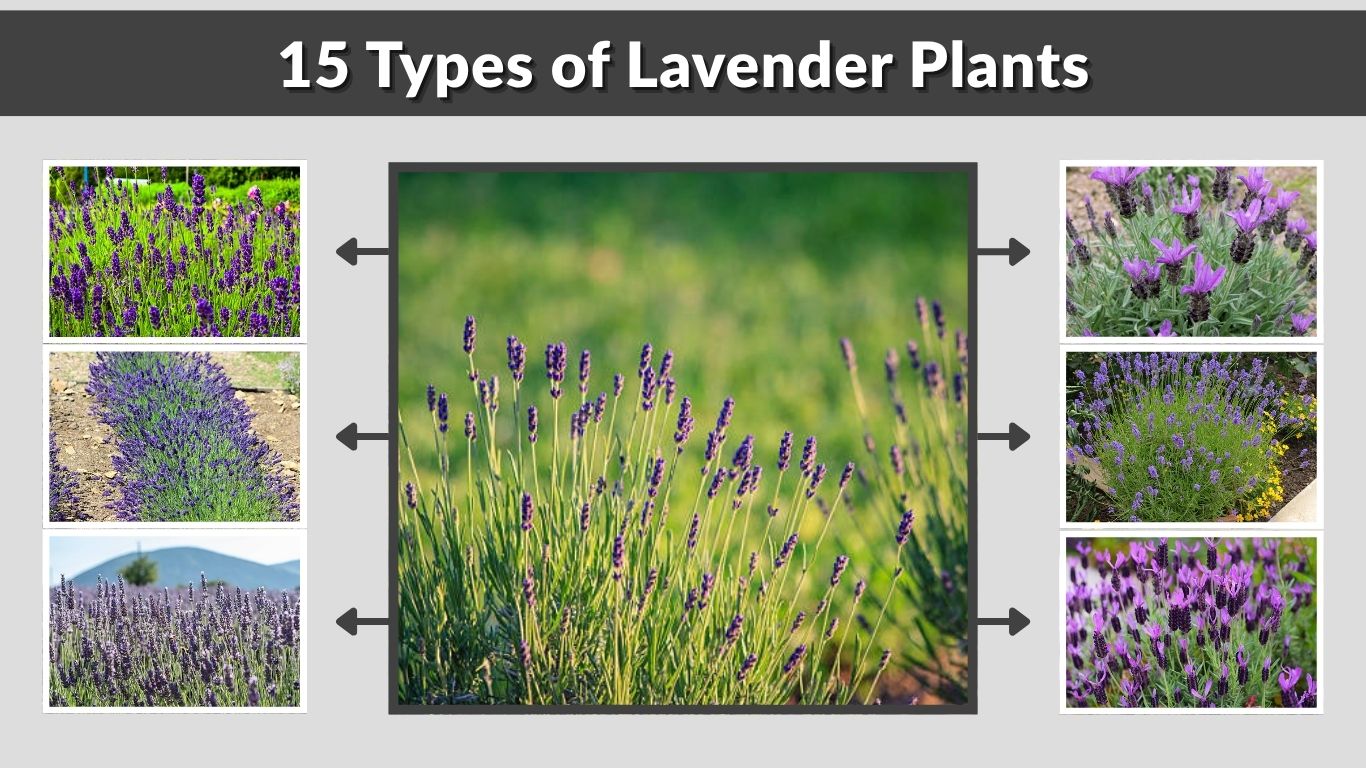
There are many different types of lavender available, each with unique colors, flower shapes, growth habits, and fragrances. The main species include English lavender, French lavender, and Spanish lavender. English lavender is famous for its cold hardiness and sweet fragrance, making it ideal for cooking and essential oils. French lavender is valued for its long blooming season and decorative appearance, while Spanish lavender stands out with its distinctive butterfly-like flower petals.
Choosing the right lavender variety depends on several factors, including climate, available garden space, and how you plan to use the plant. Some lavender types grow best in colder regions, while others thrive in hot and dry conditions. Compact varieties are perfect for containers and small gardens, whereas larger types work beautifully in landscape borders and pathways. Whether you want lavender for culinary use, fragrance production, pollinator gardens, or decorative landscaping, selecting the proper variety helps ensure healthy growth and long-lasting blooms.
1. English Lavender (Lavandula angustifolia)
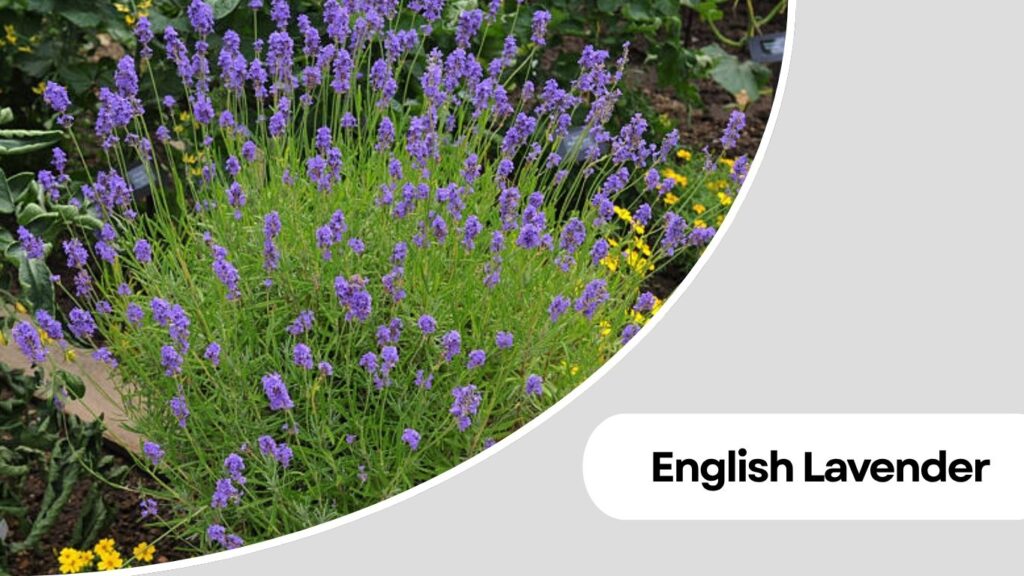
English Lavender is the most popular and widely grown lavender species in the world. It is loved for its sweet fragrance, compact growth, and beautiful purple flower spikes. Despite its name, English lavender originally comes from the Mediterranean region, but it became extremely popular in English gardens because of its cold tolerance and elegant appearance.
English lavender is commonly used in herb gardens, borders, pollinator gardens, and decorative landscapes. It is also one of the best lavender types for cooking, essential oils, and dried flower arrangements.
Features of English Lavender
English lavender is known for its soft gray-green foliage and highly fragrant flowers that bloom during late spring and summer.
Main Features Include:
- Sweet floral fragrance
- Compact bushy growth
- Purple to deep violet flower spikes
- Cold-hardy nature
- Attracts bees and butterflies
This lavender type usually grows between 1 to 3 feet tall depending on the cultivar and growing conditions.
Best Growing Conditions
English lavender thrives best in sunny locations with dry, well-draining soil. Too much moisture around the roots can cause disease and root rot.
Ideal Growing Requirements
- Full sunlight for at least 6–8 hours daily
- Sandy or well-draining soil
- Moderate watering
- Good airflow around plants
- Dry conditions preferred over humidity
English lavender performs especially well in cooler climates compared to French or Spanish lavender.
Popular English Lavender Cultivars
Hidcote
Hidcote Lavender is famous for its deep purple flowers and compact growth habit. It is one of the best choices for borders, edging, and small garden spaces.
Munstead
Munstead Lavender is an early-blooming variety known for its soft lavender-blue flowers and excellent cold hardiness.
Royal Velvet
Royal Velvet Lavender produces rich dark purple flower spikes with strong fragrance, making it ideal for dried bouquets and ornamental gardens.
2. French Lavender (Lavandula dentata)
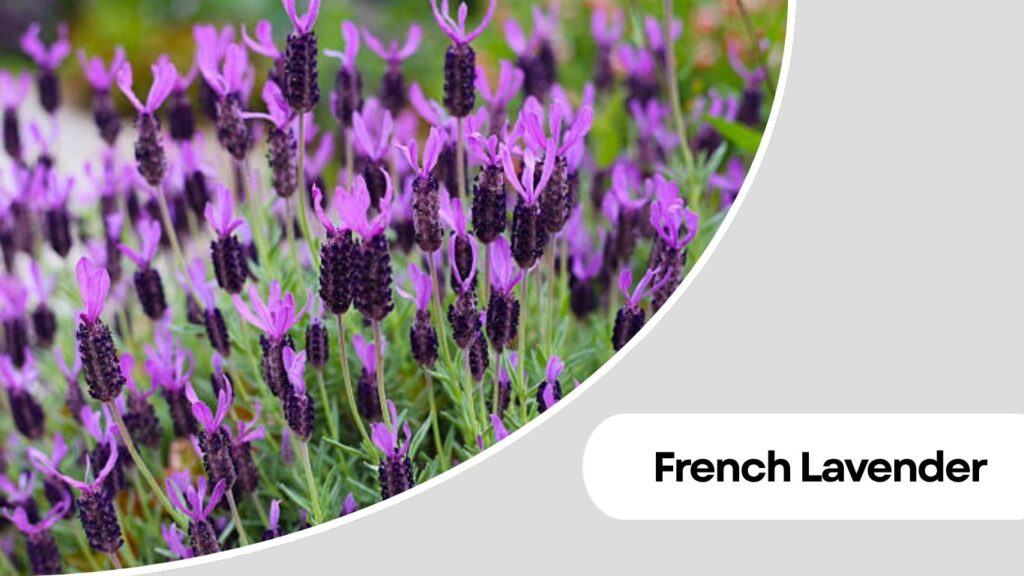
French Lavender is a decorative lavender species recognized for its unique serrated leaves and long blooming season. It is highly valued for ornamental landscaping and container gardening.
Unlike English lavender, French lavender thrives better in warm climates and mild winters.
Characteristics of French Lavender
French lavender has softer flower spikes and toothed gray-green foliage that gives the plant a delicate textured appearance.
Common Characteristics Include:
- Fragrant purple flowers
- Serrated silver-green leaves
- Long flowering period
- Compact rounded growth
- Mild lavender scent
French lavender often blooms continuously in warm climates from spring through fall.
Best Climate for French Lavender
French lavender prefers warmer Mediterranean-like conditions and does not tolerate extreme cold very well.
Ideal Climate Conditions
- Warm temperatures
- Low humidity
- Mild winters
- Full sun exposure
- Well-drained soil
It grows best in USDA hardiness zones 8–10 where winters remain relatively mild.
French Lavender Care Tips
French lavender is fairly low maintenance when planted in the right environment.
Helpful Care Tips
- Avoid heavy clay soil
- Water lightly once established
- Prune after flowering
- Provide maximum sunlight
- Protect from freezing temperatures
Container growing is often recommended in colder climates so plants can be moved indoors during winter.
3. Spanish Lavender (Lavandula stoechas)
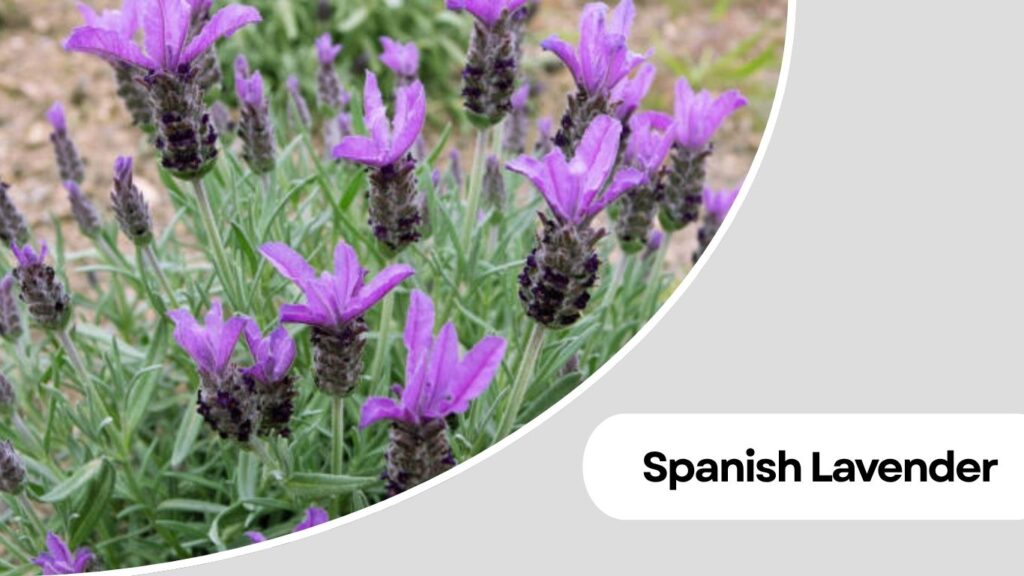
Spanish Lavender is one of the most visually unique lavender species. It is easily recognized by the decorative petals that resemble butterfly wings sitting above the flower spikes.
Its bold appearance makes Spanish lavender highly popular in ornamental landscaping.
Unique Butterfly-Shaped Flowers
The most distinctive feature of Spanish lavender is its unusual flower shape.
Flower Characteristics
- Pineapple-shaped flower heads
- Bright purple bracts on top
- Butterfly-like appearance
- Rich ornamental value
- Strong aromatic foliage
These eye-catching blooms make Spanish lavender stand out in gardens and containers.
Ideal Growing Zones
Spanish lavender prefers warm climates with dry summers and mild winters.
Best Growing Conditions
- USDA zones 7–10
- Full sunlight
- Sandy well-draining soil
- Dry growing conditions
- Limited frost exposure
It performs especially well in Mediterranean-style gardens.
Landscaping Uses for Spanish Lavender
Spanish lavender is often used as a decorative focal point because of its striking appearance.
Popular Landscaping Uses
- Rock gardens
- Border plantings
- Decorative containers
- Pollinator gardens
- Mediterranean landscapes
Its vibrant flowers also attract bees and butterflies throughout the blooming season.
4. Lavandin (Lavandula x intermedia)
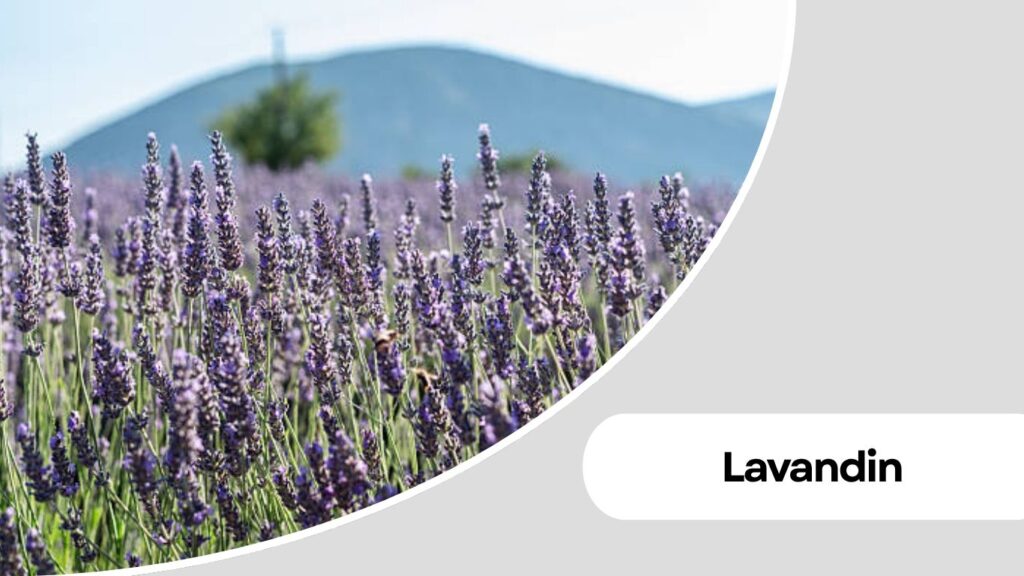
Lavandin is a hybrid lavender created by crossing English lavender with spike lavender. It combines strong fragrance, vigorous growth, and long flower stems.
Lavandin is widely grown for commercial essential oil production and large landscape plantings.
What Is Lavandin Hybrid Lavender?
Lavandin is larger and more productive than many traditional lavender species.
Main Features Include:
- Tall flower spikes
- Strong camphor-like fragrance
- Fast vigorous growth
- High oil production
- Excellent drought tolerance
It is commonly planted in large lavender farms because of its heavy flowering habit.
Difference Between Lavandin and English Lavender
Although lavandin looks similar to English lavender, there are several important differences.
Key Differences
| Feature | English Lavender | Lavandin |
|---|---|---|
| Fragrance | Sweet and soft | Strong and sharp |
| Plant Size | Smaller | Larger |
| Oil Production | Moderate | High |
| Flower Stems | Shorter | Longer |
| Cold Hardiness | Better | Slightly less hardy |
Lavandin is often preferred for commercial oil production, while English lavender is favored for culinary uses.
Popular Lavandin Varieties
Grosso
Grosso Lavender is one of the most famous lavandin varieties used for essential oils and dried lavender bundles.
Provence
Provence Lavender is known for its sweet fragrance and elegant long flower spikes often used in perfumes and sachets.
Phenomenal
Phenomenal Lavender is highly valued for its excellent heat, humidity, and cold tolerance.
5. Hidcote Lavender
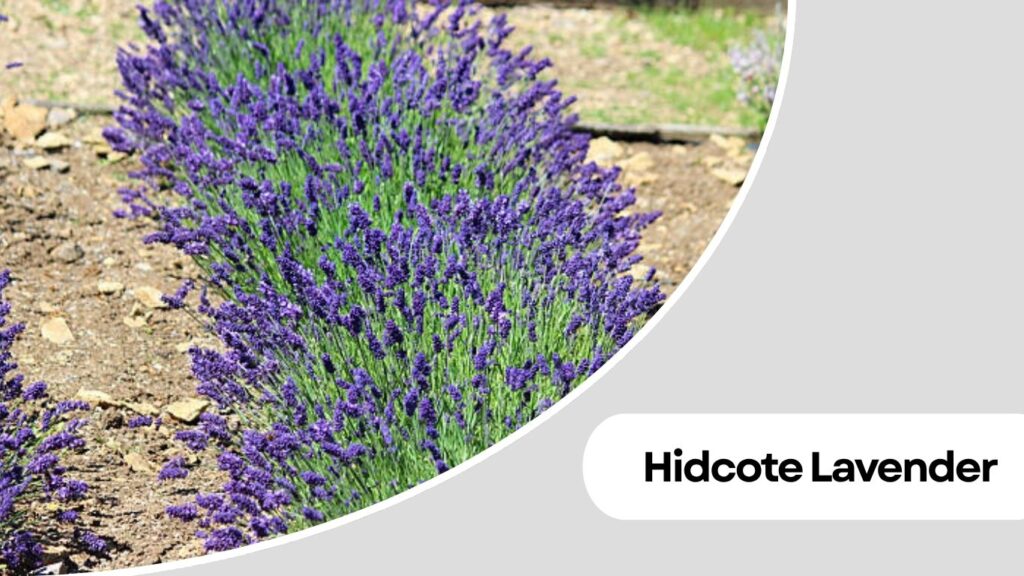
Hidcote Lavender is one of the most famous and widely planted lavender varieties in home gardens around the world. This beautiful English lavender cultivar is highly valued for its deep purple flower spikes, compact shape, and rich fragrance. Gardeners love Hidcote lavender because it combines ornamental beauty with easy maintenance, making it perfect for both beginner and experienced growers.
Originally developed in England, Hidcote lavender became popular for its ability to create neat borders, colorful pathways, and elegant cottage-style gardens. Its compact growth habit and long-lasting blooms make it one of the best lavender choices for landscaping and decorative planting.
Why Hidcote Lavender Is Popular
Hidcote lavender is considered one of the best lavender varieties for small gardens and formal landscapes because of its dense growth and vibrant flower color.
Compact and Neat Growth Habit
Unlike larger lavender varieties, Hidcote grows in a compact mound shape that stays tidy throughout the growing season. Mature plants usually reach around 18 to 24 inches tall and wide, making them ideal for borders, pathways, and edging.
Its structured appearance helps create clean lines in gardens while still maintaining a soft natural look.
Deep Purple Flower Color
One of the biggest reasons gardeners choose Hidcote lavender is its rich violet-purple blooms. The flower spikes are darker than many other English lavender varieties, creating a dramatic and eye-catching display during summer.
The intense flower color stands out beautifully against the plant’s silver-green foliage.
Strong Pleasant Fragrance
Hidcote lavender produces a sweet calming fragrance that is commonly associated with traditional lavender gardens. The flowers release their strongest scent on warm sunny days, making outdoor spaces feel relaxing and peaceful.
The fragrant flowers are also commonly used for:
- Dried flower arrangements
- Potpourri
- Lavender sachets
- Essential oils
- Homemade crafts
Excellent Pollinator Plant
Like many lavender plants, Hidcote attracts beneficial pollinators including bees and butterflies. This makes it a valuable addition to pollinator-friendly gardens and eco-friendly landscapes.
Flower Color and Fragrance
Hidcote lavender is especially admired for its long-lasting blooms and aromatic foliage.
Rich Dark Purple Blooms
The flowers appear on upright spikes above the foliage during late spring and summer. Their deep violet shade creates strong visual contrast in gardens and containers.
Compared to lighter lavender varieties, Hidcote’s darker flowers often look more elegant and dramatic in landscape designs.
Silvery-Green Foliage
The narrow gray-green leaves remain attractive even when the plant is not flowering. The foliage adds texture and color throughout the year, especially in sunny gardens.
Long-Lasting Scent
Hidcote lavender is famous for its lasting fragrance. Even after the flowers are dried, they continue releasing a pleasant lavender aroma for months.
Because of this, it is often harvested for indoor decorative uses and natural home fragrance products.
Best Growing Conditions for Hidcote Lavender
Although Hidcote lavender is relatively easy to grow, providing proper conditions helps the plant thrive and produce more flowers.
Full Sunlight
Hidcote lavender grows best in full sun and should receive at least 6 to 8 hours of direct sunlight daily.
Well-Draining Soil
Good drainage is essential because lavender dislikes wet roots. Sandy or slightly rocky soil works best for healthy growth.
Moderate Watering
Once established, Hidcote lavender becomes drought tolerant and only needs occasional watering during dry periods.
Good Air Circulation
Proper airflow around the plant helps prevent fungal diseases and keeps the foliage healthy.
Best Uses in Gardens
Hidcote lavender is one of the most versatile lavender varieties for landscaping and decorative gardening.
Garden Borders and Edging
Its compact shape makes it perfect for lining pathways, flower beds, and walkways. Repeated planting creates beautiful purple borders during blooming season.
Cottage Gardens
Hidcote lavender is commonly used in traditional cottage-style gardens where its fragrance and color add romantic charm.
Container Gardening
Because of its manageable size, Hidcote grows very well in pots and containers placed on patios, balconies, and entryways.
Pollinator Gardens
The nectar-rich flowers attract bees, butterflies, and other helpful pollinators that support healthy garden ecosystems.
Decorative Herb Gardens
Hidcote lavender combines well with rosemary, thyme, sage, and other Mediterranean herbs in ornamental herb gardens.
Hidcote Lavender Care Tips
Keeping Hidcote lavender healthy is fairly simple when basic care guidelines are followed.
Prune After Flowering
Light pruning after blooming helps maintain the plant’s compact shape and encourages fuller growth.
Avoid Overwatering
Too much moisture can lead to root rot and weak growth. Always allow the soil to dry slightly between watering.
Protect From Heavy Winter Moisture
In colder climates, excess winter moisture is often more harmful than cold temperatures themselves. Good drainage is especially important during winter months.
Do Not Over-Fertilize
Lavender generally performs better in lean soil. Excess fertilizer may reduce fragrance and flower production.
With proper care, Hidcote lavender can remain healthy and beautiful for many years while continuously producing fragrant purple blooms.
6. Munstead Lavender
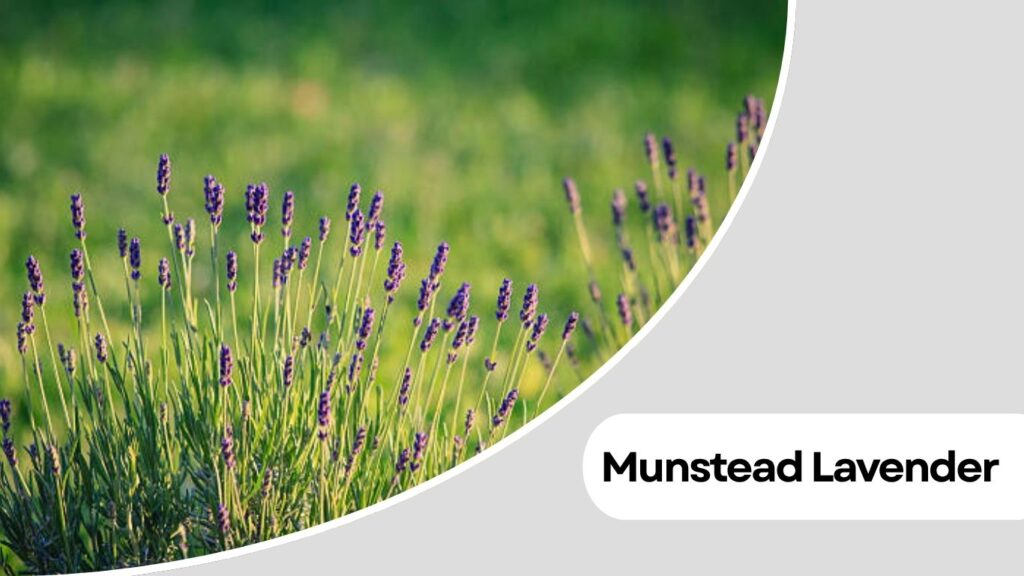
Munstead Lavender is a classic English lavender variety known for its reliability, beauty, and strong performance in cooler climates. It is often recommended for beginner gardeners because it adapts easily and produces fragrant blooms even with minimal care.
Compact Growth Habit
Munstead lavender grows in a neat, bushy mound shape, making it ideal for small gardens and tight spaces. It typically stays compact, with soft green-gray foliage and elegant purple flower spikes that rise just above the plant.
This controlled growth habit makes it perfect for edging, pathways, and decorative borders where a tidy appearance is important.
Cold-Hardy Lavender Benefits
One of the strongest advantages of Munstead lavender is its excellent cold tolerance. It performs well in cooler regions where other lavender types may struggle.
Benefits include:
- Survives colder winters better than many varieties
- Reliable flowering year after year
- Suitable for northern climates
- Low risk of winter damage when properly drained
Growing Munstead Lavender in Pots
Munstead lavender is also a great container plant. Growing it in pots allows better control over soil drainage and placement.
Key container tips:
- Use well-draining potting mix
- Choose a pot with drainage holes
- Place in full sun
- Avoid overwatering
- Prune lightly after flowering
7. Grosso Lavender
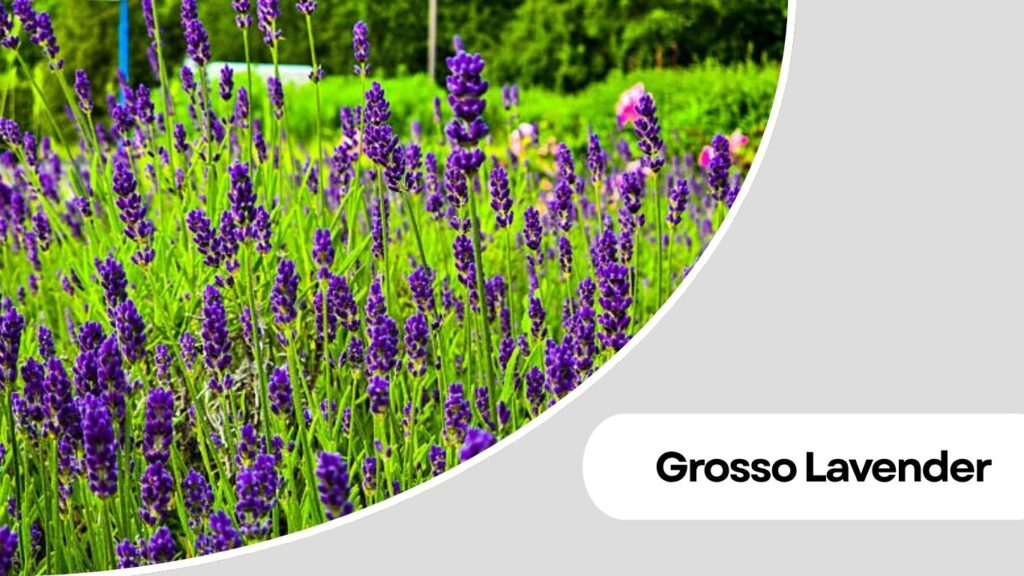
Grosso Lavender is one of the most famous lavandin varieties, widely grown for its strong fragrance and commercial value. It is a hybrid known for its tall flower spikes and high oil production.
Best Lavender for Essential Oils
Grosso lavender is considered one of the best varieties for essential oil extraction due to its high oil content.
Its oil is commonly used in:
- Aromatherapy products
- Perfumes and fragrances
- Soaps and lotions
- Relaxation oils
Strong Fragrance and Tall Growth
This variety produces long, tall flower stems with a powerful lavender scent. The fragrance is stronger and more camphor-like compared to English lavender.
Key features:
- Tall upright growth
- Long flowering stems
- Intense aroma
- Fast-growing nature
Commercial Uses of Grosso Lavender
Grosso lavender is widely cultivated in large fields for commercial purposes.
Common uses include:
- Essential oil production
- Dried lavender bundles
- Large-scale landscaping
- Lavender farms and tourism
8. Provence Lavender
Provence Lavender is a popular lavandin variety known for its elegant appearance and sweet fragrance. It is widely grown in Mediterranean-style gardens and commercial lavender farms.
Features of Provence Lavender
Provence lavender produces long, graceful flower spikes and soft gray-green foliage.
Main features include:
- Tall flowering stems
- Light purple blooms
- Strong pleasant fragrance
- Vigorous growth habit
It is often associated with classic lavender fields.
Best Lavender for Drying
Provence lavender is one of the best types for drying due to its long stems and long-lasting scent.
It is commonly used for:
- Dried flower arrangements
- Lavender bundles
- Home fragrance décor
- Craft projects
Growing Provence Lavender Successfully
To grow Provence lavender well:
- Provide full sun exposure
- Use well-draining soil
- Avoid excess moisture
- Prune after flowering
- Space plants properly for airflow
It thrives best in warm, dry climates.
9. Phenomenal Lavender
Phenomenal Lavender is a modern hybrid lavender known for its exceptional durability. It is specially bred to tolerate both extreme heat and cold conditions.
Why Phenomenal Lavender Is Unique
Phenomenal lavender stands out because it combines beauty with resilience.
Unique qualities include:
- Strong disease resistance
- Long blooming season
- Uniform growth habit
- Excellent survival rate in tough climates
It is often preferred by gardeners in unpredictable weather regions.
Heat and Humidity Tolerance
Unlike many lavender types, Phenomenal lavender handles humidity better, making it suitable for a wider range of environments.
Benefits:
- Performs well in hot summers
- Tolerates humid conditions better than most lavenders
- Maintains strong growth in diverse climates
Best Landscaping Applications
Phenomenal lavender is ideal for large and functional landscaping designs.
Common uses:
- Garden borders
- Mass planting
- Roadside landscaping
- Commercial gardens
- Pollinator-friendly spaces
10. Royal Velvet Lavender
Royal Velvet Lavender is a striking English lavender variety known for its rich, velvety purple flowers and elegant appearance. It is highly valued for both ornamental and floral use.
Deep Purple Flower Spikes
Royal Velvet produces some of the darkest purple flowers among English lavenders.
Key features:
- Deep violet flower spikes
- Long blooming season
- Silvery-green foliage
- Strong aromatic scent
The rich color makes it highly attractive in garden designs.
Best Uses for Cut Flowers
Royal Velvet is one of the best lavender types for cut flower arrangements because of its strong stems and long-lasting color.
It is commonly used in:
- Fresh floral bouquets
- Dried arrangements
- Wedding decorations
- Aromatic crafts
Royal Velvet Care Requirements
This variety is relatively easy to care for when basic conditions are met.
Care tips:
- Full sun exposure
- Well-draining soil
- Light pruning after flowering
- Avoid overwatering
- Protect from excessive winter moisture
11. Thumbelina Leigh Lavender
Thumbelina Leigh Lavender is a compact dwarf lavender variety specially bred for small gardens and containers. It is known for its multiple blooming cycles and dense flower clusters.
Dwarf Lavender Plant Features
Thumbelina Leigh is smaller than most lavender varieties, making it perfect for limited spaces.
Key features:
- Very compact growth habit
- Dense purple flower heads
- Re-blooming capability
- Neat rounded shape
Ideal for Containers and Borders
This lavender is especially suitable for:
- Small pots and containers
- Balcony gardens
- Garden edging
- Window boxes
Its small size allows flexible placement in tight spaces.
Flowering Season and Maintenance
Thumbelina Leigh often produces multiple flushes of blooms during the growing season.
Care requirements:
- Full sun exposure
- Well-draining soil
- Regular light pruning
- Moderate watering only when dry
With proper care, it remains tidy and decorative throughout the season while producing beautiful fragrant flowers.
Comparison Table of Lavender Plant Types
| Lavender Type | Flower Color | Height | Fragrance Strength | Best Use |
|---|---|---|---|---|
| English Lavender | Purple | Medium | Strong | Gardens & cooking |
| French Lavender | Light purple | Medium | Mild | Decorative pots |
| Spanish Lavender | Deep purple | Short | Medium | Landscaping |
| Lavandin | Violet | Tall | Very strong | Essential oils |
| Hidcote | Dark purple | Compact | Strong | Borders |
| Munstead | Lavender-blue | Compact | Strong | Cold climates |
| Grosso | Violet | Tall | Very strong | Oil production |
| Provence | Light purple | Tall | Strong | Drying flowers |
| Phenomenal | Purple | Medium | Strong | Humid climates |
| Royal Velvet | Deep violet | Medium | Strong | Cut flowers |
12. Anouk Lavender
Anouk Lavender is a striking Spanish lavender variety known for its early flowering season and highly decorative blooms. It is often one of the first lavenders to bloom in spring, bringing early color and fragrance to gardens.
Early Blooming Lavender Variety
Anouk lavender stands out because it begins blooming earlier than many other lavender types. This makes it valuable for gardeners who want continuous seasonal color.
Key features include:
- Early spring flowering
- Long blooming period
- Strong aromatic foliage
- Heat-tolerant growth
Its early blooms also attract pollinators at the start of the growing season.
Distinctive Flower Bracts
Anouk lavender is easily recognized by its unique flower heads topped with bright purple “rabbit ear” bracts.
Main characteristics:
- Butterfly-like flower tops
- Deep purple to violet bracts
- Compact flower clusters
- Highly ornamental appearance
These unusual flowers make it a popular choice for decorative gardens and containers.
Growing Anouk Lavender Indoors and Outdoors
Anouk lavender can be grown both indoors (in bright sunlight) and outdoors in warm climates.
Growing tips:
- Needs full sun for best flowering
- Prefers well-drained soil
- Avoid overwatering
- Works well in containers
- Protect from heavy frost
It is especially suitable for patio gardens and sunny balconies.
13. Goodwin Creek Grey Lavender
Goodwin Creek Grey Lavender is a beautiful hybrid lavender known for its soft silver-gray foliage and long-lasting ornamental value. It is often grown for its attractive leaves as much as its flowers.
Silver-Green Foliage Beauty
This lavender variety is admired for its striking foliage rather than just its blooms.
Key features:
- Silvery-gray aromatic leaves
- Compact shrub-like shape
- Soft textured appearance
- Year-round ornamental value
Its foliage adds contrast in garden designs even when the plant is not flowering.
Long Blooming Characteristics
Goodwin Creek Grey produces flowers over a long season, especially in warm climates.
Benefits:
- Extended blooming period
- Continuous garden color
- Attracts bees and pollinators
- Strong fragrance
It is ideal for gardeners who want longer seasonal interest.
Care and Pruning Tips
This lavender variety is fairly low maintenance but benefits from regular care.
Care tips:
- Full sun exposure
- Well-draining soil
- Light pruning after flowering
- Avoid overwatering
- Protect in very cold climates
Regular pruning helps maintain its compact shape.
14. Fernleaf Lavender
Fernleaf Lavender is a unique lavender species known for its finely divided, fern-like leaves and strong herbal fragrance. It has a more delicate and airy appearance compared to traditional lavender types.
Fern-Like Aromatic Leaves
One of the most distinctive features of fernleaf lavender is its unusual foliage.
Main characteristics:
- Deeply divided fern-like leaves
- Strong herbal scent
- Light green to gray-green color
- Soft textured appearance
The foliage alone makes it an attractive ornamental plant.
Warm Climate Growing Tips
Fernleaf lavender thrives best in warm, dry environments.
Ideal conditions:
- Full sunlight
- Well-drained sandy soil
- Low humidity
- Protection from frost
- Minimal watering
It performs best in Mediterranean-like climates.
Decorative Uses in Gardens
Fernleaf lavender is often used for its unique texture and fragrance.
Popular uses:
- Herb gardens
- Rock gardens
- Mediterranean landscapes
- Container planting
- Decorative borders
Its airy form blends well with other drought-tolerant plants.
15. Egyptian Lavender
Egyptian Lavender is a lesser-known lavender variety valued for its unique appearance and adaptability to warm climates. It is not as commonly grown as English or French lavender but is appreciated by collectors and specialty gardeners.
Rare Lavender Variety Overview
Egyptian lavender is considered rare in cultivation and is often grown in botanical or specialty gardens.
Key points:
- Uncommon ornamental species
- Adapted to hot climates
- Distinct growth pattern
- Limited commercial availability
It is prized for its uniqueness rather than mass production.
Flower Appearance and Growth Habit
This lavender variety has a slightly different look compared to traditional types.
Features include:
- Light purple to lavender blooms
- Upright but slightly open growth habit
- Aromatic foliage
- Moderate flowering clusters
Its appearance makes it stand out in mixed plantings.
Best Conditions for Egyptian Lavender
Egyptian lavender grows best under warm and dry conditions.
Ideal requirements:
- Full sun exposure
- Dry, sandy soil
- Low humidity environment
- Minimal watering
- Protection from frost
It performs best in Mediterranean or desert-like climates where conditions remain consistently warm and dry.
How to Choose the Best Lavender Variety
Choosing the right type of Lavender is important because not all lavender varieties behave the same. Some are built for cold winters, others love heat, and some are best for fragrance, oil production, or decorative gardening. The right choice depends on your climate, space, and purpose.
Best Lavender for Cold Climates
If you live in regions with freezing winters or seasonal frost, English lavender types are the safest option because they are naturally more cold-hardy.
Best choices include:
- Munstead Lavender
- Hidcote Lavender
- Royal Velvet Lavender
These varieties survive winter better when planted in well-draining soil. Snow is usually not a problem, but wet winter soil is dangerous because it can cause root rot. In cold regions, planting on raised beds or slopes helps improve survival rates.
Best Lavender for Hot Climates
Warm, sunny, and dry climates are ideal for hybrid and Spanish lavender varieties that tolerate heat and humidity better than traditional English types.
Top options include:
- Phenomenal Lavender
- Spanish Lavender
- Provence Lavender
These lavenders perform well in long summers and intense sunlight. They require less winter protection but still need excellent drainage to avoid root issues.
Best Lavender for Pots and Containers
For balconies, patios, and small gardens, compact lavender varieties are the best choice because they stay small and manageable.
Best container-friendly options:
- Thumbelina Leigh Lavender
- Munstead Lavender
- Anouk Lavender
Container lavender needs:
- Well-draining potting mix (cactus or sandy soil)
- Pots with drainage holes
- Full sunlight exposure
- Less frequent watering than garden plants
Potted lavender also allows you to move plants indoors during extreme cold or heavy rain.
Best Lavender for Fragrance and Essential Oils
Some lavender types are specifically grown for their strong scent and high oil yield. These are widely used in aromatherapy, perfumes, soaps, and dried products.
Best fragrance-rich varieties include:
- Grosso Lavender
- Provence Lavender
- Lavandin
Lavandin types usually produce stronger, more camphor-like scents compared to English lavender. They are also taller and more productive, making them ideal for commercial farming and oil extraction.
Lavender Plant Care Tips for All Varieties
No matter which lavender variety you grow, all types share similar care needs. The key is avoiding excess water and giving enough sunlight.
Sunlight Requirements
Lavender is a sun-loving plant. It grows best with at least 6–8 hours of direct sunlight daily.
Without enough sunlight:
- Flowering becomes weak
- Plants grow leggy
- Fragrance is reduced
Sunny open areas always produce the healthiest lavender plants.
Soil and Drainage Needs
Good drainage is the most important factor in lavender success. Wet soil is the number one reason lavender plants fail.
Ideal soil conditions:
- Sandy or gritty soil
- Low to moderate fertility
- Fast-draining structure
- Slightly alkaline pH (preferred)
Adding sand, gravel, or perlite improves drainage significantly.
Watering Lavender Correctly
Lavender prefers dry conditions rather than constant moisture.
Watering guidelines:
- Water only when soil is completely dry
- Avoid daily watering
- Reduce watering in cooler months
- Never let roots sit in water
Established lavender plants are drought tolerant and often survive on rainfall alone in many climates.
How and When to Prune Lavender
Pruning keeps lavender plants healthy, compact, and full of flowers.
Best pruning practices:
- Prune once after flowering season
- Lightly trim green growth, not woody stems
- Shape the plant into a rounded form
- Remove dead or weak branches
- Avoid cutting too late in the season
Regular pruning prevents the plant from becoming woody and improves flowering next year.
Essential Lavender Care Tips
- Plant in full sun
- Use well-draining soil
- Avoid overwatering
- Prune after flowering
- Improve airflow around plants
Common Problems With Lavender Plants
Even though lavender is hardy, poor care or unsuitable conditions can lead to a few common problems.
Root Rot Issues
Root rot happens when lavender is exposed to too much moisture. Symptoms include soft stems, wilting leaves, and unpleasant soil smell.
Prevention tips:
- Improve drainage
- Avoid overwatering
- Use raised beds if needed
- Choose sandy soil mixes
Yellowing Leaves
Yellow leaves are usually caused by stress in watering or soil conditions.
Common reasons:
- Overwatering
- Poor drainage
- Lack of sunlight
- Nutrient imbalance
Fixing watering habits usually solves the issue quickly.
Lavender Not Blooming
If lavender is not flowering, it may be due to environmental stress.
Possible causes:
- Not enough sunlight
- Too much fertilizer
- Improper pruning
- Excess moisture
Lavender actually blooms best in slightly “poor” soil with minimal fertilizer.
Winter Damage Prevention
Cold weather can damage lavender if soil stays wet or plants are exposed to harsh frost.
Protection tips:
- Ensure excellent drainage
- Avoid heavy winter mulch
- Plant in raised areas
- Use container planting in very cold regions
Dry roots are more important than warmth for winter survival.
FAQs About Types of Lavender Plants
Which lavender smells the strongest?
Lavandin varieties like Grosso Lavender are known for the strongest fragrance and are widely used in perfumes and essential oils.
What is the easiest lavender to grow?
Munstead Lavender is one of the easiest because it adapts well to different conditions and requires minimal care once established.
Which lavender survives winter best?
English lavender types such as Hidcote Lavender and Munstead are the most reliable in cold winters.
What type of lavender is best for pots?
Dwarf and compact types like Thumbelina Leigh Lavender are best for pots due to their small size and neat growth.
Can different lavender varieties grow together?
Yes, different lavender varieties can be grown together as long as they have similar needs: full sun, dry soil, and good spacing for airflow.
Which lavender is best for essential oil?
Grosso Lavender is considered one of the best for oil production due to its high oil content and strong aroma.
Is English lavender edible?
Yes, English lavender such as Lavandula angustifolia is safe for culinary use in small amounts, often used in baking, teas, and flavoring.
How long do lavender plants live?
With proper care, lavender plants can live 10–15 years or even longer. Good drainage, regular pruning, and full sun exposure greatly increase their lifespan.

- 10 Best Garden Hose For Farm 2026 - October 15, 2026
- 10 Best Garden Hose For Filling Pool 2026 - October 15, 2026
- 10 Best Garden Hose For Flexibility 2026 - October 15, 2026