22 Types of Peperomia Caperata: Ruffled Radiator Plant Varieties & Care
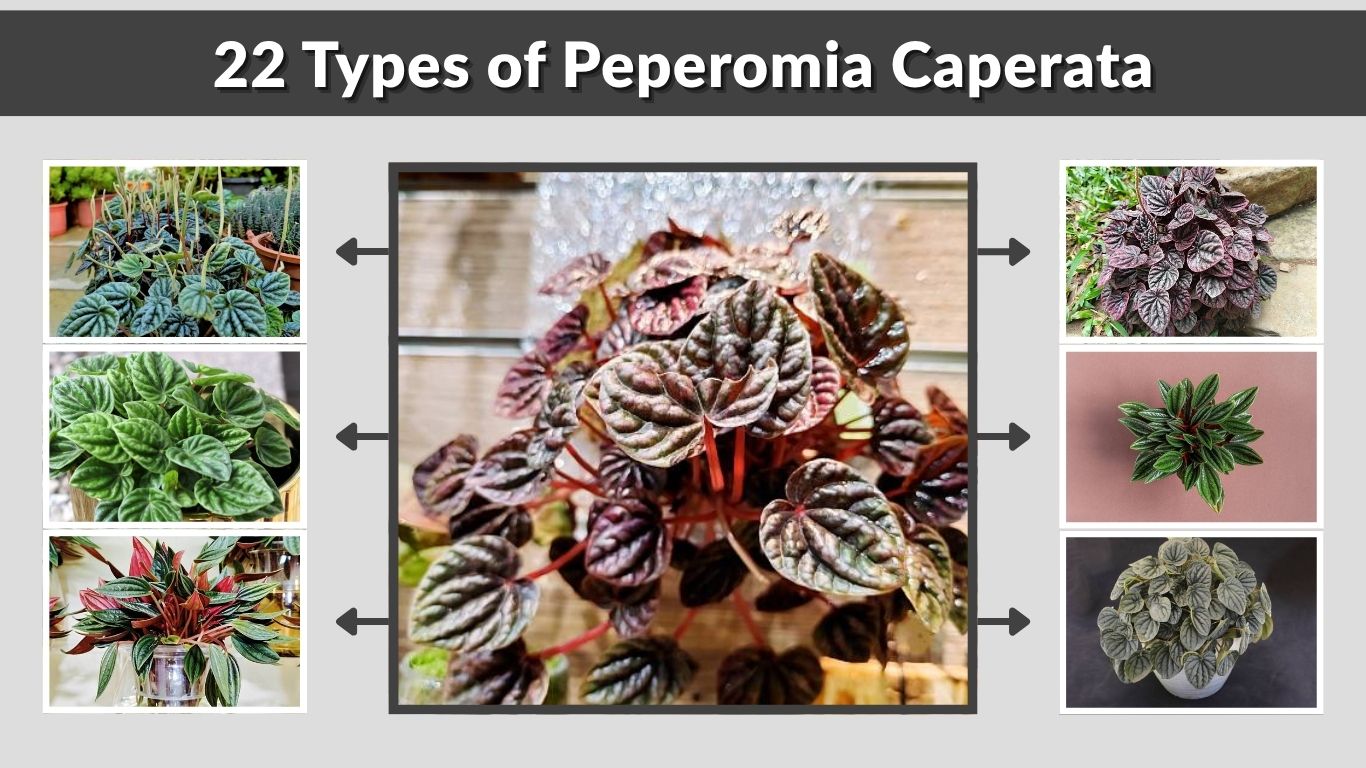
Peperomia caperata, often called the ruffled radiator plant, is a compact and highly decorative indoor plant loved for its deeply textured, heart-shaped leaves. Available in a wide range of colors from rich greens and deep reds to silvery and variegated tones this plant adds instant charm to any space. Its slow growth, low maintenance needs, and adaptability make it ideal for beginners and collectors alike. In this guide, we’ll explore 22 popular types of Peperomia caperata, helping you understand their unique features, appearance, and what makes each variety special for indoor gardening and home décor.
22 Popular Types of Peperomia Caperata (Main Section)
The Peperomia caperata is a compact, ornamental houseplant loved for its deeply textured, “wrinkled” leaves and easy indoor care. It comes in many cultivars, each offering different shades of green, red, and silver tones. These varieties are especially popular for indoor plant lovers because they stay small, grow slowly, and thrive in indirect light—making them perfect for apartments, desks, and terrariums.
Below are some of the most popular green and classic forms that beginners usually start with.
22 Popular Types of Peperomia Caperata list
The Peperomia caperata is a compact indoor plant known for its deeply textured leaves, slow growth, and ability to thrive in low light. It is widely used in homes, offices, and small indoor spaces because it requires very little maintenance while still offering strong decorative value. Below are the most popular green and classic varieties.
Green & Classic Varieties
Green and classic types of Peperomia caperata are among the most popular indoor plants because they are extremely easy to care for and visually calming. These varieties are mainly grown for their textured green foliage, compact size, and ability to thrive in low-light indoor environments. They are perfect for beginners, office desks, and small apartments where space and maintenance time are limited.
1. Peperomia caperata ‘Emerald Ripple’
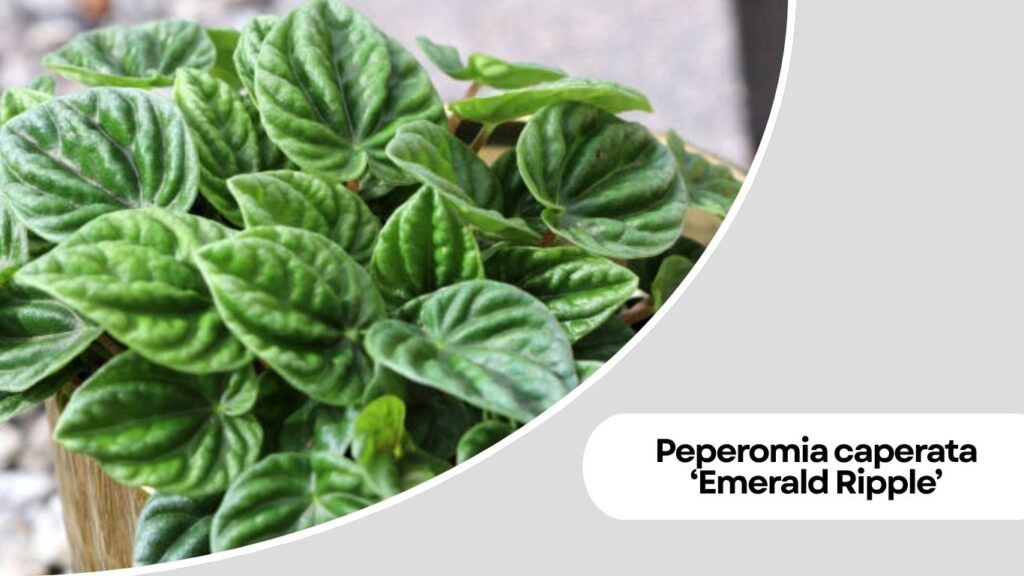
Peperomia caperata Emerald Ripple is a premium-looking green variety known for its glossy, deeply ridged leaves and rich emerald tone. It adds a refreshing natural vibe to indoor spaces and works well as a decorative accent plant.
Plant Overview
Emerald Ripple produces thick, heart-shaped leaves with deep wrinkles that create a sculpted texture. The plant stays compact and bushy, usually forming a dense rosette. It grows slowly but maintains its attractive shape for years without needing frequent pruning.
Light Requirements
It prefers bright, indirect light to maintain its deep green color and healthy leaf texture. It can survive in medium or low light conditions, but growth may slow down. Direct sunlight should be avoided because it can scorch the delicate leaves and fade their glossy finish.
Fertilization
Feed once a month during the active growing season using a balanced, diluted liquid fertilizer. Overfeeding should be avoided because it can lead to weak growth and reduced leaf quality. In winter, fertilization should be stopped completely.
Uses and Benefits
- Ideal for modern indoor décor and minimalist spaces
- Improves indoor greenery and visual calmness
- Perfect for desks, shelves, and small corners
- Low maintenance and beginner-friendly
2. Peperomia caperata ‘Rosso Green Form’
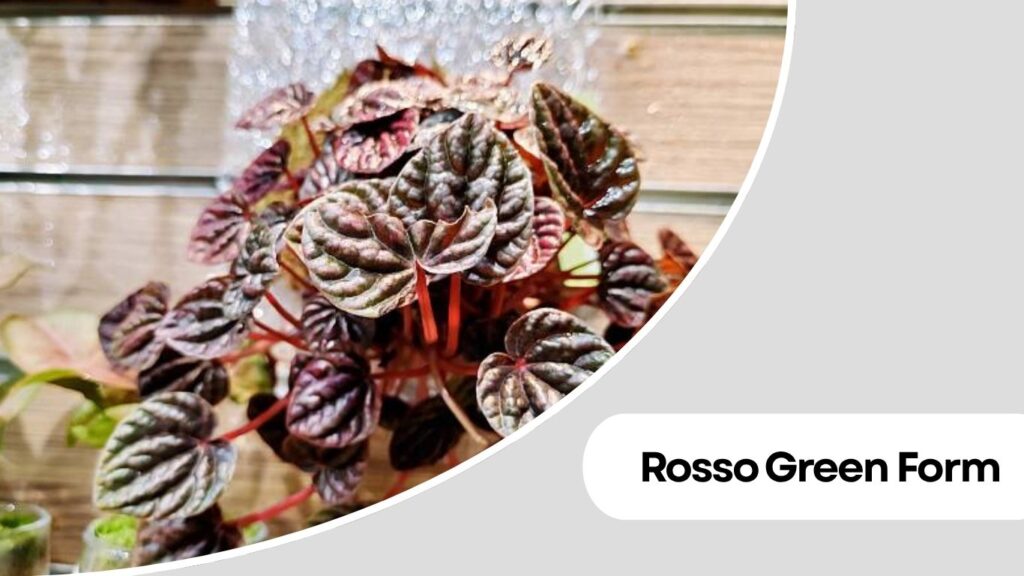
Peperomia caperata Rosso Green Form is a unique decorative variety that combines soft green leaves with reddish stems, creating a stylish contrast that stands out in indoor plant collections.
Plant Overview
This variety features rippled green foliage with subtle red coloring on stems and undersides. It has an upright growth pattern and forms a compact cluster of leaves, making it visually appealing even in small pots.
Light Requirements
It performs best in bright, indirect light where the green and red tones become more vivid. In lower light, the red tones may become less visible, but the plant will still survive. Avoid harsh direct sunlight to prevent leaf stress.
Fertilization
A light monthly feeding during spring and summer is enough to support healthy growth. Using too much fertilizer may reduce its natural color contrast and cause uneven leaf development.
Uses and Benefits
- Adds color contrast to indoor plant displays
- Ideal for modern and stylish home interiors
- Great accent plant for desks and tables
- Easy-care ornamental indoor plant
3. Peperomia caperata ‘Ripple Green’
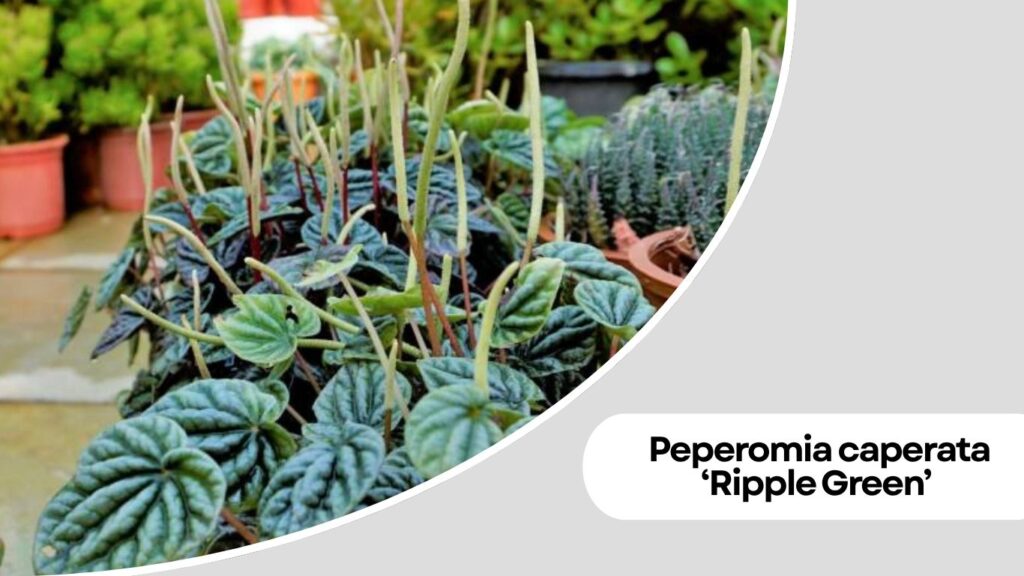
Peperomia caperata Ripple Green is one of the most reliable and beginner-friendly houseplants, widely chosen for its simplicity, durability, and consistent green foliage.
Plant Overview
Ripple Green has soft, wrinkled green leaves arranged in a neat rosette shape. It grows slowly and maintains a compact form without requiring frequent pruning or repotting. Its simple appearance makes it suitable for almost any indoor setting.
Light Requirements
This variety adapts well to low and medium indirect light, making it ideal for rooms with limited sunlight. While it prefers moderate brightness, it can still survive in shaded indoor areas without losing its health.
Fertilization
Feed lightly every 4–6 weeks during the growing season. Over-fertilizing is unnecessary and can harm the plant’s natural growth rhythm. It does not require feeding during winter dormancy.
Uses and Benefits
- Perfect for beginners and busy plant owners
- Thrives in offices and apartments
- Requires very little maintenance
- Excellent for low-light indoor areas
4. Peperomia caperata ‘Compacta Green
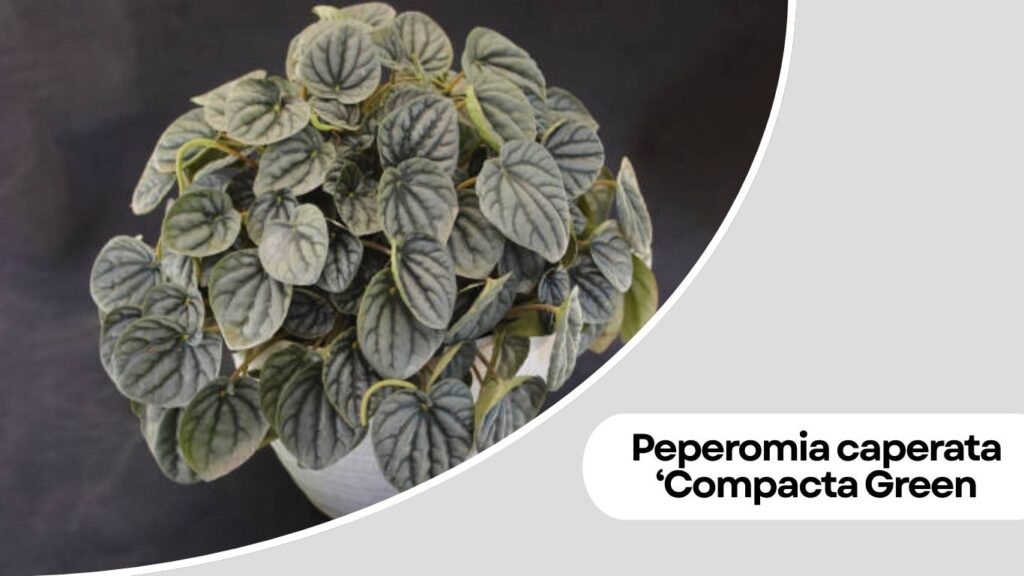
Peperomia caperata Compacta Green is a miniature form of Peperomia caperata designed specifically for very small indoor spaces, terrariums, and decorative arrangements.
Plant Overview
Compacta Green stays extremely small and forms dense clusters of tightly packed green leaves. Its miniature size and structured growth make it perfect for controlled environments like glass containers or decorative bowls.
Light Requirements
It prefers bright, filtered light but can adapt to moderate indoor lighting. Because of its small size, it is often grown in controlled indoor environments where lighting can be adjusted easily.
Fertilization
Minimal fertilization is required. Feeding once every 6–8 weeks during the growing season is sufficient to maintain healthy growth. Too much fertilizer can cause leggy or weak growth.
Uses and Benefits
- Perfect for terrariums and glass containers
- Great for small desks and compact spaces
- Low maintenance decorative plant
- Ideal for modern minimalist interiors
5. Peperomia caperata ‘Wild Type Green’
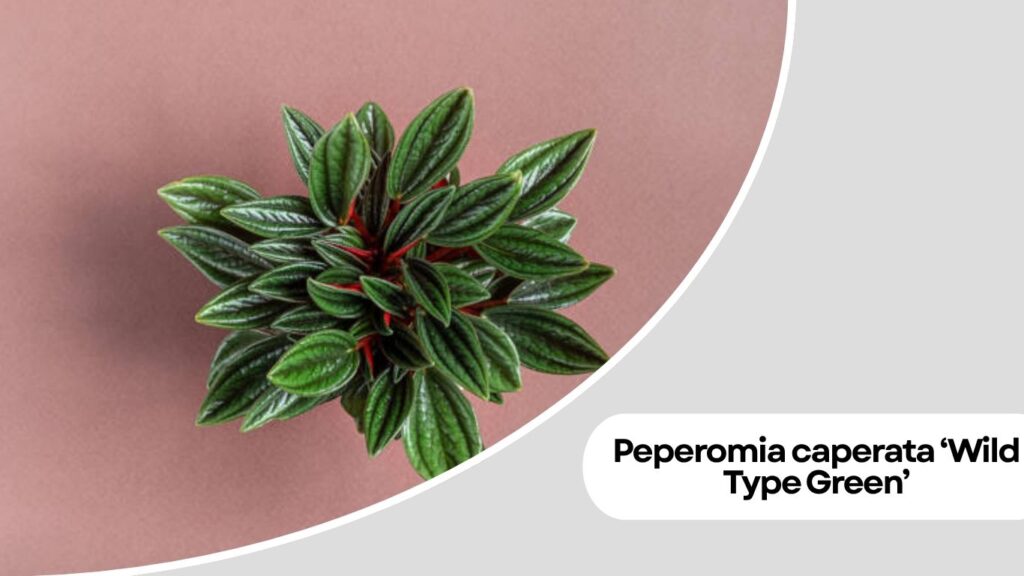
Peperomia caperata Wild Type represents the natural, less hybridized version of the species and is appreciated for its authentic botanical appearance.
Plant Overview
Wild Type Green has naturally irregular leaves with strong texture and a more organic growth pattern. It does not have the perfectly uniform look of cultivated varieties, which makes it more appealing to plant collectors.
Light Requirements
It grows well in indirect light and can tolerate lower light conditions better than many ornamental varieties. However, moderate light helps maintain stronger leaf texture and healthier growth.
Fertilization
Light feeding once a month during the growing season is enough. This variety is naturally low-demand and does not require heavy nutrition to thrive indoors.
Uses and Benefits
- Ideal for plant collectors and natural-style gardens
- Authentic wild botanical appearance
- Very low-maintenance indoor plant
- Suitable for diverse indoor environments
Red & Dark Foliage Varieties
Red and dark-leaf varieties of Peperomia caperata are highly popular for their bold, dramatic colors. Unlike green types, these plants focus on deep red, burgundy, and dark velvety tones that create a striking contrast in indoor décor. They are often chosen for modern interiors, aesthetic plant collections, and decorative shelf displays because they instantly enhance visual richness while still being easy to care for.
6. Peperomia caperata ‘Rosso’
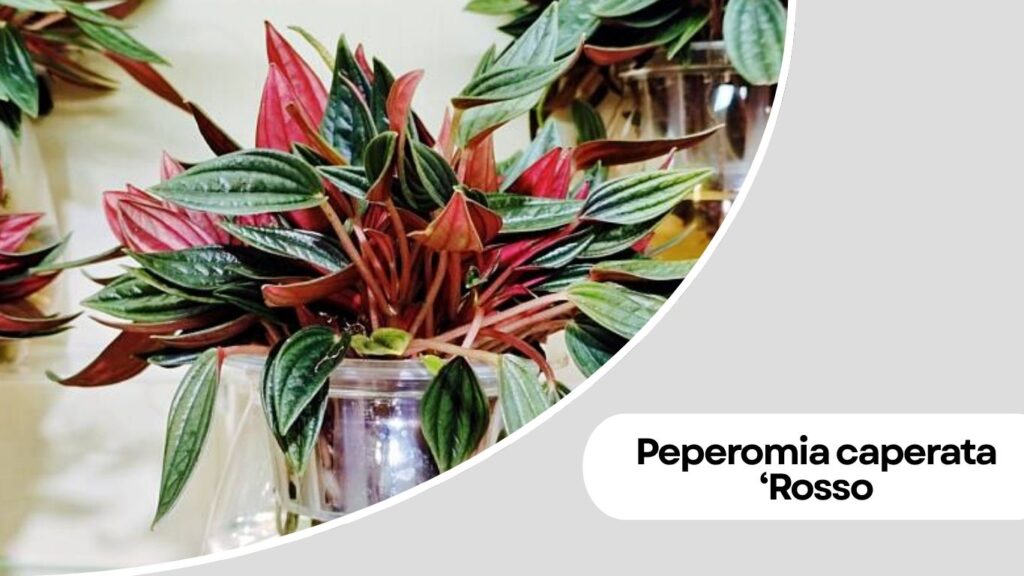
Peperomia caperata Rosso is a popular indoor houseplant known for its striking two-tone foliage, featuring deep green leaves on top and rich red undersides. It is widely grown for its compact size, attractive color contrast, and easy-care nature, making it a favorite choice for home décor, desks, and small indoor spaces.
Plant Overview
Rosso is one of the most famous red peperomia varieties. It features dark green leaves on top and rich red undersides, creating a beautiful two-tone effect. The plant grows in a compact rosette shape and stays small, making it perfect for indoor decoration.
Light Requirements
It grows best in bright, indirect light. Good lighting enhances the red coloration underneath the leaves. Low light reduces vibrancy, while direct sunlight can damage the foliage.
Fertilization
Feed once a month during spring and summer using a diluted balanced fertilizer. Overfeeding should be avoided because it can reduce color intensity.
Uses and Benefits
- Stylish indoor decorative plant
- Adds red-green contrast to interiors
- Perfect for desks and shelves
- Beginner-friendly houseplant
7. Peperomia caperata ‘Burgundy Ripple’
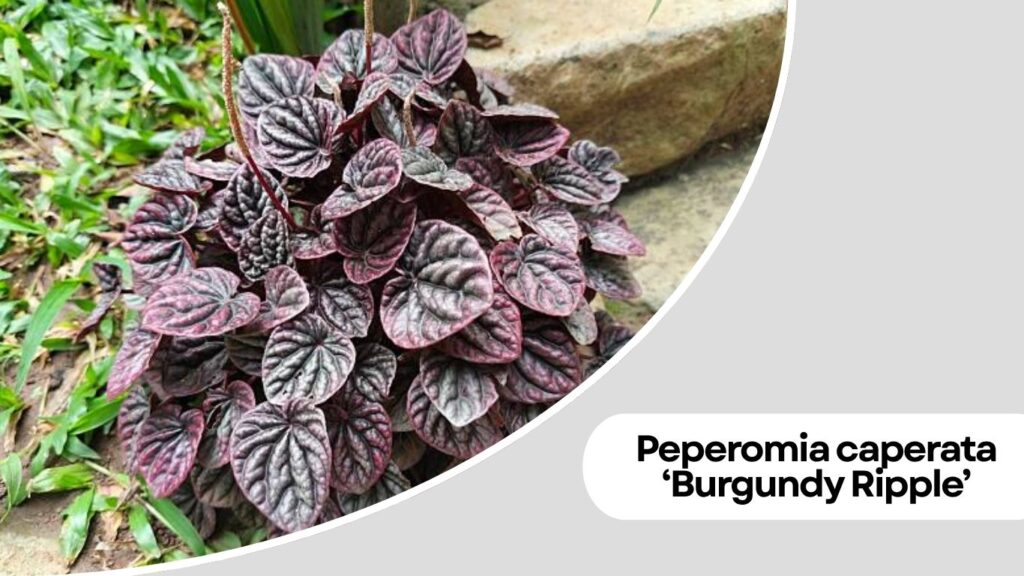
Peperomia caperata Burgundy Ripple is a striking indoor plant variety known for its deep burgundy foliage and heavily rippled leaf texture. It adds a bold, elegant look to indoor spaces while remaining compact and easy to care for, making it ideal for decorative plant collections and modern home interiors.
Plant Overview
Burgundy Ripple is known for its deep burgundy leaves and strong wrinkled texture. The plant has a rich, dramatic appearance that makes it stand out among other indoor plants.
Light Requirements
It prefers bright, filtered light to maintain its dark coloration. In low light, growth slows and leaf color may become less intense.
Fertilization
Light monthly feeding during growing season helps maintain healthy growth and deep coloration. Avoid heavy fertilization.
Uses and Benefits
- Luxurious indoor plant appearance
- Great for modern décor themes
- Ideal for small pots
- Adds depth to plant collections
8. Peperomia caperata ‘Red Luna’
Peperomia caperata Red Luna is a unique decorative houseplant valued for its soft blend of red, burgundy, and green tones. Its textured leaves and color variation give it an artistic appearance, making it a great choice for indoor plant lovers who want something visually different and eye-catching.
Plant Overview
Red Luna has a unique blend of red, burgundy, and green tones depending on light exposure. Its textured leaves give it a soft, decorative appearance.
Light Requirements
Bright indirect light enhances its red tones. Too little light reduces color intensity, while direct sun can damage leaves.
Fertilization
Feed lightly during active growth. Balanced fertilization helps maintain healthy color variation.
Uses and Benefits
- Multicolor decorative foliage
- Unique aesthetic indoor plant
- Perfect for modern interiors
- Compact and easy to manage
9. Peperomia caperata ‘Ruby Glow’
Peperomia caperata Ruby Glow is a vibrant indoor variety known for its glowing ruby-red foliage mixed with deep green shades. It is highly decorative and compact, making it perfect for small indoor spaces, tabletops, and aesthetic plant displays that need a warm color accent.
Plant Overview
Ruby Glow is a vibrant variety with glowing red and deep green tones. Its slightly glossy leaves give it a bright, eye-catching appearance.
Light Requirements
It requires bright, indirect light for best color development. Low light may reduce its ruby red tones.
Fertilization
Feed monthly during spring and summer to support color vibrancy and healthy growth.
Uses and Benefits
- Eye-catching decorative plant
- Adds warm color to interiors
- Ideal for small indoor spaces
- Great for plant displays
10. Peperomia caperata ‘Dark Velvet’
Peperomia caperata Dark Velvet is a premium ornamental plant recognized for its deep, velvety dark green to near-black foliage. Its rich color and soft leaf texture create a luxurious indoor appearance, making it a popular choice for modern minimalist and elegant interior designs.
Plant Overview
Dark Velvet is known for its deep, almost blackish-green leaves with a soft velvety texture. It has a premium ornamental look that feels rich and elegant.
Light Requirements
It grows best in bright, indirect light. Good lighting helps maintain its deep dark tones while avoiding leaf damage.
Fertilization
Feed lightly once a month during growing season. Excess fertilizer can reduce its natural dark coloration.
Uses and Benefits
- Luxury indoor plant appearance
- Perfect for modern minimalist décor
- Adds depth to plant collections
- Low-maintenance and compac
Silver & Variegated Types
Silver and variegated varieties of Peperomia caperata are highly decorative indoor plants known for their unique leaf coloration. Instead of plain green tones, these types feature silver shimmer, creamy variegation, and soft pastel patterns that brighten indoor spaces. They are especially popular for modern interiors because they look elegant, rare, and visually calming while still being compact and easy to care for.
11. Peperomia caperata ‘Silver Ripple’
Peperomia caperata Silver Ripple is a beautiful indoor variety known for its shimmering silver-green leaves and deeply textured ripple pattern. It is highly valued for its elegant, reflective foliage that brightens indoor spaces and adds a soft, modern decorative touch while remaining compact and easy to maintain.
Plant Overview
Silver Ripple is a striking variety with silvery-green leaves covered in deep wrinkles. The metallic sheen gives it a reflective, elegant appearance, making it a standout indoor decorative plant. It grows in a compact rosette form and maintains its neat shape with minimal care.
Light Requirements
It prefers bright, indirect light to enhance its silver shine. In low light, the silvery effect becomes less visible, while direct sunlight may damage its delicate leaf surface.
Fertilization
Feed lightly once a month during spring and summer using diluted fertilizer. Overfeeding can reduce the natural silver tone and affect leaf quality.
Uses and Benefits
- Elegant indoor decorative plant
- Brightens modern interiors
- Ideal for desks and shelves
- Low-maintenance and beginner-friendly
12. Peperomia caperata ‘Variegata’
Peperomia caperata Variegata is a striking variety featuring a mix of green, cream, and sometimes light yellow patterns on its wrinkled leaves. It is popular for its unique variegation, making each leaf slightly different and highly decorative for indoor plant collections.
Plant Overview
Variegata features beautiful mixed patterns of green, cream, and light yellow on its textured leaves. Each leaf is slightly different, making every plant unique and visually interesting. It grows slowly and stays compact indoors.
Light Requirements
It requires bright, indirect light to maintain strong variegation. Low light can cause the plant to lose its color contrast and turn mostly green.
Fertilization
Feed lightly every 4–6 weeks during growing season. Balanced nutrition supports stable variegation and healthy leaf growth.
Uses and Benefits
- Highly decorative variegated foliage
- Perfect for plant collectors
- Adds color contrast indoors
- Ideal for aesthetic plant displays
13. Peperomia caperata ‘White Ripple’
Peperomia caperata White Ripple is known for its pale, silvery-white and light green foliage with strong ripple texture. It gives a soft, airy appearance to indoor spaces and is often used in modern minimalist décor for its clean and calming look.
Plant Overview
White Ripple is known for its pale silver-white and soft green leaves with strong ripple texture. It has a clean, airy look that makes it ideal for brightening indoor spaces.
Light Requirements
It prefers medium to bright indirect light. Good lighting helps maintain its pale tones and prevents fading of its light coloration.
Fertilization
Light feeding once a month during active growth is enough. Avoid over-fertilizing to preserve soft color tones.
Uses and Benefits
- Clean minimalist aesthetic plant
- Perfect for modern interiors
- Adds brightness to small spaces
- Easy-care indoor plant
14. Peperomia caperata ‘Snow Velvet’
Peperomia caperata Snow Velvet is a rare ornamental type with velvety leaves covered in soft silver-white tones. Its frosty appearance and textured foliage make it a premium decorative houseplant that stands out in any indoor plant collection.
Plant Overview
Snow Velvet is a rare-looking variety with soft velvety leaves in silver-white tones. Its frosted appearance gives it a premium ornamental feel, making it a favorite for collectors.
Light Requirements
It grows best in bright, indirect light. Proper lighting enhances its velvety texture and keeps foliage healthy and vibrant.
Fertilization
Feed lightly during spring and summer. Too much fertilizer can reduce the soft velvety texture of the leaves.
Uses and Benefits
- Premium decorative houseplant
- Unique frosted leaf appearance
- Ideal for luxury plant collections
- Compact and elegant indoor plant
15. Peperomia caperata ‘Moonlight’
Peperomia caperata Moonlight is an elegant variety known for its soft silver glow and gentle green undertones. It creates a calm, luminous effect indoors and is highly appreciated for its subtle beauty, compact growth, and easy-care nature.
Plant Overview
Moonlight has soft silver-green leaves that glow under indoor lighting. Its subtle coloration creates a calm and peaceful atmosphere, making it ideal for relaxing interior spaces.
Light Requirements
It prefers bright, indirect light to maintain its luminous appearance. Low light reduces its silver glow and slows growth.
Fertilization
Apply diluted fertilizer once a month during growing season. Avoid overfeeding to maintain soft color balance.
Uses and Benefits
- Calming indoor decorative plant
- Perfect for minimalist interiors
- Adds soft glow to plant collections
- Easy-care and compact growth
Rare & Collector Varieties
Rare and collector varieties of Peperomia caperata are highly sought after because of their unusual foliage colors, rare textures, and distinctive growth patterns. These cultivars are often harder to find than common green or silver varieties, making them especially attractive to collectors and indoor plant enthusiasts. Despite their exotic appearance, most still maintain the same compact growth habit and low-maintenance care that Peperomia caperata is known for.
16. Peperomia caperata ‘Frost’
Peperomia caperata Frost
Plant Overview
Frost is a highly decorative variety recognized for its silvery frosted appearance and deeply textured leaves. The foliage reflects light beautifully, giving the plant a shimmering effect indoors. Its compact growth and elegant coloration make it a favorite among collectors.
Light Requirements
It prefers bright, indirect light to maintain its silver sheen. Low light can reduce the frosted appearance, while direct sunlight may scorch the leaves.
Fertilization
Feed lightly once a month during active growth using diluted liquid fertilizer. Avoid excessive feeding to preserve foliage quality.
Uses and Benefits
- Elegant collector’s houseplant
- Reflective silver foliage brightens interiors
- Compact and easy to display
- Ideal for modern indoor décor
17. Peperomia caperata ‘Luna Red Edge’
Peperomia caperata Luna Red Edge
Plant Overview
Luna Red Edge is known for its dark green leaves outlined with subtle reddish edges. This color contrast creates a refined and dramatic appearance that stands out in indoor plant collections.
Light Requirements
Bright indirect light helps maintain the red edging and healthy leaf texture. Lower light conditions may reduce the visibility of the red tones.
Fertilization
Use mild fertilizer once every 4–6 weeks during spring and summer. Overfeeding can weaken the plant’s natural coloration.
Uses and Benefits
- Unique red-edged foliage
- Great for decorative plant displays
- Compact indoor growth habit
- Perfect for collectors and modern interiors
18. Peperomia caperata ‘Mini Ripple’
Peperomia caperata Mini Ripple
Plant Overview
Mini Ripple is a tiny, slow-growing variety with miniature wrinkled leaves and dense compact growth. Its small size makes it ideal for terrariums, desktops, and miniature indoor gardens.
Light Requirements
It grows best in medium to bright indirect light. It can tolerate lower light, but brighter conditions encourage healthier compact growth.
Fertilization
Minimal fertilization is required. Feed lightly every 6–8 weeks during growing season.
Uses and Benefits
- Perfect for terrariums and small pots
- Space-saving indoor plant
- Easy-care miniature houseplant
- Excellent for desks and shelves
19. Peperomia caperata ‘Jade Curly’
Peperomia caperata Jade Curly
Plant Overview
Jade Curly is admired for its curled and twisted green leaves that create a unique sculptural appearance. Its unusual leaf shape makes it stand out from standard ripple peperomias.
Light Requirements
It prefers bright, indirect light for healthy leaf development. Direct sunlight can dry or damage the curled edges.
Fertilization
Feed monthly during active growth using diluted balanced fertilizer. Avoid overfeeding to maintain compact growth.
Uses and Benefits
- Unique curled foliage texture
- Decorative sculptural indoor plant
- Great conversation piece for collections
- Compact and low maintenance
20. Peperomia caperata ‘Black Emerald’
Peperomia caperata Black Emerald
Plant Overview
Black Emerald features extremely dark green foliage that can appear nearly black under certain lighting conditions. Its rich coloration and deep texture create a luxurious indoor appearance.
Light Requirements
Bright, indirect light helps preserve its dark tones and healthy foliage. Too little light may reduce leaf vibrancy.
Fertilization
Light monthly feeding during growing season supports healthy growth and strong coloration.
Uses and Benefits
- Dramatic dark foliage effect
- Ideal for luxury indoor décor
- Adds contrast to plant collections
- Compact ornamental houseplant
21. Peperomia caperata ‘Fantasy Form’
Peperomia caperata Fantasy Form
Plant Overview
Fantasy Form is a rare ornamental variety with unusual leaf patterns and mixed color tones. Its textured foliage gives it a highly artistic and decorative appearance.
Light Requirements
It prefers bright filtered light to maintain strong patterns and healthy growth. Harsh sunlight should be avoided.
Fertilization
Feed lightly every month during spring and summer. Balanced nutrients help maintain leaf coloration and texture.
Uses and Benefits
- Rare collector’s peperomia variety
- Artistic foliage appearance
- Ideal for decorative indoor displays
- Compact and easy to manage
22. Peperomia caperata ‘Hawaiian Ripple’
Peperomia caperata Hawaiian Ripple
Plant Overview
Hawaiian Ripple is known for its tropical-looking textured leaves and vibrant green coloration. It has a lush appearance that brings a fresh, exotic feel to indoor spaces.
Light Requirements
It grows best in bright indirect light but adapts well to medium indoor lighting conditions. Direct sun should be avoided.
Fertilization
Feed lightly during growing season using diluted fertilizer once a month for steady healthy growth.
Uses and Benefits
- Tropical-style indoor decorative plant
- Bright green textured foliage
- Suitable for homes and offices
- Easy-care and beginner-friendly
Comparison Table of Peperomia Caperata Types
| Category | Leaf Color | Growth Style | Rarity |
|---|---|---|---|
| Green Types | Light–Deep Green | Compact | Common |
| Red Types | Burgundy–Dark Red | Medium | Medium |
| Variegated Types | Green + White/Silver | Slow growth | Rare |
| Collector Types | Mixed patterns | Compact ornamental | Very Rare |
How to Identify Different Peperomia Caperata Types
Different varieties of Peperomia caperata may look similar at first glance, but each cultivar has unique features that help distinguish it from others. Leaf texture, color variations, plant size, and stem appearance are the main characteristics used to identify different types. Understanding these details helps plant collectors and indoor gardeners choose the right variety for their home décor and care preferences.
Leaf Shape and Ripple Intensity
One of the easiest ways to identify Peperomia caperata varieties is by observing the leaf shape and the depth of the ripple texture. Some varieties have deeply wrinkled leaves with dramatic ridges, while others display softer, smoother ripples. Compact types often have tightly clustered leaves, whereas larger varieties may show broader heart-shaped foliage. Collector varieties like ‘Jade Curly’ even feature curled or twisted leaf edges that make them instantly recognizable.
Color Tone Differences
Leaf color is another important identifying feature. Green varieties usually display emerald or forest-green tones, while decorative cultivars may include silver, burgundy, red, purple, or variegated patterns. Some plants, like ‘Rosso,’ show two-tone foliage with red undersides, while silver types such as ‘Frost’ and ‘Silver Ripple’ reflect light with metallic tones. Color intensity can also change depending on lighting conditions and plant maturity.
Growth Speed and Size Comparison
Different Peperomia caperata cultivars grow at different speeds and sizes. Miniature types such as ‘Mini Ripple’ and ‘Compacta Green’ stay very small and dense, making them ideal for terrariums and desktops. Other varieties may spread slightly wider and produce fuller rosettes over time. Most caperata plants are naturally slow-growing, but some cultivars remain much more compact than others even after several years.
Stem and Petiole Variations
The stems and leaf petioles can also help identify peperomia varieties. Certain cultivars develop reddish or burgundy stems, while others have pale green or silver-toned petioles. In varieties like ‘Rosso,’ the red stems create strong visual contrast against dark foliage. Stem thickness, upright growth, and spacing between leaves can also vary slightly from one cultivar to another.
Peperomia Caperata Care Guide (All Types)
Although there are many different cultivars of Peperomia caperata, most share very similar care requirements. These plants are considered beginner-friendly because they stay compact, adapt well to indoor environments, and require less maintenance compared to many tropical houseplants. Proper lighting, watering, soil, and humidity are the key factors for keeping all Peperomia caperata varieties healthy and vibrant.
Light Requirements (Bright Indirect Light)
Peperomia caperata varieties grow best in bright, indirect light. Filtered sunlight near an east- or north-facing window is usually ideal. Bright indirect light helps maintain strong leaf texture, vibrant colors, and compact growth. While these plants can tolerate lower light conditions, growth may slow down and colorful varieties may lose some of their intensity. Direct sunlight should be avoided because it can scorch the delicate leaves and fade variegation.
Watering Schedule and Soil Moisture
These plants prefer slightly moist but never soggy soil. Water only when the top layer of soil feels dry to the touch. Overwatering is the most common problem and can quickly lead to root rot. During winter, watering should be reduced because the plant grows more slowly. Since Peperomia caperata leaves store some moisture, the plant tolerates short dry periods better than excessive watering.
Best Soil Mix for Healthy Growth
A loose, well-draining soil mix is essential for healthy roots. A combination of potting soil, perlite, and orchid bark works well because it improves airflow and drainage. Heavy compact soil should be avoided because it traps excess moisture around the roots. Good drainage helps prevent fungal issues and keeps the plant stable long-term.
Temperature and Humidity Needs
Peperomia caperata enjoys warm indoor temperatures between 65–80°F (18–27°C). It dislikes cold drafts and sudden temperature changes. Moderate indoor humidity is usually enough, but slightly higher humidity helps maintain healthy foliage and stronger leaf texture. Bathrooms, kitchens, and humid rooms often support better growth.
Fertilizing Tips for Vibrant Leaves
Feed lightly during spring and summer using a diluted balanced liquid fertilizer once a month. Excess fertilizer can damage roots and reduce leaf quality, especially in variegated or dark-colored varieties. Fertilizing should be stopped during winter dormancy when plant growth naturally slows down. Proper feeding encourages healthier foliage, richer color tones, and compact growth
Common Problems in Peperomia Caperata
Although Peperomia caperata is considered an easy-care indoor plant, it can still develop problems when growing conditions are not ideal. Most issues are related to overwatering, improper lighting, or poor airflow. Recognizing these problems early helps prevent permanent damage and keeps the plant healthy for many years.
Yellowing Leaves Causes
Yellow leaves are one of the most common issues in Peperomia caperata. Overwatering is usually the main cause because soggy soil stresses the roots and reduces oxygen flow. Poor drainage, low light, and excessive fertilizer can also cause leaf discoloration. In some cases, older leaves naturally turn yellow as the plant matures, which is normal if only a few leaves are affected.
Root Rot Issues
Root rot develops when the soil remains wet for long periods. Since Peperomia caperata has delicate roots, excessive moisture can quickly cause fungal infections and root decay. Symptoms include soft stems, drooping leaves, foul-smelling soil, and black roots. Using well-draining soil and watering only when the topsoil dries out are the best ways to prevent root rot.
Pests (Mealybugs, Spider Mites)
Indoor peperomia plants may occasionally attract pests such as mealybugs and spider mites. Mealybugs appear as white cotton-like clusters on stems and leaves, while spider mites create tiny webbing under foliage. These pests feed on plant sap and weaken growth over time. Wiping leaves regularly and improving airflow helps reduce infestations. Mild insecticidal soap or neem oil can also help control pest problems safely indoors.
Slow Growth Problems
Peperomia caperata is naturally slow-growing, but extremely slow or weak growth may indicate poor lighting, compact soil, nutrient deficiency, or cold temperatures. Insufficient indirect light is one of the most common reasons for stunted growth. Repotting into fresh, airy soil and providing brighter filtered light often improves overall plant health and development.
Propagation Methods for Peperomia Caperata
One of the best things about Peperomia caperata is how easy it is to propagate. New plants can be grown from leaf cuttings or stem cuttings, allowing plant lovers to expand their collection without buying additional plants. Propagation is usually most successful during spring and summer when the plant is actively growing.
Leaf Cutting Method
Leaf propagation is one of the easiest ways to multiply Peperomia caperata. A healthy mature leaf is cut with a short stem attached and placed into moist soil or propagation medium. Over time, small roots and baby plants begin developing from the base of the cutting. This method works especially well for healthy ripple varieties with thick leaves.
Stem Cutting Method
Stem propagation involves cutting a healthy stem section with several leaves attached. The cutting can be planted directly into moist soil where roots gradually form. Stem cuttings often grow faster than leaf cuttings because they already contain active growth points. Maintaining warmth and humidity improves success rates significantly.
Water vs Soil Propagation Comparison
Both water and soil propagation methods can work successfully for Peperomia caperata. Water propagation allows growers to visually monitor root development, making it popular for beginners. However, soil propagation often produces stronger roots that adapt more easily after transplanting. Water-grown roots can sometimes struggle when moved into potting soil later.
Best Uses of Peperomia Caperata in Home Decoration
The compact growth and decorative foliage of Peperomia caperata make it one of the best indoor plants for home styling. Its textured leaves and wide variety of colors allow it to blend easily into modern, minimalist, tropical, or aesthetic interiors.
Desk Plant Ideas
Peperomia caperata is ideal for office desks and study tables because of its small size and low-maintenance nature. Compact varieties fit perfectly in tiny decorative pots without taking up much space. The textured foliage also adds a refreshing natural touch to work environments.
Bedroom Plant Styling
These plants work beautifully in bedrooms because they create a calm and relaxing atmosphere. Silver and green varieties especially complement soft interior color schemes and minimalist décor. Their compact size makes them perfect for bedside tables, shelves, and window corners.
Office and Workspace Decor
Peperomia caperata is a great office plant because it tolerates indoor lighting conditions and requires minimal watering. Dark-colored varieties such as ‘Rosso’ or ‘Dark Velvet’ add sophistication to modern office spaces, while variegated types brighten work areas visually.
Terrarium Arrangements
Miniature and compact peperomia varieties are excellent choices for terrariums. Their slow growth, shallow root systems, and humidity tolerance make them easy to maintain inside glass containers. Terrarium arrangements also highlight the plant’s textured foliage beautifully.
FAQs About Peperomia Caperata
Q1: How many types of Peperomia Caperata exist?
There are many cultivated varieties of Peperomia caperata, including green, red, silver, variegated, and rare collector types. New hybrids and cultivars continue to appear as indoor plant popularity grows.
Q2: Is Peperomia Caperata easy to care for?
Yes, Peperomia caperata is considered beginner-friendly because it requires minimal watering, tolerates indoor conditions well, and grows slowly without demanding constant maintenance.
Q3: Which is the rarest Peperomia Caperata variety?
Rare collector varieties such as ‘Fantasy Form,’ ‘Snow Velvet,’ and certain unique variegated hybrids are often considered among the rarest and hardest to find.
Q4: Can Peperomia Caperata grow in low light?
Yes, most varieties tolerate low to medium indirect light. However, brighter filtered light usually produces stronger growth, healthier foliage, and better color intensity.
Q5: How fast does Peperomia Caperata grow?
Peperomia caperata is generally a slow-growing houseplant. Under ideal conditions with proper light and care, it develops steadily while maintaining its compact shape.

- 10 Best Hybrid Polymer Garden Hose For Heavy Duty Use 2026 - October 18, 2026
- 10 Best Hybrid Polymer Garden Hose For Flexibility 2026 - October 18, 2026
- 10 Best Hybrid Polymer Garden Hose 2026 - October 18, 2026