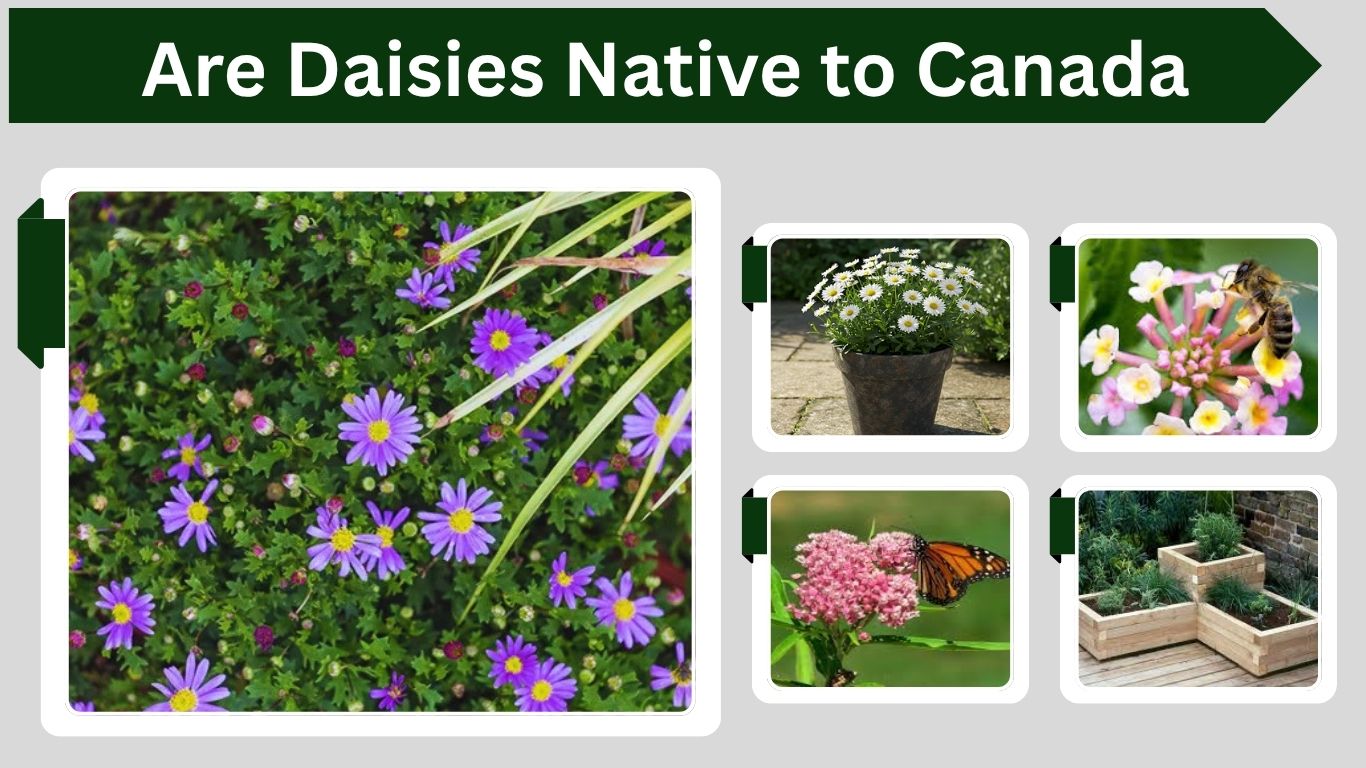
Many people wonder, “Are daisies native to Canada?” The answer depends on the type of daisy being discussed. Canada is home to several native daisy-like wildflowers that grow naturally in meadows, prairies, forests, and open landscapes. These native flowers play an important role in supporting pollinators, improving biodiversity, and adding natural beauty to Canadian gardens. However, some popular garden daisies, such as Shasta daisies, originally came from Europe and other regions outside Canada.
Daisies are popular because they are easy to grow, colorful, and adaptable to different climates. Many varieties survive Canadian winters and bloom beautifully during summer. Native daisies are especially valued because they require less maintenance and support local ecosystems more effectively than some non-native species.
This guide explains which daisies are native to Canada, where they grow naturally, the benefits of native flowers, and how to grow healthy daisies successfully in Canadian gardens.
Are Daisies Native to Canada?
Some daisies are native to Canada, while others were introduced from Europe and other parts of the world. Native daisies grow naturally in Canadian forests, meadows, grasslands, and prairie regions without human planting.
These flowers have adapted to local climates, wildlife, and soil conditions over many years. Non-native daisies are often grown in gardens because of their attractive blooms and easy care. Understanding the difference between native and introduced daisies helps gardeners choose better plants for pollinators, biodiversity, and long-term garden health.
What Makes a Plant Native to Canada?
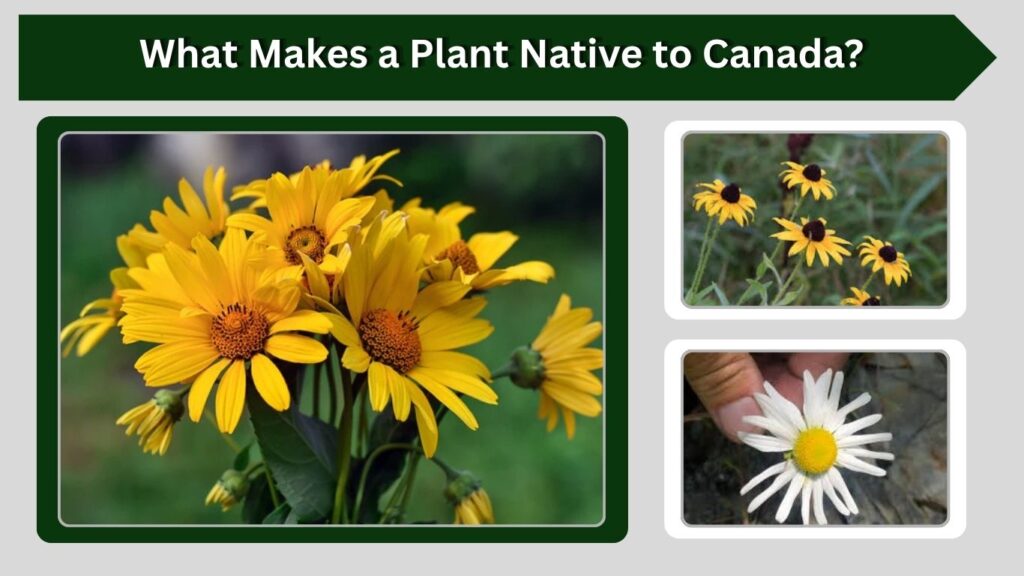
A native plant grows naturally in a region without being introduced by humans. Native Canadian plants have adapted to local weather conditions, insects, soil, and wildlife over thousands of years. These plants usually survive Canadian winters more easily because they naturally fit the environment.
Native daisies and wildflowers support local ecosystems by providing food and shelter for pollinators such as bees and butterflies. Many gardeners prefer native plants because they often require less maintenance, fertilizer, and watering compared to non-native species.
Native Daisy Species Found in Canada
Canada has several native daisy-like wildflowers that grow naturally across different provinces and climates. These plants are commonly found in prairies, open meadows, forests, and roadsides.
Popular native daisy species include:
- Fleabane daisies
- Black-eyed Susans
- Arctic daisies
- Native asters
- Prairie wildflowers with daisy-like blooms
These flowers attract pollinators and add natural beauty to Canadian landscapes. Many native species are also drought tolerant and suitable for eco-friendly gardens.
Non-Native Daisies Commonly Grown in Gardens
Many popular garden daisies are not originally native to Canada. Shasta daisies and Oxeye daisies came from Europe but became widely planted because of their bright white flowers and long blooming season.
Non-native daisies often grow well in Canadian gardens, but some species can spread aggressively in natural habitats. Gardeners should research whether certain varieties are invasive before planting them outdoors. Choosing non-invasive varieties helps protect local ecosystems and native wildflowers.
How Daisies Adapt to Canadian Climates
Many daisy species adapt well to Canadian weather because they tolerate cool temperatures and seasonal climate changes. Native daisies naturally survive cold winters and bloom during warmer months with little maintenance.
Daisies usually grow best in sunny locations with well-drained soil. Some species also tolerate dry conditions and poor soil, making them suitable for different garden styles. Hardy perennial daisies can return every year and continue blooming successfully in colder Canadian regions.
Popular Native Daisy Varieties in Canada
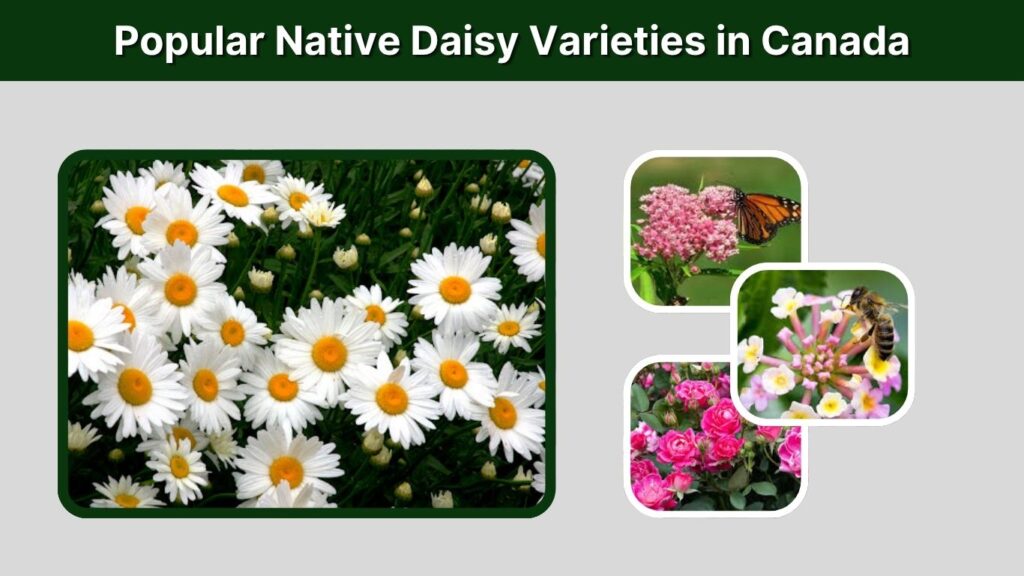
Canada is home to several beautiful native daisy varieties that thrive in local climates and support pollinators. These flowers naturally grow in grasslands, meadows, forests, and prairie ecosystems across the country. Native daisies are often easier to maintain because they already adapt well to Canadian soil and weather conditions. Many gardeners choose native species to create pollinator-friendly landscapes and encourage biodiversity while adding long-lasting color to outdoor spaces.
Oxeye Daisy and Its History
Oxeye daisy is one of the most recognizable daisy flowers found in Canada. Although it is now common in many Canadian regions, this plant originally came from Europe and spread naturally over time. It produces white petals with bright yellow centers and blooms during summer.
Oxeye daisies grow easily along roadsides, fields, and open grassy areas. However, in some locations they are considered invasive because they spread quickly and compete with native wildflowers for space and nutrients.
Black-Eyed Susan Native Benefits
Black-eyed Susan is a native North American wildflower often grouped with daisy-like plants because of its flower shape. It features bright yellow petals with dark brown centers and blooms throughout summer.
Benefits of Black-eyed Susan include:
- Attracts bees and butterflies
- Tolerates dry conditions
- Easy to grow in gardens
- Provides long blooming color
- Supports pollinator-friendly landscapes
This hardy perennial grows well in sunny Canadian gardens and survives many climate conditions successfully.
Fleabane Daisies in Canadian Wildflowers
Fleabane daisies are native wildflowers commonly found across Canada. They produce small white, pink, or purple flowers with thin petals and yellow centers. Fleabanes often grow naturally in meadows, open forests, roadsides, and rocky landscapes.
These native flowers are important for pollinators and adapt well to cold climates. Fleabane daisies usually require little maintenance and can tolerate poor soil conditions better than many ornamental garden flowers.
Shasta Daisy vs Native Canadian Daisies
Shasta daisies are popular ornamental flowers known for their large white blooms and neat appearance. Unlike many native Canadian daisies, Shasta daisies were developed from European daisy species through plant breeding.
Native daisies usually support local ecosystems more effectively because they evolved alongside Canadian wildlife and pollinators. While Shasta daisies remain attractive garden plants, native species often require less care and improve biodiversity in natural garden spaces.
Where Daisies Grow Naturally in Canada

Daisies grow naturally in many parts of Canada, from prairie grasslands to forest clearings and mountain meadows. Different daisy species adapt to different climates and soil conditions across the country. Native daisies are especially common in open sunny landscapes where they receive enough light and airflow. Understanding where daisies naturally grow helps gardeners recreate the best growing conditions in home gardens and outdoor landscapes.
Daisies in Canadian Meadows and Prairies
Many native daisies thrive in Canadian meadows and prairie ecosystems because these environments provide full sunlight and well-drained soil. Open grasslands allow daisies to spread naturally and bloom throughout the growing season.
Prairie daisies are often drought tolerant and survive changing weather conditions better than delicate ornamental flowers. Their strong root systems help them grow successfully in both dry and windy environments.
Wild Daisy Habitats Across Provinces
Wild daisies grow in many regions across Canada, including British Columbia, Alberta, Ontario, Quebec, and the Atlantic provinces. Different species prefer different habitats depending on climate and soil conditions.
Common wild daisy habitats include:
- Open meadows and grasslands
- Forest edges and clearings
- Roadsides and fields
- Rocky hillsides
- Prairie landscapes
These habitats provide the sunlight and airflow needed for healthy daisy growth.
Soil and Sunlight Conditions for Native Daisies
Most native daisies prefer full sunlight and loose well-drained soil. Sunny conditions help produce stronger stems, healthy leaves, and more colorful flowers during summer.
Many native species tolerate poor or sandy soil and do not require heavy fertilizer use. Good drainage is important because constantly wet soil may weaken roots and reduce blooming performance.
Climate Zones Suitable for Daisy Growth
Daisies grow successfully in many Canadian climate zones because they tolerate cool temperatures and seasonal weather changes. Hardy perennial species survive cold winters and return each spring with new growth.
Some native daisies even grow in northern regions with shorter growing seasons. Their natural adaptability makes them reliable flowering plants for Canadian gardens and landscapes.
| Daisy Variety | Native to Canada | Flower Color | Growing Conditions | Pollinator Friendly | Perennial or Annual |
|---|---|---|---|---|---|
| Fleabane Daisy | Yes | White, Pink, Purple | Full sun, well-drained soil | Yes | Perennial |
| Black-Eyed Susan | Yes | Yellow with dark center | Full sun, average soil | Yes | Perennial |
| Arctic Daisy | Yes | White with yellow center | Cool climates, sunny areas | Yes | Perennial |
| Native Aster | Yes | Purple, Blue, Pink | Moist but well-drained soil | Yes | Perennial |
| Shasta Daisy | No | White with yellow center | Full sun, fertile soil | Moderate | Perennial |
| Oxeye Daisy | No | White with yellow center | Meadows, roadsides, sunny areas | Moderate | Perennial |
| Gerbera Daisy | No | Red, Pink, Orange, Yellow | Warm climates, containers | Low | Annual in Canada |
| Painted Daisy | No | Red, Pink, White | Sunny gardens, well-drained soil | Moderate | Perennial |
Benefits of Native Daisies in Canadian Gardens
Native daisies provide many benefits for Canadian gardens because they naturally adapt to local climates, soil, and wildlife. These flowers usually require less maintenance than imported ornamental plants and often survive Canadian winters more successfully. Native daisies also support bees, butterflies, and other pollinators that help maintain healthy ecosystems. Many gardeners plant native flowers to create eco-friendly landscapes filled with color, biodiversity, and long-lasting seasonal blooms.
Attracting Bees and Pollinators
Native daisies are excellent pollinator-friendly flowers because they provide nectar and pollen for bees, butterflies, and beneficial insects. Pollinators help improve the health of vegetable gardens, fruit trees, and flowering plants nearby.
Benefits of pollinator-friendly daisies include:
- Supports bee populations
- Attracts butterflies naturally
- Encourages healthy ecosystems
- Improves nearby plant pollination
- Adds movement and life to gardens
Planting native daisies helps create a balanced and environmentally friendly garden space.
Low-Maintenance Flowering Plants
Many native daisies require very little maintenance once established in the garden. They naturally adapt to local weather patterns and usually need less watering and fertilizer compared to non-native flowers.
These hardy plants often resist common pests and survive changing Canadian weather conditions more effectively. Their low-maintenance nature makes them ideal for beginner gardeners and busy homeowners.
Drought Tolerance and Easy Care
Several native daisy species tolerate dry conditions and poor soil better than many ornamental garden plants. Their deep root systems help them survive periods of low rainfall during summer.
Native daisies generally grow best with full sunlight and well-drained soil. Once mature, they often continue blooming with minimal watering and care, making them useful for low-water landscaping projects.
Supporting Local Ecosystems
Native daisies play an important role in supporting Canadian ecosystems because they evolved alongside local insects, birds, and wildlife. These plants provide natural food sources and shelter for many beneficial species.
Using native flowers in gardens helps protect biodiversity and reduces the spread of invasive plant species. Eco-friendly landscapes with native daisies also help maintain healthier soil and pollinator populations.
How to Grow Daisies Successfully in Canada
Daisies are easy-to-grow flowering plants that perform well in many Canadian climates. Most daisy varieties thrive in sunny garden spaces with healthy soil and moderate watering. Native daisies often require even less maintenance because they naturally adapt to local growing conditions. Proper planting, watering, and seasonal care help daisies produce strong roots, healthy foliage, and colorful blooms throughout the growing season.
Best Time to Plant Daisies
Spring is usually the best time to plant daisies in Canada because warmer temperatures encourage healthy root growth before summer arrives. Many gardeners also plant perennial daisies in early fall so roots can establish before winter.
Planting during mild weather helps reduce stress on young plants. Avoid planting during extremely hot or frozen conditions because roots may struggle to establish properly.
Choosing the Right Garden Location
Daisies grow best in sunny areas where they receive at least 6 hours of direct sunlight each day. Full sunlight encourages stronger stems and more colorful flowers.
Good locations for growing daisies include:
- Sunny flower beds
- Open meadow gardens
- Raised garden beds
- Pollinator-friendly landscapes
- Container gardens on patios
Proper airflow around plants also helps reduce moisture problems and disease risks.
Watering and Soil Requirements
Most daisies prefer loose well-drained soil that does not stay constantly wet. Water deeply after planting, but allow the top layer of soil to dry slightly between watering sessions.
Overwatering may weaken roots and cause fungal diseases, especially in cooler climates. Adding compost to poor soil can improve drainage and support healthy plant growth throughout the season.
Tips for Healthy Daisy Blooms
Regular maintenance helps daisies bloom longer and stay healthy during summer. Removing faded flowers encourages new blooms and improves the plant’s appearance.
Dividing overcrowded perennial daisies every few years also improves airflow and prevents weak growth. Healthy sunlight, moderate watering, and proper spacing are the keys to beautiful long-lasting daisy flowers.
Common Problems Growing Daisies in Canada
Although daisies are hardy plants, they can still experience problems caused by weather, soil conditions, pests, or poor garden care. Many issues are easy to prevent when gardeners understand the basic growing needs of daisies. Healthy sunlight, good drainage, and proper airflow greatly reduce the risk of disease and weak growth. Learning about common daisy problems helps gardeners maintain stronger plants and longer-lasting blooms.
Overwatering and Root Rot Issues
Overwatering is one of the most common problems affecting daisy plants. Wet soil may cause root rot, fungal disease, and yellowing leaves. Daisies prefer soil that drains well and does not remain soggy for long periods.
Signs of root problems include drooping stems, weak growth, and soft roots near the base of the plant. Improving drainage and reducing watering usually helps prevent serious damage.
Pests That Affect Daisy Plants
Some insects may feed on daisy leaves, stems, or flowers during the growing season. Aphids, spider mites, and leaf miners are among the most common pests found on daisies.
Common daisy pests include:
- Aphids on young stems
- Spider mites during dry weather
- Slugs in damp garden areas
- Leaf miners damaging foliage
- Caterpillars feeding on leaves
Healthy plants with proper airflow usually resist serious pest damage more effectively.
Poor Flowering Causes
Daisies may bloom poorly when they do not receive enough sunlight or nutrients. Crowded plants and excessive fertilizer can also reduce flower production.
Deadheading spent flowers encourages new blooms and keeps plants looking healthy. Proper spacing and dividing mature clumps every few years also improve blooming performance.
Winter Protection Tips for Perennials
Perennial daisies usually survive Canadian winters well, but extra protection may help in colder regions. Applying light mulch around the roots can protect plants from sudden freezing and thawing cycles.
Avoid heavy wet mulch that traps too much moisture around the crown of the plant. Healthy perennial daisies typically return each spring with fresh growth when winter care is provided properly.
Native vs Non-Native Daisies
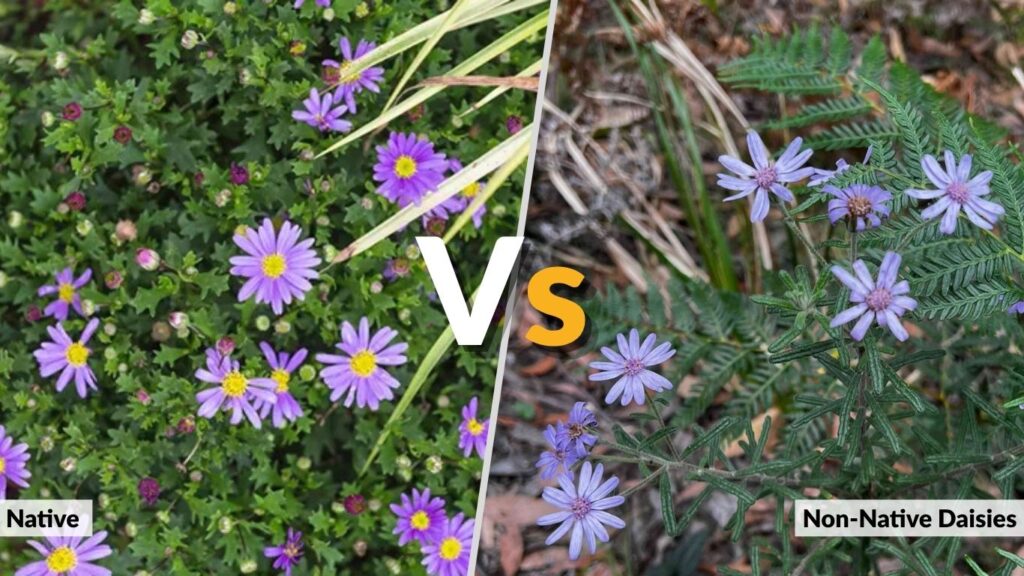
Understanding the difference between native and non-native daisies helps gardeners make better planting choices for Canadian landscapes. Native daisies naturally grow in Canada and support local ecosystems more effectively. Non-native daisies were introduced from other regions and are commonly used as ornamental garden flowers. Both types can add beauty to gardens, but native species often require less maintenance and provide better environmental benefits for pollinators and wildlife.
Differences Between Wild and Garden Daisies
Wild daisies usually grow naturally in fields, meadows, forests, and prairie regions without human care. Garden daisies are often bred for larger flowers, brighter colors, and decorative appearance.
Native wild daisies tend to survive harsh Canadian weather better because they already adapt to local climates. Garden varieties may need more watering, fertilizer, and maintenance to remain healthy throughout the growing season.
Which Daisies Are Best for Pollinators?
Native daisies are usually the best option for pollinators because they provide natural food sources for local bees, butterflies, and beneficial insects. These plants evolved together with native wildlife and support biodiversity more effectively.
Pollinator-friendly daisy choices include:
- Fleabane daisies
- Black-eyed Susans
- Native asters
- Prairie wildflowers
- Coneflower varieties
Planting a variety of native flowers helps create healthy habitats for pollinators in Canadian gardens.
Invasive Daisy Species to Watch
Some non-native daisies spread aggressively and compete with native plants for sunlight, nutrients, and growing space. Invasive species may damage natural ecosystems if they spread beyond garden areas.
Oxeye daisies are considered invasive in some Canadian regions because they grow quickly and spread through seeds. Gardeners should research local regulations before planting aggressive daisy species outdoors.
Best Native Alternatives for Canadian Gardens
Many native flowers provide the same colorful appearance as ornamental daisies while offering better environmental benefits. Native alternatives are often easier to maintain and more resistant to local weather conditions.
Black-eyed Susans, fleabanes, and native asters are excellent choices for eco-friendly gardens. These plants support pollinators, improve biodiversity, and create natural-looking landscapes filled with long-lasting seasonal blooms.
Growing Daisies in Pots and Small Spaces
Daisies grow very well in containers, making them perfect for patios, balconies, and small gardens. Container gardening allows better control over soil quality, watering, and plant placement. Many daisy varieties bloom beautifully in pots when provided with enough sunlight and proper drainage. Growing daisies in small spaces is also a simple way to add bright color and pollinator-friendly flowers to urban environments and compact outdoor areas.
Best Containers for Daisy Plants
Choosing the right container is important for healthy daisy growth. Pots should have drainage holes at the bottom to prevent water buildup around the roots.
Good container choices include:
- Terracotta pots
- Plastic garden containers
- Wooden planter boxes
- Ceramic flower pots
- Raised patio planters
Larger containers usually support stronger root growth and reduce the need for frequent watering during summer.
Soil Mix for Potted Daisies
Daisies prefer loose well-drained potting soil that allows excess moisture to escape easily. Heavy compacted soil may cause root problems and weak plant growth.
Many gardeners improve drainage by mixing compost, potting soil, and coarse sand together. Healthy soil supports stronger roots, better flowering, and improved moisture balance for container-grown daisies.
Indoor and Balcony Growing Tips
Daisies can grow successfully on balconies and indoor spaces when they receive enough sunlight. Most varieties need at least 6 hours of direct sunlight daily for healthy blooms.
Balcony containers should be placed in bright sunny locations with good airflow. Indoor daisies may also benefit from occasional fertilizer during the growing season to support flowering and leaf growth.
Caring for Container Daisies in Winter
Container-grown daisies may need extra winter protection in colder Canadian regions because roots freeze faster in pots than in garden soil. Moving containers into sheltered spaces helps reduce winter damage.
Light watering during winter is usually enough because dormant plants need less moisture. Hardy perennial daisies often return successfully in spring when containers are protected from severe freezing temperatures.
Frequently Asked Questions About Daisies in Canada
Many gardeners have questions about growing daisies in Canadian climates because different species have different care needs. Native daisies are often easier to grow because they naturally adapt to local weather conditions. Understanding the differences between perennial and annual daisies, winter survival, and spreading habits helps gardeners choose the best plants for long-lasting garden success.
Are Shasta Daisies Native to Canada?
No, Shasta daisies are not native to Canada. They were developed from European daisy species and later became popular ornamental garden flowers throughout North America.
Shasta daisies still grow well in Canadian gardens because they tolerate cool climates and produce attractive blooms during summer. However, native daisies often provide greater environmental benefits for pollinators and local ecosystems.
Which Daisy Varieties Survive Canadian Winters?
Many perennial daisies survive Canadian winters successfully, especially hardy native species adapted to colder climates.
Winter-hardy daisy varieties include:
- Black-eyed Susans
- Fleabane daisies
- Shasta daisies
- Native asters
- Coneflowers
Healthy soil drainage and proper winter care improve survival rates for perennial daisy plants.
Do Native Daisies Spread Quickly?
Some native daisies spread naturally through seeds or underground roots, especially in open meadow environments. This spreading habit helps them survive in natural ecosystems and fill empty garden spaces over time.
Gardeners can control spreading by dividing plants regularly and removing unwanted seedlings when necessary. Many native species spread at a manageable rate and create fuller flower displays.
Can Daisies Grow in Cold Climates?
Yes, many daisy varieties grow very well in cold climates across Canada. Native perennial daisies naturally tolerate freezing winters and return each spring with fresh growth.
Most daisies prefer sunny locations, moderate watering, and well-drained soil. Hardy species adapt easily to changing weather conditions and continue blooming throughout the warmer months.
Conclusion
Some daisies are native to Canada, while others were introduced from different parts of the world and later became popular garden flowers. Native daisies such as fleabanes, Black-eyed Susans, and native asters naturally adapt to Canadian climates and support pollinators, wildlife, and healthy ecosystems. These plants are often easier to maintain because they tolerate local weather and soil conditions more effectively.
Non-native daisies like Shasta daisies also grow beautifully in Canadian gardens, but gardeners should avoid invasive species that may harm natural habitats. Whether planted in flower beds, meadows, or containers, daisies add bright color, fragrance, and pollinator-friendly beauty to outdoor spaces. With proper sunlight, well-drained soil, and simple care, daisies can become long-lasting and attractive additions to Canadian gardens.

- 13 True Flowers: Beautiful Flowering Plants for Every Garden - June 14, 2026
- 20 Iconic Flowers That Capture the World’s Imagination - June 14, 2026
- Best Shrubs in Canada: Top 5 Hardy Shrubs Worth Planting - June 14, 2026