Grape Tomatoes: Complete Growing, Care, and Variety Guide
Grape tomatoes are small, oval-shaped tomatoes known for their sweet flavor, firm texture, and impressive productivity. They are a favorite among home gardeners and cooks because they are easy to grow, versatile in the kitchen, and packed with nutrients. Whether you want to grow them in raised beds, containers, or a backyard garden, grape tomatoes can provide a steady harvest throughout the growing season. This guide covers everything you need to know about grape tomatoes, including their varieties, how they compare to cherry tomatoes, planting methods, and essential care tips to help you achieve healthy plants and abundant yields.
What Are Grape Tomatoes?
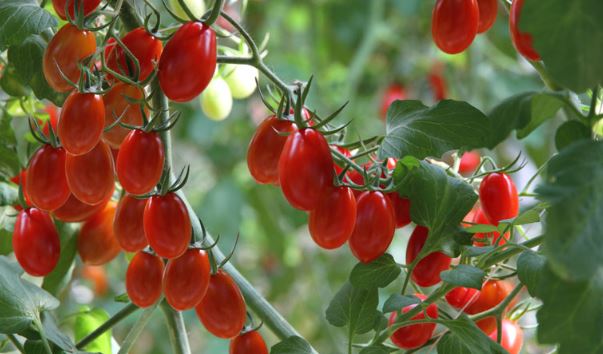
Grape tomatoes are bite-sized tomatoes with an elongated, oval shape resembling grapes. They belong to the species Solanum lycopersicum and are prized for their thick skin, rich flavor, and long shelf life.
Definition and Characteristics of Grape Tomatoes
- Small, oval or oblong fruits.
- Typically measure 1 to 1.5 inches in length.
- Sweet with a slightly tangy flavor.
- Firmer texture than many other tomato types.
- Grow in clusters on vigorous vines.
Origin and History of Grape Tomatoes
Although tomatoes originated in South America, grape tomatoes became commercially popular in the late 20th century. Plant breeders developed them to combine the sweetness of cherry tomatoes with improved shelf life and transportability. Today, they are among the most widely grown small tomato varieties worldwide.
Why Grape Tomatoes Are Popular Among Gardeners
Gardeners appreciate grape tomatoes for several reasons:
- High yields throughout the season.
- Adaptability to containers and garden beds.
- Resistance to cracking compared to cherry tomatoes.
- Suitable for beginners and experienced growers alike.
Common Uses in Home Kitchens
Grape tomatoes are incredibly versatile. They can be:
- Added to salads.
- Roasted with herbs and olive oil.
- Used in pasta dishes.
- Served as healthy snacks.
- Included in pizzas, sandwiches, and salsas.
Different Types of Grape Tomatoes
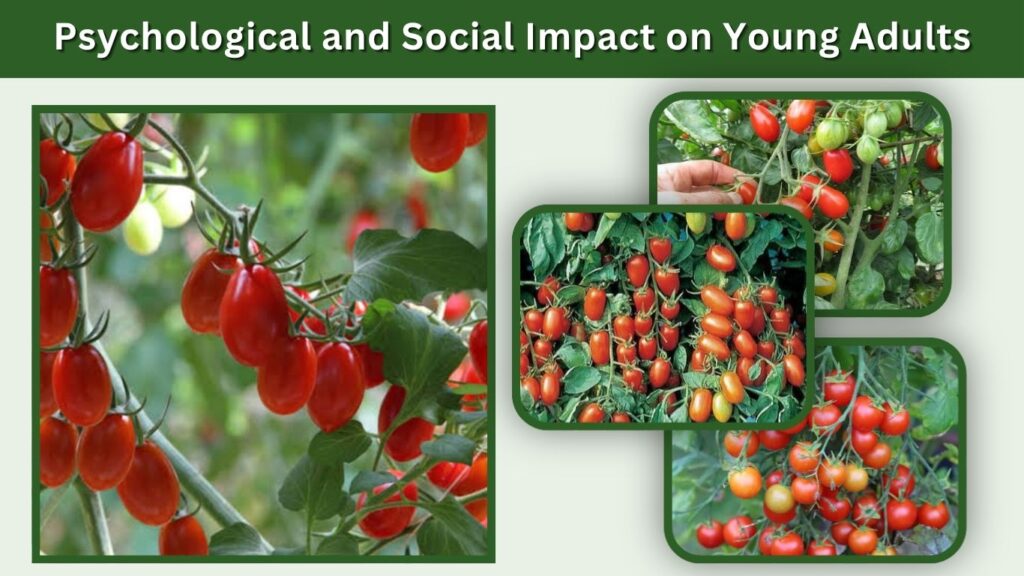
Not all grape tomatoes are the same. Different varieties offer unique colors, flavors, and growing characteristics.
Red Grape Tomato Varieties
Popular red varieties include:
- Juliet
- Santa
- Red Pearl
- Sweet Hearts
These varieties are known for dependable yields and excellent flavor.
Yellow and Orange Grape Tomatoes
Yellow and orange grape tomatoes provide a milder, sweeter taste. They add visual appeal to salads and garden displays. Common choices include:
- Golden Sweet
- Yellow Pear Grape
- Sunrise Blend
Heirloom Grape Tomato Cultivars
Heirloom grape tomatoes are valued for their unique flavors and genetic diversity. Many gardeners prefer heirloom cultivars because they can save seeds from year to year.
Benefits of heirloom varieties include:
- Richer flavor profiles.
- Unique colors and shapes.
- Preservation of traditional genetics.
Disease-Resistant Grape Tomato Varieties
Modern breeding has produced several disease-resistant options that help reduce common tomato problems.
| Variety | Key Resistance | Best Feature |
|---|---|---|
| Juliet | Early Blight | Heavy producer |
| Smarty | Fusarium Wilt | Compact growth |
| Santa | Cracking | Excellent flavor |
| Mountain Magic | Multiple diseases | Reliable harvests |
Grape Tomatoes vs Cherry Tomatoes
Many people confuse grape tomatoes with cherry tomatoes, but there are important differences.
Differences in Size and Shape
| Feature | Grape Tomatoes | Cherry Tomatoes |
|---|---|---|
| Shape | Oval | Round |
| Skin | Thick | Thin |
| Texture | Firm | Juicy |
| Shelf Life | Longer | Shorter |
Flavor and Sweetness Comparison
Cherry tomatoes are generally sweeter and juicier, while grape tomatoes offer a balanced sweet-and-tangy flavor with a firmer bite. Personal preference often determines which type is best.
Growing Requirements of Both Tomatoes
Both varieties require:
- Full sun (6–8 hours daily).
- Well-draining soil.
- Regular watering.
- Support structures such as cages or stakes.
However, grape tomatoes tend to tolerate handling and storage better than cherry tomatoes.
Which Tomato Is Better for Your Needs?
Choose grape tomatoes if you:
- Want longer storage life.
- Prefer firmer fruit.
- Need tomatoes for meal preparation.
Choose cherry tomatoes if you:
- Prefer extra sweetness.
- Enjoy fresh snacking.
- Want highly juicy fruits.
How to Grow Grape Tomatoes Successfully
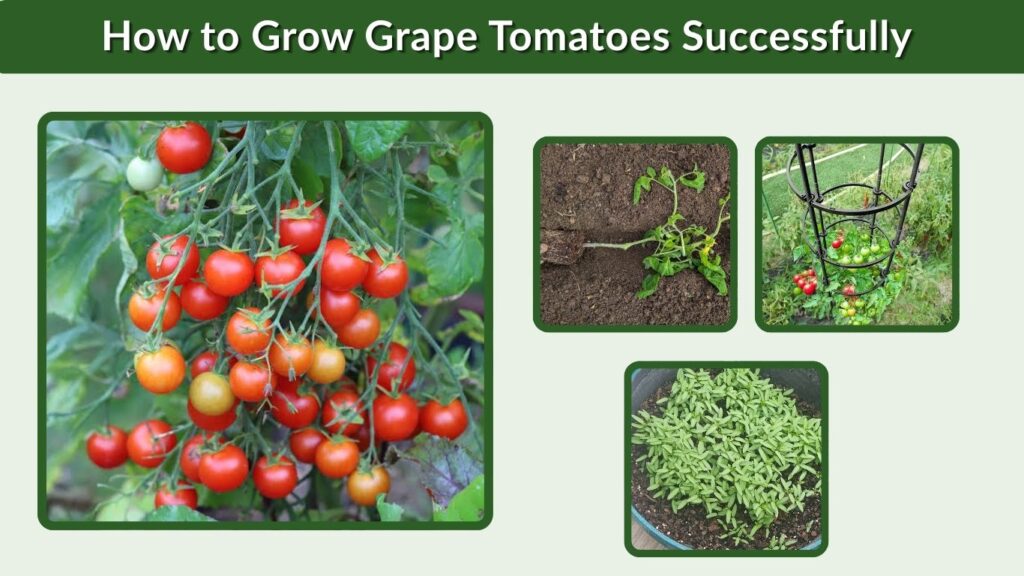
Growing grape tomatoes is straightforward when you provide the right conditions.
Choosing the Right Planting Location
Select a location that receives:
- At least 6–8 hours of sunlight.
- Good air circulation.
- Protection from strong winds.
Avoid planting in areas where tomatoes, peppers, or eggplants were grown the previous year to reduce disease risks.
Starting Grape Tomatoes From Seeds
Start seeds indoors 6–8 weeks before the last expected frost date.
Steps:
- Fill seed trays with seed-starting mix.
- Plant seeds ¼ inch deep.
- Keep soil moist and warm.
- Provide bright light after germination.
- Harden off seedlings before transplanting.
Transplanting Seedlings Outdoors
Transplant seedlings after nighttime temperatures remain above 50°F (10°C). Plant deeply, burying part of the stem to encourage stronger root development.
Providing Support With Cages and Stakes
Grape tomato plants are often indeterminate, meaning they continue growing throughout the season. Support systems help:
- Improve air circulation.
- Prevent fruit from touching the ground.
- Make harvesting easier.
- Reduce disease occurrence.
Grape Tomato Plant Care Guide
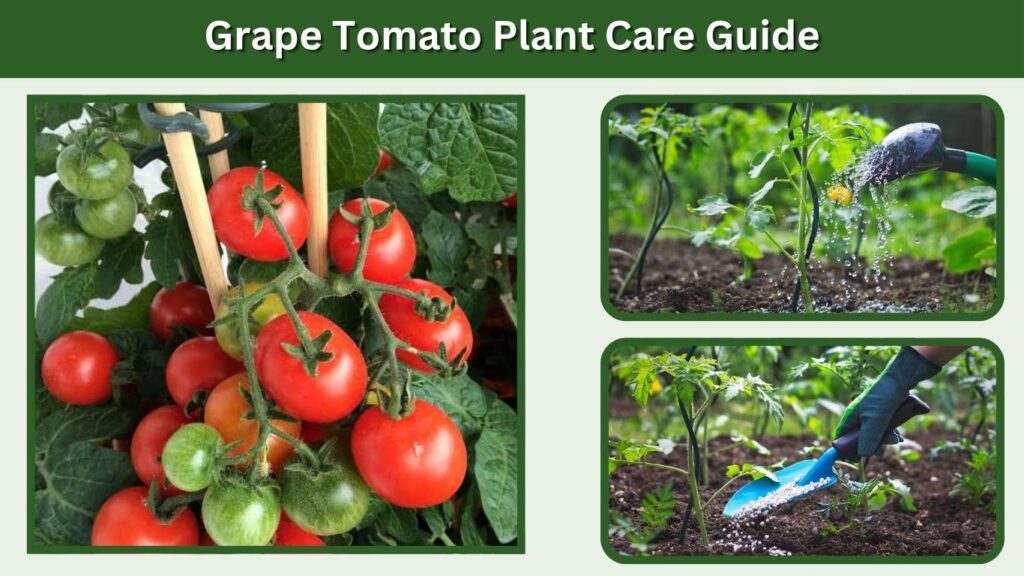
Proper care ensures healthy plants and a productive harvest.
Watering Grape Tomato Plants Correctly
Water deeply once or twice per week depending on weather conditions. Aim for approximately 1–2 inches of water weekly. Consistent watering helps prevent:
- Blossom end rot.
- Fruit cracking.
- Plant stress.
Fertilizing for Maximum Yields
Apply a balanced fertilizer at planting time and switch to a tomato-specific fertilizer once flowers appear.
Recommended nutrients:
- Nitrogen for foliage.
- Phosphorus for root development.
- Potassium for fruit production.
Pruning and Maintaining Healthy Vines
Pruning helps improve airflow and directs the plant’s energy toward fruit production. Remove:
- Dead leaves.
- Lower branches touching the soil.
- Excess suckers when necessary.
Mulching and Weed Control Techniques
Mulch offers several advantages:
- Conserves soil moisture.
- Suppresses weeds.
- Regulates soil temperature.
- Reduces soil-borne diseases.
Organic mulches such as straw, shredded leaves, and compost are excellent choices for grape tomato plants.
Best Soil and Growing Conditions for Grape Tomatoes
Providing the right growing environment is one of the most important factors in producing healthy grape tomato plants and abundant harvests. These plants thrive when given nutrient-rich soil, plenty of sunlight, and warm temperatures.
Ideal Soil pH for Grape Tomatoes
Grape tomatoes grow best in slightly acidic soil with a pH between 6.0 and 6.8. Soil within this range allows plants to absorb essential nutrients efficiently.
To improve soil quality:
- Add compost or well-rotted manure before planting.
- Use a soil test kit to monitor pH levels.
- Incorporate organic matter annually.
- Ensure proper drainage to prevent root rot.
Sunlight Requirements for Optimal Growth
Tomatoes are sun-loving plants. Grape tomatoes require a minimum of 6–8 hours of direct sunlight each day, although 8–10 hours is ideal for maximum fruit production.
Signs of insufficient sunlight include:
- Leggy growth.
- Fewer flowers.
- Small fruit.
- Reduced yields.
Temperature and Climate Preferences
Grape tomatoes prefer warm weather and perform best when daytime temperatures range between 70°F and 85°F (21°C–29°C).
| Growing Factor | Recommended Range |
|---|---|
| Soil pH | 6.0–6.8 |
| Sunlight | 6–10 hours |
| Day Temperature | 70–85°F |
| Night Temperature | 55–70°F |
Protect plants from frost, as temperatures below 50°F (10°C) can slow growth and damage blossoms.
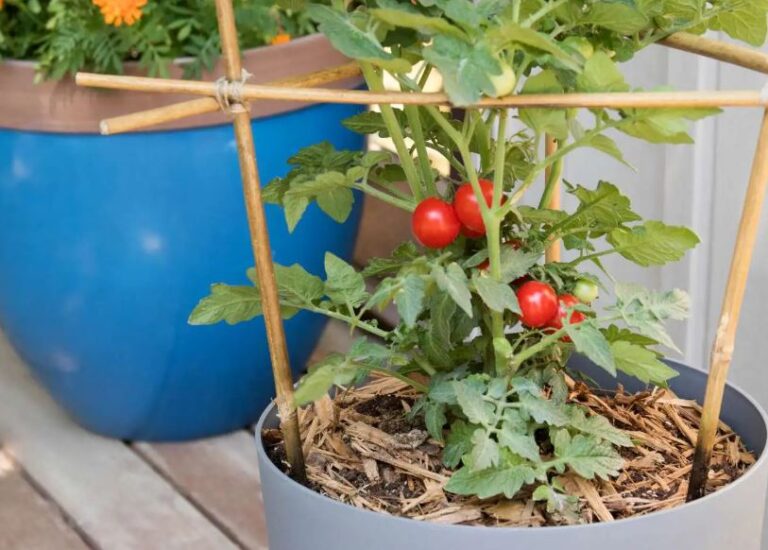
Growing Grape Tomatoes in Containers
Container gardening is an excellent option for people with limited space.
For successful container growing:
- Use a pot at least 12–18 inches wide.
- Choose containers with drainage holes.
- Fill with high-quality potting mix.
- Install a small tomato cage for support.
Container-grown grape tomatoes can thrive on patios, balconies, and decks when watered regularly.
Common Grape Tomato Problems and Solutions
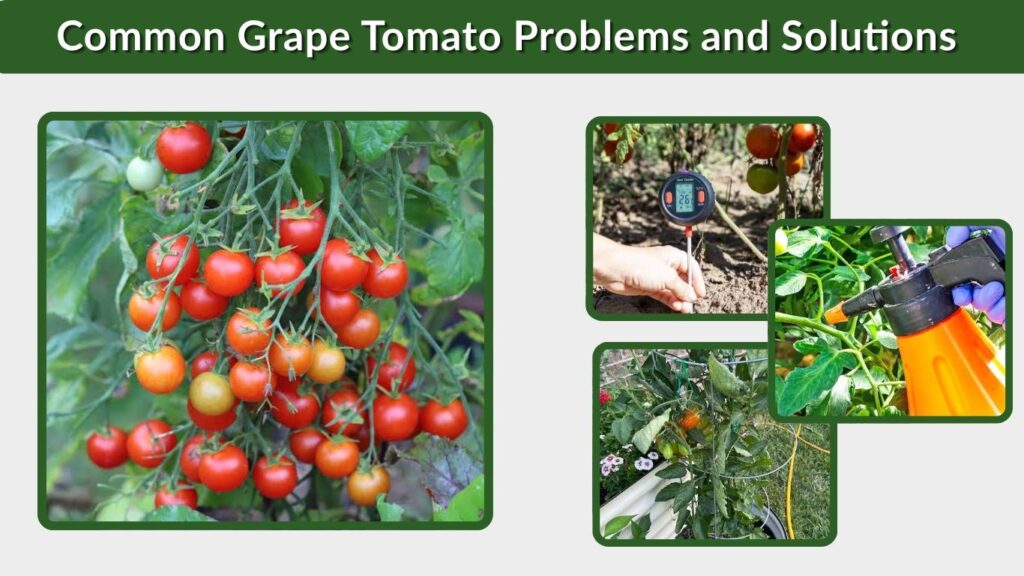
Even healthy plants can encounter issues during the growing season. Identifying problems early helps prevent major crop losses.
Preventing Blossom End Rot
Blossom end rot appears as a dark, sunken spot on the bottom of the fruit and is usually caused by inconsistent watering and calcium deficiencies.
Prevention tips:
- Maintain consistent soil moisture.
- Mulch around plants.
- Avoid overfertilizing with nitrogen.
- Test soil calcium levels if problems persist.
Managing Pests and Insects
Common grape tomato pests include:
- Aphids
- Hornworms
- Whiteflies
- Spider mites
- Flea beetles
Inspect plants weekly and use natural controls such as neem oil, insecticidal soap, or hand-picking larger pests.
Identifying Fungal and Bacterial Diseases
Tomatoes are susceptible to several diseases, including:
- Early blight
- Late blight
- Fusarium wilt
- Septoria leaf spot
- Bacterial speck
Proper spacing, crop rotation, and watering at the base of the plant can significantly reduce disease pressure.
Fixing Yellow Leaves and Poor Fruit Production
Yellow leaves may indicate:
- Overwatering.
- Nutrient deficiencies.
- Poor drainage.
- Pest infestations.
If plants produce few fruits, check for:
- Insufficient sunlight.
- Excess nitrogen fertilizer.
- Poor pollination.
- Temperature extremes.
Harvesting and Storing Grape Tomatoes
Harvesting grape tomatoes at the right time ensures the best flavor and texture.
When Grape Tomatoes Are Ready to Harvest
Most grape tomatoes mature within 60–80 days after transplanting. They are ready to pick when:
- Fully colored.
- Firm but slightly soft.
- Easy to remove from the vine.
Regular harvesting encourages plants to continue producing throughout the season.
Proper Harvesting Techniques
Use these simple harvesting practices:
- Pick fruit in the morning when temperatures are cooler.
- Gently twist or snip tomatoes from the vine.
- Avoid pulling to prevent stem damage.
- Remove overripe fruit promptly.
Short-Term Storage Methods
For the best flavor:
- Store tomatoes at room temperature.
- Keep them out of direct sunlight.
- Avoid refrigerating unless necessary.
Properly stored grape tomatoes can remain fresh for up to one week.
Can You Freeze Grape Tomatoes?
Yes! Grape tomatoes freeze exceptionally well.
To freeze:
- Wash and dry the tomatoes.
- Arrange them on a baking sheet.
- Freeze until solid.
- Transfer to freezer-safe bags.
Frozen grape tomatoes are ideal for soups, sauces, and stews.
Grape Tomato Nutrition and Health Benefits
Grape tomatoes are not only delicious but also highly nutritious.
Nutritional Profile of Grape Tomatoes
One cup of grape tomatoes contains approximately:
- 30 calories
- 2 grams of fiber
- 1.5 grams of protein
- Vitamin C
- Potassium
- Folate
They are naturally low in fat and sodium, making them a healthy addition to most diets.
Vitamins and Antioxidants They Contain
Grape tomatoes are rich in:
- Vitamin A
- Vitamin C
- Vitamin K
- Lycopene
- Beta-carotene
- Potassium
Lycopene, a powerful antioxidant, gives tomatoes their red color and has been associated with numerous health benefits.
Health Benefits of Eating Grape Tomatoes
Regular consumption may help:
- Support heart health.
- Strengthen the immune system.
- Promote healthy skin.
- Reduce oxidative stress.
- Improve digestive health.
Are Grape Tomatoes Good for Weight Loss?
Yes. Grape tomatoes are:
- Low in calories.
- High in water content.
- Rich in fiber.
- Naturally satisfying.
Adding them to salads and snacks can help support healthy weight management goals.
Delicious Ways to Use Grape Tomatoes
One of the best things about grape tomatoes is their versatility in the kitchen.
Fresh Grape Tomato Salad Recipes
Try combining grape tomatoes with:
- Fresh mozzarella.
- Basil leaves.
- Cucumbers.
- Feta cheese.
- Balsamic dressing.
These ingredients create refreshing salads perfect for summer meals.
Roasting and Grilling Grape Tomatoes
Roasting enhances their natural sweetness.
Simple roasting instructions:
- Toss tomatoes with olive oil.
- Add garlic, salt, and herbs.
- Roast at 400°F for 20–25 minutes.
- Serve over bread, pasta, or grilled meats.
Using Grape Tomatoes in Pasta Dishes
Grape tomatoes pair wonderfully with:
- Spaghetti.
- Penne.
- Cream sauces.
- Pesto dishes.
- Garlic and parmesan recipes.
Their firm texture helps them hold up well during cooking.
Preserving Grape Tomatoes Through Canning
If your garden produces more tomatoes than you can eat, consider preserving them.
Popular preservation methods include:
- Water bath canning.
- Dehydrating.
- Freezing.
- Making salsa.
- Preparing tomato sauce.
Conclusion
Grape tomatoes are an excellent choice for gardeners and home cooks alike. Their sweet flavor, firm texture, and reliable productivity make them one of the easiest and most rewarding tomato varieties to grow. With proper planting, care, and harvesting techniques, you can enjoy a continuous supply of fresh tomatoes throughout the growing season. Whether eaten fresh, roasted, or preserved for later use, grape tomatoes deserve a place in every vegetable garden.

- 10 Best Garden Hose For Winter Greenhouse Watering 2026 - October 20, 2026
- 10 Best Garden Hose For Snow And Ice 2026 - October 20, 2026
- 10 Best Garden Hose For Below Freezing Temperatures 2026 - October 20, 2026