How to Grow Grape Tomatoes: A Step-by-Step Guide for Beginners
Grape tomatoes are one of the easiest and most rewarding vegetables to grow at home. Known for their sweet flavor, firm texture, and high yields, these small tomatoes thrive in garden beds, raised beds, and containers. Whether you’re starting from seed or purchasing seedlings, grape tomatoes can produce fruit continuously throughout the growing season with proper care. This guide will walk you through everything you need to know about growing grape tomatoes, from selecting the right variety to transplanting young plants and preparing the ideal soil for a productive harvest.
Understanding Grape Tomato Plants
Grape tomatoes are compact, oval-shaped tomatoes that grow in clusters on vigorous vines. Most varieties are highly productive and suitable for both beginners and experienced gardeners.
What Makes Grape Tomatoes Unique
Grape tomatoes stand out because of their:
- Sweet and slightly tangy flavor.
- Thick skin and firm texture.
- Long shelf life.
- High productivity.
- Resistance to cracking.
These characteristics make them excellent for fresh eating, cooking, and preserving.
Growth Habits of Grape Tomato Plants
Most grape tomato plants are indeterminate, meaning they continue to grow and produce fruit until frost arrives. They can reach heights of 5–8 feet when properly supported.
Typical growth stages include:
- Seed germination.
- Seedling development.
- Vegetative growth.
- Flowering.
- Fruit production.
- Harvest.
Determinate vs Indeterminate Grape Tomatoes
| Feature | Determinate | Indeterminate |
|---|---|---|
| Growth Pattern | Compact | Continuous |
| Harvest Time | Short period | Entire season |
| Support Needed | Minimal | Extensive |
| Best For | Containers | Garden beds |
Most gardeners prefer indeterminate grape tomatoes because they provide a steady supply of fruit throughout summer.
Average Time to Maturity
Depending on the variety, grape tomatoes typically mature within 60–80 days after transplanting. Fast-growing varieties may begin producing fruit in as little as two months under ideal conditions.
Choosing the Best Grape Tomato Varieties
Selecting the right variety can significantly impact your success in the garden.
Best Grape Tomatoes for Beginners
Beginner-friendly varieties include:
- Juliet
- Santa
- Sweet Hearts
- Red Grape
- Mountain Magic
These varieties are easy to grow and tolerate a range of conditions.
High-Yield Grape Tomato Varieties
If maximizing production is your goal, consider:
- Juliet
- Smarty
- Sunrise Bumble Bee
- Golden Sweet
High-yield plants can produce hundreds of tomatoes during a single growing season.
Disease-Resistant Grape Tomato Cultivars
Disease resistance helps reduce maintenance and improve harvests.
| Variety | Disease Resistance |
|---|---|
| Juliet | Early Blight |
| Mountain Magic | Multiple Diseases |
| Smarty | Fusarium Wilt |
| Santa | Cracking Resistance |
Choosing resistant varieties is especially beneficial in humid climates where fungal diseases are common.
Best Varieties for Container Gardening
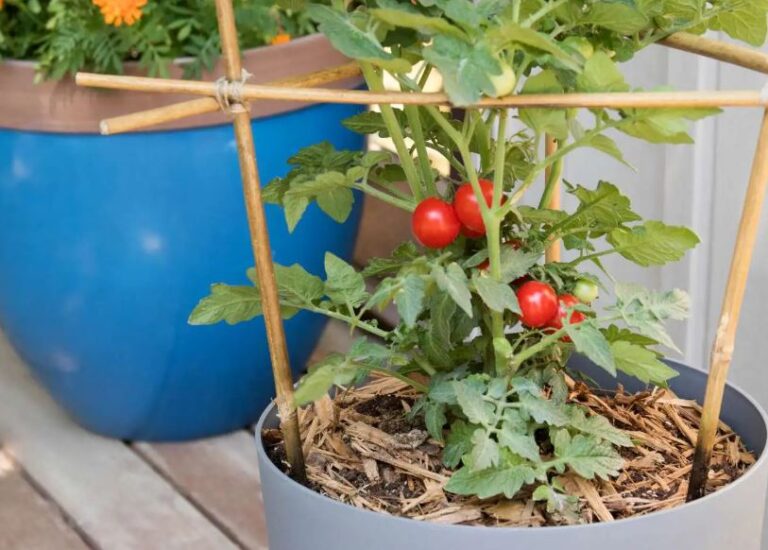
Container gardeners should look for compact or manageable varieties such as:
- Patio Grape
- Tidy Treats
- Juliet
- Tiny Tim hybrids
These plants thrive in pots when given sufficient sunlight and regular watering.
When and Where to Plant Grape Tomatoes
Timing and location play a major role in the success of your grape tomato crop.
Best Planting Time by Climate Zone
Plant grape tomatoes outdoors after the danger of frost has passed.
General planting guidelines:
- USDA Zones 3–5: Late May to early June.
- USDA Zones 6–7: Mid to late April.
- USDA Zones 8–10: February to March.
Always check your local frost dates before planting.
Selecting the Ideal Garden Location
Choose a location that offers:
- Full sun exposure.
- Good air circulation.
- Well-draining soil.
- Protection from strong winds.
Avoid planting tomatoes where peppers, potatoes, or eggplants were grown recently to minimize disease risks.
Sunlight Requirements for Grape Tomatoes
Grape tomatoes need at least 6–8 hours of direct sunlight each day. Plants receiving 8–10 hours generally produce:
- More flowers.
- Larger harvests.
- Healthier foliage.
- Sweeter fruit.
Insufficient sunlight often leads to weak stems and poor fruit production.
Soil Temperature Before Planting
Tomatoes prefer warm soil. Wait until soil temperatures reach at least 60°F (16°C) before transplanting seedlings outdoors.
Cold soil can:
- Slow growth.
- Delay flowering.
- Increase stress on young plants.
Starting Grape Tomatoes From Seeds
Growing grape tomatoes from seed is economical and gives gardeners access to a wider selection of varieties.
When to Start Seeds Indoors
Start seeds indoors approximately 6–8 weeks before your area’s last frost date. This gives seedlings enough time to develop strong roots before moving outdoors.
Choosing Seed-Starting Supplies
You’ll need:
- Seed trays or small pots.
- Seed-starting mix.
- Grow lights or a sunny window.
- Spray bottle.
- Heat mat (optional).
Using quality supplies increases germination rates and produces healthier seedlings.
Germination Requirements and Tips
For successful germination:
- Maintain temperatures between 70°F and 80°F.
- Keep the soil evenly moist.
- Provide bright light immediately after sprouting.
- Ensure adequate airflow around seedlings.
Most grape tomato seeds germinate within 5–10 days.
Caring for Young Seedlings
Healthy seedlings require:
- 12–16 hours of light daily.
- Consistent moisture.
- Gentle airflow.
- Occasional rotation for even growth.
Seedlings are ready for transplanting when they develop two to three sets of true leaves.
Transplanting Grape Tomato Seedlings
Proper transplanting helps young plants establish quickly and reduces transplant shock.
Hardening Off Tomato Plants
Before moving seedlings outdoors permanently, harden them off over 7–10 days by gradually exposing them to outdoor conditions.
A typical schedule:
- Place plants outside for one hour.
- Increase exposure daily.
- Avoid strong wind during the first few days.
- Bring plants indoors at night if temperatures drop.
Proper Spacing Between Plants
Proper spacing improves airflow and reduces disease problems.
Recommended spacing:
- 24–36 inches between plants.
- 3–4 feet between rows.
Crowded plants are more susceptible to fungal diseases and produce fewer fruits.
How Deep to Plant Grape Tomatoes
Tomatoes develop roots along buried stems. Plant seedlings deeply, leaving only the top few sets of leaves above the soil surface.
Benefits of deep planting include:
- Stronger root systems.
- Improved drought tolerance.
- Better plant stability.
Watering Immediately After Transplanting
Water plants thoroughly after transplanting to help settle the soil around the roots. Continue monitoring moisture during the first two weeks while plants become established.
Soil Preparation for Grape Tomatoes
Healthy soil is the foundation of productive grape tomato plants. Preparing the soil before planting can significantly improve plant growth, fruit quality, and overall yields.
Best Soil Type for Healthy Growth
Grape tomatoes grow best in:
- Loose, well-draining soil.
- Nutrient-rich garden beds.
- Sandy loam or loamy soil.
- Soil with plenty of organic matter.
Avoid heavy clay soils that retain too much moisture, as they can lead to root rot and poor plant development.
Ideal Soil pH Levels
Tomatoes prefer slightly acidic soil with a pH between 6.0 and 6.8.
| Soil Factor | Ideal Range |
|---|---|
| Soil pH | 6.0–6.8 |
| Organic Matter | 5–10% |
| Soil Temperature | 60–85°F |
| Drainage | Well-draining |
Testing your soil before planting helps identify nutrient deficiencies and pH imbalances.
Adding Compost and Organic Matter
Adding compost improves:
- Soil structure.
- Moisture retention.
- Nutrient availability.
- Beneficial microbial activity.
Mix 2–3 inches of compost into the top 8–10 inches of soil before transplanting grape tomatoes.
Improving Soil Drainage
Poor drainage is a common cause of tomato problems.
To improve drainage:
- Create raised beds.
- Incorporate coarse compost.
- Add perlite or sand.
- Avoid compacting the soil.
Well-drained soil encourages stronger roots and healthier plants.
Essential Grape Tomato Plant Care
Once established, grape tomatoes require consistent care to maintain vigorous growth and continuous fruit production.
Watering Schedule Throughout the Season
Water deeply rather than frequently. Most grape tomato plants need approximately 1–2 inches of water per week.
Seasonal watering guidelines:
- Spring: Once weekly.
- Summer: Two to three times weekly during hot weather.
- Fall: Reduce watering as temperatures cool.
Always water at the base of the plant to minimize disease issues.
Fertilizing for Maximum Fruit Production
Use fertilizer strategically throughout the growing season.
Recommended schedule:
- Apply balanced fertilizer at planting.
- Feed again when flowers appear.
- Continue every 3–4 weeks during fruit production.
Look for fertilizers with:
- Moderate nitrogen.
- Higher phosphorus.
- Adequate potassium.
Excess nitrogen can produce lush leaves but fewer tomatoes.
Pruning and Removing Suckers
Pruning helps:
- Improve airflow.
- Reduce disease pressure.
- Direct energy toward fruit production.
- Simplify harvesting.
Remove damaged leaves and unnecessary suckers, especially on indeterminate varieties. However, avoid over-pruning, as leaves protect fruit from sunscald.
Mulching to Retain Moisture
Mulching is one of the easiest ways to improve tomato health.
Popular mulch options include:
- Straw.
- Shredded leaves.
- Grass clippings.
- Pine needles.
Mulch benefits:
- Conserves moisture.
- Reduces weeds.
- Maintains soil temperature.
- Prevents soil splash onto leaves.
Supporting and Training Grape Tomato Plants
Most grape tomato plants become heavy with fruit and require support to remain productive.
Using Tomato Cages Effectively
Tomato cages are one of the simplest support methods.
Benefits include:
- Easy installation.
- Improved airflow.
- Better fruit visibility.
- Reduced branch breakage.
Install cages immediately after transplanting to avoid disturbing roots later.
Staking Grape Tomato Plants
Staking is ideal for gardeners with limited space.
To stake tomato plants:
- Insert a sturdy stake near the stem.
- Tie the plant loosely with soft ties.
- Continue securing new growth throughout the season.
Staked plants are easier to maintain and harvest.
Trellising for Vertical Growth
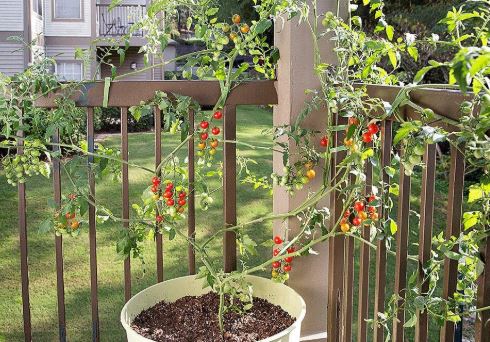
Trellises work exceptionally well for indeterminate grape tomatoes.
Advantages of trellising:
- Saves garden space.
- Enhances air circulation.
- Simplifies pruning.
- Improves sunlight exposure.
Vertical gardening methods are especially useful for raised beds and small gardens.
Preventing Branches From Breaking
Heavy fruit clusters can cause branches to snap.
Prevent damage by:
- Providing adequate support.
- Harvesting regularly.
- Avoiding overcrowding.
- Using soft garden ties.
Healthy, supported plants can continue producing until the first frost.
Common Growing Problems and Solutions
Even experienced gardeners encounter challenges when growing grape tomatoes.
Preventing Blossom End Rot
Blossom end rot appears as a black, sunken area on the bottom of the fruit.
Common causes include:
- Inconsistent watering.
- Calcium deficiency.
- Root stress.
Maintain even moisture levels and mulch around plants to reduce the risk.
Managing Pests Naturally
Common grape tomato pests include:
- Tomato hornworms.
- Aphids.
- Whiteflies.
- Spider mites.
- Flea beetles.
Natural pest control methods:
- Hand-picking insects.
- Applying neem oil.
- Encouraging beneficial insects.
- Using insecticidal soap.
Inspect plants regularly to catch infestations early.
Identifying Common Tomato Diseases
Watch for signs of:
- Early blight.
- Late blight.
- Fusarium wilt.
- Septoria leaf spot.
- Bacterial spot.
Preventive measures include:
- Proper spacing.
- Crop rotation.
- Watering at the base.
- Removing infected foliage promptly.
Solving Yellow Leaves and Poor Yields
Yellow leaves and low production are often linked to:
- Nutrient deficiencies.
- Overwatering.
- Lack of sunlight.
- Extreme temperatures.
Addressing these issues early can restore plant health and improve yields.
Harvesting Grape Tomatoes Successfully
Harvesting at the proper time ensures the best flavor, texture, and productivity.
Signs That Grape Tomatoes Are Ripe
Ripe grape tomatoes are:
- Fully colored.
- Slightly firm.
- Easy to detach from the vine.
- Glossy and plump.
Frequent harvesting encourages continued fruit production throughout the season.
How to Harvest Without Damaging Plants
For best results:
- Harvest in the morning.
- Use clean scissors or pruners if necessary.
- Avoid pulling forcefully on stems.
- Remove damaged or overripe fruit immediately.
Gentle harvesting helps maintain healthy vines.
Extending the Harvest Season
You can extend production by:
- Protecting plants from early frost.
- Removing diseased leaves.
- Fertilizing late-season plants.
- Covering plants during cool nights.
In warm climates, grape tomatoes may continue producing for several months.
Storing Freshly Picked Grape Tomatoes
Store freshly harvested tomatoes:
- At room temperature.
- Away from direct sunlight.
- In a single layer when possible.
Avoid refrigeration unless tomatoes are overly ripe, as cold temperatures can diminish their flavor and texture.
Conclusion
Growing grape tomatoes is a rewarding experience for gardeners of all skill levels. By choosing the right variety, preparing nutrient-rich soil, and providing consistent care, you can enjoy an abundant harvest from early summer until frost. Whether grown in containers, raised beds, or traditional gardens, grape tomatoes offer exceptional flavor, versatility, and productivity. With the techniques outlined in this guide, you’ll be well on your way to producing healthy plants and baskets full of delicious homegrown tomatoes year after year.

- 10 Best Garden Hose For Year Round Outdoor Use 2026 - October 20, 2026
- 10 Best Garden Hose For Direct Sunlight 2026 - October 20, 2026
- 10 Best Uv Protected Garden Hose For Outdoor Storage 2026 - October 20, 2026