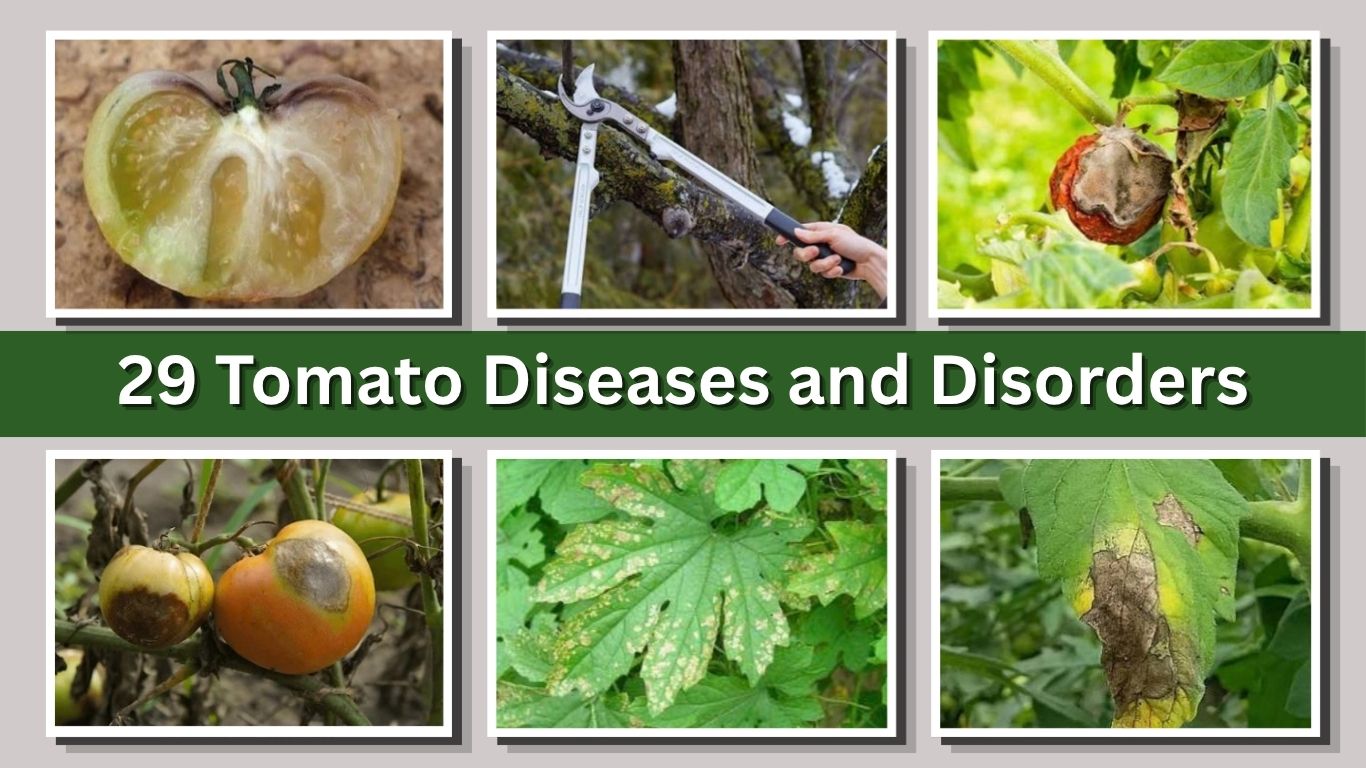
Tomatoes are among the most popular home-garden crops, and also among the most troubled. Fungi, bacteria, viruses, insects, and plain environmental stress can each damage plants, cut harvests, and sometimes wipe out a whole planting. Fortunately, most problems show warning signs first: spotted leaves, wilting, strange coloring, or blemished fruit. Learn to read these signs early and you can step in before the damage spreads.
This guide covers 29 common tomato problems, including true diseases and a few disorders that only look like diseases. Each entry lists symptoms, treatment, and prevention, with natural options where they work.
Quick-Reference Table
| Problem | Type | Main Symptom | Best Response |
|---|---|---|---|
| Early blight | Fungal | Brown spots with rings on lower leaves | Prune, mulch, fungicide |
| Fusarium wilt | Fungal (soil) | Daytime wilting, one-sided yellowing | Resistant varieties |
| Verticillium wilt | Fungal (soil) | Yellow lower leaves, wilting despite watering | Resistant varieties |
| Powdery mildew | Fungal | White powder on leaves | Sulfur, neem, biofungicide |
| Anthracnose | Fungal | Sunken spots on ripe fruit | Prompt harvest, fungicide |
| Septoria leaf spot | Fungal | Small spots with tan centers | Remove leaves, fungicide |
| Botrytis (gray mold) | Fungal | Gray fuzzy mold | Airflow, biofungicide |
| Bacterial speck | Bacterial | Black specks with yellow halos | Copper spray |
| Southern blight | Fungal (soil) | White mold at soil line | Solarization, rotation |
| Gray leaf spot | Fungal | Dark spots with cracked centers | Resistant varieties |
| Late blight | Oomycete | Greasy blotches, white mold | Copper, remove plants |
| Blossom end rot | Disorder | Black patch on fruit bottom | Even watering, calcium |
| Buckeye rot | Fungal | Bullseye rings on low fruit | Stake plants, drain soil |
| Gray wall | Disorder | Blotchy ripening | Better growing conditions |
| Leaf mold | Fungal | Yellow patches, velvety underside | Ventilation |
| Pith necrosis | Bacterial | Hollow, blackened stems | Water at soil level |
| Damping off | Fungal | Seedlings collapse | Sterile mix, dry surface |
| Mosaic virus | Viral | Mottled, curled leaves | Sanitation, remove plants |
| Bacterial wilt | Bacterial | Sudden wilting | Remove plants, rotate |
| Root knot nematodes | Pest | Swollen roots, stunting | Rotation, marigolds |
| Sunscald | Disorder | Pale, scalded fruit patches | Shade, gentle pruning |
| Bacterial spot | Bacterial | Brown spots, holes in leaves | Resistant varieties |
| Yellow leaf curl | Viral | Small upward-curling leaves | Whitefly control |
| Bacterial canker | Bacterial | Scorched leaf edges, bird’s-eye fruit spots | Clean seed, sanitation |
| Target spot | Fungal | Ringed lesions with halos | Drip irrigation, fungicide |
| Corky root rot | Fungal (soil) | Brown, corky roots | Drainage, rotation |
| Tomato spotted wilt virus | Viral | Bronze spots, ringed fruit | Thrips control |
| Curly top virus | Viral | Upward-curling, thick-veined leaves | Row covers, weed control |
| Sooty mold | Fungal | Black coating on leaves | Control aphids and whiteflies |
1. Early Blight
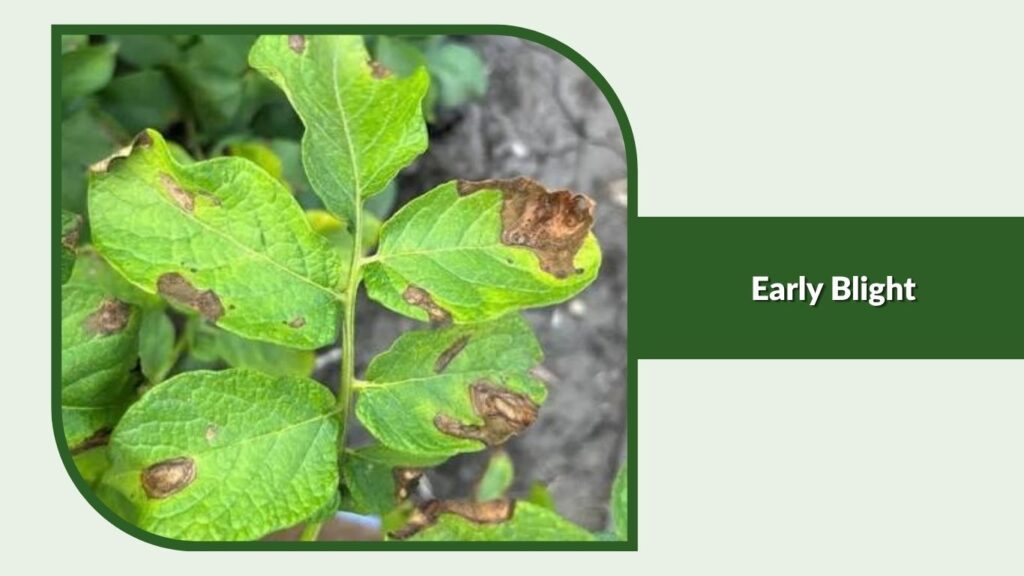
Early blight is caused by Alternaria solani and is the most common leaf-spot disease of tomatoes. It favors warm, humid weather and usually starts on older leaves.
Symptoms: Dark brown spots with target-like rings and yellow halos appear on the lowest leaves and move upward. Leaves dry out and drop. Stems can develop dark lesions, and fruit may show sunken spots. The leaf loss exposes fruit to sunscald.
Management: Remove infected lower leaves (up to about a third of the foliage), and apply a fungicide at the first sign of disease. Don’t compost affected plants. For a natural option, spray 1 teaspoon baking soda, 1 teaspoon liquid soap, and 1 quart water, though this only offers mild protection. Wiping tools with a diluted essential-oil solution (tea tree, thyme, or caraway) also helps.
Prevention: The fungus survives in soil, seed, and debris, and spreads by wind, rain splash, and tools. Rotate crops every two years, mulch, stake, space plants, control weeds, and water at the soil. Choose varieties labeled resistant to early blight.
2. Fusarium Wilt
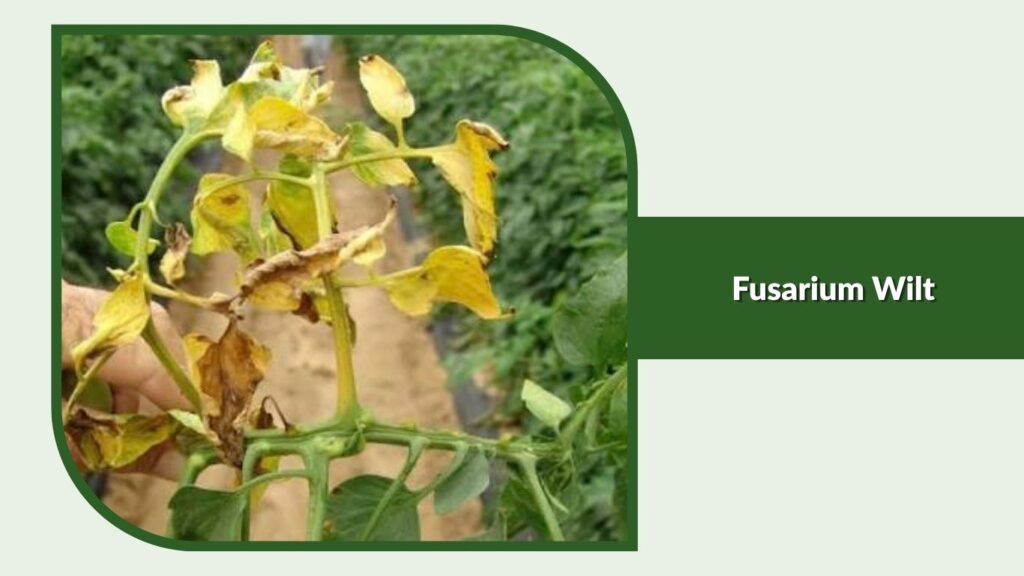
Fusarium wilt is a soil-borne fungus that blocks the water-carrying tissue inside the plant. It enters through roots and can persist in soil for many years.
Symptoms: Yellowing often affects one side of the plant. Plants wilt on hot afternoons and may recover overnight. The inner tissue of the lower stem turns brown, red, or black. Growth is stunted and plants die gradually.
Management: There is no fungicide for wilt. Remove and dispose of infected plants and roots. The disease doesn’t spread between plants within a season.
Prevention: Plant varieties labeled F, FN, or VFN, rotate crops on a three-year cycle, keep tools clean, and control weeds like pigweed and crabgrass that can host the fungus. Avoid heavy nitrogen feeding.
3. Verticillium Wilt
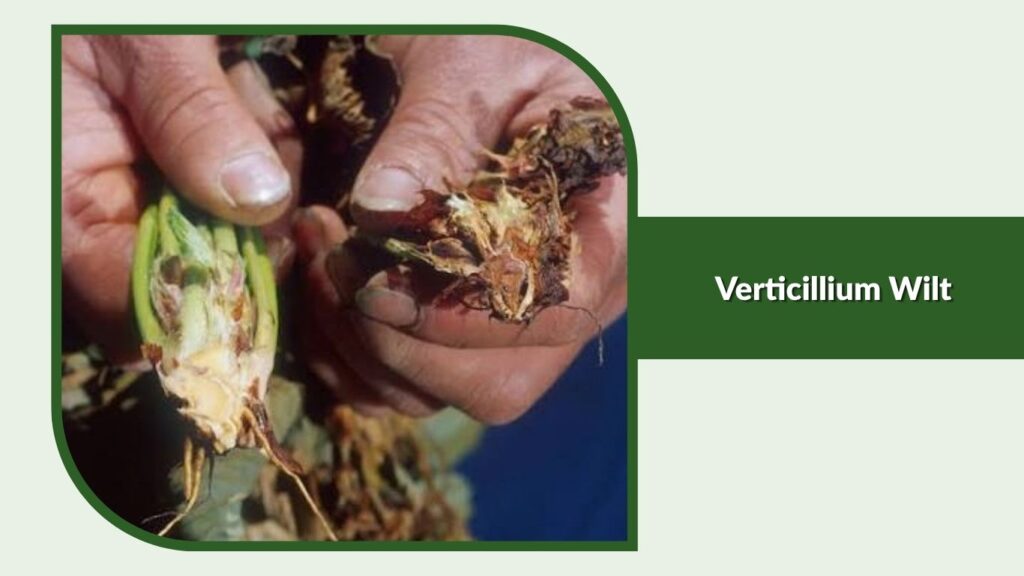
Verticillium wilt resembles Fusarium but is more common in cooler climates and is caused by a different fungus.
Symptoms: Lower leaves turn yellow and develop V-shaped lesions. Growth slows, plants wilt even with enough water, and yields drop.
Management: Remove infected plants and improve soil health. Chemical control isn’t available.
Prevention: Repeated planting of tomatoes and other susceptible crops in the same spot raises the risk. Rotate crops and choose resistant varieties (look for V on the label).
4. Powdery Mildew
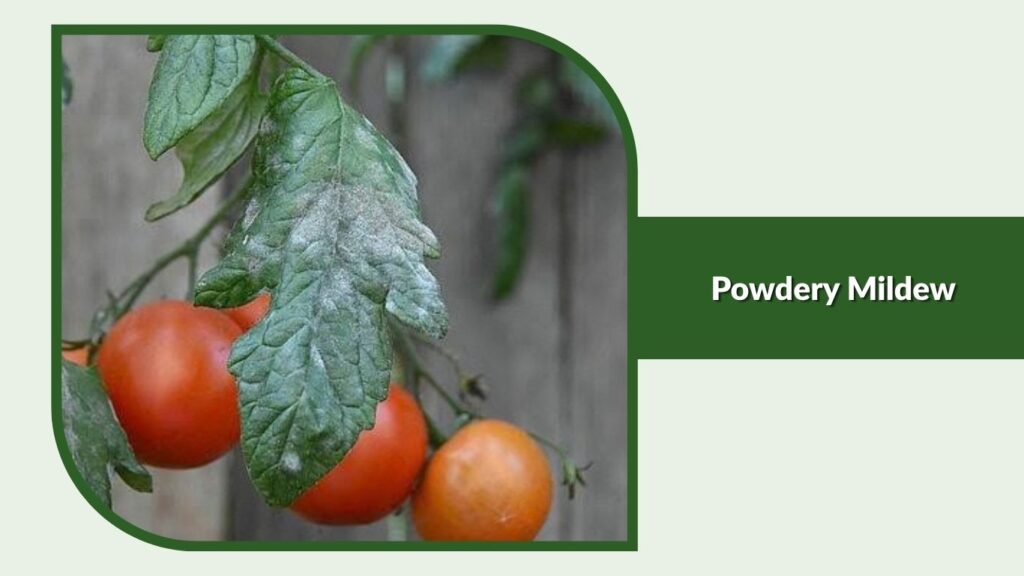
Several airborne fungi cause powdery mildew, and humidity worsens it. Warm days, cool nights, and poor airflow help it thrive. Fruit isn’t infected, but leaf loss can lead to sunscald and reduced yield.
Symptoms: Yellow spots turn into a white powdery coating that can cover entire leaves and reach the stems. Leaf edges may curl, and plants weaken.
Management: Treat the entire crop with sulfur dust, a biofungicide, or horticultural oil, and remove infected leaves. Neem oil (about 3 tablespoons per gallon of water plus a little liquid soap) works best when applied early.
Prevention: Space plants, prune for airflow, and water steadily at the base without wetting leaves.
5. Anthracnose
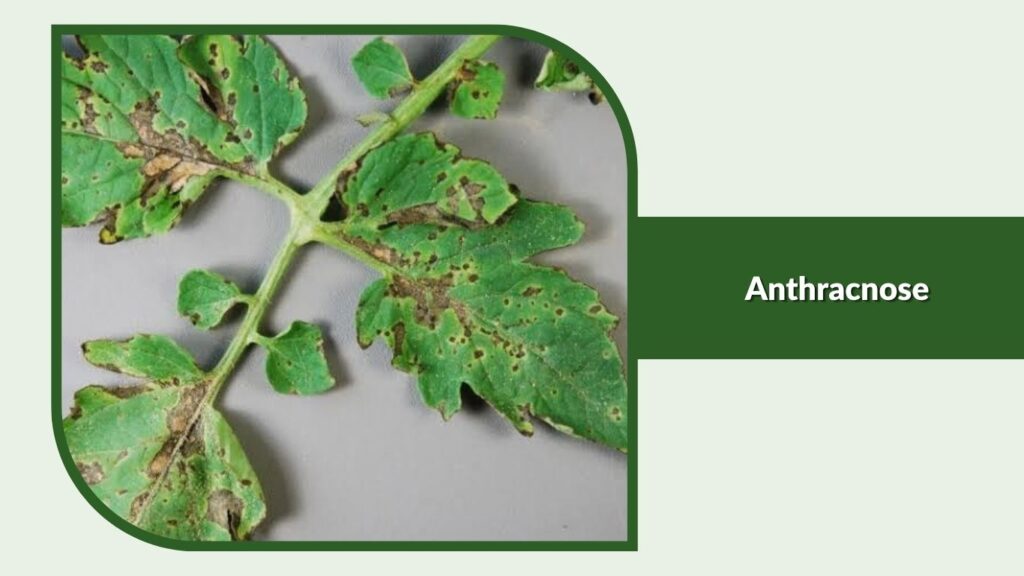
This fungus rots fruit and prefers warm, wet weather and poorly drained soil. Overripe tomatoes touching damp soil are most at risk.
Symptoms: Small, round, sunken, water-soaked spots appear on ripening fruit and enlarge in concentric circles, leaving dark, soft, decayed areas, sometimes with pink or orange spore masses. Infection begins in young fruit but stays hidden until ripening. Leaves may show small spots with yellow halos.
Management: Copper sprays work better as prevention than cure. Apply fungicide across the crop at the first sign of trouble or when weather favors disease. Remove infected fruit promptly.
Prevention: The fungus survives on plant debris and spreads by splashing water. Use certified seed and well-drained soil, strip the lower 12 inches of leaves, stake plants, mulch, and water at the soil. Harvest before fruit overripens, discard rotten fruit, and rotate crops every two years.
6. Septoria Leaf Spot
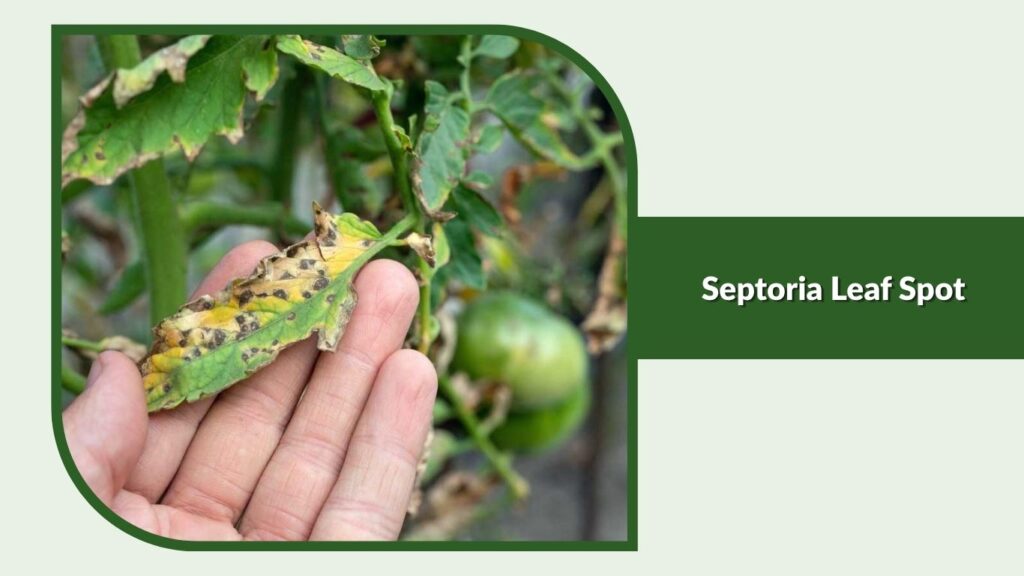
Septoria attacks leaves but not fruit, and it thrives in warm, wet weather.
Symptoms: Many small dark circles appear, growing to about ¼ inch with gray or tan centers and dark borders. It resembles early blight but often shows up around first fruit set. Older leaves yellow and drop first, then the disease climbs the plant. Heavy leaf loss reduces yields and exposes fruit to sunscald.
Management: Repeated applications of fungicide or biofungicide work best. Copper and Serenade help somewhat. Remove infected leaves quickly, since splashing water spreads spores.
Prevention: Sanitation matters most. Clear fallen leaves and debris immediately, clean tools before and after use, water at ground level, control insects, and rotate tomatoes every three years.
7. Botrytis Gray Mold
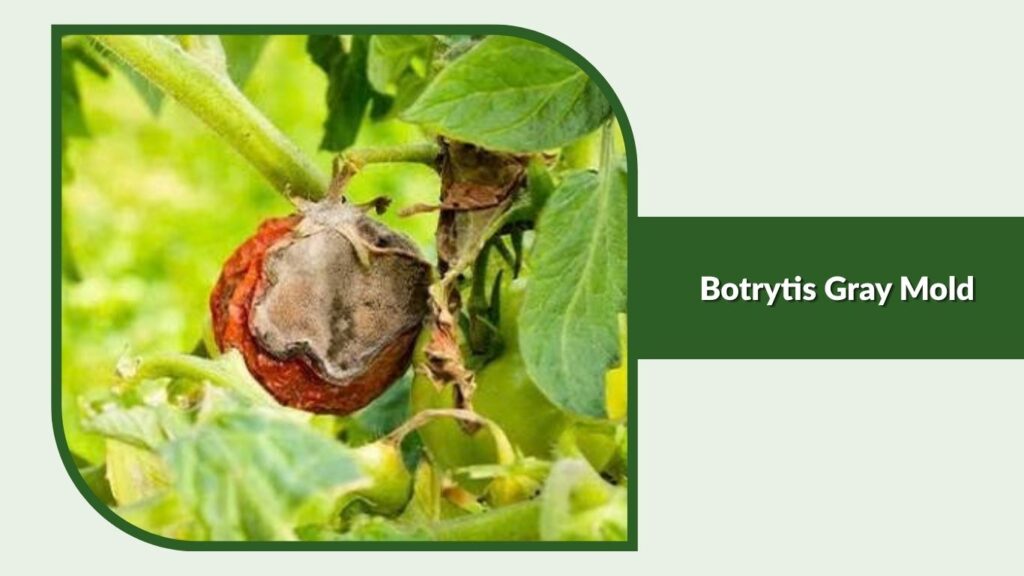
Botrytis cinerea attacks leaves, stems, flowers, and fruit. It enters through wounds such as damaged stems and pruning cuts and can stay dormant for up to 12 weeks. Cool temperatures, high humidity, and poor ventilation favor it.
Symptoms: Gray fuzzy mold on plant tissue, brown lesions on stems, infected blossoms, whitish soft rot on fruit, and fruit that rots after harvest. Girdled stems wilt, and leaves die back.
Management: It often fades as temperatures rise. For persistent infections, use a fungicide or biofungicide labeled for gray mold, and remove infected material promptly. Greenhouse growers should watch humidity closely.
Prevention: Prune in the early afternoon so cuts dry fast, avoid working with wet plants, skip overhead watering, and leave room for airflow.
8. Bacterial Speck
Pseudomonas syringae pv. tomato causes speck during cool, wet weather (roughly 63–75°F with frequent rain and humidity). Splashing water spreads it. It can’t be cured, but it can be contained.
Symptoms: Small, irregular black or dark brown specks with yellow halos, mostly near leaf edges. Fruit spots may be raised, flat, or sunken. Growth can be stunted.
Management: Spray copper fungicide during cool, wet weather. Hot weather slows the bacteria. Improving airflow and removing infected debris helps naturally.
Prevention: Delay planting until it’s warmer and drier, use drip irrigation, and rotate tomatoes and other nightshades yearly.
9. Southern Blight
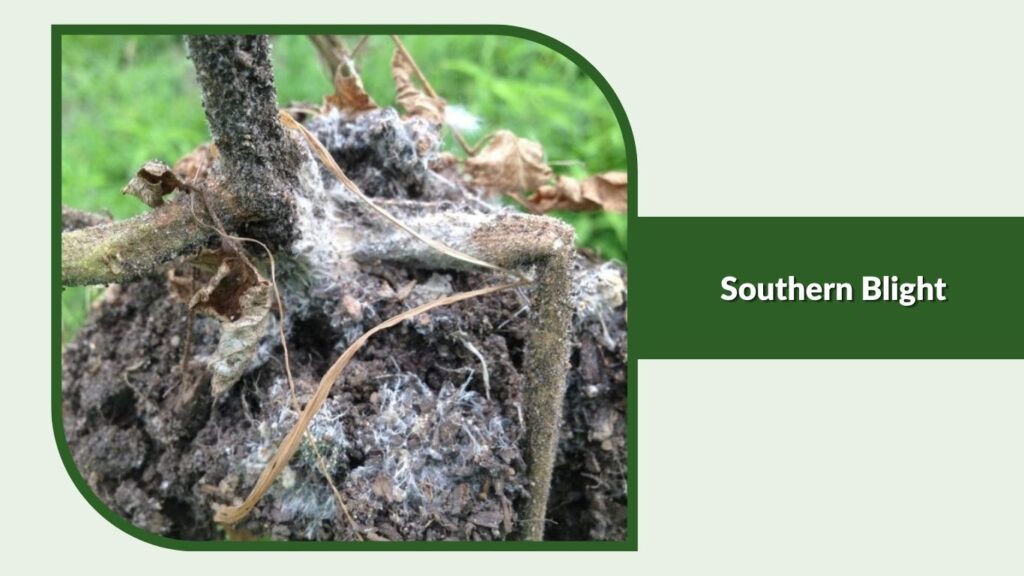
Athelia rolfsii (formerly Sclerotium rolfsii) is a soil fungus that girdles the stem at the soil line, blocking water and nutrient flow. It loves hot, humid weather, soil above 80°F, moisture, and acidic soil, and it persists for years. It also attacks peppers, beans, melons, carrots, potatoes, and peanuts.
Symptoms: Dark, round lesions at the stem base spread and develop white mold with small mustard-seed-like fungal bodies. Plants wilt rapidly and topple, and seedlings can collapse at the soil line. Fruit touching the ground develops yellow spots that turn water-soaked, and it can rot within three to four days.
Management: Fungicides and biofungicides help, and soil fumigants work but are costly. Bag and trash infected plants; don’t compost them.
Prevention: Solarize the soil (cover it with clear plastic in summer so the heat kills spores), rotate to non-host crops, improve drainage, use raised beds, till several times before planting, and remove debris and weeds. Avoid planting into wet, hot weather.
10. Gray Leaf Spot
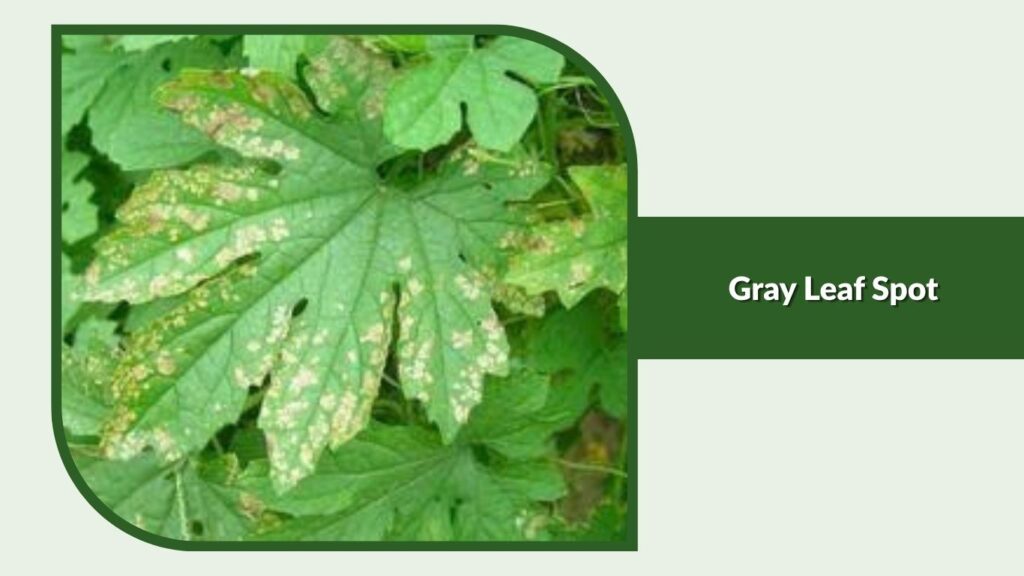
This fungal disease mainly affects leaves, starting with the oldest, and occasionally stems. It doesn’t infect fruit but can travel in seed.
Symptoms: Small dark spots with yellow halos appear on both leaf surfaces, enlarge, and turn grayish brown. The centers eventually crack and fall out. Surrounding tissue yellows, and leaves dry and drop, cutting yields.
Management: Warm, moist conditions worsen it. Remove affected plants and garden debris, and don’t compost them.
Prevention: Cherry and grape types are affected most often, so choose resistant varieties and rotate crops.
11. Late Blight
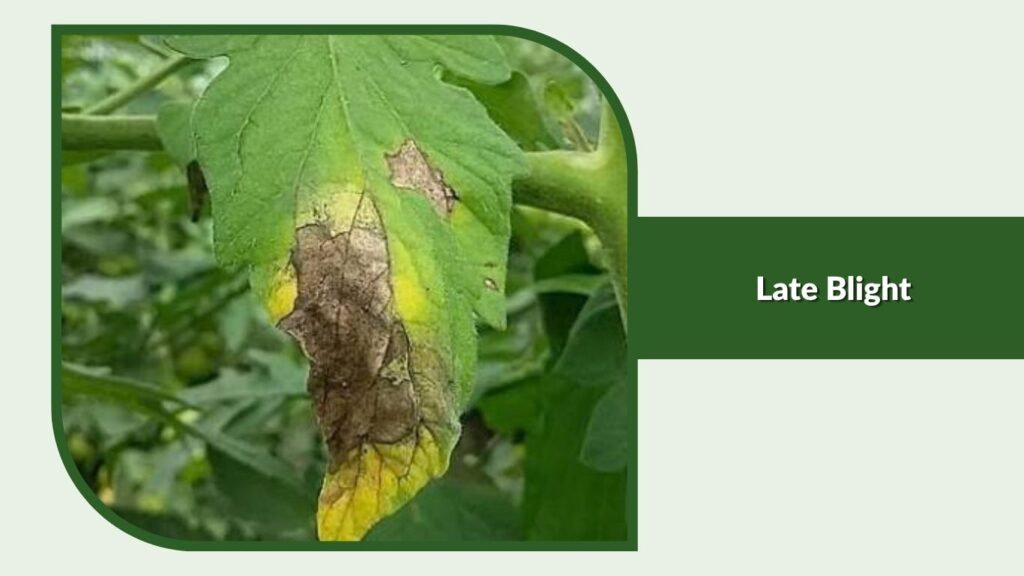
Phytophthora infestans is one of the most destructive tomato diseases worldwide. It hits leaves, stems, and fruit in cool, wet weather and spreads rapidly. Many strains exist, so confirm a suspected case with your local extension service.
Symptoms: Water-soaked, greasy, irregular dark brown blotches with green-gray edges appear on leaves, often with a ring of white fuzzy growth underneath in wet weather. Spots dry and turn papery, foliage browns fast, and stems blacken. Fruit gets large, greasy, greenish-brown or gray patches and may turn mushy from secondary infection. Plants can collapse suddenly.
Management: Copper sprays give some control, and Serenade works better as a deterrent than a cure. Organic fungicides like Cueva or Bonide are options for widespread cases. A homemade spray of 3 tablespoons baking soda, 1 tablespoon vegetable oil, and 1 teaspoon liquid soap in a gallon of water may help suppress spores. Remove affected plants immediately, seal them in a bag, and throw them out; the pathogen can survive composting.
Prevention: Rotate crops, plant resistant varieties, space and prune for airflow, install drip irrigation, and avoid overhead watering. Don’t plant tomatoes beside potatoes.
12. Blossom End Rot
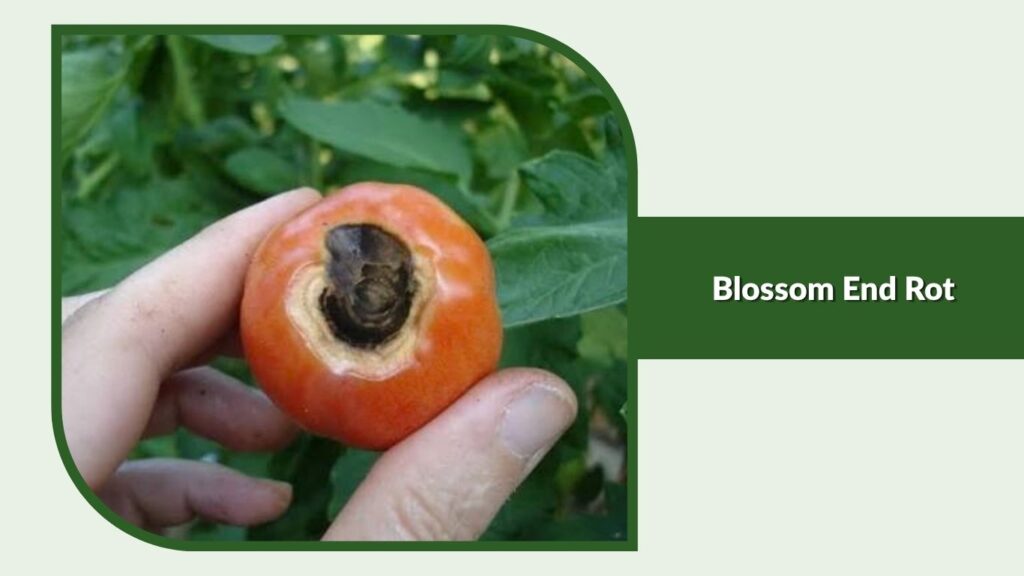
Blossom end rot is a physiological disorder, not an infection. It’s linked to poor calcium uptake during fruit set, usually from uneven watering, drought stress, root damage, or excess nitrogen.
Symptoms: A dark, sunken, leathery, water-soaked spot at the blossom end that enlarges as fruit rots. Fruit may drop early or develop unevenly.
Management: Remove affected fruit and water deeply and regularly. Crushed eggshells, bone meal, or oyster shell can add calcium, and lime helps if soil is acidic. Use a fertilizer low in nitrogen.
Prevention: Water on a steady schedule, mulch to hold moisture, and add compost or organic matter to improve water retention.
13. Buckeye Rot
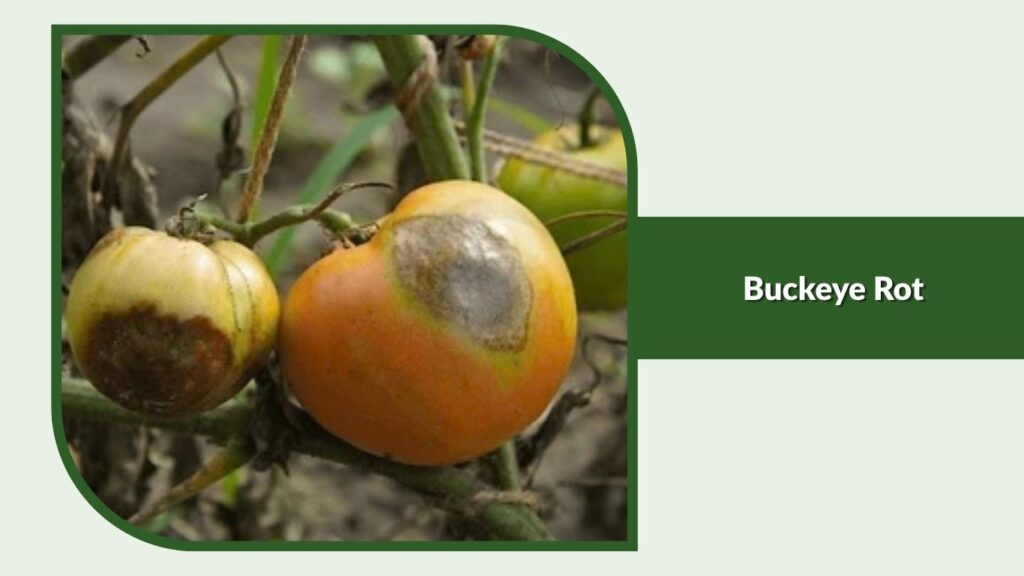
This soil-borne fungal disease hits fruit touching or near the ground, especially after heavy rain and in warm, wet periods.
Symptoms: A small brown spot grows and forms concentric brown rings like a buckeye nut. The firm, smooth-edged lesion turns soft and decayed, and losses rise after rainfall.
Management: Remove affected fruit promptly, keep floodwater away from plants, and stop fruit from touching soil.
Prevention: Stake or cage plants, mulch to prevent soil splash, and plant in well-drained soil.
14. Gray Wall
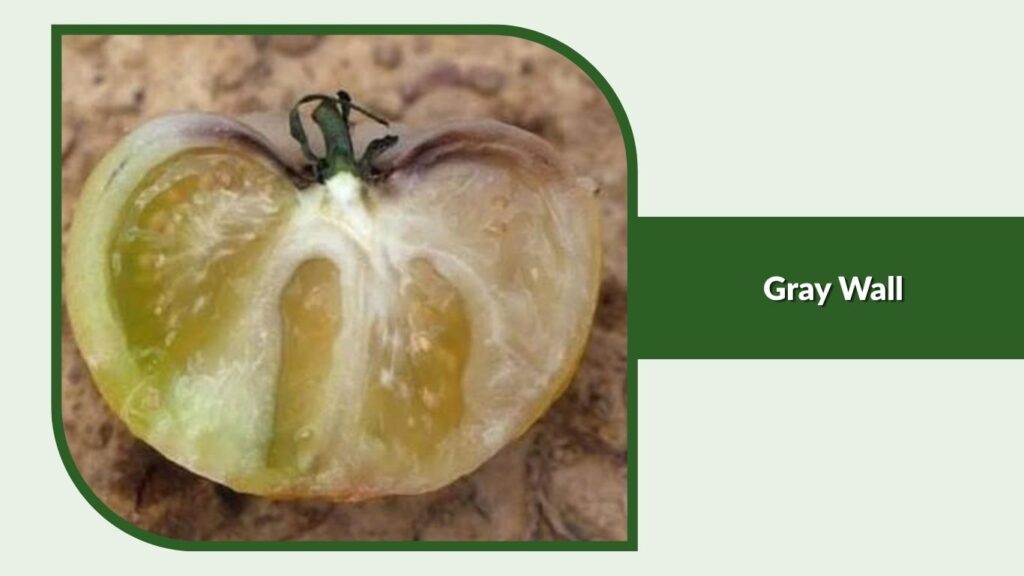
Gray wall is a ripening problem with no known pathogen or treatment, only prevention. Cool temperatures and stressed plants contribute.
Symptoms: Green fruit shows a gray cast or flat gray blotches. Ripe fruit looks mottled, with green or brown areas inside.
Management: Avoid heavy shade, water evenly, fertilize regularly, and don’t let soil compact around roots.
Prevention: Build healthy soil and feed plants properly. One source suggests mosaic-resistant varieties, though the evidence for that is thin.
15. Leaf Mold
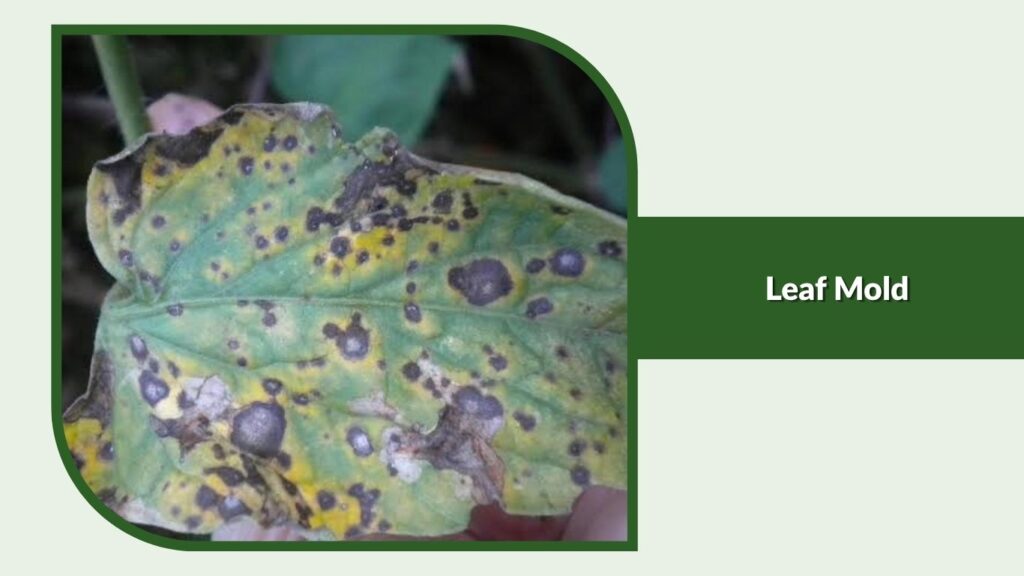
Passalora fulva thrives in humidity, so greenhouses and crowded gardens suffer most.
Symptoms: Pale green or yellow spots on upper leaf surfaces. Underneath, patches become covered in olive-green to gray velvety spores. Leaves curl and drop. Fruit may develop leathery black rot near the stem.
Management: Improve ventilation by pruning, spacing, and staking, and keep leaves dry. Keeping humidity below about 85% helps prevent outbreaks.
Prevention: Rotate crops and use a preventive fungicide where it recurs.
16. Tomato Pith Necrosis
Soil-borne Pseudomonas bacteria cause this in cloudy, cool, damp weather, often during rapid growth. Excess nitrogen makes it more likely.
Symptoms: Stems and leaves blacken early on. Later, stems split, shrink, or crack, and the pith turns hollow, blocking water flow and yellowing leaves. Plants wilt and may collapse.
Management: Warmer weather can end an outbreak. Meanwhile, water at the soil, keep soil evenly moist, and remove and dispose of dead plants and roots.
Prevention: Avoid overfertilizing, keep growing conditions balanced, and rotate crops, since bacteria persist in soil for a few years.
17. Damping Off
Damping off kills seedlings and is caused by soil-borne fungi such as Rhizoctonia and Pythium. It develops in cool, wet, rich soil.
Symptoms: Seeds fail to germinate, or seedlings develop thin, water-soaked stem bases that look pinched, then wilt and collapse.
Management: Start seeds in sterile, heat-treated mix and clean containers. Avoid nitrogen-rich soil until seedlings have first true leaves, and let the soil surface dry between waterings.
Prevention: Don’t overwater, provide light and airflow, sanitize tools, plant when soil temperature suits seeds, and pre-soak seeds to speed germination.
18. Tomato Mosaic Virus
This highly contagious virus spreads through seed, grafting, pests, and human hands. It can survive in plant debris for a very long time.
Symptoms: Mottled, mosaic-patterned, curled or distorted leaves, small new leaflets, pale growth, and stunting. Fruit may be misshapen, mottled on the skin, or brown inside, with reduced yield.
Management: There is no cure. Remove infected plants and leaves right away. Reflective mulch may help.
Prevention: Plant resistant varieties (look for T on labels), rotate crops, disinfect tools with rubbing alcohol or a bleach solution, wash hands, and handle plants only as needed.
19. Bacterial Wilt
Ralstonia solanacearum lives in soil and infects tomatoes, peppers, eggplants, and potatoes. It’s worst in hot southern climates.
Symptoms: Leaves wilt and turn yellow or brown, then the whole plant dies.
Management: Once established, little can be done. Remove and dispose of infected plants immediately, and don’t replant nightshades in that spot.
Prevention: Rotate crops, sanitize tools, and control weeds.
20. Root Knot Nematodes
These microscopic soil roundworms feed on roots and harm many other plants too.
Symptoms: Stunted or wilting plants with no clear cause. Digging up roots reveals swollen, knotted growths where eggs are laid.
Management: Remove infected plants and grow a non-host species in that spot.
Prevention: Alternate host and non-host crops, sanitize tools, and plant French marigolds, which help deter nematodes.
21. Sunscald
Sunscald is sun damage, not a disease. It’s most common in hot zones and after heavy pruning or leaf-loss diseases remove the shade fruit relies on.
Symptoms: Pale, burnt-looking, scalded patches on fruit that may turn yellow-white and papery.
Management: Damaged fruit can’t be fixed. Add shade cloth or another shade structure to protect remaining and developing fruit.
Prevention: In hot regions, choose a spot protected from midday sun, prune gently, and prevent diseases that cause leaf loss.
22. Bacterial Spot
Several Xanthomonas species cause bacterial spot in hot, humid weather, affecting both tomatoes and peppers.
Symptoms: Tiny dark spots, often with a yellow ring, appear on leaves and fall out, leaving ragged holes. Fruit gets raised, scabby, pitted lesions. Leaves drop and vigor declines.
Management: Remove infected plants and rotate crops. Don’t eat infected fruit, since it can harbor secondary pathogens.
Prevention: Bacteria spread through contaminated seed, rain splash, tools, and contact with wet plants. Use certified disease-free seed, choose resistant varieties, water in the morning so foliage dries, and space plants properly. Copper sprays can be used preventively.
23. Yellow Leaf Curl
Whiteflies spread the virus behind this disease.
Symptoms: Small yellow leaves curl upward, flowers drop, and fruit set falls sharply.
Management: Remove infected plants and control weeds aggressively.
Prevention: Rotate crops, avoid fields where the virus has appeared, and keep whitefly numbers down.
24. Bacterial Canker
Clavibacter michiganensis can infect tomatoes at any growth stage and is a serious problem in gardens and greenhouses.
Symptoms: Leaf margins look scorched, plants wilt persistently, and stems show brown discoloration. Fruit develops bird’s-eye spots, and overall health declines.
Management: Remove infected plants immediately and follow strict sanitation. Organic products such as Monterey Complete are sometimes used.
Prevention: Infected seed, transplants, and contaminated greenhouse equipment are the main sources, so use certified disease-free seed and plants, and disinfect tools and equipment.
25. Target Spot
Corynespora cassiicola affects leaves, stems, and fruit. Warm temperatures and long periods of leaf wetness favor it.
Symptoms: Circular lesions with concentric rings and yellow halos, leaf drop, stem lesions, and fruit blemishes.
Management: Apply fungicide preventively where the disease recurs, and remove infected leaves.
Prevention: Use drip irrigation, keep foliage dry, and space plants for airflow.
26. Corky Root Rot
This soil-borne fungus attacks roots, limiting water and nutrient uptake. Cool, wet soils and poor drainage raise the risk.
Symptoms: Brown, corky-textured roots, yellowing leaves, stunted growth, wilting in warm weather, and reduced harvests.
Management: Improve drainage and remove badly affected plants.
Prevention: Rotate crops, and consider grafted or resistant plants if the problem returns year after year.
27. Tomato Spotted Wilt Virus (TSWV)
Thrips spread this virus, which affects hundreds of plant species. They pick it up while feeding on infected plants and carry it as they move.
Symptoms: Bronze or purple spots on leaves, ring patterns on fruit, stunted growth, wilting shoots, and reduced yield.
Management: Remove infected plants and control thrips.
Prevention: Use reflective mulch to discourage insects, control thrips populations, and plant resistant varieties.
28. Curly Top Virus
Beet curly top virus is spread by leafhoppers and is especially troublesome in hot, dry regions. Leafhoppers pick it up from infected weeds.
Symptoms: Leaves curl upward, veins thicken, foliage yellows, plants are stunted, and fruit set is poor.
Management: Remove infected plants; there is no cure.
Prevention: Cover plants with floating row covers during peak leafhopper activity and keep weeds down around the garden.
29. Sooty Mold
Sooty mold grows on honeydew, the sugary secretion left by sap-sucking insects like aphids and whiteflies. It doesn’t invade the plant, but it blocks light.
Symptoms: A black coating on leaves, sticky plant surfaces, reduced photosynthesis, visible aphids or whiteflies, and a declining appearance.
Management: Control the insects and the mold fades. Insecticidal soap, neem oil (about 1 tablespoon per gallon with a little liquid soap), and encouraging beneficial insects all help.
Prevention: Inspect plants regularly and act at the first sign of aphids or whiteflies.
Habits That Prevent Most Tomato Problems
- Rotate crops so soil-borne diseases don’t build up.
- Clear debris such as fallen leaves and fruit regularly.
- Stake or cage plants to keep foliage and fruit off the ground.
- Grow in full sun (about six hours daily) so plants dry quickly.
- Space plants well for airflow.
- Water the soil in the morning, ideally by drip irrigation.
- Disinfect tools and inspect new plants before planting.
- Buy certified seed and resistant varieties.
Frequently Asked Questions
What is the most common tomato disease? Early blight and Septoria leaf spot are among the most common in home gardens. Both thrive in warm, humid weather and mainly affect foliage.
Can tomato diseases spread to other plants? Yes. Many fungal, bacterial, and viral diseases can spread to related crops like peppers, potatoes, and eggplants.
How can I prevent tomato diseases naturally? Hygiene, crop rotation, spacing, mulching, and watering at the base are the most reliable methods. Homemade sprays like baking soda or neem oil can help, but they’re mostly preventive.
Should I remove diseased plants? For severe viral or bacterial infections, usually yes, to protect nearby plants.
Are there disease-resistant varieties? Yes. Look for letters like V, F, N, and T on seed packets, which indicate resistance to Verticillium, Fusarium, nematodes, and tobacco mosaic virus.

- How to Grow Microgreens Without Soil Indoors: Easy Home Method - October 5, 2026
- Microgreens vs. Sprouts: Key Differences, Nutrition, Safety, and Which One to Eat - October 5, 2026
- 10 Best Garden Tools For Weed Removal 2027 - October 3, 2026