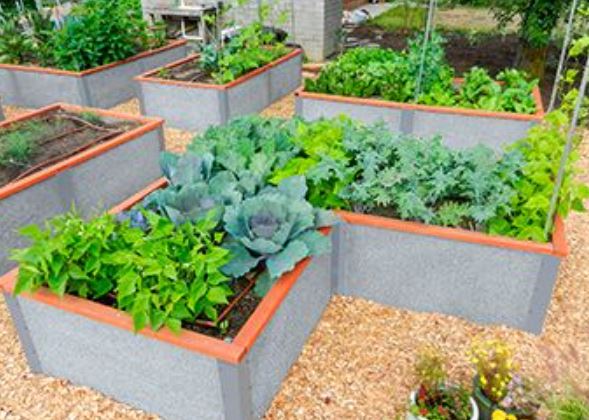
The best raised garden beds for seniors are the VEGEGA 32″ Tall Galvanized Bed (best overall, no-bend height), Birdies Modular Raised Bed (best durability, 20+ year steel), Frame It All Tool-Free Composite Bed (best for arthritis, no tools needed), VegTrug Elevated Planter (best for wheelchair users, leg clearance), and the Greenes Fence Cedar Kit (best budget option). All five sit between 17 and 32 inches tall, the ergonomic range that lets seniors plant, weed, and harvest without kneeling or bending.
1. VEGEGA 32″ Galvanized Raised Bed — Best Overall
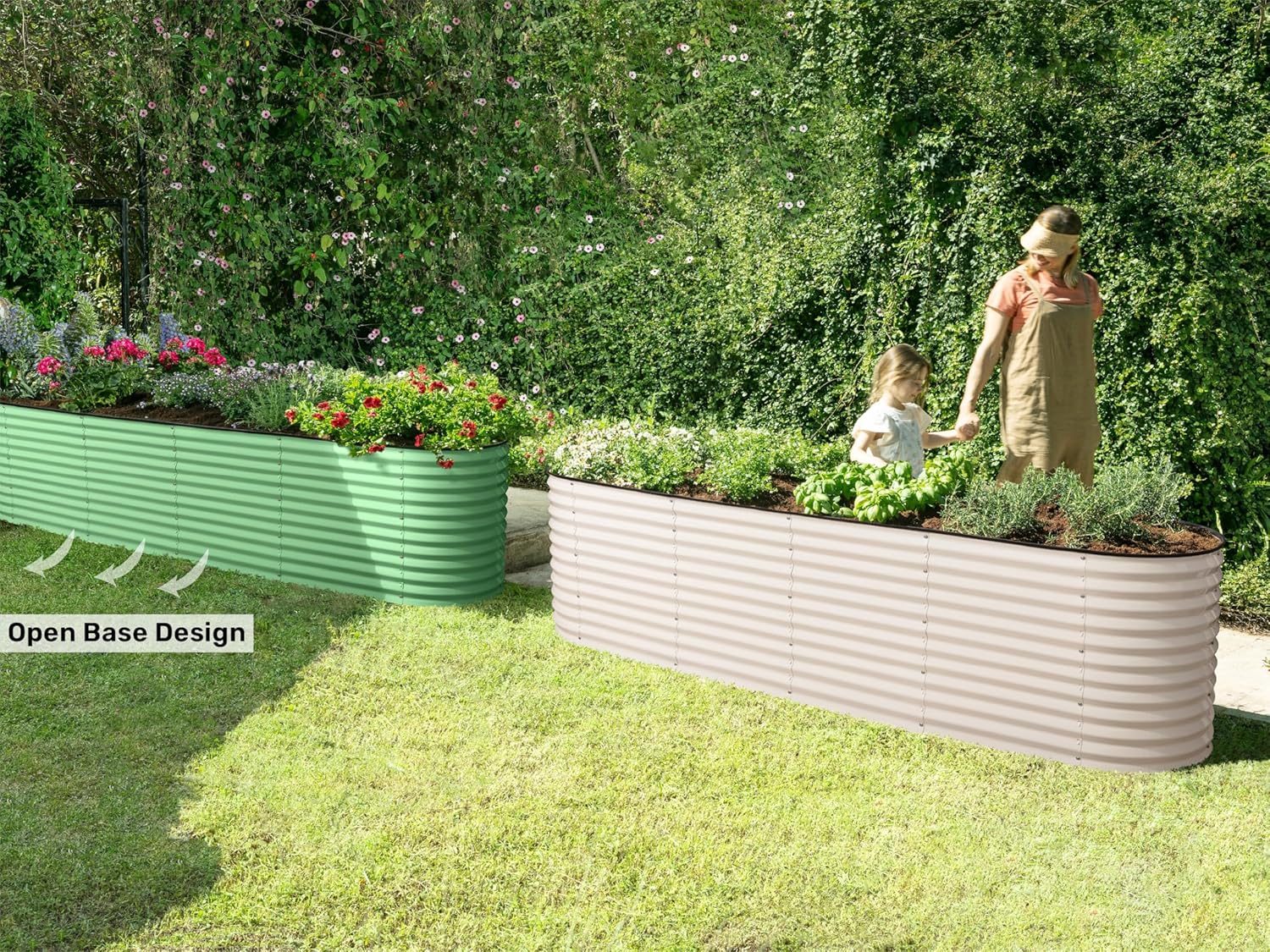
This bed sits at the top of the ergonomic range, eliminating bending almost entirely for standing gardeners. It comes in a 5×2 footprint and doesn’t require a bottom panel, since the open base improves drainage and air circulation. The steel resists rust even if the surface coating gets scratched, since the corrosion protection runs beneath the paint layer.
| Spec | Detail |
|---|---|
| Height | 32 inches |
| Footprint | 5 ft x 2 ft |
| Material | Zn-Al-Mg galvanized steel |
| Bottom Panel | None (open base for drainage) |
| Assembly | Tool-required, panel-fit |
| Best For | Standing seniors, no-bend access |
Pros: Full standing height, rust-resistant core, simple steel-panel build, good drainage. Cons: Heavier to move once assembled, premium price versus wood kits.
2. Birdies Modular Raised Bed — Best Durability
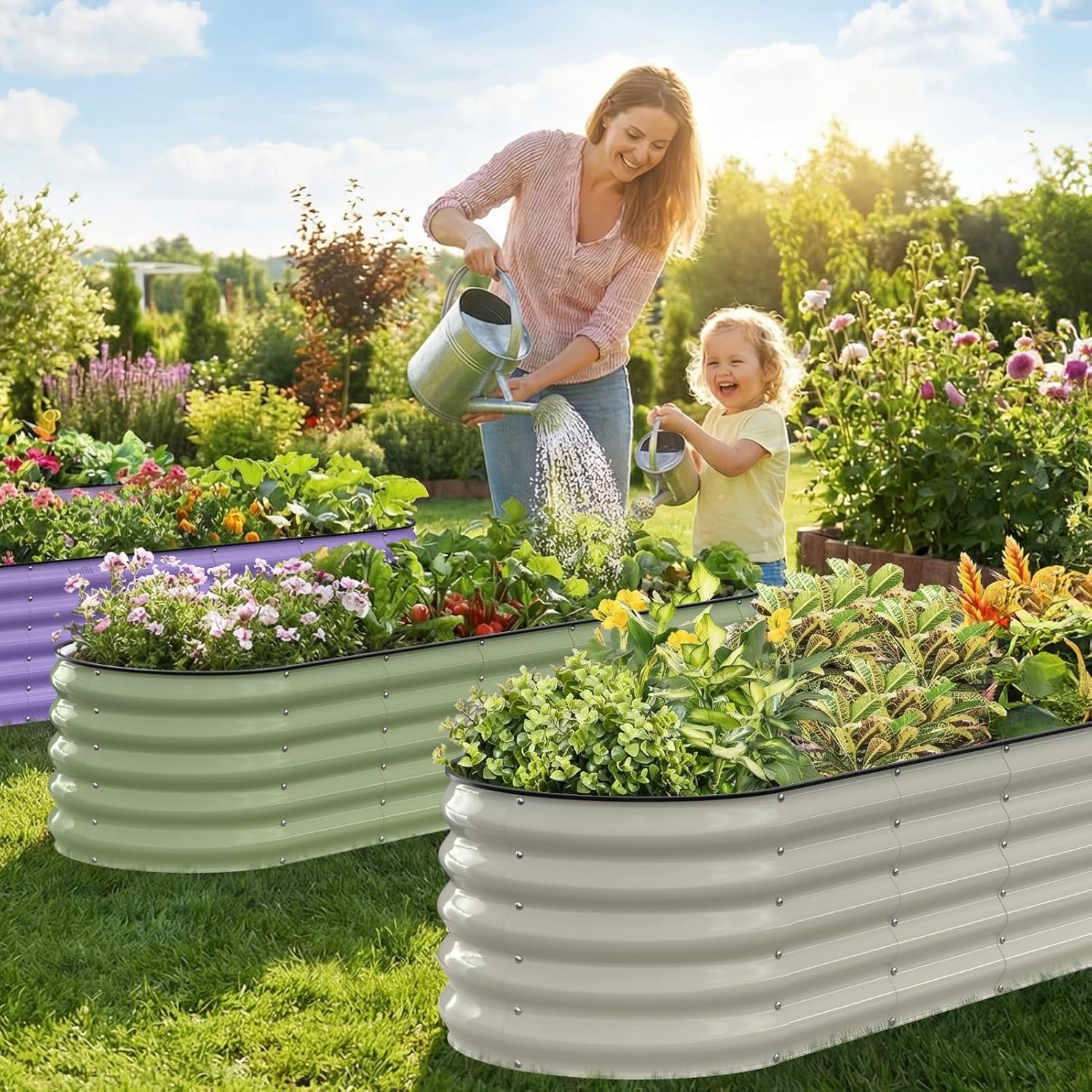
Birdies uses a steel system designed for structural longevity rather than a basic frame. Its construction combines reinforced corners and precision corrugation for shape retention, built from corrosion-resistant steel meant to perform for years, developed in Australia and refined for strength, safety, and longevity. The modular panels let seniors customize height as mobility needs change over time.
| Spec | Detail |
|---|---|
| Height | 17–30 inches (modular) |
| Footprint | Multiple configurations |
| Material | BlueScope corrosion-resistant steel |
| Bottom Panel | None |
| Assembly | Tool-required, modular panels |
| Best For | Long-term durability, adjustable height |
Pros: Decades-long lifespan, adjustable modular height, strong corner reinforcement. Cons: Higher upfront cost, panels can be heavy for solo assembly.
3. Frame It All Tool-Free Composite Bed — Best for Arthritis

Built from recycled composite material, this bed snaps together without screws, brackets, or tools, a major advantage for anyone with reduced grip strength. The lightweight panels are easier to lift than steel or cedar, and the rounded composite edges reduce the risk of cuts during setup or maintenance.
| Spec | Detail |
|---|---|
| Height | 16–32 inches (stackable) |
| Footprint | Multiple configurations |
| Material | Recycled composite |
| Bottom Panel | Optional |
| Assembly | Tool-free, snap-fit |
| Best For | Arthritis, limited grip strength |
Pros: No tools or hardware needed, lightweight panels, splinter-free composite edges. Cons: Less rigid than steel under heavy soil load, fewer height options at the tallest end.
4. VegTrug Elevated Planter — Best for Wheelchair Users

The V-shaped trough design and open-leg base set this bed apart for seated gardeners. The frame allows a wheelchair or scooter to roll directly underneath the planting trough, so users can garden from a seated position without sideways reaching. The tapered shape also reduces the soil volume needed compared to a flat rectangular bed.
| Spec | Detail |
|---|---|
| Height | 31 inches |
| Footprint | V-shaped trough, standard 6 ft length |
| Material | FSC-certified wood/poly liner |
| Bottom Panel | Lined trough (no open base) |
| Assembly | Partial tools required |
| Best For | Wheelchair and seated gardeners |
Pros: Wheelchair leg clearance, less soil required, comfortable seated reach. Cons: Narrower planting surface, V-shape limits root depth for larger vegetables.
5. Greenes Fence Cedar Kit — Best Budget Option

A well-built cedar bed is a long-lasting choice that, once filled and set up, a senior can tend almost entirely without help. This kit costs less than steel or composite alternatives while still offering a stackable design, so height can grow from 11 to 22 inches as needs change.
| Spec | Detail |
|---|---|
| Height | 11–22 inches (stackable) |
| Footprint | 4 ft x 4 ft (standard kit) |
| Material | Cedar wood |
| Bottom Panel | None |
| Assembly | Partial tools, stack-and-screw |
| Best For | Budget-conscious buyers |
Pros: Lowest price point, natural wood look, stackable for custom height. Cons: Shorter lifespan than metal, needs occasional resealing against rot.
Buying Guide: What to Check Before You Buy
Choosing the right raised bed involves more than picking a popular model. The details below cover the factors that matter most for senior gardeners, from height and reach to long-term upkeep.
1. Match Height to Mobility Level
Height is the single biggest factor in comfort. Use this as a starting reference:
| Mobility Level | Recommended Height | Why |
|---|---|---|
| Standing, full mobility | 30–32 in | Eliminates bending almost entirely |
| Standing with walker | 30–32 in, stable base | Height plus tip-resistance matters most |
| Seated or wheelchair user | 24–28 in with open leg clearance | Allows close, front-facing access |
| Limited bending tolerance | 28–32 in | Reduces strain on lower back and knees |
If unsure, measure from the ground to the gardener’s relaxed forearm height while standing or seated. That number, minus 2–3 inches, is the ideal bed height.
2. Check Width and Reach Distance
A bed can be the perfect height and still cause strain if it’s too wide. As a rule, a senior should never need to reach more than 24 inches to touch the center of the bed from any side. For beds accessible from only one side (against a wall or fence), 24 inches of depth is the practical maximum. For beds accessible from both sides, widths up to 48 inches work since the gardener can reach the center from either edge.
3. Confirm Pathway and Spacing Clearance
Walkers typically need 28–32 inches of clear path width, while standard wheelchairs need at least 36 inches to turn comfortably. When planning multiple beds, leave at least 36 inches between units, and more if turning space is needed at the end of a row. Uneven surfaces like grass or gravel under the path can be as limiting as the bed height itself, so a firm, level walkway matters just as much as the bed design.
4. Prioritize Safe Edges and Materials
Sharp metal corners or splintering wood edges are a common source of cuts and scrapes. Look for rounded corners, rubber or PVC trim caps, and smooth interior surfaces. Composite and coated-steel beds generally have fewer sharp edges than raw cedar or untreated wood kits.
5. Consider Assembly Difficulty
Assembly difficulty matters as much as the finished product, especially for anyone setting it up alone or with limited grip strength. Tool-free, snap-together kits are easiest. Pre-drilled wood kits with included hardware are a reasonable middle ground. Beds requiring separate tools, screws, or a drill are best handled with help from family or a handyman service.
6. Weigh Material and Long-Term Maintenance
| Material | Lifespan | Maintenance Needed | Relative Cost |
|---|---|---|---|
| Galvanized/coated steel | 15–20+ years | Minimal; occasional rinse | Mid–High |
| Composite | 10–15 years | None; won’t rot or splinter | Mid |
| Cedar wood | 5–10 years | Resealing every 1–2 years | Low |
| Untreated pine | 3–5 years | Frequent resealing, prone to rot | Lowest |
Metal and composite beds cost more upfront but need far less attention over time, which matters for seniors who want to spend their energy gardening, not maintaining the bed itself.
7. Factor in Soil Volume and Fill Cost
Taller beds need significantly more soil. A 32-inch bed can cost two to three times more to fill than a 17-inch bed of the same footprint. To cut costs, many gardeners use the “fill and till” method: filling the bottom third with logs, straw, or untreated wood scraps before adding soil on top. This also lightens the bed and improves drainage.
8. Look for Add-On Compatibility
Trellises, shade covers, pest netting, and drip irrigation kits can extend a bed’s usefulness, especially for gardeners who want to reduce daily watering or bending for pest control. Confirm the bed’s frame supports these add-ons before buying if they’re a priority.
Why Raised Beds Help Seniors Garden Safely
Raised beds remove the two biggest physical barriers to gardening: bending and kneeling. A height of 24 to 32 inches lets seniors reach soil without straining the back or knees, and wider spacing between beds accommodates walkers or wheelchairs. Metal versions also need very little upkeep since they don’t rot like wood, so the focus stays on the plants instead of repairs. This combination of height and low maintenance is why raised beds are now the default recommendation for accessible gardening.
What Height Is Best for Seniors?
Height should match mobility level, not personal preference alone. Beds in the 24 to 32 inch range allow easy reach without bending the back or knees, which suits standing gardeners. Seated gardeners or wheelchair users typically need 24–28 inches with open leg clearance underneath. Walker users benefit from 30–32 inch beds paired with a stable, non-tip base. Always test reach distance before buying; a bed deeper than 24 inches across can force overreaching even at the right height.
Top 5 Raised Garden Beds for Seniors Compared
| Product | Height | Material | Best For | Price Range | Tool-Free Assembly |
|---|---|---|---|---|---|
| VEGEGA 32″ Galvanized Bed | 32 in | Zn-Al-Mg steel | Standing gardeners, no-bend access | $150–$220 | No |
| Birdies Modular Raised Bed | 17–30 in | Aussie BlueScope steel | Long-term durability | $180–$300 | No |
| Frame It All Tool-Free Kit | 16–32 in | Recycled composite | Arthritis, weak grip | $100–$250 | Yes |
| VegTrug Elevated Planter | 31 in | FSC-certified wood/poly | Wheelchair users (leg gap) | $130–$200 | Partial |
| Greenes Fence Cedar Kit | 22 in | Cedar wood | Budget shoppers | $60–$120 | Partial |
FAQs
What is the best height for a raised bed for seniors? Most seniors do best with a bed between 24 and 32 inches tall, which lets them reach soil without bending the back or knees.
Are metal or wood raised beds better for elderly gardeners? Metal beds typically need less maintenance since they resist rot, while wood beds cost less upfront but require periodic resealing.
Can a raised bed work for someone in a wheelchair? Yes, beds with an open leg base, such as V-shaped or elevated trough designs, let a wheelchair roll underneath for seated gardening.
Do raised garden beds need tools to assemble? Some do and some don’t. Tool-free composite kits are easiest for seniors with limited grip strength or arthritis.
What should seniors plant in a raised bed? Low-effort options like basil, parsley, chives, lettuce, spinach, kale, cherry tomatoes, and trellised cucumbers work well with minimal upkeep.
Conclusion
The right raised bed comes down to matching height and width to mobility, not just picking the most popular model. Standing gardeners do best around 30–32 inches, seated and wheelchair users need 24–28 inches with open leg clearance, and anyone with grip or joint limitations benefits most from tool-free assembly. Whichever of these five beds you choose, the goal stays the same: less strain, more time actually growing something.
This article is for general informational purposes. Always check product specifications directly with manufacturers, as pricing and availability change over time.

- 10 Best Garden Hose For Freezing Weather 2026 - October 15, 2026
- 10 Best Garden Hose For Sun Exposure 2026 - October 15, 2026
- 10 Best Lightweight Garden Hose For Elderly 2026 - October 15, 2026