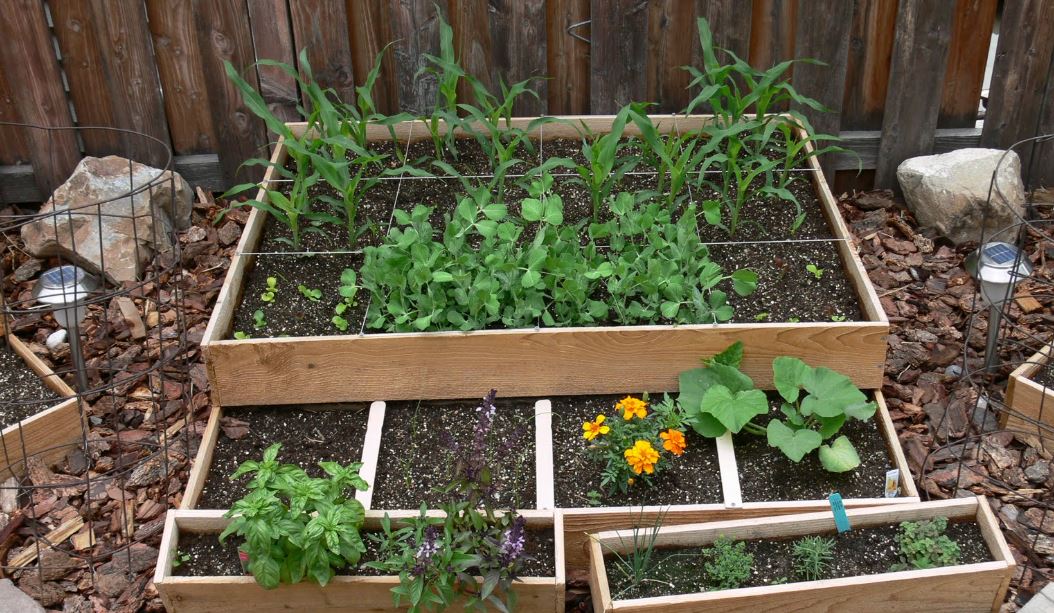
The best raised bed for vegetables in 2025 is the Vego Garden 17″ Tall 9-in-1 Modular Raised Bed for its superior depth, certified food-safe VZ 2.0 material, and flexible configuration. For budget buyers, the Zizin 2-Pack Galvanized Bed is Amazon’s Choice with 2,000+ monthly purchases. Read on for our full ranked list, expert buying guide, and answers to the most common questions.
What Are the Best Raised Beds for Growing Vegetables?
Growing vegetables in a raised bed gives you complete control over soil quality, drainage, and temperature — three factors that directly determine how much you harvest. Whether you have a large back garden or a compact urban patio, the right raised bed makes growing tomatoes, carrots, herbs, and leafy greens significantly easier than in-ground gardening. In this expert guide, we rank the five best raised beds available in 2025, covering materials, depth, assembly, safety, and real-world performance for vegetable growing.
5 Best Raised Beds for Vegetables: Ranked & Reviewed
1. Vego Garden 17″ Tall 9-in-1 Raised Garden Bed Kit — Best Overall for Vegetables

The Vego Garden 9-in-1 is the best raised bed for vegetables because of its 17-inch depth (ideal for root vegetables), modular design that adapts to any space, and VZ 2.0 material — a USDA-approved, food-safe coating certified for over 20 years of outdoor use. Rated 4.8/5 from 1,643 verified reviews, it’s the top-performing raised bed for serious vegetable growers who want long-term results and design flexibility without compromise on plant health or safety.
Product Specifications
| Feature | Details |
|---|---|
| Brand | Vego Garden |
| Material | VZ 2.0 (Zinc, Magnesium & Aluminium Coated Steel) |
| Dimensions | 8ft × 2ft × 17″ (base; 9 configurations available) |
| Colour Options | Olive Green, Modern Gray, Pearl White |
| Depth | 17 inches |
| Special Features | Modular 9-in-1, Rubber Edge Safety Guard, Weather Resistant |
| Food Safe | Yes — USDA-approved AkzoNobel paint |
| Star Rating | ⭐ 4.8/5 (1,643 reviews) |
| Best For | Tomatoes, root veg, courgettes, deep-rooted plants |
✅ Pros
- Highest-rated product on this list — 4.8/5 from over 1,600 buyers
- USDA-certified food-safe coating — 100% safe for edible vegetable growing
- VZ 2.0 material verified at Texas A&M National Corrosion Lab for 20+ year lifespan
- 17″ depth accommodates deep-rooted crops including carrots, parsnips, and tomatoes
- 9 modular configurations — adapts to narrow, wide, L-shaped, or U-shaped spaces
- Rounded oval design with heavy-duty rubber edging — no sharp corners, safe for families
- 400+ purchases per month confirms consistent real-world satisfaction
❌ Cons
- Most expensive option on this list — premium price point
- Only one base size available in the standard kit
- Higher shipping costs to international addresses
2. A ANLEOLIFE 8×4×2ft Galvanized Raised Garden Bed — Best for Deep Root Vegetables

The A ANLEOLIFE 8×4×2ft raised bed is the best choice for growing deep-rooted vegetables like carrots, parsnips, and potatoes. At 24 inches tall with a 478-gallon soil capacity, it provides more growing depth than any other product in this guide. Built from 22-gauge corrugated galvanized steel with multi-layer eco-friendly powder coating, it is designed to withstand decades of outdoor use while keeping soil conditions healthy and productive. With 21 size and colour options, it suits virtually any garden or allotment layout.
Product Specifications
| Feature | Details |
|---|---|
| Brand | A ANLEOLIFE |
| Material | 22-gauge 0.8mm Corrugated Galvanized Steel |
| Dimensions | 8ft × 4ft × 24″ (tall) |
| Colour Options | Quartz Grey, Antique White + 19 more |
| Soil Capacity | 478 Gallons |
| Special Features | Bottomless, Deep Root, Sturdy |
| Shape | Oval Round |
| Star Rating | ⭐ 4.6/5 (761 reviews) |
| Best For | Carrots, parsnips, potatoes, perennials |
✅ Pros
- Industry-leading 24″ depth — grows virtually any vegetable crop
- 478-gallon soil capacity — no compromise on root space
- 22-gauge corrugated steel gives superior structural strength versus flat panels
- 21 size/colour options — largest customisation range on this list
- Bottomless design supports natural root extension and earthworm activity
- Smooth R-angles and included garden gloves for assembly safety
- 200+ monthly purchases reflect consistent buyer confidence
❌ Cons
- Significant footprint — may overwhelm smaller patios or gardens
- Premium price reflects size and material specification
- Heavy once assembled — not easily repositioned
3. FOUBAM Galvanized Rectangle Raised Garden Bed — Best for Rectangular Patios

The FOUBAM Galvanized Raised Garden Bed is the best rectangular raised bed for vegetables on patios. Its reinforced crossbar and fixing-stake construction keeps the steel panels rigid under soil pressure, making it more structurally stable than flat-panel competitors at the same price. The eco-friendly, non-toxic paint is safe for growing edibles, and the open base design prevents waterlogging — one of the most common causes of vegetable crop failure in UK gardens. Backed by a 12-month warranty with 24-hour customer support, it’s a dependable everyday choice.
Product Specifications
| Feature | Details |
|---|---|
| Brand | FOUBAM |
| Material | Coated Thickened Steel (Crossbar Reinforced) |
| Dimensions | 70.88″ (L) × 35.83″ (W) × 11.81″ (H) |
| Colour | Black Rectangle |
| Special Features | Drainage Hole, Crossbar Reinforcement, Fixing Stakes |
| Planter Form | Vertical Raised Bed |
| Warranty | 12 months |
| Star Rating | ⭐ 4.6/5 (165 reviews) |
| Best For | Herbs, salad leaves, beans, onions, shallow-root veg |
✅ Pros
- Steel crossbars and fixing stakes prevent panel bowing under soil pressure
- Non-toxic eco-friendly paint — safe for vegetables and herbs
- Open base design prevents waterlogging and root rot
- Clean rectangular profile suits formal patio and garden layouts
- Straightforward assembly with all hardware and instructions included
- 12-month warranty with fast-response customer support
❌ Cons
- 11.81″ depth limits suitability for deep-root crops like carrots and parsnips
- Only one size and colour available
- Lower review count (165) compared to other picks
4. Foxlang 8×4×1ft Galvanized Oval Raised Bed (2 Pack) — Best Value for Multiple Beds

Direct Answer: The Foxlang 2-Pack oval raised garden bed offers the best value for gardeners who want to establish multiple vegetable growing areas simultaneously. Each bed measures 8×4×1ft with a 12-inch depth — adequate for most popular vegetables including tomatoes, peppers, lettuce, and beans. The zinc-coated galvanized steel resists corrosion in the wet UK climate, and upgraded screws with heavy-duty middle rods ensure both beds stay structurally sound through multiple growing seasons. The 3-year warranty is the strongest guarantee on this list for the price paid.
Product Specifications
| Feature | Details |
|---|---|
| Brand | Foxlang |
| Material | Zinc-Coated Galvanized Steel |
| Dimensions | 8ft × 4ft × 1ft (per unit) |
| Colour | Silver |
| Depth | 12 inches |
| Special Features | Rust Resistant, Drainage Hole, Heavy-Duty Middle Rods |
| Pack Quantity | 2 beds included |
| Warranty | 3 years |
| Star Rating | ⭐ 4.2/5 (271 reviews) |
| Best For | Tomatoes, peppers, salads, herbs, beans |
✅ Pros
- Two complete beds at one competitive price — exceptional value
- 3-year warranty — longest guarantee on this list at this price level
- 12″ depth suits the majority of popular vegetable crops
- Zinc coating provides reliable rust and corrosion resistance in wet weather
- Upgraded screws and heavy-duty middle rods for long-term structural integrity
- Open base allows natural drainage and root extension
❌ Cons
- Lowest star rating on this list at 4.2/5
- Only available in silver — no colour options
- Oval shape may not suit all garden styles or layouts
5. Zizin 2-Pack Galvanized Raised Garden Bed (6×3×1ft) — Best Budget Pick

The Zizin 2-Pack is the best budget raised bed for vegetables, offering two 6×3×1ft galvanized beds at under £40 combined. It holds Amazon’s Choice status and attracts over 2,000 purchases per month, making it the most purchased product on this list. The multi-corrugated panel design adds structural rigidity at low cost, and the included support rods prevent long-side bowing. While 12-inch depth limits suitability for deep-root crops, it’s perfect for salads, herbs, onions, beans, and most patio vegetables at an unbeatable entry price.
Product Specifications
| Feature | Details |
|---|---|
| Brand | Zizin |
| Material | Multi-Corrugated Galvanized Metal |
| Dimensions | 6ft × 3ft × 1ft (per unit) |
| Colour | Galvanized Silver |
| Depth | 12 inches |
| Special Features | Rust Resistant, Support Rods Included, Open Bottom |
| Pack Quantity | 2 beds included |
| Price Per Bed | ~£18.45 |
| Star Rating | ⭐ 4.5/5 (909 reviews) |
| Best For | Salads, herbs, onions, strawberries, beans |
✅ Pros
- Amazon’s Choice — verified by 2,000+ monthly purchases
- Most affordable option — under £20 per bed
- Multi-corrugated panels provide strong rigidity for a lightweight product
- Open-bottom design supports healthy drainage and root respiration
- Support rods included to brace the long sides under soil load
- Multiple size variants available from 2ft to 8×4ft
❌ Cons
- 12″ depth not suitable for carrots, parsnips, or potatoes
- Galvanized silver only — no colour or style choice
- Lightweight build may shift or flex in high winds without anchoring
Full Comparison Table: 5 Best Raised Beds for Vegetables
| Product | Rating | Depth | Best Crop Match | Warranty | Value Score |
|---|---|---|---|---|---|
| Vego Garden 9-in-1 | ⭐ 4.8/5 | 17″ | All vegetables incl. root veg | Not stated | ★★★★★ |
| A ANLEOLIFE 8×4×2ft | ⭐ 4.6/5 | 24″ | Deep root — carrots, parsnips | Not stated | ★★★★☆ |
| FOUBAM Rectangle | ⭐ 4.6/5 | 11.81″ | Herbs, salads, shallow veg | 12 months | ★★★★☆ |
| Foxlang 2-Pack | ⭐ 4.2/5 | 12″ | Most vegetables, tomatoes | 3 years | ★★★★☆ |
| Zizin 2-Pack | ⭐ 4.5/5 | 12″ | Salads, herbs, onions, beans | Not stated | ★★★★★ |
Buying Guide: How to Choose the Best Raised Bed for Vegetables
1. Match Depth to Your Crops
Depth is the single most important specification for vegetable growers. Use this reference table before buying:
| Vegetable | Minimum Depth Needed | Recommended Bed |
|---|---|---|
| Lettuce, spinach, herbs | 6–8 inches | Any bed on this list |
| Onions, garlic, radishes | 8–10 inches | Any bed on this list |
| Tomatoes, peppers, beans | 10–12 inches | Foxlang, Zizin, FOUBAM |
| Courgettes, cucumbers, beetroot | 12–16 inches | Foxlang, Vego Garden |
| Carrots, parsnips, leeks | 18–20 inches | Vego Garden (17″), A ANLEOLIFE (24″) |
| Potatoes, sweet potatoes | 20–24 inches | A ANLEOLIFE (24″) |
Rule of thumb: If in doubt, always go deeper. A bed that’s too deep never fails; a bed that’s too shallow limits your crop choices permanently.
2. Choose the Right Material for UK Weather
The UK’s damp climate accelerates corrosion in poor-quality metals and rot in untreated timber. Here’s how materials compare for vegetable growing:
| Material | Rust Resistance | Food Safety | Lifespan | UK Climate Suitability |
|---|---|---|---|---|
| Galvanized Steel | ★★★★☆ | ✅ Safe | 10–15 years | Excellent |
| Powder-Coated Steel | ★★★★☆ | ✅ Safe | 10–15 years | Excellent |
| VZ 2.0 (Vego) | ★★★★★ | ✅ USDA Approved | 20+ years | Outstanding |
| Untreated Wood | ★★☆☆☆ | ✅ Safe | 3–7 years | Poor (rots) |
| Treated Timber | ★★★☆☆ | ⚠️ Check for chemicals | 8–15 years | Moderate |
| Plastic | ★★★★★ | ✅ Safe | 5–10 years | Good |
For vegetable growing specifically: Always verify the coating is food-safe and non-toxic. Cheap powder coatings or unknown paint formulations can leach trace compounds into soil over time.
3. Size and Accessibility
- Maximum recommended width: 4 feet — the standard reach from both sides of a bed without stepping in
- For single-side access only: Keep beds no wider than 2 feet
- Minimum length for productivity: 4 feet gives you enough space for meaningful crop rotation
- Larger is usually better — more soil volume means better moisture retention, more stable temperatures, and higher yields per square foot
4. Open Bottom vs. Closed Bottom
| Design | Best For | Avoid If |
|---|---|---|
| Open Bottom | In-ground placement, root extension, earthworm access | Balconies or hard surfaces needing drainage control |
| Closed with Drainage Holes | Rooftops, balconies, patios with drainage restrictions | Deep-root crops (restricts growth) |
All five beds on this list use an open-bottom design, making them ideal for garden beds placed directly on soil or grass.
5. Assembly: What to Look For
A well-designed raised bed should assemble in 20–45 minutes without specialist tools. Before buying, confirm:
- All hardware (screws, bolts, stakes) is included in the box
- Instructions include illustrated diagrams, not text-only steps
- Middle support rods are included for beds longer than 4 feet
- No sharp raw metal edges — look for rolled or rubber-protected rims
- Corner connection method is bolt-based, not friction-fit (more durable)
6. Pest and Weed Management in Raised Beds
One underrated advantage of raised beds is their ability to reduce pest and weed pressure when managed correctly:
- Line the base with landscape fabric — blocks weeds from below while allowing drainage
- Install copper tape around the rim — effective slug and snail deterrent
- Add fine mesh netting — protects brassicas from cabbage white butterflies
- Practice crop rotation — move plant families between beds every year to prevent disease buildup. Never grow the same family (e.g., tomatoes, peppers, aubergines) in the same bed for more than two consecutive years
- Use companion planting — basil near tomatoes, marigolds near peppers, nasturtiums as sacrificial pest traps
7. The Ideal Vegetable Raised Bed Soil Mix
Never fill a raised bed with garden soil alone — it compacts heavily and drains poorly. Use this proven three-part mix:
| Component | Volume | Purpose |
|---|---|---|
| Quality topsoil | 60% | Structure, weight, base nutrition |
| Garden compost or well-rotted manure | 30% | Fertility, soil biology, water retention |
| Horticultural grit or perlite | 10% | Drainage and aeration |
For very deep beds (18″+): Fill the bottom 25–30% with wood chip, straw, cardboard, or leaf mould before topping with the soil mix. This reduces soil cost while improving long-term drainage and moisture retention.
8. Seasonal Planting Guide for Raised Beds (UK)
| Season | Crops to Plant | Key Actions |
|---|---|---|
| Late Winter (Feb–Mar) | Broad beans, onion sets, garlic | Start under glass; harden off before planting out |
| Spring (Mar–May) | Lettuce, peas, spinach, carrots | Soil warms 2–3 weeks earlier than in-ground |
| Early Summer (May–Jun) | Tomatoes, courgettes, beans, cucumbers | Plant out after last frost |
| Summer (Jun–Aug) | Successional salads, herbs, beetroot | Water frequently — raised beds dry out faster |
| Autumn (Sep–Oct) | Kale, winter salads, garlic, onions | Cover with fleece to extend season |
| Winter (Nov–Jan) | Broad beans (protected), overwintering garlic | Clear and condition soil with compost |
Frequently Asked Questions (FAQs)
What is the best depth for a vegetable raised bed?
The best depth for a vegetable raised bed depends on what you grow. A minimum of 12 inches suits most popular vegetables including tomatoes, lettuce, peppers, and beans. For root crops like carrots and parsnips, you need at least 18–20 inches. If you want to grow potatoes, a 24-inch depth like the A ANLEOLIFE bed is ideal. As a general rule, deeper is always better — more soil volume means better root development, improved moisture retention, and fewer watering requirements.
Are metal raised beds safe for growing vegetables?
Yes, metal raised beds are safe for growing vegetables, provided they use a food-safe coating. Look for galvanized steel with a zinc coating, powder-coated steel with non-toxic paint, or premium materials like Vego Garden’s VZ 2.0, which is USDA-approved and certified at the Texas A&M National Corrosion Lab. Avoid beds that do not specify their coating type or that use low-quality paints with unknown chemical formulations.
How long do galvanized steel raised beds last?
A good-quality galvanized steel raised bed typically lasts 10–15 years. Premium options like the Vego Garden VZ 2.0 material are certified for over 20 years of outdoor use. Lifespan depends on coating quality, rainfall exposure, and whether the bed is left out year-round. Powder-coated and multi-layer coated steel generally outperforms single-layer zinc in wet climates like the UK.
What vegetables grow best in raised beds?
The vegetables that grow best in raised beds include tomatoes, courgettes, lettuce, spinach, radishes, onions, garlic, beans, peppers, and herbs like basil, parsley, and chives. Root vegetables including carrots, parsnips, and beetroot also thrive in raised beds because the loose, stone-free soil allows them to grow straight and develop without obstruction — something difficult to achieve in compacted garden soil.
How wide should a raised bed be for vegetables?
A vegetable raised bed should be no wider than 4 feet (approximately 120cm) when accessible from both sides, or 2 feet (approximately 60cm) when accessible from one side only. This ensures you can reach the centre of the bed without stepping in, which is critical to avoid compacting the soil — the primary advantage of raised bed gardening over traditional in-ground plots.
Do raised beds need lining?
Raised beds with an open base placed on soil do not need lining, but lining the base with landscape fabric is recommended. Landscape fabric blocks weeds growing up from below while allowing water to drain freely and earthworms to travel up. Do not use solid plastic sheeting — it traps water, causes root rot, and prevents beneficial soil organisms from accessing the bed.
How often should you replace soil in a raised bed?
You do not need to completely replace soil in a raised bed annually. Instead, top up with 2–3 inches of fresh compost each year in spring. Fully replace or deeply condition the soil every 3–5 years, or if you notice persistent disease problems, declining yields, or significant compaction. Adding organic matter annually through mulching maintains soil biology without the cost and effort of full replacement.
Can I place a raised bed on concrete or paving?
Yes, you can place a raised bed on concrete or paving, but you must ensure adequate drainage. On hard surfaces, use a bed with pre-drilled drainage holes or add a drainage layer of 3–4 inches of coarse gravel at the base before adding soil. On concrete, plants cannot extend roots into the ground below, so a minimum depth of 12–18 inches of quality soil mix is essential for productive vegetable growing.
Is it better to buy a wooden or metal raised bed for vegetables?
For most UK gardeners, metal raised beds outperform wooden ones for vegetable growing. Metal does not rot, is not vulnerable to slug damage at the structure level, and requires no annual treatment. Good-quality galvanized or coated steel beds last 10–20 years versus 5–10 years for untreated wood. The main advantage of wood is aesthetics and better natural insulation in cold snaps — cedar and hardwood timber beds warm and cool more gradually than metal.
How many plants can I grow in a 4×8ft raised bed?
In a 4×8ft raised bed (32 square feet), you can grow approximately: 1–2 tomato plants, 4–6 pepper plants, 32 lettuce plants (4″ spacing), 64 radishes or spring onions, 8–16 carrot rows, or 4 courgette or cucumber plants. Using square-foot gardening principles — one plant per square foot for large crops, four per square foot for medium, nine per square foot for small — maximises yield from limited space.
Conclusion: Which Raised Bed Is Right for Your Vegetable Garden?
Choosing the best raised bed for vegetables comes down to three key decisions: how deep you need to grow, what your budget allows, and how much space you have available.
For gardeners who want the very best — a bed that will outlast everything else in the garden and grow any crop including deep-root vegetables — the Vego Garden 9-in-1 is the clear recommendation. Its USDA-certified food-safe material, 17-inch depth, and modular design make it the most versatile and best-value premium option.
If maximum soil depth is your priority and you’re growing carrots, parsnips, or potatoes seriously, the A ANLEOLIFE 8×4×2ft at 24 inches is unmatched on this list.
The FOUBAM Rectangle suits gardeners who want a neat, structurally robust bed for herbs and salad crops with minimal fuss. The Foxlang 2-Pack delivers outstanding long-term warranty cover for two beds at a competitive price. And for anyone starting out or working on a tight budget, the Zizin 2-Pack is the most purchased product on Amazon for a reason — it works, it lasts, and it costs less than a trip to the garden centre.
Whatever you choose, any raised bed will transform your vegetable growing compared to in-ground gardening. Better drainage, warmer soil, improved pest control, and total command of your growing medium — raised beds deliver results that in-ground beds simply cannot match, season after season.

- 10 Best Garden Hose For Freezing Weather 2026 - October 15, 2026
- 10 Best Garden Hose For Sun Exposure 2026 - October 15, 2026
- 10 Best Lightweight Garden Hose For Elderly 2026 - October 15, 2026