True flowers are flowering plants that produce blooms as part of their natural reproductive cycle. These flowers come in many shapes, colors, and sizes, making them some of the most popular plants in home gardens worldwide. From classic roses to cheerful sunflowers, true flowers add beauty, fragrance, and biodiversity to outdoor spaces.
Many flowering plants also attract pollinators such as bees, butterflies, and hummingbirds. Some are grown for cut flowers, while others are valued for their ability to brighten landscapes throughout the growing season.
In this guide, we’ll explore 13 true flowers, their characteristics, growing requirements, and the best ways to use them in your garden.
1. Rose (Rosa)
Flower Characteristics and Identification
Roses are among the most recognizable flowers in the world. They produce layered petals arranged around a central bloom and are available in nearly every color except true blue. Rose plants may grow as shrubs, climbers, or miniature varieties depending on the cultivar.
Their flowers are known for their beauty, fragrance, and symbolic meaning. Roses bloom from late spring through fall, with many modern varieties flowering repeatedly throughout the season.
Popular Varieties and Flower Colors
Gardeners can choose from hundreds of rose varieties. Some of the most popular include:
- Hybrid Tea Roses
- Floribunda Roses
- Grandiflora Roses
- Climbing Roses
- Knock Out Roses
Flower colors include red, pink, white, yellow, orange, peach, and bi-colored combinations. Each variety offers unique flower shapes and growth habits.
Growing Conditions and Care Requirements
Roses perform best in full sun, receiving at least six hours of direct sunlight daily. They prefer fertile, well-drained soil rich in organic matter.
Regular watering helps maintain healthy growth, especially during dry periods. Pruning in early spring encourages new growth and improves flower production.
Applying mulch around the base helps retain moisture and suppress weeds.
Uses in Gardens and Floral Arrangements
Roses are commonly used in:
- Formal flower gardens
- Cottage gardens
- Privacy hedges
- Climbing trellises
- Cut flower arrangements
Their long-lasting blooms make them one of the most popular flowers for bouquets and special occasions.
2. Tulip (Tulipa)
Flower Characteristics and Identification
Tulips are spring-blooming flowers that grow from underground bulbs. Their cup-shaped blooms sit atop upright stems and create vibrant displays after winter.
Tulips are available in single, double, fringed, parrot, and lily-flowered forms. Their clean shape and bright colors make them favorites in spring gardens.
Popular Varieties and Flower Colors
Popular tulip groups include:
- Darwin Hybrid Tulips
- Triumph Tulips
- Parrot Tulips
- Double Tulips
- Fosteriana Tulips
Flower colors range from white and yellow to pink, purple, orange, and deep red. Many varieties feature multiple colors on a single bloom.
Growing Conditions and Care Requirements
Tulips prefer full sun and well-drained soil. Bulbs should be planted in autumn before the ground freezes.
Good drainage is essential because bulbs can rot in wet soil. After blooming, allow foliage to die back naturally so the bulb can store energy for the following season.
Adding compost before planting can improve flower production.
Uses in Gardens and Landscape Design
Tulips are excellent for:
- Spring flower beds
- Border plantings
- Rock gardens
- Mass landscape displays
- Container gardening
Their colorful blooms create dramatic seasonal displays and pair well with other spring bulbs.
3. Lily (Lilium)
Flower Characteristics and Identification
Lilies are elegant flowering plants known for their large trumpet-shaped blooms and strong fragrance. Most lilies grow from bulbs and produce tall stems covered with colorful flowers during summer.
The flowers may face upward, outward, or downward depending on the species. Their striking appearance makes them standout plants in any garden.
Popular Varieties and Flower Colors
Common lily types include:
- Asiatic Lilies
- Oriental Lilies
- Trumpet Lilies
- Tiger Lilies
- LA Hybrid Lilies
Colors include white, pink, yellow, orange, red, and combinations featuring speckles or contrasting centers.
Growing Conditions and Care Requirements
Lilies grow best in full sun to partial shade. They require fertile, well-drained soil and consistent moisture throughout the growing season.
Bulbs should be planted several inches deep to protect roots and improve stability. Tall varieties may benefit from staking during windy conditions.
Removing spent flowers helps direct energy back into the bulb.
Uses in Gardens and Cut Flower Displays
Lilies are commonly used in:
- Perennial flower beds
- Cottage gardens
- Mixed borders
- Cut flower gardens
- Formal landscape designs
Their large blooms and pleasant fragrance make them highly desirable for indoor floral arrangements.
4. Sunflower (Helianthus annuus)
Flower Characteristics and Identification
Sunflowers are famous for their large flower heads and tall stems. Many varieties follow the sun during early growth, a behavior known as heliotropism.
Their bright yellow petals surround a central disk filled with seeds. Depending on the variety, sunflower plants can range from compact dwarf forms to towering giants over 10 feet tall.
Popular Varieties and Flower Colors
Popular sunflower varieties include:
- Mammoth Sunflower
- Russian Giant Sunflower
- Teddy Bear Sunflower
- Autumn Beauty Sunflower
- Lemon Queen Sunflower
While yellow remains the most common color, some varieties produce orange, bronze, red, and multi-colored blooms.
Growing Conditions and Care Requirements
Sunflowers thrive in full sun and fertile, well-drained soil. They are relatively easy to grow from seed and develop quickly during warm weather.
Regular watering helps young plants establish strong roots. Once mature, many varieties become moderately drought tolerant.
Providing support for very tall varieties can prevent stem damage.
Uses in Gardens and Wildlife Habitats
Sunflowers provide numerous benefits:
- Attract pollinators
- Feed birds with nutritious seeds
- Create natural privacy screens
- Add height to flower beds
- Produce excellent cut flowers
Their cheerful blooms make them one of the most popular flowers for both ornamental and wildlife-friendly gardens.
5. Daisy (Bellis perennis)
Flower Characteristics and Identification
Daisies are cheerful flowers recognized by their bright yellow centers surrounded by white, pink, or colorful petals. Their simple appearance makes them one of the most beloved flowers in home gardens.
Most daisy plants bloom from spring through summer and can continue flowering into fall under favorable conditions. They are often associated with innocence, purity, and happiness.
Popular Varieties and Flower Colors
Many daisy varieties are available for gardeners, including:
- English Daisy
- Shasta Daisy
- Gerbera Daisy
- Oxeye Daisy
- African Daisy
While white petals are the most common, daisies also come in shades of pink, red, orange, yellow, and purple.
Growing Conditions and Care Requirements
Daisies grow best in full sun and well-drained soil. They tolerate a variety of soil types but perform best in moderately fertile conditions.
Regular watering during dry periods helps maintain flowering. Deadheading spent blooms encourages continuous flower production throughout the growing season.
Dividing mature plants every few years helps prevent overcrowding.
Uses in Borders and Cottage Gardens
Daisies are commonly planted in:
- Cottage gardens
- Mixed flower borders
- Pollinator gardens
- Container displays
- Wildflower meadows
Their bright flowers attract butterflies and bees while adding a natural, informal look to landscapes.
6. Peony (Paeonia)
Flower Characteristics and Identification
Peonies are long-lived perennial flowers known for their large, luxurious blooms and rich fragrance. A healthy peony plant can thrive for decades and often becomes more productive with age.
The flowers may be single, semi-double, or fully double, creating stunning displays during late spring and early summer.
Popular Varieties and Flower Colors
Popular peony varieties include:
- Sarah Bernhardt
- Karl Rosenfield
- Festiva Maxima
- Coral Charm
- Bowl of Beauty
Flower colors range from white and cream to pink, coral, red, and deep burgundy.
Growing Conditions and Care Requirements
Peonies prefer full sun and fertile, well-drained soil. They should be planted where they can remain undisturbed for many years.
Avoid planting peony roots too deeply, as excessive depth can reduce flowering. Water regularly during establishment and apply compost annually to support healthy growth.
Most peonies require little maintenance once established.
Uses in Landscapes and Floral Displays
Peonies are ideal for:
- Perennial flower beds
- Formal gardens
- Foundation plantings
- Cut flower gardens
- Wedding bouquets
Their large blooms and sweet fragrance make them one of the most valuable flowers for floral arrangements.
7. Marigold (Tagetes)
Flower Characteristics and Identification
Marigolds are easy-to-grow annual flowers that produce bright blooms throughout the summer and fall. Their flowers can be single or double and are available in warm shades of yellow, orange, red, and gold.
These flowers are known for their strong scent and ability to thrive in challenging growing conditions.
Popular Varieties and Flower Colors
Common marigold types include:
- French Marigold
- African Marigold
- Signet Marigold
- Triploid Marigold
- Mexican Marigold
Most varieties feature vibrant yellow, orange, red, or bi-colored flowers that brighten garden beds.
Growing Conditions and Care Requirements
Marigolds thrive in full sun and well-drained soil. They are among the easiest flowers to grow from seed and often bloom within weeks of planting.
Water young plants regularly until established. Once mature, marigolds tolerate heat and moderate drought conditions.
Removing faded flowers encourages continuous blooming throughout the season.
Uses in Vegetable Gardens and Pest Control
Marigolds are frequently used for:
- Vegetable gardens
- Companion planting
- Flower borders
- Containers
- Pollinator gardens
Many gardeners plant marigolds near vegetables because their scent may help deter certain garden pests while attracting beneficial insects.
8. Zinnia (Zinnia elegans)
Flower Characteristics and Identification
Zinnias are colorful annual flowers prized for their long blooming season and easy-care nature. Their flowers come in many shapes, including single, semi-double, cactus, and pompon forms.
These fast-growing plants produce abundant blooms from early summer until frost.
Popular Varieties and Flower Colors
Popular zinnia varieties include:
- Benary’s Giant
- State Fair Zinnia
- Profusion Zinnia
- Zahara Zinnia
- Queen Lime Series
Flower colors include pink, red, yellow, orange, white, purple, and unique lime-green shades.
Growing Conditions and Care Requirements
Zinnias perform best in full sun and fertile, well-drained soil. They are highly heat tolerant and continue blooming during hot summer weather.
Direct sowing seeds after the last frost often produces excellent results. Proper spacing improves air circulation and helps reduce disease issues.
Regular deadheading encourages additional flower production.
Uses in Pollinator and Cutting Gardens
Zinnias are excellent for:
- Pollinator gardens
- Butterfly gardens
- Cut flower gardens
- Mixed borders
- Container plantings
Their bright flowers attract bees, butterflies, and hummingbirds, making them valuable additions to wildlife-friendly landscapes.
9. Lavender (Lavandula)
Flower Characteristics and Identification
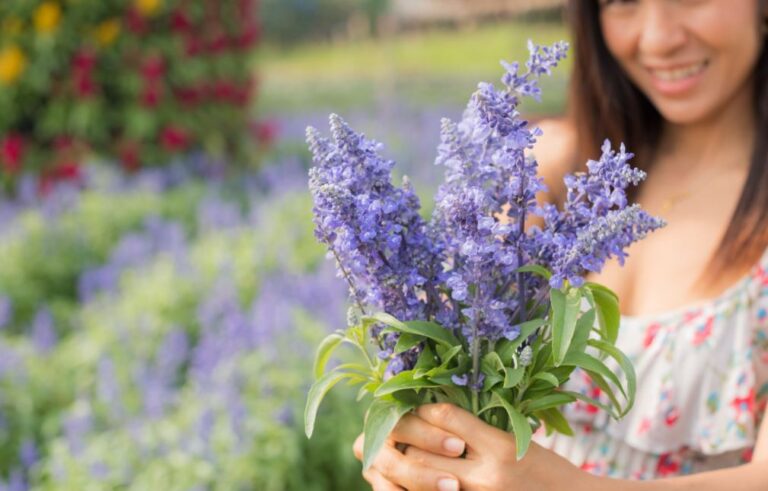
Lavender is a fragrant flowering plant known for its purple flower spikes and silvery-green foliage. It belongs to the mint family and is widely grown for its beauty, scent, and versatility.
Most lavender varieties bloom from late spring through summer. The flowers attract pollinators and release a pleasant fragrance that can fill an entire garden.
Popular Varieties and Flower Colors
Popular lavender varieties include:
- English Lavender
- French Lavender
- Spanish Lavender
- Lavandin
- Hidcote Lavender
While purple is the most common flower color, some cultivars produce pink, white, or deep violet blooms.
Growing Conditions and Care Requirements
Lavender thrives in full sun and well-drained soil. It prefers slightly alkaline conditions and does not tolerate wet roots.
Once established, lavender is highly drought tolerant. Light pruning after flowering helps maintain a compact shape and encourages healthy growth.
Uses in Herb Gardens and Aromatherapy
Lavender is commonly used for:
- Herb gardens
- Pollinator gardens
- Dried flower arrangements
- Essential oils
- Aromatherapy products
Its soothing fragrance makes it one of the most popular flowering plants worldwide.
10. Hibiscus (Hibiscus rosa-sinensis)
Flower Characteristics and Identification
Hibiscus produces large, tropical-looking flowers that can reach several inches across. The blooms feature prominent stamens and come in a wide range of vibrant colors.
Depending on the variety, hibiscus may be grown as a shrub, perennial, or container plant.
Popular Varieties and Flower Colors
Common hibiscus varieties include:
- Tropical Hibiscus
- Hardy Hibiscus
- Rose of Sharon
- Luna Hibiscus
- Summerific Hibiscus
Flower colors include red, pink, white, yellow, orange, purple, and bi-color combinations.
Growing Conditions and Care Requirements
Hibiscus grows best in full sun and fertile, well-drained soil. Regular watering and feeding help support continuous flowering.
In colder regions, tropical varieties are often grown in containers and moved indoors during winter.
Uses in Tropical and Container Gardens
Hibiscus works well in:
- Tropical-themed landscapes
- Patio containers
- Privacy screens
- Mixed flower beds
- Accent plantings
Its oversized blooms create a bold focal point wherever it is planted.
11. Petunia (Petunia × atkinsiana)
Flower Characteristics and Identification
Petunias are popular annual flowers that produce trumpet-shaped blooms from spring until frost. They are available in trailing, mounding, and compact forms.
Their long flowering season and wide color range make them favorites for containers and garden beds.
Popular Varieties and Flower Colors
Popular petunia series include:
- Wave Petunia
- Supertunia
- Grandiflora Petunia
- Multiflora Petunia
- Cascadia Petunia
Flower colors range from white and pink to purple, red, yellow, and nearly black shades.
Growing Conditions and Care Requirements
Petunias prefer full sun and fertile, well-drained soil. Consistent watering and regular fertilization encourage vigorous growth and abundant blooms.
Many modern varieties are self-cleaning and require little deadheading.
Uses in Hanging Baskets and Containers
Petunias are perfect for:
- Hanging baskets
- Window boxes
- Patio containers
- Garden borders
- Ground cover displays
Their cascading growth habit makes them especially attractive in elevated planters.
12. Coneflower (Echinacea purpurea)
Flower Characteristics and Identification
Coneflowers are native North American perennials known for their raised central cones and drooping petals. They bloom for months during summer and remain attractive well into fall.
These flowers are highly valued for their durability and wildlife benefits.
Popular Varieties and Flower Colors
Popular coneflower varieties include:
- Purple Coneflower
- PowWow Wild Berry
- White Swan
- Cheyenne Spirit
- Green Twister
Modern cultivars are available in pink, white, orange, yellow, red, and green shades.
Growing Conditions and Care Requirements
Coneflowers thrive in full sun and well-drained soil. They tolerate heat, drought, and poor soil better than many flowering plants.
Once established, they require minimal maintenance and often self-seed naturally.
Uses in Pollinator and Native Plant Gardens
Coneflowers are excellent for:
- Native plant gardens
- Pollinator habitats
- Prairie-style landscapes
- Perennial borders
- Wildlife gardens
Their nectar-rich blooms attract bees and butterflies, while seed heads provide food for birds.
13. Chrysanthemum (Chrysanthemum morifolium)
Flower Characteristics and Identification
Chrysanthemums, often called mums, are famous for their colorful fall blooms. They produce dense flower heads that brighten gardens when many other plants have finished flowering.
Available in many shapes and sizes, chrysanthemums provide valuable late-season color.
Popular Varieties and Flower Colors
Popular chrysanthemum types include:
- Garden Mums
- Cushion Mums
- Spider Mums
- Decorative Mums
- Pompon Mums
Colors include white, yellow, pink, red, orange, bronze, and purple.
Growing Conditions and Care Requirements
Chrysanthemums grow best in full sun and fertile, well-drained soil. Regular watering and occasional fertilization help maintain healthy plants.
Pinching stems during early growth encourages bushier plants and more flowers.
Uses in Fall Gardens and Seasonal Displays
Chrysanthemums are ideal for:
- Fall garden displays
- Container arrangements
- Foundation plantings
- Seasonal decorations
- Mixed flower borders
Their vibrant blooms extend garden color well into autumn.
Comparison Table of the 13 True Flowers
| Flower | Bloom Season | Sun Requirement | Plant Type | Best Use |
|---|---|---|---|---|
| Rose | Spring-Fall | Full Sun | Perennial Shrub | Cut Flowers |
| Tulip | Spring | Full Sun | Bulb | Spring Displays |
| Lily | Summer | Full Sun-Part Shade | Bulb | Flower Beds |
| Sunflower | Summer-Fall | Full Sun | Annual | Wildlife Gardens |
| Daisy | Spring-Summer | Full Sun | Perennial | Cottage Gardens |
| Peony | Late Spring | Full Sun | Perennial | Landscapes |
| Marigold | Summer-Fall | Full Sun | Annual | Vegetable Gardens |
| Zinnia | Summer-Frost | Full Sun | Annual | Pollinator Gardens |
| Lavender | Summer | Full Sun | Perennial | Herb Gardens |
| Hibiscus | Summer-Fall | Full Sun | Shrub/Perennial | Tropical Gardens |
| Petunia | Spring-Frost | Full Sun | Annual | Containers |
| Coneflower | Summer-Fall | Full Sun | Perennial | Native Gardens |
| Chrysanthemum | Fall | Full Sun | Perennial | Fall Displays |
How to Choose the Best Flower for Your Garden
Selecting Flowers by Climate Zone
Always choose flowers suited to your local climate. Cold-hardy perennials perform better in northern regions, while tropical flowers thrive in warm areas.
Choosing Flowers for Sun or Shade
Most flowering plants need full sun, but some tolerate partial shade. Understanding your garden’s light conditions helps ensure success.
Annual vs Perennial Flowering Plants
Annuals bloom for one season and must be replanted each year. Perennials return annually and often require less long-term maintenance.
Creating Year-Round Flower Displays
Combine spring, summer, and fall bloomers to ensure continuous color throughout the growing season.
Common Mistakes When Growing Flowering Plants
Planting Flowers in Poor Soil
Healthy soil supports strong roots and better flowering.
Overwatering and Root Problems
Excess moisture can cause root rot and fungal diseases.
Lack of Sunlight Exposure
Insufficient sunlight often reduces flowering and weakens plant growth.
Ignoring Pruning and Deadheading
Removing spent blooms encourages many flowers to produce additional blossoms.
Frequently Asked Questions About True Flowers
What are considered true flowers?
True flowers are flowering plants that reproduce through blooms containing reproductive structures such as petals, stamens, and pistils.
Which true flowers are easiest to grow?
Marigolds, zinnias, sunflowers, and daisies are among the easiest flowers for beginners.
What flowers bloom the longest?
Petunias, zinnias, marigolds, and coneflowers can bloom continuously for several months.
Which flowers attract pollinators?
Lavender, coneflower, sunflower, zinnia, and daisy are excellent pollinator-friendly flowers.
Are true flowers annuals or perennials?
Both annual and perennial plants can produce true flowers depending on the species.
Conclusion
Key Features of True Flowers
True flowers provide color, fragrance, biodiversity, and seasonal interest in gardens of all sizes.
Best Flowers for Beginner Gardeners
Marigolds, zinnias, sunflowers, daisies, and petunias are excellent choices for first-time gardeners because they are easy to grow and highly rewarding.
Final Tips for Growing Healthy Flowering Plants
Choose plants suited to your climate, provide adequate sunlight, maintain healthy soil, and water consistently. With proper care, these 13 true flowers can create a beautiful and vibrant garden throughout the growing season.

- How to Grow Microgreens Without Soil Indoors: Easy Home Method - October 5, 2026
- Microgreens vs. Sprouts: Key Differences, Nutrition, Safety, and Which One to Eat - October 5, 2026
- 10 Best Garden Tools For Weed Removal 2027 - October 3, 2026