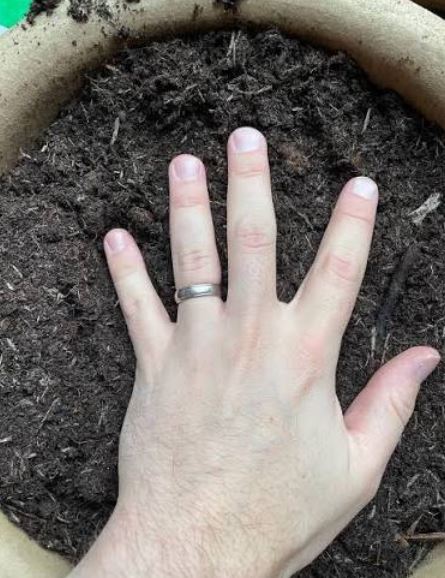
Can I Touch Soil With Bare Hands? The Science, Risks, and Surprising Health Benefits
Yes, you can absolutely touch soil with your bare hands—and in many cases, it is highly beneficial for your mental and physical health. Healthy, organic soil contains beneficial microbes like Mycobacterium vaccae, which act as natural antidepressants by stimulating serotonin production in your brain.
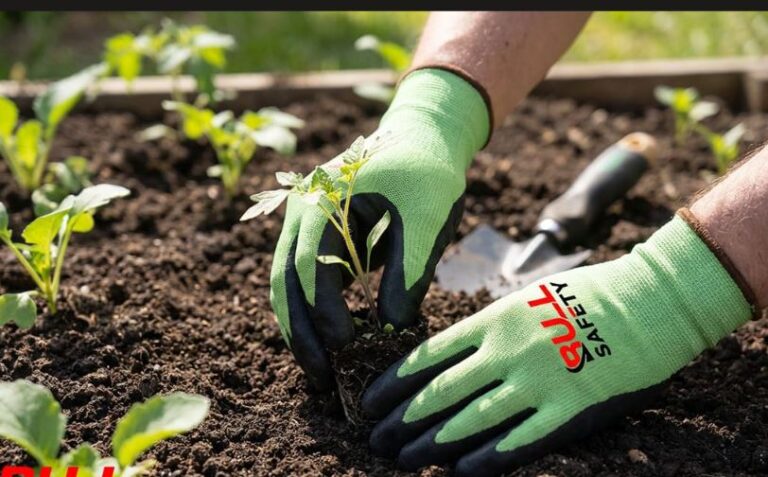
However, safety depends on where the soil is. You should always avoid barehanded contact if the soil is treated with harsh chemicals, contaminated with animal feces (which can carry parasites), or if you have open cuts on your hands. For the average healthy gardener working in organic, safe soil, ditching the gloves occasionally is safe and remarkably rewarding.
There’s a vivid memory I have from my early days of gardening. I was on my knees in the backyard, wrestling with a stubborn patch of weeds, when my thick rubber gloves finally tore. Frustrated, I tossed them aside and plunged my bare hands directly into the cool, damp earth.
I expected to feel grossed out. Instead, an unexpected wave of calm washed over me. The rich scent of the dirt, the crumbly texture between my fingers—it felt incredibly grounding. That moment sparked a deep curiosity in me: Is it actually safe to do this? What happens to our bodies when we directly connect with the earth? I decided to dig into the science, and what I found completely changed how I look at the dirt beneath our feet.
The Hidden Magic in the Dirt: Why You Should Touch Soil
For decades, modern society has waged a war on dirt. We sanitize, scrub, and sterilize our environments in the pursuit of perfect health. Yet, emerging research in microbiology and immunology suggests that our hyper-clean lifestyles might be doing us a disservice.
When you plunge your hands into healthy garden soil, you aren’t just touching inert organic matter; you are interacting with a complex, thriving ecosystem. A single teaspoon of healthy soil can contain more microorganisms than there are people on Earth.
The “Mood-Boosting Microbe”: Mycobacterium vaccae
If there is one reason to take your gloves off, it is a microscopic bacterium known as Mycobacterium vaccae. This naturally occurring, non-pathogenic organism lives quietly in soil and mud, helping to break down organic matter.
When you touch soil, breathe in the earthy scent while digging, or accidentally get a little dirt in a minor scrape, this bacterium enters your system. Scientists have discovered that exposure to M. vaccae stimulates a specific group of neurons in the brain that produce serotonin.
Serotonin is the neurotransmitter responsible for regulating mood, anxiety, and happiness. In fact, it is the exact same chemical target that many pharmaceutical antidepressants (like SSRIs) focus on.
Cognitive Benefits and Stress Resilience
The benefits of M. vaccae go beyond just making you feel a little more relaxed. Studies conducted on mice have shown remarkable cognitive improvements following exposure to this soil bacterium.
-
Faster Learning: In a 2010 study, mice exposed to M. vaccae were able to navigate complex mazes twice as fast as mice in a control group.
-
Reduced Anxiety: The exposed mice exhibited significantly fewer anxiety-related behaviors.
-
Improved Focus: Because serotonin plays a vital role in learning and concentration, the presence of these microbes literally helps clear the mind.
While humans are vastly more complex than mice, researchers believe these principles translate to us. The calming, focused state many gardeners report isn’t just the satisfaction of a job well done; it is a measurable biological response to the soil microbiome.
Physical Health: Training the Immune System
Beyond your mood, touching soil with bare hands can act as a natural workout for your immune system.
The “Old Friends” Hypothesis
Immunologists often refer to harmless soil microbes as our “old friends”. Throughout human evolutionary history, we lived in constant, intimate contact with the soil. Our immune systems evolved to expect the presence of these benign microbes.
When we isolate ourselves from dirt, our immune systems can become bored and hyperactive, potentially leading to overreactions that manifest as allergies, asthma, and autoimmune conditions. Regular, low-level exposure to the diverse bacteria and fungi in soil helps “train” the immune system to distinguish between actual threats and harmless substances.
Research published in the New England Journal of Medicine highlighted this beautifully: children who grow up on traditional farms, constantly exposed to soil and animal dust, are 30% to 50% less likely to develop asthma compared to other children.
Skin Microbiome Support
Your skin is covered in its own ecosystem of bacteria, known as the skin microbiome. This layer acts as your body’s first line of defense against harmful pathogens. Exposing your skin to the rich biodiversity of natural soil can actually help diversify and strengthen your skin’s microbiome, making it more resilient against dermatological issues.
The Risks: When is Barehanded Soil Contact Dangerous?
While the benefits are profound, soil is a wild environment. Blindly digging into unknown dirt without precautions can expose you to real hazards. Let’s break down the distinct risks associated with barehanded soil contact.
1. Bacterial and Fungal Pathogens
Not all bacteria in the soil are friendly. Several severe pathogens live naturally in dirt:
| Pathogen | Associated Disease | How it Enters the Body |
| Clostridium tetani | Tetanus (Lockjaw) | Through deep cuts, puncture wounds, or severe scrapes exposed to soil. |
| Sporothrix schenckii | Sporotrichosis (“Rose Gardener’s Disease”) | A fungus that enters through small cuts, often from thorny plants like roses. |
| Legionella longbeachae | Legionnaires’ disease | Found in some commercial potting mixes; usually inhaled, but poor hand hygiene contributes. |
The Tetanus Threat: Tetanus is the most significant bacterial risk. The spores are ubiquitous in soil worldwide. If you are gardening with bare hands and sustain a cut, or if you already have an open wound, the bacteria can enter your bloodstream. This is why keeping your tetanus booster up to date (every 10 years) is a non-negotiable rule for gardeners.
2. Parasites from Animal Waste
If neighborhood cats, wild raccoons, or your own dogs use your garden beds as a bathroom, the soil becomes a biohazard.
-
Toxoplasmosis: Caused by the Toxoplasma gondii parasite, which is frequently shed in the feces of infected cats. If you touch contaminated soil and then accidentally touch your mouth or face, you can ingest the parasite.
-
Toxocariasis (Roundworm): Dogs and cats can shed roundworm eggs in their feces. These eggs can survive in the soil for years.
3. Chemical Contamination
In modern environments, the soil is often treated with chemicals that you absolutely do not want absorbing into your skin:
-
Pesticides and Herbicides: Non-organic fertilizers, weed killers, and bug sprays leave toxic residues.
-
Heavy Metals: If you live in an urban environment or near an old industrial site, the soil may contain elevated levels of lead, arsenic, or cadmium. Lead paint from older houses can also flake off and contaminate the soil directly adjacent to the foundation.
4. Physical Hazards
The dirt hides sharp objects. Broken glass, rusty nails, sharp rocks, and thorny roots can cause immediate lacerations. A cut sustained while your hands are covered in dirt is incredibly difficult to clean thoroughly, leading to a high risk of secondary infection.
Best Practices: How to Safely Enjoy Barehanded Gardening
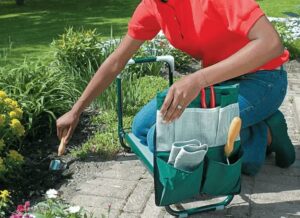
You don’t have to choose between missing out on the joy of touching the earth and putting your health at risk. By following a few straightforward guidelines, you can safely reap the mental and physical benefits of soil contact.
Know Your Soil Source
Only touch soil with bare hands if you know its history.
-
Safe: Your own organic garden beds, raised beds filled with trusted compost, or pristine natural forest trails.
-
Unsafe: Public parks (where animals frequently defecate and pesticides are sprayed), areas near old painted buildings, or industrial zones.
Check Your Hands Before Digging
Examine your hands before you start. Do you have paper cuts, torn cuticles, or scrapes? If the skin barrier is broken in any way, wear gloves. Your skin is highly effective at keeping pathogens out, but only when it is intact.
Practice Flawless Hand Hygiene
The golden rule of barehanded gardening happens after you finish:
Manage the Cat Problem
If you know feral cats frequent your yard, you must treat the soil as potentially contaminated. Cover raised beds with netting or chicken wire when not in use to deter animals from treating your garden like a litter box.
Keep Up with Vaccinations
Ensure your tetanus shot is current. If you aren’t sure when your last booster was, consult your doctor. It is a simple preventative measure that provides complete peace of mind.
Who Should ALWAYS Wear Gloves?
While healthy adults can safely engage in barehanded soil contact, certain populations should strictly avoid it due to higher vulnerability to the risks mentioned above:
-
Pregnant Women: The risk of contracting Toxoplasmosis from cat feces in the soil is a massive concern during pregnancy. The parasite can cross the placenta and cause severe neurological and developmental damage to the unborn baby.
-
Immunocompromised Individuals: Anyone undergoing chemotherapy, taking immunosuppressant drugs, or living with conditions like HIV should avoid direct contact with soil pathogens.
-
People with Severe Diabetes: Diabetes can cause neuropathy (loss of feeling in the hands) and slow wound healing. A minor scrape from a sharp rock in the dirt could go unnoticed and develop into a dangerous infection.
Reconnecting with the Earth
We spend our lives wrapped in synthetic clothing, walking on concrete, and staring at screens. The simple act of touching the soil with our bare hands is a profound rebellion against the sterility of modern life. Science has finally caught up to what gardeners have known for centuries: the earth provides a deep, intrinsic healing.
By understanding your environment, mitigating the risks of chemical and biological contaminants, and respecting the power of an open wound, you can safely take the gloves off. The next time you are out in a trusted, organic patch of green, let your hands feel the dirt. Breathe in the rich scent of Mycobacterium vaccae. Let nature’s oldest antidepressant go to work.

- 10 Best Kink Resistant Rubber Garden Hose 2026 - October 26, 2026
- 10 Best Kink Resistant Expandable Garden Hose 2026 - October 26, 2026
- 10 Best Garden Hose For Washing Fences 2026 - October 26, 2026