Which Is the Fruit That Can Be Eaten Without Washing?
People often ask which fruit can be eaten without washing because some fruits have thick peels, protective skins, or natural coverings. Bananas, oranges, avocados, and pineapples are common examples. Since their outer surfaces are normally removed before eating, it may seem unnecessary to wash them.
However, washing fruit is generally recommended even when you do not eat the peel. When you peel, cut, or slice a fruit, your hands, knife, or other utensils can transfer bacteria and dirt from the outside to the edible flesh.
So, if the question is “Which fruit can technically be eaten without washing?”, the safest answer is: none should be routinely considered wash-free.
Why Should Fruit Be Washed?
Fruit Can Pick Up Dirt
Fresh fruit passes through many stages before reaching your kitchen. It may be grown outdoors, harvested by workers, transported in containers, handled at stores, and placed in shopping bags.
During this process, the surface can collect soil, dust, and other contaminants.
Washing Helps Reduce Surface Contamination
Rinsing fruit under clean running water can remove much of the dirt and some microorganisms from the surface.
Washing does not make fruit sterile, but it is a simple food-safety step that can reduce potential contamination.
Peeling Does Not Eliminate Every Risk
A thick peel provides protection, but it does not mean the outside is clean.
For example, imagine cutting an unwashed orange. The knife passes through the peel and then directly into the juicy interior. Contaminants on the outside can potentially be transferred by the knife.
Your Hands Can Transfer Contamination
Your hands touch the fruit before and during peeling. If the exterior is contaminated, your hands can transfer material to the fruit’s flesh or other foods.
For this reason, washing both your hands and the fruit is useful before preparation.
Fruits That Are Commonly Thought Not to Need Washing
Several fruits are often mentioned when people discuss eating fruit without washing. These fruits are usually peeled before consumption.
Bananas
Bananas have a thick protective peel, and most people remove the peel before eating the fruit.
Can You Eat a Banana Without Washing?
You can peel a banana without washing it first, but that does not mean it is the recommended food-safety practice.
The peel may have dirt or microorganisms on its surface.
Why Bananas Seem Different
The banana’s edible portion does not normally come into direct contact with the outside. This makes bananas less complicated to prepare than fruits such as apples or grapes.
Still, washing the peel before peeling can provide an additional precaution.
Best Way to Handle Bananas
- Wash your hands before handling food.
- Rinse the banana if you want to minimize surface contamination.
- Peel it without touching the edible portion unnecessarily.
- Eat the fruit soon after peeling.
Oranges
Oranges also have a thick peel that is normally discarded.
Do Oranges Need Washing?
Yes. Even though you don’t eat the peel, washing the orange before peeling is a sensible practice.
Why Wash an Orange?
When you peel an orange, your fingers contact the outer surface and then touch the fruit. Washing can help remove dirt and surface contaminants first.
What About Orange Juice?
If you squeeze fresh oranges yourself, washing the fruit before cutting and squeezing is especially important because the juice comes into contact with the cut surface.
Avocados
Avocados have a relatively thick, textured skin, so many people assume they do not need washing.
Should You Wash an Avocado?
Yes. It is better to rinse the avocado under running water before cutting it.
Why the Skin Matters
A knife must pass through the skin before reaching the flesh. Any contamination on the skin can potentially be transferred to the knife and then into the edible portion.
Cutting Creates a Transfer Route
This is one reason washing whole produce before cutting is important. Once a knife enters the fruit, contaminants on the exterior can potentially move inward.
How to Prepare an Avocado
Rinse the whole avocado under clean running water and gently rub the surface. Dry it with a clean towel if desired, then cut it using a clean knife and clean preparation surface.
Pineapple
Pineapple has one of the toughest and most distinctive skins among commonly eaten fruits.
Does Pineapple Need Washing?
Yes. Despite its rough exterior, pineapple should still be rinsed before cutting.
The Peel Is Not a Guarantee
The rough skin protects the flesh but can also collect dirt and microorganisms.
Cutting Pineapple Safely
Because cutting a pineapple requires a knife to pass through the outer surface, washing it first is a simple precaution.
After removing the peel, use a clean cutting board and knife to prepare the edible flesh.
What About Fruits You Eat With the Skin?
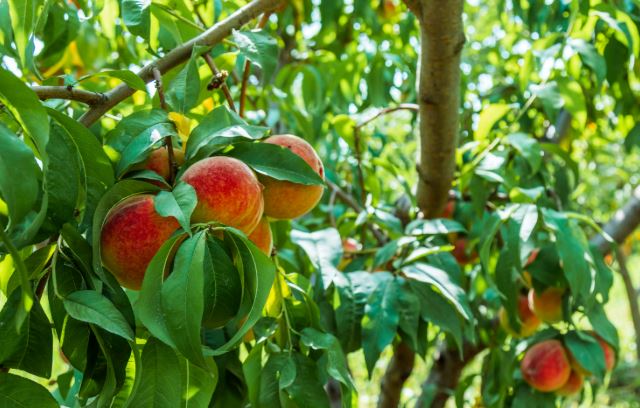
Fruits such as apples, grapes, strawberries, blueberries, peaches, pears, and plums deserve particular attention because their edible portions are exposed.
Apples
Apples are commonly eaten with their skin, so washing them before eating is especially important.
Rinse them under running water and rub the surface gently.
Grapes and Berries
Grapes and berries have many small surfaces where dirt can remain.
Rinse them under clean running water before eating. Handle delicate berries gently to avoid damaging them.
Peaches and Pears
These fruits are often eaten with their skin. Washing removes surface dirt and reduces potential contamination before consumption.
Is There Any Fruit That Is Completely Safe to Eat Without Washing?
No fruit should be classified as completely safe to eat without washing.
The risk associated with unwashed produce varies, but the safest general habit is to wash fresh fruits before eating or preparing them.
This does not mean every unwashed fruit will make you sick. It means that you cannot determine from appearance alone whether a fruit’s surface is free from contamination.
Does Washing Remove Pesticides?
Washing can help remove some surface residues, along with dirt and microorganisms, but it does not necessarily remove all pesticide residues.
Use Running Water
For most fresh produce, clean running water is the practical choice.
Avoid Household Soap
Fruit should not normally be washed with dish soap, detergent, or household cleaning products. These substances are not intended for consumption and may leave residues.
Scrub Firm Produce
Firm fruits can be gently rubbed under running water. Softer fruits should be handled more carefully to prevent bruising.
What Is the Best Fruit to Eat When You Cannot Wash It?
If you are traveling, hiking, working outdoors, or otherwise unable to wash fruit, a whole fruit with a peel that you can remove yourself, such as a banana or orange, can be more convenient than eating delicate fruit directly from its surface.
However, this is a matter of convenience rather than a claim that the fruit is safe without washing.
If possible, wash the fruit before leaving home and transport it in a clean container.
Quick Answer
Which fruit can be eaten without washing?
There is no fruit that should routinely be considered safe to eat without washing. Bananas, oranges, avocados, and pineapples are often peeled, but they should still be rinsed before peeling or cutting. Fruits eaten with their skin, such as apples, grapes, peaches, and berries, should also be washed before consumption.
The simple rule is:
Wash your hands, rinse your fresh fruit under clean running water, and then peel or cut it.
This small step helps reduce dirt and potential surface contamination and is generally the safest approach for enjoying fresh fruit.

- 10 Best Garden Hose For Water Timer Systems 2026 - October 25, 2026
- 10 Best Garden Hose For Continuous Water Flow 2026 - October 24, 2026
- 10 Best Garden Hose For Low Gpm Water Supply 2026 - October 24, 2026