What Is the Best Fruit Diet for a Diabetic Patient?
Fruit can absolutely be part of a diabetes-friendly diet. Having diabetes does not mean you need to stop eating fruit. The key is choosing appropriate portions, favoring whole fruit over juice, spreading carbohydrate intake throughout the day, and paying attention to how different fruits affect your blood glucose.
There is no single “best fruit diet” that works for every person with diabetes. Blood glucose response can vary depending on medications, activity level, overall diet, portion size, and whether someone has type 1 or type 2 diabetes. A good approach is to build meals around whole, fiber-rich fruits and combine them with protein or healthy fats when appropriate.
Important: This is general nutrition information, not an individualized diabetes treatment plan. Anyone taking insulin or glucose-lowering medication should discuss major dietary changes with their healthcare professional.
Quick Summary: Best Fruits for Diabetes
| Fruit | Why It Can Fit a Diabetes-Friendly Diet | Practical Portion |
|---|---|---|
| Berries | High in fiber and relatively low in carbohydrate | About ¾–1 cup |
| Apples | Whole fruit provides fiber and is portable | 1 small apple |
| Pears | Fiber-rich and naturally sweet | 1 small pear |
| Oranges | Whole fruit provides fiber and vitamin C | 1 small orange |
| Kiwi | Provides fiber and vitamin C | 1–2 small kiwis |
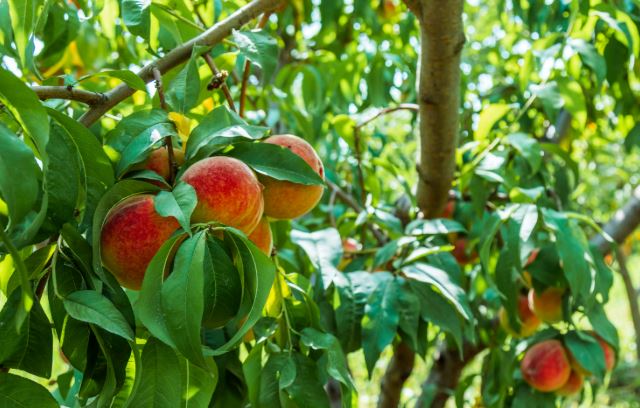
| Peaches | Naturally sweet with moderate carbohydrate | 1 small peach |
| Plums | Convenient and relatively small portion | 1–2 small plums |
| Cherries | Flavorful whole fruit; portion matters | About ½–1 cup |
| Guava | Fiber-rich and nutrient-dense | 1 small serving |
| Avocado | Very low in sugar and rich in healthy fats | About ½ avocado |
1. Berries
Why Berries Are a Good Choice
Strawberries, blueberries, raspberries, and blackberries can be excellent choices for people managing diabetes. They provide fiber and naturally occurring plant compounds while allowing you to enjoy a sweet flavor.
Because berries are relatively small, they can also be easy to portion.
Best Berries to Choose
Raspberries and blackberries are particularly high in fiber. Strawberries provide substantial vitamin C, while blueberries provide anthocyanins and other plant compounds.
There is no need to eat only one type. Rotating different berries provides variety.
How to Eat Berries
- Add berries to plain Greek yogurt.
- Mix them into oatmeal.
- Eat a measured portion as a snack.
- Combine them with nuts or seeds for a more balanced snack.
Why Portion Size Still Matters
Even nutritious fruit contains carbohydrate. Eating a very large bowl of berries can provide considerably more carbohydrate than a modest serving.
The goal is not to avoid fruit but to keep portions appropriate for your individual carbohydrate needs.
2. Apples
Why Apples Can Work Well
Apples are convenient, widely available, and naturally rich in fiber. Eating the whole apple rather than drinking apple juice preserves the fruit’s structure and fiber.
A small apple can make a practical snack between meals.
Eat the Whole Apple
For diabetes management, whole fruit is generally a better choice than fruit juice. The chewing process and intact fiber structure can make whole fruit more filling.
Leaving the skin on, after washing the apple properly, also provides additional fiber.
Good Apple Pairings
Try pairing a small apple with a source of protein or healthy fat, such as unsweetened peanut butter or a small handful of nuts.
This can make the snack more satisfying.
Watch Flavored Apple Products
Apples themselves do not need added sugar. Be more cautious with sweetened applesauce, caramel-covered apples, apple desserts, and fruit drinks because these can contain substantial added sugar.
3. Pears
Why Pears Are Diabetes-Friendly
Pears provide fiber and have a naturally sweet flavor. Like apples, they are easy to carry and require little preparation.
A small whole pear can fit into many diabetes-conscious meal plans.
Choose Whole Pears
Fresh whole pears are preferable to pear juice for most people managing blood glucose.
Canned pears can also be an option when packed in water or their own juice rather than a heavy sugary syrup.
Keep the Skin
After washing, the skin can be eaten. It contributes fiber and other plant compounds.
Pair Pears With Protein
A pear with plain yogurt, nuts, or a small amount of cheese can create a more satisfying snack than eating a large amount of fruit alone.
4. Oranges
Why Whole Oranges Are Better Than Juice
Oranges are often associated with orange juice, but people with diabetes may benefit from choosing the whole orange more often.
Whole oranges provide fiber and require chewing, while juice is much easier to consume quickly and in larger quantities.
Orange Nutrition
Oranges provide vitamin C, water, fiber, folate, and other nutrients.
Their naturally sweet flavor means you generally do not need to add sugar.
How to Include Oranges
- Eat a small orange with breakfast.
- Add orange segments to a salad.
- Pair orange sections with nuts.
- Use fresh orange as part of a mixed-fruit serving.
What About Orange Juice?
Orange juice can contain significant carbohydrate without providing the same fiber and fullness as whole fruit. If you drink juice, portion size becomes especially important.
5. Kiwi
Why Kiwi Is Worth Considering
Kiwi is a nutrient-dense fruit with a distinctive sweet-tart flavor. It provides fiber and vitamin C and can add variety to a diabetes-friendly diet.
How to Eat Kiwi
You can cut a kiwi in half and scoop out the flesh, or peel and slice it.
It works well with plain yogurt, cottage cheese, or other lower-sugar foods.
Portion Still Matters
Kiwi contains naturally occurring carbohydrate, so eating several fruits at the same time can increase the total carbohydrate load.
Use Kiwi for Variety
Instead of searching for one “diabetes superfruit,” rotate kiwi with berries, apples, citrus, pears, and other whole fruits.
6. Peaches
Why Peaches Can Fit the Diet
Fresh peaches can be part of a diabetes-friendly eating pattern when consumed in reasonable portions. They provide water, fiber, vitamin C, and naturally occurring plant compounds.
Fresh Is Often Simple
A fresh peach requires little preparation and can replace a sweet dessert.
The natural sweetness may satisfy a craving without requiring added sugar.
Watch Peach Desserts
Peach pie, peach cobbler, canned peaches in syrup, and sweetened peach beverages are very different from a whole fresh peach.
The added sugar and refined carbohydrates in these products can substantially change the nutritional profile.
Pair With Protein
Try sliced peach with plain unsweetened yogurt or a small amount of nuts for a more balanced snack.
7. Plums
Why Plums Are Useful
Plums are relatively small fruits, which can make portion control straightforward. They provide fiber and several vitamins and plant compounds.
Their sweet-tart flavor also makes them useful when you want something naturally sweet.
Eat Them Whole
Whole plums are preferable to sweetened plum beverages or highly processed fruit products.
Wash the fruit and eat the flesh around the pit.
Portion Awareness
Because fruit portions can vary greatly in size, a very large serving of plums can provide more carbohydrate than expected.
Easy Snack Idea
One or two appropriately sized plums can be paired with a handful of nuts or plain yogurt.
8. Cherries
Why Cherries Can Be Included
Fresh cherries can be included in a diabetes-friendly diet, but they are easy to overeat because they are small and naturally sweet.
Their portion therefore deserves attention.
Fresh Cherries vs. Dried Cherries
Fresh cherries contain considerably more water than dried cherries. Removing water concentrates the fruit’s sugars and carbohydrate into a smaller volume.
Dried fruit therefore requires especially careful portion control.
Choose Unsweetened Options
Avoid cherries packed with added sugar when possible. Sweetened cherry products can contain much more sugar than the original fruit.
Measure Your Serving
Instead of eating directly from a large bag or container, place your intended portion in a bowl. This simple habit can make it easier to control how much you eat.
9. Guava
Why Guava Is Interesting
Guava is a flavorful tropical fruit that provides fiber and vitamin C. Depending on where you live, fresh guava can be an excellent way to add variety to your fruit intake.
Guava and Fiber
Fiber is an important part of a diabetes-friendly diet because it can help with fullness and may influence how quickly carbohydrates are absorbed.
Guava can therefore be a useful whole-fruit choice.
How to Eat Guava
Wash the fruit and eat it fresh, slice it into a fruit salad, or combine it with plain yogurt.
Avoid turning it into a heavily sweetened juice or dessert if blood glucose management is the goal.
Don’t Focus on One Fruit
Guava does not need to replace all other fruits. A varied diet provides different nutrients and flavors.
10. Avocado
Why Avocado Is Different
Avocado is botanically a fruit, but nutritionally it differs significantly from most sweet fruits. It contains very little sugar and is rich in monounsaturated fat and fiber.
That makes it an interesting option for people who want a fruit with minimal carbohydrate.
Avocado and Blood Sugar
Because avocado is very low in carbohydrate compared with most fruits, it generally has a much smaller direct effect on blood glucose.
However, it is energy-dense, so portion size can still matter.
Easy Ways to Eat Avocado
- Spread mashed avocado on whole-grain toast.
- Add sliced avocado to salads.
- Make fresh guacamole without excessive added ingredients.
- Add avocado to eggs or vegetable-based meals.
Remember Its Calories
Healthy fats are nutritious, but they still provide calories. Eating reasonable portions is useful when weight management is also part of your diabetes plan.
Fruits to Limit Rather Than Completely Avoid
Fruit Juice
Fruit juice is one of the easiest fruit products to overconsume. Removing much of the fruit’s fiber and drinking a large amount quickly can make it more difficult to manage carbohydrate intake.
Why Juice Is Different
A glass of juice may contain the equivalent carbohydrate of multiple pieces of whole fruit.
Better Alternative
Choose whole fruit more often and drink water or another appropriate unsweetened beverage alongside meals.
Watch Smoothies
Smoothies can be nutritious, but large smoothies containing several bananas, fruit juice, honey, and multiple servings of fruit can become very high in carbohydrate.
Dried Fruit
Raisins, dates, dried mangoes, dried cranberries, and other dried fruits are concentrated sources of carbohydrate.
Why Portions Matter
Removing water makes dried fruit much smaller by volume, making it easy to consume a large amount quickly.
Choose Unsweetened Products
If you eat dried fruit, look for products without added sugar and keep the portion small.
Use It as an Ingredient
A small amount of dried fruit mixed into nuts, seeds, or unsweetened oatmeal can be easier to portion than eating it directly from the package.
How to Build a Diabetes-Friendly Fruit Diet
Spread Fruit Across the Day
Instead of consuming several servings of fruit at one meal, distribute them throughout the day according to your individual carbohydrate needs.
A Simple Example
- Breakfast: berries with plain yogurt
- Mid-morning: small apple
- Lunch: salad with vegetables and avocado
- Afternoon: small pear with nuts
- Dinner: a modest serving of berries or another whole fruit
This is only an example, not a prescription. Your ideal carbohydrate intake depends on your individual situation.
Combine Fruit With Other Foods
Fruit does not have to be eaten alone.
Pairing fruit with protein, fiber-rich foods, or healthy fats can make a snack more satisfying.
Prioritize Whole Fruit
A useful general rule is:
Whole fruit > fruit juice
and often:
Fresh or frozen unsweetened fruit > heavily sweetened processed fruit.
Monitor Your Own Response
People with diabetes can respond differently to the same food. If you monitor blood glucose, your readings can help you understand how a particular fruit and portion affect you.
Medication and insulin use can also influence the appropriate approach.
Can a Diabetic Patient Eat Fruit Every Day?
Yes. Many people with diabetes can eat fruit every day as part of a balanced eating pattern.
The important factors are type, portion, preparation, and total carbohydrate intake. Fruit should not automatically be eliminated because it contains natural sugar.
Whole fruit also provides fiber, vitamins, minerals, water, and beneficial plant compounds that are valuable in an overall healthy diet.
Frequently Asked Questions
What is the best fruit for a diabetic patient?
There is no single best fruit for everyone with diabetes. Berries, apples, pears, oranges, kiwi, and other whole fruits can fit well into a diabetes-friendly diet when portions are appropriate.
Which fruits should diabetics avoid?
Most people with diabetes do not need to completely avoid specific whole fruits. Instead, they should pay particular attention to portions of high-carbohydrate fruits and products such as juice, dried fruit, and fruit packed in added sugar.
Can diabetics eat bananas?
Yes. Bananas can be part of a diabetes-friendly diet. Portion size and ripeness may matter, and a smaller banana paired with a protein-rich food can be a practical option.
Is watermelon bad for diabetes?
Watermelon does not have to be avoided. Because it can be easy to eat a large portion, serving size is important. Eating a moderate amount of whole watermelon is generally different from consuming a large quantity at once.
Can diabetics eat fruit at night?
Fruit can be eaten at night if it fits the person’s overall eating plan and carbohydrate needs. There is no universal rule that fruit must be avoided after a particular time of day.
Is fruit better than fruit juice for diabetes?
Generally, yes. Whole fruit provides fiber and requires more chewing, while juice can deliver a large amount of carbohydrate quickly. Whole fruit is usually the better everyday choice.
Final Takeaway
The best fruit diet for someone with diabetes is not a diet that eliminates fruit. Instead, it emphasizes whole fruits, sensible portions, variety, and fewer sugary fruit products.
Good choices can include berries, apples, pears, oranges, kiwi, peaches, plums, cherries, guava, and avocado. Fresh or frozen unsweetened fruit is generally preferable to fruit juice, sweetened canned fruit, and large portions of dried fruit.
Most importantly, diabetes nutrition should be individualized. If you use insulin or other glucose-lowering medicines, or if your blood glucose is difficult to control, a registered dietitian or healthcare professional can help determine appropriate carbohydrate portions and meal timing for you.

- 10 Best Garden Hose For Water Timer Systems 2026 - October 25, 2026
- 10 Best Garden Hose For Continuous Water Flow 2026 - October 24, 2026
- 10 Best Garden Hose For Low Gpm Water Supply 2026 - October 24, 2026