Top 10 Most Popular Fruits in the USA
Fruits are an important part of the American diet, offering natural sweetness, vitamins, minerals, fiber, antioxidants, and plenty of ways to add fresh flavor to everyday meals. From the classic apple and banana to summer favorites such as strawberries and watermelon, some fruits consistently stand out because they are widely available, affordable, versatile, and easy to eat.
The most popular fruits in the USA vary depending on whether popularity is measured by consumption, sales, availability, or consumer preference. However, apples, bananas, strawberries, grapes, oranges, watermelon, avocados, peaches, blueberries, and pineapples are among the fruits Americans commonly buy and enjoy.
Quick Summary: 10 Most Popular Fruits in the USA
| Rank | Fruit | Why Americans Love It |
|---|---|---|
| 1 | Apples | Easy to store, portable, and versatile |
| 2 | Bananas | Affordable, convenient, and naturally sweet |
| 3 | Strawberries | Sweet, colorful, and popular in desserts |
| 4 | Grapes | Easy to snack on and available year-round |
| 5 | Oranges | Juicy, refreshing, and rich in vitamin C |
| 6 | Watermelon | A favorite refreshing summer fruit |
| 7 | Avocados | Popular in toast, salads, and guacamole |
| 8 | Peaches | Sweet, juicy, and strongly associated with summer |
| 9 | Blueberries | Easy to add to breakfast and snacks |
| 10 | Pineapples | Tropical flavor with broad culinary uses |
1. Apples
Why Apples Are So Popular
Apples are one of the most recognizable and widely consumed fruits in the United States. Their popularity comes from their convenience, long storage life, variety of flavors, and versatility. Consumers can choose from sweet varieties such as Fuji and Honeycrisp or more tart options such as Granny Smith.
Apples can be eaten fresh, sliced into salads, added to oatmeal, baked into desserts, or turned into applesauce.
Popular Apple Varieties in the USA
American grocery stores commonly carry several apple varieties. Honeycrisp is popular for its crisp texture and sweet-tart flavor, while Gala and Fuji are known for their sweetness.
Granny Smith apples are especially useful for baking because their tart flavor balances sweet ingredients. Red Delicious remains recognizable, although consumer preferences have shifted toward newer varieties.
Nutritional Benefits of Apples
Apples provide dietary fiber, vitamin C, and various plant compounds. Much of an apple’s fiber is found in or near the skin, so eating a washed apple with its skin can provide nutritional advantages.
They are also naturally low in fat and contain no cholesterol.
Best Ways to Eat Apples
- Eat them whole as a convenient snack.
- Slice apples with peanut butter for a filling combination.
- Add chopped apples to oatmeal, yogurt, or salads.
- Bake them with cinnamon for a simple dessert.
2. Bananas
Why Bananas Are a Favorite
Bananas are exceptionally convenient, which helps explain their popularity in American households. They come in their own natural packaging, require no cutting, and are generally inexpensive.
Their soft texture also makes them appealing to children and adults. Bananas are commonly eaten for breakfast, snacks, smoothies, and desserts.
Banana Nutrition and Energy
Bananas provide carbohydrates and are particularly known for their potassium content. They also provide vitamin B6, vitamin C, and dietary fiber.
Because they are easy to digest and convenient to carry, bananas are frequently used as a quick pre-workout or everyday snack.
How Americans Use Bananas
Bananas have applications beyond simply eating them fresh. They can be blended into smoothies, sliced over cereal, mashed into oatmeal, or used in banana bread.
Overripe bananas are particularly useful for baking because their texture becomes soft and their flavor becomes sweeter.
Choosing and Storing Bananas
Look for bananas that are firm and free from significant bruising. Green bananas can be purchased when you want them to ripen gradually.
Keep them at room temperature until they reach your preferred ripeness. Once ripe, refrigeration can slow further ripening, although the peel may darken.
3. Strawberries
Why Americans Love Strawberries
Strawberries are among the most popular berries in the USA because of their bright color, sweet flavor, and versatility. They can be eaten fresh or incorporated into breakfast foods, desserts, salads, drinks, and preserves.
Their combination of sweetness and slight acidity makes them especially appealing in recipes.
Strawberry Season and Availability
Fresh strawberries are widely available in American supermarkets throughout much of the year, although peak local seasons vary by region.
In many areas, spring and early summer are especially associated with fresh strawberry harvests.
Strawberry Nutrition
Strawberries are a good source of vitamin C and provide fiber and various antioxidant plant compounds. They are also relatively low in calories while providing a naturally sweet flavor.
Adding fresh strawberries to meals can therefore increase both color and nutritional variety.
Easy Ways to Enjoy Strawberries
- Add sliced strawberries to oatmeal or yogurt.
- Blend them into smoothies.
- Serve them with other fresh fruit.
- Use them in salads, shortcake, or homemade desserts.
4. Grapes
Why Grapes Are Popular
Grapes are a convenient snack because they require very little preparation. Simply wash them, remove them from the stem, and they are ready to eat.
Their naturally sweet flavor makes them popular with children, while their portability makes them useful for lunches, picnics, and snacks.
Common Types of Grapes
American stores commonly sell green, red, and black or purple grapes. Seedless varieties are particularly popular because they are easier to eat.
Flavor and texture can differ considerably between varieties, ranging from crisp and mildly sweet to intensely sweet and juicy.
Health Benefits of Grapes
Grapes contain water, carbohydrates, fiber, vitamin K, and various plant compounds. Darker grape varieties contain anthocyanins and other pigments associated with antioxidant activity.
As with other fruits, portion size matters because grapes contain naturally occurring sugars.
How to Store and Serve Grapes
Keep grapes refrigerated to maintain their freshness and crisp texture. Wash them before eating rather than washing the entire batch far in advance, which can encourage moisture-related spoilage.
They can be eaten chilled, frozen, or added to fruit salads.
5. Oranges
Why Oranges Remain Popular
Oranges have been a staple American fruit for generations. Their juicy texture, refreshing flavor, widespread availability, and strong association with vitamin C make them a familiar choice.
They are especially popular as a breakfast fruit and as an ingredient in beverages and desserts.
Nutritional Value of Oranges
Oranges are well known for their vitamin C content. They also provide folate, fiber, potassium, and water.
Eating a whole orange provides fiber that may be reduced when the fruit is consumed only as juice.
Oranges vs. Orange Juice
Whole oranges and orange juice are not nutritionally identical. Whole fruit provides the intact fruit structure and dietary fiber, while juice is easier to consume in larger quantities.
For everyday fruit intake, whole oranges can be a particularly convenient option.
Best Ways to Eat Oranges
- Peel and eat them fresh.
- Add orange segments to salads.
- Use fresh zest in cooking and baking.
- Pair oranges with other fruits for a colorful fruit bowl.
6. Watermelon
Why Watermelon Is a Summer Favorite
Watermelon is strongly associated with American summer meals, barbecues, picnics, beach trips, and outdoor gatherings. Its high water content makes it exceptionally refreshing during hot weather.
Its large size also makes it ideal for sharing with family and friends.
Watermelon Nutrition
Watermelon contains substantial water along with vitamins such as vitamin C and vitamin A precursors. It also provides the antioxidant compound lycopene, which contributes to the red color of the flesh.
Despite its sweet taste, watermelon is relatively low in calories per serving because of its high water content.
Choosing a Ripe Watermelon
A ripe watermelon should feel heavy for its size, which can indicate good water content. Many shoppers also look for a creamy yellow field spot where the melon rested on the ground while growing.
A dull rather than very shiny exterior can sometimes be another useful sign of maturity.
Popular Ways to Serve Watermelon
- Cut it into wedges for summer gatherings.
- Make chilled watermelon cubes for snacks.
- Combine it with feta and mint in a salad.
- Blend it into refreshing drinks or frozen treats.
7. Avocados
Why Avocados Became So Popular
Avocados have moved from a relatively specialized food to a mainstream American favorite. Their creamy texture and mild flavor make them useful in everything from breakfast to dinner.
Guacamole, avocado toast, salads, sandwiches, and bowls have helped make avocados especially visible in modern American food culture.
Nutritional Benefits of Avocados
Unlike most fruits, avocados are relatively high in fat. Most of that fat is monounsaturated fat. They also provide fiber, potassium, folate, and several other nutrients.
Their creamy texture can help add richness to meals without relying entirely on dairy-based ingredients.
How Americans Eat Avocados
Avocados can be mashed into guacamole, sliced onto toast, added to tacos, or diced into salads.
They can also be incorporated into grain bowls and sandwiches. Because their flavor is relatively mild, they pair well with citrus, tomatoes, herbs, and spicy ingredients.
Choosing a Good Avocado
A ripe avocado generally yields slightly to gentle pressure. Avoid squeezing it aggressively because this can cause bruising.
If an avocado is too firm, leaving it at room temperature can help it ripen. Once ripe, refrigeration can slow the process.
8. Peaches
Why Peaches Are Popular
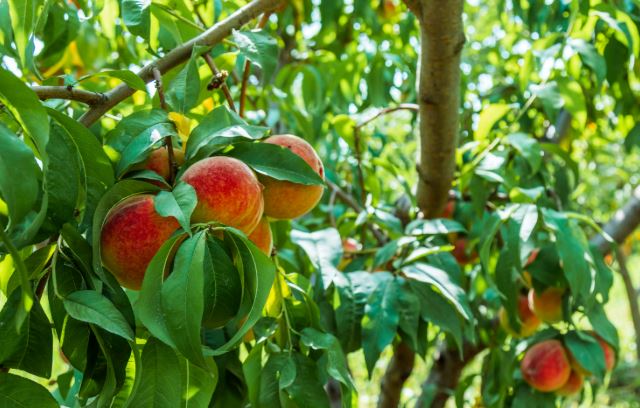
Peaches are a classic American summer fruit valued for their fragrant aroma, juicy flesh, and sweet flavor. They are especially popular during the warm months when locally grown peaches become available in many regions.
Their popularity also extends to pies, cobblers, jams, and other desserts.
Fresh Peach Nutrition
Peaches provide vitamin C, vitamin A-related carotenoids, potassium, and dietary fiber. Their high water content also contributes to their juicy texture.
Like other whole fruits, peaches can fit easily into a balanced diet.
Freestone vs. Clingstone Peaches
One important distinction is whether the flesh separates easily from the pit. Freestone peaches generally release from the pit more easily, making them convenient for fresh eating and preparation.
Clingstone peaches hold more tightly to the pit and are often used for processing.
Best Ways to Enjoy Peaches
- Eat ripe peaches fresh.
- Slice them over yogurt or oatmeal.
- Bake them into a peach cobbler.
- Grill peach halves for a simple summer dessert.
9. Blueberries
Why Blueberries Are Popular
Blueberries have become a breakfast and snack staple in many American homes. Their small size, sweet-tart flavor, and convenience make them easy to incorporate into everyday meals.
They are particularly popular in oatmeal, pancakes, muffins, yogurt, and smoothies.
Blueberry Nutrition
Blueberries provide vitamin C, vitamin K, fiber, and several plant compounds. Their blue-purple color comes from anthocyanins, a group of naturally occurring pigments.
Fresh and frozen blueberries can both be useful options.
Fresh vs. Frozen Blueberries
Fresh blueberries are convenient for snacking and topping foods, while frozen blueberries are useful when fresh berries are unavailable or expensive.
Frozen berries can be blended into smoothies or cooked into oatmeal, sauces, and baked goods.
Easy Blueberry Serving Ideas
- Mix blueberries into Greek yogurt.
- Add them to pancakes or oatmeal.
- Blend them into a fruit smoothie.
- Eat them fresh as a simple snack.
10. Pineapples
Why Pineapples Are Popular
Pineapples provide a distinctly tropical flavor and are widely available in American supermarkets. Their sweet-and-tart taste works well in both sweet and savory foods.
Fresh pineapple can be enjoyed alone, while canned pineapple is frequently used in cooking and baking.
Pineapple Nutrition
Pineapple provides vitamin C, manganese, fiber, and a variety of plant compounds. It also contains bromelain, a group of enzymes naturally present in pineapple.
Because pineapple is naturally sweet and acidic, it can add strong flavor to recipes without requiring many additional ingredients.
Fresh Pineapple vs. Canned
Fresh pineapple offers a crisp texture and bright flavor, while canned pineapple is convenient and has a longer shelf life.
When purchasing canned fruit, consumers can compare products packed in juice with those packed in added syrup depending on their dietary preferences.
How to Eat Pineapple
- Cut fresh pineapple into bite-sized pieces.
- Add it to fruit salads.
- Grill pineapple for a caramelized flavor.
- Blend it into smoothies or tropical drinks.
What Makes These Fruits Popular in the USA?
Availability Throughout the Year
A major reason these fruits are popular is accessibility. American supermarkets stock many of them throughout the year, using domestic production, imports, cold storage, and different growing regions to maintain supply.
This means consumers do not always have to wait for a short local growing season.
Convenience Matters
Fruits that require little preparation have a major advantage.
Apples, bananas, grapes, and berries can generally be eaten with minimal preparation, making them particularly suitable for busy households.
Price Influences Fruit Choices
Affordability also affects popularity. Bananas, apples, and some seasonal fruits can provide relatively inexpensive ways to add fruit to meals.
Prices vary depending on season, location, production conditions, and whether the fruit is organic.
Taste and Versatility Drive Demand
The most popular fruits are not simply nutritious. They also taste good and work in many different foods.
A fruit that can be eaten fresh, blended, baked, grilled, or added to breakfast and dinner naturally has more opportunities to become a household staple.
Frequently Asked Questions
What Is the Most Popular Fruit in the USA?
Apples and bananas are among the most popular fruits in the United States. Exact rankings can vary depending on whether popularity is measured by per-capita consumption, retail sales, production, or consumer surveys.
What Fruit Do Americans Eat the Most?
Bananas, apples, oranges, grapes, and berries are among the fruits commonly consumed in the United States. Consumption rankings can change from year to year and according to the measurement used.
What Is America’s Favorite Summer Fruit?
Watermelon, strawberries, peaches, and blueberries are especially popular summer fruits in the USA. Watermelon is particularly associated with summer gatherings because it is refreshing and easy to share.
Are Avocados a Fruit?
Yes. Botanically, an avocado is a fruit because it develops from the flower of an avocado tree and contains a seed. It is commonly used like a vegetable in savory dishes, which can make its botanical classification surprising.
What Are the Healthiest Fruits to Eat?
There is no single “healthiest” fruit. Apples, berries, oranges, bananas, avocados, and other fruits provide different combinations of fiber, vitamins, minerals, and plant compounds. Eating a variety of whole fruits is generally more useful than focusing on one type.
Final Takeaway
The top 10 most popular fruits in the USA include apples, bananas, strawberries, grapes, oranges, watermelon, avocados, peaches, blueberries, and pineapples. Each has different advantages: apples and bananas offer convenience, berries provide strong flavor and versatility, watermelon delivers refreshing hydration, while avocados provide a uniquely creamy texture and nutrient profile.
For the best variety, consumers can rotate fruits throughout the year rather than relying on just one. Choosing whole, fresh or frozen fruits based on season, availability, taste, and budget is an easy way to enjoy a wider range of nutrients and flavors.

- 10 Best Garden Hose For Water Timer Systems 2026 - October 25, 2026
- 10 Best Garden Hose For Continuous Water Flow 2026 - October 24, 2026
- 10 Best Garden Hose For Low Gpm Water Supply 2026 - October 24, 2026