Raised Bed Potting Soil vs Potting Mix: What’s the Difference?
Choosing the right growing medium can make a big difference when you are growing vegetables, flowers, or herbs in a raised bed. But the labels can be confusing, especially when you see products called raised bed soil, potting soil, potting mix, garden soil, or raised bed potting mix.
So, what is the difference between raised bed potting soil and potting mix?
In simple terms, raised bed soil is generally designed for larger outdoor growing spaces, while potting mix is formulated primarily for containers. Potting mix is usually lightweight and focused on drainage, aeration, and moisture management. Raised bed soil is typically heavier and contains mineral soil along with organic matter.
Neither option is automatically better. The right choice depends on the size of your raised bed, what you are growing, drainage conditions, and whether you are filling an entire bed or simply improving existing soil.
What Is Raised Bed Soil?
Raised bed soil is a growing medium intended for outdoor beds that are elevated above the surrounding ground.
It is generally designed to provide a balance between soil structure, drainage, moisture retention, and fertility. Many raised bed products contain a mixture of topsoil, compost, and other organic materials.
Because raised beds can hold a large amount of growing medium, raised bed soil is usually denser than container potting mix.
This extra weight is not necessarily a disadvantage. In a raised bed, you normally want enough structure to support plant roots while still allowing air and water to move through the root zone.
What Is Raised Bed Soil Made Of?
The exact ingredients vary by product, but raised bed soil may contain:
- Topsoil or mineral soil
- Compost
- Aged organic matter
- Peat-based or wood-based materials
- Other amendments
The important point is that there is no single universal recipe for raised bed soil. Always check the product label if you are buying a premixed product.
What Is Potting Mix?
Potting mix is a soilless growing medium designed primarily for containers such as pots, planters, grow bags, and indoor plant containers.
Despite the name, potting mix may contain no actual mineral soil.
Instead, it commonly uses lightweight materials that help roots receive both moisture and oxygen.
Depending on the product, ingredients may include:
- Peat moss
- Coconut coir
- Perlite
- Vermiculite
- Composted organic materials
- Bark or other lightweight components
Potting mix is engineered to work in an environment where drainage and aeration can be very different from those in a garden bed.
Raised Bed Potting Soil vs Potting Mix: Main Difference
The biggest difference is their intended growing environment.
| Feature | Raised Bed Soil | Potting Mix |
|---|---|---|
| Main use | Raised beds | Containers |
| Texture | Usually heavier | Usually lightweight |
| Drainage | Designed for garden-bed conditions | Usually excellent |
| Aeration | Good when properly formulated | A major design priority |
| Weight | Heavier | Lightweight |
| Typical ingredients | Topsoil + compost | Coir/peat + perlite/vermiculite |
| Best for | Vegetables and flowers in beds | Pots and containers |
This distinction is useful because plants growing in containers have different root-zone conditions from plants growing in a large raised bed.
Can You Use Potting Mix in a Raised Bed?
Yes, you can use potting mix in a raised bed, but it is not always the most practical or economical option.
Potting mix is lightweight and provides excellent aeration and drainage. However, filling a large raised bed entirely with premium potting mix can become expensive.
For a small raised bed or shallow planter, using potting mix may be perfectly reasonable.
For a large vegetable bed, a more substantial raised-bed soil mixture is usually more practical.
When Potting Mix Makes Sense
Potting mix can be useful in raised beds when:
- The bed is small.
- The bed is relatively shallow.
- You need a lightweight growing medium.
- Existing soil has poor drainage.
- You are growing plants with particular container-style soil requirements.
The important thing is to consider the entire root environment rather than choosing a product simply because the label says “potting.”
Can You Use Raised Bed Soil in Pots?
This is where the difference becomes more important.
Although raised bed soil can technically be placed in a container, it is generally not the first choice for most pots.
Raised bed soil can be heavier and denser than a container-growing medium. In a pot, this may reduce the amount of air available around roots and can interfere with drainage, particularly when the soil becomes compacted.
Containers also depend heavily on the growing medium for proper drainage because their root zone is relatively small.
For most containers, a quality potting mix is a better starting point.
Which Is Better for Vegetable Raised Beds?
For most vegetable raised beds, raised bed soil or a suitable garden-bed soil blend is usually the better choice.
Vegetables such as tomatoes, peppers, cucumbers, lettuce, carrots, beans, and squash need a root environment that provides moisture, nutrients, air, and sufficient drainage.
A good raised-bed growing medium should:
- Drain excess water.
- Hold enough moisture for plant roots.
- Contain organic matter.
- Have a loose structure.
- Provide suitable conditions for root growth.
You can also improve the soil over time by adding compost and other appropriate organic matter.
Which Is Better for Tomatoes?
Tomatoes can grow well in both raised beds and containers, but the growing medium should match the growing environment.
For tomatoes in a raised bed, a fertile, well-draining raised-bed soil containing organic matter is a good starting point.
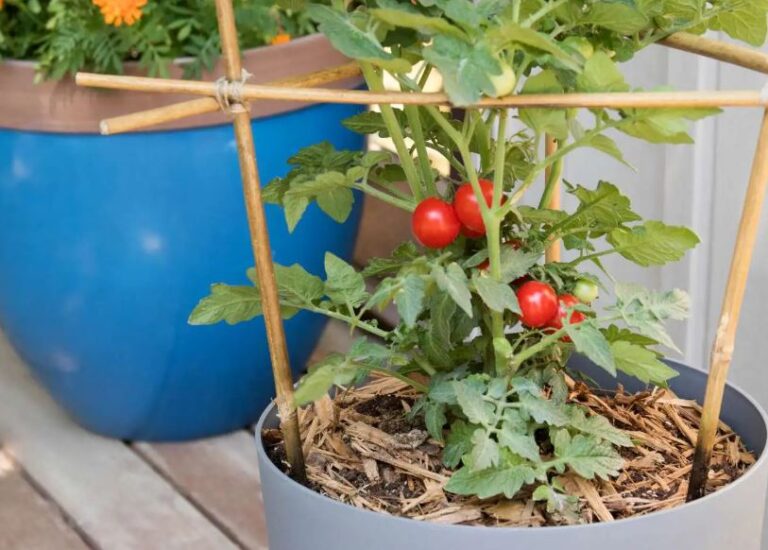
For tomatoes in containers, use a quality potting mix designed for container plants.
Tomatoes need consistent moisture but do not perform well when their roots remain in saturated soil. This makes drainage and soil structure particularly important.
If you are filling a raised bed specifically for tomatoes, focus on creating a balanced root zone rather than simply choosing the lightest material available.
Raised Bed Soil vs Garden Soil
Raised bed soil and ordinary garden soil are not always the same thing.
Garden soil is usually intended to be mixed with existing outdoor soil rather than used as the sole material in a raised bed. It can be relatively dense, especially when used in a large volume.
Raised bed soil is generally formulated with the raised-bed environment in mind and may contain more organic material or other components to improve structure.
For a new raised bed, look for a product specifically intended for raised beds or create a suitable mixture using quality soil and compost.
Raised Bed Soil vs Potting Soil
The terms potting soil and potting mix are sometimes used interchangeably, but product formulations vary.
Some products marketed as potting soil may contain actual soil, while many modern potting mixes are primarily soilless materials.
Rather than relying only on the name, look at the ingredient list.
Ask:
- Is mineral soil included?
- Does the product contain compost?
- How well does it drain?
- Is it intended for containers or garden beds?
- Does it hold moisture without becoming waterlogged?
The ingredient list and intended use can tell you more than the front label.
What Should You Use for a Raised Bed?
For a typical outdoor raised bed, choose a well-structured raised-bed soil or garden-bed blend.
A simple approach is to combine quality topsoil with mature compost and an appropriate amendment if needed.
One commonly discussed example is a mixture containing approximately:
- 40% topsoil
- 40% well-rotted compost
- 20% coarse or horticultural sand
However, this is only an example rather than a universal formula. Your local soil, climate, drainage, and plants should determine the final mixture.
Avoid creating a bed that stays constantly wet or becomes compacted.
How to Improve Raised Bed Soil Over Time
One of the advantages of raised beds is that you can improve the growing medium from season to season.
Adding compost can increase organic matter and improve soil structure. Organic matter can also support better moisture management.
Mulching the soil surface can help reduce evaporation and protect the soil from drying too quickly.
Avoid repeatedly adding large amounts of one material without considering the overall soil balance. A healthy raised-bed root zone depends on the relationship between texture, organic matter, water, air, and nutrients.
Common Mistakes to Avoid
Filling a Large Bed With Only Potting Mix
This can be unnecessarily expensive and may not provide the most appropriate structure for a large outdoor bed.
Using Heavy Garden Soil in Containers
Dense soil can restrict drainage and reduce root-zone aeration in pots.
Ignoring Drainage
Even nutrient-rich soil can cause problems if excess water cannot escape.
Choosing by Label Alone
“Potting soil,” “potting mix,” and “raised bed soil” are not perfectly standardized terms. Check the ingredients and intended use.
Forgetting Organic Matter
Organic matter is important for maintaining a productive, well-structured raised-bed growing environment.
Frequently Asked Questions
Is raised bed soil the same as potting mix?
No. Raised bed soil is generally designed for larger outdoor beds, while potting mix is formulated primarily for containers. Their textures, ingredients, weight, and drainage characteristics can differ.
Can I fill my raised bed with potting mix?
Yes, but it may not be the most economical choice for a large raised bed. Potting mix is particularly useful for small or shallow beds and situations where lightweight, highly aerated media are desirable.
Can I use raised bed soil in pots?
It is possible, but raised bed soil is generally heavier than potting mix and may not provide the ideal drainage and aeration for containers.
Is potting mix better than raised bed soil?
Neither is universally better. Potting mix is usually better for containers, while raised bed soil is generally better suited to outdoor raised beds.
What is the best soil for a vegetable raised bed?
A good vegetable raised-bed medium should be fertile, well-draining, moisture-retentive without becoming waterlogged, and rich in organic matter. The exact mixture depends on the existing soil and growing conditions.
Conclusion
The choice between raised bed potting soil vs potting mix becomes much easier when you consider where the plants will grow.
For a large outdoor raised bed, a quality raised-bed soil or balanced soil-and-compost blend is generally the practical choice. It provides the structure and fertility needed for vegetables and other garden plants.
For containers, pots, and grow bags, potting mix is usually the better option because it is lightweight and designed to provide the drainage and aeration that container roots need.
The most important rule is simple: match the growing medium to the growing environment. Instead of choosing based only on the product name, check its ingredients, drainage, texture, and intended use. A well-balanced root zone will give your plants a much better foundation for healthy growth.

- 10 Best Garden Hose For Hose End Sprinklers 2026 - October 25, 2026
- 10 Best Garden Hose For Smart Irrigation Controllers 2026 - October 25, 2026
- 10 Best Garden Hose For Automatic Watering Systems 2026 - October 25, 2026