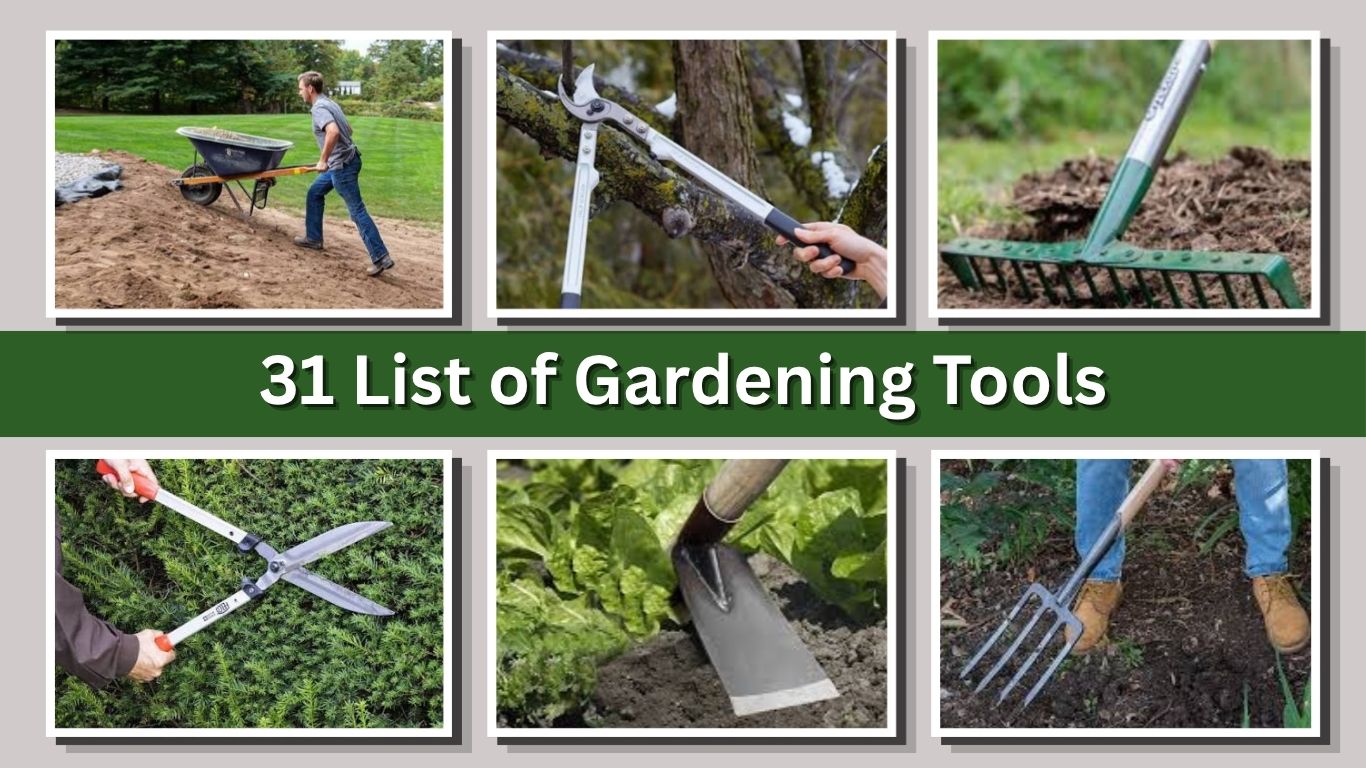
31 List of Gardening Tools: Names, Uses, and Buying Guide
Gardening becomes easier, safer, and more enjoyable when you have the right tools. Every tool is designed for a specific purpose, from digging and planting to pruning and transporting materials. Understanding how these tools work helps gardeners save time and improve productivity. Below are the first ten essential gardening tools, along with their uses, features, and maintenance tips.
1. Garden Shovel
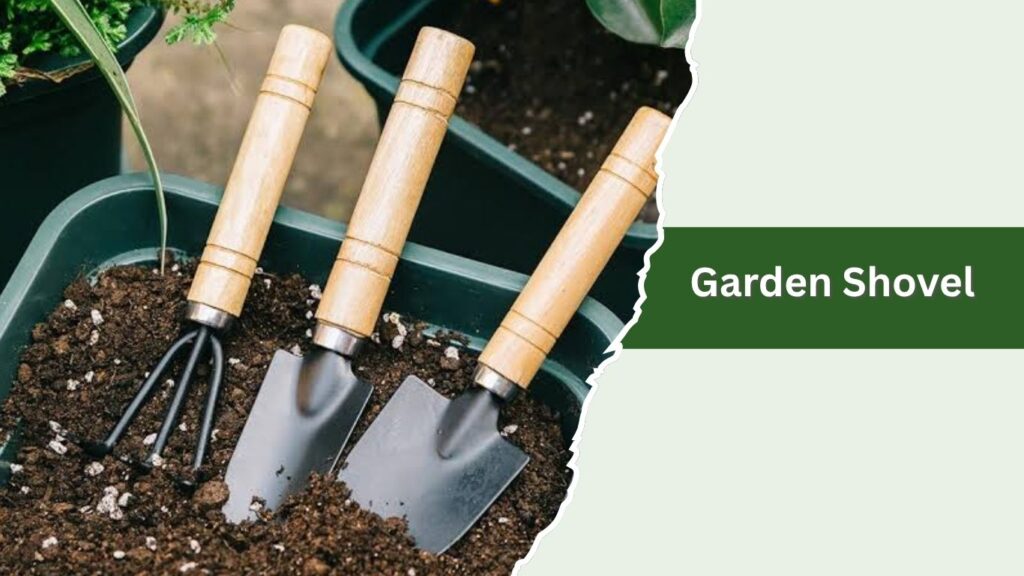
A garden shovel is a foundational tool used in almost every landscape and gardening project. Its sturdy blade and long handle make it ideal for digging, lifting, and moving materials. Whether you’re preparing a new flower bed or transplanting shrubs, a quality shovel increases efficiency and reduces physical effort during demanding gardening tasks.
What Is a Garden Shovel?
A garden shovel is a long-handled tool with a broad metal blade. It is designed for digging into soil, moving loose materials, and completing heavy-duty gardening jobs. Most gardeners consider it one of the first tools to purchase.
Common Uses in Gardening
- Digging planting holes
- Moving compost and mulch
- Transplanting trees and shrubs
- Mixing soil amendments
- Removing garden debris
Types of Garden Shovels
Garden shovels come in several styles, including round-point, square-point, and trenching models. Round-point shovels are best for digging, while square-point versions excel at moving materials. Selecting the right type improves both comfort and performance.
Tips for Choosing the Right Shovel
Choose a shovel with a durable steel blade and an ergonomic handle. Fiberglass handles offer strength and reduced weight, while wooden handles provide a traditional feel. Proper length is also important to prevent unnecessary strain during use.
2. Garden Spade
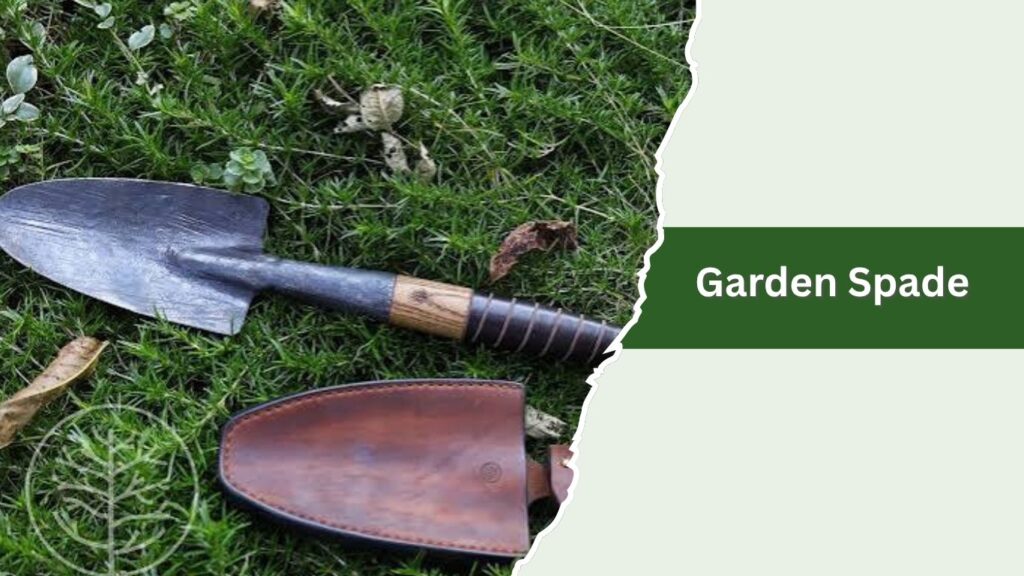
The garden spade is known for precision and control. Unlike a shovel, it features a flat blade that makes it ideal for edging, dividing plants, and creating straight trenches. Gardeners frequently use spades when working on landscaping projects that require clean lines and accurate cuts throughout the garden.
What Is a Garden Spade?
A garden spade is a digging tool with a flat, rectangular blade attached to a long handle. It is specifically designed for precise gardening tasks, making it particularly useful when creating borders or transplanting established plants.
Best Tasks for a Spade
- Creating garden edges
- Dividing perennials
- Cutting through roots
- Digging narrow trenches
- Transplanting mature plants
Spade vs Shovel
Although similar in appearance, spades and shovels serve different purposes. Spades provide greater precision, while shovels are better suited for moving loose materials. Having both tools ensures you’re prepared for a wider range of gardening tasks.
Maintenance Tips
Clean the blade after each use to prevent rust and soil buildup. Applying a light coat of oil helps preserve the metal surface. Store the spade indoors to protect it from moisture and extend its lifespan.
3. Hand Trowel
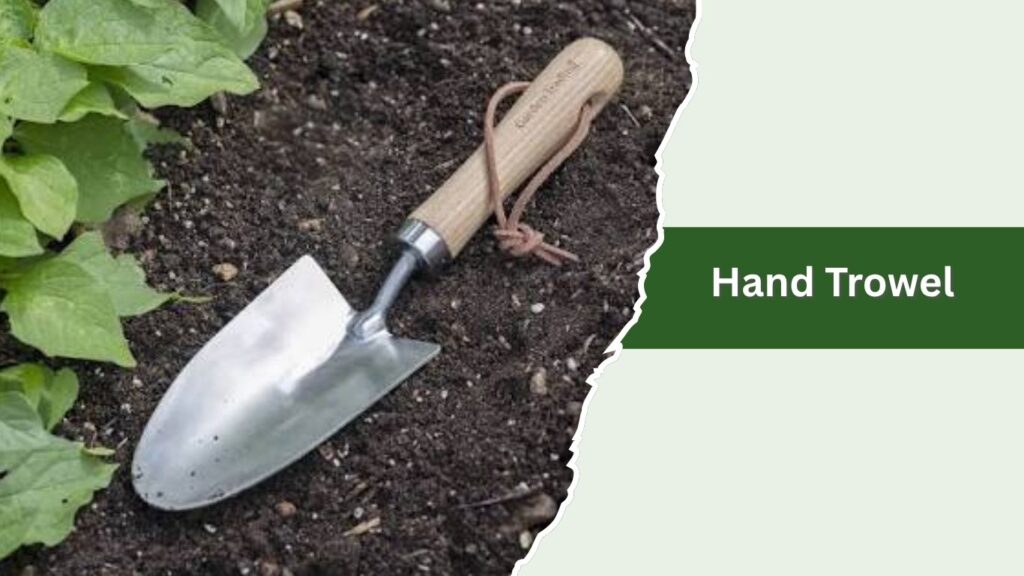
A hand trowel is one of the most versatile small gardening tools available. Its compact design makes it perfect for container gardening, seedling transplantation, and working in raised beds. Every gardener, regardless of experience level, can benefit from keeping a reliable hand trowel nearby during daily gardening activities.
What Is a Hand Trowel?
A hand trowel is a small handheld tool featuring a short handle and a pointed blade. It is designed for delicate gardening tasks that require precision and control, particularly in confined spaces and containers.
Uses for Planting and Transplanting
- Planting bulbs and seedlings
- Digging small holes
- Mixing potting soil
- Transplanting flowers
- Removing small weeds
Features to Look For
Look for a rust-resistant stainless-steel blade and a comfortable grip. Measurement markings on the blade can also be helpful for planting bulbs at the correct depth and ensuring consistent spacing throughout the garden.
Cleaning and Storage
Rinse the blade after each use and remove any remaining soil. Store the trowel in a dry location or hang it on a tool rack to keep it organized and ready for future gardening projects.
4. Garden Fork
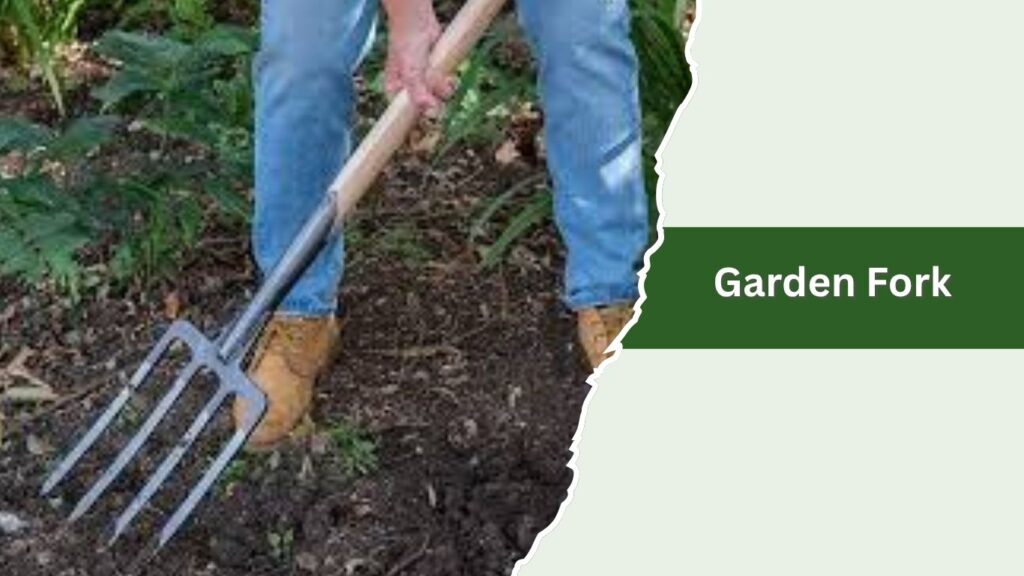
The garden fork is designed to loosen compacted soil and improve aeration. Its strong tines penetrate dense ground more effectively than many digging tools. Gardeners frequently rely on forks when preparing beds, incorporating compost, or harvesting root vegetables from established planting areas throughout the growing season.
What Is a Garden Fork?
A garden fork consists of several sturdy metal tines attached to a long handle. It is commonly used for loosening soil, turning compost, and breaking up compacted areas without disturbing nearby plants excessively.
Soil Loosening Applications
- Aerating compacted soil
- Turning compost piles
- Mixing organic matter
- Harvesting potatoes
- Preparing planting beds
Digging and Compost Uses
Garden forks are excellent for turning compost because they allow air to circulate through the pile. They also make digging easier in heavy soils where traditional shovels may struggle to penetrate effectively.
Choosing Durable Forks
Select a garden fork made from forged steel with reinforced tines. Strong construction prevents bending and ensures long-term durability, especially if you frequently work in clay soils or maintain large vegetable gardens.
5. Rake
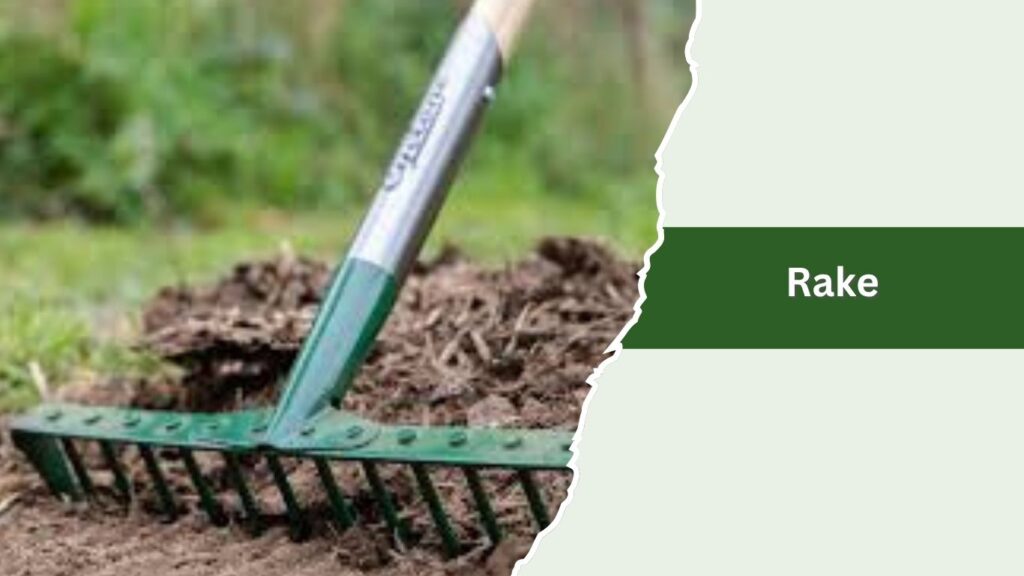
Rakes are essential tools for maintaining clean and organized outdoor spaces. They help gardeners collect leaves, level soil, and prepare seedbeds efficiently. Available in multiple designs, rakes can handle everything from light cleanup work to heavy-duty landscaping projects in both small and large gardens.
Types of Garden Rakes
Common rake types include leaf rakes, bow rakes, shrub rakes, and landscape rakes. Each design serves a unique purpose, allowing gardeners to choose the most suitable tool for tasks involving debris, soil, or mulch.
Leaf and Soil Applications
- Collecting fallen leaves
- Leveling soil surfaces
- Spreading mulch evenly
- Preparing seed beds
- Removing small debris
Metal vs Plastic Rakes
Metal rakes provide greater durability and are ideal for demanding jobs. Plastic rakes are lightweight and work well for gathering leaves. Choosing between them depends on the type of gardening tasks you perform most frequently.
Care and Maintenance
Inspect rake tines regularly for bends or damage. Clean the tool after use and store it indoors whenever possible. Proper maintenance helps ensure reliable performance and extends the lifespan of both metal and plastic rakes.
6. Hoe
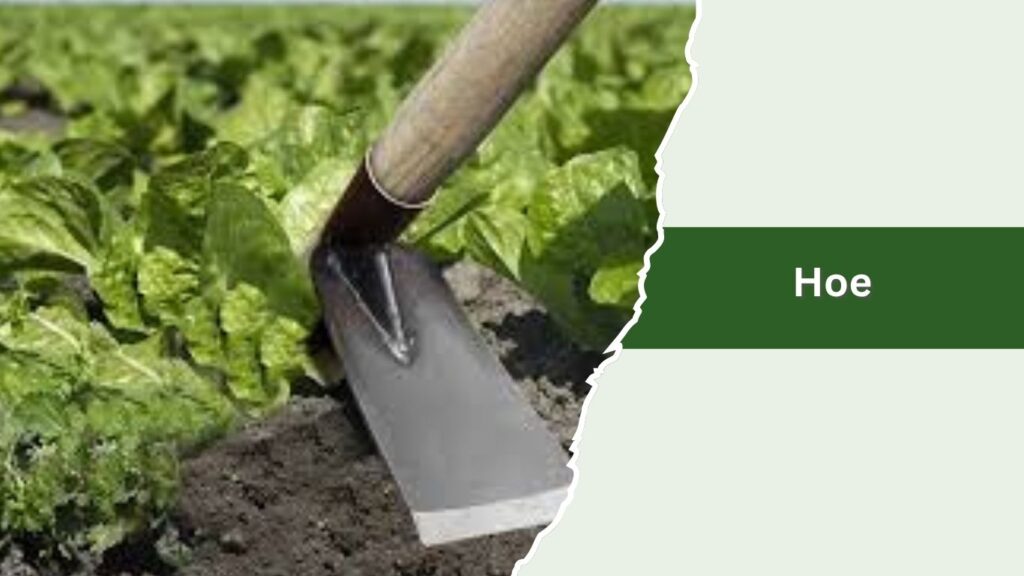
The garden hoe remains one of the best tools for weed control and soil cultivation. Its simple design has remained largely unchanged for generations because of its effectiveness. Hoes are especially valuable in vegetable gardens, where maintaining weed-free rows contributes significantly to healthy plant growth and increased productivity.
What Is a Garden Hoe?
A garden hoe is a long-handled tool with a blade positioned perpendicular to the handle. It is primarily used for cultivating soil, creating planting furrows, and removing weeds between rows of plants.
Weed Control Benefits
- Removing young weeds
- Creating seed furrows
- Breaking soil crust
- Cultivating planting rows
- Improving soil aeration
Different Hoe Designs
Popular hoe designs include draw hoes, stirrup hoes, Dutch hoes, and scuffle hoes. Each style offers unique advantages depending on soil conditions and the type of gardening work being performed throughout the season.
Safe Usage Practices
Always maintain a firm grip and work slowly to avoid accidental injuries. Keeping the blade sharp improves efficiency and reduces the amount of force needed to cultivate soil or remove stubborn weeds.
7. Pruning Shears
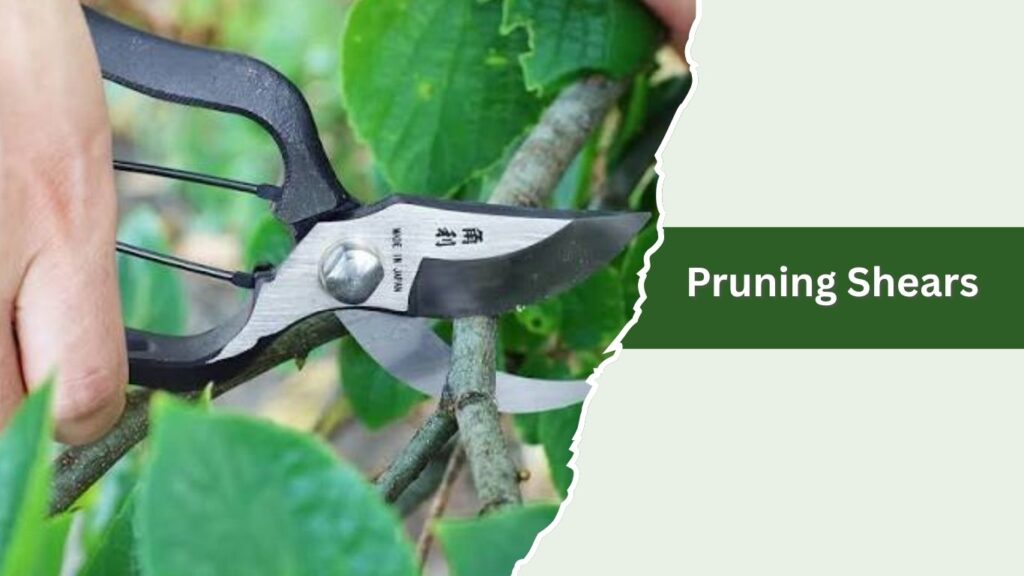
Pruning shears are indispensable for maintaining healthy plants and encouraging vigorous growth. They allow gardeners to make precise cuts that promote healing and improve plant appearance. From trimming roses to harvesting herbs, pruning shears are used regularly in ornamental, vegetable, and fruit gardens.
What Are Pruning Shears?
Pruning shears are handheld cutting tools designed for trimming stems, flowers, and small branches. They feature sharp blades and ergonomic handles, making them ideal for detailed pruning work throughout the growing season.
Plants That Require Pruning
- Roses and shrubs
- Tomato plants
- Fruit trees
- Herbs and perennials
- Ornamental flowers
Bypass vs Anvil Pruners
Bypass pruners use two blades that pass each other for cleaner cuts on living plants. Anvil pruners use a single blade against a flat surface and are typically better for cutting dead or woody stems.
Sharpening Techniques
Use a sharpening stone to maintain blade sharpness and disinfect the tool between plants. Regular sharpening improves cutting performance and helps reduce the spread of plant diseases throughout the garden.
8. Loppers
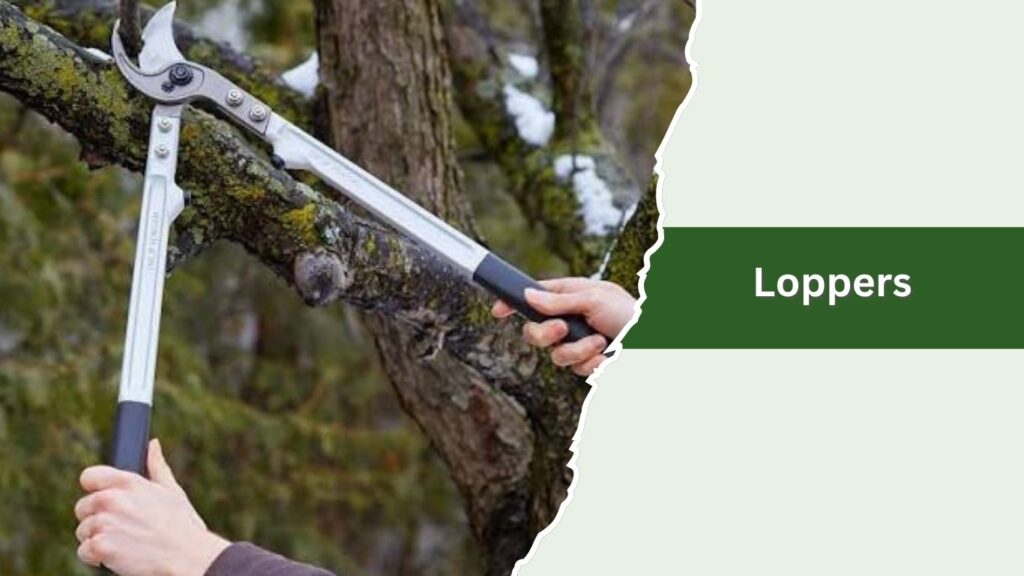
Loppers are powerful pruning tools designed for cutting branches that are too thick for standard pruners. Their long handles provide additional leverage, making pruning less physically demanding. They are particularly useful for maintaining shrubs, fruit trees, and overgrown ornamental plants around the landscape.
What Are Loppers?
Loppers are long-handled cutting tools capable of trimming branches up to two inches thick. They provide increased leverage and are commonly used for pruning tasks that require more cutting power than hand pruners.
Cutting Thick Branches
- Trimming fruit trees
- Removing dead limbs
- Shaping shrubs
- Managing overgrowth
- Maintaining hedges
Handle and Blade Types
Loppers are available with telescoping handles, ratcheting mechanisms, and different blade styles. Choosing the appropriate combination depends on branch thickness, user strength, and the specific pruning requirements of your garden.
Maintenance Essentials
Clean and lubricate lopper blades after use to prevent rust. Regular inspections help identify loose bolts or worn components before they affect the tool’s performance during important pruning tasks.
9. Hedge Shears
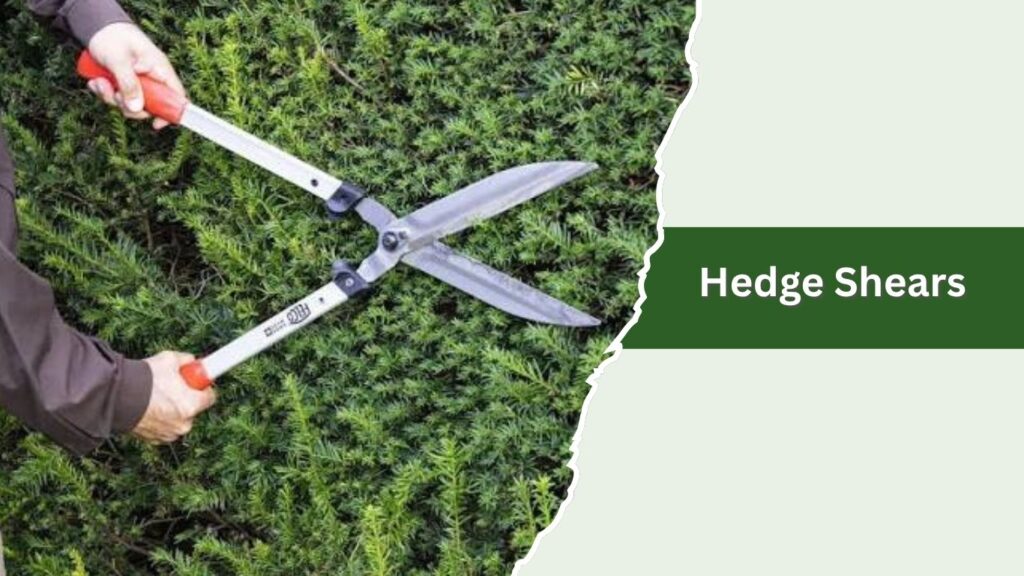
Hedge shears are specialized tools designed for shaping hedges and maintaining ornamental plants. Their long blades provide smooth, even cuts across large surfaces. Gardeners often use hedge shears to create attractive landscapes and maintain formal garden designs with clean, professional-looking lines.
What Are Hedge Shears?
Hedge shears are manual cutting tools with extended blades and comfortable handles. They are specifically designed for trimming hedges, shrubs, and decorative plants that require precise shaping and regular maintenance.
Trimming Hedges Effectively
- Shaping boxwood hedges
- Maintaining topiaries
- Trimming shrubs
- Cutting soft growth
- Improving landscape appearance
Manual vs Powered Options
Manual hedge shears are lightweight, quiet, and affordable. Powered models reduce physical effort and are better suited for larger properties where extensive hedge trimming is required on a regular basis.
Proper Storage Methods
Clean the blades thoroughly and store the shears with protective covers in a dry area. Proper storage prevents rust and helps maintain blade sharpness for future landscaping and maintenance projects.
10. Wheelbarrow
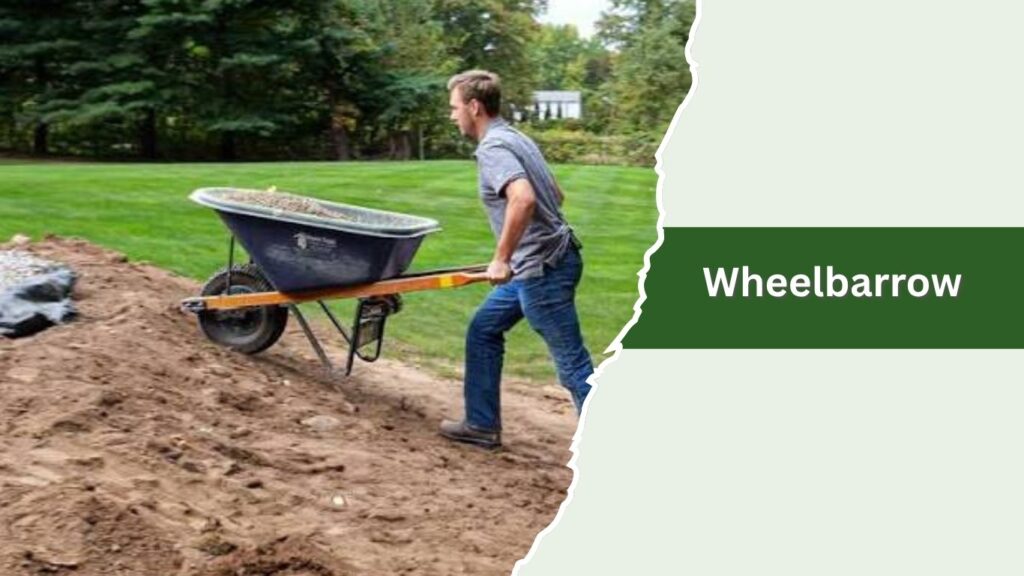
A wheelbarrow is an essential transportation tool that simplifies moving heavy materials around the garden. It reduces strain and saves valuable time during landscaping projects. Whether carrying soil, compost, or garden waste, a wheelbarrow quickly becomes one of the most frequently used tools in any outdoor workspace.
What Is a Wheelbarrow?
A wheelbarrow is a wheeled cart featuring handles, a tray, and one or two wheels. It is used to transport materials efficiently across gardens, lawns, and landscaping sites of all sizes.
Moving Soil and Mulch
- Transporting compost
- Carrying mulch
- Moving soil
- Hauling stones
- Collecting garden waste
Single vs Dual Wheel Models
Single-wheel wheelbarrows offer excellent maneuverability, making them ideal for narrow paths. Dual-wheel models provide greater balance and stability, particularly when transporting heavy or uneven loads across challenging terrain.
Buying Considerations
When purchasing a wheelbarrow, consider tray capacity, wheel type, frame construction, and storage requirements. Investing in a durable model ensures dependable performance and makes physically demanding gardening tasks much easier.
11. Watering Can
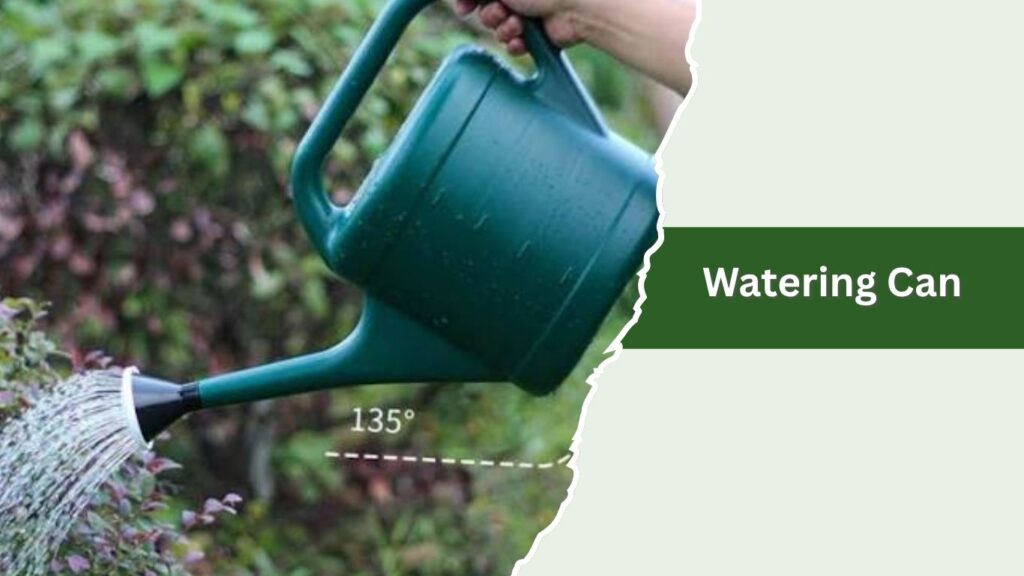
A watering can is a simple yet essential gardening tool used to provide plants with a gentle and controlled supply of water. It is especially useful for seedlings, container plants, and indoor gardens. Available in various sizes and materials, watering cans help gardeners avoid overwatering while ensuring plants receive adequate moisture throughout the growing season.
What Is a Watering Can?
A watering can is a portable container equipped with a handle and a spout, often fitted with a removable rose attachment. It is designed to deliver water evenly and is ideal for delicate plants and small garden spaces.
Indoor and Outdoor Uses
- Watering seedlings
- Hydrating houseplants
- Maintaining hanging baskets
- Caring for patio containers
- Supporting newly planted flowers
Metal vs Plastic Cans
Metal watering cans are durable and attractive, while plastic models are lightweight and affordable. Choosing between them depends on budget, aesthetics, and how frequently the tool will be used in your gardening routine.
Choosing the Right Size
Small watering cans are ideal for indoor use, whereas larger models work better outdoors. Select a size that balances capacity with comfort to avoid carrying excessive weight during extended watering sessions.
12. Garden Hose
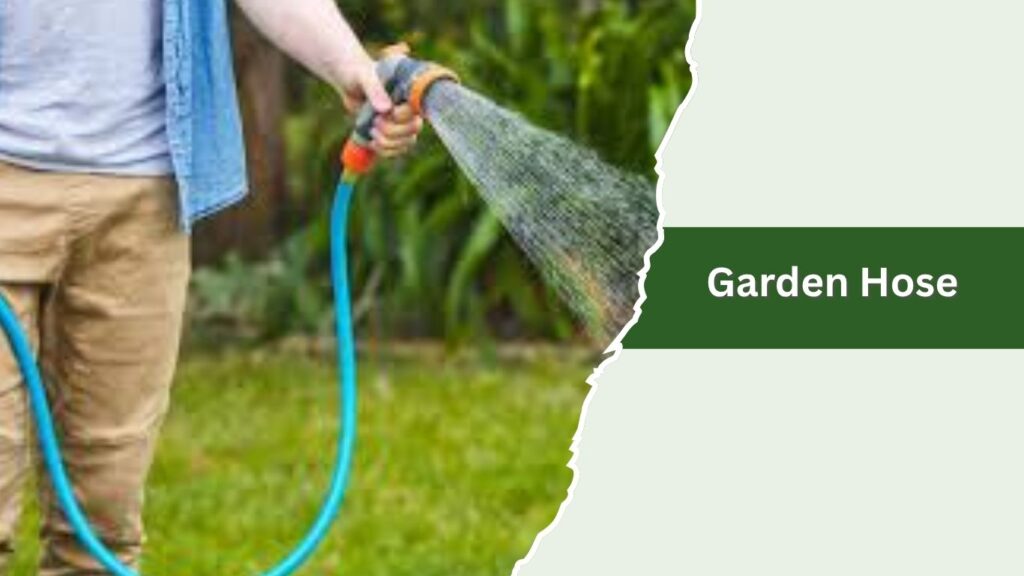
A garden hose provides a convenient way to deliver water across large areas. It is a staple tool for lawns, flower beds, and vegetable gardens. Modern hoses are available in numerous materials and lengths, allowing gardeners to select the option that best matches their landscape and watering requirements.
Types of Garden Hoses
Garden hoses include expandable, rubber, vinyl, and soaker varieties. Each type offers unique advantages, from flexibility and durability to water conservation and ease of storage.
Watering Efficiency Tips
- Water early in the morning
- Avoid overwatering plants
- Use a nozzle for control
- Check for hose leaks
- Store properly after use
Hose Materials Explained
Rubber hoses are durable and long-lasting, while vinyl hoses are lightweight and budget-friendly. Expandable hoses are easy to store and particularly useful for gardeners with limited storage space.
Preventing Hose Damage
Avoid dragging hoses across sharp surfaces and drain them before storage. Keeping the hose out of direct sunlight when not in use can also extend its lifespan and maintain flexibility over time.
13. Hose Nozzle
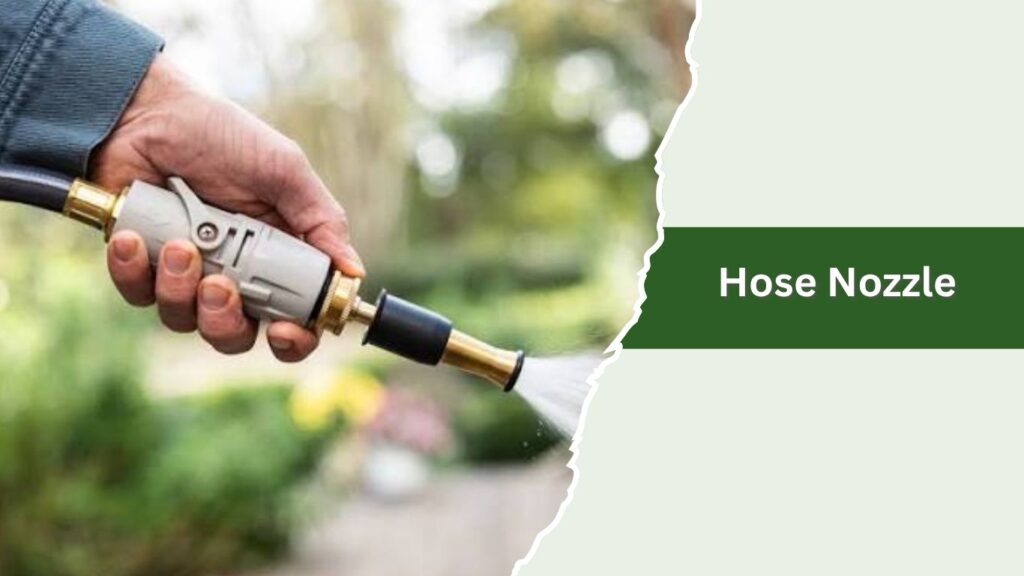
A hose nozzle enhances the functionality of a garden hose by allowing gardeners to control water pressure and spray patterns. It improves watering efficiency and helps accommodate a wide variety of gardening tasks, from misting seedlings to cleaning outdoor furniture and pathways.
What Is a Hose Nozzle?
A hose nozzle is an attachment fitted to the end of a garden hose that regulates water flow. Many models include adjustable settings to provide different spray patterns for specific gardening applications.
Spray Settings and Uses
- Gentle misting
- Shower watering
- Jet cleaning
- Cone spraying
- Flat coverage
Adjustable Nozzle Benefits
Adjustable nozzles provide greater flexibility and reduce water waste. They allow gardeners to switch between spray settings quickly, making them suitable for both delicate plants and demanding outdoor cleaning tasks.
Maintenance Tips
Clean the nozzle regularly to remove mineral buildup and inspect washers for wear. Proper maintenance ensures smooth operation and prevents leaks that could reduce watering efficiency throughout the gardening season.
14. Sprinkler
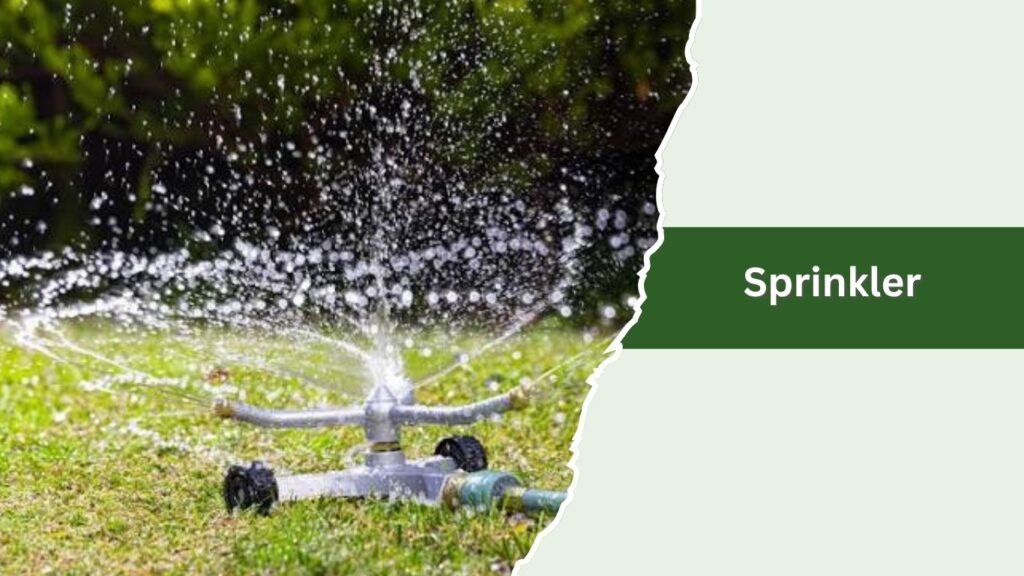
Sprinklers provide an efficient solution for watering lawns and large garden spaces. They distribute water evenly across wide areas and can save significant time compared to manual watering. Modern sprinkler systems also include water-saving features that promote sustainable gardening practices.
Types of Sprinklers
Common sprinkler types include oscillating, rotary, stationary, and impact models. Each design is intended for different landscape sizes and watering needs, helping gardeners achieve consistent coverage.
Lawn Watering Applications
- Watering lawns
- Maintaining flower beds
- Supporting vegetable gardens
- Cooling turf during heat
- Establishing new grass seed
Water-Saving Techniques
Using timers and watering during cooler parts of the day can significantly reduce water loss. Proper sprinkler placement also helps prevent runoff and ensures more efficient use of available water resources.
Installation Tips
Position sprinklers to achieve overlapping coverage and avoid watering sidewalks or driveways. Regular adjustments help maintain optimal performance as plants grow and seasonal watering needs change.
15. Garden Gloves
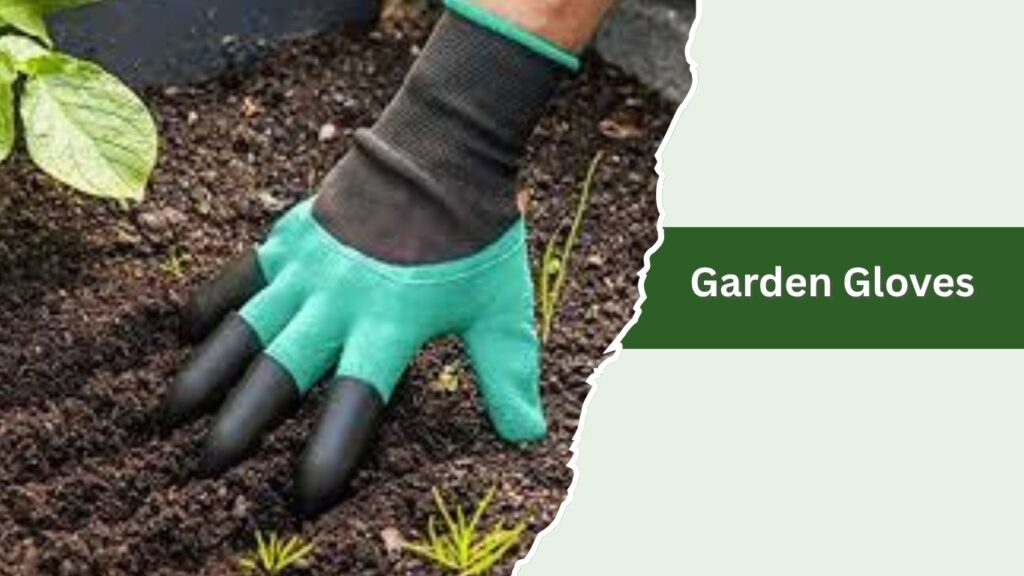
Garden gloves protect hands from cuts, blisters, dirt, and thorny plants. They improve comfort and safety while working outdoors and are available in a variety of materials designed for specific gardening tasks. Every gardener should own at least one dependable pair of gloves for daily use.
Why Wear Garden Gloves?
Garden gloves provide a protective barrier between your hands and potentially harmful elements. They reduce the risk of injuries and make gardening tasks more comfortable, especially during extended periods of work.
Types of Gardening Gloves
- Leather gloves
- Cotton gloves
- Rubber-coated gloves
- Thorn-resistant gloves
- Waterproof gloves
Material Comparison
Leather gloves offer excellent durability, while cotton gloves provide breathability and comfort. Rubber-coated options improve grip, making them ideal for wet conditions and tasks involving tools or slippery materials.
Care and Replacement
Wash reusable gloves according to manufacturer instructions and replace them when signs of wear become apparent. Maintaining gloves properly ensures they continue providing reliable protection throughout multiple gardening seasons.
16. Kneeling Pad
A kneeling pad is designed to reduce pressure on the knees during gardening activities. It provides comfort while planting, weeding, and harvesting, making it especially beneficial for older gardeners or individuals with joint concerns who spend extended periods working close to the ground.
What Is a Kneeling Pad?
A kneeling pad is a cushioned accessory made from foam or gel materials. It is used to support the knees during gardening tasks and helps reduce discomfort associated with hard or uneven surfaces.
Benefits for Gardeners
- Reduces knee strain
- Improves comfort
- Supports longer gardening sessions
- Protects clothing
- Enhances mobility
Foam vs Gel Pads
Foam pads are lightweight and affordable, while gel pads provide superior cushioning and durability. The best option depends on how frequently the pad will be used and the level of comfort desired.
Storage Recommendations
Store kneeling pads in a dry location away from direct sunlight to prevent deterioration. Hanging storage solutions can also help keep gardening areas organized and maximize available space.
17. Garden Kneeler Bench
A garden kneeler bench combines comfort and functionality by serving as both a kneeling pad and a seat. It is an excellent tool for gardeners seeking additional support while planting, pruning, or harvesting in raised beds and traditional garden spaces.
What Is a Garden Kneeler Bench?
A garden kneeler bench is a foldable gardening accessory that can be used as either a bench or a kneeling platform. Many models include side handles to assist users when standing up.
Comfort and Accessibility Benefits
- Reduces back strain
- Assists with standing
- Provides seating support
- Improves gardening comfort
- Supports longer work periods
Foldable vs Fixed Models
Foldable models are convenient for storage and transportation, while fixed benches often provide greater stability. Selecting the right style depends on available space and individual mobility requirements.
Buying Tips
Look for a kneeler bench with a sturdy frame, comfortable padding, and sufficient weight capacity. Additional storage pockets can also be useful for keeping hand tools within easy reach.
18. Dibber
A dibber is a specialized planting tool used to create uniform holes for seeds, bulbs, and seedlings. Though simple in design, it helps improve planting accuracy and consistency, making it a valuable addition to any gardener’s toolkit.
What Is a Dibber?
A dibber is a pointed gardening tool traditionally made from wood or metal. It is used to create holes of consistent depth, helping gardeners plant efficiently and maintain proper spacing between plants.
Seed Planting Uses
- Planting seeds
- Setting bulbs
- Transplanting seedlings
- Marking planting depth
- Improving spacing accuracy
Wooden vs Metal Dibbers
Wooden dibbers are lightweight and traditional, while metal models offer increased durability. Both types perform well, and the choice often comes down to personal preference and gardening style.
Proper Usage Techniques
Insert the dibber vertically into the soil and rotate gently to create a planting hole. Using consistent depth measurements ensures uniform growth and improves overall garden appearance.
19. Hand Cultivator
A hand cultivator is an effective tool for loosening soil and removing weeds in confined spaces. It is particularly useful in raised beds, containers, and around delicate plants where larger tools may be impractical or cause accidental damage.
What Is a Hand Cultivator?
A hand cultivator is a compact gardening tool featuring several curved tines attached to a short handle. It is designed to break up soil and improve aeration around plants.
Breaking Compacted Soil
- Loosening compacted soil
- Removing shallow weeds
- Mixing compost
- Aerating planting beds
- Preparing container gardens
Preparing Planting Beds
Hand cultivators are ideal for preparing small planting areas quickly and efficiently. They help create a loose soil structure that promotes healthy root development and improves water infiltration.
Maintenance Tips
Clean soil from the tines after each use and inspect for bends or damage. Proper care helps maintain effectiveness and extends the life of this versatile gardening tool.
20. Garden Edger
A garden edger helps create clean, professional-looking borders around lawns, pathways, and flower beds. It enhances landscape appearance and prevents grass from encroaching into planted areas, making it an important tool for gardeners who value neat and organized outdoor spaces.
What Is a Garden Edger?
A garden edger is a tool designed to create defined boundaries between different landscape elements. It is available in manual, electric, and gas-powered models to suit various gardening needs.
Creating Clean Borders
- Defining lawn edges
- Separating flower beds
- Improving curb appeal
- Preventing grass spread
- Enhancing landscape design
Manual vs Electric Edgers
Manual edgers are affordable and environmentally friendly, while electric models reduce physical effort and provide faster results. Choosing the appropriate type depends on property size and maintenance frequency.
Best Practices for Edging
Edge regularly to maintain a polished appearance and work during dry conditions for cleaner cuts. Consistent maintenance prevents overgrowth and keeps landscape features looking sharp throughout the year.
21. Soil Knife
A soil knife is one of the most versatile hand tools in gardening. Also known as a hori hori knife, it can dig, cut, divide, and transplant plants with ease. Its compact size and multi-purpose functionality make it a favorite among gardeners who prefer carrying fewer tools while working in flower beds and vegetable gardens.
What Is a Soil Knife?
A soil knife is a serrated gardening tool with a sharp blade designed for digging, cutting roots, and dividing plants. Many models include measurement markings, making them useful for planting bulbs and seedlings at consistent depths.
Multi-Purpose Gardening Tasks
- Digging small holes
- Cutting roots
- Dividing perennials
- Harvesting vegetables
- Planting bulbs
Serrated vs Straight Blades
Serrated blades are excellent for cutting through roots and tough materials, while straight blades offer cleaner cuts for planting and transplanting tasks. Many premium soil knives combine both blade styles for maximum versatility.
Safety and Storage
Always use a protective sheath when storing a soil knife. Keeping the blade clean and dry prevents rust and ensures safe handling during future gardening sessions.
22. Weeder
A weeder is specifically designed to remove unwanted plants without disturbing surrounding soil or damaging nearby crops. It is an essential tool for maintaining tidy garden beds and reducing competition for water and nutrients among desirable plants.
What Is a Weeder?
A weeder is a gardening tool used to remove weeds from the soil. It comes in various designs, including handheld and stand-up models, making it suitable for different gardening preferences and physical abilities.
Removing Weeds Efficiently
- Pulling dandelions
- Removing taproots
- Clearing flower beds
- Maintaining pathways
- Reducing weed competition
Hand Weeder vs Stand-Up Weeder
Hand weeders provide precision and work well in small spaces, while stand-up weeders reduce bending and are ideal for larger gardens. Choosing between them depends on the size of the area being maintained.
Long-Term Weed Control
Regular weeding, mulching, and maintaining healthy soil can significantly reduce weed populations over time. Consistent maintenance is often more effective than occasional intensive weed removal efforts.
23. Compost Aerator
A compost aerator helps improve airflow within compost piles, accelerating decomposition and reducing unpleasant odors. It is particularly useful for gardeners who produce large amounts of compost and want to create nutrient-rich organic matter more efficiently.
What Is a Compost Aerator?
A compost aerator is a tool designed to introduce oxygen into compost piles. Increased airflow encourages microbial activity, helping organic materials break down faster and more evenly.
Benefits for Composting
- Speeds decomposition
- Improves airflow
- Reduces odors
- Supports beneficial microbes
- Produces richer compost
How to Use It Properly
Insert the aerator into the compost pile and rotate or pull upward to loosen compacted materials. Performing this task weekly helps maintain optimal decomposition conditions throughout the composting process.
Maintenance Requirements
Clean the aerator after use and inspect moving parts periodically. Proper maintenance ensures reliable performance and extends the lifespan of this specialized composting tool.
24. Leaf Blower
Leaf blowers simplify outdoor cleanup by moving leaves, grass clippings, and light debris quickly. They are especially valuable during autumn when fallen leaves can accumulate rapidly across lawns, pathways, and garden beds.
What Is a Leaf Blower?
A leaf blower is a powered gardening tool that generates a concentrated stream of air to move lightweight materials. It is available in corded, cordless, and gas-powered versions.
Garden Cleanup Applications
- Clearing fallen leaves
- Removing grass clippings
- Cleaning pathways
- Maintaining patios
- Tidying driveways
Corded vs Cordless Models
Corded models provide consistent power, while cordless options offer greater mobility. Gardeners with large properties may prefer battery-powered or gas models for increased convenience and flexibility.
Operating Safely
Always wear eye and hearing protection while using a leaf blower. Avoid directing airflow toward people, pets, or delicate plants to minimize the risk of accidental damage.
25. Lawn Mower
A lawn mower is an indispensable tool for maintaining healthy, attractive turf. Regular mowing encourages dense grass growth and improves the overall appearance of outdoor spaces. Modern lawn mowers offer a variety of features designed to simplify lawn maintenance.
Types of Lawn Mowers
Lawn mowers include push, self-propelled, riding, and robotic models. Each type serves different property sizes and user preferences, making it easier to find an option suited to specific landscaping needs.
Choosing the Right Mower
- Consider lawn size
- Evaluate power source
- Compare cutting widths
- Check maintenance needs
- Review storage requirements
Maintenance Schedule
Sharpen mower blades regularly and clean the underside of the deck after each use. Routine maintenance helps improve cutting performance and prolongs the life of the machine.
Safety Guidelines
Inspect the lawn for debris before mowing and never operate a mower without appropriate footwear. Following basic safety practices helps prevent injuries and ensures efficient operation.
26. Chainsaw
Chainsaws are powerful cutting tools commonly used for pruning large branches, removing trees, and managing storm damage. Although not required for every garden, they are invaluable for maintaining larger properties and wooded landscapes.
What Is a Chainsaw?
A chainsaw is a motorized cutting tool equipped with a rotating chain and guide bar. It is designed for heavy-duty cutting tasks that exceed the capabilities of standard pruning equipment.
Tree and Branch Cutting Uses
- Removing fallen limbs
- Pruning large branches
- Cutting firewood
- Clearing storm debris
- Managing overgrown trees
Gas vs Electric Chainsaws
Gas chainsaws provide greater power, while electric models are quieter and easier to maintain. Battery-powered versions offer a balance between performance and convenience for many homeowners.
Essential Safety Precautions
Always wear protective equipment, including gloves, eye protection, and chainsaw chaps. Proper training and careful operation are essential when using any motorized cutting equipment.
27. Pole Pruner
Pole pruners make it possible to trim high branches safely without climbing ladders. They are especially useful for maintaining fruit trees and ornamental species that require occasional pruning throughout the year.
What Is a Pole Pruner?
A pole pruner is an extended cutting tool featuring a pruning head attached to a long pole. It allows gardeners to reach elevated branches while remaining safely on the ground.
Reaching High Branches
- Trimming fruit trees
- Removing dead limbs
- Improving airflow
- Shaping tree canopies
- Enhancing plant health
Manual vs Telescopic Models
Manual pole pruners are lightweight and affordable, while telescopic models offer adjustable lengths for greater flexibility. Selecting the appropriate model depends on the height of the trees being maintained.
Maintenance and Safety
Inspect ropes, blades, and locking mechanisms regularly. Proper maintenance ensures reliable performance and reduces the likelihood of accidents during pruning tasks.
28. Garden Cart
Garden carts provide an efficient way to transport tools, plants, and heavy materials across outdoor spaces. Their stability and larger carrying capacity make them a practical alternative to wheelbarrows for many gardening applications.
What Is a Garden Cart?
A garden cart is a wheeled transport tool with a flatbed or enclosed design. It is used for moving supplies efficiently and reducing the physical effort associated with gardening projects.
Transporting Heavy Materials
- Moving plants
- Carrying soil bags
- Hauling mulch
- Transporting tools
- Collecting garden waste
Wheel and Frame Options
Garden carts are available with steel, plastic, or mesh frames and may include pneumatic or solid wheels. Selecting durable components improves performance and longevity.
Buying Considerations
Consider weight capacity, maneuverability, and storage requirements before purchasing a garden cart. A well-built model can serve as a valuable helper for many years.
29. Seed Spreader
Seed spreaders help distribute seeds, fertilizer, and other granular materials evenly across lawns and gardens. They improve efficiency and promote uniform growth, making them especially useful for larger planting projects.
What Is a Seed Spreader?
A seed spreader is a device designed to distribute materials consistently over a designated area. It is commonly used for establishing lawns and applying fertilizers.
Lawn and Garden Applications
- Spreading grass seed
- Applying fertilizer
- Distributing lime
- Seeding large areas
- Improving planting efficiency
Broadcast vs Drop Spreaders
Broadcast spreaders cover large areas quickly, while drop spreaders offer greater precision. Choosing between them depends on the level of accuracy required and the size of the project.
Calibration Tips
Always calibrate the spreader before use to ensure proper application rates. This helps prevent uneven coverage and minimizes product waste.
30. Soil pH Tester
A soil pH tester helps gardeners understand soil conditions and make informed decisions about amendments and plant selection. Monitoring pH levels is essential for optimizing nutrient availability and supporting healthy plant growth.
Why Test Soil pH?
Testing soil pH reveals whether the soil is acidic, neutral, or alkaline. Different plants have different pH preferences, making this information valuable when planning and maintaining a garden.
Types of Soil Testers
- Analog meters
- Digital testers
- Chemical test kits
- Combination meters
- Professional laboratory tests
Interpreting Results
Most vegetables thrive in slightly acidic to neutral soils. Understanding pH readings helps gardeners determine when adjustments are necessary to improve growing conditions.
Improving Soil Conditions
Adding lime can raise soil pH, while sulfur can lower it. Organic matter also contributes to healthier soil and improved nutrient availability over time.
31. Garden Tool Set
A garden tool set is an excellent investment for beginners and experienced gardeners alike. These kits typically include several essential tools and provide a convenient way to start or upgrade a gardening collection.
What Is Included in a Garden Tool Set?
Most garden tool sets include a trowel, pruners, cultivator, gloves, and a carrying case. Larger kits may also feature specialized tools designed for more advanced gardening tasks.
Best Sets for Beginners
- Basic hand tool kits
- Ergonomic tool sets
- Stainless steel collections
- Tool sets with storage bags
- Complete gardening kits
Essential Tools to Prioritize
When selecting a tool set, prioritize quality over quantity. Durable, well-made tools provide better performance and are more likely to withstand years of regular use.
Storage and Organization
Store gardening tools in a dry, organized location to prevent rust and damage. Using racks, shelves, or dedicated storage containers helps maintain accessibility and prolong tool lifespan.
Frequently Asked Questions
1. What are the most essential gardening tools for beginners?
Beginners should start with a shovel, hand trowel, pruning shears, garden fork, watering can, and gloves. These tools cover most basic gardening tasks.
2. How often should gardening tools be cleaned?
Gardening tools should be cleaned after each use to remove soil and moisture. Regular cleaning helps prevent rust and reduces the spread of plant diseases.
3. What is the difference between a shovel and a spade?
A shovel is designed for digging and moving materials, while a spade is intended for precise tasks such as edging, trenching, and dividing plants.
4. Are expensive gardening tools worth the investment?
High-quality tools are generally more durable, comfortable, and efficient. Investing in well-made tools can save money over time by reducing replacement costs.
5. How should gardening tools be stored?
Store tools in a dry, sheltered location. Hanging tools on racks or organizing them in a shed helps prevent damage and keeps them easily accessible.

- 10 Best Garden Hose For Young Trees 2026 - October 21, 2026
- 10 Best Garden Hose For Delicate Plants 2026 - October 21, 2026
- 10 Best Garden Hose For Seedlings 2026 - October 21, 2026