How to Start Flower Seeds Indoors in Canada
Starting flower seeds indoors is one of the best ways to get a head start on the gardening season in Canada. With long, cold winters and short growing periods in many regions, indoor seed starting allows gardeners to grow healthy, strong plants before the outdoor conditions are ready.
Whether you’re growing vibrant annuals or hardy perennials, learning how to start flower seeds indoors in Canada can help you extend your growing season, save money, and enjoy earlier blooms. In this guide, you’ll discover everything you need to know from choosing the right seeds to providing the perfect indoor conditions for successful germination.
Why Start Flower Seeds Indoors in Canada
Canada’s climate presents unique challenges, but indoor seed starting offers several advantages.
Short Growing Season Challenges
In many parts of Canada, the outdoor growing season is limited to just a few months. Starting seeds indoors gives your plants a valuable head start before the last frost.
Benefits of Indoor Seed Starting
- Earlier flowering and longer bloom periods
- Stronger, more established plants
- Greater control over growing conditions
Extending Bloom Time
By starting seeds indoors weeks before spring, your flowers will bloom earlier and continue longer into the season.
Cost Savings vs Buying Plants
Growing from seed is significantly cheaper than purchasing mature plants, especially if you’re planting large garden beds.
🌡️ Understanding Canadian Climate for Seed Starting
To succeed with indoor seed starting, it’s important to understand your local climate.
Canadian Hardiness Zones Overview
Canada spans a wide range of hardiness zones, from very cold northern regions to milder coastal areas. These zones determine which plants can survive outdoors and when you should start seeds.
Frost Dates and Planting Calendars
The last spring frost date is the most important factor. Most seeds should be started indoors 6–10 weeks before this date.
Indoor vs Outdoor Growing Timelines
- Indoor seed starting begins in late winter
- Outdoor transplanting happens after frost risk passes
Regional Differences Across Canada
- Northern regions: Later planting dates, shorter seasons
- Central regions (Ontario/Quebec): Moderate timing
- Coastal areas: Earlier planting possible
Best Flower Seeds to Start Indoors
Not all flowers need to be started indoors, but many benefit from it.
Easy-to-Grow Flowers for Beginners
- Marigolds
- Zinnias
- Cosmos
- Sunflowers (short varieties)
These flowers germinate quickly and are forgiving for new gardeners.
Annual vs Perennial Flowers
- Annuals: Bloom in the first season (e.g., petunias, marigolds)
- Perennials: Return each year but may take longer to establish
Cold-Hardy Flower Varieties
Some flowers tolerate cooler conditions and can be transplanted earlier:
- Pansies
- Snapdragons
- Dianthus
Popular Indoor Seed Choices
- Petunia
- Marigold
- Zinnia
- Pansy
These are widely grown and adapt well to indoor starting conditions.
🛠️ Essential Supplies for Indoor Seed Starting
Having the right tools makes the process easier and more successful.
Seed Trays and Containers
Use seed trays, cell packs, or small pots with drainage holes. Even recycled containers can work if properly prepared.
Seed Starting Mix vs Garden Soil
Always use a lightweight seed-starting mix, not garden soil. It provides better drainage and reduces the risk of disease.
Grow Lights vs Natural Light
Seedlings need strong light:
- South-facing windows can work
- Grow lights provide consistent results, especially in winter
Heat Mats and Temperature Control
Some seeds germinate faster with warmth. Heat mats help maintain ideal soil temperatures.
Labels and Watering Tools
Label your plants to avoid confusion. Use a spray bottle or gentle watering can to prevent disturbing seeds.
📅 When to Start Flower Seeds Indoors in Canada
Timing is one of the most important factors in seed starting success.
Counting Back from Last Frost Date
Check your local last frost date and count backward:
- Fast-growing flowers: 4–6 weeks
- Slow-growing flowers: 8–10 weeks
Timing by Plant Type
- Slow growers: Petunias, pansies
- Fast growers: Zinnias, marigolds
Starting too early can lead to overcrowded or weak plants.
Regional Timing Differences
- Colder regions: Start seeds later
- Milder regions: Start earlier
Adjust timing based on your local climate.
Common Mistakes in Timing
- Starting seeds too early
- Ignoring frost dates
- Transplanting too soon
Proper timing prevents leggy and stressed seedlings.
🌱 Step-by-Step Guide to Starting Flower Seeds Indoors
Follow these steps for successful germination and healthy seedlings.
Preparing Containers and Soil
- Fill containers with seed-starting mix
- Lightly moisten the soil before planting
Planting Seeds at Proper Depth
- Follow instructions on seed packets
- General rule: plant seeds at a depth equal to their size
Watering Techniques for Germination
- Keep soil moist but not soggy
- Use bottom watering when possible
Providing Light and Warmth
- Place seeds in a warm area (18–24°C)
- Provide 12–16 hours of light daily
Maintaining Humidity Levels
- Cover trays with a humidity dome or plastic wrap
- Remove once seedlings emerge to prevent mold
💡 Light, Temperature, and Water Requirements
Seedlings need the right balance of light, warmth, and moisture.
Ideal Light Duration
Provide 12–16 hours of light per day for strong growth.
Temperature Ranges for Germination
Most seeds germinate best between 18–24°C (65–75°F).
Avoiding Overwatering and Damping Off
Overwatering can cause fungal diseases:
- Ensure proper drainage
- Avoid constantly wet soil
Air Circulation Importance
Good airflow reduces disease risk and strengthens seedlings.
🌿 Caring for Seedlings After Germination
Once your seeds sprout, proper care is essential for healthy development.
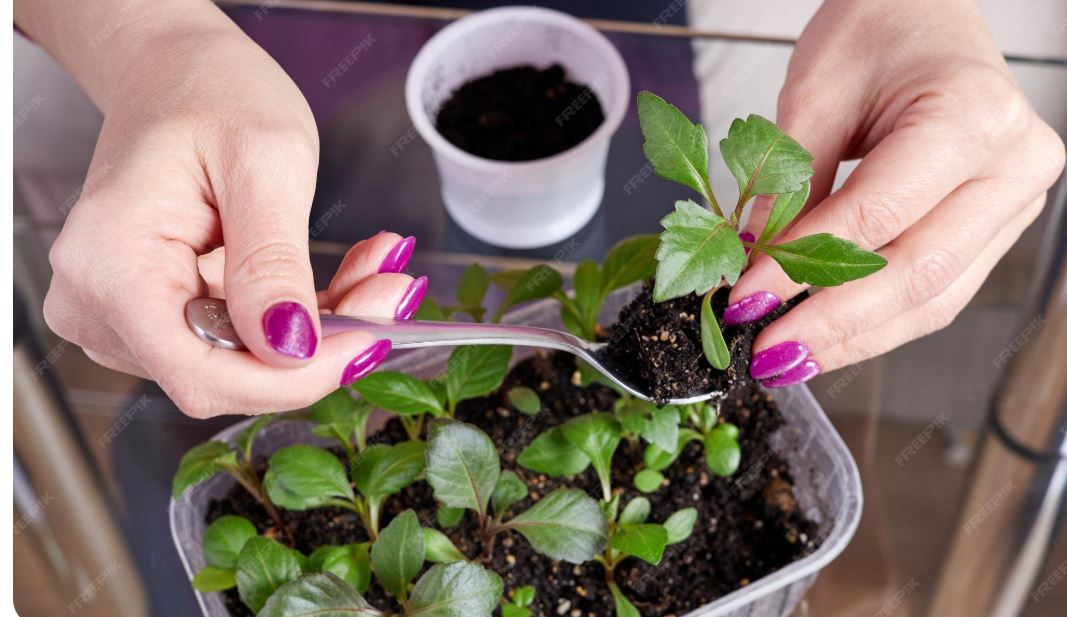
Thinning Seedlings
Remove weaker seedlings to give stronger ones space to grow.
Feeding with Fertilizer
Use a diluted liquid fertilizer once seedlings develop true leaves.
Preventing Leggy Growth
- Provide enough light
- Keep lights close to plants
- Avoid overcrowding
Rotating Plants for Even Growth
Turn trays regularly to ensure balanced exposure to light.
Hardening Off Seedlings Before Transplanting
Before moving your seedlings outdoors, they need time to adjust to real-world conditions. This process is called hardening off, and it’s essential for preventing shock and damage.
What Is Hardening Off
Hardening off is the gradual exposure of indoor-grown seedlings to outdoor elements like sunlight, wind, and temperature changes.
Gradual Outdoor Exposure
Start by placing seedlings outside for a few hours each day:
- Day 1–2: 1–2 hours in a shaded, sheltered spot
- Day 3–5: Increase exposure and introduce partial sunlight
- Day 6–10: Extend time outdoors, including full sun
Bring plants back indoors at night during the early stages.
Timeline for Hardening Off
The process usually takes 7–10 days, depending on weather conditions and plant sensitivity.
Avoiding Transplant Shock
- Avoid exposing seedlings to strong wind or intense sun too quickly
- Keep soil moist during the transition
- Protect from sudden temperature drops
Proper hardening off ensures your plants adapt smoothly to outdoor conditions.
🌸 Transplanting Seedlings Outdoors
Once your seedlings are hardened off and the risk of frost has passed, it’s time to move them into the garden.
Choosing the Right Time
- Wait until after the last frost date in your region
- Soil should be workable and not frozen
Soil Preparation in Garden Beds
- Loosen soil and remove weeds
- Add compost or organic matter
- Ensure good drainage
Healthy soil supports strong root development.
Spacing and Planting Depth
- Follow spacing guidelines for each plant type
- Plant seedlings at the same depth as in their containers
Proper spacing prevents overcrowding and promotes airflow.
Post-Transplant Care
- Water immediately after planting
- Add mulch to retain moisture
- Provide temporary shade if needed
These steps help seedlings establish quickly in their new environment.
⚠️ Common Problems and Solutions
Even with careful planning, issues can arise. Here’s how to handle the most common problems.
Poor Germination Rates
Causes:
- Old or low-quality seeds
- Incorrect temperature or moisture
Solutions:
- Use fresh seeds
- Maintain consistent warmth and moisture
Mold and Damping Off
This fungal disease causes seedlings to collapse.
Prevention:
- Avoid overwatering
- Use sterile seed-starting mix
- Ensure good air circulation
Leggy or Weak Seedlings
Seedlings that are tall and thin usually lack sufficient light.
Fix:
- Increase light intensity
- Move grow lights closer
- Rotate plants regularly
Pest Issues Indoors
Common indoor pests include fungus gnats and aphids.
Solutions:
- Keep soil slightly dry between watering
- Use sticky traps if needed
- Maintain cleanliness around plants
🌼 FAQs About Starting Flower Seeds Indoors in Canada
When should I start seeds indoors in Canada?
Most flower seeds should be started 6–10 weeks before your last frost date, depending on the plant type and region.
Do I need grow lights for seedlings?
While natural sunlight can work, grow lights provide more consistent results, especially during short winter days.
How long do seeds take to germinate?
Germination time varies by plant but typically ranges from 5 to 14 days under ideal conditions.
Can I use regular soil for seed starting?
It’s not recommended. Seed-starting mix is lighter, drains better, and reduces the risk of disease.
Conclusion
Learning how to start flower seeds indoors in Canada is a valuable skill that allows you to take full control of your garden’s success. By starting seeds indoors, you can overcome the challenges of short growing seasons and enjoy earlier, longer-lasting blooms.
From choosing the right seeds and timing your planting to providing proper light, water, and care, each step plays a crucial role in developing healthy plants. Hardening off and transplanting correctly ensures your seedlings thrive once moved outdoors.
With patience and the right techniques, you can transform a simple indoor setup into a thriving garden filled with vibrant flowers. Whether you’re a beginner or an experienced gardener, indoor seed starting is a rewarding way to grow stronger plants and maximize your gardening season.

- 10 Best Garden Hose For Below Freezing Temperatures 2026 - October 20, 2026
- 10 Best Garden Hose For Subzero Temperatures 2026 - October 20, 2026
- 10 Best Garden Hose For Year Round Outdoor Use 2026 - October 20, 2026