How to Choose the Right Outdoor Plant Stand (For Beginners)
Choosing the right outdoor plant stand is more than just picking something that looks good. A well-selected stand supports your plants properly, improves their growth conditions, and enhances the overall look of your garden, balcony, or patio. With so many options available—metal, wood, tall designs, multi-tier racks, and budget models—it can be confusing to decide what actually fits your needs.
This guide breaks everything down in a simple, semantic way so you can confidently choose the best outdoor plant stand for your space, plants, and budget.
Understand Your Purpose First
Before looking at designs, you need to understand why you want a plant stand in the first place. Different goals require different types of stands.
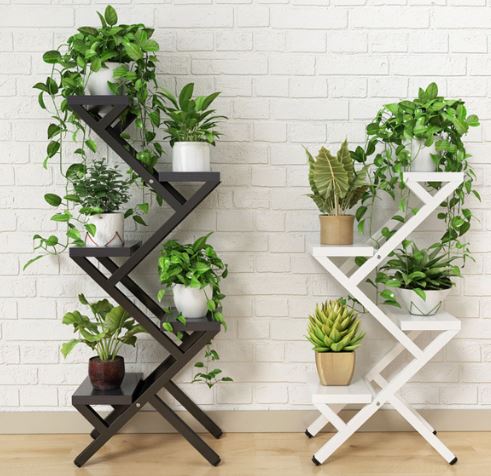
If your goal is decoration, you may prefer stylish wooden or decorative metal stands. If your goal is plant health, you should focus on airflow, drainage, and sunlight exposure. For small spaces like balconies, vertical or tall plant stands are more useful because they save floor space while allowing more plants to be displayed.
For heavy pots, the purpose shifts again—strength and stability become the top priority. A weak stand may collapse under weight or tip over in strong wind.
So, always start with one question: Do I want beauty, function, or both?
Choose the Right Material
Material is one of the most important factors when selecting an outdoor plant stand because it directly affects durability, maintenance, and weather resistance.
Metal Plant Stands
Metal stands, especially powder-coated steel or wrought iron, are the most durable option. They can handle heavy pots and withstand rain, sun, and wind. They are ideal for long-term outdoor use. However, low-quality metal may rust over time if not properly coated.
Wooden Plant Stands
Wood adds a natural and warm look to outdoor spaces. Teak and cedar are the best choices because they resist rot and insects. Pine is cheaper but needs sealing to survive outdoors. Wooden stands are best for decorative gardens and light to medium-weight plants.
Plastic and Resin Stands
These are lightweight, affordable, and weather-resistant. They are easy to move around but not suitable for very heavy pots. They are good for beginners or temporary setups.
Choosing the right material depends on whether you prioritize durability, appearance, or budget.
Match the Stand Size with Your Plants

Size plays a major role in both safety and aesthetics. A mismatch can lead to instability or poor plant growth.
For large pots, always choose wide-based and heavy-duty stands. Small stands may tip over or crack under pressure. For medium plants, single or double-tier stands work well.
If you have multiple small plants, multi-tier plant stands are ideal because they maximize vertical space. Tall plant stands are especially useful in compact areas like balconies or corners where floor space is limited.
Also consider height. Taller stands improve visibility and create a layered garden effect, but they must have a stable base to avoid falling in strong wind.
Consider Weight Capacity Carefully
One of the most ignored factors is weight capacity. Outdoor pots can become extremely heavy, especially after watering.
A good plant stand should clearly support more weight than your pot requires. For example, ceramic and clay pots filled with wet soil can be surprisingly heavy. If you are placing large plants like fiddle leaf figs or rubber plants, choose reinforced metal or hardwood stands.
Never assume a stand can hold your plant just because it looks strong. Always check specifications or reviews if available.
Think About Weather Resistance
Outdoor plant stands face constant exposure to sun, rain, and humidity. Without proper resistance, they can weaken quickly.
Metal stands should have rust-proof coatings. Wooden stands should be treated with waterproof sealants. Plastic stands should be UV-resistant to avoid cracking in sunlight.
If your area has heavy rainfall or salty air (like coastal regions), corrosion resistance becomes even more important. In such environments, powder-coated metal or treated teak wood performs best.
Choose a Design That Fits Your Space
The design of your plant stand affects both functionality and appearance.
If you have a small balcony, vertical or corner plant stands are best because they use space efficiently. If you have a garden or patio, wider stands or multi-plant racks create a more balanced display.
Modern minimalist stands blend well with indoor-outdoor setups, while decorative stands add artistic value to garden spaces. Always choose a design that complements your environment rather than overwhelming it.
Indoor-Outdoor Flexibility
Many people prefer stands that can be used both indoors and outdoors. These are usually made of treated wood or coated metal.
Indoor-outdoor stands are useful if you move plants seasonally or want flexible decoration. For example, you can keep plants outside during sunlight hours and bring them indoors during storms or winter.
This flexibility also helps protect sensitive plants from extreme weather conditions.
Budget and Long-Term Value
Price is important, but cheap does not always mean good value. Inexpensive plant stands may save money initially but can break or rust quickly, costing more in the long run.
Instead of focusing only on price, think about durability and lifespan. A slightly expensive but strong metal stand may last years longer than a cheap plastic one.
If you are on a budget, look for simple metal wire stands or DIY wooden options. These can still be effective if chosen carefully.
Safety and Stability Features
Outdoor conditions can be unpredictable. Wind, uneven ground, and heavy pots can all affect stability.
Look for plant stands with:
- Wide base support
- Anti-slip feet
- Balanced frame structure
- Reinforced joints
If you live in a windy area, avoid tall narrow stands unless they have a weighted base.
Final Thoughts
Choosing the right outdoor plant stand depends on balancing five key factors: material, size, weight capacity, weather resistance, and design. When these elements work together, your plants not only stay safe but also look more beautiful and organized.
A good plant stand is not just a holder—it is part of your garden design. Whether you choose a simple wooden stand for a cozy balcony or a heavy-duty metal frame for a large garden, the right choice will improve both plant health and visual appeal.
If you focus on long-term durability and proper fit for your plants, you will always make the right decision.

- 10 Best Burst Resistant Garden Hose 2026 - October 26, 2026
- 10 Best Leak Resistant Garden Hose 2026 - October 26, 2026
- 10 Best 1 Hp Garden Water Pump 2026 - October 26, 2026