I first decided to build an indoor vegetable garden in my apartment, my friends thought I was crazy. I didn’t have a backyard, a balcony, or even a sunny south-facing bay window. What I did have was a few empty corners, an obsession with fresh ingredients, and a willingness to figure out how plants adapt to life indoors.
My initial attempts were far from perfect. I tried growing standard field tomatoes in small 6-inch plastic pots, used heavy outdoor topsoil that turned into dense mud, and placed seedlings near a dimly lit window where they grew weak, leggy, and pale.
Once I dialed in the fundamentals—matching compact plant varieties to proper pot sizes, creating fluffy indoor soil mixes, and supplementing light—everything clicked. Today, I harvest crisp greens, sweet cherry tomatoes, aromatic herbs, and crunchy radishes year-round right from my kitchen and living room.
If you want to grow fresh, organic food inside your home regardless of the season outside, this comprehensive guide covers my entire indoor container system from start to finish.
Quick Reference: Top Vegetables for Indoor Containers
Here is my direct comparison matrix of the best vegetables to cultivate indoors, including their light requirements, ideal pot dimensions, and expected timelines:
| Vegetable | Recommended Indoor Variety | Min. Pot Depth & Volume | Daily Light Needed | Days to First Harvest | Target Indoor Yield |
| Loose-Leaf Lettuce | Black Seeded Simpson, Red Sails | 6 Inches (1 Gallon) | 12–14 Hours (LED) | 30–35 Days | Continuous outer-leaf harvests |
| Microgreens | Broccoli, Radish Mix, Mustard | 2–3 Inches (Flat Tray) | 8–10 Hours | 10–14 Days | Dense single-cut tray harvests |
| Micro-Dwarf Tomato | Tiny Tim, Micro Tom, Orange Hat | 8–10 Inches (2–3 Gallons) | 14–16 Hours (LED) | 55–65 Days | 40–80 bite-sized fruits per plant |
| Baby Spinach | Space, Catalina | 6 Inches (1 Gallon) | 10–12 Hours | 30–40 Days | Multiple harvests per pot |
| Radishes | French Breakfast, Cherry Belle | 6 Inches (1 Gallon) | 12 Hours | 21–28 Days | Single pull root harvest |
| Green Onions | Evergreen Hardy White, Parade | 6 Inches (Shallow Box) | 10–12 Hours | 14–21 Days | Regrows endlessly when cut |
| Compact Peppers | Apache Chili, Mini Sweet Bell | 10–12 Inches (3 Gallons) | 14–16 Hours (LED) | 65–75 Days | 15–25 crisp peppers per plant |
| Arugula | Astro, Slow Bolt | 6 Inches (1 Gallon) | 10–12 Hours | 25–30 Days | Peppery salad greens on demand |
| Bush Herbs | Genovese Basil, Greek Oregano | 6–8 Inches (1 Gallon) | 12–14 Hours | 28–35 Days | Continuous trimming |
| Baby Bok Choy | Extra Dwarf Pak Choy, Toy Choy | 6–8 Inches (1 Gallon) | 12 Hours | 30–35 Days | Individual heads or stalk harvests |
The 4 Pillars of Indoor Vegetable Success
Growing edibles indoors differs fundamentally from outdoor gardening. You are creating an entire micro-ecosystem inside four walls. Before picking seeds, you need to set up four essential growing factors:
1. Supplemental Lighting: The Make-or-Break Factor
The number one reason indoor gardens fail is lack of light. Even a bright south-facing window delivers only a fraction of the photon intensity that plants receive outdoors. Standard window glass reflects and filters out critical spectrums of sunlight.
-
Windowsill Limits: A clear south-facing window providing 6+ hours of direct sun is enough for leafy greens (lettuce, spinach, arugula) and herbs. It is almost never enough for fruiting crops (tomatoes, peppers).
-
LED Grow Lights: Modern full-spectrum LED grow lights consume minimal electricity and generate very little heat. Look for fixture boards or strip lights drawing 30 to 50 watts per square foot of growing space.
-
Photoperiod (Duration): Keep grow lights on a simple plug-in timer set for 12 to 16 hours daily. Plants need dark rest hours, so never leave grow lights running 24/7.
2. Air Circulation & Environmental Control
Outdoor plants benefit from continuous breezes that strengthen their stems, dry out excess moisture, and deter fungal pathogens. Indoors, stagnant air leads to weak stems, soil mold, and fungus gnat infestations.
-
Small Oscillating Fans: I keep a small, low-wattage USB fan blowing gently across my plant shelves on the lowest setting. This light movement creates sturdier, thicker plant stems and prevents humidity from stagnating around the leaves.
-
Temperature & Humidity: Most indoor edibles grow best in temperatures between $65^\circ\text{F}\text{ and }75^\circ\text{F}$ ($18^\circ\text{C}\text{ to }24^\circ\text{C}$). Keep pots away from cold drafty doors in winter and heat vents in high summer.
3. Container Selection & Aeration
In an apartment or house, water leaking from pots can damage floors and furniture, but trapping water inside a pot leads to root rot.
-
Drainage Traps: Every indoor pot must have drainage holes at the bottom, sitting inside a fitted, deep saucer to catch excess run-off.
-
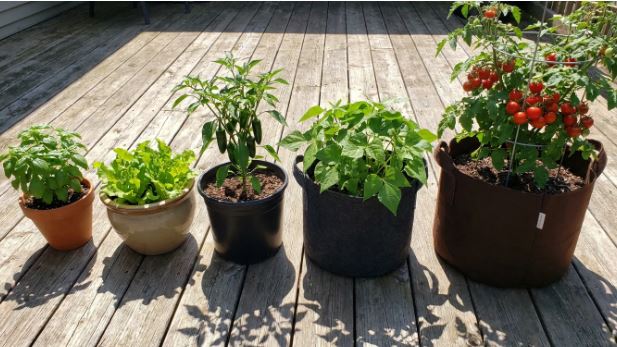
Fabric Pots vs. Rigid Plastic: While terracotta and plastic pots look neat, I prefer 2- to 3-gallon fabric Smart Pots for indoor tomatoes and peppers. Fabric containers allow air to reach the root zone from all sides, preventing root circling and boosting nutrient uptake.
4. Custom Indoor Potting Soil Mixes
Never use outdoor topsoil or generic ground dirt in your indoor pots. Native soil contains heavy clays that turn rock-hard in small containers, along with weed seeds, harmful bacteria, and insects that flourish once brought into a warm living room.
My Lightweight Indoor Potting Mix Recipe:
┌─────────────────────────────────────────────────────────┐
│  • 40% Coir (Coco Fiber) or Sphagnum Peat Moss          │
│  • 40% Perlite or Medium Vermiculite                    │
│  • 20% High-Grade Worm Castings or Aged Compost        │
└─────────────────────────────────────────────────────────┘
Coir provides clean moisture retention, perlite keeps the root zone loose and aerated, and worm castings supply gentle, non-burning organic nutrients that feed seedlings safely.
Deep Dive: The Best Vegetables to Grow Indoors
1. Loose-Leaf Lettuce (Lactuca sativa)
If you want quick, consistent harvests without taking up much floor space, loose-leaf lettuce is the best place to start. Unlike head lettuce, leaf varieties produce individual leaves that you can pick over a long season.
How I Grow Indoor Lettuce
-
Container: Long, shallow windowsill boxes or 6-inch deep round pots.
-
Light: 10 to 12 hours under LEDs or 5+ hours in a bright south- or east-facing window.
-
Sowing & Care: Direct-sow seeds 1/4 inch deep. Keep the top soil damp until germination (3 to 5 days). Thin plants so they sit 4 inches apart.
-
Harvest Strategy: Practice the “cut-and-come-again” method. Snip only the outer leaves 1 inch above the base, allowing the inner crown to keep generating new foliage. One pot yields fresh salad leaves every week for over two months.
2. Micro-Dwarf Tomatoes (Solanum lycopersicum)
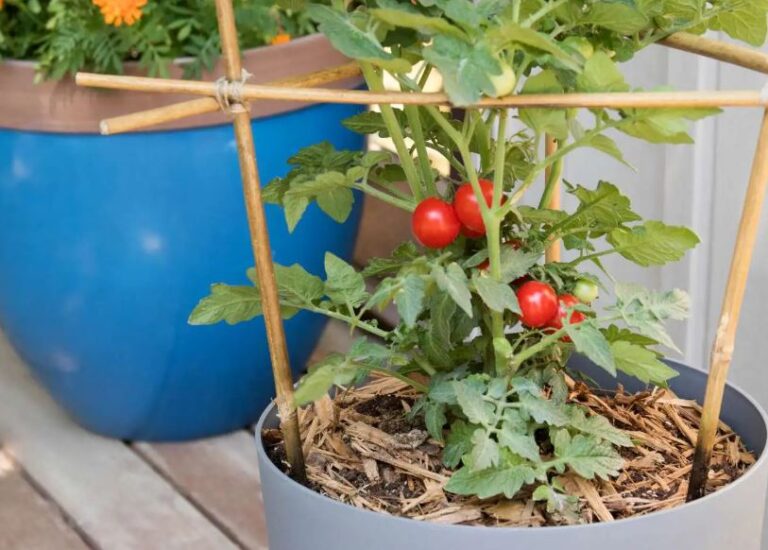
Standard tomato plants grow 6 feet tall and require giant 5-gallon buckets that dominate a living room. Micro-dwarf varieties, however, are bred to top out at just 8 to 12 inches tall while setting dozens of sweet, bite-sized fruits.
How I Grow Indoor Tomatoes
-
Best Indoor Varieties: ‘Tiny Tim’, ‘Micro Tom’, ‘Orange Hat’, and ‘Red Robin’.
-
Container: 1-gallon to 2-gallon pots (8 to 10 inches deep).
-
Light Requirement: High intensity. Position LED grow lights 4 to 6 inches above the top of the canopy for 14 to 16 hours daily.
-
Hand Pollination (Crucial Step): Outdoor tomatoes rely on wind and bees to release pollen. Indoors, you must act as the pollinator. Once yellow flowers open, gently tap the main stem or touch the back of each flower cluster with an electric toothbrush for 2 seconds. The light vibration shakes pollen free, ensuring fruit set.
3. Radishes (Raphanus sativus)
Radishes are fast, compact, and satisfying to grow indoors. They need minimal vertical space and go from seed to crunch in under a month.
How I Grow Indoor Radishes
-
Container: Any pot or plastic window trough with a minimum depth of 6 inches.
-
Sowing: Sow seeds 1/2 inch deep and immediately thin seedlings to 2 inches apart once they emerge. If you don’t thin them early, the roots will stay thin and stringy instead of swelling into crisp bulbs.
-
Moisture Management: Keep moisture steady. If the soil dries out completely and is then soaked, the radish bulbs will split open.
4. Microgreens
Microgreens are vegetable seeds (broccoli, radish, kale, sunflower) harvested right after their seed leaves expand. They pack intense flavor and concentrated nutrition into a tiny footprint.
How I Grow Indoor Microgreens
-
Setup: Shallow 2-inch deep seed trays without drainage (if watering carefully) or nested trays with bottom drainage.
-
Process: Spread seeds densely across the moist soil mix surface until it looks like sprinkles on a cake. Cover the tray with a book or inverted tray for 3 days to keep it in the dark (the “blackout phase”). Once stems reach 1 inch tall, uncover them and place under bright LED light for 5 to 7 days.
-
Harvest: Snip whole clusters with kitchen scissors right above the soil line when plants reach 2 inches tall.
5. Green Onions & Scallions (Allium fistulosum)
Green onions take up almost no horizontal space, making them ideal for filling gaps along the edges of larger indoor pots.
The Regrowth Shortcut
You do not need to start green onions from seed. When cooking, save the bottom 1 inch of store-bought scallions with the roots attached.
-
Place root ends upright in a small glass with 1/2 inch of water for 3 to 4 days until fresh white root hairs extend.
-
Transfer them into a 6-inch deep pot of potting soil, planting the white stem 1 inch deep.
-
Snip the green tops as needed for meals; they will regrow repeatedly throughout the year.
Step-by-Step Indoor Pot Setup Guide
Setting up an indoor pot correctly from day one prevents soil mess, water spills, and root issues later on. Here is my standard workflow:
Indoor Maintenance Routine & Nutrition
Because indoor container plants do not benefit from rain, natural wind, or outdoor insect activity, they rely entirely on you for nutrients, pollination, and pest management.
Feeding Indoor Containers
Frequent watering leaches nutrients out through the drainage holes over time. Since indoor soil volume is limited, feed your plants lightly but regularly.
-
Feeder Type: Use a liquid organic fertilizer, such as a fish hydrolysate and liquid kelp blend or a balanced indoor organic plant food.
-
Frequency: Apply diluted liquid fertilizer at half-strength once every 10 to 14 days during active growth.
-
Leafy Greens: Prefer higher nitrogen formulas ($5\text{-}2\text{-}2\ \text{N-P-K}$) to drive lush leaf growth.
-
Fruiting Crops (Tomatoes, Peppers): Switch to higher phosphorus and potassium formulas ($2\text{-}5\text{-}4\ \text{N-P-K}$) once flowers appear to encourage blossom retention and fruit development.
Hand-Pollination Made Simple
Fruiting plants must transfer pollen from their flower stamens to their pistils to set fruit. Outdoor gardens have bees and breezes; indoors, you handle this step yourself.
Hand Pollination Techniques:
┌────────────────────────────────────────────────────────────────────────┐
│  • Tomatoes/Peppers (Self-Fertile): Tap the main flower stem gently  │
│    or use a vibrating toothbrush handle against the flower cluster.    │
│  • Strawberries: Use a soft makeup brush or artist's paintbrush to    │
│    sweep gently inside every flower in a circular motion.              │
└────────────────────────────────────────────────────────────────────────┘
Preventing & Managing Indoor Pests
Indoor gardens do not attract large outdoor pests like hornworms or mammals, but small soft-bodied insects can thrive if introduced on outdoor soil or store-bought produce.
Common Indoor Pests & Solutions
-
Fungus Gnats: Small, dark flies hovering around moist soil. They breed in damp potting mix.
-
Solution: Let the top 2 inches of soil dry out between waterings. Place yellow sticky traps near pot rims and water with Bacillus thuringiensis israelensis (BTI) drops to target gnat larvae in the soil.
-
-
Spider Mites: Tiny reddish-brown mites that spin fine webbing under leaves, usually in warm, dry indoor air.
-
Solution: Increase room humidity, spray leaf undersides with cold water, and treat with organic insecticidal soap or diluted neem oil.
-
-
Aphids: Small green, black, or white insects clustering on tender new growth.
-
Solution: Wipe off with a damp cloth or spray with insecticidal soap every 3 days until clear.
-
4 Frequent Indoor Gardening Pitfalls to Avoid
-
Overwatering: The single biggest killer of potted indoor plants. Saturated soil starves roots of oxygen, causing yellowing leaves and root decay. Always feel the soil before reaching for the watering can.
-
Placing Grow Lights Too Far Away: Hanging grow lights 3 feet above plants causes them to stretch, producing long, weak, fall-over stems (“legginess”). Keep LEDs close to the plant canopy, adjusting height upward as plants grow.
-
Using Outdoor Garden Soil indoors: Brings pests, weed seeds, and heavy clays into your home. Stick strictly to sterile indoor potting mixes.
-
Ignoring Air Movement: Stagnant room air creates fungal spots and weak stems. Running a simple fan nearby makes a huge difference in plant health.
Frequently Asked Questions
Can I grow vegetables indoors without grow lights?
Leafy greens (lettuce, spinach, arugula) and herbs can grow on a bright south-facing windowsill that receives 5 to 6 hours of direct sunlight. However, fruiting crops like tomatoes and peppers require the higher intensity of supplemental LED grow lights to produce well.
How much does it cost to run grow lights indoors?
Modern LED grow lights are energy-efficient. A typical 40-watt LED fixture running 14 hours per day consumes about 0.56 kWh daily. At average residential electricity rates, this costs roughly $\$2.00 \text{ to } \$3.50$ per month per fixture.
What is the easiest indoor vegetable for a complete beginner?
Microgreens and loose-leaf lettuce are the easiest. Microgreens yield a harvestable crop in 10 to 14 days with simple trays, while loose-leaf lettuce grows easily on windowsills and provides weeks of continuous salad leaves.
How do I prevent white mold from forming on my indoor pot soil?
White surface mold is usually a harmless saprophytic fungus that feeds on decaying organic matter in wet soil. Reduce watering frequency, scrape off the top layer of mold, and improve air circulation around the pot with a small fan.

- How to Grow Microgreens Without Soil Indoors: Easy Home Method - October 5, 2026
- Microgreens vs. Sprouts: Key Differences, Nutrition, Safety, and Which One to Eat - October 5, 2026
- 10 Best Garden Tools For Weed Removal 2027 - October 3, 2026