Grape Tomato Plant Production Per Season: How to Get a Bigger Harvest
A healthy grape tomato plant can keep you supplied with fresh, flavorful tomatoes throughout a good growing season. The actual production varies from plant to plant because grape tomato yield depends on the variety, weather, sunlight, soil, watering, nutrition, and plant health.
Grape tomatoes are small, oval-shaped fruits with relatively firm flesh. Many varieties grow on vigorous vines and continue producing new flowers and fruit while growing conditions remain favorable. This makes them useful for home vegetable gardens, raised beds, and large containers.
Instead of focusing on one fixed harvest amount, gardeners should look at the factors that control production. A healthy plant with good sunlight, consistent moisture, fertile soil, and proper support has a better opportunity to produce a strong seasonal harvest.
| Production factor | Grape tomato plant |
|---|---|
| Fruit characteristics | Small, oval, firm fruits |
| Production pattern | Repeated flowering and fruiting when conditions are favorable |
How Grape Tomato Plants Produce Fruit
Flowering starts the production cycle
Grape tomato production begins when the plant develops flowers. After successful pollination, those flowers can develop into small green fruits. As the fruits grow, the plant continues producing new flowers and fruit clusters.
The number of flowers that successfully develop into tomatoes depends on temperature, plant health, pollination conditions, and available resources.
Fruit clusters develop along the vines
Grape tomatoes commonly develop in clusters. As the plant grows taller, new clusters can form along productive stems.
A vigorous plant may have several stages of development happening at the same time. Some fruit may be ripening while other flowers are just beginning to develop.
Indeterminate growth supports repeated harvests
Many grape tomato varieties are indeterminate. These plants continue growing new stems and flower clusters during suitable weather.
This growth habit can create a long harvest period compared with plants that produce fruit over a shorter, more concentrated period.
Important production factors
- Healthy flowering
- Successful pollination
- Strong stems and foliage
- Adequate sunlight
- Consistent soil moisture
- Suitable temperatures
What Determines Grape Tomato Production Per Season?
Variety genetics
The variety is one of the most important factors affecting production. Different grape tomato varieties can have different growth habits, fruit sizes, maturity times, and production patterns.
A variety selected for vigorous growth may behave differently from a compact container variety.
Growing season length
The longer a healthy plant can grow under suitable conditions, the more opportunities it has to produce flowers and fruit.
Cold temperatures, extreme heat, or frost can shorten the productive period.
Plant health
Healthy foliage supports photosynthesis and helps the plant produce the energy needed for growth and fruit development.
Pests, diseases, root problems, and severe nutrient deficiencies can reduce plant productivity.
Production depends on
- Tomato variety
- Local climate
- Length of suitable weather
- Plant health
- Soil condition
- Water availability
How Sunlight Affects Grape Tomato Production
Full sun supports healthy growth
Grape tomato plants need plenty of sunlight for strong growth and fruit production. A sunny location helps the plant produce energy through photosynthesis.
Plants grown in heavy shade may become weak or produce less fruit.
Morning sunlight is useful
A location that receives morning sun can help plants begin photosynthesis early in the day. Good airflow around the foliage is also helpful for maintaining healthier leaves.
Excessive heat can create stress
Tomatoes enjoy warmth, but extreme heat can interfere with flowering and fruit set. During very hot periods, plants may need closer attention to watering and soil moisture.
Improve sunlight exposure
- Choose an open garden location.
- Avoid heavy shade from buildings and trees.
- Keep tall plants from blocking smaller tomato plants.
- Give container tomatoes a sunny position.
- Monitor plants during extreme heat.
Watering Grape Tomato Plants for Better Production
Consistent moisture matters
Grape tomato plants need regular access to water, especially during flowering and fruit development. Uneven moisture can stress the plant and affect fruit quality.
The goal is not to keep the soil constantly soaked. Tomato roots need both moisture and oxygen.
Container plants need more attention
Grape tomatoes grown in containers can lose moisture faster than plants growing in the ground. Hot weather and wind can increase evaporation.
Check container moisture regularly and adjust watering according to weather and soil conditions.
Avoid severe dry and wet cycles
Allowing plants to become extremely dry and then heavily watering them can create unnecessary stress. Consistent moisture is generally easier on the plant.
Watering habits
- Check soil moisture before watering.
- Water deeply when the soil needs it.
- Avoid keeping soil constantly waterlogged.
- Water near the root zone.
- Mulch garden soil to help reduce moisture loss.
Soil and Fertilizer for Productive Grape Tomatoes
Healthy roots support production
Grape tomato plants perform best when their roots have access to suitable soil, water, air, and nutrients. Poor drainage can create root problems, while compacted soil can restrict root growth.
Nutrients support flowering and fruiting
Tomatoes need a range of nutrients throughout their growing cycle. Fertile soil provides a foundation, while fertilizer can supplement nutrients when needed.
Too much fertilizer can hurt
More fertilizer does not automatically mean more tomatoes. Excess nitrogen can encourage lush leaf growth while creating an imbalance between vegetative growth and fruit production.
Feeding basics
- Start with fertile, well-drained soil.
- Add suitable organic matter when appropriate.
- Use fertilizer according to plant and soil needs.
- Follow the product label.
- Avoid excessive nitrogen applications.
Supporting and Pruning Grape Tomato Plants
Support keeps vines manageable
Many grape tomato plants develop long, vigorous stems. Without support, vines can fall onto the soil and become difficult to manage.
A sturdy cage, trellis, or stake can keep the plant upright and make harvesting easier.
Pruning depends on the variety
Some gardeners prune indeterminate grape tomatoes to control growth and improve airflow. Others allow the plant to develop more naturally while using a strong trellis.
There is no single pruning method that works for every growing system.
Avoid excessive pruning
Tomato leaves are important because they capture sunlight and support photosynthesis. Removing too many healthy leaves can reduce the plant’s productive leaf area.
Simple maintenance
- Install support early.
- Tie stems loosely when needed.
- Remove damaged growth.
- Remove diseased foliage promptly.
- Avoid unnecessary heavy pruning.
Pollination and Fruit Set in Grape Tomatoes
Tomato flowers usually self-pollinate
Tomato flowers contain both male and female reproductive structures. Pollination can occur within the same flower, although movement from wind and pollinating activity can help distribute pollen.
Temperature affects fruit set
Very high or very low temperatures can interfere with successful pollination and fruit development.
This means a healthy plant may temporarily produce fewer tomatoes during stressful weather.
Air movement can help
Gentle movement of the plant can help release pollen. Gardeners growing tomatoes indoors or in sheltered spaces may need to pay closer attention to pollination.
Encourage good fruit set
- Provide suitable growing temperatures.
- Give plants good airflow.
- Avoid excessive nitrogen.
- Maintain consistent moisture.
- Encourage natural garden activity around flowering plants.
Harvesting Grape Tomatoes Throughout the Season
Harvest begins as fruit ripens
Grape tomatoes change color as they mature. Depending on the variety, ripe fruit may be red, yellow, orange, green-striped, or another mature color.
Harvesting at the appropriate stage gives the best balance of flavor and texture.
Regular harvesting keeps you involved
Once production begins, check plants frequently. Ripe grape tomatoes can be picked by hand with a gentle twist or by using clean garden scissors.
Watch for overripe fruit
Leaving ripe fruit on the plant for too long can lead to splitting, softening, pest damage, or fruit falling to the ground.
Good harvest habits
- Pick fruit when it reaches its mature color.
- Handle tomatoes gently.
- Check clusters regularly.
- Remove damaged fruit.
- Keep harvested tomatoes in a suitable storage location.
Common Problems That Reduce Grape Tomato Production
Extreme temperatures
Heat and cold can both interfere with flowering and fruit development. Plants may remain healthy but temporarily produce less during stressful weather.
Poor watering
Both severe dryness and waterlogged soil can affect plant health. Good drainage and consistent moisture are important.
Tomato diseases
Fungal, bacterial, and viral diseases can damage leaves, stems, and fruit. Early identification can help gardeners respond before problems become widespread.
Production problems to watch for
- Yellowing or damaged leaves
- Blossom drop
- Poor fruit set
- Splitting fruit
- Pest damage
- Root problems
- Disease symptoms
How to Maximize Grape Tomato Production
Choose the right variety
Start with a grape tomato variety that matches your climate and growing space. Check whether it is determinate or indeterminate and consider its expected mature size.
Give the plant enough room
Crowded plants can have poor airflow and compete for light. Proper spacing allows foliage to dry more easily and gives the plant room to develop.
Maintain steady care
Productive tomato plants benefit from consistent attention rather than occasional heavy intervention. Regular watering, feeding, training, and monitoring can make plant care easier.
Production checklist
- Choose a suitable variety.
- Plant in a sunny location.
- Use healthy, well-drained soil.
- Maintain consistent moisture.
- Provide strong support.
- Monitor pests and diseases.
- Harvest ripe tomatoes regularly.
FAQs About Grape Tomato Plant Production Per Season
How productive is a grape tomato plant?
Production varies by variety and growing conditions. Sunlight, temperature, water, soil fertility, plant health, and the length of the growing season all affect the final harvest.
Do grape tomato plants keep producing all season?
Many indeterminate grape tomato plants can continue producing new flowers and fruit throughout much of a suitable growing season. Production eventually slows when temperatures become unfavorable or the plant is affected by disease or other stress.
Do grape tomatoes need full sun?
Yes. Grape tomato plants generally perform best in a sunny location with plenty of direct light. Insufficient sunlight can reduce healthy growth and fruit production.
Does pruning increase grape tomato production?
Pruning can make vigorous plants easier to manage and may improve airflow, but excessive pruning can remove healthy leaves. The best approach depends on the variety and growing system.
How often should grape tomatoes be watered?
Watering frequency depends on soil, weather, plant size, and whether the tomato is growing in a container or garden bed. Check soil moisture and water thoroughly when the plant needs it.
Why is my grape tomato plant flowering but not producing fruit?
Poor fruit set can be related to temperature stress, pollination conditions, plant stress, excessive nitrogen, or other environmental factors. Look at the overall growing conditions rather than assuming the flowers themselves are the problem.
Can grape tomatoes grow in containers?
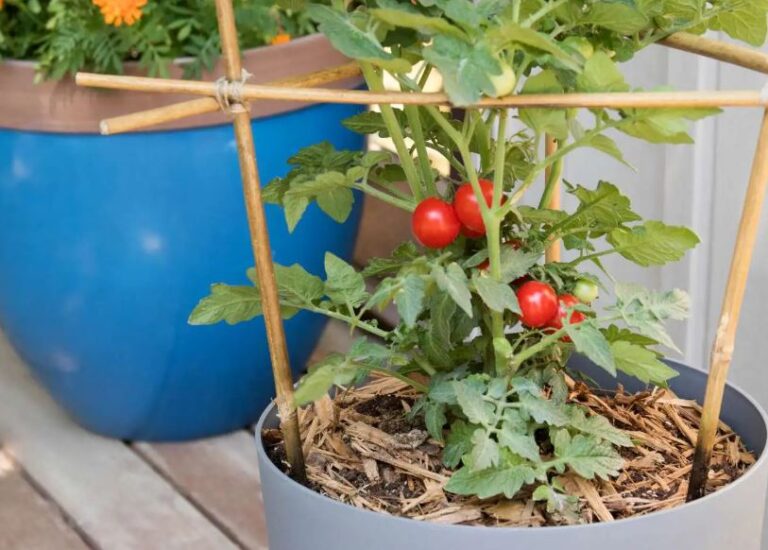
Yes. Many grape tomato varieties can grow successfully in containers. Choose a suitable container size, quality potting mix, good drainage, adequate sunlight, and a reliable support system.
Final Thoughts
Grape tomato plant production per season depends on the relationship between the plant’s genetics and its growing environment. A productive variety still needs adequate sunlight, water, nutrients, root space, support, and suitable temperatures.
Rather than expecting one fixed harvest from every grape tomato plant, focus on creating conditions that allow the plant to keep flowering, setting fruit, and ripening tomatoes throughout its productive period.
For the best results, choose a variety suited to your garden, give it plenty of sunlight, maintain consistent soil moisture, support the vines, and check the plant regularly. These simple habits can help your grape tomato plant reach its natural production potential.

- 10 Best Garden Hose For Year Round Greenhouse Use 2026 - October 21, 2026
- 10 Best Garden Hose For Dusty Environments 2026 - October 21, 2026
- 10 Best Garden Hose For Muddy Conditions 2026 - October 21, 2026