Cherry vs Grape Tomato: Which Plant Produces More Fruit?
If you are choosing between a cherry tomato plant and a grape tomato plant, you may wonder which one will give you more tomatoes. The answer is not as simple as choosing one fruit type. Both cherry and grape tomato plants can be highly productive, and the actual harvest depends heavily on the variety, growing conditions, and length of the growing season.
Cherry tomatoes are usually small and round, while grape tomatoes tend to be oval or elongated with firmer flesh. Both can grow on vigorous vines and produce multiple fruit clusters.
For gardeners, it is useful to compare fruit count, total harvest weight, plant growth, harvest period, and growing conditions rather than relying on the tomato type alone.
| Feature | Cherry Tomato | Grape Tomato |
|---|---|---|
| Fruit type | Small, round and juicy | Small, oval and firm |
| Production | Often abundant, variety-dependent | Often abundant, variety-dependent |
Which Tomato Plant Produces More Fruit?
Cherry tomato fruit production
Cherry tomato plants can produce many individual fruits because the fruit is relatively small. Vigorous varieties may develop numerous flower clusters as the plant continues growing.
However, not every cherry tomato variety has the same production pattern. Some are compact, while others develop long vines and continue producing throughout a suitable season.
Grape tomato fruit production
Grape tomato plants can also produce large quantities of fruit. Their oval fruits often develop in clusters along vigorous stems.
Some grape tomato varieties have long harvest periods, particularly when they are indeterminate.
Variety matters more than the name
“Cherry” and “grape” describe fruit types rather than one specific plant. The genetics of an individual variety can strongly influence production.
A highly productive grape variety can produce more fruit than a less productive cherry variety, and the opposite can also happen.
What affects fruit production?
- Variety genetics
- Plant growth habit
- Sunlight
- Water
- Soil fertility
- Temperature
- Disease pressure
Cherry Tomato Plant Growth and Fruit Production
Indeterminate cherry tomatoes
Many cherry tomato varieties are indeterminate. These plants continue growing new stems and producing flower clusters while weather remains favorable.
This can give gardeners a long harvest period.
Compact cherry varieties
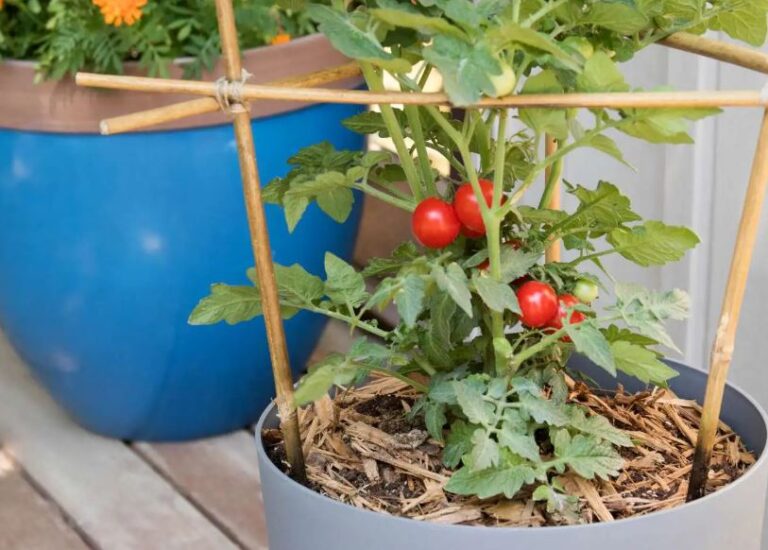
Some cherry tomato plants have a more compact growth habit. These can be useful for containers, patios, balconies, and smaller vegetable gardens.
Their smaller size does not automatically mean poor production.
Fruit clusters
Cherry tomatoes commonly form clusters of small fruits. A healthy plant may have flowers, developing fruit, and ripe tomatoes at the same time.
Conditions that support production
- Plenty of sunlight
- Healthy soil
- Consistent moisture
- Suitable temperatures
- Good plant support
Grape Tomato Plant Growth and Fruit Production
Vigorous grape tomato vines
Many grape tomato varieties develop vigorous vines. Indeterminate types can continue producing new growth and fruit clusters for an extended period.
Firm fruit develops in clusters
Grape tomatoes commonly grow in clusters along productive stems. Their firm texture makes them useful for salads, roasting, cooking, and fresh eating.
Plant size varies
Some grape tomato plants are compact, while others can become large. Always check the characteristics of the specific variety before planting.
Keep productive vines healthy
- Give plants enough growing space.
- Provide sturdy support.
- Maintain consistent moisture.
- Monitor foliage for disease.
- Harvest ripe fruit regularly.
Fruit Count vs Total Tomato Yield
More tomatoes does not always mean more weight
A plant can produce a large number of small fruits without having the greatest total harvest weight. Another plant may produce fewer fruits that are individually larger.
This is why fruit count and total weight should be treated as separate measurements.
Cherry tomato fruit count
Cherry tomatoes are small, so a productive plant can produce many individual tomatoes. This can make the harvest appear especially large when the fruit is counted.
Grape tomato fruit weight
Grape tomatoes are often slightly more elongated and firm. Depending on the variety, individual fruit size can vary considerably.
Compare production properly
- Count individual fruits if fruit number matters to you.
- Weigh harvested tomatoes for total production.
- Compare plants grown under similar conditions.
- Record harvests throughout the season.
Does Plant Size Affect How Much Fruit It Produces?
Larger plants have more productive growth
A vigorous plant can develop more stems, leaves, flowers, and fruit clusters. However, plant size alone does not guarantee a larger harvest.
The plant needs sufficient resources to support that growth.
Smaller plants can still be productive
Compact varieties can produce a useful harvest from a relatively small space. This makes them attractive for container gardeners.
Root space matters
Tomato plants need enough root space to access water and nutrients. A container that is too small can dry quickly and make plant management more difficult.
Managing plant growth
- Give plants suitable spacing.
- Use a strong support system.
- Avoid excessive crowding.
- Match containers to mature plant size.
- Keep foliage reasonably healthy.
How Sunlight Affects Cherry and Grape Tomato Production
Both need strong light
Cherry and grape tomato plants need adequate sunlight for photosynthesis, flowering, and fruit development.
Plants grown in heavy shade may become weak and produce less fruit.
Heat can change fruit production
Tomatoes grow well in warm conditions, but extreme heat can interfere with flowering and fruit set. During hot weather, consistent soil moisture becomes especially important.
Good airflow supports plant health
Spacing plants properly allows air to move through the foliage. This can help reduce prolonged leaf wetness and makes plant maintenance easier.
Improve growing conditions
- Choose a sunny planting site.
- Avoid heavy shade.
- Leave sufficient space between plants.
- Monitor plants during extreme heat.
- Keep foliage reasonably open.
Water and Nutrition for Better Tomato Production
Consistent water supports growth
Both tomato types need regular access to moisture. Severe fluctuations between very dry and very wet soil can stress the plant.
Container-grown tomatoes may need more frequent monitoring because potting mix can dry quickly.
Fertility affects fruit production
Tomato plants need nutrients for healthy leaves, flowers, roots, and fruit. Good soil provides the foundation for productive growth.
Too much fertilizer is not better
Excessive nitrogen can encourage lush foliage without creating the desired balance between vegetative growth and fruit production.
Good care practices
- Use fertile, well-drained soil.
- Maintain reasonably consistent moisture.
- Apply fertilizer according to plant needs.
- Avoid excessive nitrogen.
- Monitor plant growth throughout the season.
Harvest Period and Continued Fruit Production
Cherry tomatoes can have a long harvest
Many indeterminate cherry tomato plants continue flowering and producing fruit while conditions remain favorable.
Regular harvesting allows gardeners to enjoy fruit as it ripens.
Grape tomatoes can also produce continuously
Indeterminate grape varieties can follow a similar production pattern. New flowers can appear while earlier fruit is still ripening.
Weather controls the harvest window
Extreme heat, cold, frost, drought, disease, or other stress can shorten the productive period.
Extend useful production
- Choose varieties suited to your climate.
- Protect plants from severe environmental stress.
- Maintain good soil moisture.
- Harvest ripe fruit regularly.
- Monitor for pests and diseases.
How to Get More Fruit From Either Tomato Plant
Start with suitable genetics
If fruit production is your main goal, choose a variety known for productive growth and make sure it fits your local growing conditions.
Support vigorous plants
A cage, stake, or trellis can keep long vines off the ground. Good support also makes it easier to inspect flowers and fruit.
Prune carefully
Selective pruning can help manage vigorous plants, but removing too many healthy leaves can reduce the plant’s ability to capture sunlight.
Productive-garden checklist
- Choose a suitable cherry or grape variety.
- Provide plenty of sunlight.
- Use fertile soil.
- Maintain consistent moisture.
- Give plants adequate root space.
- Provide strong support.
- Watch for pests and diseases.
- Harvest ripe tomatoes regularly.
Cherry or Grape Tomato: Which Is More Productive?
There is no universal winner
Neither cherry nor grape tomatoes are guaranteed to produce more fruit in every garden. Production depends heavily on the individual variety and growing environment.
Cherry tomatoes can produce many fruits
Their small fruit size means a productive plant can produce a large number of individual tomatoes. Some varieties are especially vigorous and continue producing for a long period.
Grape tomatoes can also be highly productive
Grape tomato plants can produce many fruit clusters and maintain production under favorable conditions. Their firm fruit is also convenient for repeated harvesting.
The best comparison is variety to variety
- Compare specific varieties rather than fruit categories.
- Check growth habit.
- Consider the local growing season.
- Compare fruit count and total weight.
- Track your own garden results.
FAQs About Cherry vs Grape Tomato Production
Which tomato plant produces more fruit, cherry or grape?
Neither type consistently produces more fruit in every situation. Both can be highly productive, and variety genetics and growing conditions strongly influence the harvest.
Do cherry tomatoes produce more individual tomatoes?
They can produce a large number of individual fruits because cherry tomatoes are small. However, the actual fruit count depends on the variety and growing conditions.
Are grape tomatoes more productive by weight?
Not necessarily. Total weight depends on fruit size, number of fruits, variety, plant health, and length of the growing season.
Which tomato is better for a small garden?
Both can work in small gardens. Compact cherry or grape varieties can be particularly useful for containers and limited spaces.
Do cherry and grape tomatoes need the same care?
Their basic needs are similar. Both need sunlight, water, suitable soil, nutrients, and protection from pests and diseases. Their mature plant size and support requirements can differ by variety.
Does pruning make tomato plants produce more fruit?
Pruning can help manage vigorous plants, but heavy pruning does not automatically increase fruit production. The correct approach depends on the variety and growing system.
How can I compare two tomato plants fairly?
Grow both varieties under similar conditions and record the harvest. Compare both the number of fruits and their total weight rather than relying on appearance alone.
Final Thoughts
So, which tomato plant produces more fruit: cherry or grape? There is no single answer that applies to every variety or garden.
Cherry tomatoes can produce many individual fruits because of their small size, while grape tomatoes can also produce abundant clusters over a long growing season. The variety, plant growth habit, sunlight, water, soil, temperature, and pla

- 10 Best Saltwater Resistant Garden Hose 2026 - October 20, 2026
- 25 Tiny Backyard Patio Garden Ideas to Create a Beautiful Small Outdoor Space - October 20, 2026
- 21 Shade Garden Ideas for Small Backyards That Look Beautiful All Year - October 20, 2026