How Many Cherry Tomatoes Does One Plant Produce in a Season?
A healthy cherry tomato plant can produce a surprisingly large harvest during a suitable growing season. However, there is no single number that applies to every plant. Cherry tomato production per season depends on the variety, plant type, growing season, sunlight, soil, watering, nutrition, temperature, and disease pressure.
Indeterminate cherry tomato plants often keep growing and producing new flower clusters for much of the season. Compact or determinate varieties may produce a more concentrated crop. Fruit size also matters. A plant producing hundreds of small tomatoes can have a very different total weight from one producing larger cherry fruits.
| Production factor | What gardeners can expect |
|---|---|
| Fruit count | Can range widely by variety and growing conditions |
| Total harvest | Depends on plant genetics, fruit size, season length, and care |
1. How Many Cherry Tomatoes Can One Plant Produce?
Fruit count varies by variety
There is no reliable universal number for every cherry tomato plant. Some varieties produce relatively small clusters, while vigorous varieties can develop many flower clusters over a long growing season.
Indeterminate plants can keep producing
Many cherry tomato varieties are indeterminate. Their vines continue growing while producing new flowers and fruit when temperatures and growing conditions remain favorable.
Fruit size changes the calculation
Counting tomatoes does not tell the entire story. A plant producing many tiny fruits may have a different total harvest weight from a plant producing fewer, larger cherry tomatoes.
What controls production?
- Variety genetics
- Length of the growing season
- Sunlight exposure
- Soil fertility
- Water availability
- Pest and disease pressure
2. Cherry Tomato Yield Per Plant by Weight
Why weight is useful
Gardeners often find total weight more useful than fruit count when comparing varieties. Weight provides a clearer measurement of the actual harvest produced by each plant.
Small fruits can add up
Cherry tomatoes are small, but a productive plant can produce many fruits. Harvesting several times per week during peak production can quickly add up to a substantial total.
Variety affects fruit weight
Not every cherry tomato is the same size. Some produce very small fruits, while others are closer to the larger end of the cherry tomato range.
Track your harvest
- Weigh each harvest.
- Record the date.
- Keep separate records for each variety.
- Add the harvest weights at the end of the season.
3. How Long Do Cherry Tomato Plants Produce?
Indeterminate cherry tomatoes
Indeterminate plants can continue growing and setting fruit as long as environmental conditions remain suitable. This can create a long harvest window.
Determinate cherry tomatoes
Determinate plants generally have a more limited growth pattern. Their fruit production can be concentrated into a shorter period.
Weather controls the season
Temperature has a major relationship with tomato production. Extreme heat, cold, or frost can slow or stop flowering and fruit development.
A long harvest depends on
- Suitable temperatures
- Healthy foliage
- Regular moisture
- Adequate nutrition
- Protection from major diseases
4. What Makes a Cherry Tomato Plant Highly Productive?
Genetics come first
The variety’s genetic characteristics strongly influence fruit production. Some varieties are bred or selected for heavy production, while others may focus on flavor, color, compact growth, or other traits.
Sunlight supports production
Cherry tomatoes need good sunlight for strong growth and fruit development. Plants growing in excessive shade may produce less.
Healthy roots matter
A strong root system helps the plant access water and nutrients. Poor drainage or severely restricted roots can interfere with healthy growth.
Productive-plant checklist
- Select a variety suited to your climate.
- Give the plant sufficient sunlight.
- Use fertile, well-drained soil.
- Maintain consistent soil moisture.
- Provide adequate support.
5. Does Plant Size Affect Cherry Tomato Production?
Larger vines can carry more growth
A vigorous indeterminate plant can develop many stems, leaves, flowers, and fruit clusters. However, bigger does not automatically mean more productive.
Small plants can still produce well
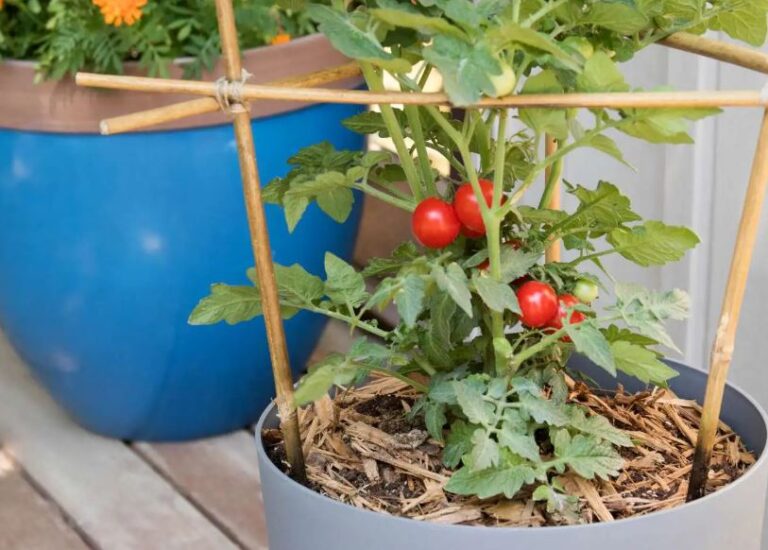
Compact cherry tomato varieties can produce a useful harvest despite having a smaller footprint. They can be practical for patios, balconies, and containers.
Root space also matters
Container plants need enough room for their roots. A very small pot can dry quickly and make it harder to maintain consistent growing conditions.
Manage plant size
- Use suitable support.
- Avoid excessive crowding.
- Train long vines when needed.
- Keep foliage reasonably open.
- Match the container to the plant’s mature size.
6. How Sunlight and Water Affect Seasonal Yield
Sunlight and fruit development
Adequate sunlight provides the energy plants need for photosynthesis. Strong, healthy growth supports flowering and fruit production.
Water consistency matters
Cherry tomato plants need regular access to water. Large swings between very dry and very wet soil can stress plants.
Containers need extra attention
Container-grown cherry tomatoes can lose moisture faster than plants growing in the ground. Hot, windy conditions can increase this effect.
Watering habits that help
- Check soil moisture regularly.
- Water thoroughly when needed.
- Avoid repeatedly allowing plants to become severely dry.
- Use mulch around garden-grown plants.
- Make sure containers have drainage holes.
7. Can Fertilizer Increase Cherry Tomato Production?
Plants need balanced nutrition
Cherry tomato plants need essential nutrients for vegetative growth, flowering, and fruit development. Soil fertility and fertilizer management should work together.
Too much fertilizer can cause problems
More fertilizer does not always mean more tomatoes. Excessive nitrogen, for example, can encourage leafy growth rather than a balanced combination of foliage and fruit production.
Feeding depends on the soil
A soil test can help identify nutrient conditions. Fertilizer should be used according to the needs of the soil and the product’s directions.
Feeding basics
- Start with fertile soil.
- Add organic matter when appropriate.
- Follow fertilizer label directions.
- Avoid excessive nitrogen.
- Monitor plant growth and leaf condition.
8. Does Pruning Increase Cherry Tomato Production?
Pruning can improve plant management
For vigorous indeterminate cherry tomatoes, selective pruning can make long vines easier to manage. It can also improve airflow through dense growth.
Too much pruning can remove useful leaves
Tomato leaves contribute to photosynthesis. Removing large amounts of healthy foliage can reduce the plant’s productive leaf area.
Support and training are often more important
A strong trellis or cage keeps vines organized and prevents branches from collapsing under the weight of fruit.
Simple pruning approach
- Remove damaged or diseased leaves.
- Train vines onto their support.
- Remove selected suckers if appropriate for your system.
- Avoid stripping the plant of healthy foliage.
9. How to Get More Cherry Tomatoes From Each Plant
Start with the right variety
Choose a variety that fits your climate, growing space, and desired harvest period. A variety that matures within your local growing season has a better opportunity to complete its production cycle.
Protect the plant from stress
Pests, diseases, poor watering, nutrient problems, and extreme temperatures can all reduce production.
Harvest regularly
Picking ripe tomatoes regularly allows you to use the crop at its best and keeps the plant under close observation for new flowers and fruit.
Practical yield tips
- Choose a productive variety suited to your area.
- Plant in a sunny location.
- Give roots enough space.
- Keep moisture reasonably consistent.
- Support long vines.
- Check plants regularly for pests and disease.
- Harvest ripe fruit frequently.
10. When Does Cherry Tomato Production Peak?
Early-season production
After transplanting and establishment, plants need time to grow before producing a significant harvest. Early production is often lighter than peak-season production.
Peak production period
Once a healthy plant has developed multiple flowering and fruiting clusters, harvests can become much heavier. The exact timing depends on variety and climate.
Late-season production
Production may continue until unfavorable temperatures, disease, frost, or another major environmental factor ends the growing cycle.
Signs of strong production
- Multiple fruit clusters developing.
- Regular flowering.
- Healthy green foliage.
- New fruit forming as older fruit ripens.
- Frequent harvests during peak periods.
FAQs About Cherry Tomato Plant Production Per Season
How many cherry tomatoes does one plant produce per season?
The number varies widely by variety and growing conditions. Fruit count alone is not a reliable way to compare plants because cherry tomato size also varies.
How much can one cherry tomato plant yield?
Seasonal yield depends on genetics, fruit size, growing season length, sunlight, water, nutrition, and plant health. Measuring total harvest weight gives a useful record for comparison.
Do cherry tomato plants produce all summer?
Many indeterminate cherry tomato plants can produce throughout much of the growing season when temperatures and growing conditions remain favorable.
Do cherry tomatoes produce more than regular tomatoes?
Cherry tomatoes can produce a large number of individual fruits because their fruits are small. However, total production by weight depends on the specific varieties being compared.
How can I increase cherry tomato production?
Provide sufficient sunlight, fertile soil, consistent moisture, suitable nutrition, good support, and regular monitoring for pests and diseases. Choosing a productive variety suited to your climate is also important.
Does picking cherry tomatoes encourage more fruit?
Regular harvesting helps you monitor the plant and use ripe fruit at the right stage. Continued production ultimately depends on the plant’s variety and growing conditions.
Can a cherry tomato plant produce more than one crop?
A healthy indeterminate plant can continue producing multiple rounds of flowers and fruit during a suitable growing season. This is better described as continuous or successive production rather than separate crops.
Final Thoughts
Cherry tomato plant production per season can vary greatly from one garden to another. The variety, plant type, climate, sunlight, water, soil, nutrition, and disease pressure all influence the final harvest.
If you want to know exactly how productive your plants are, keep a simple harvest record. Count the fruit if that measurement interests you, but also weigh each harvest. At the end of the season, you will have a much clearer picture of how many tomatoes each plant actually produced.
For future seasons, use those records to compare varieties grown under similar conditions. This gives you useful, garden-specific information rather than relying on a single production number.

- 10 Best Garden Hose For Winter Greenhouse Watering 2026 - October 20, 2026
- 10 Best Garden Hose For Snow And Ice 2026 - October 20, 2026
- 10 Best Garden Hose For Below Freezing Temperatures 2026 - October 20, 2026