When I planted my very first container garden on a cramped 4-foot balcony, I made every rookie mistake in the book. I bought oversized tomato plants that outgrew their containers, picked varieties that took 90 agonizing days to yield a single bite, and used heavy topsoil from my yard that turned into concrete after two waterings.
It was frustrating, messy, and almost made me give up.
Everything changed when I discovered fast-growing container crops. Selecting high-speed, compact vegetables allowed me to harvest fresh, home-grown produce in as little as two to three weeks. If you are starting out with container gardening, you do not need acres of land or years of green-thumb experience. You just need the right fast-turnaround crops, proper pots, and a few fundamental habits.
This comprehensive guide breaks down the fastest-growing vegetables you can cultivate in pots, backed by my personal trial-and-error, exact growth timelines, container specs, and step-by-step care routines.
Quick Reference: Fastest Potted Vegetables at a Glance
If you are looking for an immediate snapshot of what to plant today for the quickest harvest, here is my fast-crop matrix based on years of container testing:
| Vegetable | Variety Recommendation | Days to Harvest | Min. Pot Depth | Sun Requirement | Best Harvest Strategy |
| Radishes | French Breakfast, Cherry Belle | 21–28 Days | 6 Inches | Full Sun (6+ hrs) | Pull whole root when 1″ wide |
| Microgreens | Broccoli, Radish Mix, Kale | 10–14 Days | 2–3 Inches | Bright Window / 4 hrs | Snip above soil line |
| Green Onions | Evergreen Hardy White, Scallions | 14–21 Days | 6 Inches | Partial to Full Sun | Cut tops, leave 1″ base to regrow |
| Arugula | Astro, Slow Bolt | 21–30 Days | 6 Inches | Partial Shade to Sun | Cut-and-come-again leaves |
| Loose-Leaf Lettuce | Salad Bowl, Red Sails, Black Seeded Simpson | 30–35 Days | 6–8 Inches | 4–6 Hours Direct Sun | Harvest outer leaves weekly |
| Baby Spinach | Space, Bloomsdale | 30–35 Days | 6–8 Inches | Partial Sun (4 hrs) | Pick outer leaves young |
| Baby Bok Choy | Extra Dwarf Pak Choy, Toy Choy | 30–35 Days | 6–8 Inches | Partial Sun (4–6 hrs) | Cut whole head or individual stalks |
| Baby Kale | Lacinato (Dino), Red Russian | 25–35 Days | 8 Inches | Full Sun to Partial Shade | Harvest tender baby leaves |
| Bush Snap Beans | Contender, Provider, Blue Lake Bush | 45–50 Days | 10–12 Inches | Full Sun (6–8 hrs) | Pick continuously when pods snap |
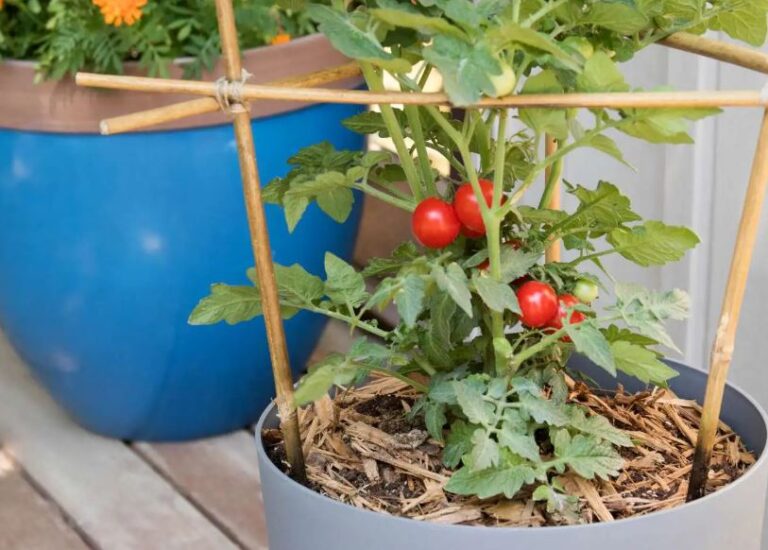
| Dwarf Cherry Tomato | Tiny Tim, Micro Tom | 50–60 Days | 8–10 Inches | Full Sun (8 hrs) | Pick fully ripe red fruits |
The Top 10 Fast-Growing Potted Vegetables for Beginners
1. Radishes (Raphanus sativus) — 21 to 28 Days
If you want instant gratification, radishes are the absolute king of fast container gardening. They germinate in as few as 3 to 4 days, and you will be harvesting crisp, peppery roots in under a month.
My Growing Tips for Radishes in Pots
-
Container Depth: 6 inches is plenty. Radishes have shallow root systems, so width matters more than depth. I like using wide, rectangular window boxes or shallow pans.
-
Sowing Method: Sow seeds directly into your potting mix about $1/2$ inch deep and 1 to 2 inches apart. Do not bother transplanting radishes; their taproots hate being disturbed.
-
The Secret to Success: Thin early. As soon as seedlings reach 1 inch tall, snip out the weaker ones so the remaining plants are spaced 2 inches apart. If they are crowded, you will get lush green tops but zero radish bulb underneath.
-
Soil Preference: Loose, fluffy potting soil with minimal nitrogen. Too much nitrogen causes leafy growth with tiny, stringy roots.
2. Microgreens — 10 to 14 Days
Microgreens are simply vegetable seeds harvested right after their first true leaves appear. They contain up to 40 times the nutrient density of mature greens and require almost no space.
My Growing Tips for Microgreens
-
Container Depth: 2 to 3 inches. A simple seed tray, pie dish, or recycled takeout container with drainage holes drilled in the bottom works perfectly.
-
Sowing Method: Broadcast seeds densely across the soil surface—they should almost touch, like sprinkles on a cake. Cover with a paper-thin layer of potting mix or vermiculite, then mist heavily.
-
Light & Water: Keep them covered in the dark for 3 days until they sprout, then move them to a sunny sill or under a simple LED desk lamp. Bottom-water by placing the tray in a shallow saucer of water so you don’t knock down the delicate stems.
3. Loose-Leaf Lettuce (Lactuca sativa) — 30 to 35 Days
Head lettuce (like Iceberg or Romaine) takes 60 to 75 days to form a head, but loose-leaf varieties let you harvest baby greens in just 30 days using the “cut-and-come-again” method.
My Growing Tips for Leaf Lettuce
-
Container Depth: 6 to 8 inches. Lettuce has shallow, fibrous roots. A shallow 12-inch wide pot can easily support 4 to 5 individual plants.
-
Varieties I Trust: ‘Black Seeded Simpson’ (light green, crisp), ‘Red Sails’ (gorgeous burgundy leaves), and ‘Oakleaf’.
-
Harvest Technique: Never pull the entire plant out. Use clean scissors to snip the outer leaves about an inch above the crown. The plant will regenerate new leaves from the center, giving you 3 to 4 separate harvests from a single pot.
4. Green Onions / Scallions (Allium fistulosum) — 14 to 25 Days
Green onions are virtually indestructible. They take up almost no horizontal space, making them ideal for tucking into the corners of larger pots alongside other crops.
My Growing Tips for Green Onions
-
The Kitchen Scrap Shortcut: You don’t even need seeds to start. Buy a bundle of scallions from the grocery store, trim off the green tops for cooking, and submerge the white root bases in water for 3 days until roots extend. Plant them directly into container soil 1 inch deep.
-
Container Specs: Any pot 6 inches deep. You can plant 15 to 20 scallions in a small 8-inch pot because their footprint is so vertical.
-
Regrowth Routine: Snip the green shoots as needed for kitchen use. As long as you leave 1 to 2 inches of white stem above the soil line, they will regrow endlessly throughout the season.
5. Arugula / Rocket (Eruca vesicaria) — 21 to 30 Days
Arugula provides a sharp, peppery punch to salads and pizzas. It thrives in cooler temperatures and grows at breakneck speeds during early spring or autumn.
My Growing Tips for Arugula
-
Container Depth: 6 inches.
-
Temperature Management: Arugula loves cool weather ($55^\circ\text{F}$ to $70^\circ\text{F}$). If exposed to extreme summer heat, it will “bolt” (flower and turn bitter). Place your arugula pot in afternoon shade during hotter months to prolong harvest yields.
-
Harvest: Pick young leaves when they reach 3 to 4 inches long for maximum tenderness and a mild, nutty pepper flavor.
6. Baby Spinach (Spinacia oleracea) — 30 to 35 Days
Store-bought bagged spinach goes bad in the fridge within days, but growing baby spinach in pots gives you an ongoing supply of super-fresh greens right outside your kitchen door.
My Growing Tips for Baby Spinach
-
Container Depth: 6 to 8 inches.
-
Sowing: Sow seeds 1/2 inch deep, spaced 2 inches apart. Spinach seeds have hard outer coats, so soaking them in warm water for 2 hours before planting speeds up germination significantly.
-
Lighting: Spinach handles lower light better than most fruiting vegetables. If you only get 4 hours of indirect sunlight on a patio, spinach will still produce reliably.
7. Bush Snap Beans (Phaseolus vulgaris) — 45 to 50 Days
While pole beans require tall trellises and months to produce, bush beans remain compact (12 to 18 inches tall) and produce heavy clusters of crisp bean pods within 7 weeks.
My Growing Tips for Bush Beans
-
Container Depth: 10 to 12 inches deep. Bush beans need a sturdy base to anchor their heavy leaf canopy.
-
Sowing: Plant seeds directly into the pot 1 inch deep. Space them 4 inches apart (about 3 to 4 plants per 12-inch container).
-
The Golden Rule: Harvest daily once pods appear. The more green beans you pick, the more flowers the plant sets, dramatically extending your overall harvest window.
8. Baby Bok Choy (Brassica rapa var. chinensis) — 30 to 35 Days
Bok Choy is one of the most underrated container vegetables. Miniature varieties like ‘Extra Dwarf Pak Choy’ form tight, crisp, juicy stems in just over a month.
My Growing Tips for Bok Choy
-
Container Depth: 6 to 8 inches.
-
Watering Needs: Bok Choy requires consistent moisture to keep its succulent stalks sweet and crunchy. Never let the container soil dry out completely.
-
Pest Protection: Flea beetles love brassica leaves. I keep my potted Bok Choy covered with a lightweight floating row cover mesh until harvest to keep leaves pristine without chemical sprays.
9. Baby Kale (Brassica oleracea var. acephala) — 25 to 35 Days
Full-grown kale heads take months, but growing kale as a “baby leaf” crop yields sweet, tender salad greens in under 30 days.
My Growing Tips for Baby Kale
-
Varieties: ‘Red Russian’ (tender, oak-leaf shape with purple stems) or ‘Lacinato’ (Dino kale).
-
Container Setup: 8-inch depth. Sow seeds closely (1 inch apart) and cut the entire canopy when leaves reach 3 to 5 inches tall. The roots will shoot up a second and third flush of leaves.
-
Frost Tolerance: Kale actually gets sweeter after a mild frost because cold temperatures prompt the plant to convert starches into sugars.
10. Dwarf Cherry Tomatoes (Solanum lycopersicum) — 50 to 60 Days
Standard tomato plants require 5-gallon buckets and grow 6 feet tall, taking 80+ days to fruit. However, micro-dwarf tomato varieties (like ‘Tiny Tim’ or ‘Micro Tom’) grow only 8 to 12 inches tall and set ripe fruit in under 60 days.
My Growing Tips for Dwarf Tomatoes
-
Container Depth: 8 to 10 inches.
-
Sunlight: Tomatoes are sun worshippers. They need a minimum of 6 to 8 hours of direct, unfiltered sunlight daily.
-
Fertilization: Once yellow blossoms appear, feed weekly with an organic liquid fertilizer higher in phosphorus and potassium (like a liquid kelp/fish hydrolysate blend) to boost fruit set.
Step-by-Step Guide: Setting Up Container Pots for Speed
Fast growth requires an ideal environment. When plants are grown in pots, their roots cannot spread out into native soil to search for moisture or nutrients—they rely entirely on the ecosystem you create inside the container.
Pro Strategies for Maximum Yield in Minimal Space
Over years of container gardening, I have perfected three techniques that dramatically multiply yields without expanding container footprints:
1. Master Succession Planting
Instead of planting an entire seed packet of radishes or lettuce on day one, sow a small batch every 7 to 10 days. This simple shift eliminates harvest gluts and ensures a continuous, fresh supply of baby greens and radishes all season long.
2. Practice Cut-and-Come-Again Harvesting
Never pull up leafy green plants by the roots unless you need the space. By snipping outer leaves 1 inch above the central crown, you stimulate the plant’s growth center to throw up fresh leaves. A single pot of salad greens can yield up to four separate harvests over 6 weeks.
Pro Insight: When harvesting cut-and-come-again greens, harvest in the early morning when water pressure in plant cells is highest. Leaves will stay crisp and hydrated much longer in the fridge.
3. Harness Urban Microclimates
Pay close attention to heat-reflecting surfaces around your patio or balcony.
-
Brick walls and concrete floors absorb heat during the day and radiate it back at night, creating warm microclimates that speed up heat-loving crops like dwarf tomatoes and bush beans.
-
Cool-weather greens (spinach, lettuce, arugula) perform better tucked behind larger pots or placed near wooden balustrades that provide soft afternoon shade.
4 Common Beginner Mistakes to Avoid
-
Overwatering & Under-draining: Yellowing leaves and wilting can actually be signs of overwatering, not underwatering. Saturated soil starves roots of oxygen. Always ensure drainage holes are completely unobstructed.
-
Ignoring Sun Orientation: Fast growth requires energy. Greens need at least 4 to 5 hours of sun; fruiting crops like beans and tomatoes need 6 to 8 hours. If your balcony faces north or receives shade from high-rise buildings, supplement with a basic LED grow light indoors.
-
Using Containers That Are Too Small: Planting bush beans or tomatoes in a tiny 4-inch pot will stunt root growth, cause rapid drying, and severely delay harvest times. Match the crop to the minimum pot depths listed in our reference table above.
-
Fertilizer Overdosing: Synthetic fertilizers with high nitrogen numbers can burn delicate container roots. Stick to organic, slow-release fertilizers or diluted liquid seaweed feeds.
Frequently Asked Questions
What is the absolute fastest vegetable to grow in a container?
Microgreens are the fastest, taking just 10 to 14 days from seed to plate. Among mature root vegetables, radishes (specifically ‘French Breakfast’ or ‘Cherry Belle’ varieties) are the fastest, reaching harvestable size in 21 to 25 days.
Can I grow fast vegetables in pots indoors?
Yes! Leafy greens, green onions, microgreens, and radishes perform exceptionally well indoors on a south-facing windowsill or under a modest LED grow light placed 6 to 12 inches above the canopy for 12 to 14 hours per day.
Do I need to put gravel or rocks in the bottom of my pots for drainage?
No, this is a common myth. Adding a layer of gravel or rocks to the bottom of a container creates a “perched water table,” which actually raises the moisture level higher into the root zone and reduces root space. Fill the entire container with a uniform, lightweight potting mix from top to bottom.
Why are my potted seedlings long, tall, and falling over?
This condition is called “legginess.” It happens when seedlings do not receive enough direct light, causing them to stretch desperately toward the light source. Move your pots to a sunnier location or lower your grow light closer to the tops of the plants.

- How to Grow Microgreens Without Soil Indoors: Easy Home Method - October 5, 2026
- Microgreens vs. Sprouts: Key Differences, Nutrition, Safety, and Which One to Eat - October 5, 2026
- 10 Best Garden Tools For Weed Removal 2027 - October 3, 2026