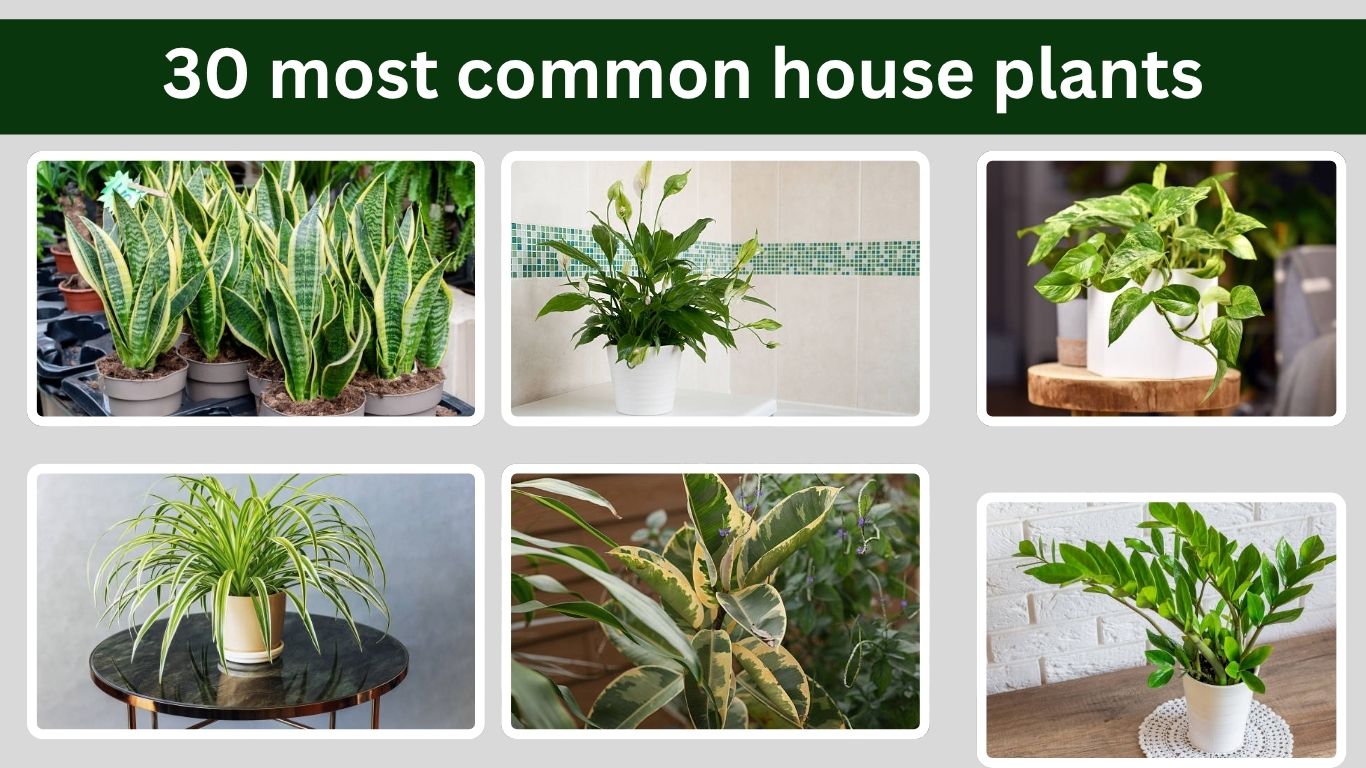
Discover the best indoor greenery with our ultimate guide to the 30 most common house plants. Whether you are a beginner looking for low-maintenance varieties or an experienced plant parent seeking striking statement foliage, these indoor plants are selected for their popularity, resilience, and aesthetic appeal. Cultivating indoor plants not only elevates your home decor but also purifies indoor air and boosts mental well-being. From sun-loving succulents to shade-tolerant tropicals, explore their common names and botanical identifiers to find the perfect match for your space’s lighting, humidity, and maintenance needs.
1. Snake Plant
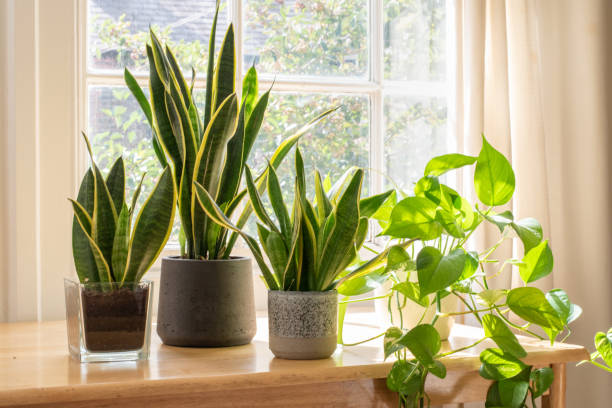
The Snake Plant (Sansevieria trifasciata) is an exceptionally hardy, architectural house plant famous for its upright, sword-like leaves. Thriving on neglect, it survives in low light and drought, making it the perfect choice for beginners, busy individuals, or dimly lit rooms.
Soil & Nutrients
This plant demands a loose, loose potting mix that drains rapidly. A blend of regular potting soil mixed with equal parts coarse sand or perlite prevents water from pooling around the roots. Feed it with a balanced, water-soluble fertilizer only once or twice during the spring and summer growing seasons.
Lighting & Climate
It adapts easily to almost any environment, from dark office corners to bright, sunny windowsills. It grows fastest in bright, indirect light but tolerates low-light conditions without losing its vibrant color. Keep it in warm temperatures above 10°C, as freezing cold drafts can quickly turn the leaves mushy.
Watering & Moisture
- Dry Soil: Allow the entire pot of soil to dry out completely before watering again.
- Frequency: Water every 2 to 3 weeks in summer, and reduce to once a month in winter.
- Root Rot: Never let the plant sit in standing water, as excess moisture easily causes root rot.
- Humidity: It thrives perfectly well in standard, dry indoor household air without extra misting.
Pests & Problems
Overwatering is the primary threat, causing yellowing, drooping, or foul-smelling leaves. If mealybugs or spider mites appear on the foliage, wipe the leaves down with a damp cloth or spray them gently with a natural neem oil solution.
Propagation Methods
You can easily multiply this plant by cutting a healthy leaf into three-inch sections and planting them in moist soil or water. Alternatively, you can divide the thick underground rhizomes into separate pots during springtime repotting.
2. Peace Lily
(Spathiphyllum wallisii)

The Peace Lily is one of the most beloved and widely grown indoor plants, recognized by its graceful white blooms and deep, glossy green leaves. It thrives in indoor environments with minimal effort, making it a top choice for homes, offices, and low-light spaces alike.
Soil & Nutrients
Use a rich, well-draining potting mix that retains slight moisture without becoming waterlogged. A standard indoor potting soil works well, optionally mixed with a little perlite for aeration. Feed with a balanced liquid fertilizer once a month during spring and summer; avoid over-fertilizing as it can cause brown leaf tips.
Lighting & Climate
Peace Lilies are champions of low-light conditions and can survive far from windows. However, they bloom best in bright, indirect light. Keep them in temperatures between 18–30°C and away from cold drafts or air conditioning vents, which can stress the plant quickly.
Watering & Moisture
- Dry Soil: Water when the top inch of soil feels dry to the touch — do not wait for it to dry out completely.
- Frequency: Approximately once a week in summer, every 10–14 days in winter.
- Root Rot: Ensure the pot has drainage holes; never allow the plant to sit in pooled water.
- Humidity: Mist the leaves occasionally or place on a pebble tray with water, as Peace Lilies enjoy moderate humidity.
Pests & Problems
Yellowing leaves usually signal overwatering or too much direct sunlight. Brown tips indicate low humidity or fluoride in tap water — try using filtered or rainwater. Spider mites and mealybugs can occasionally appear; treat with a diluted neem oil spray or wipe leaves with a damp cloth.
Propagation Methods
Propagate by dividing the root clump during repotting in spring. Gently separate offshoots with their own roots from the mother plant and pot them individually in moist soil. They establish quickly and will begin growing within a few weeks.
3. Pothos
(Epipremnum aureum)

The Pothos is arguably the most forgiving houseplant on the planet — a fast-growing, trailing vine with heart-shaped, variegated leaves that thrives on neglect. It’s perfect for shelves, hanging baskets, or trained up a moss pole.
Soil & Nutrients
Any standard, well-draining potting mix works perfectly. Pothos isn’t fussy about soil composition, but it appreciates a light, airy mix. Fertilize with a diluted balanced fertilizer once a month in spring and summer; no feeding is needed in autumn and winter.
Lighting & Climate
Pothos adapts to nearly any light condition — from very low light to bright indirect light. Variegated varieties retain their color patterns best in brighter conditions. Keep temperatures above 15°C and avoid prolonged exposure to cold, which causes wilting and yellowing.
Watering & Moisture
- Dry Soil: Allow the top 2–3 cm of soil to dry out between waterings.
- Frequency: Every 1–2 weeks in summer, every 2–3 weeks in winter.
- Root Rot: Pothos is susceptible to root rot if kept consistently wet — always empty saucers after watering.
- Humidity: Tolerates standard indoor humidity well; no misting required.
Pests & Problems
Overwatering is the most common cause of problems, leading to yellowing or mushy stems. Leggy, sparse growth signals insufficient light. Scale insects and spider mites can occasionally infest; treat promptly with neem oil or insecticidal soap spray.
Propagation Methods
Pothos is one of the easiest plants to propagate. Simply cut a stem just below a node (the small brown bump on the stem), place it in a glass of water, and roots will appear within 1–2 weeks. Once roots are 2–3 cm long, transfer to soil.
Here are plants #4 to #7 — short, clean, and properly structured:
4. Spider Plant (Chlorophytum comosum)
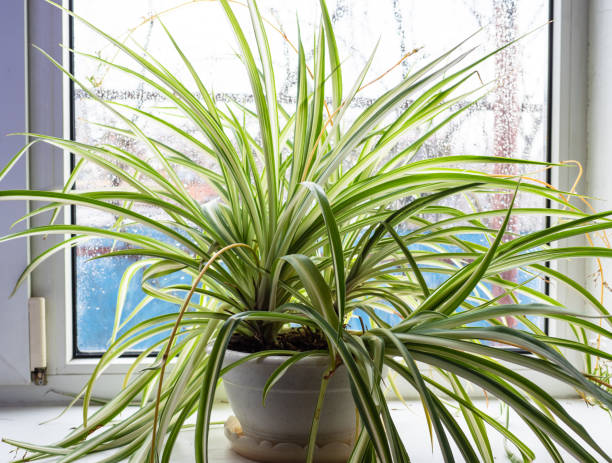
The Spider Plant is one of the most cheerful and resilient houseplants you can grow indoors. Its long, arching green-and-cream striped leaves and cascading “spiderettes” bring lively energy to shelves, baskets, and mantels. It thrives in a wide variety of indoor conditions, making it perfect for beginners and busy households alike.
Soil & Nutrients
Use a lightweight, well-draining potting mix. Add perlite or coarse sand to improve drainage and prevent root compaction. Feed with a balanced liquid fertilizer once every two weeks in spring and summer, reducing to once a month in autumn. Stop feeding entirely in winter.
Lighting & Climate
Spider Plants adapt to almost any indoor light — from low-light corners to bright windowsills. They grow fastest in bright, indirect light. Keep temperatures between 13°C and 27°C and avoid cold drafts, which can cause leaf damage.
Watering & Moisture
- Allow the top 3–4 cm of soil to dry before watering
- Water once a week in summer, every 10–14 days in winter
- Use pots with drainage holes to prevent root rot
- No misting needed — tolerates dry indoor air well
Pests & Problems
Browning tips are the most common complaint, usually caused by fluoride in tap water or over-fertilizing. Yellow leaves signal overwatering. Spider mites and aphids can appear in dry conditions — treat promptly with neem oil spray or insecticidal soap.
Propagation
Snip a spiderette from the mother plant and place it in water. Roots appear in 1–2 weeks. Once roots reach 3 cm, pot into moist soil. Alternatively, pin the spiderette onto soil while still attached and cut after rooting.
5. Rubber Plant (Ficus elastica)
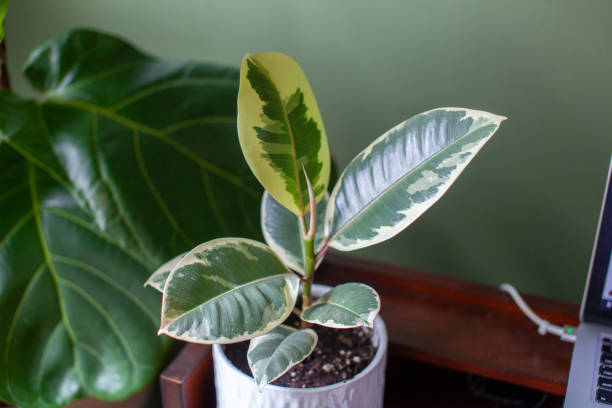
The Rubber Plant is a bold, fast-growing indoor tree known for its large, glossy leaves in shades of deep green to dark burgundy. It brings dramatic height and tropical character to any room and is surprisingly forgiving for a plant of such striking presence.
Soil & Nutrients
Mix standard potting soil with perlite or bark chips in a 2:1 ratio for rich, well-draining results. Avoid clay-heavy soils that hold moisture. Fertilize once a month in spring and summer with a balanced liquid feed at half strength. Skip feeding entirely in autumn and winter.
Lighting & Climate
Thrives in bright, indirect light near a south or east-facing window. Tolerates moderate indirect light but will drop lower leaves in very dim conditions. Avoid direct midday sun, which scorches the leaves. Keep temperatures stable between 15°C and 30°C, away from cold drafts and air vents.
Watering & Moisture
- Allow the top 5 cm of soil to dry before watering
- Water every 7–10 days in summer, every 2–3 weeks in winter
- Yellow drooping leaves are the first sign of overwatering
- Wipe leaves monthly with a damp cloth to remove dust
Pests & Problems
Overwatering causes mushy, foul-smelling roots and yellowing lower leaves. Underwatering causes leaves to curl inward. Spider mites, mealybugs, and scale insects can appear in dry air — wipe affected areas weekly with diluted neem oil until clear.
Propagation
Cut a healthy stem just below a leaf node and let the milky sap dry for 30 minutes. Place in water or moist soil. Roots form in 3–4 weeks. Cover with a plastic bag to boost humidity and speed up rooting. Rooting hormone powder also helps.
6. ZZ Plant (Zamioculcas zamiifolia)

The ZZ Plant is the ultimate survivor — thriving in low light, tolerating weeks of drought, and asking for very little in return. Its upright stems lined with small, oval, deep-green leaves that gleam like polished wax make it a sleek, modern addition to any indoor space.
Soil & Nutrients
Use a cactus or succulent mix, or blend standard potting soil with 50% perlite for fast drainage. The ZZ’s thick rhizomes store water, so heavy soil causes rot quickly. Feed once a month in spring and summer with a diluted balanced fertilizer. No feeding needed in autumn or winter.
Lighting & Climate
One of very few plants that genuinely thrives — not just survives — in low light. Grows best in bright, indirect light but handles dim offices and hallways without complaint. Avoid direct sun, which scorches the glossy leaves. Comfortable between 15°C and 35°C with no humidity requirements.
Watering & Moisture
- Let the soil dry out completely before every watering
- Water every 2–3 weeks in summer, every 4–6 weeks in winter
- Mushy stems and yellowing are signs of overwatering
- No misting needed — thrives in dry indoor air
Pests & Problems
Overwatering is by far the most common problem, causing yellow leaves and stem rot. If the base of stems feels soft, check roots immediately, remove any rot, and repot in fresh dry soil. Mealybugs and fungus gnats can appear — fungus gnats thrive in wet soil, so letting it dry between waterings is the best prevention.
Propagation
Divide the rhizomes during spring repotting — each section needs at least one healthy stem. Pot divisions individually in well-draining soil. Alternatively, take a leaf cutting with a short stalk attached, let it callous for a day, then push it into moist cactus soil. A small rhizome forms at the base over 3–6 months.
7. Chinese Evergreen (Aglaonema commutatum)

The Chinese Evergreen has been a prized indoor plant across Asia for centuries, and it is easy to see why. With leaf patterns ranging from deep green and silver to vivid pink and red, it delivers outstanding decorative impact with minimal effort. It adapts to almost any indoor environment and grows into a full, lush, mounding shape over time.
Soil & Nutrients
Use a slightly acidic, well-draining mix — standard potting soil blended with perlite and a little peat moss or coco coir works well. Repot every two years in spring. Feed once a month in spring and summer with a balanced fertilizer at half strength. Over-fertilizing causes salt buildup and brown leaf edges, so less is more.
Lighting & Climate
Dark green varieties tolerate genuinely low light. Variegated pink and red varieties need brighter indirect light to keep their colour vivid. All varieties burn in direct sunlight. Keep temperatures between 16°C and 27°C. Avoid drafts and temperatures below 10°C, which cause dark, water-soaked patches on the leaves.
Watering & Moisture
- Water when the top 3–5 cm of soil feels dry
- Once a week in summer, every 10–14 days in winter
- Never let roots sit in standing water
- Mist 2–3 times a week or use a pebble tray for humidity
Pests & Problems
Yellow leaves point to overwatering, cold stress, or too much sun. Curling leaves mean underwatering or very low humidity. Brown edges suggest salt or fluoride buildup — flush the soil with water every few months to prevent this. Watch for mealybugs and spider mites on leaf undersides and stem joints. Treat with neem oil or diluted isopropyl alcohol. Note this plant is toxic to pets and humans if ingested.
Propagation
Take a stem cutting with 4–6 leaves just below a node and place in water. Roots form in 2–4 weeks. Transfer to moist potting mix and keep in bright indirect light. For faster results, divide mature plants at the root base during spring repotting, separating stems with intact roots into individual pots.
8. Aloe Vera (Aloe barbadensis miller)

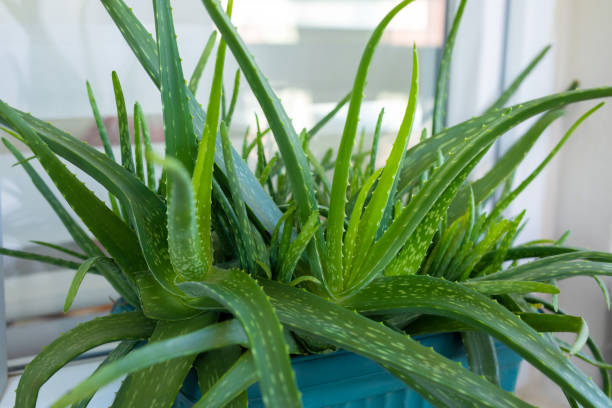
Aloe Vera is one of the most useful and widely recognised houseplants in the world. Its thick, fleshy, grey-green leaves are filled with a soothing gel used for centuries to treat burns, skin irritation, and minor wounds. Beyond its practical benefits, it is a strikingly architectural plant that thrives on neglect and suits any bright indoor space beautifully.
Soil & Nutrients
Use a cactus or succulent potting mix, or blend standard soil with 50% coarse sand or perlite. Aloe roots rot rapidly in dense, moisture-holding soil. Feed once in spring and once in summer with a diluted, low-nitrogen succulent fertilizer. Avoid feeding in autumn and winter entirely.
Lighting & Climate
Aloe Vera loves bright, direct or indirect light and grows best near a south or west-facing window. It tolerates some direct sun but may turn orange-brown if overexposed. Keep temperatures between 13°C and 27°C. It does not tolerate frost or freezing temperatures at all.
Watering & Moisture
- Allow the soil to dry out completely between waterings
- Water every 2–3 weeks in summer, once a month in winter
- Never let the pot sit in water — root rot sets in very quickly
- No humidity or misting required whatsoever
Pests & Problems
Overwatering is the primary killer, causing soft, mushy, brown-tipped leaves. Root rot develops fast in poorly draining soil. Mealybugs and scale insects occasionally appear at the base of leaves — remove with a cotton swab dipped in isopropyl alcohol. Aloe Vera is toxic to cats and dogs if ingested.
Propagation
Aloe produces small offsets called pups at the base of the mother plant. Gently separate pups with their own roots during repotting and pot individually into dry cactus soil. Water sparingly for the first two weeks while roots establish.
9. Monstera (Monstera deliciosa)

The Monstera is arguably the most iconic houseplant of the modern era. Its dramatic, deeply split leaves — known as fenestrations — create an unmistakable tropical silhouette that transforms any room into a lush, bold living space. Despite its impressive size and appearance, the Monstera is remarkably easy to grow indoors with just a little attention to light and watering.
Soil & Nutrients
Use a rich, chunky, well-draining potting mix — combine standard potting soil with perlite and a handful of orchid bark for excellent aeration. Feed monthly during spring and summer with a balanced liquid fertilizer at full strength. Reduce to every six to eight weeks in autumn and stop completely in winter.
Lighting & Climate
Monstera thrives in bright, indirect light and grows fastest near a large east or west-facing window. It tolerates moderate light but produces fewer splits in dim conditions. Avoid harsh direct sun, which scorches and bleaches the large leaves. Keep temperatures between 18°C and 30°C with moderate to high humidity.
Watering & Moisture
- Water when the top 5 cm of soil has dried out
- Every 7–10 days in summer, every 2–3 weeks in winter
- Yellowing lower leaves usually signal overwatering
- Mist regularly or use a humidifier — Monstera loves humidity
Pests & Problems
Overwatering causes root rot and yellowing leaves. Too little light results in small, unsplit new leaves. Spider mites, mealybugs, and thrips are occasional pests — treat with neem oil spray and increase air circulation. Wipe the large leaves regularly to remove dust and deter pests.
Propagation
Cut a stem just below a node that includes an aerial root. Place in water or moist sphagnum moss. Roots develop in 3–5 weeks. Transfer to soil once roots are 4–5 cm long. Monstera propagates reliably and quickly using this method.
10. Boston Fern (Nephrolepis exaltata)
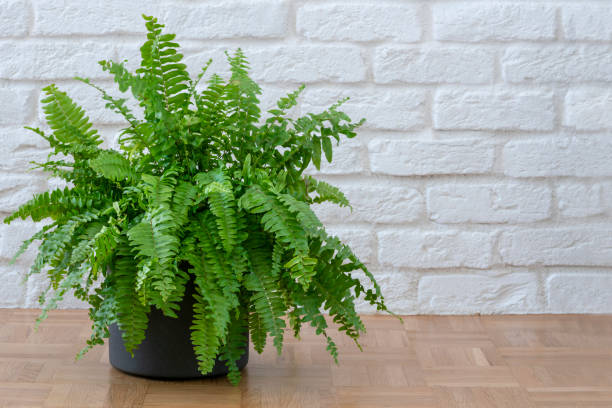
The Boston Fern is a lush, full, dramatically arching plant with long, feathery fronds that instantly add softness and life to any room. It has been a beloved indoor plant for over a century, particularly popular in hanging baskets and on pedestals where its cascading fronds can trail freely. It does require a little more attention than many other houseplants but rewards the effort with extraordinary beauty.
Soil & Nutrients
Use a rich, moisture-retaining potting mix with good drainage. A blend of standard potting soil with peat moss and perlite works very well. Feed every two weeks during spring and summer with a balanced liquid fertilizer diluted to half strength. Reduce to once a month in autumn and stop feeding in winter.
Lighting & Climate
Boston Ferns prefer bright, indirect light — direct sun quickly scorches and dries the delicate fronds. A north or east-facing window is ideal. They thrive in temperatures between 15°C and 24°C and dislike both extreme heat and cold drafts. High humidity is essential for healthy growth.
Watering & Moisture
- Keep the soil consistently moist — never let it dry out completely
- Water every 3–5 days in summer, once a week in winter
- Dry soil causes rapid frond browning and shedding
- Mist daily or use a humidifier — low humidity is their biggest enemy indoors
Pests & Problems
Low humidity is the most common cause of problems, leading to brown, crispy frond tips and heavy leaf drop. Spider mites and scale insects thrive in dry conditions — mist regularly and inspect fronds closely. Overwatering causes root rot, while underwatering causes rapid browning. This plant demands consistent attention.
Propagation
Divide mature plants at the root base during spring repotting. Separate healthy sections with established roots and pot individually in moist, rich soil. Keep divisions in high humidity and indirect light while they establish. Boston Ferns can also spread naturally through runners.
11. Fiddle Leaf Fig (Ficus lyrata)

The Fiddle Leaf Fig is the undisputed design favourite of the modern indoor plant world. Its enormous, violin-shaped, deep-green leaves on a slender upright trunk create a sculptural focal point unlike any other houseplant. It has a reputation for being temperamental, but with the right conditions locked in from the start, it grows into a stunning, long-lived indoor tree.
Soil & Nutrients
Use a well-draining, slightly acidic potting mix. Combine standard indoor potting soil with perlite and a small amount of orchid bark. Feed once a month during spring and summer with a high-nitrogen liquid fertilizer formulated for foliage plants. Do not feed in autumn or winter.
Lighting & Climate
Fiddle Leaf Figs need bright, consistent indirect light — ideally near a large south or east-facing window. They dislike being moved and react badly to sudden changes in light or temperature. Keep between 16°C and 28°C, away from cold drafts, radiators, and air conditioning vents.
Watering & Moisture
- Allow the top 3–5 cm of soil to dry before watering
- Water every 7–10 days in summer, every 2–3 weeks in winter
- Inconsistent watering causes brown spots and leaf drop
- Moderate humidity preferred — mist occasionally or wipe leaves with a damp cloth
Pests & Problems
Brown spots on leaves are the most common complaint — caused by overwatering, root rot, bacterial infection, or sunburn. Edge browning usually signals low humidity or inconsistent watering. Spider mites and mealybugs can attack — treat with neem oil spray. Once the plant drops leaves from stress, recovery is slow but possible with stable conditions.
Propagation
Take a stem cutting with one to two leaves and at least one node. Allow the sap to dry for 30 minutes, then place in water or moist soil. Roots form in 4–6 weeks. Rooting hormone and a plastic bag over the cutting to maintain humidity significantly improve success rates.
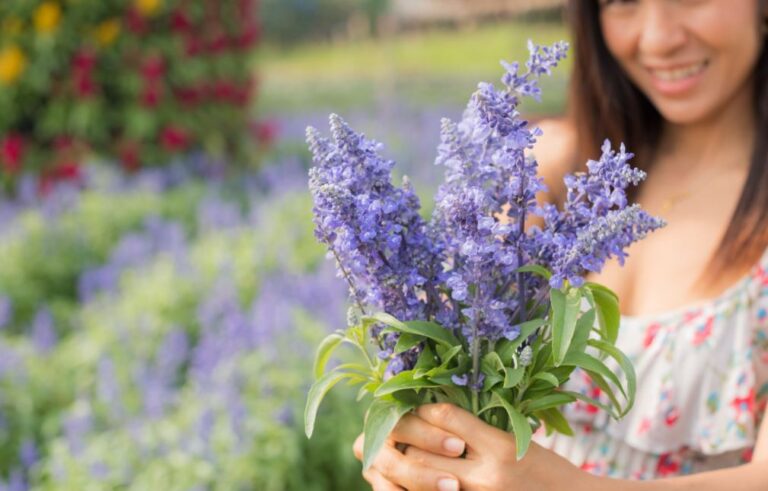
12. Lavender (Lavandula angustifolia)

Lavender is best known as a garden plant, but certain compact varieties grow beautifully on bright indoor windowsills. Its silvery-green foliage and fragrant purple flower spikes bring a calming, aromatic quality to any room. Growing lavender indoors successfully requires the brightest spot available and very careful watering discipline.
Soil & Nutrients
Use a sandy, alkaline, very well-draining potting mix. Combine standard potting soil with coarse sand or grit in equal parts. Avoid any peat-based mixes, which retain too much moisture. Feed monthly during spring and summer with a low-nitrogen, high-potassium fertilizer to encourage flowering rather than leafy growth.
Lighting & Climate
Lavender demands the brightest light possible indoors — a south-facing windowsill with at least 6–8 hours of direct sun daily is ideal. Without strong light, it becomes leggy and fails to flower. Keep temperatures between 10°C and 21°C. Good air circulation is important to prevent fungal issues.
Watering & Moisture
- Allow the soil to dry out almost completely between waterings
- Water every 10–14 days in summer, very sparingly in winter
- Overwatering causes root rot extremely quickly
- No misting needed — lavender prefers dry air
Pests & Problems
Overwatering and poor drainage are the leading causes of failure indoors. Grey mould and root rot develop rapidly in wet soil. Leggy, non-flowering growth signals insufficient light. Aphids occasionally attack new growth — remove by hand or spray with diluted insecticidal soap. Trim back after flowering to keep the plant compact and bushy.
Propagation
Take 8–10 cm softwood cuttings from new growth in spring, removing the lower leaves. Dip the cut end in rooting hormone and push into moist sand or perlite. Roots form in 3–4 weeks. Keep in bright light and avoid overwatering while the cutting establishes.
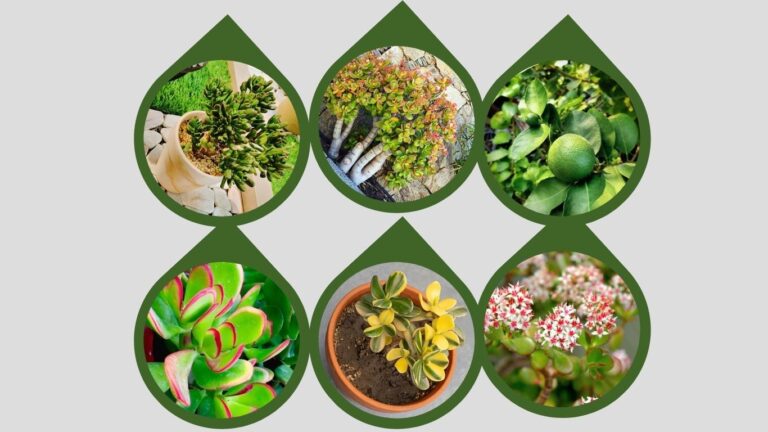
13. Jade Plant (Crassula ovata)
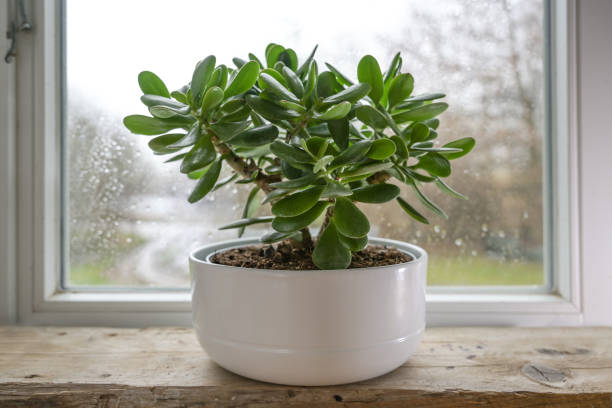
The Jade Plant is a classic succulent houseplant with thick, oval, glossy leaves on woody stems that develop a tree-like form over time. In many cultures it is considered a symbol of good luck and prosperity. It is exceptionally long-lived — with the right care, a Jade Plant can survive and grow for decades, becoming a cherished heirloom plant.
Soil & Nutrients
Use a cactus or succulent potting mix, or blend standard soil with 50% perlite or coarse sand. Jade Plants are vulnerable to root rot in heavy soil. Feed once a month during spring and summer with a diluted balanced fertilizer. Reduce to once every two months in autumn and stop in winter.
Lighting & Climate
Jade Plants love bright light and grow best in a south-facing window with several hours of direct sun daily. Insufficient light causes the plant to become leggy and weak, with small, pale leaves. Keep temperatures between 15°C and 24°C. They tolerate dry indoor air well and prefer cooler nights in autumn, which can trigger flowering.
Watering & Moisture
- Allow the soil to dry out completely between waterings
- Water every 2–3 weeks in summer, once a month in winter
- Wrinkled leaves signal underwatering; yellow dropping leaves signal overwatering
- No humidity or misting required
Pests & Problems
Overwatering and poor light are the two most common causes of decline. Mealybugs love to hide in the joints between leaves and stems — treat with isopropyl alcohol on a cotton swab. Scale insects occasionally appear on the woody stems. Root rot sets in rapidly if the plant sits in wet soil, so always empty saucers after watering.
Propagation
Jade Plants propagate effortlessly. Take a healthy stem cutting or single leaf, let it callous in open air for two to three days, then place on the surface of dry cactus soil. New roots and shoots emerge within a few weeks. Begin watering lightly once roots are visible.
14. Dracaena (Dracaena marginata)

Dracaena is a tall, elegant, low-maintenance houseplant with long, narrow, arching leaves edged in deep red or purple. It develops a striking cane-like trunk over time, giving mature plants a dramatic, almost palm-tree-like silhouette. It is one of the best air-purifying houseplants available and suits modern, minimal, and tropical interior styles equally well.
Soil & Nutrients
Use a loose, well-draining potting mix — standard indoor potting soil blended with perlite works well. Dracaena is a light feeder. Feed once a month in spring and summer with a balanced liquid fertilizer at half strength. Avoid feeding in autumn and winter. Excess fertilizer causes brown leaf tips.
Lighting & Climate
Dracaena adapts well to a range of light conditions, from low-light interiors to bright indirect light. Variegated varieties retain their colouring best in brighter conditions. Avoid direct sun, which scorches the thin leaves. Keep temperatures between 16°C and 28°C and away from cold drafts and air conditioning.
Watering & Moisture
- Allow the top half of soil to dry out before watering
- Water every 1–2 weeks in summer, every 3–4 weeks in winter
- Fluoride in tap water causes brown tips — use filtered or rainwater
- Tolerates dry air but benefits from occasional misting
Pests & Problems
Brown leaf tips are the most common issue, caused by fluoride in water, low humidity, or over-fertilizing. Yellow leaves signal overwatering. Spider mites and mealybugs can appear in dry conditions — treat with neem oil. Dracaena is toxic to cats and dogs, so keep out of reach of pets.
Propagation
Cut a healthy stem into 8–10 cm sections, ensuring each has at least one node. Place cuttings horizontally halfway into moist potting soil or upright in water. Roots and new shoots emerge in 4–6 weeks. This method — known as cane propagation — is reliable and produces multiple new plants from one stem.
15. Calathea (Calathea ornata)
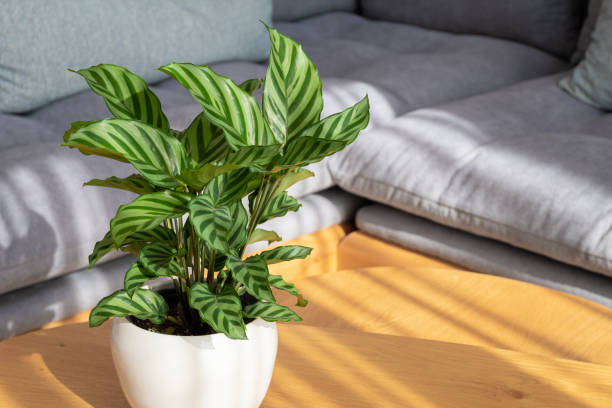
The Calathea is one of the most visually spectacular houseplants available, with intricately patterned leaves featuring pinstripes, feathering, and bold contrasting colours on both the upper and lower surfaces. It is also known as the Prayer Plant due to the way its leaves fold upward at night. While undeniably beautiful, Calathea is more demanding than most houseplants and rewards attentive care with extraordinary foliage.
Soil & Nutrients
Use a rich, moisture-retaining but well-draining mix. Combine standard potting soil with perlite and peat moss or coco coir. Repot every one to two years in spring. Feed monthly during spring and summer with a balanced liquid fertilizer at half strength. Avoid feeding in autumn and winter.
Lighting & Climate
Calathea thrives in medium to bright indirect light. Direct sun bleaches and scorches the delicate patterned leaves very quickly. A north or east-facing window is ideal. Keep temperatures between 18°C and 27°C and away from cold drafts, which cause the leaf edges to brown and curl rapidly.
Watering & Moisture
- Keep soil consistently moist but never waterlogged
- Water every 5–7 days in summer, every 10–14 days in winter
- Use distilled or rainwater — tap water causes brown edges due to fluoride and chlorine
- High humidity is essential — mist daily or use a humidifier
Pests & Problems
Brown, crispy leaf edges are the most common problem, caused by low humidity, tap water minerals, cold air, or inconsistent watering. Spider mites thrive in dry conditions and are a frequent pest — increase humidity and treat with neem oil spray promptly. Root rot develops if the soil remains waterlogged.
Propagation
Divide mature plants at the root base during spring repotting. Gently separate healthy clumps with their own roots and pot individually in moist, rich soil. Keep divisions in warm, humid conditions and indirect light for the first few weeks while they recover and establish.
16. Pothos (Epipremnum aureum)
Already introduced as Plant #3, Pothos remains one of the most versatile and forgiving trailing plants available. It is included in its golden variety here for completeness within this series. With heart-shaped, variegated leaves in shades of green, yellow, and white, it thrives in almost any indoor condition and grows with remarkable speed and ease.
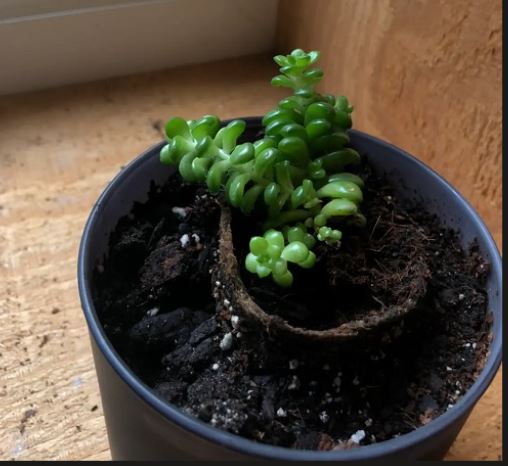
16. String of Pearls (Senecio rowleyanus)
String of Pearls is one of the most distinctive and whimsical houseplants you will ever encounter. Its long, trailing stems are strung with perfectly round, bead-like leaves that resemble a cascade of tiny green pearls — stunning in a hanging planter or trailing over the edge of a high shelf. It is a succulent, meaning it stores water in those round leaves and requires very little moisture to thrive.
Soil & Nutrients
Use a fast-draining cactus or succulent mix. Avoid any soil that retains moisture, as the round, water-filled leaves make the roots highly susceptible to rot. Feed once a month during spring and summer with a diluted succulent fertilizer. No feeding in autumn or winter.
Lighting & Climate
Needs bright, indirect light with some gentle direct morning sun to stay compact and healthy. Insufficient light causes the pearls to become elongated and widely spaced — a sign the plant is stretching toward the light. Keep temperatures between 15°C and 26°C and avoid cold drafts or temperatures below 10°C.
Watering & Moisture
- Allow the soil to dry completely between waterings
- Water every 2–3 weeks in summer, once a month in winter
- Mushy, translucent pearls are a clear sign of overwatering
- No misting — prefers dry air entirely
Pests & Problems
Overwatering is the leading cause of death — the pearls turn translucent and mushy before the plant collapses. Mealybugs hide within the dense trailing stems and are difficult to spot — check regularly and treat with isopropyl alcohol. Aphids occasionally target new growth. Shrivelled pearls indicate underwatering or very intense direct sun.
Propagation
Lay a healthy strand across the surface of moist cactus soil, pressing it gently into contact with the soil. Roots form from the nodes within 2–3 weeks. Once rooted, new growth will emerge and the cutting can be treated as an independent plant. This is the simplest and most reliable propagation method.
17. African Violet (Saintpaulia ionantha)
The African Violet is a compact, flowering houseplant beloved for its ability to bloom almost continuously throughout the year indoors. Its velvety, dark-green leaves surround clusters of delicate purple, pink, white, or bicoloured flowers that bring persistent colour to windowsills and tabletops. It is one of the most popular flowering houseplants in the world for good reason.
Soil & Nutrients
Use a specially formulated African Violet potting mix, or blend standard potting soil with perlite and peat moss for a light, slightly acidic, well-draining medium. Feed every two weeks year-round with a high-phosphorus liquid fertilizer specifically formulated for African Violets to encourage continuous flowering.
Lighting & Climate
African Violets thrive in bright, indirect light — an east or north-facing windowsill is ideal. Direct sun scorches the velvety leaves and bleaches the flowers. They also grow very well under fluorescent or LED grow lights. Keep temperatures consistently between 18°C and 24°C, as fluctuations cause bud drop and leaf spotting.
Watering & Moisture
- Water from the bottom — pour water into the saucer and allow the soil to absorb it
- Never get water on the leaves, as this causes permanent brown spots
- Keep soil evenly moist but never soggy
- Moderate humidity preferred — avoid misting the leaves directly
Pests & Problems
Crown rot from overwatering or water sitting on the leaves is the most common serious problem. Powdery mildew can develop in poor air circulation. Cyclamen mites cause distorted, stunted new growth — difficult to treat and best prevented by quarantining new plants before introducing them. Mealybugs occasionally appear at the base of the plant.
Propagation
Take a healthy leaf with its full stalk attached and insert it at a 45-degree angle into moist perlite or potting mix. Cover with a plastic bag to retain humidity. Tiny plantlets emerge at the base of the stalk in 6–8 weeks. Once they have a few leaves of their own, separate and pot individually.
18. Cast Iron Plant (Aspidistra elatior)
True to its name, the Cast Iron Plant is virtually indestructible. With its broad, dark-green, lance-shaped leaves growing in dense upright clumps, it tolerates conditions that would quickly kill almost any other houseplant — deep shade, irregular watering, temperature fluctuations, and dust-filled air. It is the perfect choice for truly difficult indoor spots where nothing else will grow.
Soil & Nutrients
Use a standard, well-draining potting mix. Cast Iron Plants are not fussy about soil composition, but they do not like waterlogged conditions. Feed once every two months in spring and summer with a balanced liquid fertilizer. This plant grows slowly and does not require heavy feeding — less is always more.
Lighting & Climate
One of the best low-light houseplants in existence — it genuinely thrives in deep shade with no direct sun at all. Direct sunlight bleaches and yellows the leaves quickly. Keep temperatures between 7°C and 27°C. It tolerates cooler rooms and occasional cold drafts far better than most houseplants.
Watering & Moisture
- Allow the soil to dry out between waterings
- Water every 2–3 weeks in summer, once a month in winter
- Very tolerant of missed waterings — it prefers underwatering to overwatering
- No humidity requirements — tolerates dry air well
Pests & Problems
Spider mites and scale insects are the most common pests, particularly in dry indoor air. Wipe the large leaves with a damp cloth regularly to prevent dust buildup and deter pests. Yellowing leaves are usually caused by overwatering or too much direct sun — both easily corrected. This plant rarely experiences serious problems.
Propagation
Divide the rhizomes during repotting in spring. Each division needs at least two to three healthy leaves with roots attached. Pot individually in standard potting mix and water sparingly for the first few weeks. New growth is slow but steady once established.
19. Parlour Palm (Chamaedorea elegans)
The Parlour Palm is a graceful, compact indoor palm with delicate, arching fronds of deep green that bring a refined tropical elegance to any room. It has been one of the most popular indoor plants since the Victorian era and remains a classic choice for living rooms, offices, and low-light spaces. Unlike most palms, it genuinely thrives indoors without demanding the intense light typical of the family.
Soil & Nutrients
Use a well-draining, slightly sandy potting mix. Combine standard indoor potting soil with perlite or coarse sand. Feed once a month during spring and summer with a diluted balanced fertilizer. Avoid over-fertilizing, which causes brown leaf tips. No feeding in autumn or winter.
Lighting & Climate
Parlour Palms adapt to low and medium indirect light better than almost any other palm species. They prefer bright, indirect light for fastest growth but manage comfortably in dim rooms. Avoid direct sun, which scorches the fronds. Keep temperatures between 16°C and 27°C away from cold drafts.
Watering & Moisture
- Allow the top 3 cm of soil to dry before watering
- Water every 7–10 days in summer, every 2–3 weeks in winter
- Yellow fronds signal overwatering; brown tips suggest low humidity or dry air
- Mist regularly or place on a pebble tray with water to boost humidity
Pests & Problems
Spider mites are the most serious pest threat, particularly in dry air — check the undersides of fronds regularly and treat with neem oil spray at the first sign. Brown leaf tips are common and usually caused by dry air, fluoride in tap water, or over-fertilizing. Trim brown tips neatly with scissors. Root rot develops quickly in waterlogged soil.
Propagation
Parlour Palms do not propagate easily from cuttings and must be grown from seed or by dividing clumping stems at the base during repotting. Seed germination takes several months and requires warm temperatures. Division is more practical but must be done carefully to avoid damaging the shallow root system.
20. Heartleaf Philodendron (Philodendron hederaceum)
The Heartleaf Philodendron is a fast-growing, trailing or climbing vine with glossy, heart-shaped leaves in rich emerald green. It is one of the most easygoing and adaptable houseplants available, trailing beautifully from shelves or climbing energetically up a moss pole. Its rapid growth and minimal care requirements make it an enduring favourite for both beginners and experienced plant collectors.
Soil & Nutrients
Use a well-draining, airy potting mix — standard potting soil blended with perlite works perfectly. Feed monthly during spring and summer with a balanced liquid fertilizer. Reduce feeding to every six to eight weeks in autumn and stop in winter. Leggy, pale growth between feedings can indicate nutrient deficiency.
Lighting & Climate
Heartleaf Philodendrons thrive in bright, indirect light but tolerate low-light conditions well. In very dim spots, growth slows and the leaves become smaller and more widely spaced. Avoid direct sun, which scorches the glossy leaves. Keep temperatures between 16°C and 29°C and maintain moderate humidity for best results.
Watering & Moisture
- Water when the top 3 cm of soil feels dry
- Every 7–10 days in summer, every 14 days in winter
- Yellow leaves signal overwatering; brown, crispy edges signal underwatering or dry air
- Mist occasionally or place near other plants to increase ambient humidity
Pests & Problems
Generally very pest-resistant, but mealybugs and spider mites can occasionally appear in dry conditions. Treat with neem oil spray or wipe affected areas with diluted isopropyl alcohol. Root rot from overwatering is the most common serious problem. Note that Philodendron is toxic to pets and humans if ingested — keep out of reach.
Propagation
Take a stem cutting just below a node with one to two leaves attached and place in water. Roots emerge in 1–2 weeks. Transfer to soil once roots reach 3–4 cm. Heartleaf Philodendron is one of the fastest and most reliable plants to propagate in water, making it ideal for beginners trying propagation for the first time.
21. Begonia (Begonia rex)
Rex Begonias are grown primarily for their extraordinary foliage rather than their flowers. Their large, asymmetrical leaves come in breathtaking combinations of silver, purple, red, green, and pink with intricate spiral and swirling patterns. They bring an almost jewel-like quality to tabletops and shelves and are among the most decoratively impressive houseplants available at any garden centre.
Soil & Nutrients
Use a light, airy, well-draining mix — combine standard potting soil with perlite and a little peat moss or coco coir. Never use heavy, compact soil. Feed every two weeks during spring and summer with a balanced liquid fertilizer at half strength. Reduce to once a month in autumn and stop in winter.
Lighting & Climate
Rex Begonias prefer bright, indirect light — a spot near an east or north-facing window is ideal. Direct sun bleaches the spectacular leaf patterning. Keep temperatures between 16°C and 24°C. They are sensitive to cold drafts and temperatures below 13°C, which cause the leaves to drop rapidly.
Watering & Moisture
- Allow the top 2–3 cm of soil to dry before watering
- Water every 5–7 days in summer, every 10–14 days in winter
- Never let water sit on the leaves — this causes rot and brown spotting
- Moderate humidity preferred — use a pebble tray rather than misting directly
Pests & Problems
Powdery mildew is a common problem in poor air circulation or overly humid conditions. Botrytis — grey mould — can develop if water sits on leaves or stems. Mealybugs and whiteflies occasionally appear — treat with neem oil or insecticidal soap. Root rot from overwatering is a persistent risk. Good drainage and air movement prevent most problems.
Propagation
Rex Begonias propagate readily from leaf cuttings. Take a healthy leaf and cut it into sections, each containing a main vein. Lay the sections flat on moist potting mix, press lightly to ensure contact, and cover with a plastic bag to retain humidity. Small plantlets emerge at the vein cuts in 4–6 weeks.
22. Nerve Plant (Fittonia albivenis)
The Nerve Plant is a small, creeping groundcover houseplant with strikingly beautiful leaves covered in an intricate network of white, pink, or red veins against a deep green background. Its compact size makes it ideal for terrariums, table centrepieces, and small decorative pots. While undeniably stunning, it is one of the more demanding houseplants in terms of humidity and watering consistency.
Soil & Nutrients
Use a rich, moisture-retaining but well-draining mix — combine standard potting soil with peat moss and perlite. Feed every two weeks during spring and summer with a balanced liquid fertilizer diluted to half strength. Reduce to monthly in autumn and stop in winter. This plant responds visibly to consistent feeding with lush, vibrant new growth.
Lighting & Climate
Nerve Plants prefer medium to bright indirect light. Direct sun bleaches and destroys the intricate vein patterns almost immediately. Low light is tolerated but causes the colours to fade. Keep temperatures between 16°C and 27°C at all times. They are very sensitive to cold and drafts — even a brief exposure can cause wilting.
Watering & Moisture
- Keep soil consistently moist — Nerve Plants wilt dramatically when dry
- Water every 3–5 days in summer, every 7 days in winter
- Do not let the soil dry out completely at any point
- High humidity is essential — mist daily or grow in a terrarium
Pests & Problems
The Nerve Plant wilts spectacularly when thirsty but usually recovers quickly after watering. Persistent wilting despite moist soil signals root rot. Low humidity causes brown, crispy leaf edges and poor growth. Fungus gnats thrive in consistently moist soil — allow the surface to dry very slightly between waterings to deter them.
Propagation
Take a stem cutting with two to three leaves and place it in moist potting mix or water. Roots form in 2–3 weeks. Keep in high humidity — cover with a plastic bag or place in a terrarium during rooting. Nerve Plants propagate quickly and easily, making it simple to create multiple plants from a single healthy parent.
23. Areca Palm (Dypsis lutescens)
The Areca Palm is one of the most popular and graceful indoor palms, producing elegant clusters of arching, feathery fronds on smooth golden stems. It brings a genuine sense of tropical abundance and fresh, clean air to any living space. As one of the most effective air-purifying houseplants available, it is as functional as it is beautiful.
Soil & Nutrients
Use a well-draining, slightly sandy potting mix. Add perlite to standard indoor potting soil to improve drainage. Feed monthly during spring and summer with a slow-release palm fertilizer or balanced liquid fertilizer. Avoid excess nitrogen, which causes rapid but weak growth. No feeding in autumn or winter.
Lighting & Climate
Areca Palms grow best in bright, indirect light. They tolerate some shade but produce their best, fullest growth near a bright window. Avoid direct afternoon sun, which scorches the fronds. Keep temperatures between 16°C and 27°C. They prefer moderate to high humidity and dislike dry air from heating systems.
Watering & Moisture
- Allow the top 3–5 cm of soil to dry before watering
- Water every 7–10 days in summer, every 2–3 weeks in winter
- Yellow fronds signal overwatering; brown tips indicate dry air or fluoride in water
- Mist regularly or use a humidifier for best results
Pests & Problems
Spider mites are the most persistent pest, especially in dry indoor air. Check frond undersides regularly and treat immediately with neem oil spray. Brown leaf tips are extremely common and are usually cosmetic — caused by dry air, tap water fluoride, or slight underwatering. Trim brown tips with sharp scissors at an angle to maintain a natural look.
Propagation
Areca Palms produce offshoots or suckers at the base of mature plants. Carefully separate these during spring repotting, ensuring each offset has its own roots, and pot individually into well-draining palm mix. Keep in bright indirect light and water sparingly for the first few weeks while roots establish.
24. English Ivy (Hedera helix)
English Ivy is a classic trailing and climbing houseplant with distinctive lobed leaves available in green, variegated silver, or cream-edged varieties. It is elegant, fast-growing, and highly versatile — equally beautiful cascading from a hanging basket or trained up a small trellis. While easy to grow, it does prefer cooler conditions than most tropical houseplants, making it ideal for porches, hallways, and cool rooms.
Soil & Nutrients
Use a well-draining, all-purpose potting mix. English Ivy is not demanding about soil quality as long as drainage is good. Feed every two weeks during spring and summer with a balanced liquid fertilizer. Reduce to once a month in autumn and stop in winter. Over-fertilizing produces lush but weak, pest-prone growth.
Lighting & Climate
English Ivy adapts to a wide range of light conditions — from low light to bright indirect light. Variegated varieties retain their markings best in brighter conditions. Avoid direct midday sun. Prefers cooler temperatures between 10°C and 21°C — it actually struggles in very warm, dry rooms. Good air circulation is important.
Watering & Moisture
- Allow the top 2–3 cm of soil to dry before watering
- Water every 7 days in summer, every 10–14 days in winter
- Yellowing leaves signal overwatering; wilting and dry soil signal underwatering
- Mist regularly — ivy prefers moderate humidity
Pests & Problems
Spider mites are the most serious pest threat for English Ivy indoors, particularly in warm, dry rooms. Regular misting and good air circulation are the best preventive measures. Scale insects and mealybugs also occasionally appear. Note that English Ivy is toxic to cats, dogs, and children if ingested — place accordingly.
Propagation
Cut a stem tip with three to four leaves just below a node and place in water. Roots form in 1–3 weeks. Transfer to soil once roots are well developed. Ivy propagates very easily and quickly, making it simple to fill out hanging baskets or create new plants from an established specimen.
25. Oxalis (Oxalis triangularis)
Oxalis, also called the Purple Shamrock or False Shamrock, is a charming, compact houseplant with delicate triangular leaves in rich purple-burgundy and dainty pale pink or white flowers. It is a geophyte — growing from small bulbs — and has a fascinating habit of folding its leaves closed at night and reopening them in the morning light. It is easy, colourful, and unlike almost anything else on a windowsill.
Soil & Nutrients
Use a light, well-draining potting mix with added perlite. Oxalis bulbs rot quickly in heavy, wet soil. Feed monthly during spring and summer with a balanced liquid fertilizer at half strength. Reduce in autumn as the plant approaches dormancy and stop entirely during the winter rest period.
Lighting & Climate
Oxalis thrives in bright, indirect light and produces its most vibrant leaf colour and most frequent flowers in a well-lit spot. It tolerates moderate indirect light but will lose some of its deep purple intensity in dim conditions. Keep temperatures between 15°C and 24°C and avoid extreme heat, which can trigger premature dormancy.
Watering & Moisture
- Allow the top 2 cm of soil to dry before watering during the growing season
- Water every 5–7 days in spring and summer
- Reduce watering significantly in autumn as the plant goes dormant
- Stop watering entirely in winter and resume in late winter when new growth appears
Pests & Problems
Spider mites and aphids occasionally target Oxalis in dry conditions — treat with neem oil or insecticidal soap spray. If the plant suddenly collapses and the leaves die back, do not panic — this is natural dormancy. Simply reduce watering, store the pot in a cool, dry place, and resume watering in late winter to trigger regrowth from the bulbs.
Propagation
Oxalis propagates very easily by dividing the small bulbs during repotting. Separate individual bulbs carefully and plant each one just below the surface of moist potting mix. New growth appears within a few weeks. One mature plant typically produces dozens of bulbs, making propagation generous and effortless.
26. Tradescantia (Tradescantia zebrina)
Tradescantia, commonly known as Inch Plant or Spiderwort, is a fast-growing trailing plant with intensely coloured leaves featuring bold stripes of green, silver, and deep purple. It is one of the most dramatically colourful foliage plants available and one of the easiest to grow, trail, and propagate. Its fast growth and striking appearance make it a reliable and rewarding addition to any indoor plant collection.
Soil & Nutrients
Use a well-draining, all-purpose potting mix. Tradescantia is not fussy about soil as long as it drains freely. Feed every two weeks during spring and summer with a balanced liquid fertilizer. Pinch back regularly to encourage bushy growth — without pruning, stems become leggy and the lower leaves drop.
Lighting & Climate
Bright, indirect light brings out the most intense leaf colouring in Tradescantia. Low light causes the vivid purple and silver striping to fade to plain green. Avoid direct midday sun, which scorches the leaves. Keep temperatures between 15°C and 27°C. It tolerates standard indoor humidity without misting.
Watering & Moisture
- Allow the top 2–3 cm of soil to dry before watering
- Water every 7 days in summer, every 10–14 days in winter
- Overwatering causes stem rot at the base — always ensure good drainage
- Tolerates dry air but appreciates occasional misting
Pests & Problems
Tradescantia is generally very resistant to pests. Spider mites and aphids occasionally appear in very dry conditions — treat with neem oil spray. Leggy growth with faded leaf colour is the most common complaint and is solved by moving the plant to a brighter spot and pinching back the stems regularly. Root rot from waterlogged soil is the only serious risk.
Propagation
Tradescantia is one of the easiest plants to propagate on the planet. Simply cut a stem tip with a few leaves and place it in water or push it directly into moist soil. Roots form in days. One plant can produce dozens of cuttings, making it easy to fill hanging baskets, share with friends, or create dramatic trailing displays quickly.
27. Bird of Paradise (Strelitzia reginae)

The Bird of Paradise is one of the most spectacular large-leaved houseplants available, with broad, paddle-shaped leaves on long upright stalks that create an instantly tropical, resort-like atmosphere indoors. Mature plants produce extraordinary orange and blue flowers that resemble an exotic bird in flight — though indoor flowering requires years of growth and excellent light conditions to achieve.
Soil & Nutrients
Use a rich, well-draining potting mix — combine standard potting soil with perlite and a small amount of compost. Bird of Paradise is a relatively heavy feeder. Feed monthly during spring and summer with a balanced liquid fertilizer. Increase to every two weeks in summer for faster growth. Reduce in autumn and stop in winter.
Lighting & Climate
Bird of Paradise demands the brightest indoor spot available — direct sun for several hours daily is ideal if possible, or as much bright indirect light as the space allows. Insufficient light causes slow growth, no flowering, and yellowing of the large lower leaves. Keep temperatures between 18°C and 30°C and avoid cold drafts below 10°C.
Watering & Moisture
- Allow the top 5 cm of soil to dry before watering
- Water every 7–10 days in summer, every 2–3 weeks in winter
- Yellow leaves signal overwatering; brown, curling leaf edges signal underwatering or dry air
- Moderate to high humidity preferred — mist regularly or use a humidifier
Pests & Problems
Scale insects, mealybugs, and spider mites can all affect Bird of Paradise. Wipe the large leaves with a damp cloth regularly to remove dust and deter pests. The most common problem is split leaves — this is actually natural and caused by the plant adjusting to air movement. True damage from pests or cold appears as brown patches and distorted growth.
Propagation
Divide mature plants at the root base in spring, carefully separating clumps with intact roots using a clean, sharp knife. Each division needs several healthy leaves and a good root mass. Pot immediately into well-draining soil and water sparingly until established. Bird of Paradise resents root disturbance, so allow it to settle undisturbed for several months after division.
28. Croton (Codiaeum variegatum)

The Croton is one of the most explosively colourful houseplants available, with bold, leathery leaves splashed in vivid combinations of yellow, orange, red, green, and purple — often all on the same plant. No two leaves are identical, making every Croton a unique living work of art. It brings intense tropical energy to bright indoor spaces and rewards attentive care with spectacular, year-round foliage colour.
Soil & Nutrients
Use a rich, well-draining potting mix — standard indoor potting soil blended with perlite works well. Feed monthly during spring and summer with a balanced liquid fertilizer at full strength. Reduce to every six to eight weeks in autumn and stop completely in winter. Consistent feeding during the growing season directly intensifies the vibrancy of the leaf colouring.
Lighting & Climate
Crotons demand the brightest indoor spot available. Without strong, bright light — ideally several hours of direct or intense indirect sun daily — the spectacular leaf colours fade rapidly to dull green. A south or west-facing window is ideal. Keep temperatures consistently between 18°C and 29°C. Crotons are highly sensitive to cold drafts, sudden temperature changes, and being moved — any of these triggers significant leaf drop.
Watering & Moisture
- Keep soil consistently moist but never waterlogged during the growing season
- Water every 5–7 days in summer, every 10–14 days in winter
- Allow the top 2–3 cm of soil to dry before each watering
- Moderate to high humidity is important — mist regularly or use a pebble tray
Pests & Problems
Leaf drop is the most dramatic and common complaint with Crotons, triggered by cold drafts, low light, inconsistent watering, or simply being moved to a new location. Give the plant time to adjust and stable conditions to recover. Spider mites, mealybugs, and scale insects are frequent pests — inspect the undersides of leaves regularly and treat promptly with neem oil spray. Croton sap is toxic and can irritate skin — wear gloves when pruning or handling.
Propagation
Take a stem cutting of 10–12 cm with three to four leaves attached. Allow the milky sap to dry for 30 minutes before placing the cutting in water or moist potting mix. Rooting is slow — expect four to six weeks before roots are established. Warmth, high humidity, and bright indirect light significantly improve success rates. A plastic bag over the cutting to trap humidity is strongly recommended during rooting.he rhizomes at the base during repotting, ensuring each section has at least one healthy leaf and roots attached. Second, cut a healthy leaf into 8–10 cm sections and push each section upright into moist cactus soil — new shoots emerge from the base in 4–8 weeks. Third, place leaf sections in water and wait for roots to develop before potting into soil.
29. Lavender (Lavandula angustifolia)
The Peace Lily is one of the most elegant and practical houseplants available, producing glossy, deep-green leaves and graceful white spathe flowers that bloom reliably several times a year indoors. It is one of very few flowering plants that genuinely tolerates low light, making it a beloved choice for offices, bedrooms, and dimly lit living rooms. Its drooping leaves when thirsty act as a natural watering reminder — making it surprisingly communicative for a plant.
Soil & Nutrients
Use a rich, well-draining potting mix that retains slight moisture without becoming waterlogged. A standard indoor potting soil blended with a small amount of perlite works well. Feed monthly during spring and summer with a balanced liquid fertilizer. Reduce to every six to eight weeks in autumn and stop in winter. Over-fertilizing causes brown leaf tips and can prevent flowering.
Lighting & Climate
Peace Lilies are exceptional low-light performers and can survive in rooms with very limited natural light. They bloom most reliably, however, in bright, indirect light near a north or east-facing window. Direct sun bleaches and scorches the leaves rapidly. Keep temperatures between 18°C and 30°C and away from cold drafts and air conditioning vents.
Watering & Moisture
- Water when the top 2–3 cm of soil feels dry — or when the leaves begin to droop slightly
- Every 5–7 days in summer, every 10–14 days in winter
- Never allow the roots to sit in standing water for extended periods
- Moderate to high humidity preferred — mist occasionally or use a pebble tray
Pests & Problems
Yellow leaves most commonly result from overwatering, too much direct sun, or cold stress. Brown leaf tips are caused by low humidity, fluoride in tap water, or over-fertilizing — switch to filtered water if tips brown persistently. Mealybugs and spider mites occasionally appear — treat with neem oil spray. Peace Lily is toxic to cats, dogs, and humans if ingested.
Propagation
Divide mature plants at the root base during spring repotting. Gently separate healthy clumps with their own roots and leaves and pot each division individually in moist potting mix. Keep divisions in warm, indirect light and maintain consistent moisture while they establish. New growth typically appears within two to three weeks of division.
30. Hoya (Hoya carnosa)

The Hoya, also known as the Wax Plant, is a slow-growing, trailing or climbing succulent-like houseplant with thick, waxy, deep-green leaves that are nearly impervious to neglect. It is famous for producing clusters of exquisitely star-shaped, porcelain-like flowers with a sweet, honey fragrance — a reward that arrives after patient care and the right light conditions. Once you experience a Hoya in bloom, it becomes one of the most treasured plants in any collection.
Soil & Nutrients
Use a well-draining, airy potting mix — combine standard potting soil with perlite and a small amount of orchid bark for excellent drainage and root aeration. Hoyas prefer to be slightly root-bound, so avoid overpotting. Feed monthly during spring and summer with a balanced liquid fertilizer. Reduce to every six to eight weeks in autumn and stop in winter.
Lighting & Climate
Hoyas thrive in bright, indirect light and produce their best growth and most reliable flowering near an east or west-facing window. They tolerate moderate light but rarely flower in dim conditions. Avoid harsh direct afternoon sun, which can scorch the waxy leaves. Keep temperatures between 16°C and 29°C and maintain moderate humidity for best results.
Watering & Moisture
- Allow the soil to dry out almost completely between waterings
- Water every 10–14 days in summer, every 3–4 weeks in winter
- The thick, waxy leaves store moisture — overwatering causes root rot quickly
- Moderate humidity preferred — tolerates standard indoor air without misting
Pests & Problems
Mealybugs are the most common pest, hiding in leaf joints and along stems — treat with isopropyl alcohol on a cotton swab and neem oil spray. Root rot from overwatering is the primary serious problem. If the plant consistently fails to flower, the two most common causes are insufficient light and being repotted too frequently — Hoyas bloom most reliably when slightly root-bound and root-stressed.
Propagation
Take a stem cutting with two to three leaves and at least one node and place in water or moist sphagnum moss. Roots form in two to four weeks. Transfer to a small pot of well-draining mix once roots are 3–4 cm long. Keep warm and in bright indirect light. Never remove the old flower stalks — Hoyas bloom again from the same spurs year after year.
Conclusion
Caring for houseplants is one of the most rewarding habits you can build into daily life. Whether you are drawn to the near-indestructible Snake Plant, the dramatic Monstera, or the delicate blooms of an African Violet, there is a perfect indoor plant for every home, lifestyle, and skill level. The key to success with any houseplant is understanding its three core needs — light, water, and soil — and responding to what the plant tells you. Start with one or two plants, build your confidence, and your indoor garden will grow naturally from there. Happy planting.

- How to Grow Microgreens Without Soil Indoors: Easy Home Method - October 5, 2026
- Microgreens vs. Sprouts: Key Differences, Nutrition, Safety, and Which One to Eat - October 5, 2026
- 10 Best Garden Tools For Weed Removal 2027 - October 3, 2026