Cherry vs Grape Tomatoes: Which Is Better for Your Garden?
Cherry tomatoes and grape tomatoes are both small, productive, and easy to enjoy fresh from the garden. At first glance, they can look almost identical. Both are popular for salads, snacks, pasta, roasting, and container gardening.
But they are not exactly the same.
The easiest way to tell them apart is by looking at shape, texture, skin, flavor, and how you plan to use them. Cherry tomatoes are usually round, juicy, and sweet. Grape tomatoes are generally oval, firmer, and meatier.
For gardeners, there is another question to consider: Which type is better to grow? The answer depends on your space, preferred flavor, cooking habits, and the variety you choose.
Cherry vs Grape Tomatoes: What Is the Difference?
Cherry and grape tomatoes are both small tomato types, but they have noticeable differences.
Cherry tomatoes are usually round. They often have a thin skin and juicy flesh. Many varieties are very sweet and give you that burst of juice when you bite into them.
Grape tomatoes are usually oval or elongated. They tend to have firmer flesh and thicker skins. This makes them less messy to eat and useful in cooked dishes.
The basic differences can be summarized like this:
| Feature | Cherry Tomatoes | Grape Tomatoes |
|---|---|---|
| Shape | Usually round | Usually oval or elongated |
| Texture | Juicy and tender | Firm and meaty |
| Skin | Usually thinner | Usually thicker |
| Flavor | Often sweet and juicy | Mild and concentrated |
| Fresh snacking | Excellent | Excellent |
| Salads | Excellent | Excellent |
| Cooking | Good | Excellent |
| Roasting | Very good | Very good |
These are general characteristics. Individual varieties can differ quite a lot.
Shape and Size
The shape is one of the easiest ways to tell cherry and grape tomatoes apart.
Cherry tomatoes are usually round, much like a small cherry. They can vary in size, but most are small enough to eat in one or two bites.
Grape tomatoes are usually oval or elongated. Their shape resembles a grape, which explains the name.
Grape tomatoes are often smaller and more uniform in appearance. Cherry tomatoes can have more variation in size and color.
If you are standing in a grocery store or looking at your plants, shape is usually the quickest clue.
Flavor and Sweetness
Both types can taste sweet, but their eating experience is different.
Cherry tomatoes are known for their juicy bite. Many varieties have a strong sweet flavor with noticeable acidity. When you bite into one, the fruit can release quite a bit of juice.
Grape tomatoes usually have a firmer texture and less water. Their flavor can seem more concentrated because there is less juice.
However, don’t assume every cherry tomato will be sweeter than every grape tomato. Variety matters. Growing conditions also influence the final flavor.
Sunlight, watering, plant health, and harvest timing can all affect how a tomato tastes.
Texture and Skin
Texture is another major difference.
Cherry tomatoes tend to have tender flesh and thinner skins. That makes them excellent for fresh eating.
Grape tomatoes generally have firmer flesh and thicker skins. They hold their shape well when cut or cooked.
This difference is useful in the kitchen. If you want tomatoes that stay firm in a salad or pasta dish, grape tomatoes can be a convenient choice. The supplied source also highlights their firm texture and ability to hold their shape in cooked dishes.
Growing Cherry and Grape Tomatoes at Home
Both cherry and grape tomatoes can be productive choices for a home garden.
They can grow in garden beds, raised beds, and containers. The important thing is to choose a variety that matches your available space.
Don’t choose a tomato variety only because it is labeled “cherry” or “grape.” Look at the plant’s growth habit too.
Some tomato varieties remain relatively compact. Others grow into large vines that need strong support.
Plant Growth and Habit
Tomato varieties can have different growth habits.
Some are determinate, meaning the plant reaches a more defined size and produces much of its crop over a shorter period.
Others are indeterminate. These plants continue growing and producing fruit through the season when conditions allow.
This matters when choosing tomatoes for your garden.
An indeterminate cherry tomato can become a large, vigorous plant. It may need a cage, stake, or trellis.
A smaller variety can be easier to manage in a container or small garden.
Grape tomatoes also come in different plant types. So the label alone does not tell you how large the plant will become.
Always check the seed packet or plant description before planting.
Yield and Harvest
Both cherry and grape tomatoes can produce generous harvests.
Cherry tomatoes are often grown because they produce lots of small fruits over the season. They can be especially rewarding for gardeners who enjoy picking tomatoes directly from the vine.
Grape tomatoes can also be highly productive.
However, yield depends heavily on the variety and growing conditions. Sunlight, temperature, soil, watering, fertility, spacing, and disease pressure all affect production.
For that reason, don’t assume one tomato type will always produce more than the other.
Instead, compare specific varieties when yield is your priority.
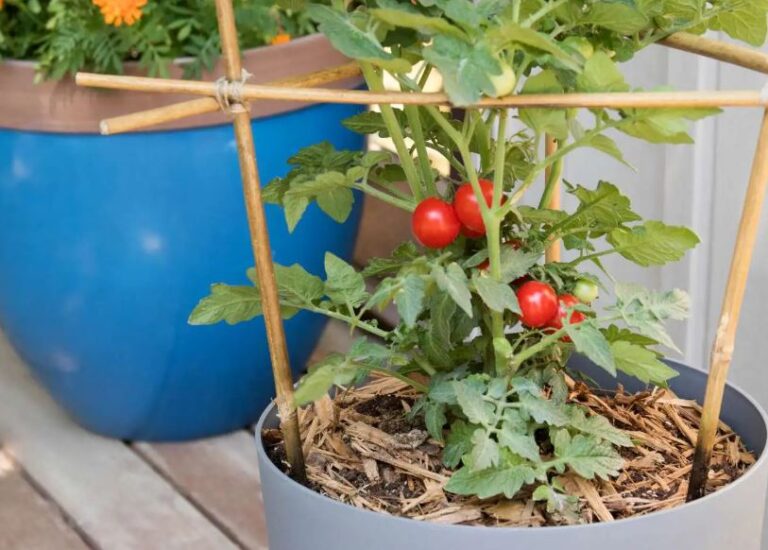
Containers and Small Gardens
Both types can work well in containers.
The key is choosing a suitable plant variety and giving it enough sunlight and support.
A compact tomato can be easier to manage on a patio, balcony, or small growing area.
If you choose a vigorous indeterminate variety, remember that the plant may become much larger than the fruit suggests.
A tiny tomato does not always mean a tiny plant.
That’s an important point for new gardeners.
Which Is Easier to Grow: Cherry or Grape Tomatoes?
Neither type is automatically easier in every garden.
The variety is often more important than whether the fruit is a cherry or grape tomato.
For beginners, look for a variety with a manageable growth habit and good resistance to common growing problems.
Give the plants plenty of sunlight. Keep watering consistent. Provide support when needed. Avoid overcrowding.
Watering Needs
Both types need consistent moisture during active growth.
Try to avoid large swings between very dry and very wet soil. Inconsistent watering can cause problems with plant growth and fruit quality.
Container-grown tomatoes may need more frequent attention because containers can dry out faster than garden soil.
Sunlight Requirements
Tomatoes perform best when they receive plenty of direct sunlight.
Before choosing a variety, look at the amount of sunlight available in your growing space.
A tomato plant that receives too little light may struggle to produce the harvest you expect.
This applies to both cherry and grape tomatoes.
Feeding and Fertilizing
Tomatoes are productive plants, so good soil and proper nutrition matter.
Start with healthy soil and avoid excessive fertilizer. Too much nitrogen can encourage leafy growth when your goal is also strong fruit production.
Follow the instructions for the fertilizer you use and consider your soil condition.
Common Growing Problems
Cherry and grape tomatoes can face similar garden problems.
Watch for:
- Inconsistent watering
- Poor sunlight
- Overcrowding
- Weak plant support
- Cracked fruit
- Pests
- Diseases
- Poor soil conditions
Good spacing, regular observation, and proper watering can prevent many problems from becoming severe.
Cherry vs Grape Tomatoes for Eating
The best tomato depends heavily on how you plan to use it.
If you want a tomato for snacking, cherry tomatoes are an excellent option. Their juicy texture makes them enjoyable straight from the garden.
Grape tomatoes are also great for snacking, especially if you prefer a firmer bite.
For cooking, grape tomatoes have an advantage when you want the pieces to maintain their shape.
Best for Fresh Snacking
Cherry tomatoes are a great choice for fresh snacking.
They are juicy, sweet, and easy to eat.
Pick them when they are fully ripe for the best flavor.
Grape tomatoes are also excellent snacks if you prefer something firmer and less juicy.
Best for Salads
Both work well in salads.
Cherry tomatoes add moisture and a juicy burst.
Grape tomatoes provide a firmer texture and can be easier to cut into neat pieces.
Your choice comes down to personal preference.
Best for Pasta and Cooking
Grape tomatoes are particularly useful in cooked dishes because their firmer flesh tends to hold together well.
They can work nicely in pasta dishes, sautéed vegetables, and roasted recipes.
Cherry tomatoes can also be cooked. Their extra juice can add moisture and flavor to a dish.
The supplied source similarly recommends grape tomatoes for pasta and cooked applications while noting that cherry tomatoes work well in pasta and pizza too.
Best for Roasting
Both types can be roasted.
Grape tomatoes are useful when you want pieces that maintain some structure after cooking.
Cherry tomatoes can become soft and juicy, creating a different result.
So choose grape tomatoes for a firmer roasted tomato and cherry tomatoes when you want a softer, juicier result.
Can You Substitute Grape Tomatoes for Cherry Tomatoes?
Yes. In most recipes, you can substitute grape tomatoes for cherry tomatoes and vice versa.
The main difference will be texture and moisture.
Grape tomatoes are generally firmer and less juicy. Cherry tomatoes can release more liquid when cut or cooked.
For a salad, the difference may be minor.
For a sauce or roasted dish, the difference can be more noticeable.
If a recipe depends on a specific amount of moisture, keep this difference in mind.
Cherry vs Grape Tomatoes: Which Is Sweeter?
Cherry tomatoes are often perceived as sweeter and juicier, but there is no simple rule that every cherry tomato is sweeter than every grape tomato.
Tomato variety matters.
Growing conditions matter too.
A ripe, well-grown grape tomato can have excellent flavor. Likewise, some cherry varieties can be mild rather than extremely sweet.
If sweetness is your top priority, compare individual varieties rather than relying only on the tomato category.
Cherry vs Grape Tomatoes: Which Is Better for Your Garden?
There isn’t one winner for every gardener.
Choose cherry tomatoes if you want:
- Juicy fruit
- Sweet fresh flavor
- Tomatoes for snacking
- Colorful varieties
- Lots of small fruits for fresh eating
Choose grape tomatoes if you want:
- Firmer fruit
- Less juicy tomatoes
- Tomatoes that hold their shape well
- Good options for pasta and roasting
- Easy-to-cut fruit for salads
Your garden space should also influence the decision.
If you have a small patio, look for a compact variety.
If you have a large garden, you can consider vigorous indeterminate varieties that need more support.
How to Choose Cherry Tomato Seeds
If you decide to grow cherry tomatoes, don’t buy based on the word “cherry” alone.
Look at the complete variety description.
Choose Based on Plant Size
For containers, look for varieties suited to compact growing conditions.
For garden beds, you have more flexibility.
Choose Based on Maturity
Check the expected days to maturity.
This helps you choose a variety that fits your growing season.
Choose Based on Flavor
If you love sweet tomatoes, prioritize varieties known for strong sweetness.
If you prefer a traditional tomato flavor, look for descriptions that mention balanced or classic flavor.
Choose Based on Growing Traits
Crack resistance, disease resistance, productivity, and growth habit can all be useful traits.
The supplied source provides examples of cherry varieties such as Everglades, Sungold, Sweet Million, and Black Cherry.
How to Choose Grape Tomato Seeds
Grape tomatoes deserve the same careful selection.
Look beyond fruit appearance.
Look for High-Yield Varieties
If you want a large harvest, compare expected productivity between specific varieties.
Consider Determinate or Indeterminate Growth
Check the plant’s growth habit before buying.
This is especially important for container gardeners.
Choose for Your Available Space
A vigorous grape tomato may need a large support system.
A compact variety may be better for smaller spaces.
Consider How You Will Use the Fruit
If you mainly roast tomatoes or cook pasta, a firm grape variety may suit you well.
If you mainly snack on fresh tomatoes, flavor should be your first priority.
Best Cherry Tomato Varieties to Grow
There is no single best cherry tomato for everyone.
Instead, match the variety to your goal.
Best for Sweet Flavor
Look for varieties known for strong sweetness and excellent fresh-eating quality.
Best for High Production
Choose a variety with a reputation for heavy production if harvest quantity is your main goal.
Best for Containers
Choose a compact variety with a manageable growth habit.
Best for Variety and Color
Cherry tomatoes offer plenty of color choices. The supplied source notes red, yellow, orange, and other colors among cherry types.
Best Grape Tomato Varieties to Grow
When selecting grape tomatoes, use the same approach.
Look for varieties based on:
- Plant size
- Yield
- Days to maturity
- Flavor
- Disease resistance
- Crack resistance
- Container suitability
A good variety is one that fits your garden, not simply one that has the highest rating or the biggest harvest claim.
Cherry vs Grape Tomatoes: Nutrition
Both cherry and grape tomatoes can be part of a healthy diet.
They contain nutrients such as vitamins A and C, and both provide the familiar nutritional benefits associated with tomatoes. The supplied source describes them as similarly nutritious choices.
The exact nutritional profile varies by variety, ripeness, and serving size.
For everyday eating, there is no need to treat one as dramatically healthier than the other.
Choose the one you enjoy eating more often.
Frequently Asked Questions
Are grape tomatoes sweeter than cherry tomatoes?
Usually, cherry tomatoes are known for a sweeter and juicier eating experience. However, sweetness varies by variety and growing conditions.
Which is better for salads, cherry or grape tomatoes?
Both are excellent. Choose cherry tomatoes for a juicy bite and grape tomatoes for firmer pieces that hold their shape.
Which is better for pasta?
Grape tomatoes are often a good choice for pasta because their firmer texture holds up well during cooking.
Can you substitute grape tomatoes for cherry tomatoes?
Yes. They can usually be substituted in recipes. The main difference is that grape tomatoes tend to be firmer and less juicy.
Which is easier to grow?
Neither is always easier. The specific variety, growing habit, climate, soil, sunlight, and care routine have a bigger effect on growing difficulty.
Can cherry and grape tomatoes grow in containers?
Yes. Both can be grown in containers when you choose an appropriate variety and provide enough sunlight, water, soil, and support.
Which produces more tomatoes?
Both can be highly productive. Production depends more on the specific variety and growing conditions than simply whether the tomato is a cherry or grape type.
Which should a beginner grow?
Cherry tomatoes are a great starting point if you want easy-to-eat fruit and frequent harvests. Grape tomatoes are also a strong choice if you prefer firm fruit for salads and cooking.
Final Verdict: Cherry or Grape Tomatoes?
The better choice depends on what you want from your tomatoes.
Choose cherry tomatoes for juicy, sweet, fresh eating. Choose grape tomatoes for firm texture, easy cutting, salads, roasting, and cooking.
For gardeners, don’t stop at the fruit type. Check the variety’s growth habit, mature size, expected harvest, and suitability for your space.
And remember: you don’t really have to choose just one.
If your garden has enough room, growing both cherry and grape tomatoes gives you the best of both worlds. You can snack on juicy cherry tomatoes while using firm grape tomatoes for salads, pasta, and roasted dishes.
The important thing is to choose varieties that match your garden and the way you actually like to eat tomatoes.

- 10 Best Kink Resistant Rubber Garden Hose 2026 - October 26, 2026
- 10 Best Kink Resistant Expandable Garden Hose 2026 - October 26, 2026
- 10 Best Garden Hose For Washing Fences 2026 - October 26, 2026