Can You Grow Tomatoes in Texas?
Yes, you can grow tomatoes successfully in Texas. In fact, tomatoes are one of the most popular vegetables for Texas home gardens. The main challenge is not growing the plants. It is choosing the right planting time and protecting them from extreme heat.
Texas has a long growing season, but summer temperatures can become too high for good tomato fruit set. When daytime temperatures stay above about 90–95°F, tomato flowers may stop setting fruit. This is why timing is so important.
Most Texas gardeners grow tomatoes in two main crops. The first is planted in late winter or early spring. The second is planted for a fall harvest.
With the right variety, good soil, regular watering, and some protection from intense afternoon heat, you can enjoy a strong tomato harvest in many parts of Texas.
Can You Grow Tomatoes in Texas?
Yes. Tomatoes can grow very well in Texas when planted during the cooler parts of the growing season.
Tomatoes prefer warm weather, but they do not perform well during prolonged extreme heat. The plants may continue growing while producing very few tomatoes.
Texas gardeners therefore need to work around the hottest part of summer.
Yes, Tomatoes Can Grow Successfully in Texas
Tomatoes need several basic conditions:
- At least 6–8 hours of direct sunlight
- Warm soil
- Well-draining soil
- Regular moisture
- Good air circulation
- Enough nutrients
- A variety suited to local conditions
The biggest factor is timing. A tomato planted at the wrong time may produce flowers but fail to set fruit.
Why Texas Heat Makes Tomato Growing Challenging
Tomato plants can tolerate warm weather, but extreme heat affects pollination.
When temperatures become very high, tomato pollen may become less effective. Flowers can drop without producing fruit. This problem is commonly called blossom drop.
Hot nights can also reduce fruit production. Tomatoes generally perform better when daytime temperatures are warm but nighttime temperatures are not excessively hot.
The Best Time to Grow Tomatoes in Texas
Many Texas gardeners grow tomatoes during spring and fall.
Spring tomatoes are usually planted after the danger of frost has passed. Fall tomatoes are planted early enough to establish before the weather cools.
The exact dates depend on your location because Texas is a very large state.
How Long Does a Tomato Season Last in Texas?
The growing season varies by region. Some areas have a long frost-free period, while northern parts of Texas experience colder winters.
A tomato crop may produce for several months when temperatures remain favorable. However, extreme summer heat can create a gap in production.
When Should You Plant Tomatoes in Texas?
Planting tomatoes at the correct time is one of the most important steps for success.
Unlike some northern states, Texas often allows gardeners to grow tomatoes in both spring and fall.
Best Time to Plant Tomatoes in Spring
In many parts of Texas, spring tomatoes are planted after the last expected frost.
Gardeners often transplant tomatoes in March or early April, depending on their location and weather.
Do not rely only on the calendar. Check the soil and weather conditions before planting.
Young tomato plants can suffer when exposed to cold soil or unexpected frost.
When to Start a Fall Tomato Crop
Fall tomatoes require more planning.
In many areas, gardeners start or transplant tomatoes in late June or July. The goal is to give plants enough time to mature before the first fall frost.
Starting plants too late can reduce the harvest.
Starting them too early can expose young plants to severe summer heat.
Why Planting Time Matters in Texas
A tomato plant needs time to grow, flower, pollinate, and produce fruit.
If flowering happens during extreme summer temperatures, fruit production may slow dramatically.
The goal is to have plants established before the worst heat or ready to produce when temperatures become more comfortable in fall.
What Temperature Is Too Hot for Tomato Plants?
Tomatoes can survive temperatures above 90°F, especially when they have adequate water. However, fruit set becomes more difficult as temperatures rise.
When daytime temperatures approach or exceed 95°F for extended periods, flowers may fail to pollinate properly.
This does not always mean the plant will die. It may simply stop producing tomatoes until conditions improve.
What Are the Best Tomatoes to Grow in Texas?
The best tomato varieties for Texas are generally those that can handle heat and produce reliably during the local growing season.
Choosing smaller or medium-sized fruit can also be helpful because these tomatoes often mature faster than very large beefsteak types.
Celebrity Tomatoes
Celebrity is a popular choice for many Texas gardens.
It is known for dependable production and disease resistance. It produces medium-sized slicing tomatoes and can work well for gardeners who want a general-purpose tomato.
It is also a useful option when you want a tomato that does not require extremely long growing conditions.
Tycoon Tomatoes
Tycoon is another variety often recommended for Texas growing.
It was developed with warm Southern conditions in mind and can be a useful choice for gardeners dealing with heat.
Its disease resistance is another reason gardeners may choose it.
Heat-Tolerant Cherry Tomatoes
Cherry tomatoes can be excellent for Texas gardens.
They often produce smaller fruit that ripens relatively quickly. Varieties such as Sun Gold and other productive cherry tomatoes can continue producing when some larger varieties struggle.
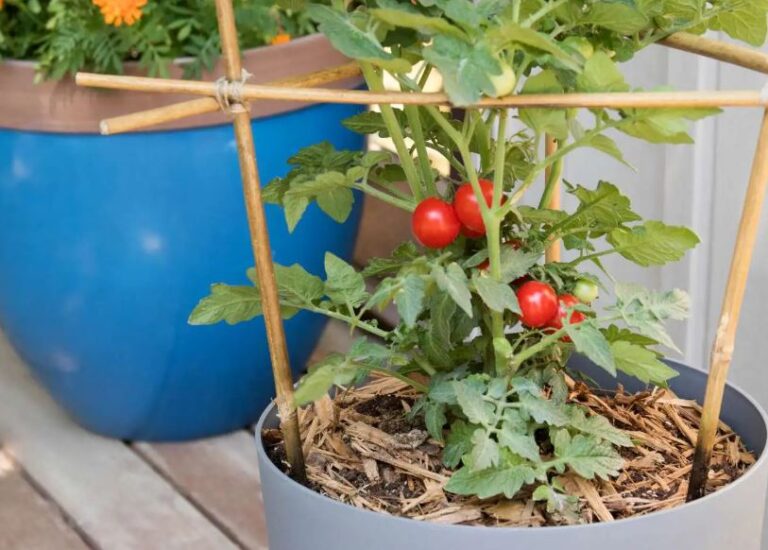
Cherry tomatoes are also a good choice for containers.
Early Girl and Other Reliable Varieties
Early Girl is popular because it produces relatively early.
Early production can be useful in Texas because gardeners want to harvest before the most intense summer heat arrives.
Other suitable varieties depend on your region, soil, planting date, and disease pressure.
How Much Sun Do Tomatoes Need in Texas?
Tomatoes need plenty of sunlight. Around 6–8 hours of direct sun is a good target for productive plants.
However, Texas sunlight can become intense during summer.
Tomatoes Need Full Sun
Choose a location that receives strong morning and daytime sunlight.
Avoid areas where buildings or trees block most of the light.
Too much shade can cause weak growth and lower fruit production.
How Many Hours of Sun Are Best?
Aim for about 8 hours of direct sunlight when possible.
Morning sun is especially useful because it helps dry foliage and supports healthy growth.
Good sunlight also helps tomatoes develop stronger stems and better fruit.
Protecting Plants From Extreme Afternoon Heat
During severe heat, some protection can help.
Shade cloth can reduce the intensity of afternoon sunlight. This can be especially useful for young plants or tomatoes growing through an unusually hot period.
Do not create heavy shade all day. Tomatoes still need plenty of light.
When Afternoon Shade Can Help
A few hours of afternoon shade can sometimes protect tomato plants from extreme heat.
This is especially helpful in the hottest parts of Texas.
A location with morning sun and filtered afternoon shade may be useful when summer temperatures become extreme.
How Do You Grow Tomatoes in Texas Heat?
Growing tomatoes through Texas heat requires careful moisture management and protection from temperature extremes.
Use Mulch to Keep Roots Cool
Mulch is one of the simplest ways to help tomato plants during hot weather.
Apply a layer of organic mulch around the plants. Straw, shredded leaves, and compost can all be useful.
Keep mulch slightly away from the main stem.
Mulch helps slow evaporation and keeps the soil temperature more stable.
Provide Consistent Soil Moisture
Tomatoes dislike large swings between very dry and very wet soil.
During hot weather, check the soil regularly.
Water deeply rather than giving the plant a tiny amount every day. The goal is to keep the root zone evenly moist without creating soggy conditions.
Use Shade Cloth During Extreme Heat
Shade cloth can protect plants when temperatures become unusually high.
It is particularly useful for newly transplanted fall tomatoes because these plants may face intense summer sun before temperatures cool.
Use temporary shade rather than blocking sunlight continuously.
Improve Airflow Around Tomato Plants
Good airflow helps foliage dry after watering and can reduce disease pressure.
Avoid overcrowding plants.
Follow the spacing recommendations for your variety. Prune only as appropriate for the plant type and growing system.
How Often Should You Water Tomatoes in Texas?
Watering is critical in Texas because heat can dry soil quickly.
There is no single watering schedule that works for every garden.
How Much Water Do Tomato Plants Need?
The amount depends on temperature, soil type, plant size, rainfall, and whether the tomato is growing in a container or garden bed.
A mature tomato plant generally needs consistent access to moisture.
Check the soil rather than watering automatically.
How to Water During Hot Weather
Water deeply around the root zone.
Morning is usually a good time to water because the plant has access to moisture during the hottest part of the day.
Drip irrigation or a soaker hose can make watering easier and keeps water off the foliage.
Signs of Underwatering and Overwatering
Underwatered tomato plants may show:
- Wilting leaves
- Dry soil
- Drooping stems
- Smaller fruit
- Blossom drop
Overwatering may cause:
- Constantly wet soil
- Yellowing leaves
- Weak roots
- Poor growth
- Increased disease problems
The soil should be moist but not continuously saturated.
Why Consistent Watering Prevents Blossom Drop
Heat is not the only cause of blossom drop. Water stress can also contribute.
A tomato plant under severe water stress may struggle to support flowers and fruit.
Keeping moisture more consistent gives the plant a better chance of maintaining flowers during stressful weather.
What Soil Is Best for Growing Tomatoes in Texas?
Tomatoes grow best in fertile, well-draining soil.
Texas soils vary greatly. Some gardens have heavy clay, while others have sandy or rocky soil.
Well-Draining Soil for Tomato Plants
Tomato roots need both water and oxygen.
Heavy, poorly drained soil can keep roots too wet.
If your native soil drains poorly, consider improving it with organic matter or using a raised bed.
Ideal Soil pH for Tomatoes
Tomatoes generally prefer slightly acidic to neutral soil, roughly around pH 6.0–6.8.
Testing your soil can help you understand its condition.
Avoid adding large amounts of lime, sulfur, or fertilizer without knowing what the soil actually needs.
Adding Compost and Organic Matter
Compost can improve soil structure and add organic matter.
Mix mature compost into the planting area before transplanting.
Do not use excessive fertilizer. Too much nitrogen can encourage leaves and stems while reducing the balance between vegetative growth and fruit production.
Growing Tomatoes in Raised Beds and Containers
Raised beds can be useful where native soil is heavy or poorly drained.
Containers are another option for gardeners with limited space.
Choose a large container with drainage holes. Smaller containers dry out faster during Texas heat, so they require closer monitoring.
Can You Grow Tomatoes in Different Parts of Texas?
Yes, but the best planting dates and varieties can differ significantly across the state.
Texas covers several climate regions, so a planting schedule that works in one city may not work in another.
Growing Tomatoes in North Texas
North Texas has colder winters than southern areas.
Spring planting usually needs to wait until frost danger has passed.
Early and mid-season varieties can be useful because gardeners want fruit before extreme summer temperatures arrive.
Growing Tomatoes in Central Texas
Central Texas can have rapid changes in weather.
Spring can provide excellent tomato-growing conditions, but summer heat can arrive quickly.
Fall gardening can also be productive when plants are established early enough.
Growing Tomatoes in South Texas
South Texas generally has a longer warm season.
However, intense heat can arrive earlier and last longer.
Heat-tolerant varieties and careful irrigation are particularly useful.
Growing Tomatoes in West and East Texas
West Texas can present challenges from heat, dry conditions, wind, and low humidity.
East Texas may have more humidity and different disease pressures.
The best strategy is to match your variety and watering approach to your local conditions.
What Problems Do Tomato Plants Face in Texas?
Texas tomatoes can face several problems, especially during hot weather.
Blossom Drop During Extreme Heat
Blossom drop is one of the most common frustrations.
The plant may look healthy but produce few tomatoes because flowers fail to set fruit.
The best solution is usually to avoid having peak flowering occur during extreme heat.
Tomato Diseases and Fungal Problems
Tomatoes can develop fungal, bacterial, or viral diseases.
Disease problems are more likely when plants are crowded, foliage stays wet, or infected plant material remains in the garden.
Good spacing, clean tools, healthy transplants, and crop rotation can help reduce problems.
Cracked and Sunscalded Tomatoes
Irregular watering can contribute to fruit cracking.
Sudden changes in soil moisture can cause fruit to expand faster than the skin can handle.
Sunscald can happen when fruit is exposed to intense direct sunlight, especially when foliage does not provide enough protection.
Tomato Pests in Texas Gardens
Tomatoes can attract insects such as aphids, stink bugs, tomato hornworms, and other pests.
Inspect plants regularly.
Look under leaves and around new growth. Early detection makes pest management much easier.
How Can You Get the Best Tomato Harvest in Texas?
Good results come from combining the right variety with good timing and consistent care.
Choose the Right Planting Date
Plant according to your local frost and heat conditions.
Do not simply follow a nationwide tomato planting calendar.
Texas has different growing conditions from north to south.
Feed and Support Tomato Plants Properly
Tomatoes need nutrients throughout the growing season.
Use a balanced fertilizer or a product designed for vegetables according to the label.
Indeterminate varieties usually benefit from a strong cage, trellis, or stake because they continue growing and producing.
Protect Plants During Heat Waves
During severe heat:
- Keep soil evenly moist.
- Add mulch around the root zone.
- Provide temporary afternoon shade.
- Avoid unnecessary root disturbance.
- Monitor containers more frequently.
- Harvest ripe fruit promptly.
Fall transplants may need extra protection because they are often planted during the hottest part of the year.
Know When to Harvest Tomatoes
Tomatoes can often be harvested when they have started changing color and allowed to finish ripening indoors.
This can protect ripe fruit from pests, cracking, birds, and extreme weather.
Pick tomatoes regularly to encourage continued production when conditions are favorable.
Frequently Asked Questions
Can tomatoes grow in Texas during summer?
Tomato plants can survive Texas summer heat, but fruit production may slow or stop during extreme temperatures. Spring and fall are often more productive growing periods.
What is the best tomato to grow in Texas?
Celebrity, Tycoon, and productive cherry tomato varieties are commonly considered good options for Texas gardens. The best choice depends on your region and planting season.
How many hours of sun do tomatoes need in Texas?
Tomatoes generally perform best with about 6–8 hours of direct sunlight. During extreme summer heat, some afternoon shade can help reduce plant stress.
Can I grow tomatoes in Texas in the fall?
Yes. Fall tomatoes can be very productive. The key is to plant early enough for the plants to establish and produce fruit before the first frost.
Why are my Texas tomato plants flowering but not producing tomatoes?
Extreme heat is a common reason. High temperatures can interfere with pollination and cause flowers to drop. Water stress and poor growing conditions can also contribute.
How often should I water tomato plants in Texas?
Water when the soil begins to dry rather than following a rigid calendar. During hot weather, plants may need more frequent watering, especially in containers or sandy soil.
Are cherry tomatoes good for Texas heat?
Yes. Cherry tomatoes are often a good choice because many varieties mature quickly and can produce heavily. They can be especially useful when large-fruited tomatoes struggle with heat.
Final Takeaway
So, can you grow tomatoes in Texas? Absolutely.
The key is to work with the Texas climate instead of fighting it.
Plant spring tomatoes early enough to produce before the worst summer heat. For a second crop, start fall tomatoes early and protect young plants from intense summer sun.
Choose varieties suited to warm conditions, give plants plenty of sunlight, keep the root zone evenly moist, and use mulch to reduce soil temperature and water loss.
Most importantly, remember that Texas is a large state. North Texas, Central Texas, South Texas, East Texas, and West Texas have different growing conditions.
Once you match the variety and planting date to your local climate, growing tomatoes in Texas becomes much easier—and a productive home garden is very achievable.

- 10 Best Burst Resistant Garden Hose 2026 - October 26, 2026
- 10 Best Leak Resistant Garden Hose 2026 - October 26, 2026
- 10 Best 1 Hp Garden Water Pump 2026 - October 26, 2026