A good garden does not need dozens of tools. A small set of useful garden tools can handle most everyday jobs. You can use them to dig soil, plant seedlings, remove weeds, prune plants, water the garden, and clean up leaves and debris.
The right tool also makes garden work easier. A hand trowel is useful for small planting jobs, while a spade or shovel works better for digging. Pruning shears handle thin stems, while loppers and pruning saws are better for thicker branches.
Here are 15 regular garden tools that are useful for beginners and experienced gardeners alike.
1. Garden Trowel
A garden trowel is one of the most useful hand tools for everyday gardening. It has a small pointed or rounded blade and a short handle. It is especially useful when working around flowers, vegetables, and container plants.
Planting Small Plants
Use a trowel to make small holes for flowers, herbs, and vegetable seedlings. Its narrow blade lets you work without disturbing nearby plants.
Transplanting Seedlings
A trowel makes it easier to lift small plants from trays or pots. Dig around the roots and lift the seedling carefully with some soil attached.
Digging in Containers
Large tools can be difficult to use in pots. A trowel gives you better control when adding soil, planting, or repotting container plants.
Removing Small Weeds
You can also use a trowel to loosen shallow-rooted weeds. Push the blade under the roots and lift the weed from the soil.
2. Garden Spade
A garden spade has a flat, strong blade and a long handle. It is designed for digging, cutting soil, edging beds, and moving small amounts of soil.
Digging Garden Beds
Use a spade to break into soil when preparing a new garden bed. Its flat blade works well for cutting through firm soil.
Cutting Through Sod
A sharp spade can cut through grass and sod. This is useful when creating a new flower bed or expanding an existing garden.
Creating Garden Edges
The straight blade makes it easier to create clean edges around flower beds, paths, and lawns.
Turning Soil
A spade can lift and turn sections of soil. You can also use it to mix compost or other organic material into the soil.
3. Garden Shovel
A garden shovel usually has a curved blade that is useful for scooping and moving loose materials. It is especially handy for larger digging and moving jobs.
Digging Deep Holes
Use a shovel when planting larger shrubs, trees, or other plants that need deeper holes.
Moving Soil
A shovel can scoop and move loose garden soil from one area to another. It is also useful when filling raised beds.
Moving Compost and Mulch
Use the blade to transfer compost, mulch, and other loose materials. This can save time compared with moving them by hand.
Transplanting Larger Plants
A shovel gives you more digging power when removing larger plants. Work around the root ball carefully to avoid unnecessary root damage.
4. Garden Fork
A garden fork has several strong tines instead of a solid blade. It is excellent for loosening soil and working with organic material.
Loosening Compact Soil
Push the fork into hard soil and rock it gently. This helps break up compacted areas before planting.
Turning Soil
A garden fork can lift and turn soil without slicing through it as much as a spade. This makes it useful for working in established beds.
Mixing Compost
Use the fork to mix compost and other organic material into garden soil. It can also help distribute loose mulch.
Removing Roots and Weeds
The strong tines can loosen stubborn roots and larger weeds. Lift the material from underneath and remove it from the bed.
5. Garden Hoe
A garden hoe is mainly used for working the top layer of soil and controlling weeds. Its long handle allows you to work while standing.
Removing Weeds
A hoe can cut young weeds near the soil surface. Regular shallow cultivation can help keep garden beds cleaner.
Breaking Soil Crust
Rain and watering can leave a hard crust on the soil surface. A hoe can loosen this upper layer.
Creating Planting Furrows
Use the edge of a hoe to create shallow rows for seeds. This helps keep vegetable rows organized.
Cultivating Garden Beds
Lightly moving a hoe through the topsoil can loosen the surface and disturb small weeds before they become established.
6. Garden Rake
A garden rake is useful for cleaning and preparing garden areas. Different rake designs are available, but most are used to collect debris or level soil.
Gathering Leaves
Use a rake to collect fallen leaves from lawns and garden beds. Gather them into piles for disposal or composting.
Leveling Soil
A sturdy garden rake can smooth loose soil after digging. This helps create an even surface for planting.
Removing Stones and Debris
Raking can bring small stones, sticks, and other debris together so they are easier to remove.
Spreading Mulch
You can use the back or tines of a suitable rake to spread mulch across garden beds. Work gently around existing plants.
7. Hand Cultivator
A hand cultivator is a small tool with several pointed tines. It is useful for loosening the soil around plants and working in small spaces.
Breaking Hard Soil
Use the tines to scratch and loosen the upper layer of compacted soil. This is especially useful in small beds and containers.
Removing Surface Weeds
A cultivator can disturb shallow weed roots. Work carefully around desirable plants.
Mixing Soil Amendments
You can use it to mix small amounts of compost or other suitable soil amendments into the surface layer.
Maintaining Flower Beds
A hand cultivator is easy to use between flowers and other closely planted areas. Its small size gives you better control than a large garden tool.
8. Pruning Shears
Pruning shears, also called hand pruners, are designed for cutting small branches and stems. They are essential for maintaining many shrubs, flowers, herbs, and fruit plants.
Cutting Small Stems
Use pruning shears to remove thin stems and unwanted growth. A sharp blade makes cleaner cuts than a dull one.
Removing Dead Growth
Dead or damaged stems can be removed with suitable pruners. Clean tools are especially important when moving between plants.
Pruning Shrubs and Flowers
Pruners can help shape small shrubs and maintain flowering plants. Always follow the pruning needs of the specific plant.
Harvesting Garden Produce
Pruning shears can also be useful for harvesting herbs, peppers, grapes, and other crops where a clean stem cut is helpful.
9. Loppers
Loppers are long-handled pruning tools designed for branches that are too thick for ordinary hand pruners.
Cutting Thick Branches
The long handles provide more leverage. This makes loppers useful for larger branches that cannot be comfortably cut with pruning shears.
Removing Dead Branches
Use loppers to remove dead or damaged branches from suitable shrubs and small trees.
Pruning Fruit Trees
Loppers can help remove selected branches from fruit trees. Make cuts according to the pruning requirements of the tree.
Reaching Higher Branches
The long handles give you extra reach. However, avoid stretching or cutting branches that are beyond safe control.
10. Pruning Saw
A pruning saw is designed for cutting branches that are too thick for pruning shears or loppers. Its toothed blade cuts through woody growth efficiently.
Cutting Thick Woody Branches
Use a pruning saw for larger branches that cannot be cut safely with smaller pruning tools.
Removing Damaged Branches
A saw can help remove broken or damaged limbs when the branch size requires it.
Maintaining Trees
Pruning saws are useful for selected tree-maintenance jobs. Use controlled cuts and avoid removing more growth than necessary.
Cutting Branches Too Thick for Loppers
When a branch becomes too large for loppers, a suitable pruning saw is the next practical option. Choose a saw designed for garden pruning.
11. Garden Weeder
A garden weeder is designed specifically for removing unwanted plants. Some models pull weeds from the root, while others use a narrow blade or fork.
Removing Deep-Rooted Weeds
A suitable weeder can help remove weeds with long roots. This is useful for weeds that easily grow back after surface cutting.
Removing Lawn Weeds
Hand weeders can target individual weeds in lawns and garden areas. This avoids disturbing a large section of soil.
Working Around Plants
The narrow design of many weeders allows you to target unwanted plants close to desirable plants.
Pulling Stubborn Weeds
A weeder can give you extra leverage when a weed is difficult to pull by hand. Work the tool into the soil and loosen the root before pulling.
12. Watering Can
A watering can gives you control over how much water reaches an individual plant. It is especially useful for seedlings, containers, and small gardens.
Watering Seedlings
Young plants need careful watering. A watering can with a fine rose can distribute water gently without washing away loose soil.
Watering Container Plants
Use a watering can to water pots and planters without dragging a hose around.
Directing Water to Plant Roots
Aim the water toward the soil around the plant rather than wasting water on surrounding surfaces.
Applying Liquid Fertilizer
A watering can can also be used to apply properly diluted liquid fertilizer. Always follow the product label for mixing and application instructions.
13. Garden Hose
A garden hose is one of the most convenient tools for watering larger gardens. It can also be connected to different nozzles and sprinklers.
Watering Large Garden Areas
A hose allows you to reach plants across larger beds without carrying a watering can back and forth.
Filling Containers
You can use a hose to fill buckets, watering cans, ponds, and other garden containers when appropriate.
Washing Garden Tools
After digging or weeding, a hose can remove loose soil and mud from many garden tools.
Connecting Sprinklers and Nozzles
A hose can work with adjustable spray nozzles and sprinklers. These attachments let you change how water is delivered.
14. Garden Gloves
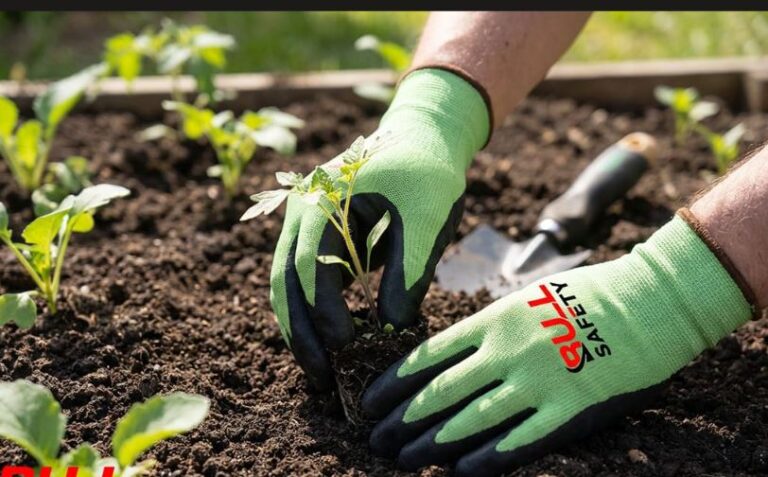
Garden gloves protect your hands while you work with soil, plants, weeds, and garden tools. The best glove depends on the job.
Protecting Hands From Dirt
Gloves keep soil from collecting under your fingernails and help keep hands cleaner during planting and weeding.
Handling Thorny Plants
For roses and other thorny plants, choose gloves designed for stronger protection. Ordinary lightweight gloves may not provide enough protection.
Improving Grip
Many gardening gloves have textured or coated palms. These can make it easier to hold tools and plants securely.
Handling Weeds and Debris
Gloves are useful when pulling weeds, collecting leaves, and handling rough garden debris. They can also help reduce minor scratches.
15. Wheelbarrow
A wheelbarrow makes it easier to move heavy or bulky materials around the garden. It can save many trips when working on larger projects.
Moving Soil
Use a wheelbarrow to transport soil from one part of the garden to another. It is especially useful when preparing new beds.
Carrying Compost and Mulch
A wheelbarrow can hold a large amount of compost or mulch. This makes spreading materials around the garden faster.
Transporting Plants
You can use it to move pots, trays, and other gardening supplies. Place plants securely so they do not tip over.
Removing Garden Waste
A wheelbarrow is also useful for collecting weeds, leaves, branches, and other garden waste and taking it to a compost or disposal area.
Final Thoughts
You do not need every garden tool to maintain a healthy garden. A small collection of reliable tools can handle most routine jobs.
A trowel, spade, shovel, and garden fork cover many digging and planting tasks. A hoe, rake, cultivator, and weeder help with soil preparation and weed control. For plant maintenance, pruning shears, loppers, and a pruning saw are useful choices.
For watering and general garden work, keep a watering can, garden hose, gloves, and wheelbarrow available. Choose tools that match the size of your garden and the type of work you do most often.
Essential Garden Tool Safety and Care Tips
Good tools last longer when you use and maintain them properly. Safe handling also helps prevent cuts, strains, and other common gardening injuries.
Wear the Right Protective Gear
Wear gardening gloves when handling soil, weeds, rough branches, or thorny plants. Use safety glasses when cutting branches or using tools that may send debris into the air. Sturdy, closed-toe shoes can also protect your feet.
Use the Right Tool for the Job
Do not force a trowel to dig hard ground or use pruning shears on branches that are too thick. Choose a spade, shovel, lopper, or pruning saw based on the job. Using the wrong tool can damage the tool and increase the chance of injury.
Keep Blades Sharp and Clean
Sharp pruning blades usually make cleaner cuts and require less force. Clean soil and plant residue from blades after use. If you move between plants, especially when disease is suspected, disinfect pruning tools according to appropriate horticultural guidance.
Check Tools Before Use
Inspect handles, blades, screws, and moving parts before starting work. Do not use tools with cracked handles, loose parts, badly damaged blades, or other defects. Repair or replace damaged equipment before using it again.
Clean and Dry Tools After Gardening
Remove soil and plant debris after each use. Wash tools when needed and dry metal parts thoroughly to help prevent rust. A clean tool is also easier to store and ready for the next gardening job.
Store Tools in a Dry Place
Keep garden tools somewhere dry and protected from rain. Hang long-handled tools when possible and store sharp tools so their blades cannot accidentally injure someone.
Use Pruning Tools Carefully
Keep fingers away from cutting blades and make sure the branch is within the tool’s recommended capacity. For high branches, use appropriate equipment rather than climbing on unstable objects.
Lift Heavy Tools and Materials Safely
A shovel full of wet soil can be heavy. Bend your knees, keep the load close to your body, and avoid twisting while lifting. For larger amounts of soil, compost, or mulch, use a wheelbarrow or garden cart.
Keep Watering Equipment Safe
Drain and store hoses properly so they do not become a tripping hazard. Turn off the water supply when finished and check hoses for leaks or damaged fittings.
Maintain Tools Regularly
Give your tools a quick inspection throughout the gardening season. Sharpen blades when needed, tighten loose connections, oil suitable moving parts, and replace worn components. Regular maintenance can extend the useful life of your garden tools.
Frequently Asked Questions
What are the most important garden tools?
The most important garden tools include a trowel, spade, shovel, garden fork, hoe, rake, cultivator, pruning shears, loppers, pruning saw, garden weeder, watering can, garden hose, gloves, and wheelbarrow. Together, they cover most everyday gardening tasks.
What garden tools should a beginner buy first?
A beginner can start with a garden trowel, hand pruners, garden gloves, hoe, rake, watering can or hose, and a shovel or spade. Add other tools as specific gardening jobs require them.
What is the difference between a spade and a shovel?
A spade usually has a flatter, straighter blade and is useful for digging, edging, and cutting through soil. A shovel often has a curved blade that works well for scooping and moving loose soil, compost, and mulch.
Which garden tool is best for removing weeds?
The best tool depends on the weed and where it grows. A hoe works well for young surface weeds, while a hand weeder is useful for individual deep-rooted weeds. A hand cultivator can also loosen shallow weed roots.
What tool is used for cutting tree branches?
Pruning shears are suitable for smaller stems and branches. Loppers handle thicker branches, while a pruning saw is designed for branches that are too thick for loppers.
How often should garden tools be cleaned?
It is a good idea to remove soil and plant debris after each use. Dry metal parts before storage and clean or disinfect cutting tools when appropriate, especially when working with plants that may have diseases.
How should garden tools be stored?
Store garden tools in a dry, protected area. Keep sharp tools positioned safely, hang long-handled tools when possible, and avoid leaving metal tools exposed to rain or damp conditions.
Do I need all 15 garden tools?
No. You do not need all 15 tools immediately. Choose tools based on the plants you grow, the size of your garden, and the jobs you do most often. You can build your collection gradually.
Conclusion
The right garden tools can make routine gardening much easier. You do not need a large collection to get started. A few reliable tools can handle most planting, digging, weeding, pruning, watering, and cleanup jobs.
Start with basic tools such as a garden trowel, spade, shovel, garden fork, hoe, rake, pruning shears, watering can, gloves, and wheelbarrow. Add loppers, a pruning saw, garden weeder, cultivator, or garden hose as your gardening needs grow.
Keep your tools clean, dry, sharp, and properly stored. Choosing the right tool for each task will also make the work safer and help your equipment last longer.

- How to Grow Microgreens Without Soil Indoors: Easy Home Method - October 5, 2026
- Microgreens vs. Sprouts: Key Differences, Nutrition, Safety, and Which One to Eat - October 5, 2026
- 10 Best Garden Tools For Weed Removal 2027 - October 3, 2026