5 Best Soil for a Raised Bed Garden (Top Picks for Healthy Vegetables, Herbs, and Flowers)
Raised bed gardening offers better drainage, improved soil control, and higher yields than traditional in-ground gardening. However, the success of your garden depends largely on the soil you use. Even the best-built raised bed will struggle if the soil lacks nutrients, drainage, or moisture-retention capacity.
The best soil for a raised bed garden should provide a balance of organic matter, nutrients, aeration, and water retention. Plants need loose soil that allows roots to spread easily while still holding enough moisture to support healthy growth. Whether you are growing tomatoes, peppers, herbs, leafy greens, or flowers, choosing the right soil can make a significant difference in plant health and harvest size.
In this guide, we review the best soil products and soil amendments for raised bed gardening. We also explain how each option performs, its advantages and disadvantages, and which gardeners will benefit most from using it.
1. Espoma Organic Potting Soil Mix – Best Overall Organic Soil for Raised Beds
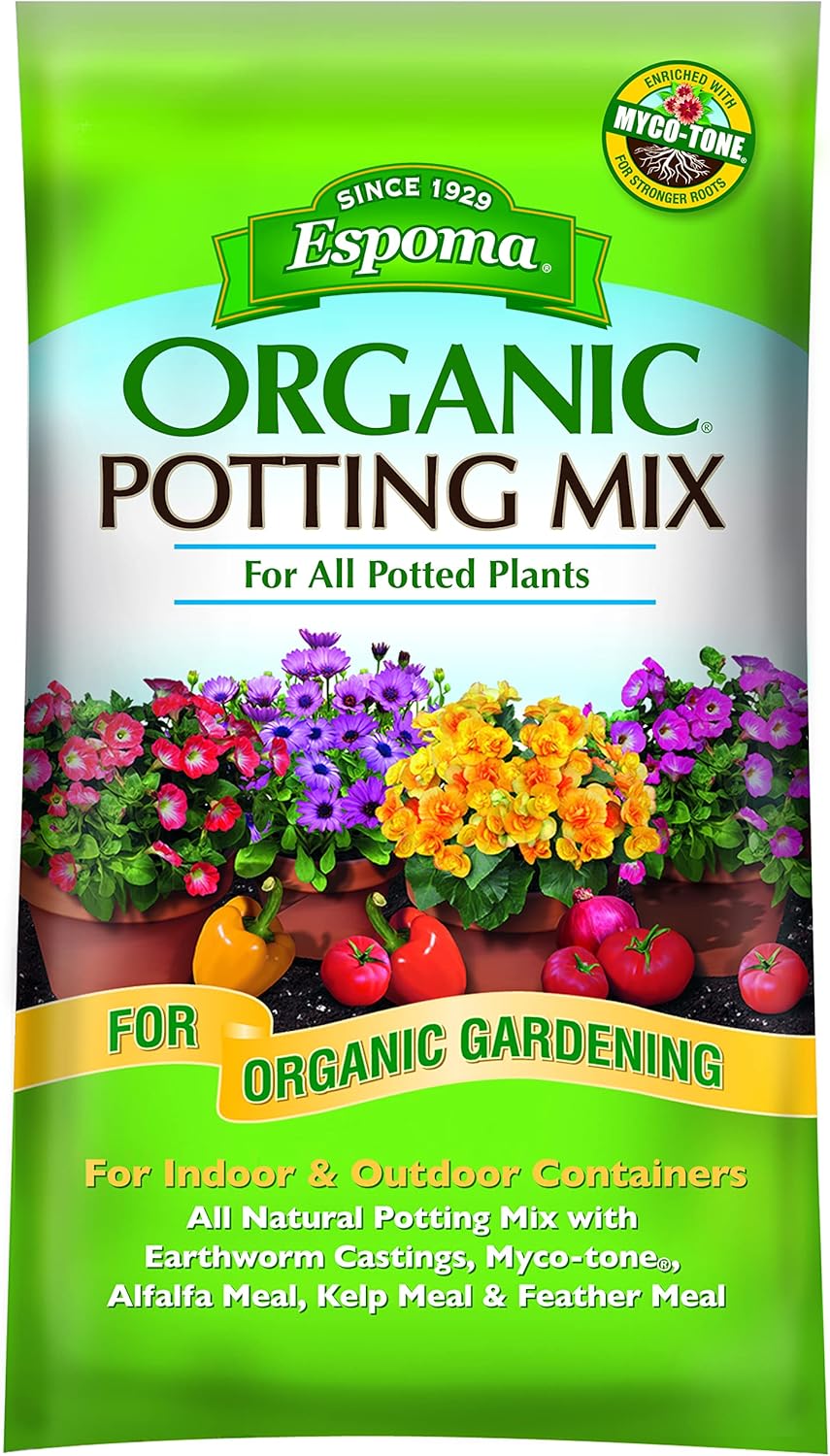
Espoma Organic Potting Soil Mix is one of the best options for gardeners who want an organic growing medium for vegetables, herbs, flowers, and container plants. While it is marketed primarily as a potting mix, many gardeners successfully incorporate it into raised bed gardens because of its rich organic ingredients and excellent structure.
Key Features and Ingredients
This soil mix contains several natural ingredients designed to support healthy plant growth:
- Sphagnum peat moss
- Humus
- Perlite
- Earthworm castings
- Alfalfa meal
- Kelp meal
- Feather meal
- Myco-tone mycorrhizae blend
The combination of organic materials provides nutrients while improving soil texture. Earthworm castings contribute beneficial microorganisms, while kelp and alfalfa meals supply trace minerals and slow-release nutrients.
One of the standout features is the inclusion of Myco-tone, a blend of beneficial mycorrhizae. These fungi form relationships with plant roots and help improve nutrient and water uptake.
Benefits for Raised Bed Gardening
Raised beds require soil that remains loose and fertile throughout the growing season. Espoma Organic Potting Soil Mix performs well because it balances moisture retention with proper drainage.
The peat moss helps retain water during hot weather, reducing the need for frequent watering. Perlite creates air pockets that improve root oxygenation and prevent soil compaction.
Vegetable crops such as tomatoes, cucumbers, lettuce, peppers, and beans benefit from this balanced environment. Flowering plants also respond well due to the steady supply of nutrients.
Another advantage is that this soil supports microbial activity. Healthy soil biology improves nutrient cycling and promotes stronger root systems.
Pros
- Rich organic ingredients
- Contains beneficial mycorrhizae
- Excellent drainage and aeration
- Supports vegetable and flower growth
- No synthetic fertilizers
Cons
- More expensive than basic soil mixes
- May require additional compost for large raised beds
Who Should Buy This Soil
This soil is ideal for gardeners who prefer organic gardening practices. It works especially well for raised beds growing vegetables, herbs, and flowering plants. If you want a premium soil that supports long-term soil health, Espoma Organic Potting Soil Mix is an excellent choice.
2. Miracle-Gro Potting Mix – Best for Fast Plant Growth
Miracle-Gro Potting Mix is one of the most widely used gardening products available today. Its popularity comes from its ability to provide plants with nutrients for up to six months, helping gardeners achieve rapid growth and abundant harvests.
For gardeners seeking quick results, this potting mix is often one of the top choices.
Key Features and Ingredients
Miracle-Gro Potting Mix contains a blend of organic materials and fertilizer designed to promote vigorous plant growth.
Key features include:
- Feeds plants for up to six months
- Suitable for vegetables, herbs, flowers, and shrubs
- Lightweight and easy to work with
- Supports strong root development
- Designed to improve moisture retention
The built-in plant food helps reduce the need for additional fertilization during the early stages of growth.
Performance in Raised Bed Vegetable Gardens
Many raised bed gardeners use Miracle-Gro Potting Mix to supplement existing soil or create a nutrient-rich growing environment.
Vegetables such as tomatoes, peppers, zucchini, and cucumbers often show noticeable growth improvements due to the slow-release nutrients. Flowering plants also produce larger blooms and healthier foliage when grown in nutrient-rich soil.
The mix retains moisture effectively, which can be beneficial during periods of hot weather. At the same time, it remains loose enough to allow roots to expand without restriction.
For best results, many gardeners combine Miracle-Gro Potting Mix with compost and topsoil to create a balanced raised bed blend.
Pros
- Feeds plants for up to six months
- Promotes rapid growth
- Widely available
- Easy to use
- Suitable for many plant types
Cons
- Not fully organic
- May require additional drainage amendments in some climates
Best Plants to Grow with This Mix
Miracle-Gro performs especially well with:
- Tomatoes
- Peppers
- Cucumbers
- Squash
- Herbs
- Annual flowers
Gardeners focused on maximizing production often choose this mix because of its consistent performance and nutrient availability.
3. Espoma Organic Seed Starter Mix – Best for Seedlings and Young Plants
Starting seeds directly in raised beds can be challenging if the soil is heavy or compacted. Young seedlings need a light, fluffy growing medium that allows delicate roots to develop quickly.
Espoma Organic Seed Starter Mix is specifically formulated for seed germination and early plant growth. It contains premium natural ingredients that encourage strong root development and healthy seedlings.
Key Features and Ingredients
This seed-starting mix contains:
- Sphagnum peat moss
- Peat humus
- Perlite
- Myco-tone mycorrhizae
The lightweight texture allows seeds to germinate easily while maintaining the moisture levels needed for successful growth.
The added mycorrhizae support root expansion and improve nutrient absorption during the most critical stage of plant development.
4. Espoma Organic Seed Starter Mix – Best for Seedlings and Young Plants

Successful seed germination depends on moisture, warmth, and oxygen. Heavy garden soil can make it difficult for young roots to develop properly. Espoma Organic Seed Starter Mix solves this problem with a fine, lightweight texture that promotes healthy germination.
The peat moss and peat humus hold moisture around seeds, helping them stay consistently hydrated. Perlite creates tiny air pockets that improve oxygen flow to developing roots. This combination helps seeds sprout faster and establish stronger root systems.
Because the mix contains no heavy chunks of bark or large pieces of organic matter, seedlings can emerge more easily through the soil surface.
Pros
- Excellent for seed starting
- Lightweight and easy to use
- Encourages root development
- Contains beneficial mycorrhizae
- Organic ingredients
Cons
- Not designed as a complete raised bed soil
- May need additional nutrients after seedlings mature
Ideal Uses in Raised Beds
This mix works best when starting vegetables, herbs, and flowers before transplanting them into raised beds.
Ideal crops include:
- Tomatoes
- Peppers
- Lettuce
- Basil
- Parsley
- Marigolds
- Zinnias
Many gardeners also use a thin layer of seed starter mix on top of raised bed soil when direct sowing small seeds. This creates a softer environment that improves germination rates.
5. SUN GRO Horticulture Perlite – Best Soil Amendment for Drainage

While perlite is not a complete soil by itself, it is one of the most valuable ingredients for building high-quality raised bed soil. Poor drainage is a common cause of plant problems, especially in raised beds filled with dense soil mixes.
SUN GRO Horticulture Perlite helps solve this issue by increasing airflow and improving drainage throughout the soil profile.
Why Drainage Matters in Raised Beds
Healthy roots need oxygen as much as they need water. When soil remains saturated for long periods, roots struggle to breathe and may develop rot.
Signs of poor drainage include:
- Yellow leaves
- Slow growth
- Wilting despite moist soil
- Root diseases
- Reduced harvests
Adding perlite helps prevent these issues by creating spaces where excess water can drain away while still retaining enough moisture for plants.
Benefits of Adding Perlite
Perlite is made from volcanic glass that expands when heated. The resulting particles are lightweight and porous.
Benefits include:
- Improved soil aeration
- Better drainage
- Reduced soil compaction
- Stronger root growth
- Improved nutrient uptake
Raised beds filled with compost-rich soil can sometimes become too dense over time. Perlite helps maintain a loose structure throughout the growing season.
Gardeners growing root crops such as carrots and radishes often notice improved root development when perlite is added to the soil mix.
Pros
- Excellent drainage improvement
- Lightweight material
- Prevents compaction
- Long-lasting soil amendment
- Easy to mix into soil
Cons
- Contains no nutrients
- Can create dust during handling
How Much Perlite to Mix into Raised Bed Soil
Most gardeners achieve good results by adding 10% to 20% perlite to their raised bed soil mixture.
A common formula is:
- 60% topsoil
- 30% compost
- 10% perlite
For heavy clay-based soils, increasing perlite content may further improve drainage and root health.
Gerta Organic Vermiculite – Best for Moisture Retention
While perlite improves drainage, vermiculite focuses on moisture retention. This makes it especially useful for gardeners living in hot or dry climates where soil dries out quickly.
Gerta Organic Vermiculite is a coarse-grade horticultural vermiculite designed to improve water-holding capacity while maintaining healthy soil structure.
Key Benefits for Raised Bed Gardens
One of the biggest challenges in raised bed gardening is maintaining consistent moisture levels. Raised beds typically dry out faster than traditional garden plots because they are elevated above the surrounding soil.
Vermiculite helps address this challenge by acting like a sponge within the soil.
Benefits include:
- Increased moisture retention
- Improved nutrient retention
- Better seed germination
- Enhanced root development
- Reduced watering frequency
This can be particularly valuable during summer heat waves when plants experience increased water demand.
Moisture-Holding Capability
The unique structure of vermiculite allows it to absorb and store large amounts of water.
As soil begins to dry, vermiculite gradually releases moisture back to plant roots. This helps maintain more consistent growing conditions and reduces plant stress.
Vegetables that benefit from steady moisture include:
- Lettuce
- Spinach
- Cabbage
- Broccoli
- Cucumbers
Flowering plants also benefit because consistent moisture supports continuous blooming throughout the season.
Pros and Cons
Pros
- Excellent water retention
- Improves seed germination
- Helps reduce watering needs
- Retains nutrients effectively
- Lightweight and easy to use
Cons
- Can retain too much moisture in wet climates
- Provides no significant nutrients
Best Crops for Vermiculite-Amended Soil
Vermiculite performs especially well with crops that require consistently moist soil.
Examples include:
- Lettuce
- Kale
- Spinach
- Celery
- Herbs
- Annual flowers
Combining vermiculite with compost creates an ideal growing environment for many moisture-loving plants.
Top 5 Best Soil for a Raised Bed Garden (Quick Comparison Table)
| Product | Best For | Organic | Drainage | Moisture Retention | Rating |
|---|---|---|---|---|---|
| Espoma Organic Potting Soil Mix | Overall Performance | Yes | Excellent | Excellent | 4.5/5 |
| Miracle-Gro Potting Mix | Fast Growth | No | Good | Good | 4.6/5 |
| Espoma Organic Seed Starter Mix | Seedlings | Yes | Excellent | Good | 4.5/5 |
| SUN GRO Horticulture Perlite | Drainage Improvement | N/A | Excellent | Moderate | 4.7/5 |
| Gerta Organic Vermiculite | Moisture Retention | N/A | Good | Excellent | 4.7/5 |
Why These Are the Best Soil Products for Raised Bed Gardens
The products reviewed above offer different benefits, but they all contribute to healthier soil and stronger plant growth.
Organic Matter Content
Organic matter is one of the most important components of raised bed soil. It improves fertility, supports beneficial microorganisms, and enhances soil structure.
Products such as Espoma Organic Potting Soil Mix provide rich organic materials that feed plants while improving soil health over time.
Higher organic matter levels often lead to:
- Better nutrient availability
- Improved water retention
- Increased microbial activity
- Stronger root systems
Drainage and Aeration
Plants perform best when roots have access to both moisture and oxygen.
Perlite plays an important role in preventing compaction and improving airflow. Better aeration encourages deeper root growth and reduces the risk of root diseases.
Raised beds containing proper drainage materials generally produce healthier vegetables and flowers throughout the growing season.
Nutrient Availability
Plants need a steady supply of nutrients to grow vigorously.
Products like Miracle-Gro Potting Mix provide long-lasting nutrition, while organic products rely on natural ingredients that gradually release nutrients over time.
A balanced soil system helps support:
- Leaf development
- Flower production
- Fruit formation
- Root growth
The best raised bed gardens combine nutrient-rich soil with proper drainage and moisture retention to create ideal growing conditions.
What Type of Soil Is Best for a Raised Bed Garden?
Choosing the right soil is one of the most important decisions for raised bed gardening success. Unlike traditional gardens, raised beds allow gardeners to create an ideal growing environment from the start.
The best soil for a raised bed garden should be:
- Rich in organic matter
- Well-draining
- Moisture-retentive
- Nutrient-rich
- Loose and easy for roots to penetrate
A balanced soil mix encourages strong root development while providing the nutrients plants need throughout the growing season.
Ideal Soil Composition
Most successful raised bed gardens contain a blend of topsoil, compost, and soil amendments.
Each ingredient serves a specific purpose:
Topsoil
Provides structure and mineral content.
Compost
Adds nutrients and beneficial microorganisms.
Soil Amendments
Improve drainage, aeration, and moisture retention.
When these components are properly balanced, plants develop stronger roots and produce higher yields.
Recommended Soil Ratios
Many gardening experts recommend a simple raised bed soil formula:
| Ingredient | Percentage |
|---|---|
| Topsoil | 60% |
| Compost | 30% |
| Perlite or Vermiculite | 10% |
This mixture creates an ideal balance between drainage, fertility, and water retention.
Gardeners growing vegetables often find this ratio works exceptionally well for crops such as tomatoes, peppers, cucumbers, lettuce, and beans.
Importance of Compost
Compost is often called the heart of a productive garden.
Benefits of compost include:
- Improves soil fertility
- Enhances water retention
- Supports beneficial microbes
- Reduces soil compaction
- Encourages earthworm activity
Adding compost annually helps maintain healthy soil and prevents nutrient depletion.
Common Soil Mistakes to Avoid
Many gardeners unintentionally create problems by using poor soil mixtures.
Common mistakes include:
- Using only topsoil
- Filling beds with heavy clay soil
- Ignoring drainage requirements
- Using fresh manure excessively
- Forgetting to replenish nutrients annually
Avoiding these mistakes helps ensure long-term gardening success
How to Build the Perfect Raised Bed Soil Mix
Creating your own soil blend can save money while giving you complete control over soil quality.
A well-balanced raised bed mix supports healthy plants throughout the growing season.
The 60-30-10 Method
One of the easiest ways to build a productive raised bed is by following the 60-30-10 formula.
For every 10 buckets of soil:
- 6 buckets topsoil
- 3 buckets compost
- 1 bucket perlite or vermiculite
This combination creates a fertile and well-draining growing medium suitable for most vegetables and flowers.
Mixing Compost and Topsoil
Begin by combining topsoil and compost thoroughly.
Mixing evenly prevents nutrient-rich pockets and ensures roots have access to nutrients throughout the bed.
Good compost sources include:
- Homemade compost
- Leaf compost
- Mushroom compost
- Well-aged manure
- Commercial compost blends
The finished mixture should feel loose and crumbly rather than dense or compacted.
Improving Heavy Clay Soil
Clay soil can create drainage problems if added directly to raised beds.
To improve clay-based soil:
- Add compost generously
- Incorporate perlite
- Mix in coarse organic matter
- Avoid working wet clay
These adjustments improve aeration and help roots grow more freely.
Improving Sandy Soil
Sandy soil drains quickly and often struggles to retain nutrients.
Improve sandy soil by adding:
- Compost
- Vermiculite
- Aged organic matter
- Peat moss
These ingredients help hold moisture and nutrients while maintaining good drainage.
Raised Bed Soil vs Potting Soil
Many gardeners wonder whether potting soil and raised bed soil are the same thing. Although similar, they serve different purposes.
Main Differences
| Feature | Raised Bed Soil | Potting Soil |
|---|---|---|
| Purpose | Raised Beds | Containers |
| Density | Moderate | Lightweight |
| Water Retention | Balanced | Higher |
| Nutrient Content | Moderate to High | Moderate |
| Cost | Lower for Large Areas | Higher |
Raised bed soil is designed to fill larger spaces economically while maintaining healthy growing conditions.
Which One Performs Better?
Neither option is universally better.
The best choice depends on how the soil will be used.
Raised bed soil performs best for:
- Vegetable gardens
- Flower beds
- Permanent growing spaces
Potting soil performs best for:
- Containers
- Hanging baskets
- Indoor plants
Can You Use Potting Soil Alone?
Using potting soil alone in a raised bed is possible, but it can become expensive for larger gardens.
Many gardeners mix potting soil with compost and topsoil to reduce costs while maintaining excellent growing conditions.
Best Combination Strategy
A practical solution is combining:
- 50% topsoil
- 30% compost
- 20% quality potting soil
This blend provides nutrients, structure, and moisture retention while remaining budget-friendly.
Best Soil for Different Raised Bed Crops
Different plants have slightly different soil requirements.
Understanding these needs can improve growth and yields.
Vegetables
Most vegetables prefer:
- Well-draining soil
- Rich organic matter
- Consistent moisture
- Neutral pH
Recommended mix:
- Compost-rich soil
- Perlite for drainage
- Annual compost additions
Ideal vegetables include:
- Tomatoes
- Peppers
- Cucumbers
- Beans
- Squash
Herbs
Many herbs prefer lighter soil with excellent drainage.
Examples include:
- Basil
- Thyme
- Rosemary
- Oregano
- Sage
Adding extra perlite helps prevent overly wet conditions that can damage herb roots.
Flowers
Flowering plants benefit from fertile soil rich in organic matter.
Best additions include:
- Compost
- Earthworm castings
- Balanced fertilizers
These ingredients encourage continuous blooming and healthy foliage.
Root Crops
Root vegetables require loose soil free from rocks and compaction.
Best soil characteristics include:
- Deep cultivation
- Good drainage
- Fine texture
- Moderate fertility
Ideal crops include:
- Carrots
- Radishes
- Beets
- Turnips
- Parsnips
Common Raised Bed Soil Problems and Solutions
Even high-quality soil can develop issues over time.
Recognizing these problems early helps prevent reduced yields.
Soil Compaction
Compacted soil restricts root growth and reduces oxygen availability.
Solutions:
- Add compost annually
- Mix in perlite
- Avoid stepping inside beds
- Use mulch to protect soil structure
Poor Drainage
Poor drainage often leads to root rot and stunted growth.
Solutions:
- Add perlite
- Improve soil texture
- Raise bed height
- Reduce excessive watering
Nutrient Deficiency
Plants lacking nutrients often show:
- Yellow leaves
- Slow growth
- Poor flowering
- Small harvests
Solutions:
- Add compost
- Use organic fertilizers
- Conduct soil testing
- Rotate crops annually
Soil Settling Over Time
Organic matter naturally breaks down and settles.
To maintain proper bed depth:
- Add compost yearly
- Top up beds each spring
- Mulch regularly
- Replenish organic matter
How Often Should You Replace Raised Bed Soil?
One of the biggest advantages of raised bed gardening is that soil rarely needs complete replacement.
Signs Soil Needs Refreshing
Watch for:
- Poor plant growth
- Reduced harvests
- Compacted soil
- Drainage problems
- Low organic matter
These signs indicate the soil may need improvement.
Annual Soil Maintenance
Most raised beds benefit from:
- Adding 1–2 inches of compost yearly
- Removing plant debris
- Testing soil periodically
- Applying mulch
These simple practices keep soil productive for many years.
Adding Compost Each Season
Compost replenishes nutrients naturally.
Benefits include:
- Improved fertility
- Better water retention
- Enhanced soil structure
- Increased microbial activity
Adding compost each season is often enough to maintain healthy raised bed soil.
Long-Term Soil Care
For long-term success:
- Rotate crops
- Add organic matter regularly
- Maintain proper pH
- Avoid excessive tilling
- Protect soil with mulch
Healthy soil becomes more productive with age when properly maintained.
Buying Guide: How to Choose the Best Soil for a Raised Bed Garden
Before purchasing soil products, consider several important factors.
Organic vs Conventional Soil
Organic soil relies on natural ingredients and fertilizers.
Benefits include:
- Improved soil biology
- Sustainable gardening
- Long-term soil health
Conventional mixes often provide faster nutrient availability but may contain synthetic fertilizers.
Moisture Retention
Gardens in hot climates benefit from soils that retain moisture effectively.
Look for ingredients such as:
- Compost
- Vermiculite
- Peat moss
These materials help reduce watering frequency.
Drainage Performance
Good drainage prevents root diseases and promotes healthy growth.
Drainage-enhancing ingredients include:
- Perlite
- Pine bark
- Coarse compost
Balanced drainage is essential for most vegetables and flowers.
Budget Considerations
Large raised beds can require substantial amounts of soil.
To save money:
- Mix your own soil
- Buy compost in bulk
- Use local topsoil
- Add amendments strategically
A custom blend often delivers better value than purchasing pre-made mixes exclusively.
Frequently Asked Questions
What is the best soil mix for raised beds?
A mixture of 60% topsoil, 30% compost, and 10% perlite or vermiculite is one of the most effective raised bed soil formulas.
Can I use potting soil in raised garden beds?
Yes, but using potting soil alone can be expensive. Mixing it with compost and topsoil is usually more practical.
How deep should raised bed soil be?
Most vegetables grow well in 10 to 18 inches of soil. Deep-rooted crops may benefit from 18 to 24 inches.
Should I add compost every year?
Yes. Annual compost additions help maintain fertility and improve soil structure.
What vegetables grow best in raised beds?
Tomatoes, peppers, lettuce, beans, cucumbers, carrots, and squash perform exceptionally well in raised bed gardens.
How do I improve raised bed soil naturally?
Add compost, mulch regularly, rotate crops, and incorporate organic amendments such as worm castings and aged manure.
Final Verdict
Choosing the best soil for a raised bed garden can dramatically improve plant health, harvest size, and overall gardening success.
Best Overall Choice
Espoma Organic Potting Soil Mix
Its rich organic ingredients, beneficial microbes, and excellent soil structure make it the strongest overall option for most raised bed gardeners.
Best Budget Choice
Miracle-Gro Potting Mix
Gardeners seeking fast growth and long-lasting nutrients will appreciate its affordability and proven performance.
Best for Seed Starting
Espoma Organic Seed Starter Mix
The lightweight texture and mycorrhizae-enhanced formula help seedlings establish strong roots from the beginning.
Best Soil Amendment Combination
SUN GRO Horticulture Perlite + Gerta Organic Vermiculite
Together, these amendments create an ideal balance of drainage and moisture retention, helping raised bed gardens remain productive throughout the growing season.
With the right soil and regular maintenance, your raised bed garden can produce healthier plants, larger harvests, and beautiful blooms year after year.

- 10 Best Garden Hose For Sprinkler 2026 - October 16, 2026
- 10 Best Garden Hose For Seniors 2026 - October 16, 2026
- 10 Best Rubber Garden Hose 2026 - October 16, 2026