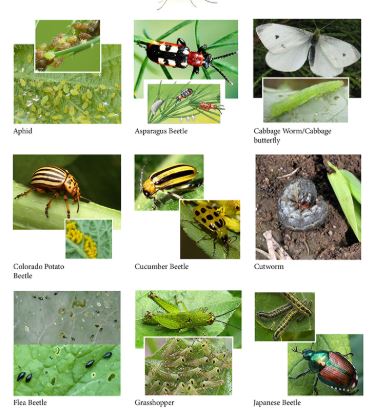
10 Common Garden Soil Pests and How to Get Rid of Them
Healthy soil is the foundation of a productive garden, but many pests live beneath the surface where they often go unnoticed. These soil pests feed on roots, stems, seeds, and seedlings, causing plants to become weak, stunted, or even die. Because the damage happens underground, gardeners may not realize there is a problem until plants start showing symptoms. Learning how to identify common soil pests and understanding the best control methods can help protect your garden. In this guide, you’ll discover the most common garden soil pests, the damage they cause, and effective ways to get rid of them.

What Are Garden Soil Pests and Why Are They Dangerous?
Soil pests are insects, larvae, and microscopic organisms that live in the soil and feed on plant roots or underground plant parts. Unlike leaf-feeding pests, they often remain hidden, making them difficult to detect. If left untreated, soil pests can reduce plant growth, lower harvest yields, and kill young plants. Early identification and proper soil management are essential for keeping your garden healthy and productive.
What Is a Soil Pest?
A soil pest is any organism that spends part or all of its life cycle in the soil and damages plants. These pests may feed on roots, seeds, stems, or organic matter around plants. Common examples include grubs, cutworms, root aphids, and nematodes. Some are visible to the naked eye, while others are microscopic.
Many soil pests attack young plants because their root systems are small and vulnerable. As pest populations grow, plants may struggle to absorb water and nutrients. This often leads to poor growth and lower productivity. Understanding what soil pests are is the first step toward preventing serious garden damage.
How Soil Pests Damage Plant Roots
Most soil pests attack roots directly. They chew, pierce, or feed on root tissue, reducing the plant’s ability to absorb water and nutrients. Damaged roots become weaker and more susceptible to disease. Plants with severe root damage may wilt, turn yellow, or stop growing.
Some pests, such as root knot nematodes, cause swollen root galls that interfere with normal root function. Others, like grubs and wireworms, physically chew roots and underground stems. Over time, damaged plants become stressed and produce fewer flowers, fruits, or vegetables.
Common Warning Signs of Soil Pest Problems
Because soil pests live underground, gardeners usually notice symptoms before seeing the pests themselves. Common warning signs include:
- Yellowing leaves
- Wilting despite proper watering
- Slow or stunted growth
- Poor flowering or fruit production
- Seedlings collapsing suddenly
- Damaged roots when plants are removed
- Bare patches in lawns or garden beds
Regular inspections can help identify these problems before serious damage occurs.
When Should You Treat Soil Pests?
You should treat soil pests as soon as symptoms appear or pests are identified. Early treatment prevents populations from growing and causing widespread damage. Waiting too long can make control more difficult and may result in plant losses.
Inspect plant roots if you notice unexplained wilting or poor growth. In many cases, combining prevention, monitoring, and targeted treatments provides the best results. Healthy soil and strong plants are often more resistant to pest attacks than stressed plants.
Fungus Gnats – Why Are Tiny Flies a Problem for Plants?
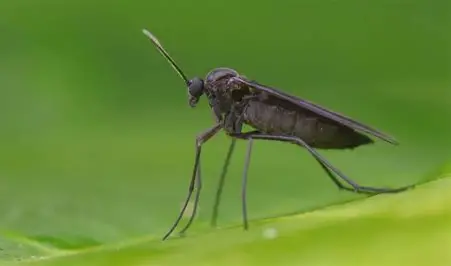
Fungus gnats are small black flies commonly found around moist soil. While adult gnats are mostly a nuisance, their larvae can damage roots and young seedlings. These pests thrive in damp growing conditions and are especially common in containers, greenhouses, and indoor gardens. Controlling moisture levels is one of the most effective ways to prevent fungus gnat infestations.
How to Identify Fungus Gnats
Adult fungus gnats look like tiny mosquitoes and are usually seen flying around soil surfaces. They are dark gray or black and move slowly compared to other flying insects. The larvae are small, translucent worms with black heads that live in the soil.
You may notice fungus gnats when watering plants or disturbing the soil. Large numbers of adult gnats often indicate larvae are feeding below the surface. Seedlings and young plants are most vulnerable to damage.
What Damage Do Fungus Gnat Larvae Cause?
Fungus gnat larvae feed on organic matter in the soil, but they also chew delicate plant roots. This feeding can slow plant growth and weaken seedlings. Damaged roots absorb water less efficiently, making plants more vulnerable to stress.
In severe infestations, seedlings may wilt, become stunted, or die. Young plants are at the highest risk because their root systems are still developing. Repeated root damage can significantly reduce plant health and vigor.
Best Ways to Get Rid of Fungus Gnats
Several methods can effectively control fungus gnats:
- Allow soil to dry between waterings
- Use yellow sticky traps
- Apply beneficial nematodes
- Replace heavily infested soil
- Improve drainage
- Remove decaying organic matter
Combining these methods usually provides the best results and helps reduce future infestations.
How to Prevent Fungus Gnats Naturally
Preventing fungus gnats starts with proper watering practices. Avoid keeping soil constantly wet because damp conditions encourage larvae. Use well-draining soil and containers with drainage holes. Remove dead leaves and plant debris from the soil surface.
Healthy growing conditions make it harder for fungus gnats to establish large populations. Regular monitoring allows you to catch infestations early before they become serious.
Root Aphids – Hidden Pests That Weaken Plants
Root aphids are small sap-sucking insects that live below the soil surface. Unlike regular aphids that feed on leaves and stems, root aphids attack plant roots. Their feeding weakens plants and reduces their ability to absorb nutrients. Because they remain hidden underground, infestations are often difficult to detect until plants begin showing symptoms.
What Are Root Aphids?
Root aphids are tiny insects that resemble common aphids but live in the soil. They feed by piercing roots and sucking plant sap. Most are white, yellow, or pale brown and are often found clustered around roots.
These pests reproduce quickly and can spread throughout garden beds or containers. Once established, they may be difficult to eliminate without targeted treatment.
Signs Your Plants Have Root Aphids
Root aphid infestations often cause symptoms similar to nutrient deficiencies. Plants may appear weak, yellow, or stunted. Leaves can wilt even when the soil contains adequate moisture. Growth slows because damaged roots cannot efficiently transport nutrients.
When examining roots, you may notice small insects or a white, waxy residue around root systems. Early identification is important because large infestations become harder to control.
How to Eliminate Root Aphids
Root aphids can be managed through several methods:
- Remove heavily infested plants
- Apply beneficial nematodes
- Use insecticidal soil drenches
- Replace contaminated potting soil
- Improve plant health and drainage
Combining multiple control methods often provides the most effective results.
Prevention Tips for Future Infestations
Inspect new plants before introducing them to the garden. Avoid reusing contaminated soil and keep growing areas clean. Healthy plants are better able to tolerate minor infestations. Regular root inspections can help detect root aphids before populations become severe.
White Grubs – Soil Pests That Destroy Roots
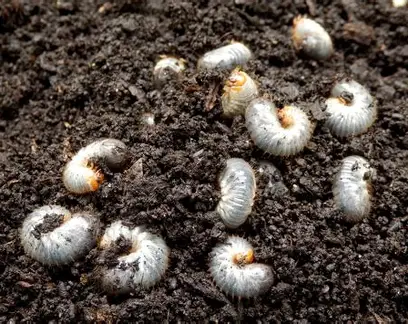
White grubs are the larvae of beetles and are among the most destructive soil pests. They feed on roots below the soil surface, weakening plants and creating dead patches in lawns and garden beds. Heavy infestations can cause significant damage if not treated promptly.
How to Identify White Grubs
White grubs are creamy white larvae with brown heads and curved bodies. They are usually found a few inches below the soil surface and curl into a C-shape when disturbed. Most are between half an inch and one inch long.
Gardeners often discover grubs while digging, planting, or inspecting damaged plants. Large numbers of grubs indicate a developing infestation that may require treatment.
What Plants Are Most at Risk?
White grubs attack many types of plants, but they are especially harmful to those with shallow root systems. Common plants affected include vegetables, flowers, turfgrass, strawberries, and young shrubs. Newly planted crops often suffer the most damage because their roots are still developing.
When roots are eaten, plants struggle to absorb water and nutrients. This can lead to wilting, yellow leaves, and poor growth. In severe infestations, entire plants may die.
Natural and Organic Grub Control Methods
Several natural methods can help control grub populations:
- Apply beneficial nematodes
- Encourage birds to feed in the garden
- Maintain healthy soil
- Remove grubs by hand while digging
- Use organic grub control products
Beneficial nematodes are one of the most effective solutions because they attack grubs underground without harming plants.
How to Prevent Grubs in Garden Soil
Preventing grubs begins with regular soil inspections. Healthy soil supports stronger plants that can better tolerate pest pressure. Avoid overwatering and keep garden beds free from excessive organic debris. If grubs have been a problem before, consider applying beneficial nematodes as a preventive treatment.
Cutworms – Why Do Seedlings Suddenly Fall Over?
Cutworms are soil-dwelling caterpillars that attack young plants near the soil line. These pests feed at night and hide in the soil during the day. They are known for cutting down seedlings, often leaving gardeners wondering why healthy plants suddenly collapse.
Young vegetables and flowers are especially vulnerable. Early protection is essential because cutworms can destroy many seedlings in a short period.
What Are Cutworms?
Cutworms are the larvae of several moth species. They are usually gray, brown, or black and curl into a C-shape when disturbed. Most remain hidden in the soil during daylight hours and emerge at night to feed.
Because they stay underground, gardeners may not notice them until plants start showing damage. Their hidden behavior makes them one of the most frustrating garden pests.
Signs of Cutworm Damage
The most common sign of cutworms is seedlings that have been cut off at ground level. Plants may appear healthy one day and be lying on the soil surface the next morning. Some cutworms also feed on roots and underground stems.
Common symptoms include:
- Missing seedlings
- Cut stems near the soil line
- Wilting young plants
- Chewed leaves close to the ground
- Reduced plant growth
Checking the soil around damaged plants often reveals the caterpillars.
How to Protect Seedlings From Cutworms
Physical barriers are one of the best defenses against cutworms. Cardboard collars placed around seedlings prevent caterpillars from reaching stems. These collars should extend slightly below and above the soil surface.
Gardeners can also hand-pick cutworms during evening inspections. Keeping the garden free from weeds and debris reduces hiding places and makes infestations less likely.
Best Cutworm Prevention Methods
Preventing cutworms starts before planting. Remove weeds and cultivate the soil several weeks before sowing seeds. This exposes cutworms to predators and reduces their numbers.
Crop rotation, regular monitoring, and protecting seedlings with collars are effective long-term strategies. Healthy garden practices greatly reduce the risk of severe cutworm damage.
Root Knot Nematodes – Microscopic Pests With Major Impact
Root knot nematodes are microscopic worms that attack plant roots. Although they cannot be seen without magnification, they can cause serious damage to vegetables, fruits, and ornamental plants. These pests invade roots and create swollen galls that interfere with water and nutrient uptake.
Because the damage occurs below ground, many gardeners mistake nematode problems for nutrient deficiencies or drought stress.
What Are Root Knot Nematodes?
Root knot nematodes are tiny roundworms that live in the soil. They enter plant roots and feed on root tissue. As they feed, the roots develop swollen knots or galls that restrict normal growth.
These pests thrive in warm soil and can remain active for long periods. Once established, they can be difficult to eliminate completely.
How to Identify Nematode Damage
Plants affected by root knot nematodes often show slow growth, yellow leaves, and poor yields. Even when watered properly, they may appear weak and unhealthy. The most reliable way to identify these pests is by examining the roots.
Common symptoms include:
- Stunted growth
- Wilting during hot weather
- Yellow leaves
- Reduced harvests
- Swollen root galls
The presence of root galls is a strong indicator of nematode activity.
Best Treatments for Root Knot Nematodes
There is no quick cure for root knot nematodes, but several methods can reduce their populations. Adding organic matter improves soil health and encourages beneficial organisms that compete with nematodes.
Other treatment options include:
- Soil solarization
- Crop rotation
- Planting resistant varieties
- Adding compost
- Removing infected plants
Using several methods together often provides the best results.
Resistant Crops and Prevention Strategies
Growing resistant vegetable varieties is one of the most effective ways to prevent nematode damage. Rotating crops each season also helps interrupt the pest’s life cycle. Healthy soil rich in organic matter supports beneficial organisms that naturally suppress nematodes.
Wireworms – Underground Pests That Attack Vegetables
Wireworms are the larvae of click beetles and can live in the soil for several years. These pests feed on seeds, roots, tubers, and underground stems. They are especially damaging to root vegetables and newly planted crops.
Because wireworms develop slowly, infestations can persist for multiple growing seasons if not managed properly.
How to Identify Wireworms
Wireworms are slender, hard-bodied larvae that range in color from yellow to brown. Their bodies resemble short pieces of wire, which is how they got their name. They are usually found in the soil around plant roots and seeds.
Gardeners often discover wireworms when digging in affected garden beds or inspecting damaged crops.
Which Crops Do Wireworms Damage Most?
Wireworms commonly attack:
- Potatoes
- Carrots
- Sweet potatoes
- Corn
- Onions
- Lettuce
- Beans
- Beetroot
These pests create tunnels in roots and tubers, reducing crop quality and marketability.
How to Get Rid of Wireworms
Controlling wireworms requires patience because they remain in the soil for several years. Cultivating soil regularly exposes larvae to birds and other predators. Traps made from pieces of potato can also help monitor and reduce populations.
Additional control methods include:
- Crop rotation
- Soil cultivation
- Removing weeds
- Using bait traps
- Encouraging natural predators
Combining multiple methods improves long-term control.
Long-Term Wireworm Prevention
Good garden sanitation is important for preventing wireworms. Remove weeds and crop residues that provide food and shelter. Rotating crops regularly and monitoring garden beds can help prevent populations from increasing.
Root Mealybugs – Soil-Dwelling Sap Suckers
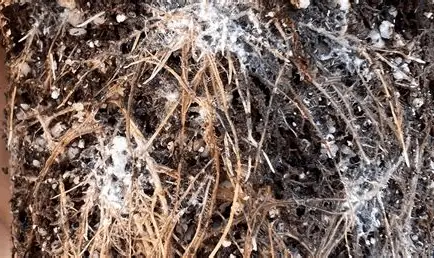
Root mealybugs are closely related to the mealybugs commonly found on leaves and stems. However, these pests live below the soil surface and feed directly on roots. Their feeding weakens plants and can cause significant growth problems if left untreated.
Root mealybugs are particularly common in container gardens, greenhouses, and ornamental plant collections.
What Do Root Mealybugs Look Like?
Root mealybugs are small, white insects covered in a waxy coating. They often appear as cotton-like clusters around roots and in the soil. Because they stay underground, infestations may go unnoticed until plants begin declining.
When repotting plants, gardeners may discover these pests attached to root systems.
Symptoms of Root Mealybug Infestations
Plants infested with root mealybugs often show symptoms similar to overwatering or nutrient deficiencies. Common signs include slow growth, yellowing leaves, and wilting.
You may notice:
- Stunted growth
- Leaf drop
- Yellow foliage
- Poor flowering
- Weak root systems
Severe infestations can eventually kill plants if not treated.
Effective Control Methods
Managing root mealybugs requires treating both the roots and surrounding soil. For container plants, remove the plant from its pot and wash the roots thoroughly. Replace old soil with fresh, clean potting mix. In severe cases, pruning damaged roots may be necessary.
Helpful control methods include:
- Repotting plants in fresh soil
- Washing roots before replanting
- Discarding heavily infested soil
- Using beneficial insects when appropriate
- Inspecting roots regularly
Early treatment helps prevent root mealybugs from spreading to nearby plants.
How to Stop Root Mealybugs From Returning
Always inspect new plants before bringing them into your garden or home. Use clean pots and fresh potting soil when repotting. Avoid reusing contaminated soil and regularly check root systems for signs of pests. Good sanitation is the best defense against future infestations.
Mole Crickets – Burrowing Pests That Damage Roots
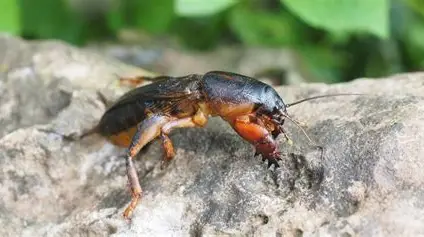
Mole crickets are unusual insects that spend most of their lives underground. Their large front legs are adapted for digging, allowing them to tunnel through soil. While tunneling, they damage roots and disturb seedlings. Mole crickets are most common in warm climates but can become a serious problem wherever they establish populations.
How to Recognize Mole Crickets
Mole crickets have brown bodies, strong digging legs, and a cricket-like appearance. They are usually found underground and are rarely seen during the day. Raised tunnels in the soil are often the first sign of their presence.
Gardeners may notice damaged seedlings or loose soil around affected plants. Their underground activity can disrupt root systems and weaken plant growth.
Signs of Mole Cricket Damage
Mole crickets damage plants by feeding on roots and tunneling through the soil. Common signs include:
- Wilting plants
- Loose or disturbed soil
- Dead patches in lawns
- Damaged seedlings
- Reduced plant growth
Young plants are especially vulnerable because their roots are small and easily disturbed.
Best Ways to Control Mole Crickets
Several methods can help reduce mole cricket populations. Beneficial nematodes are commonly used because they attack the pests underground. Encouraging birds and other natural predators can also help.
Additional control options include:
- Beneficial nematodes
- Insect traps
- Reducing excessive moisture
- Encouraging natural predators
- Regular soil monitoring
Combining these methods usually provides the best results.
Preventing Future Problems
Healthy soil and proper garden maintenance help discourage mole crickets. Avoid overwatering and remove debris that may provide shelter. Regular inspections allow you to identify problems early before populations increase.
Symphylans – Fast-Moving Soil Pests Most Gardeners Miss
Symphylans are small white soil-dwelling creatures that resemble tiny centipedes. Although they are not true insects, they can cause serious damage to plant roots. Because they move quickly through the soil, they are often difficult to detect.
Large populations can stunt plant growth and reduce vegetable yields significantly.
What Are Garden Symphylans?
Symphylans are tiny, white, many-legged creatures that live in moist soil. They feed on root hairs and young roots, reducing a plant’s ability to absorb water and nutrients.
They are most common in soils with high organic matter and may become a recurring problem if conditions remain favorable.
How They Damage Root Systems
Symphylans feed on delicate root tissue. Damaged roots struggle to support healthy growth, causing plants to become weak and stunted. Young seedlings are particularly vulnerable because their root systems are still developing.
Symptoms often resemble nutrient deficiencies, making diagnosis difficult without examining the soil directly.
Effective Symphylan Control Methods
Managing symphylans often involves improving soil conditions and reducing favorable habitats.
Recommended control methods include:
- Cultivating the soil regularly
- Improving drainage
- Reducing excessive organic matter
- Rotating crops
- Monitoring populations frequently
Long-term management is usually more successful than relying on a single treatment.
Soil Management Practices That Help
Proper soil management is essential for controlling symphylans. Avoid excessive moisture and improve drainage whenever possible. Healthy soil with balanced organic matter levels helps reduce severe infestations. Regular monitoring also helps detect population increases before serious damage occurs.
Millipedes – Are They Helpful or Harmful in Gardens?
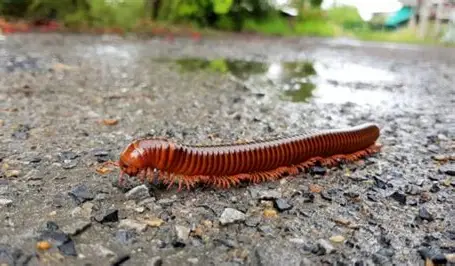
Millipedes are generally considered beneficial because they help break down decaying organic matter. However, when populations become very large, they may feed on tender seedlings, roots, and ripening fruits. While they are not usually major pests, they can become problematic under certain conditions.
Understanding when millipedes are helpful and when they become harmful can help gardeners manage them effectively.
When Millipedes Become a Problem
Most millipedes feed on dead plant material rather than living plants. Problems occur when large populations develop and food sources become limited. At that point, they may begin feeding on young seedlings and soft plant tissue.
Gardens with excessive moisture and abundant organic matter are most likely to experience millipede problems.
Plants Most Commonly Affected
Millipedes occasionally damage:
- Young seedlings
- Strawberries
- Root vegetables
- Soft fruits
- Tender vegetable plants
Damage is usually minor compared to other soil pests, but large populations can still cause concern.
How to Reduce Millipede Populations
Reducing moisture is one of the most effective ways to discourage millipedes. Remove excessive mulch, leaf litter, and decaying organic matter where they hide during the day.
Other management methods include:
- Improving drainage
- Removing debris
- Watering less frequently
- Hand removal
- Reducing heavy mulch layers
These simple steps often reduce populations significantly.
Prevention and Moisture Control
Millipedes thrive in damp environments. Improving air circulation, reducing overwatering, and removing excess organic debris help create less favorable conditions. Good garden sanitation is often enough to keep millipede populations under control.
Quick Comparison of Common Garden Soil Pests
| Pest | Main Damage | Severity | Best Control Method |
|---|---|---|---|
| Fungus Gnats | Root feeding | Moderate | Reduce soil moisture |
| Root Aphids | Sap sucking | High | Beneficial nematodes |
| White Grubs | Root destruction | High | Beneficial nematodes |
| Cutworms | Seedling damage | High | Plant collars |
| Root Knot Nematodes | Root galls | High | Crop rotation |
| Wireworms | Root and tuber feeding | Moderate | Soil cultivation |
| Root Mealybugs | Root sap feeding | Moderate | Repotting and sanitation |
| Mole Crickets | Root damage | High | Beneficial nematodes |
| Symphylans | Root feeding | Moderate | Improve drainage |
| Millipedes | Seedling damage | Low | Moisture control |
Which Soil Pest Causes the Most Damage?
Root knot nematodes, white grubs, and root aphids are among the most destructive soil pests. These pests attack root systems directly, reducing a plant’s ability to absorb water and nutrients. Large infestations can lead to severe yield losses and plant death.
Which Soil Pest Is Hardest to Detect?
Root knot nematodes are often the hardest to detect because they are microscopic. Root aphids and symphylans can also remain hidden underground for long periods. Regular root inspections help identify these pests before serious damage occurs.
Which Soil Pest Is Easiest to Control?
Fungus gnats are usually among the easiest soil pests to manage. Improving drainage and allowing soil to dry between waterings often reduces their populations quickly. Early detection makes control even more effective.

- 10 Best Uv Protected Garden Hose For Outdoor Storage 2026 - October 20, 2026
- 10 Best Uv Resistant Garden Hose 2026 - October 20, 2026
- 10 Best 100 Foot Garden Hose For Large Properties 2026 - October 20, 2026