What Soil pH Is Best for Vegetables, Flowers and Lawns?
Most vegetables, flowers, and lawns grow best in soil with a pH between 6.0 and 7.0, which is slightly acidic to neutral. That said, the exact number shifts depending on what you’re growing. A tomato and a blueberry bush don’t want the same soil, and neither does a fescue lawn compared to a bed of hydrangeas.
This guide breaks down the ideal pH range for common vegetables, flowers, and lawn grasses, explains why it matters, and shows you how to adjust your soil if it’s off.
Direct Answer: What’s the Best Soil pH for Vegetables, Flowers, and Lawns?
Most vegetables do best between pH 6.0 and 6.8. Flowers vary widely, but many common garden flowers prefer 6.0 to 7.0, with acid-loving types like azaleas and hydrangeas wanting 5.0 to 5.5. Lawns generally thrive between 6.0 and 7.0, depending on the grass species. Testing your soil first is the only way to know where you actually stand.
Why Soil pH Matters for Plant Growth
Soil pH controls how available nutrients are to plant roots. Nitrogen, phosphorus, potassium, calcium, and micronutrients like iron and manganese all become more or less accessible depending on how acidic or alkaline the soil is.
When pH drifts outside a plant’s comfort zone, nutrients can get locked up in the soil even if they’re technically present. That’s why a plant can look starved even after regular fertilizing — the problem often isn’t a lack of nutrients, it’s that the roots can’t absorb what’s already there.
The pH Scale in Simple Terms
The scale runs from 0 to 14. Seven is neutral. Below 7 is acidic, above 7 is alkaline. Each full number represents a tenfold change, so soil at pH 5 is ten times more acidic than soil at pH 6, not just “a little more.”
Most garden soil naturally sits somewhere between 5.5 and 8.0, depending on your region, rainfall, and what’s been added to it over time, like compost, lime, or fertilizer.
How to Find Out Your Current Soil pH
Before adjusting anything, test your soil. A basic home test — using vinegar and baking soda, a water-and-test-strip method, or a digital meter — gives you a starting point. For anything beyond casual gardening, a lab test through a local extension office gives a precise number plus a nutrient breakdown.
Practical Information: Ideal pH by Plant Type
Best Soil pH for Vegetables
Most vegetables prefer slightly acidic to neutral soil, generally in the 6.0 to 6.8 range. A few common examples:
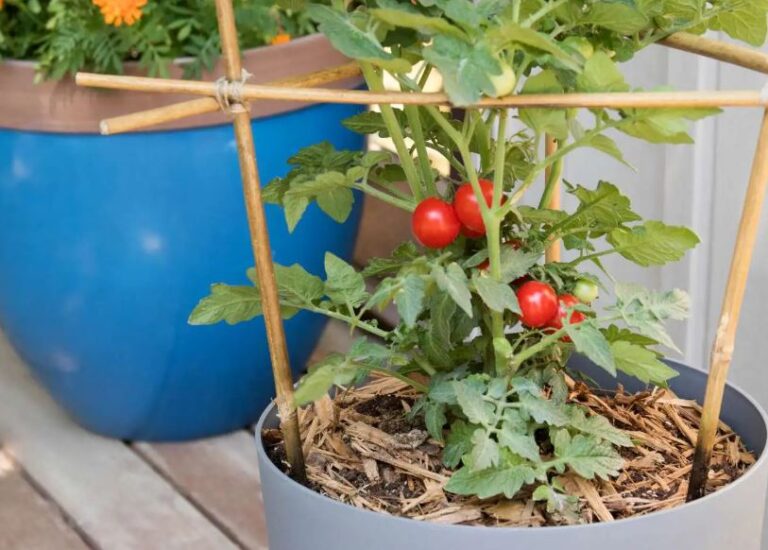
- Tomatoes: 6.0 to 6.8
- Peppers: 5.5 to 7.0
- Carrots: 5.5 to 6.8
- Lettuce: 6.0 to 7.0
- Beans: 6.0 to 7.0
- Potatoes: 5.0 to 6.0 (slightly more acidic than most vegetables, which also helps reduce scab disease)
- Asparagus: 6.5 to 7.5 (one of the few vegetables that tolerates slightly alkaline soil well)
Root vegetables and leafy greens are generally more forgiving of small pH swings than fruiting vegetables like tomatoes and peppers, which are more sensitive to nutrient lockout.
Best Soil pH for Flowers
Flower pH preferences vary more than vegetables, since ornamental plants come from a wider range of native habitats.
- Roses: 6.0 to 6.5
- Marigolds: 5.5 to 7.5 (very tolerant)
- Petunias: 5.8 to 6.2
- Azaleas: 4.5 to 5.5
- Hydrangeas: 5.0 to 5.5 for blue blooms, 6.0 to 7.0 for pink blooms (the pH here literally changes flower color by affecting aluminum availability)
- Lavender: 6.5 to 7.5 (prefers alkaline conditions, unusual among common garden flowers)
- Daffodils and tulips: 6.0 to 7.0
Hydrangeas are the clearest example of pH visibly affecting a plant. In acidic soil, aluminum becomes available to the roots and produces blue flowers. In alkaline soil, aluminum is locked up and the same variety produces pink flowers.
Best Soil pH for Lawns
Lawn grass, like vegetables, generally prefers a range close to neutral, though it varies slightly by grass species and climate zone.
- Kentucky bluegrass: 6.0 to 7.0
- Fescue (tall and fine): 5.5 to 6.5
- Bermuda grass: 6.0 to 6.5
- Zoysia grass: 6.0 to 6.5
- St. Augustine grass: 6.0 to 7.5, tolerant of slightly alkaline soil
Lawns in acidic soil, common in regions with high rainfall, often show thinning, moss growth, and poor color even with regular fertilizing. Alkaline lawn soil, more common in dry or limestone-heavy regions, can lead to iron deficiency, which shows up as yellowing between the leaf veins.
Key Factors That Influence Ideal pH Needs
Native Growing Conditions
Plants native to naturally acidic environments, like forest understories with heavy leaf litter, tend to prefer acidic soil. Plants native to limestone-rich or arid regions often tolerate or prefer alkaline conditions. This is why blueberries (native to acidic woodland soil) and lavender (native to alkaline Mediterranean soil) sit at opposite ends of the scale.
Nutrient Uptake Sensitivity
Some plants are more sensitive to pH-driven nutrient lockout than others. Tomatoes, for example, are prone to calcium deficiency (blossom end rot) when soil pH swings too far from their preferred range, since calcium uptake is closely tied to pH balance.
Benefits of Matching Soil pH to Your Plants
- Better nutrient absorption without needing to over-fertilize.
- Stronger root development and overall plant vigor.
- Fewer disease issues, since some soil-borne diseases thrive at specific pH levels (potato scab, for instance, is less common in more acidic soil).
- More reliable flower color in pH-sensitive plants like hydrangeas.
- Reduced need for constant fertilizing, since nutrients already in the soil become more accessible.
Limitations and Challenges of Adjusting Soil pH
- Changing soil pH is a slow process, often taking months, not days, especially for larger shifts.
- Sandy soil changes pH faster but also drifts back faster, requiring more frequent reapplication of amendments.
- Clay soil resists pH change more strongly, meaning it takes more material and more time to see results.
- Over-correcting is a real risk. Adding too much lime or sulfur at once can push pH too far in the opposite direction.
- Some pH problems come back year after year due to underlying factors, like nearby concrete structures leaching lime into the soil.
How to Adjust Soil pH for Your Plants
- Test your current soil pH using a home method or a lab test to know your starting point.
- Identify the ideal range for what you’re growing, using the ranges listed above as a reference.
- To raise pH (make soil less acidic), apply garden lime according to package directions, based on your soil type and how far off your current pH is.
- To lower pH (make soil more acidic), apply elemental sulfur, or use acidifying products designed for plants like blueberries and azaleas.
- Work the amendment into the top 6 inches of soil where most roots are active.
- Water thoroughly after application to help the amendment start interacting with the soil.
- Retest after 6 to 8 weeks, since pH changes gradually rather than immediately.
- Repeat smaller applications as needed rather than adding a large amount all at once.
Common Mistakes to Avoid
- Guessing at pH instead of testing first, which often leads to unnecessary or wrong amendments.
- Applying lime or sulfur based on a single test from one spot in a large yard.
- Expecting immediate results — pH shifts take weeks, sometimes a full season.
- Adding lime every year out of habit without retesting, which can push alkaline soil too far.
- Ignoring the difference between soil pH needs for different plants in the same bed, like mixing acid-loving azaleas with alkaline-tolerant lavender in one space.
Comparison: Typical pH Preferences by Plant Category
| Plant Category | Typical pH Range | Notes |
|---|---|---|
| Most vegetables | 6.0–6.8 | Tomatoes, beans, lettuce fall here |
| Potatoes | 5.0–6.0 | More acidic helps reduce scab disease |
| Most garden flowers | 6.0–7.0 | Roses, tulips, petunias |
| Acid-loving flowers | 4.5–5.5 | Azaleas, blueberries, rhododendrons |
| Alkaline-tolerant flowers | 6.5–7.5 | Lavender, clematis |
| Most lawn grasses | 6.0–7.0 | Bluegrass, Bermuda, Zoysia |
| Fescue lawns | 5.5–6.5 | Slightly more acid-tolerant than other turf grasses |
Best Tips for Managing Soil pH
- Group plants with similar pH needs together in the same bed, rather than mixing acid-lovers with alkaline-tolerant plants.
- Test soil once a year for established gardens, and more often if you’re actively amending.
- Add organic matter like compost regularly, since it helps buffer pH swings over time and improves overall soil health.
- Be patient with amendments — small, repeated applications work better than one large dose.
- Watch your plants for visual clues, like yellowing between leaf veins (often iron deficiency from alkaline soil) or stunted growth, as early signs pH might be off before you even test.
Frequently Asked Questions
What pH is considered neutral for soil? A pH of 7.0 is considered neutral. Most garden soil sits somewhere between 5.5 and 8.0, with the majority of common vegetables, flowers, and lawns preferring a range close to neutral, between 6.0 and 7.0.
Can one soil pH work for an entire yard with vegetables, flowers, and lawn? Not perfectly, since each plant type has slightly different preferences. A pH around 6.5 works reasonably well as a middle ground for most vegetables, flowers, and lawn grass, though specialty plants like blueberries or lavender will still need separate beds or containers.
How long does it take to change soil pH? Noticeable changes typically take 6 to 8 weeks after applying lime or sulfur, though larger shifts can take a full growing season. Sandy soil changes faster than clay soil, which holds onto its existing pH more stubbornly.
What happens if soil pH is too high or too low for a plant? Nutrients become less available even if they’re present in the soil, leading to symptoms like yellowing leaves, stunted growth, and poor flowering or fruiting. In extreme cases, certain nutrients can become toxic at the wrong pH, particularly aluminum and manganese in very acidic soil.
Do I need to test soil pH every year? For established gardens and lawns, testing once a year is usually enough. If you’re actively adding lime, sulfur, or heavy amounts of compost, testing every few months helps you track how those changes are affecting pH.
What’s the best way to lower soil pH naturally? Elemental sulfur is the standard amendment for lowering pH, though it works slowly since soil bacteria need to convert it into sulfuric acid over time. Incorporating acidic organic matter, like pine needles or peat moss, can help over the long term but works more slowly than direct sulfur application.
Why does my hydrangea keep changing flower color? Hydrangea flower color is directly tied to soil pH and aluminum availability. Acidic soil (around pH 5.0 to 5.5) makes aluminum available to the plant, producing blue flowers, while more neutral to alkaline soil (pH 6.0 to 7.0) locks up aluminum and produces pink flowers.
Final Takeaway
There’s no single perfect pH number for every plant, but most vegetables, flowers, and lawns land somewhere between 6.0 and 7.0. Test your soil before making changes, match your amendments to what you’re actually growing, and give any adjustment time to work before deciding whether it’s helping.

- 10 Best Lightweight Garden Hose For Daily Use 2026 - October 26, 2026
- 10 Best Abrasion Resistant Lightweight Garden Hose 2026 - October 26, 2026
- 10 Best Burst Resistant Garden Hose 2026 - October 26, 2026